
Sweet vs. Savory: Exploring the Versatility of Enriched Doughs

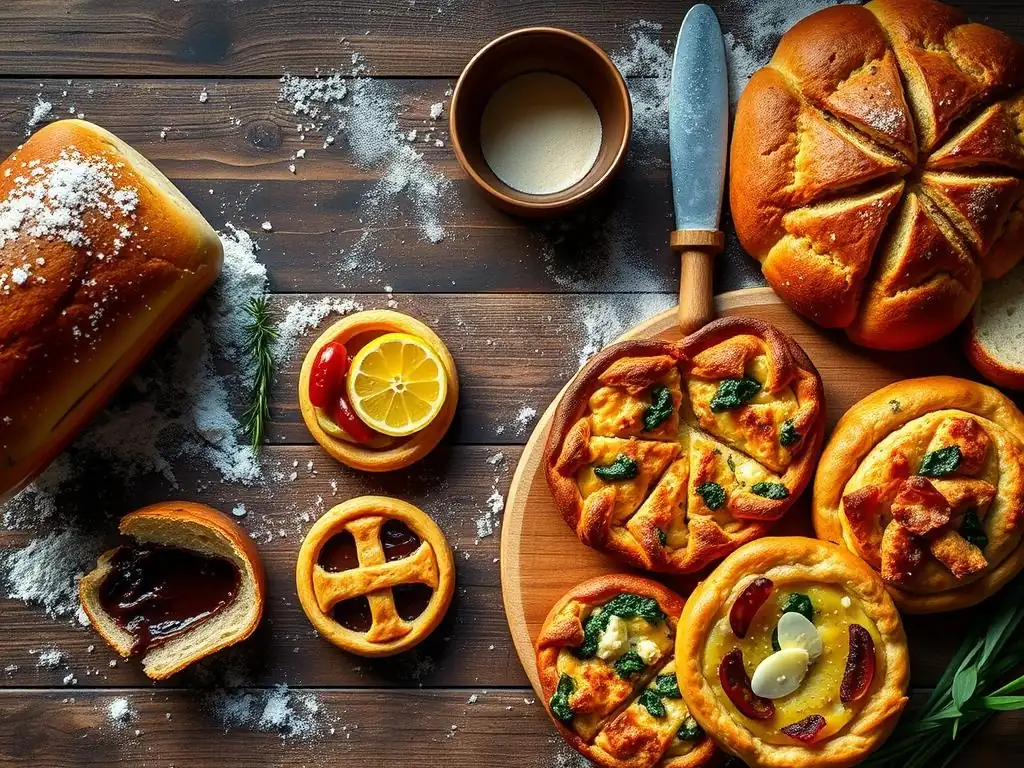
Welcome to BakeWithEase, your kitchen companion for all things baking! Ever wondered how a single dough can transform into a symphony of flavors? Get ready to unlock the secrets of enriched dough recipes, where sweet meets savory. This guide dives deep into the versatile world of enriched doughs, offering exciting variations that will elevate your baking game. Intrigued? Let's explore the delicious possibilities!
- Understanding Enriched Doughs: A Baker's Essential Guide
- Enriched Dough Recipes Variations: Sweet Applications
- Mastering Enriched Dough Techniques for Sweet and Savory Bakes
- Troubleshooting Common Enriched Dough Problems
- From Sweet to Savory: Expanding Your Enriched Dough Repertoire
-
Frequently Asked Questions
- What exactly is an enriched dough, and what makes it different from other doughs?
- What are some common examples of sweet enriched dough recipes?
- Can enriched doughs be used for savory applications?
- What are some tips for working with enriched dough, as it can sometimes be sticky?
- How do I adjust baking times and temperatures when using enriched doughs?
- Final Reflection: The Enduring Allure of Enriched Doughs
- Unleash Your Inner Baker: Mastering Enriched Doughs!
Understanding Enriched Doughs: A Baker's Essential Guide
What are Enriched Doughs? Defining the Basics
Enriched doughs represent a fundamental category in baking, distinguished by the addition of ingredients beyond the basic flour, water, yeast, and salt. The term "enriched" refers to the inclusion of fats (like butter or oil), sugar, eggs, and sometimes milk or other dairy. These additions significantly alter the dough's texture, flavor, and handling properties compared to lean doughs, resulting in softer, more tender, and often richer baked goods. Think of classic brioche, challah, or even some types of sweet rolls – they all fall under this delicious umbrella.
Unlike lean doughs, which typically produce crusty loaves like baguettes, enriched doughs yield products with a finer crumb and a softer crust. The extra fat and sugar tenderize the gluten structure, while eggs and dairy contribute richness, moisture, and often a beautiful golden hue to the finished bake. Mastering enriched dough recipes variations opens up a world of baking possibilities, allowing you to create everything from delicate pastries to substantial savory breads.
Key Ingredients in Enriched Doughs: Flour, Sugar, Fat, and Eggs
The magic of enriched dough lies in its core enriching ingredients. High-protein bread flour is often preferred as it provides the necessary gluten structure to support the added weight and richness, though some recipes might use all-purpose flour for a softer result. Sugar serves multiple purposes: it feeds the yeast, promotes browning, and adds sweetness, obviously, but also contributes to tenderness by interfering with gluten development. The amount of sugar can vary significantly depending on whether the final product is sweet or savory.
Fats, most commonly butter, are crucial for tenderness and flavor. They coat the gluten strands, preventing them from forming a tough network, and contribute to a moist, melt-in-your-mouth texture. Eggs add richness, protein for structure, fat for tenderness, and lecithin, which acts as an emulsifier, helping to create a smooth dough. Milk, instead of water, adds fat and sugar (lactose), further contributing to a soft crumb and enhanced browning. The specific ratios of these ingredients are what define the many enriched dough recipes variations available.
The Science Behind Enriched Doughs: Gluten Development, Flavor, and Texture
The science of enriched dough is fascinating. While basic dough relies on extensive gluten development for structure, the added fat in enriched dough inhibits this process. The fat molecules coat the gluten proteins (gliadin and glutenin), making it harder for them to link together and form a strong network. This is why enriched doughs, despite often being kneaded thoroughly, result in a tender, less chewy crumb compared to lean breads. Eggs also contribute protein which can add some structure, but their fat content also tenderizes.
Sugar affects both yeast activity and gluten. It's a food source for yeast, initially boosting fermentation, but in high concentrations (say, above 10-15% of flour weight), it can actually slow yeast down by drawing out moisture. Sugar also competes with flour for water, impacting hydration and further limiting gluten development. The Maillard reaction, responsible for browning, is accelerated by both sugar and protein (from eggs and milk), leading to that desirable golden-brown crust. Understanding these interactions is key to successfully working with different enriched dough recipes variations.
Enriched Dough Recipes Variations: Sweet Applications
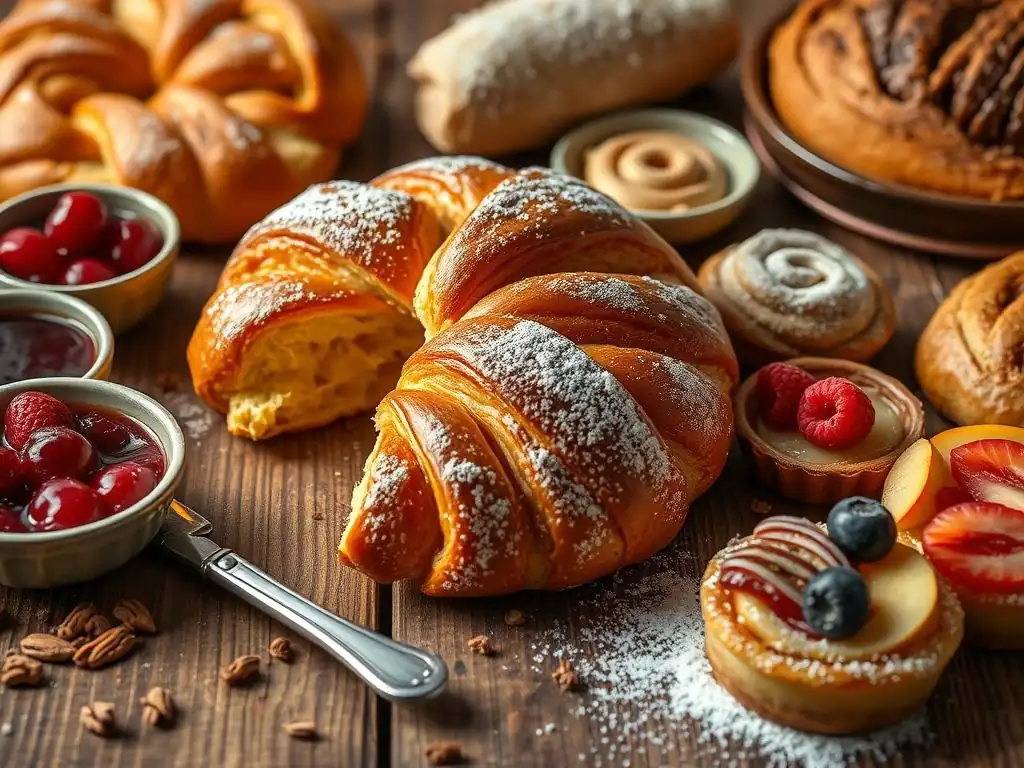
Classic Sweet Brioche: A Fundamental Enriched Dough Recipe
Classic brioche is perhaps the quintessential example of a sweet enriched dough. Originating in France, it's renowned for its high butter and egg content, which gives it an incredibly rich flavor and a tender, almost cake-like crumb. A typical brioche might contain fat equivalent to 50% or more of the flour weight, and several eggs, sometimes even whole eggs plus extra yolks. This high level of enrichment requires careful handling, as the dough can be quite soft and sticky.
Mastering a basic brioche recipe provides a solid foundation for exploring many other sweet enriched dough recipes variations. From simple loaves and rolls to more elaborate pastries, the versatility of brioche dough is immense. It's often used for breakfast pastries, desserts, and even as a base for French toast, where its rich crumb absorbs the custard beautifully.
Brioche Dough Ingredients and Proportions
A standard brioche dough recipe often uses percentages based on the flour weight (baker's percentage). For example, a rich brioche might look something like this:
- Bread Flour: 100%
- Eggs: 30-40% (or more)
- Milk: 10-20% (or just enough to bring the dough together with eggs)
- Sugar: 10-20%
- Salt: 1.5-2%
- Instant Yeast: 1-1.5%
- Unsalted Butter: 50-70% (added softened, after initial kneading)
This high proportion of butter, incorporated gradually after the initial dough is formed, is what distinguishes true brioche. The dough will initially be shaggy and sticky, requiring significant kneading time, often 15-20 minutes in a stand mixer, to develop sufficient strength before the butter is added. The butter is then incorporated bit by bit, leading to a smooth, elastic, and very rich dough that requires a long, slow proof, often overnight in the refrigerator, to manage its richness and develop flavor.
Step-by-Step Brioche Baking Instructions
Baking brioche involves several key stages to ensure its signature texture and golden crust. After the dough is mixed and kneaded (with butter incorporated), it undergoes a primary bulk fermentation, often at room temperature for an hour or two, followed by a long, cold proof in the refrigerator for at least 6-8 hours, or preferably overnight. This cold rest allows the flavors to deepen and makes the rich dough easier to handle and shape.
Once chilled, the dough is shaped into loaves, rolls, or other forms. A final proofing at room temperature allows the shaped dough to become light and airy, typically taking 1-2 hours depending on the ambient temperature.
Before baking, brioche is traditionally brushed with an egg wash (often just egg yolk mixed with a little milk or cream) to give it a deep golden, glossy finish. Baking temperature is usually around 350-375°F (175-190°C), with baking time varying significantly based on the size and shape of the bake, from 15-20 minutes for small rolls to 30-40 minutes or more for a large loaf.
Sweet Rolls & Buns: Enriched Dough Delights
Enriched dough is the foundation for countless sweet rolls and buns enjoyed worldwide. These treats leverage the tender crumb and rich flavor provided by the added fats, sugar, and eggs. From classic cinnamon rolls and sticky buns to fruit-filled spirals and sweet braided loaves, the variety is vast. These recipes often use a slightly less enriched dough than brioche, making them easier to handle while still delivering a soft, moist texture.
The beauty of sweet rolls is their adaptability. You can experiment endlessly with fillings, spices, nuts, and glazes, creating unique enriched dough recipes variations. They are perfect for breakfast, brunch, or dessert, and their individual portion size makes them a popular choice for bake sales and gatherings.
Cinnamon Rolls: A Step-by-Step Guide to Perfect Sweet Rolls
Creating delicious cinnamon rolls from enriched dough follows a general process. Start with a well-mixed and kneaded enriched dough – one with perhaps 15-20% butter and 10-15% sugar is a good starting point. After the initial bulk fermentation (until doubled in size, maybe 1-2 hours), the dough is typically rolled out into a large rectangle, about 1/4 to 1/3 inch thick.
Next, a generous layer of filling is spread over the dough. A classic cinnamon roll filling consists of softened butter, granulated or brown sugar, and plenty of cinnamon, often around 2 tablespoons of cinnamon per cup of sugar. The dough is then tightly rolled up along the long edge into a log, and sliced into individual rolls, typically 1 to 1.5 inches thick.
These slices are placed cut-side up in a baking pan, often spaced slightly apart to allow for expansion during proofing and baking. A second proofing, until the rolls are puffy and nearly touching, is essential before baking at around 375°F (190°C) for 20-25 minutes, or until golden brown.
Cream Cheese Filling Variations for Sweet Rolls
While the classic cinnamon-sugar filling is beloved, enriched dough recipes variations for sweet rolls can include diverse fillings. A popular addition is a layer of cream cheese filling spread over the cinnamon-sugar mixture or used on its own. A basic cream cheese filling combines softened cream cheese, powdered sugar for sweetness and texture, a touch of vanilla extract, and sometimes a little butter or milk to make it spreadable. The ratio might be roughly 8 ounces of cream cheese to 1-2 cups of powdered sugar, depending on desired sweetness and consistency.
Beyond plain cream cheese, you can create variations by adding citrus zest (lemon or orange), spices like cardamom or nutmeg, or even a small amount of fruit puree or jam. For a richer filling, mascarpone can be used instead of or in addition to cream cheese. These filling variations add another layer of flavor and moisture to the tender enriched dough base.
Glazing Options for Sweet Rolls: From Simple to Decadent
The final touch for many sweet rolls is a glaze or frosting. The simplest option is a classic powdered sugar glaze, made by whisking powdered sugar with a liquid like milk, water, or lemon juice until smooth and pourable. The consistency can be adjusted by adding more sugar or liquid. For a richer finish, a cream cheese frosting is incredibly popular. This is typically made by beating softened cream cheese with softened butter, then gradually mixing in powdered sugar and a splash of vanilla extract and milk or cream until light and fluffy.
Other glazing options include a simple sugar syrup brushed over the hot rolls for shine and moisture, a caramel glaze made with brown sugar and butter, or even a maple glaze using maple syrup and powdered sugar. The choice of glaze can complement the filling and the enriched dough base, adding sweetness and visual appeal to these delightful treats.
Fruit-Filled Enriched Dough Creations
Enriched dough is an excellent vehicle for fruit fillings, creating pastries like Danish, babka, or fruit-filled buns. The tender, slightly sweet dough pairs beautifully with the tartness or sweetness of various fruits. These bakes often involve specific shaping techniques to enclose the fruit filling, showcasing the baker's skill and the dough's flexibility. Exploring fruit-filled enriched dough recipes variations adds vibrant flavors and textures to your baking repertoire.
From simple fruit swirls to elaborate braided loaves bursting with filling, the possibilities are nearly endless. Common fruit fillings include apple, cherry, blueberry, raspberry, or a mix of berries. These are often cooked slightly beforehand to reduce moisture and concentrate flavor, preventing a soggy bottom crust.
Apple Crumble Filling: A Detailed Guide
An apple crumble filling is a fantastic option for enriched dough pastries, providing both a soft fruit layer and a crumbly, buttery topping. To make it, you'll need peeled and diced apples (about 2-3 medium apples for a moderate batch of rolls or a small loaf). These are typically mixed with sugar (white or brown, perhaps 1/4 to 1/2 cup depending on apple sweetness), cinnamon (1-2 teaspoons), a pinch of nutmeg, and a tablespoon or two of flour or cornstarch to thicken the juices as they cook.
For the crumble topping, combine flour (around 1/2 cup), sugar (1/4 cup), and cold butter (1/4 cup, cut into small pieces). Use your fingertips or a pastry blender to rub the butter into the dry ingredients until coarse crumbs form. Some recipes also include oats or chopped nuts for added texture. When assembling, the apple mixture is spread over the dough, and the crumble topping is often sprinkled over the top before or during baking, creating a delightful contrast with the soft enriched dough.
Shaping Techniques for Fruit-Filled Breads
Shaping enriched dough for fruit fillings often involves rolling the dough into a rectangle, spreading the filling evenly, and then rolling it up like a jelly roll. This log can then be sliced into individual buns or left whole and braided or twisted. For a babka-style loaf, the rolled and filled dough is often sliced lengthwise, revealing the layers of filling, and then twisted or braided before being placed in a loaf pan.
Another technique involves cutting squares of dough, placing a dollop of filling in the center, and folding the corners to meet in the middle, creating a simple bun. For Danish pastries, the dough is often rolled thinly, layered with butter (similar to puff pastry, though less complex), and then cut and shaped into various forms like pinwheels, envelopes, or combs, with the fruit filling placed in the center or woven within the design. The tenderness of enriched dough makes it forgiving for many shaping methods, allowing for beautiful and delicious results.
Savory Brioche Bread: A Delicious Alternative
While brioche is traditionally sweet, its rich, tender crumb makes it an excellent base for savory variations. By reducing or omitting sugar and incorporating savory elements, you can transform this classic dough into a delightful bread perfect for sandwiches, dinner rolls, or served alongside meals. Savory brioche maintains the signature softness and richness but offers a different flavor profile, proving the versatility of enriched dough recipes variations.
Savory brioche can be infused with herbs, spices, cheese, or even finely chopped vegetables or cured meats. The richness from the butter and eggs still provides a luxurious texture that elevates simple savory additions. It's a fantastic way to use a familiar dough technique in a new and exciting context.
Herbs and Spices to Enhance Savory Brioche
Incorporating fresh or dried herbs and spices is a simple yet effective way to add depth to savory enriched dough. Common choices include finely chopped rosemary, thyme, chives, or parsley, which can be mixed directly into the dough towards the end of the kneading process. The amount can vary, but starting with 1-2 tablespoons of fresh herbs or 1-2 teaspoons of dried herbs per standard loaf-sized batch is a good guideline.
Spices like black pepper, garlic powder, onion powder, or even a pinch of cayenne can also add a savory kick. For a Mediterranean twist, consider adding dried oregano or basil. These additions not only flavor the dough itself but also become visible specks throughout the crumb, adding visual appeal.
Cheese Additions for Savory Enriched Doughs
Cheese is a natural partner for savory enriched doughs. Grated cheese can be folded into the dough during the final stages of kneading, or layered within the dough when shaping (similar to how fillings are added to sweet rolls). Hard or semi-hard cheeses that melt well are excellent choices, such as sharp cheddar, Gruyère, Parmesan, or a blend of Italian cheeses. The amount of cheese can range from 1/2 cup to 1 cup or more per loaf, depending on how cheesy you want the final result.
Softer cheeses like feta or goat cheese can also be used, though they might be better added as chunks or crumbles during shaping rather than mixed directly into the dough. For extra flavor, consider adding cheese with a strong aroma, like smoked gouda or blue cheese, in smaller quantities. The melting cheese creates pockets of savory richness within the tender crumb.
Enriched Dough Pizza: A Unique Take on a Classic
While traditional pizza crust is typically a lean dough, using an enriched dough for pizza offers a uniquely soft, tender, and slightly richer crust. This isn't your New York-style thin crust, but rather a thicker, pan-style or focaccia-like pizza base that is wonderfully soft on the inside with a slightly crisp bottom. This unexpected application highlights the adaptability of enriched dough recipes variations.
An enriched dough pizza crust is particularly forgiving and doesn't require the same high baking temperatures as traditional pizza. It bakes up golden brown and provides a sturdy yet tender foundation for your favorite toppings. It's a great option for those who prefer a softer crust or are looking for a different pizza experience.
Pizza Dough Recipe Using Enriched Dough
To make an enriched dough pizza crust, you can adapt a basic enriched dough recipe by slightly reducing the sugar (or omitting it entirely for a purely savory base) and potentially increasing the hydration slightly to make it easier to spread. A dough with around 10-15% fat (butter or olive oil) and perhaps one egg per batch is sufficient.
Mix and knead the dough as you would for other enriched doughs. After the initial proof, the dough is typically pressed or gently rolled into the desired shape and size, usually fitting a baking sheet or round pizza pan. It then needs a second, shorter proof in the pan (maybe 30-45 minutes) to become slightly puffy before toppings are added. Baking is usually done at a moderate temperature, around 400-425°F (200-220°C), for 20-30 minutes, depending on thickness and toppings.
Topping Suggestions for Enriched Dough Pizza
The rich, tender base of an enriched dough pizza pairs well with a variety of toppings. Because the crust is softer, avoid overly wet sauces or toppings that might make it soggy. A moderate amount of tomato sauce or even just a brush of olive oil works well as a base.
Consider classic toppings like mozzarella cheese, pepperoni, mushrooms, onions, and peppers. For a more gourmet touch, try caramelized onions, roasted vegetables, goat cheese, prosciutto, or fresh herbs added after baking. The slightly sweet or rich nature of the crust can also complement toppings like fig and prosciutto or pear and blue cheese. Experiment with different combinations to find your favorite way to enjoy this unique enriched dough recipes variation for pizza.
Savory Buns and Rolls with Enriched Dough
Just as enriched dough makes fantastic sweet rolls, it excels in creating soft, flavorful savory buns and rolls perfect for dinner tables, sandwiches, or snacks. These rolls can be plain, simply benefiting from the rich dough, or they can be infused with herbs, spices, cheese, or other savory additions, creating diverse enriched dough recipes variations.
Savory enriched buns are typically shaped as simple rounds, knots, or even braided mini-loaves. They bake up with a beautiful golden crust and a fluffy interior, making them far superior to standard lean dinner rolls when you want something a little more special.
Ham and Cheese Buns: A Step-by-Step Recipe
Ham and cheese buns are a popular savory application of enriched dough. Start with a standard enriched dough recipe (perhaps 10% sugar, 15% butter). After the first proof, gently punch down the dough and divide it into portions for individual rolls (e.g., 2-3 ounces each). Roll each portion into a flat circle or rectangle.
Fillings can vary, but a common approach is to place a small amount of diced ham and grated cheese (like cheddar or Swiss) in the center of each piece of dough. Fold the edges of the dough over the filling and pinch them together tightly to seal, forming a ball. Place the rolls seam-side down on a baking sheet. After a second proofing (until puffy, about 45-60 minutes), brush with an egg wash and bake at around 375°F (190°C) for 18-22 minutes, or until golden brown and the cheese is melted inside.
Olive and Herb Enriched Dough Rolls
For a Mediterranean-inspired savory roll, incorporate finely chopped olives and fresh or dried herbs into your enriched dough. Use a dough base with minimal or no sugar and around 15-20% fat (olive oil could be used here for flavor). Add 1/2 to 1 cup of chopped olives (such as Kalamata or green olives) and 2-3 tablespoons of chopped fresh herbs (rosemary, oregano, thyme) or 2-3 teaspoons dried herbs during the last minute or two of kneading.
Shape the dough into small rolls or a braided loaf. A long, slow proof will help the flavors meld. Before baking, you might brush the tops with olive oil and sprinkle with coarse sea salt or more herbs. Bake until golden brown. These olive and herb enriched dough recipes variations are perfect served with soup, salad, or as part of a bread basket.
Mastering Enriched Dough Techniques for Sweet and Savory Bakes
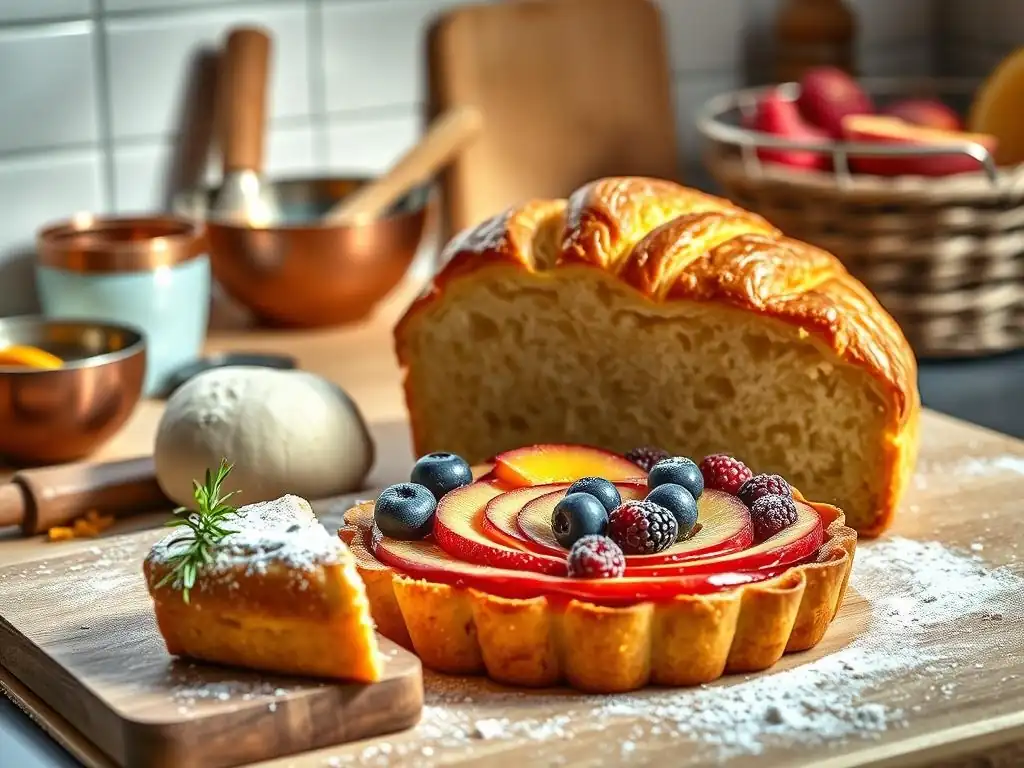
Working with enriched dough requires slightly different techniques than lean dough due to the added fat and sugar. These ingredients affect gluten development, proofing times, and how the dough handles. Mastering kneading, proofing, shaping, and baking methods specific to enriched dough will significantly improve your results across all enriched dough recipes variations.
Patience is often key, especially during kneading and proofing, as the enrichment can slow down these processes initially. However, the payoff is a superior texture and flavor that is characteristic of well-made enriched baked goods.
Kneading and Proofing: The Key to Perfect Texture
Kneading enriched dough is crucial for developing enough gluten structure to support the heavy load of fat, sugar, and eggs. Unlike lean doughs that can become tough with over-kneading, enriched doughs, especially those with high fat content like brioche, require significant kneading time to reach the desired elasticity and smoothness. Proper kneading ensures an even crumb structure and prevents the dough from collapsing during proofing or baking.
Proofing enriched doughs often takes longer than lean doughs because the sugar can initially inhibit yeast activity (in high concentrations) and the fat slows down fermentation. A long, slow proof, particularly a cold proof in the refrigerator, is highly recommended for many enriched dough recipes variations. This allows the yeast to work slowly, developing complex flavors, and also firms up the dough, making it much easier to handle and shape, especially for rich, soft doughs.
Tips for Hand Kneading Enriched Dough
Hand kneading enriched dough can be a bit challenging, especially with very rich or sticky doughs. Start by mixing the ingredients until they just come together. If the recipe includes butter to be added later, knead the basic dough until it starts to become smooth and elastic (maybe 5-10 minutes). Then, gradually add the softened butter, a tablespoon or two at a time, kneading until each addition is fully incorporated before adding more. This process can take 15-25 minutes in total, and the dough may seem messy initially, but keep kneading!
Use a bench scraper to help manage sticky dough, scraping it off your hands and the work surface. Avoid adding too much extra flour, as this can make the final product dry. Focus on rhythmic pushing, folding, and pressing motions. You'll know the dough is properly kneaded when it becomes smooth, elastic, and passes the windowpane test (a small piece can be stretched thinly without tearing).
Using a Stand Mixer for Enriched Dough
A stand mixer is often the preferred tool for kneading enriched dough, especially those with high fat content. The dough hook can handle the long kneading times required. Start on a low speed to combine ingredients, then increase to medium speed (like setting 3 or 4 on a KitchenAid) for the primary kneading. Knead until the dough starts to pull away from the sides of the bowl and looks somewhat smooth (5-10 minutes).
If adding butter separately, reduce the speed to low and add the softened butter piece by piece, allowing each addition to be incorporated before adding the next. Once all the butter is in, increase the speed back to medium and continue kneading until the dough is very smooth, elastic, and pulls cleanly from the sides of the bowl, often taking another 10-15 minutes or even longer for very rich doughs. The dough should wrap around the hook and make a slapping sound against the bowl.
Optimal Proofing Temperatures and Times
Optimal proofing temperature for enriched dough is similar to lean dough, ideally between 75-80°F (24-27°C). However, due to the enriching ingredients, the dough may rise more slowly. Be patient and judge readiness by size (typically doubled for the first proof, and significantly puffy for the second proof of shaped items) rather than strictly by time. Over-proofing can lead to a coarse texture and reduced flavor.
As mentioned, a cold proof in the refrigerator (around 40°F or 4°C) for 8-12 hours or overnight is highly beneficial for many enriched dough recipes variations. This slow fermentation develops superior flavor and makes the dough much easier to handle for shaping. For the final proof of shaped items, room temperature is usually best, but again, monitor the dough's appearance – it should look light and airy but not stretched thin.
Shaping Enriched Doughs: From Simple to Intricate
The tenderness and richness of enriched dough make it a joy to shape, whether you're creating simple rolls or complex braided loaves. The dough is typically more pliable than lean dough, allowing for a wide range of forms. The specific enriched dough recipes variations you choose will often dictate the appropriate shaping method.
Proper shaping is important not just for aesthetics but also for achieving an even rise and texture in the final baked good. Practice makes perfect, and working with slightly chilled enriched dough can make intricate shaping much easier.
Basic Shaping Techniques for Breads and Rolls
For simple enriched dough rolls, dividing the dough into equal portions and shaping each into a smooth ball is a fundamental technique. To do this, gently pull the edges of the dough portion underneath, creating tension on the surface, then cup your hand around the dough on a lightly floured or un-floured surface and move it in a circular motion until a tight, smooth ball forms.
For loaves, the dough is often shaped into a log or placed directly into a loaf pan. For a log shape, gently flatten the dough into a rectangle, fold the top edge down to the center, then the bottom edge up to the center, and finally fold the dough in half lengthwise, sealing the seam. Roll gently to ensure even thickness. These basic techniques are applicable to many enriched dough recipes variations.
Advanced Shaping Techniques: Braiding and Knotting
Enriched dough is particularly well-suited for braiding, as its pliability allows for intricate strands without tearing. Challah and some types of brioche or sweet breads are traditionally braided. Divide the dough into the desired number of strands (three, four, six, or even more), roll each strand into an even rope, and then braid them together, tucking the ends neatly underneath.
Knotting is another common technique for enriched rolls. After dividing and rounding the dough, roll each piece into a rope about 8-10 inches long. Tie the rope into a simple knot, or a double knot for a taller roll. These shaped pieces require careful proofing to maintain their form before baking. Exploring different braiding and knotting patterns adds a beautiful visual element to your enriched dough creations.
Baking Enriched Doughs: Achieving a Golden Crust
Baking enriched dough requires attention to temperature and timing to ensure a beautiful golden crust and a fully cooked interior without drying out the tender crumb. The sugar and protein in enriched doughs promote browning more readily than lean doughs, so they often bake at slightly lower temperatures or for shorter times than a rustic loaf.
Achieving that signature glossy, golden crust often involves applying a wash before baking. This final step not only enhances appearance but can also contribute to a slightly crispier exterior contrast with the soft interior.
Oven Temperature and Baking Time Recommendations
Most enriched doughs are baked in a moderately hot oven, typically between 350°F and 400°F (175°C and 200°C). The specific temperature depends on the size and richness of the bake. Smaller rolls or buns might bake at 375-400°F for 15-25 minutes, while larger loaves like brioche might start at 375°F and potentially be reduced slightly after the initial browning, baking for 30-45 minutes or longer.
It's crucial to bake until the internal temperature reaches around 190-200°F (88-93°C) to ensure it is cooked through. Because the exterior browns relatively quickly due to the sugar and fat, you may need to tent the bake loosely with foil in the last 10-15 minutes if the crust is darkening too quickly.
Egg Wash and Other Glazing Techniques
Applying a wash to the surface of enriched dough before baking is key to achieving a beautiful crust. The most common is an egg wash, which yields a glossy, golden-brown finish. A simple egg wash can be a whole egg beaten with a tablespoon of water or milk. For a deeper color and higher shine, use only the egg yolk mixed with a little cream or milk. Brush the wash gently and evenly over the surface of the proofed dough, being careful not to deflate it.
Other washes include milk or cream (for a softer, less shiny crust), melted butter (adds flavor and softness), or even a simple sugar syrup brushed on after baking (for a very shiny, slightly sticky finish, common on some sweet buns). The type of wash used can subtly alter the final texture and appearance of your various enriched dough recipes variations.
Troubleshooting Common Enriched Dough Problems
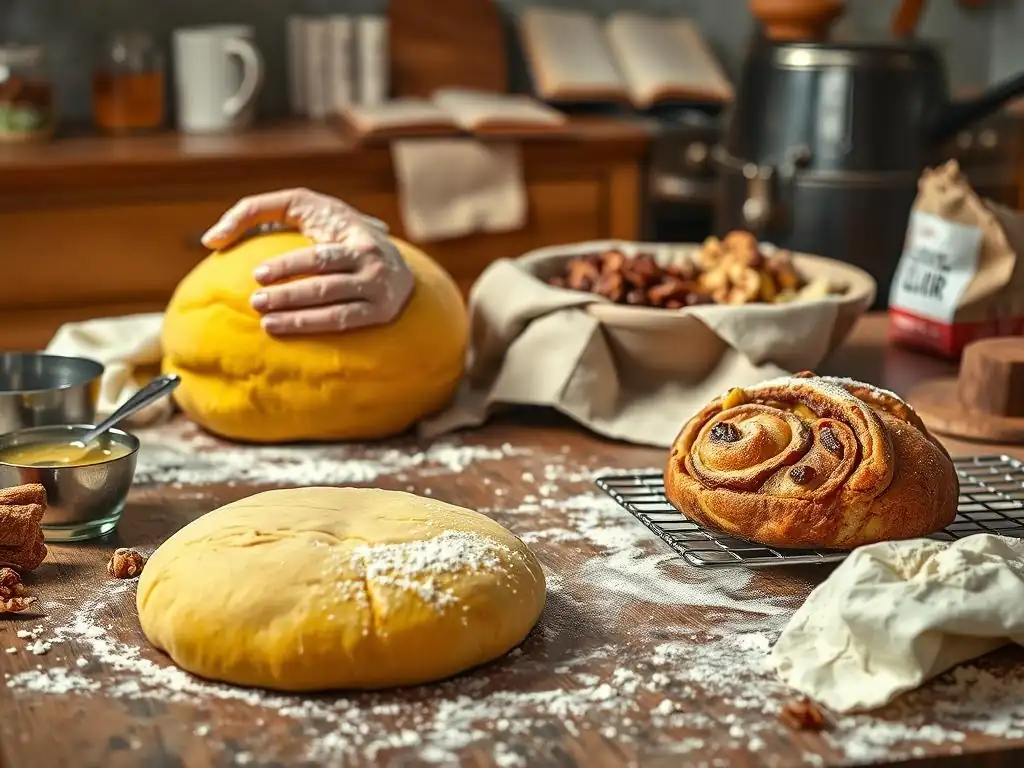
Even experienced bakers encounter issues with enriched dough from time to time. Its unique composition, with higher amounts of fat and sugar, can sometimes present challenges. Knowing how to identify and address common problems like dough not rising or being too sticky can save your bake and help you learn from the process.
Most problems can be traced back to issues with ingredients, temperature, or technique during kneading or proofing. A systematic approach to troubleshooting will help you refine your enriched dough recipes variations.
Dough Not Rising: Identifying Potential Issues
If your enriched dough isn't rising as expected, several factors could be at play. First, check your yeast. Is it fresh and active? Yeast can expire, or it may have been killed by using liquid that was too hot (above 130°F or 55°C). If using active dry yeast, ensure it was properly proofed in warm liquid with a pinch of sugar before adding to the dry ingredients.
Temperature is also critical. Enriched doughs prefer a warm environment (75-80°F) for proofing. If your kitchen is cold, try placing the dough in a slightly warmed oven (turned off) or another warm spot. However, avoid temperatures that are too hot, as this can kill the yeast or cause it to over-ferment too quickly, leading to a poor rise and flavor. Finally, insufficient kneading can hinder gluten development, which is necessary to trap the gases produced by the yeast and support the rise, especially with the added weight of enrichments.
Dough Too Sticky: Tips for Handling Sticky Dough
Enriched doughs, especially those with high fat and sugar content, are naturally softer and stickier than lean doughs. If your dough is excessively sticky and difficult to handle, first resist the urge to add large amounts of extra flour. While a little flour on your hands or the work surface is fine during shaping, incorporating too much into the dough itself can make the final product dry.
Ensure you've kneaded the dough sufficiently. Sometimes, very sticky dough just needs more kneading time for the gluten to develop and absorb the moisture and fat properly. A stand mixer is particularly helpful here. If hand kneading, use a bench scraper to gather and turn the dough. Chilling the dough in the refrigerator for 30-60 minutes can also make a very sticky enriched dough much firmer and easier to handle for shaping, particularly for complex enriched dough recipes variations.
Dry and Crumbly Dough: Addressing Moisture Imbalance
Dough that is dry and crumbly is usually a sign of too little liquid or too much flour. This can happen if ingredients weren't measured accurately (especially flour, which can be compacted) or if too much extra flour was added during kneading or shaping. Dry dough lacks sufficient moisture for gluten development, resulting in a dense, crumbly texture after baking.
If you realize your dough is too dry early in the kneading process, you can try adding a very small amount of extra liquid (milk or water, depending on the recipe), perhaps a teaspoon at a time, allowing it to be incorporated before adding more. For future enriched dough recipes variations, consider weighing your flour rather than using volume measurements, as this is much more accurate and helps prevent adding too much flour. Ensure your initial liquid measurements are correct according to the recipe.
From Sweet to Savory: Expanding Your Enriched Dough Repertoire
The journey with enriched dough doesn't end with basic brioche or cinnamon rolls. The principles you've learned can be applied to a vast array of international baked goods and adapted to create your own unique enriched dough recipes variations. Exploring different cultures' uses of enriched dough can inspire new sweet and savory creations.
Understanding how to modify existing recipes allows you to tailor the richness, sweetness, and flavor profile to your preferences, truly mastering the versatility of this dough type.
Exploring International Enriched Dough Variations
Enriched dough is a staple in many baking traditions around the world. Think of the Portuguese Pão de Deus (God's Bread), a sweet roll topped with coconut meringue; the Polish Chałka (similar to Challah); the Italian Panettone (a rich, fruit-studded Christmas bread); or the German Stollen (another festive fruit and nut bread). Each uses enriched dough principles but incorporates unique ingredients and techniques.
Savory variations are also common, such as Hungarian Túrós Lepény (a savory cheese bread), or various filled buns found throughout Eastern Europe and Asia. Studying these international enriched dough recipes variations provides insight into how different cultures have adapted the basic concept to their own culinary styles and available ingredients.
Babka: A Detailed Recipe and Guide
Babka is a particularly popular and visually stunning example of a sweet enriched dough variation, originating from Eastern Europe but popularized globally, especially in its chocolate or cinnamon forms. It uses a moderately rich enriched dough, similar to brioche but often slightly less buttery, typically containing eggs, sugar, and butter.
The process involves rolling the dough into a rectangle, spreading a generous filling (like a chocolate paste made from chocolate, butter, sugar, and cocoa powder, or a cinnamon-sugar mixture), rolling the dough into a log, and then slicing the log lengthwise to expose the layers of filling. The two halves are then twisted or braided together before being placed in a loaf pan and baked.
Often, a simple sugar syrup is brushed over the hot babka straight from the oven to add moisture and shine. This technique can be adapted for various sweet or even savory fillings, showcasing the flexibility of enriched dough recipes variations.
Tips for Adapting Enriched Dough Recipes
Once you're comfortable with basic enriched doughs, you can start experimenting and adapting recipes. To make a sweet dough savory, significantly reduce or omit the sugar and potentially decrease the yeast slightly if the original sugar content was very high. Increase the salt slightly for better flavor balance. Add herbs, spices, or cheese during the kneading process or as a filling.
To increase the richness of a dough, add more butter, eggs, or milk. Remember that increasing fat and sugar will likely require more kneading time and a longer proofing period. Conversely, reducing enrichments will result in a less tender, slightly firmer dough that may rise faster. Always adjust hydration as needed; sometimes adding more flour isn't the answer, but rather slightly less liquid initially or more kneading. Keep notes on your adjustments to track what works and what doesn't for your enriched dough recipes variations.
Storing Enriched Dough and Baked Goods
Proper storage is essential for maintaining the quality of enriched dough and the baked goods made from it. Unbaked enriched dough, especially if it contains significant butter, benefits greatly from a long, cold proof in the refrigerator (up to 2-3 days for some recipes). This slows fermentation and develops flavor. For longer storage, unbaked dough can be frozen for several weeks after its first proof. Thaw overnight in the refrigerator before shaping and proofing.
Baked enriched goods, due to their higher fat content, tend to stay fresh and soft longer than lean breads. Store cooled baked goods at room temperature in an airtight container or bread bag for 2-3 days. For longer storage, enriched breads and rolls freeze exceptionally well. Cool completely, then wrap tightly in plastic wrap and aluminum foil or place in a freezer bag. Reheat gently from frozen or thawed. Proper storage ensures you can enjoy your delicious enriched dough recipes variations for days to come.
Frequently Asked Questions
What exactly is an enriched dough, and what makes it different from other doughs?
Enriched doughs are characterized by the addition of fats, eggs, and sugar to the basic flour, water, and yeast mixture. This results in a softer, richer, and more tender final product compared to lean doughs.
What are some common examples of sweet enriched dough recipes?
Popular sweet enriched dough recipes include brioche, challah, and cinnamon rolls. These doughs often incorporate higher sugar content and spices for added flavor.
Can enriched doughs be used for savory applications?
Yes, absolutely! Savory enriched doughs can be used for items like savory brioche buns, cheesy rolls, or even pizza crusts. Adjust the sugar content and incorporate herbs and cheeses for delicious savory results.
What are some tips for working with enriched dough, as it can sometimes be sticky?
Keep your hands and work surface lightly floured to prevent sticking. Also, chilling the dough before shaping can make it easier to handle and maintain its shape.
How do I adjust baking times and temperatures when using enriched doughs?
Enriched doughs often require slightly longer baking times at a lower temperature than lean doughs. This ensures the inside is fully cooked without burning the outside due to the higher sugar and fat content.
Final Reflection: The Enduring Allure of Enriched Doughs
The versatility of enriched doughs isn't just a culinary quirk; it's a testament to human ingenuity and our enduring desire for deliciousness. From the humble croissant to the elegant brioche, these doughs, enriched with butter, eggs, and sugar, offer a canvas for boundless creativity and a pathway to unparalleled flavor experiences. Their adaptability continues to inspire bakers worldwide, constantly pushing the boundaries of what's possible.
The impact of enriched doughs on our culinary landscape is undeniable. They represent comfort, celebration, and the artistry of baking. These aren't just ingredients; they're vehicles for storytelling, tradition, and personal expression. Baking is at once child's play and adult joy. And love, of course.
This quote perfectly encapsulates the emotional connection we have with these enriched creations, transcending mere sustenance to become symbols of warmth and connection. The constant evolution of recipes, from classic to contemporary, reflects our ongoing fascination with their potential.
Consider the possibilities. What new flavor combinations will you explore? What unique textures will you create? The journey of mastering enriched doughs is a lifelong pursuit, a testament to patience and skill. Don't be afraid to experiment, to push your boundaries, and to discover the magic that lies within each carefully crafted fold and rise. Embrace the challenge, and the rewards will be sweeter than you ever imagined.
Unleash Your Inner Baker: Mastering Enriched Doughs!
Thanks for exploring the wonderful world of enriched doughs with us! You've now unlocked the secrets to creating unbelievably delicious breads and pastries. Ready to put your new skills to the test?
- Bake your dream creation: Try one of the enriched dough recipes from the article – challenge yourself with a challenging croissant or a luxurious brioche!
- Share your baking journey: Post a picture of your masterpiece on social media using #BakeWithEaseEnrichedDoughs and inspire others!
- Join our baking community: Leave a comment below sharing your favorite enriched dough recipe or any questions you have. Let's learn and grow together!
What incredible enriched dough recipe will you conquer first?