
Milk vs. Water: Which Liquid is Best for Enriched Dough?

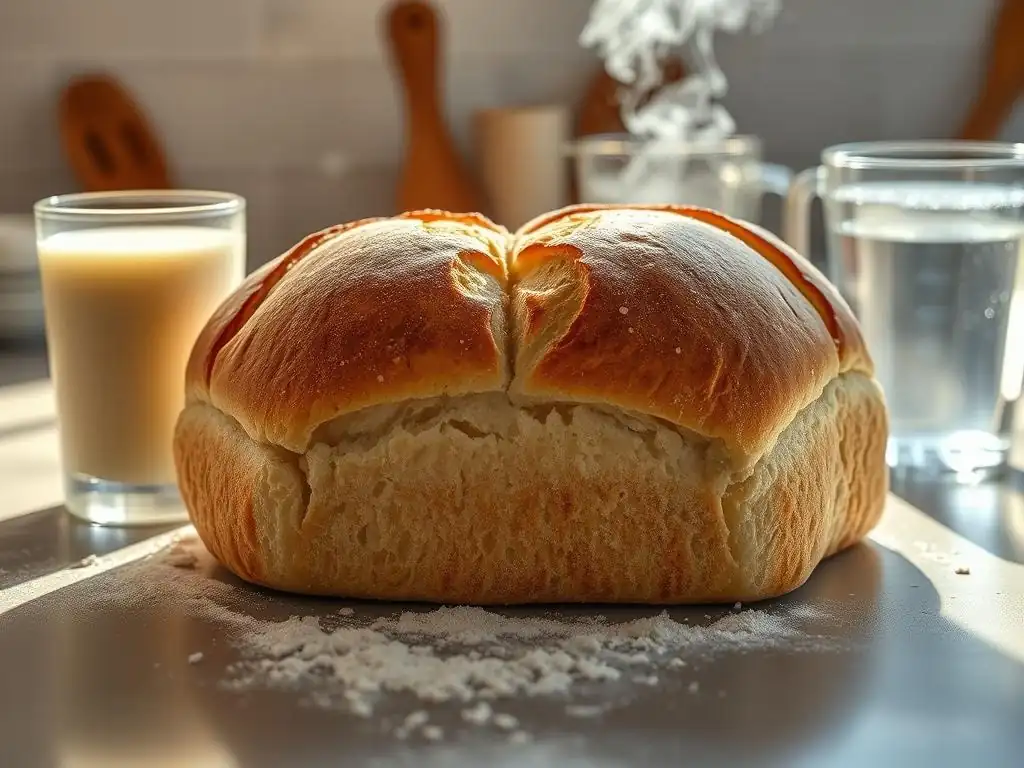
Welcome to BakeWithEase, your trusted guide to the delightful world of baking! Ever wondered if the secret to a perfectly tender crumb lies in your choice of liquid? Dive into our exploration of Milk vs. Water in enriched doughs and discover how a simple swap can dramatically impact your baking. Uncover the nuances that separate these two key ingredients and elevate your baking game today!
- Milk vs. Water: Which Liquid is Best for Enriched Dough? - BakeWithEase.com
- Introduction: Understanding Liquids in Enriched Doughs
-
Milk in Enriched Dough: Benefits and Characteristics
- Enhanced Flavor Profile with Milk in Doughs
- Milk's Role in Softening and Enriching Dough Texture
- The Science Behind Milk's Impact on Gluten Development
- Different Types of Milk for Baking: Whole Milk vs. Skim Milk
- Milk's Contribution to a Richer Crust Color
- Water's Role in Gluten Formation and Dough Structure
- Water as a Neutral Flavor Base in Baking
- Cost-Effectiveness and Availability of Water
- Achieving a Chewier Texture with Water-Based Doughs
- Hydration Levels: Water's Impact on Dough Consistency
- Milk vs. Water in Enriched Dough: A Detailed Comparison
- Choosing the Right Liquid for Your Enriched Dough Recipe
- Troubleshooting Common Issues with Enriched Dough
-
Expert Baking Tips for Using Milk and Water in Enriched Dough
- Temperature Control: Optimizing Liquid Temperature for Yeast Activity
- Measuring Accurately: The Importance of Precise Hydration
- Proofing Techniques: Ensuring Proper Dough Development
- Handling Enriched Dough: Gentle Techniques for Best Results
- Scalding Milk for Enriched Dough
- Using Filtered Water for Enriched Dough
- Conclusion: The Best Liquid for Enriched Dough Depends on Your Goals
-
Frequently Asked Questions
- What exactly does it mean for a dough to be "enriched"?
- When is milk generally preferred over water in enriched dough?
- Does using milk instead of water affect the rise time of the dough?
- Can I substitute milk for water (or vice versa) in any enriched dough recipe?
- Are there any specific types of milk that work best in enriched doughs?
- Final Reflection: The Unsweetened Truth About Enriched Dough
- Unlock Your Dough's Potential: Master the Milk vs. Water Debate!
Milk vs. Water: Which Liquid is Best for Enriched Dough? - BakeWithEase.com
Introduction: Understanding Liquids in Enriched Doughs
The Importance of Hydration in Brioche and Other Enriched Doughs
Hydration is a critical factor in baking, particularly when working with enriched doughs like brioche or challah. The liquid component activates the flour's proteins, glutenin and gliadin, allowing them to form the gluten network that gives bread its structure and elasticity. Without sufficient hydration, the dough would be dry, crumbly, and difficult to work with, resulting in a dense, tough baked product that lacks the desired rise and tender crumb characteristic of enriched doughs.
In enriched doughs, hydration levels often need careful consideration because of the presence of other ingredients like eggs, butter, and sugar, which also contribute moisture and can impact gluten development. For example, butter coats gluten strands, slightly inhibiting their formation, while sugar competes with flour for water. The liquid added (milk or water) must provide enough hydration for the yeast to thrive and for gluten to develop adequately, while also balancing the effects of these enriching ingredients to achieve a dough that is extensible yet holds its shape.
Milk and Water: Key Hydration Ingredients in Baking
When it comes to hydrating enriched dough, milk and water are the two most common liquids used, each bringing distinct properties to the dough and the final baked good. Water is the simplest choice, providing pure hydration without adding flavor or fat, making it a neutral base that allows the flavors of other ingredients, like the flour or butter, to shine through. It's readily available and cost-effective, making it a staple in many basic bread recipes.
Milk, on the other hand, is a more complex ingredient. It contains water, but also fats, sugars (lactose), and proteins (casein and whey). These components interact with the other ingredients in the dough in unique ways, influencing everything from texture and flavor to crust color and shelf life. Choosing between milk and water for an enriched dough recipe isn't just about hydration; it's about deciding what characteristics you want the final product to have, whether it's a soft, rich brioche or a slightly chewier, lighter challah.
Milk in Enriched Dough: Benefits and Characteristics
Enhanced Flavor Profile with Milk in Doughs
Using milk in enriched dough significantly enhances the flavor profile, contributing a subtle richness and sweetness that water simply cannot provide. The lactose sugar present in milk, while not fermentable by baker's yeast, adds a mild sweetness that rounds out the overall taste of the bread. Furthermore, the fat and proteins in milk contribute to a creamy, luxurious mouthfeel that makes the baked good taste more indulgent and flavorful.
Consider a classic brioche recipe; the use of whole milk, combined with butter and eggs, creates a deeply rich and complex flavor. The milk doesn't just hydrate; it layers flavor into the dough itself. This is why recipes aiming for a truly 'enriched' taste often specify milk. The subtle dairy notes complement the sweetness from sugar and the richness from fat, resulting in a more nuanced and satisfying taste experience compared to a dough made solely with water.
Milk's Role in Softening and Enriching Dough Texture
One of the most significant benefits of using milk in enriched dough is its impact on texture. The fat content in milk, even in lower-fat varieties, coats the gluten strands during mixing and kneading. This coating action helps to tenderize the dough and the resulting crumb, preventing the formation of an overly tough or chewy texture. Instead, you get a softer, more delicate crumb that is highly desirable in enriched breads.
Beyond fat, the proteins in milk also contribute to a softer texture. These proteins can interfere slightly with gluten development, leading to a less rigid structure. This results in a dough that is often easier to handle (though sometimes stickier) and a final baked good with a fine, even crumb structure that feels incredibly soft and melts in your mouth. This is particularly noticeable in recipes designed for extreme softness, like Japanese milk bread (Shokupan), which often uses a tangzhong or yudane starter made with milk.
The Science Behind Milk's Impact on Gluten Development
Milk's components interact with gluten development in interesting ways. While water is essential for activating glutenin and gliadin to form the gluten network, milk modifies this process. The fat in milk coats the protein molecules, slightly hindering their ability to bond tightly, which, as mentioned, contributes to tenderness. However, milk also contains whey proteins, which can sometimes weaken the gluten structure if not treated properly.
Historically, bakers would scald milk before adding it to dough. Scalding involves heating the milk to around 180°F (82°C) and then letting it cool. This process denatures the whey proteins, particularly beta-lactoglobulin, which would otherwise interfere with gluten formation, potentially leading to a slack, sticky dough and reduced loaf volume. While modern pasteurization processes reduce this issue, scalding is still a technique used by some bakers to ensure optimal gluten development when using milk, particularly with traditional, non-UHT milk.
Different Types of Milk for Baking: Whole Milk vs. Skim Milk
The type of milk used significantly impacts the outcome of an enriched dough. Whole milk, typically containing around 3.5% milkfat, is the richest option and contributes the most to tenderness, flavor, and a moist crumb. It's often preferred for classic brioche and other highly enriched breads where a luxurious texture and taste are paramount. The higher fat content also aids in keeping the bread fresh longer.
Skim milk, with less than 0.5% fat, provides hydration, lactose for browning, and protein, but offers less tenderizing effect than whole milk due to its low fat content. Using skim milk might result in a slightly less rich flavor and a crumb that isn't quite as soft. Evaporated milk or milk powder can also be used; evaporated milk is concentrated liquid milk, offering richer flavor and more browning potential, while milk powder (reconstituted with water) adds milk solids without adding excess liquid, which can be useful for controlling hydration and adding richness.
Milk's Contribution to a Richer Crust Color
Milk plays a vital role in achieving a beautiful, golden-brown crust color on enriched doughs. This is primarily due to the presence of lactose sugar and milk proteins. During baking, these components participate in the Maillard reaction and caramelization processes at the surface of the dough. Lactose, being a reducing sugar, readily reacts with amino acids (from the milk proteins and flour) under heat, creating complex flavors and the desirable brown coloration.
Compared to water-based doughs, which rely primarily on the Maillard reaction involving flour sugars and proteins, milk-based doughs brown more readily and often achieve a deeper, more even color. This is particularly true if an egg wash (often containing milk or water) is applied before baking, as the milk solids on the surface enhance the browning effect. This rich color is a visual indicator of the bread's enhanced flavor and texture, contributing to the overall appeal of baked goods like challah or dinner rolls made with milk.
Water's Role in Gluten Formation and Dough Structure
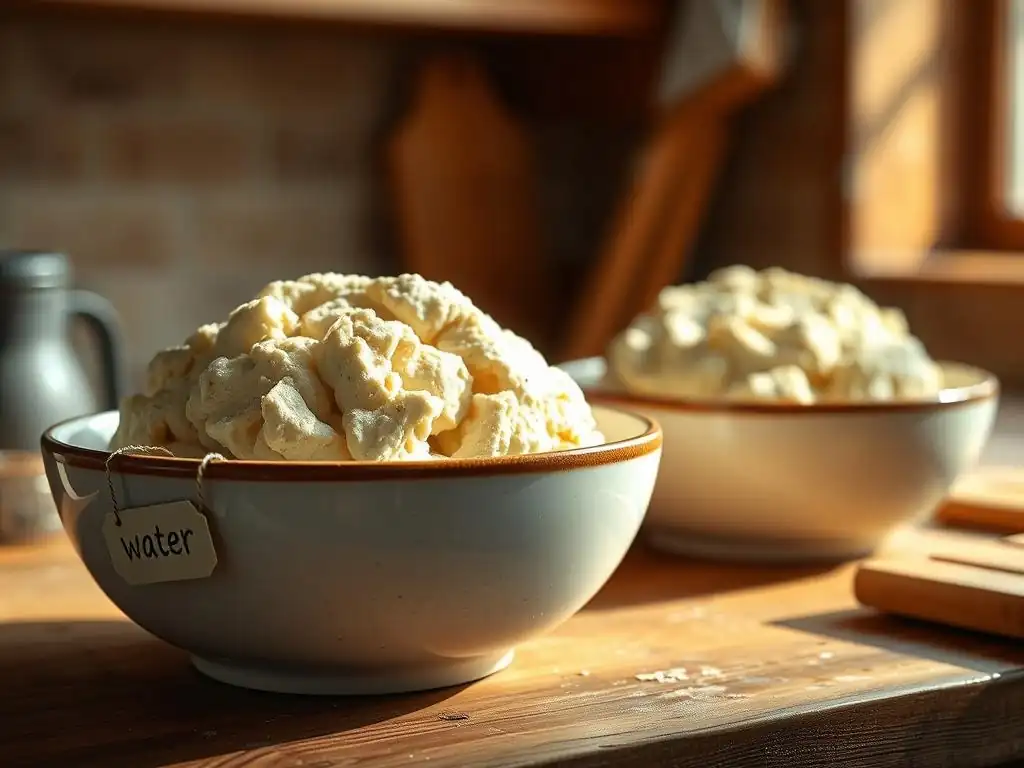
Water is the fundamental liquid for activating gluten development in any bread dough, including enriched varieties. The hydration it provides allows the glutenin and gliadin proteins in flour to absorb moisture and begin forming the elastic gluten network through mixing and kneading. This network is crucial as it traps the carbon dioxide gas produced by yeast fermentation, enabling the dough to rise and giving the final bread its open, airy structure.
In an enriched dough, even with fats and sugars present, sufficient water is necessary to ensure this essential gluten development occurs. While fats and sugars can interfere, adequate water ensures the proteins are hydrated enough to interact. A dough hydrated purely with water tends to develop a stronger, more extensible gluten network compared to a milk-based dough, as there are fewer interfering components like milkfat. This can be advantageous when a chewier texture or a strong structure is desired.
Water as a Neutral Flavor Base in Baking
One of water's primary characteristics as a baking liquid is its neutrality. Unlike milk, which adds its own flavor notes (sweetness, richness), water is essentially flavorless. This makes it an ideal choice when you want the flavors of the other ingredients in your enriched dough – such as high-quality flour, butter, eggs, or added spices like saffron or cardamom – to be the dominant taste.
Using water allows the intrinsic flavors of the dough's components to shine through without being masked by dairy notes. This is often preferred in enriched doughs where specific, non-dairy flavors are central to the recipe, such as certain types of challah or sweet rolls flavored with extracts or spices. The water provides the necessary hydration and structure, acting as a blank canvas for the other ingredients to express themselves fully.
Cost-Effectiveness and Availability of Water
Water is arguably the most accessible and cost-effective ingredient in baking. It's readily available from the tap in most places, requiring no special purchase or storage considerations beyond being clean and potable. This makes it a practical choice for bakers everywhere, from home kitchens to large-scale bakeries.
For recipes requiring large volumes of liquid or for bakers working under budget constraints, water is a clear advantage. While milk adds desirable qualities, its cost is significantly higher than water. For many basic enriched doughs or times when milk is not available, water provides a reliable and affordable hydration source without compromising the fundamental structure and rise of the bread, though the final texture and flavor will differ.
Achieving a Chewier Texture with Water-Based Doughs
Doughs made primarily or exclusively with water tend to result in a chewier texture compared to those made with milk. This is because water facilitates a more direct and uninhibited formation of the gluten network. Without the tenderizing effect of milkfat, the gluten strands can bond more tightly, creating a stronger, more elastic structure that translates to a chewier crumb in the finished product.
This chewier texture is not necessarily a drawback; it is often a desired characteristic in certain types of enriched breads, such as some bagels or specific regional enriched loaves. While enriched doughs are generally softer than lean doughs (flour, water, yeast, salt), using water as the liquid will lean towards a chewier result within the enriched category. For example, some challah recipes use water to achieve a slightly firmer crumb that holds up well to braiding and slicing.
Hydration Levels: Water's Impact on Dough Consistency
Water content directly impacts the hydration level and consistency of the dough. Hydration is typically expressed as a percentage of the flour weight (e.g., 60% hydration means 60g of water per 100g of flour). Enriched doughs often have lower hydration percentages based solely on added liquid compared to lean doughs (which might be 65-75% hydration) because eggs and butter also contribute moisture.
When using water, the hydration percentage directly corresponds to the amount of pure water added. Higher hydration (more water relative to flour) generally results in a stickier dough that can be more challenging to handle but often yields a more open crumb structure and a lighter loaf. Lower hydration results in a firmer, easier-to-handle dough and a tighter crumb. Water allows for precise control over this pure hydration aspect, letting the baker dictate the dough's consistency based on the recipe's requirements and desired outcome.
Milk vs. Water in Enriched Dough: A Detailed Comparison
Flavor Differences: Milk vs. Water in the Final Baked Product
The most noticeable difference when comparing milk vs water enriched dough is the flavor. Milk imparts a subtle sweetness and creamy richness due to its lactose, fat, and protein content. This results in a softer, more rounded flavor profile that complements other enriching ingredients like butter and sugar, making the bread taste more luxurious and dessert-like. Think of the distinct, rich flavor of a well-made brioche.
Water, conversely, provides a neutral base. It allows the intrinsic flavors of the flour, yeast, and any added fats, sugars, or spices to come to the forefront without the influence of dairy notes. A water-based enriched dough will taste cleaner and often allow specific flavors, such as the eggy richness of challah or the specific notes of a high-quality butter, to be more pronounced. The choice hinges entirely on whether you want a dairy background flavor or a pure, unadulterated base.
Texture Variations: Comparing Doughs Made with Milk and Water
Texture is another key area where milk and water diverge in their impact on enriched dough. Milk, primarily due to its fat content, acts as a tenderizer, coating gluten strands and resulting in a softer, more delicate, and often finer crumb structure. This creates a melt-in-your-mouth quality highly prized in breads like brioche or soft dinner rolls. The protein in milk also contributes to a softer crumb.
Water facilitates a stronger, more elastic gluten network because it lacks the interfering fats and proteins present in milk (or at least, the interference is less pronounced). This leads to a chewier texture and often a slightly more open crumb structure compared to a milk-based dough. While still enriched, a water-based dough will lean towards the chewier end of the spectrum within that category, suitable for breads where some chew is desirable, like certain styles of challah or enriched rolls.
Crust Development: Milk vs. Water Influence
Milk significantly influences crust development, leading to a richer, deeper brown color compared to water. The lactose and milk proteins on the dough surface undergo rapid Maillard reactions and caramelization during baking. This creates a visually appealing golden-to-dark brown crust that is often softer than a water-based crust due to the presence of fat.
Water-based enriched doughs will still brown through the Maillard reaction involving flour components, but the color will typically be lighter and less uniform than milk-based doughs unless an external browning agent like an egg wash is used. The crust on a water-based dough tends to be slightly firmer or crispier than a milk-based one, as it lacks the tenderizing effect of milkfat at the surface.
Rise Time and Volume: Observing the Impact of Each Liquid
The impact of milk vs water enriched dough on rise time and final volume can be subtle but is sometimes noticeable. Both liquids provide the necessary hydration for yeast activity and gluten development, which are key to leavening. However, milk contains sugars (lactose) that yeast cannot ferment directly, which might slightly slow down the initial fermentation compared to water which is pure hydration.
Historically, raw milk contained enzymes that could sometimes degrade gluten, potentially impacting volume. Modern pasteurization eliminates this risk. Scalding milk used to be common practice to denature whey proteins that could weaken gluten, potentially improving volume. In general, assuming proper hydration and gluten development, both milk and water can yield good volume. Some bakers report that milk-based doughs might rise slightly more evenly due to the softer structure, while water-based doughs might achieve slightly greater height if gluten development is maximized for strength.
Shelf Life: The Effect of Milk and Water on Baked Goods
Milk generally contributes to a longer shelf life and slower staling in baked goods compared to water. The fats and proteins in milk help retain moisture within the crumb, keeping the bread softer and more palatable for a longer period. The tenderizing effect of fat also makes the bread seem fresher even as it ages.
Water-based enriched doughs, while potentially having a chewier initial texture, may stale slightly faster than their milk-based counterparts because they lack the moisture-retaining and tenderizing components of milk. The rate of staling is also heavily influenced by other ingredients like eggs, butter, and sugar (which are common to both types of enriched dough), but between milk and water, milk offers a slight advantage in extending freshness.
Choosing the Right Liquid for Your Enriched Dough Recipe
Recipe Considerations: When to Use Milk
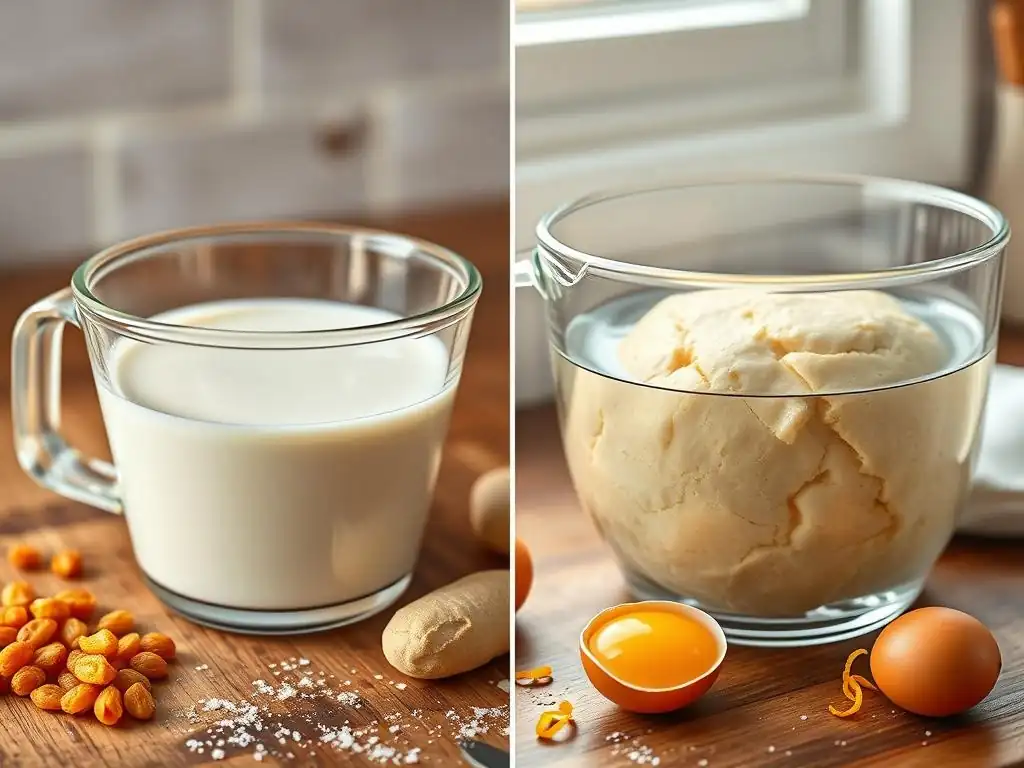
You should consider using milk in your enriched dough when your primary goals are to achieve maximum softness, richness, and a beautiful golden-brown crust. Milk is the ideal choice for recipes where a delicate, tender crumb and a luxurious mouthfeel are paramount. Think of classic brioche, soft dinner rolls, or sweet buns like cinnamon rolls.
Milk is particularly effective when combined with high amounts of butter and eggs, as its components work synergistically to enhance the overall richness and tenderness. If a recipe specifically calls for whole milk, it's usually because the fat content is crucial for achieving the desired texture and flavor profile. Using milk also contributes to the bread staying fresh and soft for a longer time.
Recipe Considerations: When to Use Water
Opt for water in your enriched dough when you want a slightly chewier texture and a more neutral flavor profile that allows other ingredients to stand out. Water is suitable for enriched breads where structure and a clean taste are important, such as some styles of challah, enriched sandwich loaves, or recipes where specific spice or extract flavors are meant to be prominent.
Water is also the most practical choice from a cost and availability standpoint. If a recipe provides a hydration percentage but doesn't specify the liquid, water is the default assumption unless other context suggests milk. For bakers aiming for a firmer crumb that holds up well to braiding or slicing, or when minimizing added fat from the liquid source is desired, water is an excellent choice for hydrating enriched dough.
Adjusting Recipes: Substituting Milk for Water (and Vice Versa)
Substituting milk for water in an enriched dough recipe (or vice versa) is possible, but it will alter the final outcome. If substituting milk for water, expect a softer crumb, richer flavor, and faster browning. You might also need to slightly reduce the amount of liquid as milk solids add volume; however, often a straight 1:1 substitution works reasonably well for hydration amount, but the effect differs. Be mindful that milk contains lactose and protein that can affect yeast activity and gluten.
If substituting water for milk, anticipate a chewier texture, less rich flavor, and a lighter crust color. You might consider adding a small amount of sugar (perhaps 1-2% of flour weight) to help with browning if that's a concern. The dough might feel slightly less extensible due to the lack of milkfat coating gluten. For best results when substituting, it's often wise to start with a small batch or be prepared for variations in handling and the final product.
Personal Preference: Experimenting with Different Liquids
Ultimately, the best liquid for your enriched dough often comes down to personal preference and experimentation. While traditional recipes provide guidance (brioche often uses milk, some challahs use water), don't be afraid to try variations. Perhaps a blend of milk and water offers a texture you prefer – some recipes use a mix to get benefits from both liquids.
Try baking the same enriched dough recipe using milk in one batch and water in another (keeping other ingredients constant) and compare the results side-by-side. Note the differences in dough handling, rise, crust color, crumb texture, and flavor. This hands-on comparison is the best way to understand how each liquid behaves and decide which gives you the characteristics you desire in your baked goods. Keep a baking journal to track your experiments!
Brioche Recipe with Milk
Here is a simplified structure for a Brioche recipe using milk, illustrating milk's role in this classic enriched dough:
**Classic Milk Brioche (Simplified)**

*   **Ingredients:**
    *   Strong Bread Flour: 500g
    *   Whole Milk (lukewarm, ~95°F / 35°C): 150g
    *   Large Eggs: 4 (~200-220g)
    *   Granulated Sugar: 50g
    *   Salt: 10g
    *   Instant Yeast: 7g
    *   Unsalted Butter (softened): 250g

*   **Steps:**
    1.  Combine milk, yeast, and a pinch of sugar; let stand 5 mins.
    2.  Mix flour, remaining sugar, and salt in a bowl. Add eggs and yeast mixture.
    3.  Mix into a rough dough. Knead until somewhat developed (5-10 mins).
    4.  Gradually add softened butter, small pieces at a time, kneading until fully incorporated and dough is smooth, elastic, and passes the windowpane test (15-20 mins).
    5.  Bulk ferment until doubled (1-2 hours, or overnight in fridge).
    6.  Shape dough (e.g., into loaves or rolls).
    7.  Proof until nearly doubled (1-2 hours).
    8.  Brush with egg wash (egg + splash of milk/water).
    9.  Bake at ~375°F (190°C) until golden brown and cooked through.
In this brioche, the milk contributes moisture alongside the eggs, while its fat and protein contribute significantly to the dough's characteristic richness, softness, and ability to brown beautifully.
Challah Recipe with Water
Here is a simplified structure for a Challah recipe using water, demonstrating how water can be used in enriched dough:
**Traditional Water Challah (Simplified)**

*   **Ingredients:**
    *   Strong Bread Flour: 500g
    *   Water (lukewarm, ~95°F / 35°C): 180-200g (adjust based on flour absorption)
    *   Large Eggs: 2-3 (~100-150g) + 1 for wash
    *   Granulated Sugar: 50-75g
    *   Vegetable Oil (or other neutral oil): 50-70g
    *   Salt: 8g
    *   Instant Yeast: 7g

*   **Steps:**
    1.  Combine water, yeast, and a pinch of sugar; let stand 5 mins.
    2.  Mix flour, remaining sugar, and salt. Add eggs, oil, and yeast mixture.
    3.  Mix and knead until dough is smooth, elastic, and passes the windowpane test (10-15 mins).
    4.  Bulk ferment until doubled (1.5-2 hours).
    5.  Divide and shape into strands for braiding. Braid challah.
    6.  Proof until puffy (45-75 mins).
    7.  Brush generously with egg wash (egg + pinch of salt/sugar). Optional: sprinkle with sesame/poppy seeds.
    8.  Bake at ~375°F (190°C) until golden brown and cooked through.
In this challah, the water provides the primary hydration for gluten development, contributing to the bread's structure and a slight chewiness desired in some challah recipes, while the eggs, sugar, and oil provide the enrichment.
Troubleshooting Common Issues with Enriched Dough
Dough Too Sticky: Hydration Problems and Solutions
An enriched dough that is excessively sticky is often a sign of hydration issues, particularly if the liquid-to-flour ratio is too high for the flour type or the other enriching ingredients present. Sticky dough can be difficult to handle, shape, and braid, leading to frustration. While enriched doughs are naturally softer and sometimes stickier than lean doughs due to fat and sugar, they shouldn't be unmanageable.
If your dough is too sticky after initial mixing, avoid the temptation to add large amounts of flour. Instead, knead it longer; mechanical action helps gluten develop and absorb the liquid. If after significant kneading (10-15 minutes) it's still impossibly sticky, add flour very gradually, perhaps a tablespoon at a time, kneading fully after each addition until the dough reaches the desired consistency – tacky but not glued to your hands or the counter. Ensure you are using the correct flour type (bread flour usually absorbs more liquid than all-purpose).
Dough Too Dry: Adjusting Liquid Ratios
Conversely, if your enriched dough feels stiff, crumbly, or doesn't come together easily, it's likely too dry, meaning the hydration level is too low. A dry dough will be hard to knead, won't develop gluten properly, and will result in a dense, heavy baked good with poor volume and texture. This can happen if you've mismeasured ingredients or if your flour is particularly dry.
If your dough is too dry during mixing, gradually add more liquid (milk or water, depending on the recipe) in very small increments, like a teaspoon or tablespoon at a time. Knead after each addition to allow the flour to absorb the moisture before adding more. Continue until the dough is soft, pliable, and reaches the correct consistency specified by the recipe or desired for shaping. It's easier to add liquid than to remove it, so add slowly.
Uneven Rising: Temperature and Proofing Considerations
Uneven rising in enriched dough can stem from several factors, often related to temperature and proofing conditions. Yeast activity is highly dependent on temperature; too cold and it's sluggish, too hot and it's hyperactive initially but can exhaust itself. An inconsistent temperature during bulk fermentation or proofing can lead to parts of the dough rising faster than others.
Ensure your dough is proofing in a consistently warm, draft-free environment, ideally between 75-85°F (24-29°C). Using liquid within the optimal temperature range for yeast activation (~95-105°F / 35-40°C) kickstarts fermentation evenly. Also, ensure the dough is kneaded sufficiently to develop an even gluten network capable of trapping gas uniformly. Overcrowding dough pieces on a baking sheet can also lead to uneven proofing as some areas are more exposed to air than others.
Dense Texture: Over-Mixing or Under-Proofing
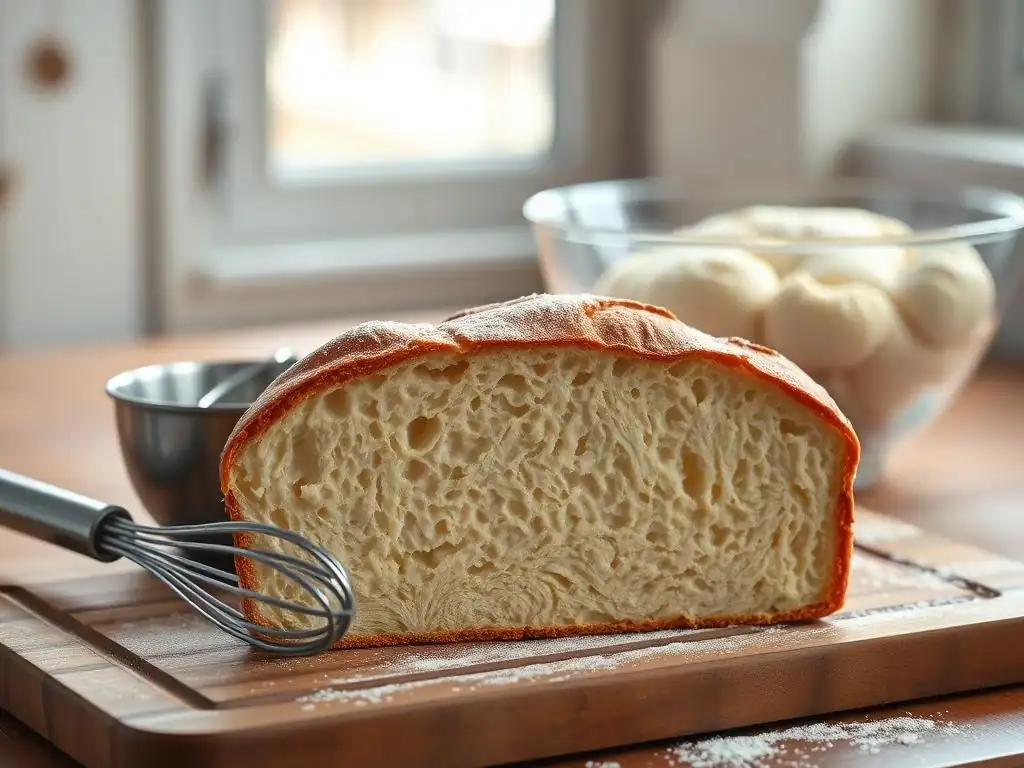
A dense texture in baked enriched dough can be caused by either over-mixing or, more commonly, under-proofing. While enriched doughs require significant kneading to develop gluten strong enough to support the added fats and sugars, over-mixing can sometimes lead to a tight, rubbery crumb, although this is less frequent than under-proofing.
Under-proofing is a very common culprit for dense enriched breads. If the dough hasn't had sufficient time to ferment and rise (both bulk fermentation and final proof), the yeast won't produce enough carbon dioxide to create an open, airy structure. The oven spring will be limited, resulting in a heavy, dense loaf. Ensure you allow adequate proofing time, checking for signs of readiness like the poke test (a gentle poke leaves an indentation that springs back slowly). Also, make sure your yeast is active and your liquid temperature was appropriate for yeast activation.
Milk Dough Troubleshooting: Issues with Lactose
While lactose is mostly unfermentable by baker's yeast, in some cases, particularly with very long or slow fermentations, certain wild yeasts or bacterial enzymes present might consume small amounts. More practically, the presence of lactose and protein can sometimes make the dough surface prone to drying out or forming a skin if not covered properly during proofing, which can impede rising.
To prevent a skin from forming on milk-based enriched dough, always cover it tightly with plastic wrap (greased slightly if needed) or place it in a proofing box or covered container in a humid environment. If using raw or non-pasteurized milk (though pasteurized is recommended for safety and consistency), scalding the milk and cooling it before use is crucial to denature enzymes that could potentially impact dough structure negatively.
Water Dough Troubleshooting: Mineral Content
The mineral content of water can potentially affect yeast activity and gluten development, although this is less of a concern for home bakers using standard tap water than for large commercial operations. Hard water (high mineral content, especially calcium and magnesium) can strengthen the gluten network, which might be desirable for some doughs but could make an enriched dough slightly tougher if not balanced. Soft water (low mineral content) can sometimes lead to a weaker, stickier dough.
Most municipal tap water is perfectly suitable for baking enriched dough. If you live in an area with extremely hard or soft water and consistently experience issues (dough is too tough or too slack despite correct hydration), experimenting with filtered or bottled water might be beneficial. However, for the vast majority of bakers, using regular tap water will not cause noticeable problems in enriched dough performance.
Expert Baking Tips for Using Milk and Water in Enriched Dough
Temperature Control: Optimizing Liquid Temperature for Yeast Activity
Controlling the temperature of your liquid is crucial for successful yeast activity in enriched dough. Yeast is most active in a warm environment. Using lukewarm liquid, typically between 95°F and 105°F (35°C and 40°C), is ideal for activating instant or active dry yeast quickly and ensuring a consistent fermentation rate.
If the liquid is too cold, yeast will be sluggish, leading to a prolonged and potentially uneven rise. If it's too hot (above 120°F / 49°C for instant yeast, or 130°F / 54°C for active dry yeast), it can kill the yeast, resulting in a dough that won't rise at all. Always check the temperature with a thermometer for accuracy, especially when dissolving active dry yeast in the liquid before adding it to the dry ingredients.
Measuring Accurately: The Importance of Precise Hydration
Accurate measurement of your liquid (milk or water) is paramount for controlling the hydration level and achieving the desired dough consistency. While enriched dough recipes include other ingredients that contribute moisture (eggs, butter), the added liquid plays a specific role in hydrating the flour and activating yeast.
Using a kitchen scale to weigh your liquid ingredients in grams is the most accurate method. Volume measurements (cups, milliliters) can be less precise due to variations in how liquids are poured and measured. Even a slight difference in liquid amount can significantly impact how the dough handles, its texture, and the final baked product. Precise hydration is key to consistent results when working with milk vs water enriched dough.
Proofing Techniques: Ensuring Proper Dough Development
Proper proofing is essential for achieving a light, airy texture and good volume in enriched dough. After kneading, the dough requires two main proofing stages: bulk fermentation and final proof. Bulk fermentation allows the dough to develop flavor and structure, while the final proof prepares it for the oven.
Proof in a warm, humid, draft-free location. An oven with the light on, a microwave, or a proofing box works well. Cover the dough tightly with plastic wrap or a damp cloth to prevent a skin from forming. For milk-based doughs, this is especially important. The duration of proofing depends on the temperature and yeast activity, but generally, dough should roughly double in volume during bulk fermentation and become visibly puffy and airy during the final proof. Learn to use the poke test to judge readiness.
Handling Enriched Dough: Gentle Techniques for Best Results
Enriched doughs, particularly those high in fat like brioche, can be quite soft and delicate after proofing. Handling them gently is crucial to avoid deflating the precious air bubbles created by yeast fermentation. Once the dough has completed its bulk fermentation, punch it down gently (or just degas it lightly) to redistribute the yeast and temperature.
When shaping, work efficiently but without force. Avoid excessive rolling or stretching that could tear the gluten network. If the dough resists shaping, let it rest for 5-10 minutes (bench rest) to allow the gluten to relax. After shaping, transfer the dough carefully to its baking pan or sheet for the final proof. The final proofed dough is very fragile; handle with extreme care when transferring to the oven.
Scalding Milk for Enriched Dough
While less critical with modern pasteurized milk, scalding milk (heating it to near boiling, around 180°F / 82°C, then letting it cool) was traditionally done and is still recommended by some recipes, especially for very rich doughs or when using non-UHT milk. The primary purpose is to denature whey proteins (like beta-lactoglobulin) that can interfere with gluten development, potentially leading to a weaker dough and reduced volume.
Scalding also slightly concentrates the milk solids, which can contribute marginally more richness and browning. If a recipe calls for scalded milk, follow the instruction, ensuring the milk is cooled to the correct temperature for yeast activation (95-105°F / 35-40°C) before adding it to the dough mixture. For most home bakers using standard pasteurized milk, this step is often omitted without significant negative impact, simplifying the process.
Using Filtered Water for Enriched Dough
For most home bakers, using standard tap water is perfectly fine for enriched dough. However, if your tap water has a very strong chlorine smell or taste, or if you suspect it has extreme mineral content (very hard or very soft water), using filtered or bottled water can be beneficial. Chlorine can inhibit yeast activity, while extreme mineral levels can affect gluten development.
Filtering water removes chlorine and some impurities, providing a cleaner medium for yeast and gluten. If you consistently have issues with dough performance (e.g., sluggish rise or poor texture) that you can't attribute to other factors, trying filtered water might resolve the problem. However, before changing your water source, ensure you've optimized other variables like temperature, ingredient measurements, kneading, and proofing.
Conclusion: The Best Liquid for Enriched Dough Depends on Your Goals
Summarizing the Key Differences Between Milk and Water
The choice between milk and water for enriched dough hinges on the desired characteristics of the final baked product. Milk contributes significantly to richness, tenderness, a soft crumb, faster browning, and slightly longer shelf life due to its fat, sugar (lactose), and protein content. It's the go-to for luxurious, soft breads like classic brioche.
Water, on the other hand, provides pure hydration, fostering a stronger, more elastic gluten network that results in a chewier texture. It acts as a neutral base, allowing other flavors in the enriched dough to shine. Water is also more cost-effective and widely available. It's suitable for enriched breads where some chewiness is desired or when a neutral flavor profile is preferred, such as certain challah recipes.
Encouraging Experimentation and Personalization
There is no single "best" liquid for all enriched doughs. The optimal choice depends on the specific recipe, the desired texture, flavor, and crust characteristics, and ultimately, your personal preference. Understanding how milk vs water enriched dough behaves differently empowers you to make informed choices or even adapt recipes.
We strongly encourage you to experiment! Try baking your favorite enriched dough recipe using milk one time and water another. Note the differences in how the dough handles, the rise, the smell during baking, and the final taste and texture. This hands-on learning is invaluable and will help you determine which liquid best suits your baking goals and preferences for different types of enriched breads.
Further Exploration: Advanced Techniques for Enriched Doughs
Mastering the basics of using milk and water is just the beginning of your journey with enriched doughs. For those looking to delve deeper, there are advanced techniques that can further enhance your results. Exploring methods like the tangzhong or yudane method (using a cooked flour paste, often with milk) can lead to exceptionally soft and moist crumbs.
Investigating different types of flour, varying fat sources (oil vs. butter), incorporating sourdough starters into enriched doughs, or exploring specific shaping and proofing methods for complex breads like babka or laminated doughs (like croissants, which are highly enriched) will expand your skills. Each element, including the liquid you choose, plays a role in these more intricate processes, building upon the foundational understanding of milk vs water enriched dough.
Frequently Asked Questions
What exactly does it mean for a dough to be "enriched"?
An enriched dough is one that includes added fats and sugars, such as butter, eggs, milk, or cream. These ingredients contribute to a softer, richer final product.
When is milk generally preferred over water in enriched dough?
Milk is often preferred when you want a softer crumb, a slightly sweeter flavor, and a more golden-brown crust due to the milk sugars caramelizing.
Does using milk instead of water affect the rise time of the dough?
Yes, milk can sometimes slightly slow down the rise of the dough. This is because the fat in milk can inhibit gluten development. However, the difference is often minimal.
Can I substitute milk for water (or vice versa) in any enriched dough recipe?
While often possible, it's not always a 1:1 substitution. Consider the recipe's purpose. Milk will result in a softer, richer result. Water will be chewier and less rich.
Are there any specific types of milk that work best in enriched doughs?
Whole milk is generally recommended for its higher fat content, which contributes to a richer dough. However, lower-fat milk or even plant-based milks can be used with slight adjustments to the recipe's hydration.
Final Reflection: The Unsweetened Truth About Enriched Dough
The choice between milk and water in enriched dough isn't just a culinary preference; it's a fundamental decision impacting texture, flavor, and overall baking success. The subtle nuances explored in this article—from the impact of milk solids on gluten development to the role of water's simplicity in achieving a crisp crust—highlight the crucial interplay between liquid and flour. Understanding this relationship is key to unlocking the full potential of your baking.
This exploration into the world of enriched dough has underscored for me the importance of appreciating the seemingly small details in cooking. The seemingly insignificant choice of liquid can dramatically alter the final product. The difference between something good and something great is attention to detail.
This quote, while often applied to other fields, perfectly encapsulates the essence of this article's findings. The dedication to understanding the subtle interactions between ingredients is what elevates a simple loaf of bread into something truly exceptional.
Now, consider your own baking journey. What seemingly small choices have you overlooked? I encourage you to experiment, to try both milk and water in your next enriched dough recipe, and to observe the differences firsthand. By paying close attention to the results, you'll not only improve your baking skills but also deepen your understanding of the fundamental principles that govern this culinary art. The journey of discovery is just as rewarding as the final, perfectly risen loaf.
Unlock Your Dough's Potential: Master the Milk vs. Water Debate!
Thanks for exploring the fascinating world of dough hydration with us! You now have the knowledge to make truly exceptional baked goods. Ready to put your newfound expertise into practice?
- Experiment with both milk and water: Try baking the same recipe using both liquids to truly appreciate the subtle differences in texture and flavor. Note the changes you observe!
- Share your baking triumphs (and challenges!): Tell us in the comments which liquid you prefer and why! We love hearing your baking stories.
- Challenge yourself: Try a recipe that specifically calls for milk – or one that uses only water. How does it change your baking process?
What surprising discoveries will you make as you explore the world of dough hydration? Let's discuss in the comments!