
Simple Brioche Variations: From Plain to Pâtissière

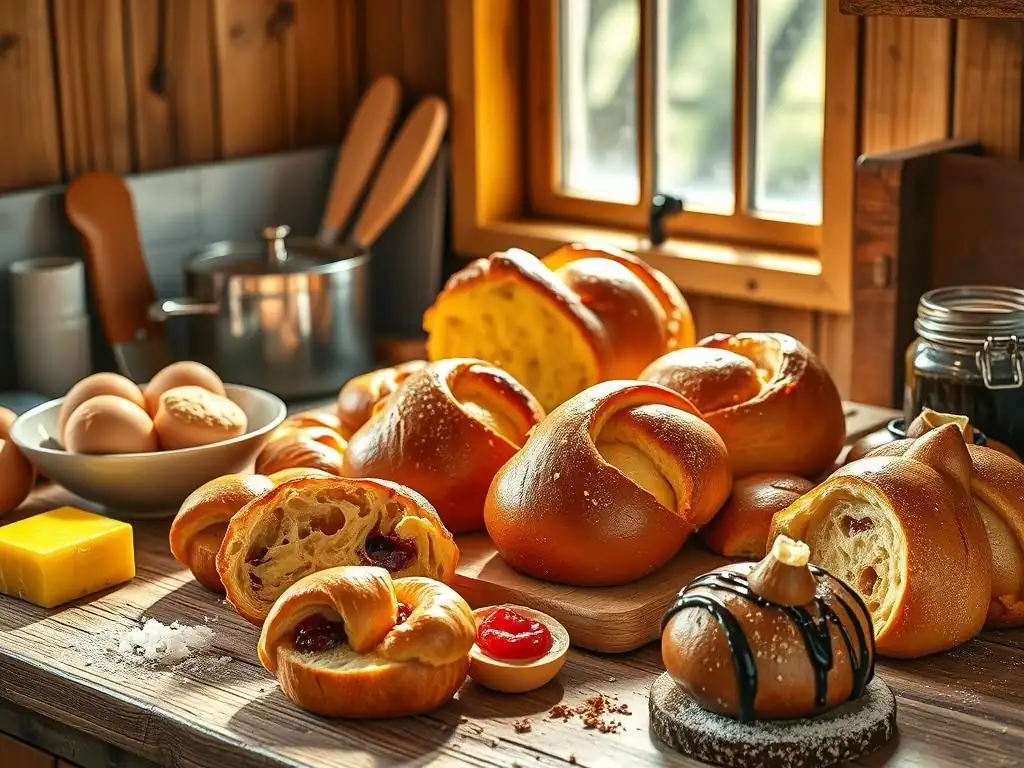
Welcome to BakeWithEase, where even the most decadent treats become delightfully achievable! Ever dreamt of crafting the perfect, golden-brown brioche, but felt intimidated? Think again! In this article, we're unlocking the secrets to simple brioche variations, revealing how to transform a classic recipe into a myriad of delicious delights. Get ready to explore easy-to-follow recipes that will elevate your baking game and impress your friends and family. Intrigued? Let's get baking!
- BakeWithEase: Mastering Brioche Dough with Easy Variations
- Understanding the Basics: Your Guide to Easy Brioche Baking
- Easy Brioche Variations Recipes: Level Up Your Baking
- Savory Brioche Variations: Beyond the Sweet
- Pâtissière-Style Brioche: Advanced Techniques and Flavors
- Tips and Tricks for Baking Perfect Brioche Every Time
- From Simple to Stunning: Exploring the World of Brioche
-
Frequently Asked Questions
- What makes brioche dough different from regular bread dough?
- Can I make brioche dough without a stand mixer?
- What are some "easy" variations I can make to a basic brioche recipe?
- How do I know when my brioche is properly proofed?
- What are some common problems people experience when making brioche, and how can I avoid them?
- Final Reflection: The Enduring Allure of Brioche, Simply Made
- Unleash Your Inner Boulanger: Bake Brioche Today!
BakeWithEase: Mastering Brioche Dough with Easy Variations
Welcome to BakeWithEase, where we believe that mastering classic baking techniques can be simple and incredibly rewarding. Today, we're diving into the world of brioche, a rich, tender, and slightly sweet bread that's a true pleasure to make and eat. Often seen as intimidating, creating delicious brioche dough is entirely within reach for bakers of all levels, especially when you start with straightforward methods. We'll guide you through the fundamentals, ensuring your basic brioche is perfect every time, setting the stage for exciting easy brioche variations recipes.
Brioche's versatility is one of its greatest charms. From a simple loaf perfect for breakfast toast to elaborate filled pastries, the possibilities are vast. Our focus is on making these variations accessible. We'll explore how small additions or shaping changes can transform your basic dough into something new and exciting. Get ready to discover how simple changes can lead to stunning results, proving that delicious and varied brioche is achievable right in your own kitchen.
Understanding the Basics: Your Guide to Easy Brioche Baking
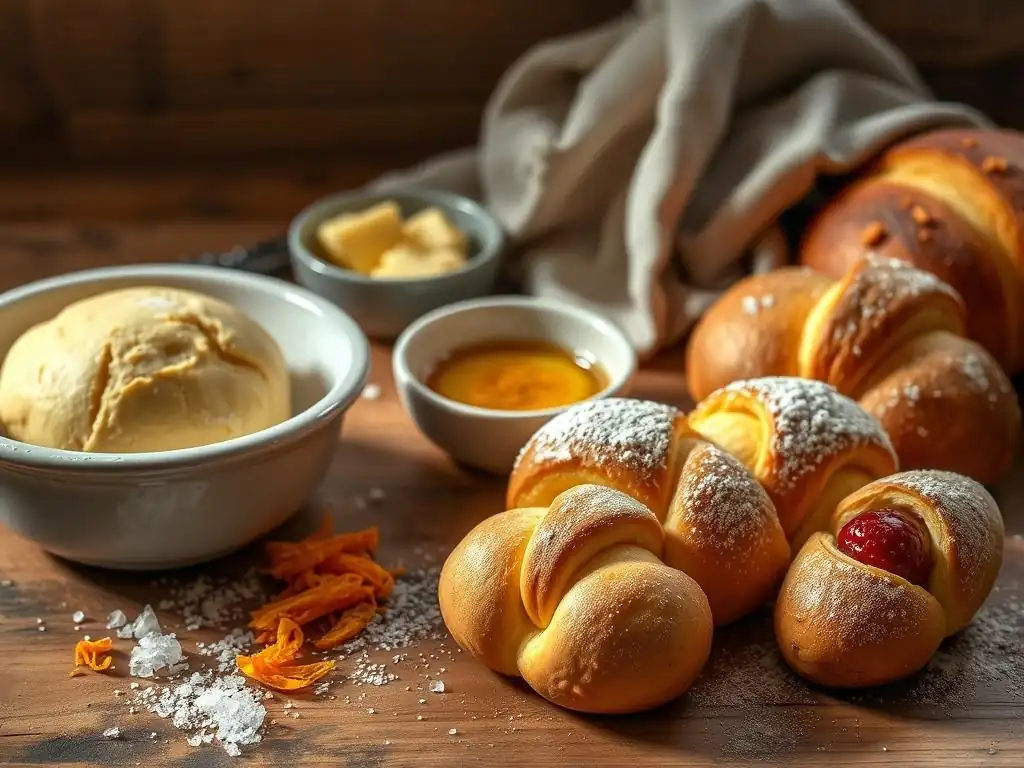
What is Brioche and Why is it So Delicious?
Brioche is a classic French bread known for its incredibly rich and tender crumb. Unlike lean doughs used for baguettes, brioche is an enriched dough, meaning it contains a significant amount of fat, primarily from butter and eggs, in addition to milk, flour, yeast, sugar, and salt. This high proportion of enrichments gives brioche its distinctive soft texture, golden color, and slightly sweet flavor. The high fat content also contributes to its wonderful aroma while baking and its ability to stay fresh longer than leaner breads.
The magic of brioche lies in the way these simple ingredients come together through careful kneading and fermentation. The extensive kneading develops the gluten structure, allowing the dough to support the heavy load of butter and eggs. This results in a bread that is both strong enough to hold its shape yet incredibly delicate and melt-in-your-mouth tender. It's this unique balance of richness and texture that makes brioche so beloved and perfect for a wide range of applications, from sweet pastries to savory sandwiches.
Essential Ingredients for Perfect Brioche Dough
Creating the perfect brioche begins with understanding the role of each essential ingredient. High-quality bread flour is crucial, providing the protein needed for gluten development to support the rich additions. Unsalted butter, ideally at room temperature but still pliable, contributes richness, flavor, and tenderness; a classic brioche recipe might use butter equal to 50-70% of the flour weight. Fresh eggs add more richness, moisture, and help create that signature golden hue and soft crumb; a standard batch often uses 5-6 large eggs per 500g of flour.
Active dry or instant yeast is needed for leavening, making the dough light and airy. Sugar not only adds a touch of sweetness but also feeds the yeast, aiding fermentation and browning. Milk (whole milk is often preferred for extra richness) provides liquid and contributes to a soft texture. Finally, salt is vital for balancing the sweetness, enhancing flavor, and regulating yeast activity. Using these ingredients in the right proportions and ensuring they are at the correct temperature (especially the butter and liquids) are key steps toward mastering easy brioche variations recipes.
Mastering the Brioche Dough Technique: A Step-by-Step Guide
Mastering brioche dough involves a few key stages. Begin by combining the dry ingredients (flour, sugar, salt, yeast) and then adding the wet ingredients (eggs, milk). Mix until a shaggy dough forms. The next crucial step is kneading. This is often done in a stand mixer because brioche dough is very sticky due to its high moisture and fat content. Knead on medium speed for 10-15 minutes until the dough is smooth, elastic, and passes the windowpane test (you can stretch a small piece thin enough to see light through it without tearing).
Once the initial kneading is complete, the softened butter is added gradually, piece by piece, while the mixer continues to run. This process, called fraisage or detrempe followed by incorporation of butter, can take another 10-15 minutes until the butter is fully incorporated and the dough is smooth and shiny. After kneading, the dough requires a bulk fermentation (first rise) at room temperature for about 2-3 hours, or until doubled in size.
Following this, a critical step for brioche is a long, slow chill in the refrigerator, typically overnight or for at least 4-6 hours. This cold rest firms up the dough, making it much easier to handle and shape, and also develops deeper flavors.
**Brioche Dough Technique Checklist:**

- [ ] Combine dry and wet ingredients
- [ ] Knead until smooth and elastic (passes windowpane test)
- [ ] Gradually add softened butter, knead until fully incorporated
- [ ] Bulk fermentation (rise) at room temperature (approx. 2-3 hours)
- [ ] Chill dough thoroughly in the refrigerator (at least 4-6 hours, ideally overnight)
- [ ] Shape dough (after chilling)
- [ ] Proof shaped dough (second rise)
- [ ] Bake until golden brown
Easy Brioche Variations Recipes: Level Up Your Baking
Brioche dough is a fantastic base for a multitude of delicious variations. Once you've mastered the basic technique, you can easily adapt the dough to create different flavors and forms. These easy brioche variations recipes involve simple additions or slight modifications to the shaping process, making them perfect for expanding your baking repertoire without starting from scratch each time. Let's explore some popular and accessible options that build directly on your foundational brioche skills.
The key to successful variations is often in the timing of additions. Ingredients like chocolate chips or herbs and cheese are typically folded in after the main kneading is complete and before the first rise, or sometimes even after the cold chill just before shaping, depending on the desired distribution and impact on the dough structure. This ensures that the main dough develops properly before incorporating mix-ins that might otherwise interfere with gluten formation. Experimenting with these simple changes is a great way to personalize your brioche and discover new favorites.
Classic Brioche Loaf: A Simple and Delicious Starting Point
The classic brioche loaf is the purest expression of the dough's richness and tenderness. It's typically baked in a standard loaf pan, resulting in a soft, sliceable bread perfect for toast, French toast, or simple enjoyment with butter and jam. Shaping a classic loaf is straightforward: after the cold chill, gently degas the dough, shape it into a log, and place it seam-side down in a greased loaf pan. The simplicity of this form allows the luxurious texture and flavor of the brioche itself to truly shine.
The baking process for a classic loaf usually involves baking at around 350-375°F (175-190°C) for 30-40 minutes, or until the internal temperature reaches about 190-200°F (88-93°C) and the crust is a deep golden brown. An egg wash applied before baking enhances the color and creates a beautiful sheen. This simple brioche variation is fundamental and serves as an excellent benchmark for your brioche baking skills before tackling more complex shapes or additions.
Chocolate Chip Brioche: Adding a Touch of Sweetness
Chocolate chip brioche is a universally loved variation, combining the rich bread with pockets of melted chocolate. This is one of the easiest brioche variations recipes to try. Simply add about 1 to 1.5 cups (roughly 170-250g) of good quality chocolate chips or chunks to your dough after the initial kneading and butter incorporation are complete. Gently fold them in by hand or on low speed in the mixer until evenly distributed.
After adding the chocolate, proceed with the first rise, chilling, shaping (often into a loaf or buns), and second rise as usual. The chocolate melts slightly during baking, creating irresistible sweet spots within the tender bread. This variation is particularly wonderful for breakfast or as a sweet snack, demonstrating how simple additions can transform the basic brioche into a delightful treat.
Savory Brioche Variations: Beyond the Sweet
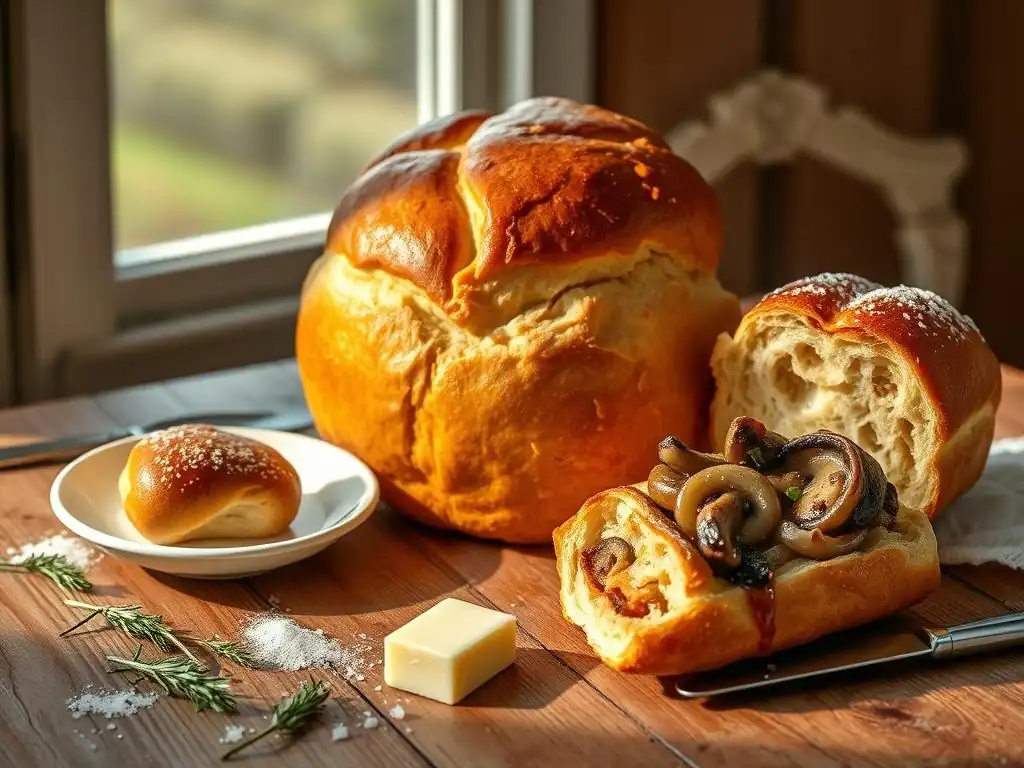
While often associated with sweetness, brioche dough's rich base also makes it an excellent candidate for savory applications. By slightly adjusting the sugar content (sometimes reducing it slightly, though not always necessary) and incorporating savory mix-ins, you can create breads that pair beautifully with meals or stand alone as flavorful snacks. Exploring these easy brioche variations recipes opens up a whole new dimension for enjoying this versatile dough.
Savory additions can range from herbs and cheeses to roasted garlic or sun-dried tomatoes. The key is to choose ingredients that complement the buttery richness of the brioche rather than overpowering it. These variations are fantastic served warm, perhaps alongside soup or as a sophisticated alternative to standard dinner rolls.
Herb and Cheese Brioche: A Flavorful Twist
Adding fresh herbs and cheese is a simple yet incredibly effective way to create a savory brioche. Common additions include finely chopped chives, parsley, rosemary, or thyme, often paired with grated hard or semi-hard cheeses like Gruyère, sharp cheddar, or Parmesan. A typical ratio might be 1/2 cup of mixed chopped herbs and 1 cup (about 100-120g) of grated cheese per standard batch of dough.
Mix the herbs and cheese into the dough after the butter has been fully incorporated. Be careful not to overmix once the additions are in, just enough to distribute them evenly. This dough can be shaped into a loaf, rolls, or even braided. The cheese melts into gooey pockets during baking, while the herbs infuse the bread with aromatic flavor, making this a delightful easy brioche variation for pairing with dinner.
Brioche Buns for Burgers: The Ultimate Upgrade
Using brioche dough for burger buns elevates a simple meal into something special. The rich, soft texture of brioche provides the perfect cushion for juicy burger patties and toppings. To make buns, simply divide your chilled dough into equal portions (typically 8-12 pieces per batch, depending on desired size), shape each piece into a smooth ball, and place them on a baking sheet lined with parchment paper.
Allow the buns to proof until nearly doubled, then brush with an egg wash and sprinkle with sesame seeds if desired. Bake at around 375°F (190°C) for 15-20 minutes, or until golden brown. These easy brioche variations result in incredibly tender, slightly sweet buns that are far superior to standard store-bought options and hold up beautifully to hearty fillings.
Pâtissière-Style Brioche: Advanced Techniques and Flavors
Stepping into pâtissière-style brioche involves exploring more traditional French shapes and sometimes incorporating fillings. While some shapes might require a bit more practice, the underlying dough is the same delicious brioche you've already mastered. These easy brioche variations recipes focus on shaping and assembly to create visually stunning and often more decadent results, perfect for special occasions or when you want to impress.
These variations showcase the versatility of a single brioche dough recipe. By learning a few specific shaping methods, you can transform a basic batch into elegant rolls, loaves with unique structures, or pastries incorporating sweet fillings like pastry cream or fruit.
Brioche Nanterre: A Parisian Classic
Brioche Nanterre is a traditional loaf shape made by arranging several balls of dough side-by-side in a loaf pan. This creates a loaf that is easy to pull apart into individual portions, each with a soft, rounded exterior and tender interior. After chilling the dough, divide it into 6 or 8 equal pieces. Shape each piece into a smooth ball.
Arrange the balls in two rows in a greased loaf pan. Allow them to proof until they fill the pan and are significantly puffed up. Bake as you would a classic brioche loaf. The resulting bread has a beautiful segmented appearance and is wonderfully soft, making it a classic and relatively easy brioche variation to master after the basic loaf.
Brioche à Tête: The Iconic Knob-Topped Brioche
Brioche à Tête, or "Parisian brioche," is perhaps the most iconic brioche shape, featuring a large bottom ball topped with a smaller "head" or knob. Shaping this requires a bit of technique but is achievable with practice. Divide the dough into portions, saving about one-fifth of each portion for the "head." Shape the larger piece into a ball and place it in a fluted brioche mold (or muffin tin). Make a deep indentation in the center of the large ball with your finger.
Shape the smaller piece into a pear shape, then place the narrow end firmly into the indentation of the larger ball. Ensure it's well-seated. This shape requires careful proofing so the head doesn't fall off. Bake until golden brown. While slightly more complex than a simple loaf, mastering the brioche à tête is a rewarding step in exploring easy brioche variations and traditional French baking.
Raspberry Cream Cheese Brioche: A Decadent Filling
Incorporating a sweet filling transforms brioche into a luxurious pastry. Raspberry cream cheese is a popular and delicious option. After the cold chill, roll out the dough into a rectangle. Spread a layer of sweetened cream cheese mixture (softened cream cheese, sugar, vanilla) over the dough, leaving a border. Scatter fresh or frozen raspberries over the cream cheese.
Roll the dough up like a jelly roll, then shape it into a loaf or cut it into individual rolls (like cinnamon rolls). Place in a pan or on a baking sheet and proof. Bake until golden and the filling is bubbly. This easy brioche variation recipe turns the basic bread into a rich dessert or brunch item, perfect for showcasing the dough's ability to carry sweet fillings.
Tips and Tricks for Baking Perfect Brioche Every Time
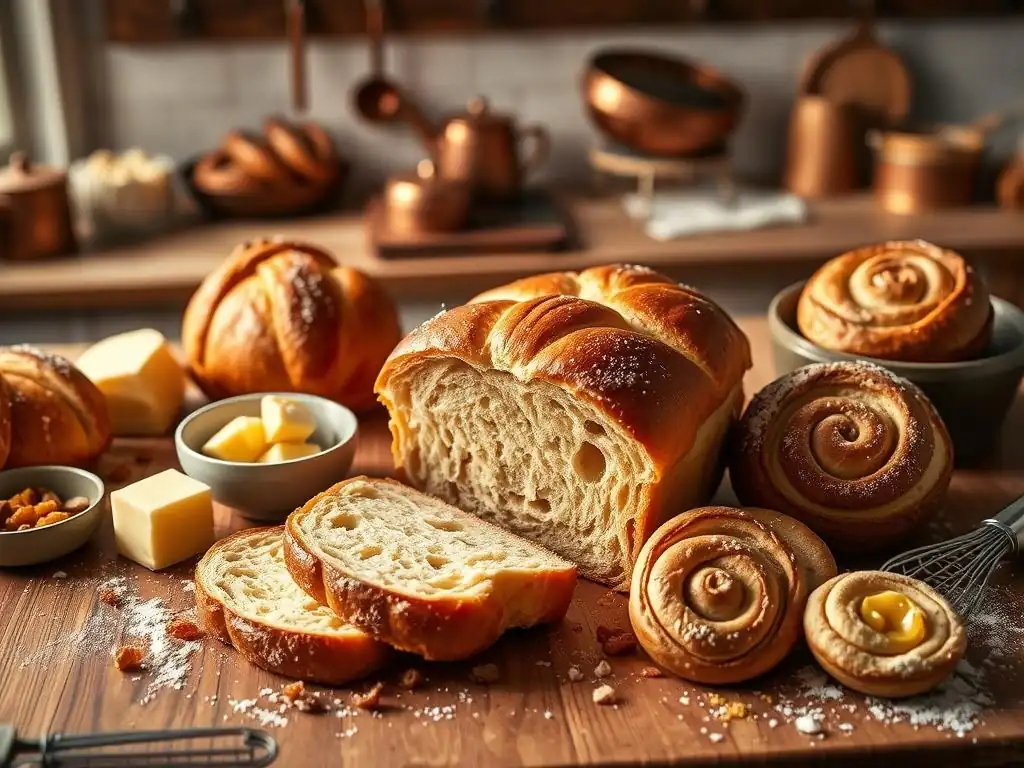
Achieving consistently perfect brioche, regardless of the easy brioche variations recipes you choose, relies on paying attention to a few key details. Temperature is critical – ensuring your ingredients aren't too cold (except for the final chill) and that your proofing environment is warm enough (around 75-80°F or 24-27°C is ideal) but not too hot. Don't rush the kneading process; proper gluten development is essential for the dough's structure and texture.
Equally important is the cold fermentation step. Chilling the dough overnight not only makes it easier to handle for shaping but also significantly improves the flavor and texture of the final baked bread. Be patient during the second rise (proofing) – under-proofed brioche will be dense, while over-proofed brioche can collapse. Look for the dough to be visibly puffy and doubled in size, but still hold its shape when gently poked.
Troubleshooting Common Brioche Baking Issues
Even with careful attention, baking can sometimes present challenges. If your brioche dough isn't rising, the yeast might be inactive (check its expiration date and ensure your liquids weren't too hot when added) or the proofing environment is too cold. Try placing the dough in a slightly warmer spot. If your baked brioche is dense, it could be due to insufficient kneading (not enough gluten development), under-proofing (didn't rise enough before baking), or baking at too low a temperature.
Another common issue is the dough being too sticky to handle even after chilling. This might indicate too much liquid was added or not enough flour initially. Adding a small amount of flour during the final kneading or chilling process can help, but avoid adding too much, which can make the bread tough. If the crust is too hard, you might be over-baking it or the oven temperature is too high. Using an egg wash helps create a tender, golden crust.
Storing and Freezing Brioche for Later Enjoyment
Brioche is best enjoyed fresh, but it can be stored to maintain its quality. At room temperature, a baked brioche loaf or buns can be kept in an airtight container or bread bag for 2-3 days. For longer storage, freezing is an excellent option. Ensure the brioche is completely cooled before wrapping it tightly in plastic wrap and then in aluminum foil or a freezer bag.
Frozen brioche can last for up to 3 months. To thaw, simply leave it wrapped at room temperature for several hours. For best results, especially with loaves or buns intended for slicing or toasting, you can gently warm them in a low oven (around 300°F or 150°C) for 10-15 minutes after thawing to refresh the crust and interior. This allows you to enjoy your easy brioche variations recipes long after they're baked.
From Simple to Stunning: Exploring the World of Brioche
Embarking on the journey of brioche baking, from mastering the basic dough to exploring easy brioche variations recipes, is a deeply satisfying experience. We've seen how a foundational recipe can be the springboard for creating a diverse array of delicious breads, from a humble loaf to elegant filled pastries or savory rolls. The key takeaway is that with a little practice and attention to detail, the seemingly complex world of enriched doughs becomes accessible and incredibly rewarding.
Remember that baking is also about experimentation. Don't hesitate to try your own twists on these easy brioche variations, perhaps adding different spices, fruits, or cheeses based on your preferences. Each loaf and batch of rolls you bake will build your confidence and skill, leading you towards even greater baking adventures.
Easy Brioche Variations: A Recap of Our Favorite Recipes
We've covered a range of delightful easy brioche variations recipes perfect for home bakers:
- Classic Brioche Loaf: The foundational recipe, simple shaping, perfect for slicing.
- Chocolate Chip Brioche: Easy mix-in, adds sweet pockets.
- Herb and Cheese Brioche: Simple mix-in, creates a flavorful savory bread.
- Brioche Buns: Basic shaping, ideal for burgers or sandwiches.
- Brioche Nanterre: Simple assembly of balls in a pan, easy to pull apart.
- Brioche à Tête: Iconic French shape, requires careful handling.
- Raspberry Cream Cheese Brioche: Incorporates a delicious sweet filling.
Each of these variations builds upon the same core brioche dough technique, making them accessible steps for expanding your baking repertoire.
Resources for Further Brioche Baking Exploration
To continue your brioche journey and explore even more easy brioche variations, consider looking for reputable baking books that focus on French patisserie or enriched doughs. Online baking communities and forums can also be valuable resources for troubleshooting and sharing tips. Many experienced bakers share their insights on dough handling, shaping techniques, and creative flavor combinations.
Practice is the most important resource of all. The more you bake brioche, the more intuitive the dough will become, and the easier it will be to execute these variations and invent your own. Keep baking, keep experimenting, and most importantly, keep enjoying the delicious results of your efforts in mastering these easy brioche variations recipes.
Frequently Asked Questions
What makes brioche dough different from regular bread dough?
Brioche dough is enriched with a high proportion of butter and eggs, giving it a rich, tender crumb and a slightly sweet flavor. This makes it significantly richer than standard bread dough.
Can I make brioche dough without a stand mixer?
Yes, you can! Though a stand mixer is recommended for convenience, you can knead brioche dough by hand. Just be prepared for a longer kneading time and a stickier process.
What are some "easy" variations I can make to a basic brioche recipe?
You can easily add flavorings like citrus zest, chocolate chips, or spices such as cinnamon or cardamom to your basic dough. Incorporating different fillings or toppings after baking, such as pastry cream or fruit, also offers variety.
How do I know when my brioche is properly proofed?
The dough should have nearly doubled in size and feel light and airy. Gently poke it; it should slowly spring back. Over-proofing can lead to a flat brioche.
What are some common problems people experience when making brioche, and how can I avoid them?
Common issues include dough that is too sticky or doesn't rise properly. Ensuring your ingredients are at the correct temperature and not over-kneading the dough can help avoid these problems.
Final Reflection: The Enduring Allure of Brioche, Simply Made
The humble brioche, once a celebratory treat, is now within everyone's reach. This exploration of simple brioche variations demonstrates that achieving delicious, impressive results doesn't require complex techniques or hours of labor. The accessibility of these recipes empowers home bakers to embrace a classic pastry, transforming it into a versatile canvas for creativity.
The journey through these recipes has highlighted not only the ease of brioche-making but also its enduring cultural significance. Brioche transcends mere bread; it represents comfort, celebration, and the joy of sharing. It's a testament to the power of simple ingredients transformed by skillful hands. Baking is at once child's play and adult joy. And love, of course.
- Paul Hollywood. This quote perfectly encapsulates the spirit of these recipes – accessible enough for beginners, yet rewarding enough for experienced bakers.
Now, it's your turn. Don't be intimidated by the seemingly intricate world of pastry. Choose a variation that sparks your interest, gather your ingredients, and embark on your own brioche adventure. The aroma of freshly baked brioche, the soft texture melting in your mouth – these are the rewards that await. Let the simple elegance of brioche inspire you to explore your own culinary creativity, one delicious bite at a time.
Unleash Your Inner Boulanger: Bake Brioche Today!
Thanks for joining us on this delicious journey into the world of brioche! We hope you've gained the confidence to tackle this classic pastry. Now it's time to put your newfound knowledge into action.
- Bake your own masterpiece! Start with the basic recipe and let your creativity shine. Try adding different flavors, fillings, or glazes. Don't be afraid to experiment!
- Share your brioche creations! Snap a picture of your beautiful bake and share it on social media using #BakeWithEaseBrioche – let's inspire each other!
- Explore other delicious BakeWithEase recipes: Dive deeper into our archives to discover more amazing bread and pastry recipes that will elevate your baking game.
Ready to transform your kitchen into a Parisian patisserie? What unique twist will you add to your first brioche?