
Adding Flavor Boosts: Zest, Spice, and Extracts in Enriched Dough


Welcome to BakeWithEase, your kitchen companion for all things baking!
Ready to elevate your enriched dough from good to extraordinary? Discover how adding the perfect balance of zest spice enriched dough can unlock a symphony of flavors in your baked creations. Intrigued? Let's explore the secrets to infusing zest, spices, and extracts for a taste that will leave everyone wanting more. Prepare to master the art of flavorful baking!
- Enhancing Enriched Dough: Citrus, Spice, and Extracts
- Understanding Flavor Infusion in Enriched Doughs
- Mastering Citrus Zest in Enriched Dough
- Adding Warmth with Spices
- Unleashing Flavor with Extracts
- Recipe Adjustments for Flavor Enhancements
- Troubleshooting Tips
- Flavor Combinations: Enriched Dough Ideas
- Storing Flavored Enriched Dough
-
Frequently Asked Questions
- What is "enriched dough" and why is it important to use flavor boosts like zest and spice?
- How does using zest spice enriched dough impact the final product?
- What types of zest and spices work best in enriched dough?
- Can I use extracts instead of or in addition to zest and spices?
- How much zest or spice should I add to my enriched dough recipe?
- Final Reflection: The Unexpected Symphony of Flavor in Enriched Dough
- Unleash Your Inner Baker: Elevate Your Dough Game!
Enhancing Enriched Dough: Citrus, Spice, and Extracts
Enriched doughs, like brioche, challah, and babka, are celebrated for their tender crumb and rich flavor, thanks to generous additions of butter, eggs, and sugar. While delicious on their own, these doughs provide a perfect canvas for adding extra layers of flavor. Introducing elements like citrus zest, warm spices, and potent extracts can transform a simple loaf into an extraordinary culinary experience, elevating its aroma and taste profile significantly. Mastering these flavor boosts is key to taking your enriched dough baking to the next level.
Understanding Flavor Infusion in Enriched Doughs
Flavor infusion in enriched doughs is about more than just adding ingredients; it's understanding how these elements interact with the rich base. The fats from butter and egg yolks in enriched doughs are excellent carriers of flavor compounds found in zest, spices, and extracts. This means the aromas and tastes are distributed more effectively throughout the dough, resulting in a more integrated and enjoyable eating experience. The sugar in the dough also helps to balance and enhance these added flavors.
Benefits of Adding Flavor Enhancers
Adding flavor enhancers to zest spice enriched dough offers numerous benefits, from simple sensory pleasure to complex aroma profiles. Firstly, they significantly boost the overall aroma, making the baking process itself more enjoyable and creating anticipation for the final product. Imagine the scent of warm cinnamon and cardamom filling your kitchen as a babka bakes.
Secondly, they add complexity and depth to the taste. While the richness of butter and eggs is wonderful, notes of citrus, warmth from spices, or the depth of vanilla extract provide contrast and highlight the inherent sweetness and richness of the dough. For instance, a hint of lemon zest can cut through the richness of a brioche, making it feel lighter and brighter. This can elevate a simple loaf into a memorable treat, perfect for special occasions or simply enhancing your daily baking routine.
Mastering Citrus Zest in Enriched Dough
Citrus zest is the colorful outer layer of citrus fruit peel, packed with volatile oils that contain intense flavor and aroma. It's a fantastic way to add brightness and a fragrant lift to heavy, rich doughs. Unlike citrus juice, which adds acidity and liquid that can affect dough structure, zest provides pure flavor without significantly altering the hydration or pH of the dough.
Choosing Citrus Fruits for Zesting
The best citrus fruits for zesting in zest spice enriched dough are those with vibrant, blemish-free skins. Lemons, oranges, grapefruits, limes, and even mandarins or tangerines are excellent choices. For a standard loaf made with around 500g of flour, the zest of one medium to large lemon or orange is a common starting point, providing a noticeable but not overpowering flavor.
Consider the flavor profile you want to achieve. Lemon zest offers a bright, tangy note; orange zest provides sweetness and warmth; lime zest adds a sharp, slightly floral quality; while grapefruit zest can introduce a pleasant bitterness and complexity. Always opt for organic or unwaxed fruits when possible, and wash them thoroughly before zesting to remove any pesticides or residues.
Zesting Techniques for Optimal Flavor
Proper zesting technique is crucial to capture only the flavorful oils and avoid the bitter pith. A microplane grater is often considered the best tool for producing fine, fluffy zest that incorporates easily into dough. Hold the fruit firmly and gently glide it across the microplane, rotating the fruit as you go. Stop as soon as you see the white pith appearing underneath the colorful zest.
Another method is using a channel zester to create long strands of zest, which can be beautiful for presentation but might need to be finely chopped for even distribution within the dough. A vegetable peeler can also be used to remove larger strips of zest, which then need to be minced very finely with a sharp knife. Regardless of the tool, the goal is to get only the brightly colored outer layer.
Incorporating Zest into Dough
There are a couple of effective ways to incorporate citrus zest into zest spice enriched dough. One popular method is to rub the zest into the sugar called for in the recipe using your fingertips. This action helps release the essential oils from the zest, infusing the sugar with intense flavor and aroma before it's mixed into the dough. This is particularly effective in recipes where sugar is creamed with butter or eggs early in the process.
Alternatively, you can add the zest directly to the dry ingredients before mixing, or add it along with the wet ingredients (like eggs or milk). When adding directly, ensure the zest is very finely grated so it disperses evenly throughout the dough. For a 500g flour recipe, incorporating the zest of one average lemon typically adds less than 5g of material, so it won't significantly alter hydration, but the flavor impact is substantial.
Zest Pro Tip: Avoiding Pith
The white pith found just beneath the colorful zest is bitter and can ruin the flavor of your baked goods. To avoid it, always zest with a light hand and stop as soon as the white layer starts to show. If you're using a microplane, this is relatively easy – just angle the fruit so only the colored part touches the grater.
If using a peeler or knife, ensure you are only removing the outermost layer. If you accidentally get some pith, carefully scrape it off the back of the zest with a knife. A small amount of pith might not be noticeable in a heavily flavored dough, but larger pieces or a lot of pith can impart an unpleasant bitterness that no amount of sugar can hide, detracting from your otherwise perfect zest spice enriched dough.
Adding Warmth with Spices
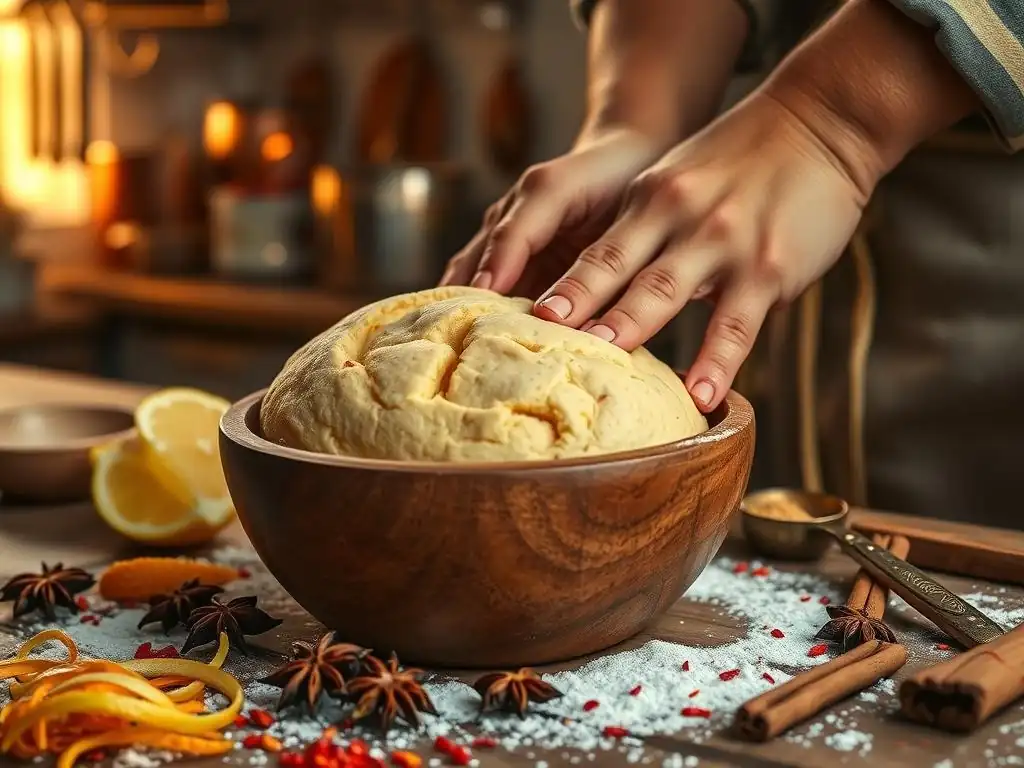
Spices bring warmth, depth, and aromatic complexity to enriched doughs. They pair wonderfully with the richness of butter and eggs and complement the sweetness. From classic cinnamon to exotic cardamom, spices can transform a simple loaf into a comforting and fragrant treat, making them essential in many traditional zest spice enriched dough recipes.
Essential Spices for Enriched Dough
Several spices are particularly well-suited for enriched doughs. Cinnamon is perhaps the most common, adding sweet warmth. Cardamom offers a unique, slightly floral and citrusy note, quintessential in many Scandinavian and Eastern European enriched breads like babka or pulla. Nutmeg provides a sweet, slightly pungent warmth that pairs well with egg-rich doughs.
Other excellent choices include ginger (warm, slightly peppery), cloves (intense, sweet, pungent - use sparingly), allspice (a blend of cinnamon, cloves, and nutmeg notes), and star anise (licorice-like, warm). A common starting point for total spice quantity in a 500g flour dough is 1 to 2 teaspoons, though this can vary greatly depending on the specific spice and desired intensity. For example, you might use 2 teaspoons of cinnamon but only 1/4 teaspoon of ground cloves.
Ground vs. Whole Spices
The form of the spice matters. Ground spices offer convenience and disperse easily throughout the dough, providing immediate flavor. However, their volatile oils dissipate more quickly than those in whole spices, meaning their flavor can be less potent if they've been sitting on your shelf for a long time. Using freshly ground spices is always recommended for the best flavor.
Whole spices, like cardamom pods, cinnamon sticks, or star anise, retain their flavor compounds until they are ground or steeped. While you wouldn't typically add whole spices directly into the dough itself (unless very finely crushed, like cardamom seeds), you can infuse liquids used in the dough, such as milk. Gently heating milk with whole spices and letting them steep allows the flavors to permeate the liquid, which is then strained and used in the dough. This method provides a more subtle, integrated flavor.
Spice Blends for Dough
Creating or using pre-made spice blends can add layers of complexity to your zest spice enriched dough. Classic blends like pumpkin pie spice (cinnamon, ginger, nutmeg, cloves) or apple pie spice (similar, often heavier on cinnamon) work wonderfully. European blends like speculoos spice (cinnamon, nutmeg, cloves, ginger, white pepper) or even a simple mix of cinnamon and cardamom are excellent.
You can easily create your own blend. For a 500g flour dough, try a mix like 1.5 teaspoons ground cinnamon, 0.5 teaspoon ground cardamom, and a pinch of ground nutmeg. Experiment with ratios to find your preferred balance. Storing your custom blend in an airtight container will help maintain its potency.
Incorporating Spices: Timing and Technique
Ground spices are best incorporated early in the mixing process to ensure even distribution. They can be whisked into the dry ingredients (flour, yeast, salt) before adding wet components. This prevents clumps of spice and ensures flavor is spread throughout the dough matrix.
Alternatively, spices can be added to the wet ingredients, particularly if using a stand mixer, allowing them to mix thoroughly with the eggs and milk before the flour is added. For stronger spices or blends, some bakers prefer to add them towards the end of kneading, believing it preserves some volatile aromas, but thorough mixing is key regardless of timing to avoid uneven flavor spots in your finished zest spice enriched dough.
Unleashing Flavor with Extracts
Extracts are potent liquids that capture the flavor compounds of various ingredients, offering a concentrated way to add flavor without adding significant bulk or moisture. Vanilla extract is the most common, but a wide range of extracts can enhance enriched doughs, providing consistent and intense flavor notes.
Extracts vs. Essences
It's helpful to understand the difference between extracts and essences. Extracts, particularly pure extracts, are typically made by dissolving the flavor compound (like vanilla beans or almond kernels) in alcohol. Pure vanilla extract, for example, is made from vanilla beans steeped in alcohol and water. They tend to have a more complex, nuanced flavor profile.
Essences, on the other hand, are often synthetic flavorings dissolved in alcohol or oil. For instance, almond essence might be primarily benzaldehyde, a chemical compound that tastes like almond. While often cheaper and sometimes more potent, essences can have a more artificial or one-dimensional flavor compared to pure extracts. For the best results in your zest spice enriched dough, opting for pure extracts is generally recommended for their depth and natural taste.
Popular Extracts for Enriched Dough
Beyond vanilla, several extracts pair beautifully with the rich profile of enriched dough. Almond extract adds a sweet, nutty flavor, classic in many pastries. Lemon extract can provide a brighter, more intense citrus flavor than zest alone, though it lacks the aromatic oils of fresh zest. Orange extract offers a similar concentrated orange flavor.
Other extracts to consider include maple extract (adds a warm, sweet note), coffee extract (deepens chocolate or spice flavors), and even floral extracts like rosewater or orange blossom water (use very sparingly, as they are potent). The choice of extract depends on the desired flavor profile and how it complements the other ingredients in your zest spice enriched dough.
Measuring Extracts for Optimal Flavor
Extracts are powerful, so precise measurement is important to avoid an overpowering or artificial taste. For a standard 500g flour enriched dough recipe, 1 to 2 teaspoons of pure vanilla extract is a common amount, providing a noticeable but not dominant vanilla flavor.
For stronger extracts like almond or lemon, you might start with just 1/2 teaspoon to 1 teaspoon. It's often better to start with less and add a tiny bit more if needed (though this is difficult once the dough is mixed) than to add too much initially. The concentration of extracts can vary between brands, so trust your nose and palate. Remember that some flavor will bake off in the oven, so the raw dough might taste more strongly flavored than the finished product.
Extract Pro Tip: Avoiding Artificial Taste
To avoid an artificial taste, especially with extracts like almond or lemon, use high-quality pure extracts rather than synthetic essences. The complex compounds in pure extracts provide a more rounded flavor that integrates better with the rich dough.
Also, be mindful of quantity. Too much extract, particularly synthetic ones, can leave a chemical or medicinal aftertaste. If unsure, err on the side of using slightly less than you think you need. The goal is for the extract to enhance, not dominate, the overall flavor of your zest spice enriched dough.
Recipe Adjustments for Flavor Enhancements
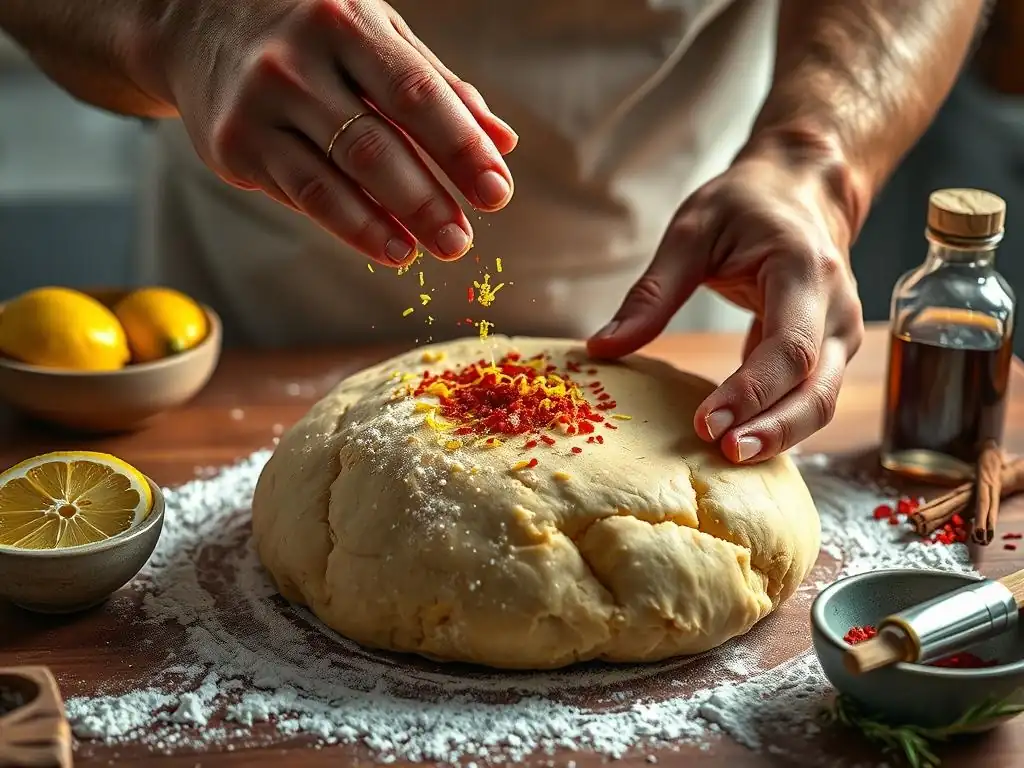
Adding zest, spices, and extracts usually requires minimal adjustments to an existing enriched dough recipe. However, being aware of potential impacts can help ensure success.
Adjusting Liquid Ratios
Fresh citrus zest contains a small amount of moisture and oils. For the amount typically used (e.g., zest of one lemon), this is usually negligible and won't require a significant adjustment to the liquid in a standard enriched dough recipe (which often uses 300-400ml of liquid like milk and eggs for 500g flour).
Extracts, being liquid, do add a tiny amount of moisture. However, the volume is so small (1-2 teaspoons is only 5-10ml) that it rarely necessitates adjusting the main liquid ingredients. The dough's consistency is more likely to be affected by factors like flour absorption or humidity than by the small amount of liquid introduced by extracts or zest.
Balancing Sweetness and Spice
When adding spices, particularly warming or pungent ones like ginger or cloves, you might find that the dough benefits from a slight increase in sugar to balance the flavors. Spices can sometimes make a dough taste less sweet than it is.
For example, if adding 2 teaspoons of a robust spice blend to a recipe that calls for 50g of sugar per 500g flour, you might consider increasing the sugar by 5-10g. This isn't always necessary and depends on personal preference and the specific spices used, but it's something to consider when working with zest spice enriched dough.
Impact on Dough Texture and Rise
Generally, adding zest, spices, or extracts in typical quantities does not significantly impact the texture or rise of enriched dough. The small volume doesn't interfere with gluten development or yeast activity.
However, excessive amounts of certain spices (like cinnamon) have sometimes been reported to potentially slow yeast activity slightly, though this effect is often minimal in home baking quantities. Highly acidic ingredients, if added in large volume (which isn't the case with zest or typical extract amounts), could also affect yeast. As long as you stick to recommended amounts (e.g., zest of 1-2 fruits, 1-2 teaspoons of spices/extracts per 500g flour), your zest spice enriched dough should rise and bake normally.
Troubleshooting Tips
Even with careful planning, sometimes things don't go perfectly when adding flavors to dough. Here are a few common issues and how to address them.
Dealing with Overpowering Flavors
If you find the flavor of zest, spice, or extract is too strong in your finished zest spice enriched dough, there are a few things to consider for next time.
- Reduce the quantity: Simply use less zest, spice, or extract in your next batch.
- Adjust the type: Some spices or extracts are more potent than others. Consider using a milder spice blend or a less intense extract. For zest, ensure you are not including any bitter pith.
- Balance with other flavors: Sometimes, an overpowering flavor can be mitigated by adding something complementary. For example, if orange zest is too strong, a tiny bit more vanilla might help round it out.
For the current batch, serving the bread with a neutral accompaniment like plain butter or cream cheese might help balance the intense flavor.
Ensuring Even Spice Distribution
Clumps of spice in baked goods are unappealing. To ensure even distribution of ground spices in your zest spice enriched dough:
- Whisk spices thoroughly into the dry ingredients (flour, salt, yeast) before adding any wet ingredients.
- If using a stand mixer, add spices early in the mixing process and allow the dough to mix for sufficient time to distribute them evenly.
- Avoid adding large quantities of dry spices directly into a wet, already-forming dough ball – they are much harder to disperse at that stage.
Finely grated zest and liquid extracts are generally easier to distribute evenly during mixing.
Adjusting Baking Time
Adding zest, spices, or extracts typically does not require significant adjustments to baking time or temperature for zest spice enriched dough. The added volume is minimal, and they don't drastically alter the dough's composition in a way that affects baking physics.
However, if you've added ingredients that affect the color of the dough (like dark spices such as cinnamon or cocoa powder if using chocolate extract), the crust might appear darker sooner. Use an internal thermometer to check for doneness (enriched dough is usually done when the internal temperature reaches 190-200°F or 88-93°C) rather than relying solely on visual cues to ensure the inside is properly baked.
Flavor Combinations: Enriched Dough Ideas
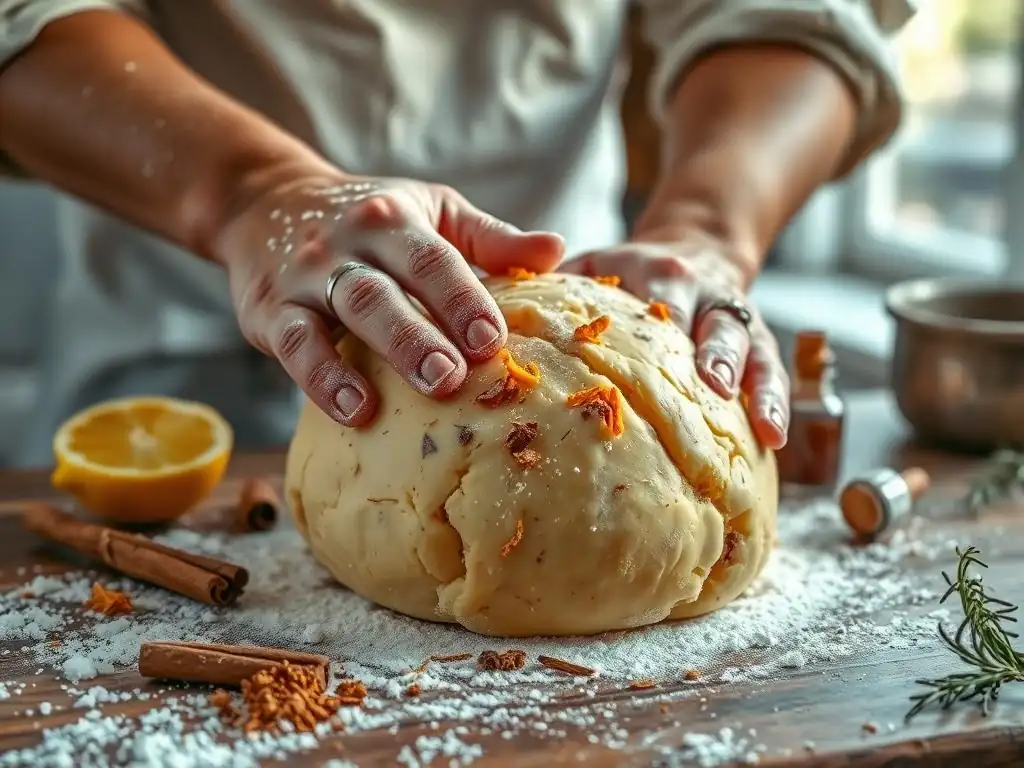
The possibilities for combining flavors in zest spice enriched dough are nearly endless. Here are a few classic and inspiring pairings to get you started:
Lemon Zest and Poppy Seed Challah
This combination is bright and classic. The tangy lemon zest cuts through the richness of the challah's eggs and oil, while the poppy seeds add a subtle nutty flavor and delightful texture.
- Ingredients:
- Zest of 1-2 large lemons (depending on desired intensity)
- 2-3 tablespoons poppy seeds
- Your favorite challah recipe (typically uses around 500-600g flour)
- Method:
- Rub the lemon zest into the sugar before adding it to the wet ingredients.
- Add poppy seeds along with the dry ingredients.
- Proceed with your standard challah recipe.
- Pairs well with: Butter, cream cheese, smoked salmon.
Vanilla Extract and Cardamom Babka
A heavenly pairing for the sweet, swirled layers of babka. The warm, slightly floral notes of cardamom complement the classic sweetness of vanilla, enhancing the chocolate or cinnamon filling often used in babka.
- Ingredients:
- 1-2 teaspoons pure vanilla extract
- 1-2 teaspoons ground cardamom (or seeds from 15-20 pods, freshly ground)
- Your favorite babka recipe (often uses around 500g flour)
- Method:
- Add vanilla extract to the wet ingredients (milk, eggs).
- Whisk ground cardamom into the dry ingredients (flour, yeast).
- Proceed with your standard babka recipe, adding your chosen filling.
- Pairs well with: Coffee, tea, or on its own.
Orange Zest and Star Anise Brioche
An aromatic and slightly exotic combination. The sweet, fragrant orange zest works beautifully with the warm, licorice-like notes of star anise, adding sophistication to the buttery richness of brioche.
- Ingredients:
- Zest of 1 large orange
- 1-2 whole star anise pods (or 1/4 teaspoon ground star anise)
- Your favorite brioche recipe (high butter and egg content, often 500g flour)
- Method (using whole star anise infusion):
- Gently heat the milk called for in the recipe with the star anise pods. Simmer briefly, then let steep for 15-20 minutes off the heat. Strain out the star anise and let the milk cool before using.
- Rub the orange zest into the sugar.
- Combine the infused milk, zested sugar, and other wet ingredients. Proceed with the brioche recipe.
- Method (using ground star anise):
- Rub the orange zest into the sugar.
- Whisk ground star anise into the dry ingredients (flour, yeast).
- Proceed with the brioche recipe.
- Pairs well with: Chocolate, citrus marmalade, or as a base for French toast.
These are just starting points. Feel free to experiment with other combinations to create your signature zest spice enriched dough.
Storing Flavored Enriched Dough
Proper storage is key if you're making your flavored enriched dough ahead of time. Both freezing and refrigeration are options, but how you handle the dough can impact the intensity and freshness of the added flavors.
Freezing and Thawing
Enriched dough freezes exceptionally well due to its high fat and sugar content, which helps protect the yeast and structure. You can freeze the dough after the first rise, or even after shaping but before the second rise (known as proofing).
- To freeze after the first rise: Punch down the dough, shape it into a disc or log, wrap tightly in plastic wrap, then place in a freezer bag or airtight container. It can be frozen for 2-3 months.
- To freeze after shaping: Shape the dough (e.g., into a loaf or rolls), place on a baking sheet lined with parchment paper, and freeze until solid. Once solid, transfer to a freezer bag or airtight container.
To thaw, place the wrapped dough in the refrigerator overnight. Once thawed, let it come to room temperature and proceed with the second rise (proofing) and baking as usual. Flavors like zest and spices generally hold up well during freezing, though some volatile aromas might be slightly muted compared to freshly made dough. Extracts tend to retain their flavor profile effectively.
Maintaining Flavor During Storage
When storing flavored enriched dough in the refrigerator (typically for up to 1-2 days after the first rise), ensure it is tightly covered. This prevents a crust from forming and minimizes the loss of volatile flavor compounds from zest and spices. Plastic wrap and then placing the bowl in a sealed container or a reusable plastic bag works well.
For longer storage via freezing, the tight wrapping is even more critical. Air is the enemy of flavor preservation in the freezer, leading to oxidation and freezer burn, which can degrade the taste of your added flavors. Double-wrapping helps create a barrier against ice crystals and air. When thawing, keeping the dough wrapped until it reaches room temperature also helps retain moisture and flavor. While some flavor fade is inevitable over long freezing periods, proper wrapping minimizes it, ensuring your zest spice enriched dough retains its delicious profile.
Frequently Asked Questions
What is "enriched dough" and why is it important to use flavor boosts like zest and spice?
Enriched dough refers to dough that contains added fat, sugar, and/or eggs, making it richer and more tender than lean dough. Flavor boosts are crucial in enriched dough because they complement the richness and prevent it from becoming bland.
How does using zest spice enriched dough impact the final product?
Using zest and spices in enriched dough enhances the flavor profile by adding complexity and depth. This results in a more aromatic and flavorful baked good, making it more enjoyable.
What types of zest and spices work best in enriched dough?
The best zests and spices depend on the recipe, but common choices include citrus zests (lemon, orange), warm spices like cinnamon, nutmeg, and cardamom, and even ginger. Experiment to find your favorite combinations!
Can I use extracts instead of or in addition to zest and spices?
Yes, extracts such as vanilla, almond, or lemon extract can provide concentrated flavor boosts. They can be used alone or in conjunction with zest and spices for a more layered flavor experience.
How much zest or spice should I add to my enriched dough recipe?
Start with a small amount, typically 1-2 teaspoons of zest or spice per cup of flour, and adjust to taste. Remember, you can always add more, but it's harder to remove excess flavor.
Final Reflection: The Unexpected Symphony of Flavor in Enriched Dough
The art of baking enriched doughs goes far beyond simple sweetness; it's a journey into the complex and rewarding world of flavor layering. Mastering the subtle interplay of zest, spice, and extracts unlocks a depth of taste that elevates even the most basic recipe, transforming ordinary bread, pastries, and cakes into extraordinary experiences. This exploration into the power of these flavor boosters is more relevant than ever, as home bakers increasingly seek to create unique and memorable culinary moments.
The impact of these seemingly small additions is profound. They're not just about adding a single note of flavor; they create a symphony of aromas and tastes that resonate with our memories and emotions. The smell of baking bread is the smell of home.
This sentiment perfectly captures the emotional connection we forge with food, and the careful selection of zest, spice, and extracts allows us to craft those deeply personal and evocative experiences in our kitchens. The subtle citrus brightness of lemon zest, the warm embrace of cinnamon, or the exotic allure of vanilla extract – each ingredient contributes to a unique narrative within the final product.
Now, consider your own baking journey. What flavors resonate most deeply with you? What combinations have you yet to explore? I invite you to experiment, to embrace the unexpected, and to discover the boundless potential of zest, spice, and extracts in your own enriched dough creations. Don't be afraid to deviate from traditional recipes, to blend familiar flavors in novel ways, and to create your own signature symphony of taste. The possibilities are as limitless as your imagination.
Unleash Your Inner Baker: Elevate Your Dough Game!
Thanks for taking the time to explore the exciting world of flavor-infused doughs! We hope you discovered some delicious inspiration to take your baking to the next level. Now it's time to put your newfound knowledge into practice.
- Experiment with a new extract: Try adding a teaspoon of almond or vanilla extract to your next batch of cookies – the difference is incredible! This is your primary action – let's see those results!
- Share your creations: Post a picture of your flavor-enhanced baked goods on social media and tag us! We'd love to see what deliciousness you create.
- Dive deeper into flavor profiles: Explore our other articles on BakeWithEase.com for even more tips and tricks on creating unique and exciting flavor combinations.
What unexpected flavor combination are you going to try first? Let us know in the comments below!