
The Essential Role of Eggs in Enriched Bread Baking

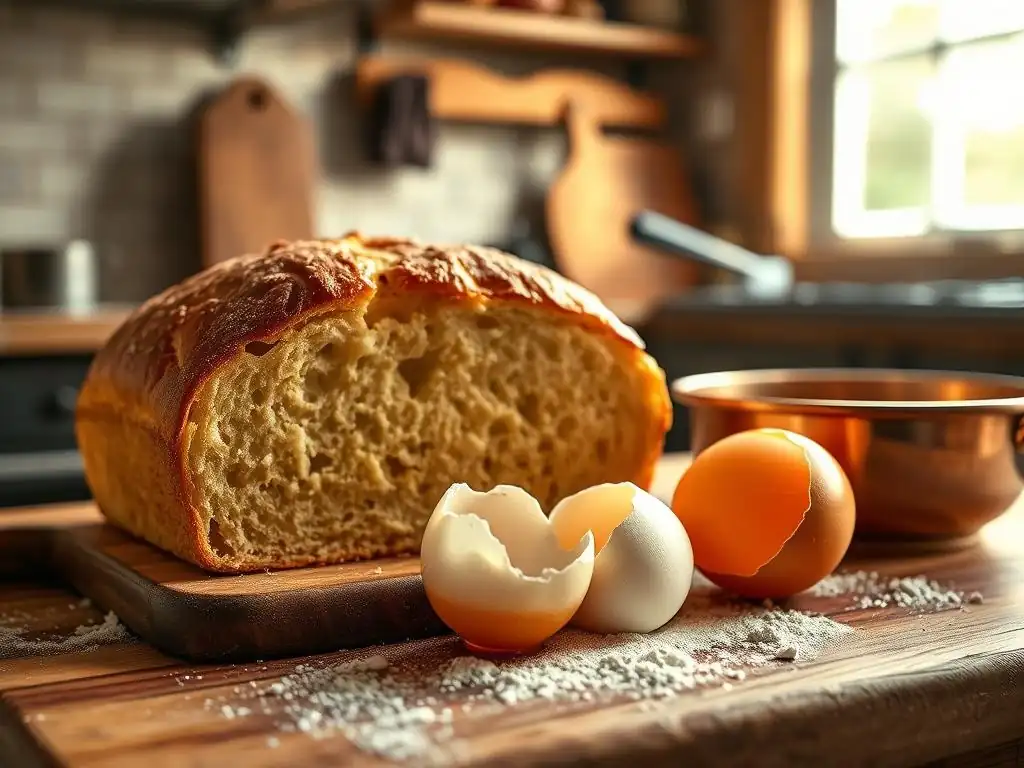
Welcome to BakeWithEase, your guide to unlocking baking brilliance! Ever wondered how to achieve that perfect, golden-brown crust and irresistibly soft crumb in your favorite enriched breads? In this article, we'll dive deep into the essential role of eggs in bread baking, revealing the secrets to using them effectively and transforming your dough into a masterpiece. Get ready to elevate your baking skills – let's get started!
- Introduction to Eggs in Enriched Doughs
- How to Use Eggs in Bread
- The Key Benefits of Eggs
- Mastering Egg Incorporation Techniques
- Common Mistakes to Avoid
- Enriched Bread Recipes Featuring Eggs
- Troubleshooting Common Problems
- Advanced Tips
- Conclusion
-
Frequently Asked Questions
- How do eggs contribute to the texture of enriched bread?
- Why are eggs considered essential in many enriched bread recipes?
- Can I substitute eggs in an enriched bread recipe, and if so, what are my options?
- How do eggs impact the color of enriched bread crust?
- At what temperature should eggs be when adding them to bread dough?
- Final Reflection: The Unexpected Power of the Humble Egg
- Unlock the Secrets to Perfectly Enriched Bread!
Introduction to Eggs in Enriched Doughs
Understanding Enriched Doughs
Enriched doughs stand apart from lean doughs (like those used for crusty baguettes) due to the addition of ingredients beyond just flour, water, salt, and yeast. These enriching components typically include fats like butter or oil, sugar, dairy products such as milk or cream, and, crucially, eggs. The inclusion of these ingredients dramatically alters the dough's characteristics, leading to breads that are softer, richer, more flavorful, and often possess a finer, more tender crumb structure compared to their lean counterparts.
Think of classic examples like brioche, challah, or panettone. These aren't just simple loaves; they are celebrations of texture and flavor, made possible by the generous amounts of enrichments. While lean doughs focus on developing strong gluten structure for airy interiors and crisp crusts, enriched doughs balance gluten development with the tenderizing effects of fats and sugars, resulting in a bread that is both soft and substantial. Learning how to use eggs bread recipes effectively is a cornerstone of mastering this category of baking.
Why are Eggs Crucial for Rich Breads?
Eggs play a multifaceted and indispensable role in enriched bread baking, contributing far more than just moisture. They are miniature powerhouses, bringing protein, fat, and liquid to the dough, each component serving a distinct purpose. The proteins in the egg white contribute to structure, while the fat-rich yolk tenderizes the crumb and adds significant richness and flavor.
Without eggs, many classic enriched bread recipes simply wouldn't achieve their signature qualities. A brioche made without eggs would be dense, pale, and lacking the characteristic buttery tenderness. Eggs bind ingredients, add color, enhance flavor, improve texture, and even contribute to the bread's keeping quality. Understanding precisely how to use eggs bread dough and what they contribute is key to successful enriched baking.
How to Use Eggs in Bread
The Science Behind Eggs in Bread Dough
When you incorporate eggs into bread dough, several scientific reactions occur. The proteins (primarily albumin in the white and lipoproteins in the yolk) contribute to the dough's overall structure. As the bread bakes, these proteins coagulate, helping to set the crumb and provide stability alongside the gluten network. This protein contribution is vital, especially in doughs with high fat and sugar content, which can otherwise inhibit gluten development.
Furthermore, the fat in the egg yolk coats gluten strands, preventing them from forming too strong or rigid a network. This tenderizing effect is what gives enriched breads their characteristic soft crumb. The liquid in the egg hydrates the flour, enabling gluten development, while the lecithin, a natural emulsifier in the yolk, helps to distribute fats evenly throughout the dough, contributing to a smooth texture and uniform rise. Knowing this science informs the best practices for how to use eggs bread recipes successfully.
Types of Eggs and Their Impact
While most recipes simply call for "large eggs," the type and even the size of eggs can subtly influence the final bread. Standard large chicken eggs are the most common choice. Using fresh, good-quality eggs is always recommended for best flavor and performance. The ratio of yolk to white can vary slightly between egg sizes, which impacts the fat-to-protein balance in your dough.
For specific effects, some recipes might call for only egg yolks or egg whites. Egg yolks, being rich in fat and emulsifiers, contribute maximum richness, tenderness, and a deep golden color, as seen in many panettone recipes. Egg whites, higher in protein and moisture but lower in fat, contribute more to structure and a slightly lighter, airier result. Understanding these differences is part of mastering how to use eggs bread ingredients to achieve desired outcomes.
The Key Benefits of Eggs
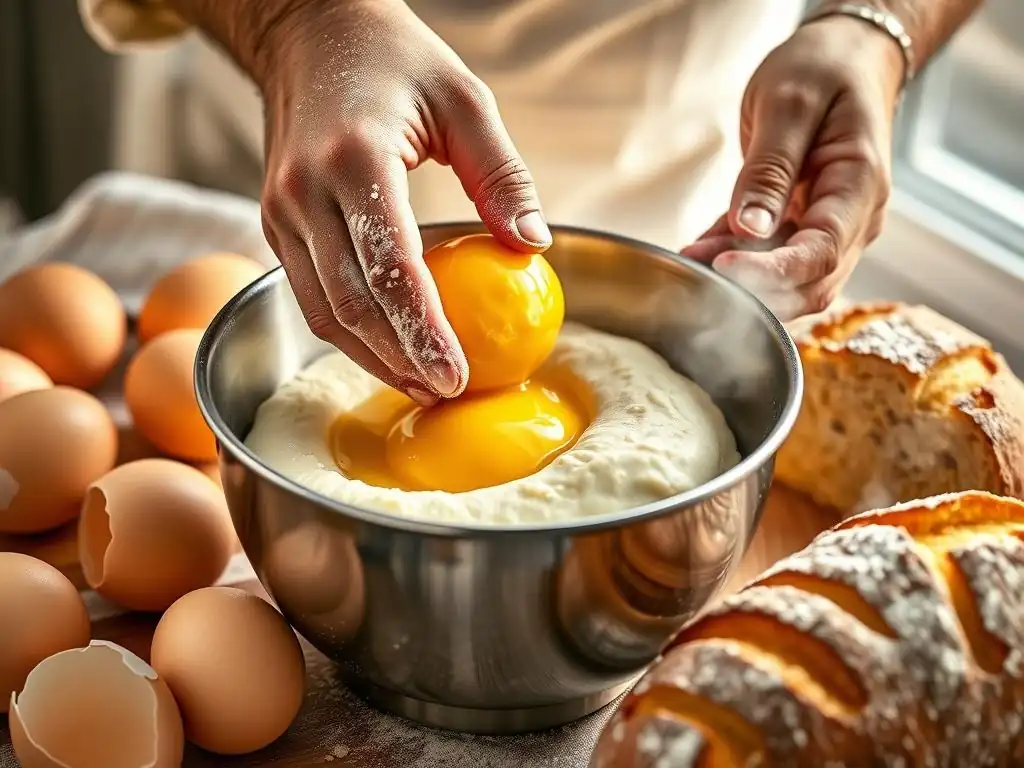
Enhancing Flavor and Aroma
Eggs are flavor powerhouses in enriched doughs. The fat in the yolk carries and enhances other flavors present in the dough, such as butter, sugar, or vanilla. This creates a richer, more complex taste profile than a lean dough can offer. The eggs themselves also contribute a subtle, pleasant richness that is characteristic of breads like challah or brioche.
Beyond taste, eggs contribute significantly to the bread's aroma. As the egg proteins and fats heat during baking, they undergo Maillard reactions, producing appealing golden-brown crusts and complex, inviting scents. The aroma of a freshly baked brioche, for instance, is distinctly different from a lean baguette, largely due to the presence of eggs and butter. This makes learning how to use eggs bread not just about texture, but about creating a truly sensory experience.
Improving Bread Texture: Softness, Crumb, and Moistness
One of the most significant contributions of eggs is to the texture of enriched bread. The fat in the yolks acts as a tenderizer, inhibiting excessive gluten development and resulting in a soft, plush crumb. This is why enriched breads are rarely chewy in the way a sourdough or ciabatta might be.
Eggs also contribute moisture, helping to create a moist crumb that doesn't dry out quickly. The emulsifying properties of the yolk help distribute fats and liquids evenly, leading to a finer, more uniform crumb structure – often described as "velvety" or "cake-like" in rich brioche. This improved texture is a primary reason bakers focus on how to use eggs bread effectively in these recipes.
Eggs as Natural Emulsifiers
Egg yolks contain lecithin, a potent natural emulsifier. In baking, emulsifiers help to create a stable mixture of ingredients that would otherwise separate, such as fats and liquids. In enriched doughs, which often contain high amounts of butter or oil alongside water or milk, lecithin helps to bind these components together smoothly.
This emulsification leads to a more homogeneous dough, which is easier to handle and results in a bread with a more consistent texture. The fats are more evenly distributed throughout the crumb, contributing to softness and preventing the bread from feeling greasy. Understanding the emulsifying role is key when learning how to use eggs bread ingredients for optimal results.
Extending Shelf Life
Enriched breads made with eggs and fats generally have a longer shelf life compared to lean breads. The fats coat the starch molecules, slowing down the staling process, which is primarily caused by starch retrogradation (the re-crystallization of starch molecules after cooling).
The moisture contributed by the eggs also helps to keep the bread soft and fresh for a longer period. While a lean baguette might be best eaten within hours of baking, an egg-rich challah or brioche can often remain soft and delicious for several days when stored properly. This extended freshness is a practical benefit of knowing how to use eggs bread dough techniques.
Mastering Egg Incorporation Techniques
Adding Eggs Directly
The most common method for how to use eggs bread dough is to add them directly into the dough mixture along with other wet ingredients like milk or water, after the initial mixing of flour and yeast. It's crucial that the eggs are at room temperature. Cold eggs can chill the dough, slowing down yeast activity and potentially affecting gluten development.
When adding eggs, do so one at a time, allowing each egg to be fully incorporated into the dough before adding the next. This ensures even distribution throughout the mix. For stand mixer users, this usually happens during the initial mixing phase before significant kneading begins. For hand mixing, break eggs into the wet ingredients before combining with the dry.
Creating an Egg Wash
An egg wash is a mixture, typically of beaten egg (whole, yolk, or white) and often a liquid like milk, water, or cream, applied to the surface of the dough before baking. This technique is a classic example of how to use eggs bread for visual appeal and texture.
Applying an egg wash creates a beautiful, glossy, golden-brown crust during baking due to the proteins and sugars in the egg caramelizing and browning. Different washes yield different results:
- Whole egg + water: Standard golden shine.
- Whole egg + milk/cream: Richer color, slightly softer crust.
- Egg yolk + milk/cream: Deepest golden color, richest shine.
- Egg white + water: Lighter shine, crispier crust.
It's usually applied just before the final proof or right before the bread goes into the oven.
Using Egg Yolks vs. Whole Eggs
Deciding whether to use whole eggs or just yolks is a key consideration in enriched doughs, influencing the final texture and richness. As discussed, yolks contribute more fat and emulsifiers, leading to a richer flavor, deeper color, and more tender crumb. Recipes calling for a very rich, cake-like texture, like some brioche or panettone variations, often specify a higher proportion of yolks.
Using whole eggs provides a balance of protein (from the white) and fat (from the yolk). This results in a dough that is still rich and tender but has slightly more structure than one made purely with yolks. Many standard enriched bread recipes, such as challah, rely on whole eggs for this balanced contribution. Experimenting with ratios can help you learn how to use eggs bread to tailor results.
Common Mistakes to Avoid
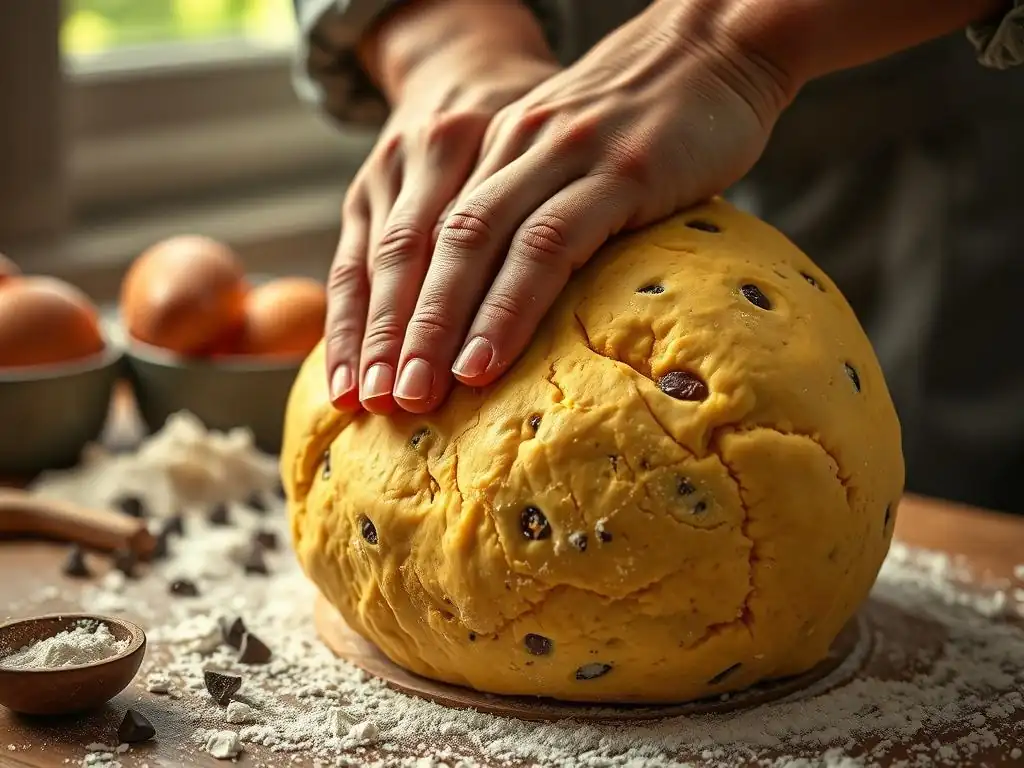
Overmixing the Dough
While kneading is essential for developing gluten structure in bread, enriched doughs, especially those high in fat and eggs, can be prone to overmixing. The fats and sugars tenderize the dough, and excessive mixing can break down the delicate gluten network that does form. This can lead to a dough that becomes slack, greasy, and difficult to handle.
Overmixing can result in a baked bread with a heavy, dense, or even tough texture, despite the presence of tenderizing ingredients. Watch for signs of proper development – the dough should be smooth, elastic, and pass the windowpane test – but stop mixing once these signs are present. Learning the right timing is crucial for how to use eggs bread dough without compromising texture.
Temperature Considerations
Temperature is vital in all baking, but particularly when working with enriched doughs containing eggs and butter. As mentioned, using cold eggs can chill the dough, slowing down yeast activity significantly. Ensuring eggs and other cold ingredients like butter are at room temperature (around 68-70°F or 20-21°C) before mixing is essential for consistent results.
Furthermore, the dough temperature during bulk fermentation and proofing is critical. Enriched doughs often benefit from slightly warmer proofing temperatures than lean doughs to help the yeast work through the richness. However, if the dough gets too warm, the butter can melt and separate, leading to a greasy texture. Maintaining the correct temperature throughout the process is key to mastering how to use eggs bread successfully.
Egg-Free Baking
While this article focuses on the role of eggs, it's worth noting that egg-free enriched baking presents unique challenges. Simply omitting eggs from a recipe designed for them will likely result in a vastly different, often inferior, product – lacking richness, color, and structure.
Achieving a similar result requires understanding the functions of eggs and finding suitable replacements that replicate those functions. This might involve using ingredients like applesauce, mashed banana, commercial egg replacers, flax eggs (ground flaxseed mixed with water), or increased amounts of fat and liquid, depending on the desired outcome. Learning how to use eggs bread is one skill, but adapting recipes for egg-free needs is another, requiring careful substitution.
Enriched Bread Recipes Featuring Eggs
Classic Brioche
Brioche is perhaps the quintessential example of an egg- and butter-enriched bread. A classic brioche recipe might call for 6-8 large eggs per kilogram of flour, alongside a significant amount of butter, often equal to or even exceeding the weight of the flour. This incredibly rich dough results in a bread that is tender, moist, and almost cake-like in texture.
The high egg content gives brioche its characteristic golden interior and contributes substantially to its soft crumb and rich flavor. The process often involves extensive kneading to develop sufficient gluten structure despite the high fat content, followed by a long, slow fermentation, often with a period in the refrigerator to firm up the butter and make the dough easier to handle. Understanding how to use eggs bread to achieve this specific level of richness is central to baking great brioche.
Challah Bread
Challah is a traditional Jewish braided bread, renowned for its beautiful golden crust and soft, slightly sweet interior. Unlike brioche, challah typically uses whole eggs rather than just yolks, and a moderate amount of oil (or sometimes butter) and sugar. A common ratio might involve 2-4 eggs per kilogram of flour, with less fat than brioche.
The eggs in challah contribute to its vibrant color, soft texture, and richness, though it is generally lighter than brioche. They also help create a dough that is strong enough to be braided without tearing. The egg wash applied before baking is essential for its signature glossy finish. Learning how to use eggs bread dough in challah provides a slightly different perspective than brioche, balancing richness with a more classic bread-like structure.
Panettone
Panettone, the Italian Christmas bread, is one of the most complex and highly enriched doughs in the baking world. It is characterized by its tall, domed shape, candied fruit and citrus zest, and exceptionally soft, airy crumb. Panettone recipes typically feature a high proportion of egg yolks, butter, and sugar, often built upon a sourdough starter (lievito madre).
The sheer quantity of egg yolks (sometimes 8-10 yolks per kg flour or even more in very rich versions) is crucial for panettone's incredible tenderness, richness, and golden hue. The multiple stages of mixing, long fermentation periods (often several days), and the unique method of hanging the bread upside down after baking to prevent it from collapsing are all necessary steps to manage this incredibly rich, egg-laden dough. Mastering how to use eggs bread at this advanced level is a significant baking achievement.
Troubleshooting Common Problems
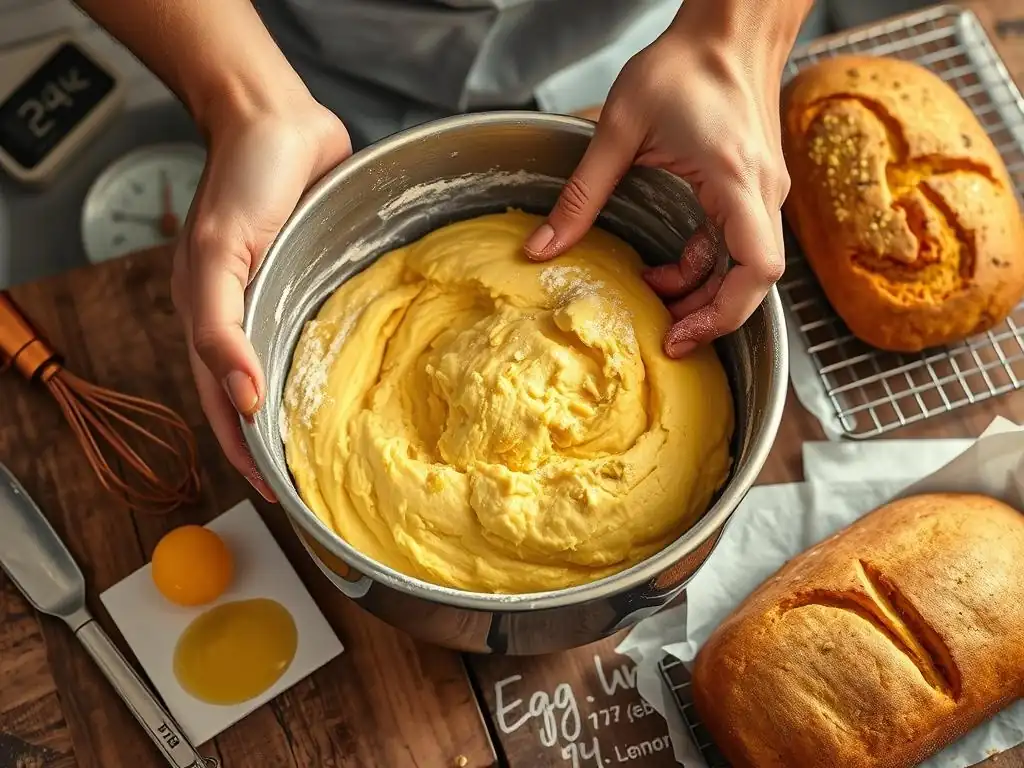
Dense or Heavy Bread
If your enriched bread turns out dense or heavy, several factors related to egg usage could be the cause. One possibility is using cold eggs, which can slow yeast activity and hinder the dough's rise. Ensure eggs are at room temperature before adding them. Another factor could be insufficient kneading; despite the richness, enriched doughs still need adequate gluten development to trap gases and create a light crumb.
Alternatively, overmixing can also paradoxically lead to a dense texture by collapsing the gluten structure. Finally, insufficient proofing time is a common culprit. Enriched doughs, being heavy, often require longer proofing times than lean doughs to achieve optimal lightness. Check your dough's readiness by gently pressing it – an indentation that springs back slowly indicates it's properly proofed. Consider these points when troubleshooting how to use eggs bread effectively.
Uneven Rise
An uneven rise in enriched bread can be frustrating. This might happen if the eggs were not fully incorporated into the dough, leading to pockets where the dough is either too wet or lacks sufficient structure. Adding eggs one at a time and ensuring each is mixed in before adding the next helps prevent this.
Inconsistent dough temperature during bulk fermentation or proofing can also cause uneven rising. Part of the dough might be warmer and rise faster than another. Ensure your proofing environment has a consistent temperature. Additionally, if using an egg wash, applying too thick a layer or letting it pool in certain areas can inhibit the rise in those spots, creating an uneven crust and potentially affecting the overall shape. Careful application is part of how to use eggs bread washes correctly.
Dry or Crumbly Texture
While eggs typically contribute moisture and tenderness, a dry or crumbly enriched bread could occur if the recipe didn't call for enough eggs or if other liquid ingredients were insufficient. It could also happen if the bread was overbaked, drying out the crumb.
Another reason for crumbliness, especially in very rich doughs, can be insufficient gluten development relative to the amount of fat and sugar. The gluten network needs to be just strong enough to hold the rich crumb together. Ensure you kneaded the dough sufficiently (without overmixing). If using only egg yolks for extreme richness, balancing this with enough liquid is also important to prevent a dry feel. Refining your understanding of how to use eggs bread in different ratios helps prevent these issues.
Advanced Tips
Experimenting with Egg Sizes
Once you're comfortable with basic enriched doughs, you can experiment with egg sizes. While most recipes assume large eggs (approx. 50-57g or 2oz each), using extra-large or jumbo eggs will significantly increase the total amount of liquid, fat, and protein in your dough. This can lead to an even richer, more tender bread, but may require slight adjustments to flour or other liquids to maintain the correct dough consistency.
Conversely, using medium eggs would reduce the overall enrichment. Pay attention to the total weight of the eggs called for, rather than just the count, for more consistent results when substituting sizes. Understanding the weight contribution of eggs is a nuance in mastering how to use eggs bread in more advanced applications.
Adding Egg Powder
For an even deeper level of richness or in large-scale baking, egg powder (whole egg, yolk, or white powder) can be used. Egg powder is essentially dehydrated egg. It offers a concentrated source of egg solids, contributing protein, fat, and emulsifiers without adding significant liquid. This can be particularly useful in very high-fat or high-sugar doughs where excess liquid is undesirable.
Egg yolk powder, for instance, can be used alongside fresh eggs to boost richness and emulsification in doughs like panettone without making the dough too wet. Using egg powder requires careful hydration according to the manufacturer's instructions before adding it to the dough, or incorporating it with the dry ingredients and adjusting the liquid accordingly. Exploring egg powder is a step beyond standard practice for how to use eggs bread components.
Flavor Combinations
Eggs provide a neutral yet rich base that pairs well with a wide variety of flavors in enriched breads. Their richness complements sweet additions like sugar, honey, vanilla, and spices such as cardamom or cinnamon. The fat in the yolk helps carry fat-soluble flavor compounds, intensifying their presence in the final bake.
Consider adding citrus zest (orange or lemon), extracts (almond, vanilla), or even cocoa powder to egg-rich doughs. The eggs help create the perfect canvas for these flavors to shine. For savory enriched breads, eggs pair wonderfully with cheese, herbs, or roasted garlic. Thinking about how to use eggs bread dough as a foundation for flavor exploration opens up many delicious possibilities.
Conclusion
Recap of Key Benefits and Techniques
Eggs are far more than just another ingredient in enriched bread baking; they are fundamental building blocks that transform simple dough into something truly special. Their protein contributes structure, their fat provides tenderness and richness, and their emulsifiers create a smooth, moist crumb. They enhance flavor, add beautiful color to the crust and interior, and even help extend the bread's shelf life.
Mastering how to use eggs bread involves understanding these roles, incorporating them at the correct temperature, and using techniques like egg washes or adjusting yolk-to-white ratios to achieve specific results. While challenges like overmixing or uneven rise can occur, understanding the science behind eggs in dough allows bakers to troubleshoot effectively. From classic brioche to complex panettone, eggs are the secret ingredient that makes these breads so irresistible, proving their essential role in the art of enriched baking.
Frequently Asked Questions
How do eggs contribute to the texture of enriched bread?
Eggs add richness and tenderness to enriched breads. The proteins in eggs help create a softer crumb, while the fats contribute to a moist texture.
Why are eggs considered essential in many enriched bread recipes?
Enriched breads often contain ingredients like butter and sugar, which can weaken the gluten structure. Eggs help to strengthen the dough, providing structure and stability to counteract this.
Can I substitute eggs in an enriched bread recipe, and if so, what are my options?
While possible, substituting eggs can alter the final product. Applesauce or flaxseed meal mixed with water can be used, but be aware that they may affect the taste and texture. Adjustments may be needed.
How do eggs impact the color of enriched bread crust?
Eggs contribute to a golden-brown crust due to the Maillard reaction between amino acids and sugars during baking. This results in a more visually appealing and flavorful crust.
At what temperature should eggs be when adding them to bread dough?
It's generally recommended to use room temperature eggs. This helps them incorporate more evenly into the dough and promotes better gluten development.
Final Reflection: The Unexpected Power of the Humble Egg
The seemingly simple addition of an egg to bread dough profoundly impacts its texture, flavor, and overall quality, a fact often overlooked in modern baking. This article has explored the multifaceted role of eggs in enriched bread, revealing how their contribution extends far beyond mere binding. From enhancing crumb structure to enriching the flavor profile, the egg's influence is undeniable and crucial for achieving truly exceptional bread.
The enduring appeal of a perfectly crafted loaf, whether it's a classic brioche or a sophisticated challah, speaks volumes about the human connection to food and the artistry of baking. The egg, a seemingly humble ingredient, acts as a bridge between tradition and innovation, connecting generations of bakers through a shared appreciation for quality and craftsmanship. Bread is the staff of life,
a simple phrase, yet it encapsulates the profound significance of this staple food, and the egg plays a vital, often underestimated, part in its creation.
Now, consider your own baking journey. Will you embrace the challenge of incorporating eggs more thoughtfully into your next loaf? Experiment with different egg quantities, explore various bread types, and discover the subtle nuances that each addition brings. The reward? A deeper understanding of the baking process and, more importantly, the satisfaction of creating bread that is not only delicious but also a testament to your skill and dedication. The humble egg awaits, ready to elevate your baking to new heights.
Unlock the Secrets to Perfectly Enriched Bread!
Thanks for taking the time to explore the wonderful world of enriched bread baking with us! We hope you now have a deeper understanding of eggs' crucial role in creating that perfect texture and flavor. Ready to put your newfound knowledge to the test?
- Bake your best loaf yet! Try out one of the recipes mentioned in the article, and let us know how it turns out – we'd love to see your results!
- Share your baking journey! Post a picture of your creation on social media and tag us – let's inspire other bakers!
- Explore egg variations: Experiment with different types of eggs (brown, white, free-range) to see how they subtly impact your bread's flavor and texture.
What unique twist will you add to your next enriched bread recipe to truly make it your own?