
Using Enriched Dough for Irresistible Sticky Buns

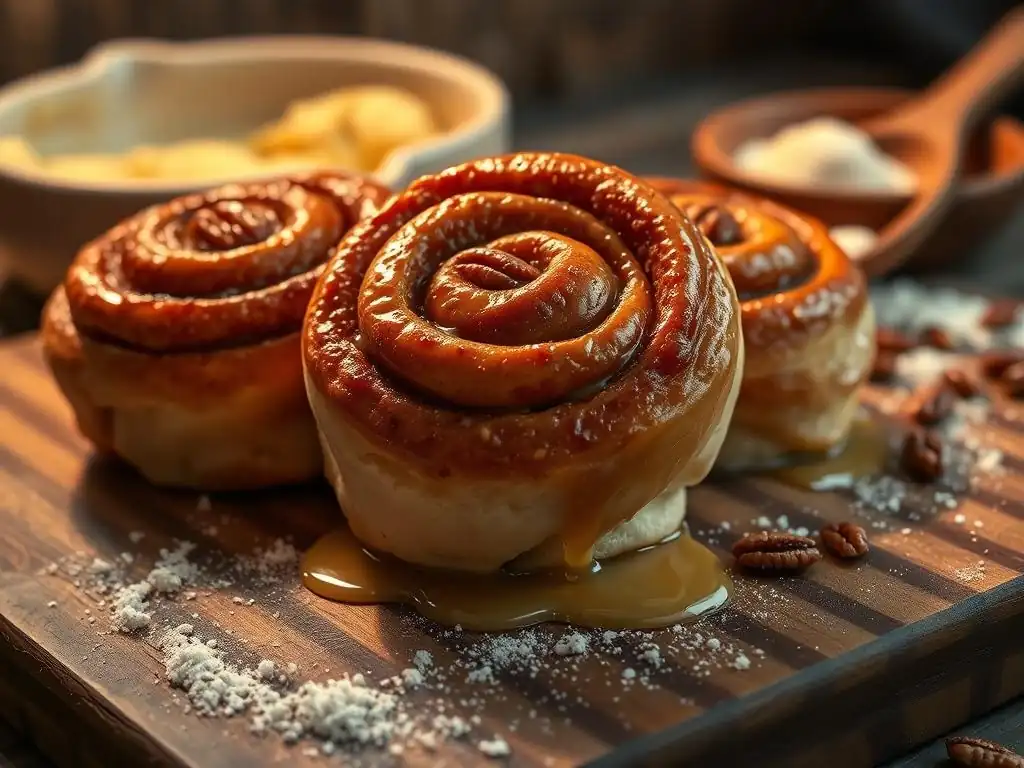
Welcome to BakeWithEase, your trusted guide to baking bliss! Ever wondered how to achieve that perfectly gooey, caramelized base and soft, pillowy texture in your sticky buns? Dive in as we unlock the secrets to crafting an irresistible " sticky bun enriched dough recipe" that will elevate your baking game. Prepare to transform simple ingredients into a delectable treat and discover why enriched dough is the key to baking that perfect batch! Let's get baking!
- Mastering Brioche Dough for Irresistible Sticky Buns: A Baker's Journey
- Introduction to Brioche Sticky Buns
- Understanding Brioche Dough: The Key to Delicious Sticky Buns
- A Baker's Signature Brioche Sticky Bun Recipe
- Step-by-Step Guide: Making Sticky Buns with Brioche Dough
- Crafting the Perfect Sticky Bun Topping
- Troubleshooting Your Brioche Dough Sticky Buns
- Serving and Storing Your Homemade Sticky Buns
- Advanced Techniques for Brioche Dough Sticky Buns
- Conclusion: Elevate Your Baking with Brioche Sticky Buns
-
Frequently Asked Questions
- What exactly is enriched dough and why is it important for sticky buns?
- Can I substitute ingredients in a sticky bun enriched dough recipe?
- How do I know if my enriched dough has risen enough for sticky buns?
- What makes a sticky bun "sticky" and how does the enriched dough play a role?
- What are some common mistakes to avoid when making a sticky bun enriched dough recipe?
- Final Reflection: The Sweet Science of Enriched Dough
- Unleash Your Inner Baker: Craft the Perfect Sticky Bun!
Mastering Brioche Dough for Irresistible Sticky Buns: A Baker's Journey
Introduction to Brioche Sticky Buns
What Makes Brioche Dough Ideal for Sticky Buns?
Brioche dough, a classic enriched dough, is celebrated for its incredibly tender crumb, rich flavor, and soft texture. These characteristics are precisely what make it the ideal foundation for truly irresistible sticky buns. Unlike leaner doughs made primarily with flour, water, yeast, and salt, brioche incorporates a significant amount of butter and eggs, sometimes up to 50% or even 100% of the flour weight in butter alone, plus a generous number of eggs. This high level of enrichment inhibits gluten development slightly while adding a luxurious mouthfeel that is paramount for a sticky bun's indulgence.
The unique composition of brioche dough results in a pastry that is both sturdy enough to hold its shape during baking and soft enough to pull apart effortlessly. The butter creates flaky layers within the dough structure as it bakes, while the eggs contribute to a beautiful golden color and a moist, cake-like interior.
This textural contrast – a slightly crisp exterior from the caramel topping meeting an exceptionally soft, rich interior – is the hallmark of a superior sticky bun. Using a brioche sticky bun recipe elevates the humble sticky bun from a simple sweet roll to a truly decadent treat.
Why Choose This Brioche Sticky Bun Recipe? (A Baker's Focus)
Choosing a specific sticky bun enriched dough recipe, particularly one focusing on brioche, offers distinct advantages for the baker aiming for excellence. This recipe emphasizes techniques that maximize the potential of brioche, ensuring optimal flavor development and texture. It guides you through proper kneading to achieve the necessary dough structure despite the high fat content, and crucial proofing stages that allow the dough to develop its signature lightness.
Furthermore, this brioche sticky bun recipe is designed to be approachable for intermediate bakers while yielding professional-level results. It breaks down the process into manageable steps, from preparing the dough to perfecting the sticky topping. By focusing on the quality of the enriched dough ingredients and precise execution, you unlock the secret to sticky buns that are not just sweet, but deeply flavorful, with a tender crumb that melts in your mouth. This approach ensures your homemade sticky buns stand out, providing a baking experience that is both rewarding and delicious.
Understanding Brioche Dough: The Key to Delicious Sticky Buns
Defining Brioche Dough: Ingredients and Characteristics
Brioche dough is fundamentally an enriched yeast dough distinguished by its high proportions of eggs and butter. The basic components typically include flour, yeast, salt, sugar, eggs, and butter. The ratio of these ingredients is what sets brioche apart. While a standard bread dough might have minimal or no fat and eggs, brioche recipes often call for 3-6 eggs per 500 grams of flour and anywhere from 150 to 500 grams of butter for the same amount of flour. This creates a very wet, sticky dough initially, which transforms through kneading into a smooth, elastic mass.
The characteristics of brioche dough are a direct result of its rich composition. It has a fine, tight crumb structure, yet remains incredibly soft and tender due to the fat inhibiting extensive gluten development. Brioche has a distinct richness in flavor from the butter and eggs, often slightly sweet, and bakes to a beautiful golden-brown color because of the sugar and egg yolks. This unique profile makes it exceptionally well-suited for sweet applications like a sticky bun enriched dough recipe.
The Role of Butter, Eggs, and Sugar in Brioche Sticky Buns
Each enriching ingredient plays a critical role in creating the perfect brioche dough for sticky buns. Butter, often added cold and in stages during kneading, contributes significantly to the dough's tenderness and richness. As the dough bakes, the moisture in the butter turns to steam, creating tiny pockets that contribute to flakiness, while the fat coats gluten strands, resulting in a softer crumb. In a typical brioche sticky bun recipe, butter might constitute 40-60% of the flour weight, providing a substantial amount of fat.
Eggs contribute both richness and structure. The yolks add fat, flavor, and a beautiful yellow hue, while the whites provide protein that strengthens the dough structure alongside the gluten. Eggs also add moisture, helping to create a tender crumb and extending the shelf life of the baked goods. Sugar provides sweetness, aids in yeast activity, and contributes to the golden-brown color of the crust through caramelization during baking. A balanced amount of sugar, perhaps 8-15% of the flour weight in a sticky bun dough, ensures sweetness without making the dough overly heavy or inhibiting yeast function.
Comparing Brioche Dough to Other Dough Types for Sticky Buns
When considering a sticky bun enriched dough recipe, understanding how brioche stacks up against other common dough types is helpful. A simple sweet dough, often used for cinnamon rolls or basic buns, typically contains some sugar, milk, and a modest amount of fat (oil or butter), perhaps 5-15% fat relative to flour. These doughs are easier to handle than brioche and produce a soft bun, but they lack the profound richness and melt-in-your-mouth tenderness that brioche provides.
Lean doughs, like those used for baguettes or ciabatta, contain minimal or no sugar, fat, or eggs. They rely on strong gluten development for structure and often feature a chewy texture and crisp crust. Clearly, this profile is entirely unsuitable for the soft, tender requirements of a sticky bun. Brioche sits at the extreme end of the enriched dough spectrum, offering unparalleled richness and softness, making it the superior choice for a truly indulgent sticky bun.
A Baker's Signature Brioche Sticky Bun Recipe
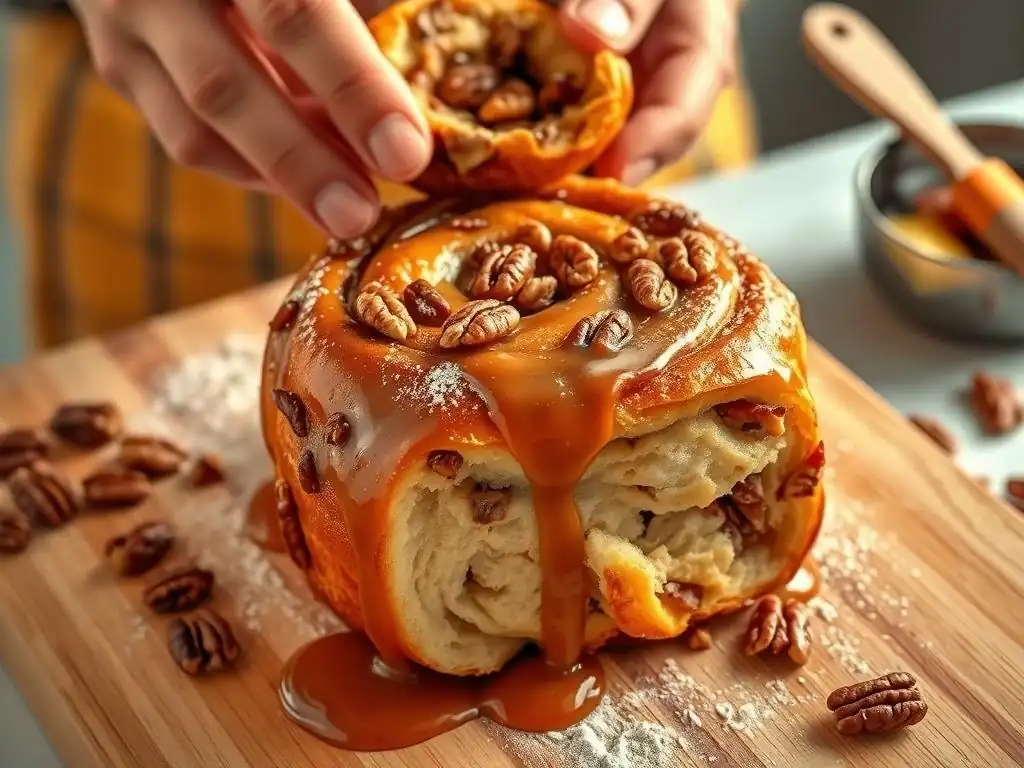
Ingredients for the Ultimate Brioche Sticky Bun Dough
Crafting the perfect brioche sticky bun enriched dough requires high-quality ingredients measured with precision. For a batch yielding about 12-16 sticky buns in a 9x13 inch pan, you will typically need:
- 500g strong bread flour (around 4 cups)
- 10g instant dry yeast (about 2.5 teaspoons)
- 10g fine sea salt (about 1.5 teaspoons)
- 75g granulated sugar (about 1/3 cup)
- 4 large eggs (approximately 200-220g total weight)
- 100ml lukewarm milk (about 1/2 cup)
- 250g unsalted butter, cold and cut into small cubes (about 1 cup or 2 sticks)
These ratios represent a moderately rich brioche, providing significant tenderness without being excessively difficult to handle for an intermediate baker. The cold butter is key to incorporating it properly during kneading, developing a smooth, elastic dough structure that will hold its shape and texture through proofing and baking. Using bread flour provides enough protein to build a resilient gluten network necessary to support the high fat and egg content.
Equipment Needed for Baking Sticky Buns with Brioche Dough
Having the right tools makes working with this sticky bun enriched dough recipe much smoother. While it's possible to knead brioche by hand, the high butter content makes it challenging and time-consuming. A stand mixer is highly recommended for achieving the proper dough development.
Essential equipment includes:
- A stand mixer with a dough hook attachment (5-6 quart capacity is ideal for this quantity).
- Large mixing bowls for the initial mixing and proofing.
- Plastic wrap or a damp kitchen towel for covering the dough during proofing.
- A kitchen scale for accurate ingredient measurement (highly recommended for baking).
- Measuring cups and spoons for smaller quantities.
- A rolling pin for shaping the dough.
- A sharp knife or bench scraper for cutting the dough.
- A 9x13 inch (23x33 cm) baking pan or similar sized round/square pans.
- Parchment paper for lining the pan, especially helpful for the sticky topping.
- A small saucepan for making the sticky topping.
- Wire rack for cooling the baked sticky buns slightly.
Using parchment paper in the baking pan is particularly important for sticky buns, as it prevents the caramel topping from fusing the buns irrevocably to the pan, making serving much easier.
Step-by-Step Guide: Making Sticky Buns with Brioche Dough
Preparing the Brioche Dough for Sticky Buns: A Detailed Walkthrough
Creating the dough for your sticky bun enriched dough recipe begins by combining the dry ingredients. In the bowl of your stand mixer, whisk together the flour, yeast, salt, and sugar. This ensures even distribution of the leavening and seasoning. In a separate bowl, whisk the eggs and lukewarm milk together. Make a well in the center of the dry ingredients and pour in the wet mixture.
Using the dough hook attachment, mix on low speed until everything just comes together into a shaggy dough, about 1-2 minutes. At this point, the dough will be quite sticky and soft. Increase the speed slightly (medium-low) and knead for about 5-7 minutes until the dough starts to pull away from the sides of the bowl, becoming smoother and more elastic. Now, begin adding the cold butter cubes, a few at a time, waiting until each addition is mostly incorporated before adding more.
This process takes patience, often 10-15 minutes or longer. Scrape down the sides of the bowl as needed. Continue kneading until all the butter is incorporated and the dough is smooth, elastic, and passes the windowpane test (a small piece of dough can be stretched thinly enough to see light through it without tearing). The total kneading time after adding butter can be 15-25 minutes.
Proofing the Brioche Dough: Achieving Optimal Rise for Sticky Buns
Proofing is a crucial step in developing the flavor and texture of your sticky bun enriched dough recipe. After kneading, shape the dough into a ball and place it in a lightly greased clean bowl. Cover the bowl tightly with plastic wrap. The first proofing stage, often called the bulk fermentation, should take place at room temperature for about 1.5 to 2 hours, or until the dough has roughly doubled in size. The exact time will depend on your room temperature; warmer environments will be faster.
For optimal flavor and easier handling (as brioche dough is much easier to roll when cold), a second, cold proofing stage is highly recommended. After the initial room temperature proof, gently deflate the dough, reshape it into a ball, and return it to the bowl. Cover tightly and refrigerate for at least 4 hours, or preferably overnight (8-12 hours). This slow, cold fermentation allows the flavors to deepen and the dough to become firm enough to roll out without excessive sticking.
Shaping and Assembling Your Irresistible Sticky Buns
Once the dough has completed its cold proofing, turn it out onto a lightly floured surface. Roll the dough into a large rectangle, aiming for a thickness of about 1/4 inch (approx. 0.6 cm). A common size is roughly 14-16 inches wide and 18-20 inches long, depending on your desired bun size and pan dimensions. Ensure the rectangle is as even as possible.
Spread your chosen filling evenly over the dough, leaving a small border (about 1/2 inch) along one of the long edges. Starting from the long edge opposite the border, tightly roll the dough into a log. Pinch the seam shut to seal. Use a sharp knife, bench scraper, or even dental floss to cut the log into individual buns, typically 1.5 to 2 inches (approx.
4-5 cm) thick. Arrange these cut buns, spiral side up, in your prepared baking pan which should be lined with parchment paper and have the sticky topping already poured in the bottom. Leave a little space between the buns as they will expand during the final proof and baking.
Baking to Perfection: Time and Temperature for Brioche Sticky Buns
The final proofing happens after the buns are placed in the pan. Cover the pan loosely with plastic wrap or a clean kitchen towel and let the buns proof in a warm, draft-free place for about 45-60 minutes, or until they are visibly puffy and filling the pan, nearly touching each other. Do not over-proof, as the enriched dough can collapse.
Preheat your oven to 350°F (175°C). Once the oven is ready and the buns are properly proofed, remove the covering and place the pan on a baking sheet (to catch any potential drips from the sticky topping). Bake for 25-35 minutes, or until the tops are golden brown and the internal temperature of a bun reaches around 190-200°F (88-93°C). If the tops are browning too quickly, you can loosely tent the pan with aluminum foil for the last 10-15 minutes of baking.
Crafting the Perfect Sticky Bun Topping
The Importance of a Balanced Topping for Brioche Sticky Buns
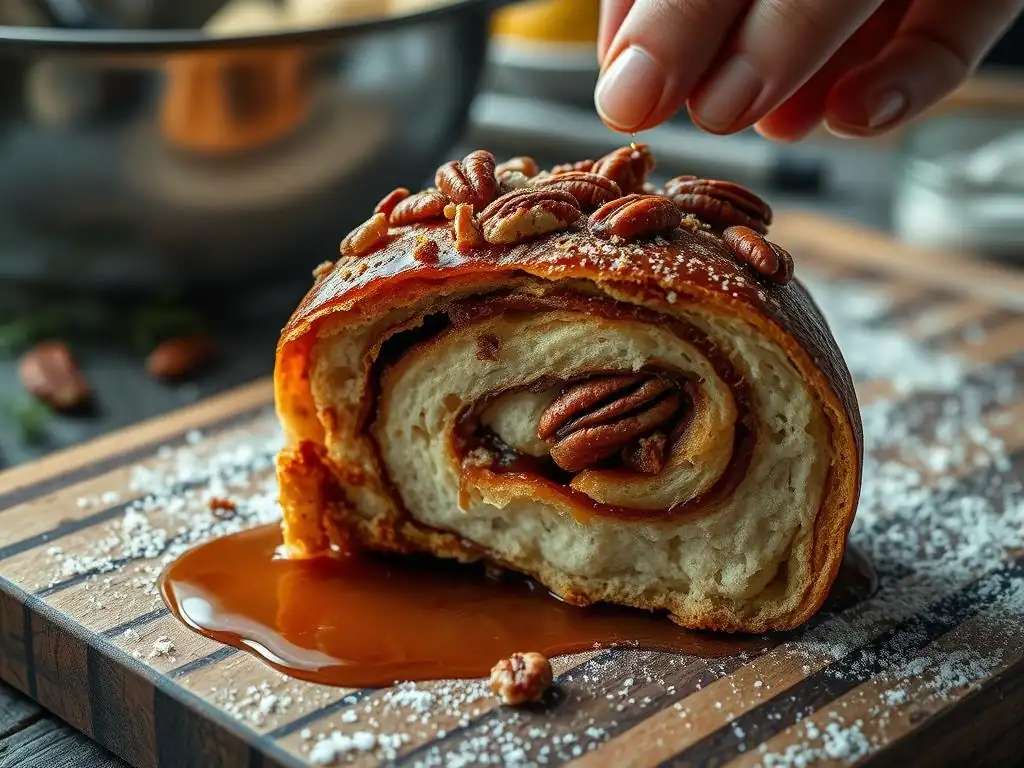
A well-executed sticky bun topping is just as critical as the enriched dough itself. It's the luscious, gooey layer that coats the bottom (which becomes the top after inverting) of the buns, providing sweetness, moisture, and a signature caramel flavor. A balanced topping should be sweet but not cloyingly so, with sufficient viscosity to cling to the buns without being runny. It also often includes nuts, most commonly pecans, which add a delightful crunch and nutty counterpoint to the soft dough and sweet caramel.
The topping prevents the bottom of the buns from drying out during baking and creates that iconic sticky texture when the pan is inverted. A common base for the topping involves butter, brown sugar, and a liquid like corn syrup, honey, or maple syrup, often heated together until the sugar dissolves. The addition of nuts occurs either during the topping preparation or sprinkled directly into the pan before the dough is placed. Getting the ratio right ensures the topping caramelizes beautifully without burning, forming that irresistible gooey layer.
Variations on Sticky Bun Toppings: Classic Caramel, Pecan Praline
While the classic sticky bun topping features a simple caramel sauce with pecans, there are many delicious variations to explore with your sticky bun enriched dough recipe.
- Classic Caramel Pecan: This typically involves melting butter with brown sugar and a touch of corn syrup, then stirring in pecans. It's poured into the bottom of the pan before adding the shaped buns.
- Maple Walnut: Substitute some or all of the brown sugar with maple syrup and use walnuts instead of pecans. Maple syrup adds a distinct flavor profile that pairs wonderfully with enriched dough.
- Brown Butter Topping: Brown the butter before adding the brown sugar and liquid. This adds a nutty, more complex flavor to the caramel base.
- Bourbon Caramel: Add a tablespoon or two of bourbon to the caramel mixture for a sophisticated twist. Ensure it's cooked long enough for the alcohol to evaporate.
Experimenting with these variations allows you to customize your sticky buns and discover new favorite flavor combinations that complement the rich brioche dough.
Tips for Achieving a Glossy, Gooey Sticky Bun Topping
Achieving that perfect, glossy, gooey topping requires attention to detail.
- Use the Right Pan and Lining: A sturdy metal baking pan is best. Always line the bottom with parchment paper cut to fit, after pouring the topping in. This makes inversion and cleanup significantly easier, preventing the topping from sticking rigidly to the pan.
- Proper Topping Consistency: Ensure your topping mixture is well-mixed before pouring it into the pan. If it's too thick, it won't spread evenly; if too thin, it might run off the buns. Heating the ingredients gently until the sugar is dissolved is key.
- Don't Overbake: Overbaking is a common culprit for a hard or dry topping. The topping should be bubbly and caramelized, but not burnt. Keep an eye on the buns during the last 10 minutes of baking. The internal temperature of the dough is a better indicator of doneness than the topping appearance alone.
- Invert Immediately: This is crucial! As soon as the sticky buns come out of the oven, let them sit in the pan for only 1-2 minutes. Then, place a serving plate or wire rack over the pan and carefully invert the pan. The hot topping will flow down and coat the buns beautifully. If you wait too long, the topping will cool and solidify, making inversion difficult and resulting in less gooey buns.
- [x] Prepare topping ingredients
- [x] Heat ingredients gently until sugar dissolves
- [x] Pour topping into prepared pan
- [x] Place parchment paper over topping
- [x] Invert buns immediately after baking (after 1-2 mins rest)
Following these tips will help you achieve the signature glossy, gooey topping that makes sticky buns so addictive, perfectly complementing your brioche sticky bun recipe.
Troubleshooting Your Brioche Dough Sticky Buns
Common Issues and Solutions When Working with Brioche Dough
Working with enriched dough like brioche for a sticky bun enriched dough recipe can present unique challenges due to its high fat and egg content.
- Dough is too sticky: Brioche dough is inherently sticky, especially before the butter is fully incorporated. If it remains excessively sticky even after proper kneading and the butter is in, it might be too wet. This could be due to inaccurate measurement of flour or eggs. Solution: Add a tablespoon of flour at a time during the final stages of kneading until the dough is manageable but still soft. Refrigeration is also your friend; cold brioche is much easier to handle.
- Dough not rising: Yeast might be inactive, the liquid was too hot or cold, or the dough is in a drafty spot. Solution: Ensure your yeast is fresh and the milk temperature is lukewarm (around 100-110°F / 38-43°C). Place the dough in a warm, draft-free environment for proofing. If after 30-45 minutes there's no activity, your yeast might be dead, and you may need to start over.
- Butter not incorporating: Adding butter too quickly or not having it cold enough can make it difficult to incorporate. Solution: Add cold butter cubes gradually, waiting for each addition to be mostly absorbed before adding more. Keep kneading on medium-low speed; it takes time and patience.
Addressing these issues ensures your brioche dough develops correctly, leading to successful sticky buns.
Preventing Dryness in Your Sticky Buns
Dry sticky buns are often the result of overbaking or improper dough handling. The richness of the brioche dough inherently helps retain moisture, but it's not foolproof.
- Don't Overbake: This is the most common cause of dryness. Use visual cues (golden brown) and internal temperature (190-200°F / 88-93°C) to determine doneness. Ovens vary, so checking early is wise.
- Ensure Proper Proofing: Under-proofed dough can result in a dense, slightly dry texture. Over-proofing can lead to collapse and also affect texture negatively. Follow the recommended proofing times and look for visual cues (puffy, nearly filling the pan).
- Use a Sticky Topping: The topping isn't just for flavor; it adds moisture to the bottom of the buns during baking. Ensure you have enough topping to generously cover the bottom of the pan.
- Store Properly: Once cooled slightly, store leftover sticky buns correctly to maintain moisture. (See Storage section below).
By paying attention to baking time and proofing, you can prevent dryness and ensure your sticky bun enriched dough recipe yields tender, moist results.
Achieving the Perfect Golden-Brown Color
A beautiful golden-brown crust is a hallmark of well-baked brioche sticky buns. This color comes from the Maillard reaction and caramelization of sugars in the dough and on the surface.
- Egg Wash (Optional but Recommended): While the sticky topping covers the bottom, brushing the tops of the buns with an egg wash (one egg whisked with a tablespoon of milk or water) before baking enhances browning and gives a lovely sheen.
- Sugar Content: Ensure your dough recipe includes the specified amount of sugar (like the 75g mentioned earlier). Sugar contributes directly to caramelization.
- Baking Temperature: Baking at the recommended temperature (350°F / 175°C) allows the dough to cook through while the exterior browns nicely. Too high a temperature can burn the outside before the inside is cooked; too low can result in pale buns.
- Oven Placement: Ensure the pan is placed in the center of the oven rack for even heat distribution. If your oven has hot spots, rotate the pan halfway through baking.
Achieving a consistent golden color indicates proper baking and adds to the visual appeal of your homemade sticky buns.
Serving and Storing Your Homemade Sticky Buns
Best Ways to Serve Freshly Baked Brioche Sticky Buns
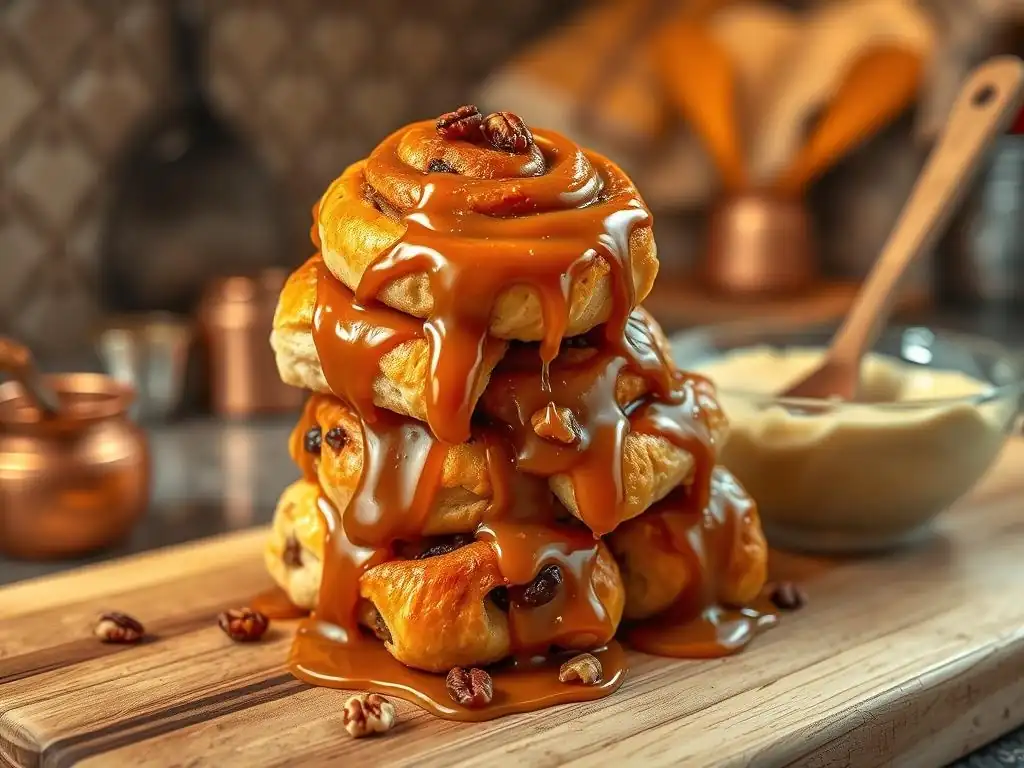
Sticky buns are undeniably best served warm, shortly after they've been inverted from the pan. The caramel topping is still gooey and luscious, and the brioche dough is at its peak softness and richness.
- Immediate Enjoyment: After inverting the pan onto a serving plate or tray (remembering to remove the parchment paper! ), allow the buns to rest for just a few minutes before pulling them apart. This allows the topping to set slightly but remain wonderfully gooey.
- With a Drink: Pair the rich sweetness with a hot beverage like coffee, tea, or hot chocolate. The slight bitterness of coffee is a classic counterpoint to the sweet caramel.
- As a Dessert: While often considered a breakfast or brunch item, a warm sticky bun with a scoop of vanilla ice cream makes for a decadent dessert.
The pull-apart nature of sticky buns makes them perfect for sharing, allowing everyone to grab their own piece of the gooey goodness.
Storing Leftover Sticky Buns for Optimal Freshness
If by some miracle you have leftover sticky buns, proper storage is key to maintaining their quality. The enemy of fresh sticky buns is air, which causes them to dry out.
- Airtight Container: Once the buns have cooled completely (this prevents condensation which can make them soggy), transfer them to an airtight container. Layering them is fine if necessary.
- Room Temperature: For consumption within 1-2 days, storing them at room temperature in an airtight container is usually sufficient to keep the brioche dough soft.
- Refrigeration: If you need to store them longer, up to 4-5 days, refrigerate them in an airtight container. Note that refrigeration can slightly firm the dough, but reheating will help restore softness.
- Freezing: For longer storage (up to 2-3 months), wrap individual cooled sticky buns tightly in plastic wrap, then place them in a freezer-safe bag or container. Freezing is an excellent option for preserving the texture of your sticky bun enriched dough recipe creations.
Proper storage ensures you can enjoy the fruits of your baking labor for days to come.
Reheating Techniques for Sticky Buns Made with Brioche Dough
Reheating brings leftover sticky buns back to life, restoring their soft texture and gooey topping.
- Oven Method (Recommended): This is the best method for achieving results closest to freshly baked. Preheat your oven to 300-325°F (150-160°C). Place the sticky buns on a baking sheet (you can line it with parchment paper for easier cleanup). If they were refrigerated or frozen, let them come closer to room temperature first (about 15-30 minutes). Heat for 10-15 minutes, or until warmed through and the topping is gooey again.
- Microwave Method (Quickest): While convenient, the microwave can sometimes make enriched dough like brioche tough if overheated. Place a single sticky bun on a microwave-safe plate. Heat on 50% power for 30-60 seconds, checking frequently, until warm and gooey. Be careful not to overheat.
- Stovetop Method (For individual buns): Place a sticky bun face-down in a non-stick skillet over low heat. Cover the pan. Heat gently for a few minutes until the topping is melty and the bun is warmed through.
Reheating allows you to enjoy the deliciousness of your brioche sticky bun recipe whenever the craving strikes.
Advanced Techniques for Brioche Dough Sticky Buns
Incorporating Different Flavors into Your Brioche Dough
While the classic brioche dough is rich on its own, you can infuse additional flavors directly into the dough itself to complement the sticky topping.
- Citrus Zest: Finely grated zest from one orange or lemon can be added with the wet ingredients. Citrus pairs beautifully with rich, sweet doughs and caramel.
- Spices: A pinch of ground cardamom, nutmeg, or cinnamon can be incorporated with the dry ingredients for a subtle warmth. Cardamom is a particularly good match for brioche.
- Vanilla Bean or Extract: Adding the seeds of half a vanilla bean or a teaspoon of high-quality vanilla extract enhances the overall sweetness and richness.
- Cocoa Powder: For a chocolate twist, substitute a small amount of flour (e.g., 25-30g) with unsweetened cocoa powder. This creates a chocolate brioche dough that works well with nut or even fruit fillings.
These additions can elevate your sticky bun enriched dough recipe, offering delightful variations beyond the traditional.
Experimenting with Unique Shapes and Presentations for Sticky Buns
Beyond the standard spiral roll cut into rounds, brioche dough's pliability allows for creative shaping for your sticky buns.
- Braids: Roll the dough rectangle, cut into strips, and braid them loosely before arranging in the pan. This creates a beautiful, pull-apart texture.
- Knots: Cut the dough log into longer segments (e.g., 4-5 inches), then tie each segment into a loose knot before placing in the pan.
- Individual Molds: Instead of a large pan, use muffin tins or individual brioche molds. Cut smaller rounds or shape dough pieces to fit, ensuring each bun gets its own generous share of topping. Using individual molds often results in taller, more uniformly shaped buns.
- Large Pulla-Apart Loaf: Instead of cutting individual buns, roll the dough, add filling, roll into a log, and then slice the log into 1-2 inch sections. Place these sections cut-side up tightly packed into a loaf pan. This creates a stunning loaf that's easy to pull apart.
Experimenting with shapes adds a fun dimension to baking your sticky bun enriched dough recipe and can make for a striking presentation.
Mastering Overnight Proofing for Enhanced Flavor Development
One of the best advanced techniques for a sticky bun enriched dough recipe is utilizing a long, cold proofing period, typically overnight in the refrigerator. As mentioned earlier, this step was included in the main guide, but its importance for advanced bakers cannot be overstated.
- Flavor Depth: The slow fermentation at cold temperatures allows enzymes in the flour and yeast to break down starches and proteins gradually. This develops more complex flavors in the dough, resulting in a more nuanced taste than a quick room-temperature proof.
- Improved Texture: Cold proofing strengthens the gluten structure while the fat remains solid. This makes the dough easier to handle, roll, and shape without becoming overly sticky or tearing. It also contributes to a more even rise and a finer crumb structure.
- Scheduling Convenience: An overnight proof fits baking into a busy schedule. You can prepare the dough one evening, shape the buns the next morning, allow for a shorter final proof, and bake fresh sticky buns for breakfast or brunch.
Aim for a cold proof of 8-16 hours. The dough should increase significantly in size, but not necessarily double, as the cold slows the yeast activity. This technique is essential for achieving the truly exceptional depth of flavor possible with a brioche sticky bun recipe.
Conclusion: Elevate Your Baking with Brioche Sticky Buns
Embarking on the journey of making sticky buns with enriched brioche dough is a rewarding experience that elevates your baking skills. By understanding the unique properties of brioche – its richness from high butter and egg content, its need for careful kneading and proofing – you unlock the secret to pastries that are far superior to those made with simpler doughs. This sticky bun enriched dough recipe provides a detailed roadmap, from selecting quality ingredients and mastering dough preparation to crafting the perfect gooey topping and troubleshooting common issues.
Whether you stick to the classic caramel pecan or venture into variations and advanced techniques like overnight proofing, each step contributes to the creation of truly irresistible sticky buns. They are a testament to the magic that happens when quality ingredients meet patient technique. So, gather your ingredients, fire up your oven, and get ready to fill your kitchen with the comforting aroma of baking brioche sticky buns. The smiles of those who get to enjoy these tender, rich, and perfectly gooey treats will be your sweetest reward.
Frequently Asked Questions
What exactly is enriched dough and why is it important for sticky buns?
Enriched dough simply means a dough that contains added fat and sugar, like butter and eggs. This creates a richer, softer, and more flavorful final product, perfect for sticky buns.
Can I substitute ingredients in a sticky bun enriched dough recipe?
While some substitutions are possible, be cautious. Changing the fat content or type of flour can significantly impact the texture and rise of your dough.
How do I know if my enriched dough has risen enough for sticky buns?
Look for the dough to double in size and feel light and airy. You can also gently poke it; if the indentation slowly fills back in, it's ready.
What makes a sticky bun "sticky" and how does the enriched dough play a role?
The "stickiness" comes from a caramelized sauce often made with butter, brown sugar, and sometimes nuts. The enriched dough provides the soft, fluffy base that soaks up this delicious sauce.
What are some common mistakes to avoid when making a sticky bun enriched dough recipe?
Avoid overmixing the dough, as this can lead to a tough texture. Also, ensure your yeast is fresh and active for proper rising.
Final Reflection: The Sweet Science of Enriched Dough
The pursuit of the perfect sticky bun is, at its heart, a pursuit of the perfect dough. This article has explored the nuances of enriched dough, demonstrating how its careful composition—the balance of butter, sugar, and eggs—transforms a simple baked good into an irresistible culinary experience. The seemingly small details, from the temperature of the ingredients to the length of the kneading process, profoundly impact the final product's texture and flavor. This isn't just about baking; it's about understanding the alchemy of ingredients and the artistry of the process.
The impact of enriched dough extends far beyond the sticky bun itself. It represents a broader culinary principle: the power of thoughtful preparation and the reward of patience. The rich, tender crumb and the perfectly caramelized glaze are a testament to the time and care invested. As the renowned chef Julia Child once said, A party without cake is just a meeting.
And a sticky bun, made with a truly enriched dough, elevates any gathering to a celebration of flavor and craftsmanship. It's a reminder that even the simplest pleasures can be extraordinary when approached with intention and skill.
Now, consider your own baking journey. What seemingly small details have you overlooked in the past? What experiments with enriched dough will you undertake next? Perhaps you'll try adding a touch of cardamom or experimenting with different types of butter. The possibilities are endless, and the rewards—the joy of creating something delicious and sharing it with loved ones—are immeasurable. Embrace the process, savor the results, and let the sweet science of enriched dough inspire your next culinary adventure.
Unleash Your Inner Baker: Craft the Perfect Sticky Bun!
Thanks for joining us on this delicious journey into the world of enriched dough and irresistible sticky buns! We hope you've gained the confidence to tackle this classic treat. Now it's time to put your new skills to the test.
- Bake a batch of your own sticky buns! Use the recipe and techniques you learned here to create a sweet treat that will wow your family and friends. Don't forget to experiment with different flavor combinations!
- Share your baking adventures! Post a picture of your finished sticky buns on social media and tag us – we'd love to see your creations!
- Dive deeper into enriched dough: Explore other recipes on our site that utilize this versatile dough, such as croissants or brioche.
Ready to transform your kitchen into a bakery? What unique twist will you add to your sticky buns?