
What Makes Brioche So Rich? The Magic of Butter and Eggs

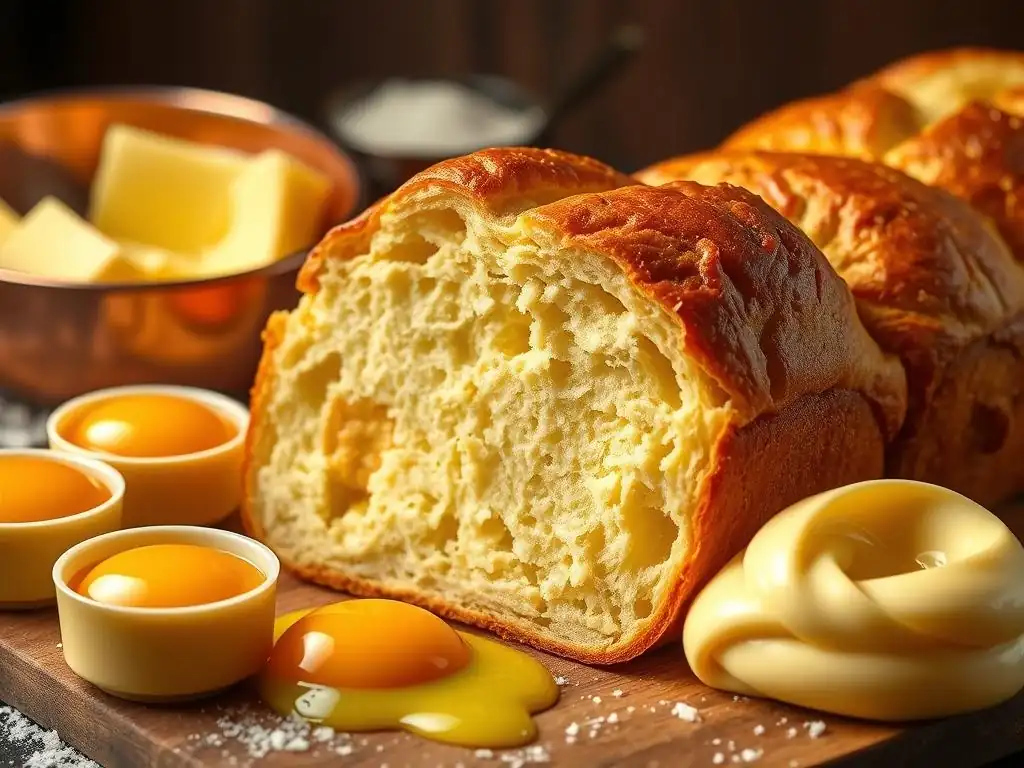
Welcome to BakeWithEase, your trusted guide to the delightful world of baking! Ever wondered what makes brioche so irresistibly decadent? Prepare to uncover the secrets behind its rich, buttery flavor as we delve into the magic of our rich brioche butter egg recipe. Get ready to elevate your baking skills and create a brioche that will leave everyone wanting more. Let's get started!
- Understanding Sourdough Starters: An Introduction
- The Essential Elements for a Thriving Starter
- The Science Behind Sourdough Fermentation
- Mastering the Starter Feeding Process
- Troubleshooting Common Starter Problems
- Sourdough Starter Variations and Ideas
- Storing and Maintaining Your Sourdough Starter
- Conclusion: Embrace the Art of Sourdough Starter Cultivation
-
Frequently Asked Questions
- What is it about brioche that makes it so rich?
- How does the butter content affect the brioche dough?
- What role do eggs play in a rich brioche butter egg recipe?
- Can I substitute ingredients in a brioche recipe and still get a rich result?
- What are some tips for ensuring a successful rich brioche butter egg recipe?
- Final Reflection: The Enduring Allure of Brioche
- Unlock the Secrets of Luscious Brioche!
Understanding Sourdough Starters: An Introduction
Exploring the World of Sourdough Baking
Sourdough baking represents a return to ancient methods, relying on a live fermented culture of flour and water – the sourdough starter – instead of commercial yeast. This starter, a complex ecosystem of wild yeasts and lactic acid bacteria, is the heart of sourdough bread, providing leavening, unique flavor, and improved texture. Unlike the consistent results often found with instant yeast, working with a sourdough starter introduces variability, requiring bakers to learn to read their starter's activity and health. This process can be deeply rewarding, connecting the baker more intimately with the ingredients and the natural fermentation cycle.
The journey into sourdough can feel daunting at first, involving regular feeding schedules and observation, but it quickly becomes a rhythmic part of the baking process. While enriched doughs like brioche achieve richness through added fats and sugars, sourdough relies on a different kind of depth derived from microbial activity. A healthy, active starter is crucial for successful sourdough bread, contributing significantly to crumb structure, crust development, and that characteristic tangy flavor. Understanding the basics of starter maintenance is the first step towards unlocking the potential of this living ingredient.
Why Sourdough Stands Out: Flavor Complexity and Health Benefits
The flavor profile of sourdough bread is remarkably complex, ranging from mildly tangy to intensely sour, depending on the starter's microbial balance, fermentation time, and hydration levels. This depth of flavor comes primarily from the lactic acid bacteria, which produce various organic acids during fermentation. In contrast to a sweet, rich brioche butter egg recipe, sourdough offers a more savory, often slightly acidic taste that complements a wide range of foods. Beyond flavor, sourdough fermentation can also enhance nutritional value.
The long fermentation process involved in sourdough baking helps to break down phytic acid, an antinutrient found in grains that can inhibit mineral absorption. This can make the minerals in the bread more bioavailable. Additionally, some complex carbohydrates and proteins are partially predigested by the microorganisms, potentially making sourdough bread easier to digest for some individuals compared to bread made with commercial yeast. While a rich brioche provides calories and indulgence, sourdough offers potential digestive benefits and a unique nutritional profile derived from its fermentation process.
The Essential Elements for a Thriving Starter
Flour's Role in Starter Development
Flour is the primary food source for the wild yeasts and bacteria in a sourdough starter. It provides the complex carbohydrates (starches) that these microorganisms consume, breaking them down into simpler sugars for energy and producing carbon dioxide (for leavening) and organic acids (for flavor). The type and quality of flour used significantly impact the starter's activity level, growth rate, and microbial composition. Different flours contain varying levels of nutrients and enzymes, which affect how readily the microorganisms can thrive and multiply.
Using a consistent, unbleached flour is often recommended when establishing a new starter. Bleached flours can contain chemicals that may inhibit microbial growth. The protein content of the flour also plays a role; higher protein flours, like bread flour, can contribute to a stronger gluten network in the starter, helping it trap gas bubbles and show more vigorous rise. Understanding how different flours behave is key to maintaining a robust and predictable starter, essential for any sourdough baking project, from simple loaves to more complex recipes.
The Impact of Flour Type on Starter Activity
Different flour types yield starters with distinct characteristics. Whole grain flours, such as whole wheat or rye, contain more nutrients and microorganisms naturally present on the grain husks, often leading to a faster and more vigorous initial fermentation. These flours provide a rich food source that encourages rapid microbial activity. However, starters made with 100% whole grain flour can sometimes be harder to manage due to their rapid cycles and potentially looser consistency.
Refined flours, like all-purpose or bread flour, offer a more stable and consistent food source once the starter is established. While initial activity might be slower compared to whole grains, starters maintained on white flour tend to be more predictable and easier to gauge for readiness. Many bakers use a blend of flours, such as a mix of bread flour and whole wheat or rye, to balance stability with microbial diversity and vigor. For instance, a starter fed with a percentage of rye flour often shows remarkable resilience and activity.
Best Types of Flour for Sourdough Starters: Bread Flour vs. Whole Wheat
When choosing flour for your sourdough starter, both bread flour and whole wheat flour are excellent choices, each offering unique benefits. Bread flour, with its higher protein content (typically 12-14%), develops a stronger gluten network in the starter, resulting in a more defined rise and fall, making it easier to track activity. It provides a consistent and reliable food source for the microbes, leading to a stable starter once mature. It's a popular choice for many bakers seeking predictability.
Whole wheat flour, containing the bran and germ, is richer in nutrients and beneficial microbes naturally present on the grain. This often accelerates the initial starter development and can lead to a more active culture. Whole wheat also contributes a nuttier flavor profile to the starter, which can subtly influence the final bread.
While a 100% whole wheat starter can be very active, a common practice is to feed a starter primarily with bread flour but incorporate a small percentage (e.g., 10-20%) of whole wheat or rye flour to boost microbial diversity and vigor. The "best" type often depends on the baker's goals for flavor and activity.
Water: Hydration and Microbial Activity
Water is the other fundamental component of a sourdough starter, serving as the medium in which the flour's starches are hydrated and the microorganisms live and interact. The ratio of water to flour, known as hydration, directly impacts the starter's consistency and the balance of microbial activity. A higher hydration starter (more water relative to flour) tends to favor lactic acid bacteria, potentially leading to a tangier starter, while a lower hydration starter (stiffer) can favor yeast activity and produce a milder flavor.
Water quality is also a crucial factor. The microorganisms in your starter are sensitive to certain chemicals found in tap water. Chlorine and chloramines, commonly added to public water supplies to kill bacteria, can also inhibit the beneficial wild yeasts and bacteria in your starter, slowing down or even killing the culture. Using water that is free from these chemicals is essential for fostering a healthy and active starter.
How Water Quality Affects Starter Performance
The presence of chlorine or chloramines in tap water can significantly hinder the development and activity of a sourdough starter. These sanitizing agents are designed to eliminate microbes, and they don't discriminate between harmful pathogens and the beneficial yeasts and bacteria you're trying to cultivate. Even small amounts can suppress microbial reproduction and fermentation, leading to a sluggish or inactive starter that struggles to rise.
Hard water, which contains high levels of dissolved minerals like calcium and magnesium, can also impact starter performance, although usually less severely than chlorine. Some minerals can potentially affect enzyme activity or the gluten structure, but the primary concern remains chemical treatments. Ensuring your water is clean and free of inhibitory substances provides the microorganisms with the best possible environment to thrive, leading to a more reliable and vigorous starter.
The Importance of Filtered Water in Sourdough Baking
Using filtered water is a simple yet effective way to ensure your sourdough starter receives the optimal environment for growth. A standard activated carbon filter (like those found in pitcher filters or faucet attachments) is usually sufficient to remove chlorine and chloramines from tap water. Leaving tap water exposed to the air for 24 hours can also allow chlorine gas to dissipate, but this method is less effective for chloramines, which are more stable.
Opting for filtered or non-chlorinated bottled water eliminates the risk of chemical inhibition and provides a clean slate for your starter's microbial community to flourish. This is especially important when establishing a new starter or troubleshooting an inactive one. Consistent water quality contributes to a stable feeding routine and a more predictable starter, which is invaluable when aiming for consistent results in baking, whether it's a rustic loaf or using your starter (perhaps in a hybrid recipe) alongside a rich brioche butter egg recipe.
The Science Behind Sourdough Fermentation
Wild Yeast: The Key to Sourdough's Unique Flavor
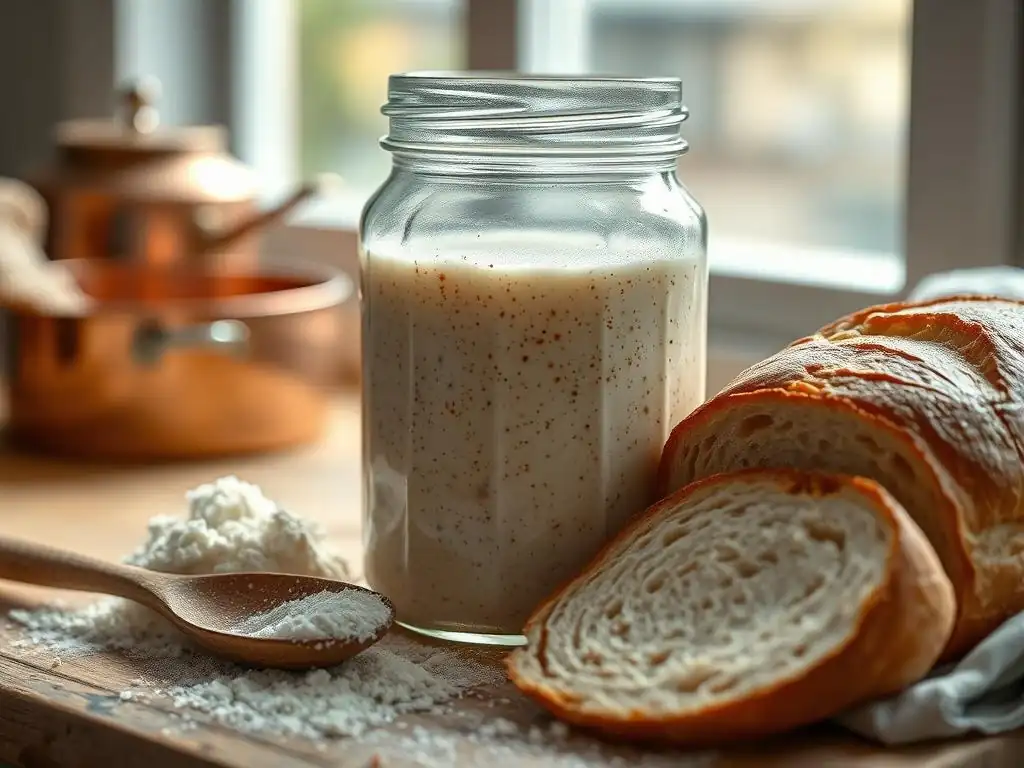
Sourdough fermentation is driven by a symbiotic relationship between wild yeasts and lactic acid bacteria (LAB) present in the flour and air. The wild yeasts, primarily Saccharomyces cerevisiae (the same species as commercial baker's yeast, but different strains) and others like Candida milleri, consume sugars produced by the breakdown of flour starches. Their respiration produces carbon dioxide gas, which is trapped by the gluten network in the dough, causing it to rise. This is the primary leavening agent in sourdough.
Beyond leavening, these yeasts contribute significantly to the complex aroma compounds in sourdough bread. While commercial yeast provides a relatively neutral flavor, wild yeasts contribute a wider range of volatile organic compounds during fermentation, adding layers of complexity to the bread's taste and smell. The specific mix of yeast strains in a starter, influenced by local environmental factors and feeding practices, contributes to the unique character of different sourdoughs.
Lactic Acid Bacteria: Contributing to Tang and Texture
Alongside wild yeasts, lactic acid bacteria (LAB) are crucial players in sourdough fermentation. These bacteria metabolize sugars and produce organic acids, primarily lactic acid and acetic acid. Lactic acid contributes a milder, more rounded sourness, while acetic acid provides a sharper, vinegar-like tang. The ratio of these acids influences the overall sourness and flavor profile of the sourdough. Factors like fermentation temperature and hydration level can shift this balance; cooler temperatures and stiffer starters tend to favor acetic acid production.
The acids produced by LAB also play a vital role in dough structure and texture. They help to condition and strengthen the gluten network, contributing to better dough handling and oven spring. Furthermore, the lower pH created by these acids can inhibit the growth of undesirable microorganisms and contribute to the bread's keeping quality. This intricate interplay between yeasts and bacteria is what makes sourdough distinct from commercially leavened bread or enriched doughs like a rich brioche butter egg recipe.
How Yeast and Bacteria Interact in Sourdough
The relationship between wild yeasts and lactic acid bacteria in a sourdough starter is a dynamic symbiosis. The LAB break down complex starches into simpler sugars, some of which are then consumed by the yeasts. The yeasts, in turn, produce carbon dioxide and other compounds that can influence the environment for the bacteria. This co-dependence creates a stable microbial community that can be maintained indefinitely with regular feeding.
The balance between yeast and bacterial activity dictates both the leavening power and the flavor profile of the starter and the resulting bread. Optimal activity occurs within specific temperature ranges; typically, warmer temperatures (around 75-80°F or 24-27°C) favor yeast activity and lactic acid production, while cooler temperatures (below 70°F or 21°C) can slow yeast but encourage acetic acid production. Understanding and manipulating this interaction through feeding ratios, hydration, and temperature allows bakers to influence their starter's characteristics and the final bread's outcome.
Mastering the Starter Feeding Process
Establishing a Regular Feeding Schedule
A consistent feeding schedule is fundamental to maintaining a healthy and active sourdough starter. Feeding involves discarding a portion of the old starter and replenishing it with fresh flour and water. This provides new food for the microorganisms and removes metabolic waste products, preventing the culture from becoming too acidic or running out of nutrients. The frequency of feeding depends primarily on how you store your starter.
A starter kept at room temperature, especially in a warm environment, will be very active and typically requires feeding once or twice every 24 hours. This frequent feeding ensures the microbes always have fresh food available and prevents the starter from becoming overly acidic, which can weaken it. Starters stored in the refrigerator, however, are much less active due to the cold temperatures and only require feeding once a week or even less frequently, depending on storage temperature and starter maturity. Consistency in your chosen schedule helps maintain a stable microbial population.
Recognizing Signs of a Healthy Starter
A healthy, active sourdough starter exhibits several key signs. After feeding, it should show visible activity, typically starting with small bubbles forming within a few hours. As fermentation progresses, the starter will increase significantly in volume, often doubling or even tripling in size. This rise is due to the carbon dioxide produced by the yeasts being trapped in the gluten matrix.
At its peak activity, the starter will be full of bubbles and have a domed or slightly flattened top. It will also have a pleasant, tangy aroma, often described as yogurty or slightly fruity, without any off-putting or foul smells. When gently shaken or tapped, it should jiggle and may show a web-like structure of bubbles inside. A simple "float test" can indicate readiness for baking: a small spoonful of peak starter should float in a glass of water, signifying it is sufficiently airy and active.
Identifying Peak Activity and Readiness for Baking
Knowing when your starter is at its peak activity is crucial for successful sourdough baking. Peak activity occurs when the starter has reached its maximum volume after feeding and before it begins to collapse. This is when the yeast population is most vigorous and capable of effectively leavening your dough. The time it takes to reach peak activity varies greatly depending on factors like temperature, hydration, feeding ratio, and the health of your starter, but it often falls within 4-12 hours after a room-temperature feeding.
Visually, peak activity is marked by the starter being at its highest point in its container, with a bubbly surface and often a slightly domed or rounded top. As it starts to pass its peak, the dome may flatten, and it will begin to slowly deflate, leaving streaks or "legs" on the sides of the container.
Using the starter at or just slightly before its peak ensures maximum leavening power for your bread dough, providing the structure needed for a good crumb and oven spring, even in enriched doughs like a rich brioche butter egg recipe if used in a hybrid method.
Discarding vs. Using Starter Discard
Regular feeding, especially for a starter kept at room temperature, involves discarding a portion of the starter before adding fresh flour and water. This "discard" is the unfed portion of the starter. Discarding is necessary to maintain a manageable volume of starter and ensure that the fresh flour and water are sufficient to feed the active microorganisms, preventing the starter from becoming too diluted or overly acidic. The amount discarded is typically based on the feeding ratio (e.g., if feeding 1:1:1 ratio of starter:flour:water, you'd keep 1 unit of starter and discard the rest).
While discarding is essential for starter health, the discarded portion is not waste! It's essentially an unfed sourdough starter and can be used in a variety of recipes where you don't need its leavening power, but can benefit from its flavor and acidity. This reduces waste and provides a delicious way to utilize the byproduct of maintaining your starter.
Creative Ways to Utilize Sourdough Discard
Sourdough discard, while not active enough to leaven a full loaf of bread on its own, is a fantastic ingredient in many recipes. Its tangy flavor and acidic properties can enhance baked goods and other dishes. Popular uses include incorporating it into pancakes, waffles, muffins, scones, crackers, flatbreads, or even pasta dough. The acidity of the discard can also contribute to a tender crumb in baked goods by partially breaking down proteins.
For example, adding discard to a simple pancake batter (using baking powder or soda for lift) provides a subtle tang and depth of flavor not present in standard pancakes. It can also be used in savory applications like pizza crusts or as a binder in meatloaf. Exploring discard recipes is a great way to minimize waste and add a unique sourdough twist to your cooking repertoire, offering a different kind of richness compared to a sweet, rich brioche butter egg recipe.
Troubleshooting Common Starter Problems
Why is My Starter Not Rising?
A lack of rising is one of the most common issues encountered when maintaining a sourdough starter. Several factors can contribute to this. Firstly, the starter might be too young; new starters can take anywhere from a few days to two weeks to develop enough active yeast and bacteria to show significant rise. Patience is key during the initial phase. Secondly, the feeding schedule or ratio might be off; infrequent feeding or using too much old starter relative to fresh food can starve the microbes.
Temperature is another major factor. Sourdough microbes are most active in a warmer environment, ideally between 75-80°F (24-27°C). If your kitchen is too cool, fermentation will be sluggish. Lastly, the quality of your ingredients matters. Using chlorinated water or bleached flour can inhibit microbial activity. Ensuring a consistent feeding schedule, using appropriate flour and water, and maintaining a warm environment are crucial steps to encourage vigorous rising.
My Starter Smells Unpleasant
A healthy sourdough starter should have a pleasant, tangy aroma, often described as slightly sour, yogurty, or even fruity. An unpleasant smell, such as strong acetone (nail polish remover), cheesy, or rotten odors, usually indicates an imbalance in the microbial community or that the starter is hungry. A strong acetone smell often means the starter has consumed all available food and is producing alcohol as a byproduct; this is a sign it needs to be fed more frequently.
Cheesy or rotten smells can indicate the presence of undesirable bacteria. This is more common in young starters as the microbial community is still establishing itself. Regular feeding with fresh flour and water helps to dilute these off-flavors and encourage the beneficial microbes to outcompete the undesirable ones. If the smell is truly foul or accompanied by mold, it might be necessary to discard the starter and begin anew with fresh ingredients, ensuring cleanliness throughout the process.
Starter is Growing Mold: Identifying and Preventing Contamination
Mold growth is a serious issue for a sourdough starter and, unfortunately, means the starter is compromised and should be discarded. Mold typically appears as fuzzy or colored patches (green, black, orange, pink) on the surface of the starter. Unlike the hooch (a liquid byproduct of fermentation that is usually grey or brown) which is harmless and can be stirred in or poured off, mold is a sign of contamination.
Preventing mold involves maintaining a clean environment and using clean equipment. Always use clean jars and utensils when feeding your starter. Ensure the container is large enough to accommodate the starter's growth without overflowing, which can create conditions for mold. Storing the starter correctly (at room temperature with regular feeding or in the refrigerator for less frequent use) and ensuring it receives adequate, timely feedings helps maintain its health and acidity, making it less hospitable to mold spores.
Sourdough Starter Variations and Ideas
Rye Sourdough Starter: Adding Depth and Complexity
Creating a sourdough starter using rye flour is a popular variation that introduces unique flavors and characteristics. Rye flour is particularly rich in enzymes and nutrients, making it an excellent food source for wild yeasts and bacteria. Starters made with 100% rye flour are often incredibly vigorous and resilient, showing rapid activity after feeding. They also tend to have a looser consistency compared to wheat starters.
Beyond its activity, rye flour imparts a distinctive, earthy, and slightly spicy flavor to the starter, which translates into the final bread. Rye starters are often used to bake traditional rye breads, but a percentage of rye starter can also be incorporated into wheat doughs to add a layer of complexity to the flavor profile. Maintaining a separate rye starter allows bakers to explore the unique contributions this grain offers to the sourdough process, different from the richness sought in a rich brioche butter egg recipe.
Spelt Sourdough Starter: Exploring Ancient Grains
Spelt is an ancient grain related to wheat, and it can also be used to create a sourdough starter. Spelt flour, whether whole or refined, has a slightly sweeter and nuttier flavor profile compared to modern wheat. Using spelt flour for a starter introduces these subtle flavors into the sourdough culture. Spelt flour also ferments readily, and spelt starters can be quite active, though they may develop gluten more slowly than wheat starters.
Working with a spelt starter offers an opportunity to experiment with baking using this nutritious and flavorful grain. Spelt sourdough breads often have a tender crumb and a pleasant, mild tang. A spelt starter can be maintained solely on spelt flour or used in combination with wheat flour. Exploring ancient grain starters like spelt provides bakers with more options for flavor and texture in their sourdough creations, offering a different kind of depth than a rich brioche butter egg recipe.
Gluten-Free Sourdough Starter: A Guide for Gluten-Free Baking
For bakers following a gluten-free diet, creating a gluten-free sourdough starter allows them to enjoy the benefits of sourdough fermentation. Gluten-free starters are typically made using a blend of gluten-free flours, such as brown rice flour, sorghum flour, buckwheat flour, or a commercial gluten-free blend, mixed with water. The process of establishing a gluten-free starter is similar to a wheat starter, relying on naturally occurring wild yeasts and bacteria.
Because gluten-free flours lack gluten, the starter will not develop a strong elastic structure like wheat starters. It will appear more like a thick batter and show activity through bubbling and a slight increase in volume, but it won't typically double or triple in size with a defined dome. Maintaining a gluten-free starter requires attention to feeding ratios and temperature. Once active, this starter can be used to leaven gluten-free breads and other baked goods, bringing the characteristic sourdough tang and potential digestive benefits to gluten-free baking.
Storing and Maintaining Your Sourdough Starter
Short-Term Storage: Refrigeration Techniques
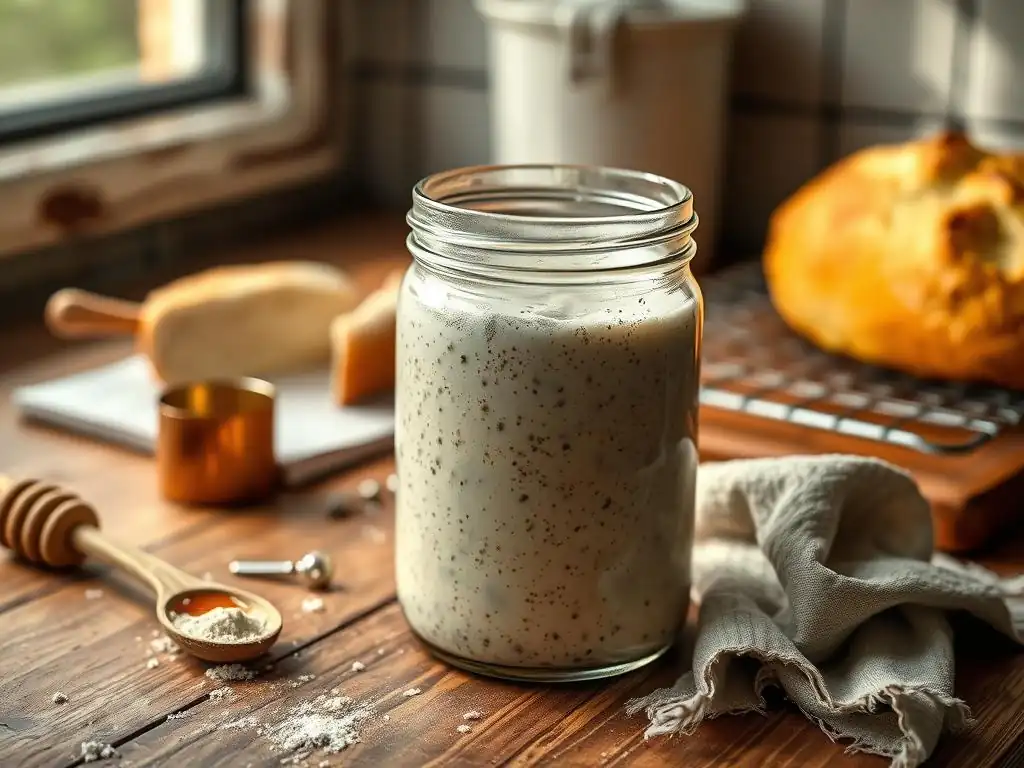
If you don't plan to bake every day or every few days, storing your sourdough starter in the refrigerator is an effective way to slow down its activity and reduce the frequency of feeding. Cold temperatures significantly slow down the metabolic processes of the yeasts and bacteria. Before refrigerating, it's a good practice to feed your starter and let it become active for 1-2 hours at room temperature first; this ensures it has fresh food before going into dormancy.
Store the starter in a clean jar with a lid. A loosely fitted lid or one that allows gases to escape is recommended, as the starter will still produce some gas even in the cold. In the refrigerator (typically around 38-40°F or 3-4°C), a starter can usually be stored for one week or even longer between feedings, depending on how active it was when refrigerated and the exact temperature. When ready to bake, remove the starter, let it come to room temperature, and feed it one or more times until it is active and bubbly again.
Long-Term Storage: Freezing and Dehydration
For longer-term storage, such as going away on vacation or taking a break from baking, freezing or dehydrating your sourdough starter are viable options. Freezing essentially puts the microbes into a state of suspended animation. To freeze, feed your starter, let it become active, and then place small portions in ice cube trays or freezer-safe containers. Once frozen solid, transfer to a freezer bag. To revive, thaw at room temperature and begin regular feedings. While freezing can sometimes weaken the starter initially, it usually bounces back with consistent feeding.
Dehydrating is another excellent method for very long-term storage, creating a shelf-stable product. Spread a thin layer of active starter onto parchment paper or a silicone mat and let it air dry completely at room temperature until brittle (this can take 24-48 hours).
Once dry, break it into flakes or grind it into a powder and store it in an airtight container away from moisture and light. To revive, mix a small amount of the dried flakes with warm water and a tiny amount of flour, then gradually increase the feeding amounts over several days until the starter becomes active again.
Conclusion: Embrace the Art of Sourdough Starter Cultivation
Cultivating and maintaining a sourdough starter is a rewarding process that unlocks a world of complex flavors and textures in baking. While the richness of a rich brioche butter egg recipe comes from added fats and sugars, sourdough's depth is born from the patient fermentation of flour and water by a living culture. Understanding the needs of this microbial ecosystem – providing quality food (flour), a healthy environment (water quality and temperature), and regular care (feeding) – is key to a thriving starter.
Troubleshooting issues like inactivity or unpleasant smells is part of the learning curve, building intuition about your starter's health. Utilizing starter discard creatively minimizes waste and adds unique flavor to other dishes. Whether you maintain a classic wheat starter, explore variations like rye or spelt, or cultivate a gluten-free version, the journey of sourdough starter cultivation is a continuous learning process. Embrace the daily or weekly rhythm of feeding, observe the fascinating signs of life, and enjoy the incredible bread and baked goods your vibrant starter will help you create.
Frequently Asked Questions
What is it about brioche that makes it so rich?
Brioche's richness comes primarily from the high proportion of butter and eggs used in the dough. These ingredients contribute to a tender crumb and a decadent flavor profile.
How does the butter content affect the brioche dough?
The significant amount of butter in a brioche recipe creates a flaky and soft texture. It also inhibits gluten development, resulting in a more tender and less chewy bread.
What role do eggs play in a rich brioche butter egg recipe?
Eggs contribute to the brioche's moisture, flavor, and color. The yolks, in particular, add richness and emulsification, leading to a smoother dough.
Can I substitute ingredients in a brioche recipe and still get a rich result?
While some substitutions are possible, significantly altering the butter or egg content will impact the final product. Reducing these ingredients will result in a less rich and less tender brioche.
What are some tips for ensuring a successful rich brioche butter egg recipe?
Use high-quality butter and eggs for the best flavor. Also, ensure the butter is softened correctly and incorporate the butter gradually to allow the dough to properly emulsify.
Final Reflection: The Enduring Allure of Brioche
The seemingly simple combination of butter and eggs in brioche transcends mere culinary technique; it's a testament to the power of quality ingredients and meticulous craftsmanship. This article explored the precise role of these key components in creating the characteristic richness and tenderness of brioche, a bread that continues to captivate palates worldwide. Understanding this process not only allows for the creation of superior brioche but also offers a deeper appreciation for the artistry involved in baking.
The enduring appeal of brioche speaks to a fundamental human desire for comfort and indulgence. It's a bread that evokes feelings of warmth and nostalgia, a connection to simpler times and perhaps even a sense of celebration. As we explored the science behind its texture and flavor, we also touched upon its cultural significance, a testament to the enduring power of simple ingredients elevated by skill and passion. The best things in life are simple,
a sentiment perfectly encapsulated by the humble yet magnificent brioche.
Now, consider your own kitchen. Imagine the possibilities: the aroma of warm, buttery brioche filling your home, the satisfying chew of perfectly risen dough, the sheer joy of sharing this culinary masterpiece with loved ones. Don't just read about the magic of brioche; create it. Experiment with different butter types, explore variations in egg quantity, and most importantly, embrace the process. The journey of making brioche, from measuring ingredients to the final golden-brown crust, is as rewarding as the delicious result itself. Let the richness of brioche inspire you to explore the possibilities within your own culinary creativity.
Unlock the Secrets of Luscious Brioche!
Thanks for exploring the delightful world of brioche with us! We hope you now understand the magic behind its rich texture and incredible flavor. Ready to bake your own masterpiece?
- Bake your own brioche today! Try our easy-to-follow recipe (you can find it on our homepage!) and experience the satisfaction of creating something truly special.
- Share your brioche creations: Tag us on social media and show off your baking skills! We love seeing what our readers create.
- Explore more enriched dough recipes: Dive deeper into the art of baking with our collection of bread recipes featuring butter, eggs, and other delicious additions.
What's your favorite thing about baking brioche? Let us know in the comments below!