
Choosing the Best Flour for Brioche and Rich Breads

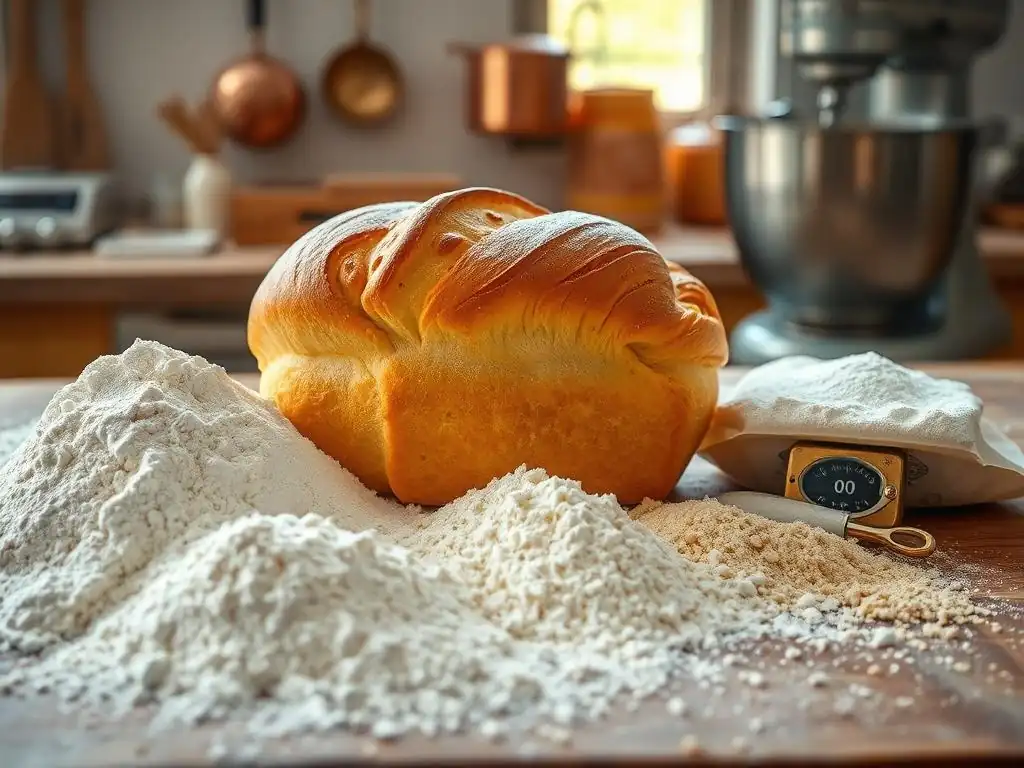
Welcome to BakeWithEase, where baking becomes a joy, not a chore! Ever wondered if your brioche could be even better? This week, we're diving deep into a surprisingly crucial ingredient: flour. Discover the secrets to choosing the best flour for brioche and other rich breads, unlocking a new level of flavor and texture. Prepare to elevate your baking game – let's get started!
- Understanding Flour's Role in Brioche and Enriched Doughs
- Exploring Different Flour Types for Brioche Baking
- The Best Flour for Brioche: Our Top Recommendations
- Factors to Consider When Selecting Brioche Flour
- Testing Flour for Brioche: Simple Home Techniques
- Troubleshooting Common Brioche Problems Related to Flour
- Beyond Flour: Other Key Ingredients for Brioche Success
- Mastering Brioche: Recipe and Tips
- Conclusion: Baking Brioche with Confidence – Choosing the Right Flour
-
Frequently Asked Questions
- What is the best type of flour to use for making brioche?
- Why is strong gluten development important for brioche?
- Can I use all-purpose flour instead of bread flour for brioche?
- What does the protein content of flour contribute to brioche?
- Are there any special considerations for choosing flour if I'm using a stand mixer?
- Final Reflection: The Flour Power of Brioche and Beyond
- Unlock the Secrets of Luscious Breads!
Understanding Flour's Role in Brioche and Enriched Doughs
Brioche is a classic French bread, celebrated for its rich, tender crumb and golden crust. Unlike lean doughs made primarily from flour, water, yeast, and salt, brioche is an enriched dough, meaning it incorporates significant amounts of butter, eggs, and often sugar. These additions dramatically alter the dough's behavior and the final texture of the loaf. The flour you choose is fundamental because it provides the structural framework that supports the heavy load of fats and liquids, allowing the bread to rise and develop its characteristic softness.
The type of flour dictates the potential for gluten development, which is crucial in enriched doughs. Gluten, a network of proteins formed when flour is mixed with liquid and kneaded, provides elasticity and strength. In a dough laden with butter and eggs, this gluten structure needs to be robust enough to trap the gases produced by yeast, enabling a good rise, yet also flexible enough to yield a tender result. Selecting the best flour for brioche means finding a balance that provides adequate structure without making the bread tough.
Why Flour Choice Matters for Perfect Brioche
The right flour is paramount for achieving the signature characteristics of brioche: a light, airy crumb and a rich, soft texture. Using a flour with insufficient protein can lead to a weak gluten structure, resulting in a dense, squat loaf that doesn't rise properly. Conversely, using a flour with excessively high protein without proper handling might result in a tough or chewy texture, which is undesirable for brioche.
Consider the ratio of enrichments in brioche compared to a standard loaf of bread. A typical lean dough might have a hydration level (water relative to flour) of 60-70%. Brioche recipes often include butter and eggs that, combined with liquid, can represent 50% or more of the flour weight in fats and liquids, sometimes even exceeding 100% in very rich variations. The flour must be capable of absorbing these significant additions while still developing a strong, elastic network. This highlights why the protein content and quality of the flour are critical factors when seeking the best flour for brioche.
The Importance of Gluten Development in Rich Breads
Gluten development is the backbone of any yeast bread, but it plays a particularly challenging role in enriched doughs like brioche. The fats from butter and egg yolks tend to interfere with gluten formation by coating the protein strands, preventing them from bonding effectively. This is why brioche doughs often require longer kneading times or specific techniques to encourage the gluten network to form despite the presence of fats.
A flour with adequate protein content is essential to build a strong enough gluten network to withstand the inhibitory effects of the enrichments. When kneaded, these proteins (glutenin and gliadin) combine with water to form gluten. This elastic network stretches as the yeast produces carbon dioxide, allowing the dough to expand. For brioche, you need a flour that can develop sufficient strength to support the rise, providing structure to the heavy dough, while still allowing for a tender crumb. The goal is a balance: strong enough for structure, pliable enough for tenderness.
Exploring Different Flour Types for Brioche Baking
When deciding on the best flour for brioche, bakers encounter several common options, each with its own characteristics and impact on the final bread. Understanding the differences in protein content and milling can help you predict how a particular flour will behave in a rich dough recipe. The suitability of a flour type often comes down to its ability to form a strong, yet extensible, gluten network capable of supporting the high fat and sugar content typical of brioche.
The choice of flour directly influences the texture, rise, and overall success of your brioche. While some flours are better suited than others, skilled bakers can often adapt techniques to make different flours work, though the results will vary. Exploring these types helps illuminate why certain flours are widely recommended as the best flour for brioche.
All-Purpose Flour: A Versatile Option for Brioche
All-purpose flour, typically containing around 10-12% protein, is a common staple in most kitchens. Its versatility makes it a tempting choice for brioche, and indeed, many brioche recipes designed for home bakers call for it. AP flour can produce a satisfactory brioche, particularly for beginners, as it offers a reasonable balance of strength and tenderness. It's generally easy to work with, absorbing liquids moderately well.
However, because all-purpose flour has a lower protein content than bread flour, the gluten network it forms may be less robust. This can sometimes result in a brioche that is slightly less airy or doesn't achieve quite the same lofty rise as one made with higher-protein flour. While it can work, especially in recipes formulated specifically for it, it might not always yield the absolute best flour for brioche results compared to flours specifically designed for stronger doughs.
Bread Flour: Enhancing Gluten Strength in Brioche
Bread flour is milled from hard wheat varieties and boasts a higher protein content, typically ranging from 12% to 14%. This higher protein level means it has a greater potential for gluten development when hydrated and kneaded. For enriched doughs like brioche, this extra gluten strength is highly beneficial. It helps the dough support the weight of butter and eggs, creating a strong elastic structure that can trap fermentation gases effectively.
Using bread flour often leads to a brioche with a better rise and a more open, airy crumb structure compared to one made with all-purpose flour. The stronger gluten network provides the necessary scaffolding. Many experienced bakers consider high-quality bread flour to be the best flour for brioche because it provides the ideal balance of strength required to handle the rich ingredients while still allowing for a tender crumb when properly developed.
Cake Flour: Creating a Tender Crumb in Brioche
Cake flour, milled from soft wheat, has a very low protein content, usually between 8-10%. It is also typically chlorinated, which alters its starch structure to absorb more liquid and fat, making it ideal for tender cakes with a fine crumb. Given its low protein and focus on tenderness, cake flour is generally not recommended as the primary flour for brioche or other enriched breads.
While a small percentage of cake flour might be added to a brioche recipe by an expert baker aiming for an exceptionally delicate crumb, using it exclusively or as the majority flour would likely result in a dough too weak to support the enrichments and achieve a proper rise. The resulting brioche would likely be dense, heavy, and lack the characteristic structure. It is not considered the best flour for brioche due to its inability to form a strong gluten network.
00 Flour: Achieving a Delicate Texture in Brioche?
"00 flour" is an Italian classification referring to how finely the flour is milled, not necessarily its protein content. It's known for its silky texture. Protein content in 00 flour varies widely depending on the wheat it's milled from. Some 00 flours, like those used for pasta, are low in protein (around 10-11%), while others, intended for pizza or bread (like 'Tipo 00 per Pane'), can be quite high in protein (12.5-14%).
If you use a low-protein 00 flour, you will encounter similar issues as with all-purpose flour – potentially insufficient strength for a rich brioche. However, a high-protein 00 flour designed for bread can indeed be an excellent choice. Its fine milling results in a very smooth dough texture, which can contribute to a lovely, delicate crumb in the finished brioche. When considering 00 flour, it is crucial to check the protein content to ensure it's suitable for bread baking if you want it to be the best flour for brioche in your recipe.
The Best Flour for Brioche: Our Top Recommendations
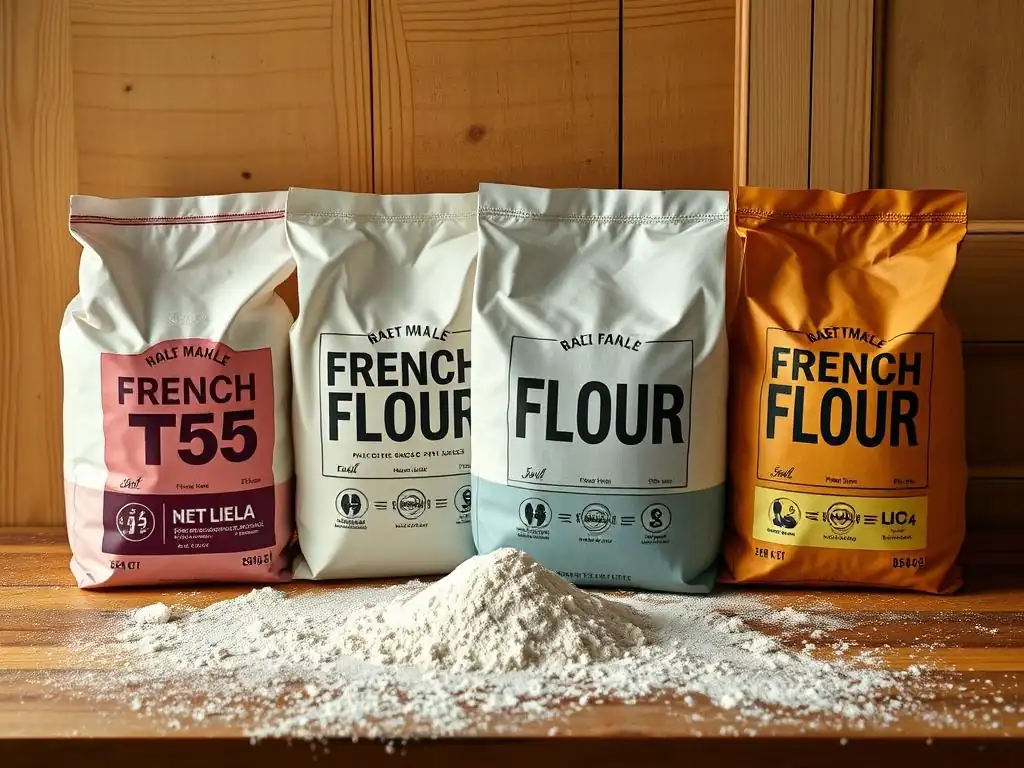
Based on the science of gluten development and the demands of enriched doughs, certain flours consistently outperform others for brioche. The ideal flour provides enough protein to build a strong framework without making the dough overly tough. It needs to handle the high fat and sugar content while still allowing for a beautiful rise and a tender, airy crumb.
While personal preference and specific recipe requirements play a role, the consensus among experienced bakers points towards high-protein flours as the top contenders. These flours offer the necessary strength and elasticity. Let's look at some specific recommendations often cited as the best flour for brioche.
High-Protein Bread Flour: The Gold Standard for Brioche
High-protein bread flour, typically containing 12-14% protein, is widely considered the gold standard for baking brioche. This protein level provides the ideal balance needed to develop a strong, resilient gluten network capable of supporting the large amounts of butter and eggs in the dough. The robust structure allows the brioche to achieve significant volume during proofing and baking, resulting in that coveted light and airy crumb.
Compared to all-purpose flour, high-protein bread flour absorbs more liquid and requires more kneading to reach optimal gluten development. However, the effort is well worth it, as it significantly reduces the risk of a dense, heavy brioche. For consistent, high-quality results with excellent rise and texture, high-protein bread flour is often the best flour for brioche.
King Arthur Baking Company - Bread Flour: For Exceptional Brioche Texture
King Arthur Baking Company's Bread Flour is a popular choice among serious home bakers and professionals alike. It boasts a consistent protein content, typically around 12.7%. This reliable protein level makes it an excellent candidate when seeking the best flour for brioche. Its milling quality and consistency help ensure predictable results batch after batch.
Many bakers find that King Arthur Bread Flour develops gluten beautifully, creating a dough that is both strong and elastic, which is precisely what brioche needs. It handles the addition of rich ingredients well, contributing to a brioche with a fine, even crumb structure and a good rise. If you are looking for a readily available, high-quality option, King Arthur Bread Flour is a strong contender for the best flour for brioche.
Bob's Red Mill - Artisan Bread Flour: For Consistent Brioche Results
Bob's Red Mill Artisan Bread Flour is another highly regarded option for enriched doughs. Milled from hard red spring wheat, it typically has a protein content around 12-13%. This flour is known for its ability to produce dough with excellent structure and oven spring, qualities essential for successful brioche.
Users often report that Bob's Red Mill Artisan Bread Flour is easy to work with and consistently yields loaves with great volume and a desirable texture. Its protein structure is well-suited to handling the high fat and sugar load of brioche dough, allowing for robust fermentation and a tender final product. For reliable and consistent outcomes when baking brioche, this flour is frequently cited as one of the best flour for brioche options available.
Factors to Consider When Selecting Brioche Flour
Choosing the best flour for brioche involves looking beyond just the label. Several technical factors influence how a flour will perform in a rich dough. Understanding these characteristics can help you make an informed decision and even troubleshoot issues if your brioche isn't turning out as expected.
These factors interact with each other and with the other ingredients in your brioche recipe. Paying attention to them allows you to optimize your flour choice and handling techniques to achieve the desired texture and structure in your enriched breads.
Protein Content: Finding the Sweet Spot for Brioche
Protein content is arguably the most critical factor when selecting flour for brioche. As discussed, protein forms gluten, which provides structure. For brioche, you generally want a flour with a moderate to high protein content, ideally between 12% and 14%. This range provides enough potential for gluten development to support the rich ingredients and ensure a good rise without making the dough excessively tough.
Flours below this range, like cake flour (8-10% protein), lack the necessary strength. Flours significantly above (e.g., certain high-gluten flours over 14%) might create a very strong dough that can be harder to handle and could potentially result in a slightly tougher crumb if not managed carefully. Finding the 'sweet spot' within the 12-14% range is key to selecting the best flour for brioche that balances strength and tenderness.
Gluten Strength: Achieving the Right Dough Structure
Protein content indicates the potential for gluten development, but gluten strength refers to how well that gluten network forms and behaves – its elasticity and extensibility. Flour from different wheat varieties, even with similar protein percentages, can have varying gluten qualities. Hard wheat flours typically produce stronger, more elastic gluten than soft wheat flours.
For brioche, you need flour that develops strong, yet extensible gluten. This allows the dough to be stretched and kneaded without tearing, while also being able to expand significantly during proofing and baking. Flours with good gluten strength contribute to a well-structured brioche with an even, open crumb. Evaluating gluten strength can be difficult without laboratory tests, but using flours specifically milled from hard wheats and marketed as "bread flour" is a good indicator of suitable gluten quality for the best flour for brioche.
Ash Content: Impact on Brioche Flavor and Color
Ash content refers to the mineral content left after a flour sample is incinerated. It's an indicator of how much of the outer layers of the wheat kernel (bran and germ), which are rich in minerals, were included in the milling process. Lower ash content means less bran and germ, resulting in whiter flour. Higher ash content means more bran and germ, leading to darker flour and a more pronounced, sometimes nuttier or earthier, flavor.
Standard white bread flours typically have low to moderate ash content (e.g., 0.5-0.6%). While ash content is less critical than protein for brioche structure, it does affect the final color and subtle flavor of the bread. A lower ash flour will yield a whiter crumb, which is traditional for classic brioche. Some artisan flours with slightly higher ash might impart a pleasant depth of flavor, but for a classic, pale yellow brioche crumb (from eggs and butter), a lower ash content flour is often preferred as part of selecting the best flour for brioche.
Water Absorption: Optimizing Dough Hydration
Water absorption refers to the amount of water a flour can absorb and hold. It's influenced by protein content (proteins absorb water) and damaged starch (damaged starch absorbs significantly more water). Higher protein flours generally absorb more water. For brioche, which is a relatively wet and sticky dough due to the high fat and egg content, the flour's absorption rate is important.
A flour with good water absorption helps create a dough that isn't excessively sticky or greasy, making it easier to handle and knead. It also ensures that the flour can adequately hydrate, allowing for proper gluten development. Recipes are typically developed assuming a certain absorption rate for the recommended flour type. If you substitute a flour with a significantly different absorption rate, you may need to adjust the liquid content in the recipe to achieve the correct dough consistency for the best brioche.
Testing Flour for Brioche: Simple Home Techniques
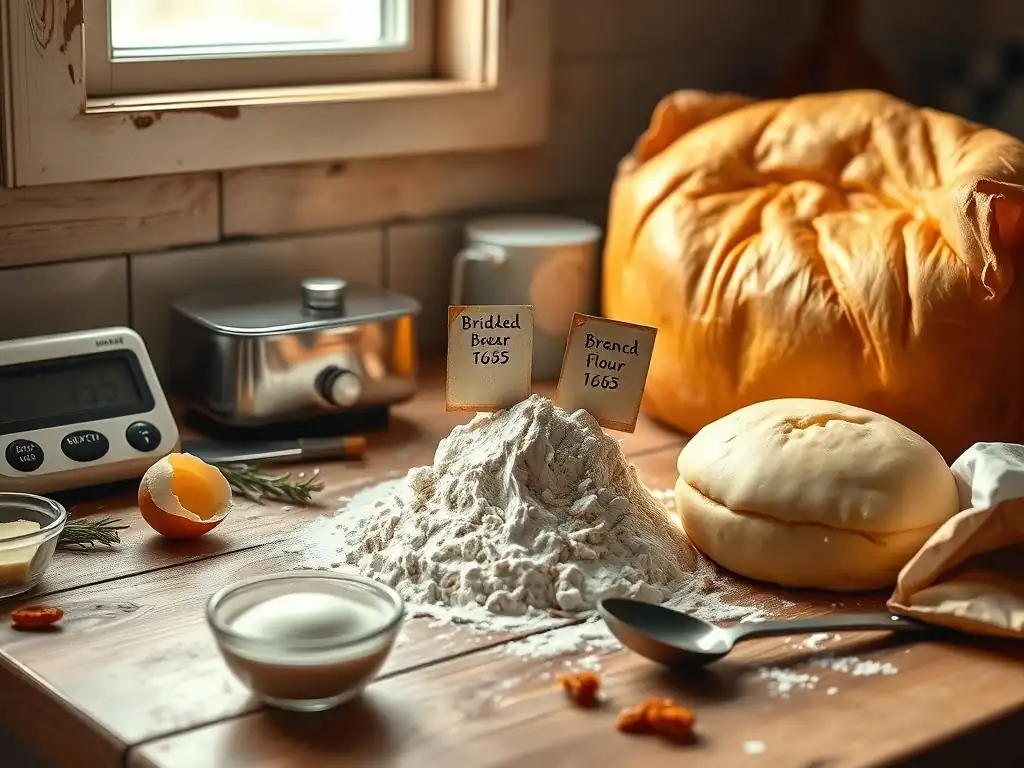
While laboratories use sophisticated equipment to analyze flour properties, home bakers can use simple techniques to get a sense of how a flour might perform in brioche dough. These tests help you assess gluten development and hydration levels, giving you confidence in your flour choice and dough handling.
These methods are particularly useful when trying a new brand of flour or troubleshooting issues with your brioche. They provide tangible feedback on the dough's structure and consistency.
The Windowpane Test: Assessing Gluten Development
The windowpane test is a classic method for assessing how well the gluten network has developed in a dough. To perform the test, take a small piece of dough (about the size of a golf ball). Gently stretch it between your fingers and thumbs, rotating it as you stretch. The goal is to stretch it thin enough so that light can pass through it, forming a translucent "windowpane" in the center, without the dough tearing.
If the dough tears easily before you can stretch it thin, the gluten is underdeveloped. This might indicate a flour with insufficient protein or gluten strength for brioche, or that the dough needs more kneading. A dough that passes the windowpane test indicates a well-developed, elastic gluten network, which is crucial for the structure and rise of brioche made with the best flour for brioche.
Dough Consistency: Evaluating Hydration Levels
Evaluating dough consistency is a more intuitive, but still important, test. As you mix and knead your brioche dough, observe its texture. Is it overly sticky, dry, or just right? Brioche dough is inherently soft and somewhat sticky due to the high fat and egg content, but it should become smooth and elastic as gluten develops.
If the dough feels excessively dry and stiff, the flour might have lower absorption than expected, or the recipe's liquid ratio is too low for that specific flour. If it remains excessively wet and slack even after significant kneading, the flour might have lower protein/absorption, or the recipe's liquid is too high. Learning to recognize the correct consistency for brioche dough allows you to make small adjustments to liquid (very carefully!) or kneading time, ensuring the best use of your chosen flour for brioche.
Even when using what is considered the best flour for brioche, issues can sometimes arise. Many common problems with brioche—like a dense crumb or poor rise—can be directly linked to the flour's properties or how it was handled during the baking process. Understanding these connections helps you diagnose and fix your brioche woes.
Identifying the root cause, often related to gluten development, hydration, or fermentation interacting with the flour, is the first step to baking better brioche.
Dense or Heavy Brioche: Flour Issues and Solutions
A dense or heavy brioche is a common disappointment. This often occurs because the gluten structure wasn't strong enough to support the weight of the rich ingredients and trap the fermentation gases. This can happen if you used a flour with too low a protein content (like all-purpose when bread flour was needed) or if the dough wasn't kneaded sufficiently to develop the gluten network fully. The presence of fats also inhibits gluten, making proper development crucial.
To fix this, ensure you are using a high-protein bread flour, widely regarded as the best flour for brioche for its strength. Also, make sure you are kneading the dough long enough – brioche dough requires significant kneading, often 10-20 minutes in a stand mixer, to pass the windowpane test. Incorporating softened, not melted, butter gradually after some gluten has developed can also help.
Dry or Crumbly Brioche: Adjusting Flour and Hydration
Brioche should be moist and tender, not dry and crumbly. This issue can arise if the dough was too dry initially, meaning there wasn't enough liquid (eggs, milk, water) relative to the flour. It can also happen if the flour absorbed less liquid than expected, or if the dough was over-baked, drying it out.
If your brioche is consistently dry, you might need to slightly increase the liquid in your recipe, especially if using a high-absorption flour like a strong bread flour. Ensure your measurements are accurate, preferably using a kitchen scale for flour. Also, check your baking time and temperature to avoid over-baking. Using a flour known for good moisture retention can also help achieve the desired tender crumb texture associated with the best flour for brioche recipes.
A brioche that doesn't rise adequately can be caused by several factors, but flour quality and handling are frequent culprits. If the flour's protein content is too low, the weak gluten network simply can't hold the gas produced by the yeast, leading to a poor rise. Similarly, if the dough is not kneaded enough, the gluten won't develop sufficiently, resulting in the same issue. Over-proofing can also cause the gluten structure to collapse.
Ensure you are using a high-protein bread flour, as its strength is essential for a good rise in enriched doughs. Verify that your yeast is active. Knead the dough thoroughly until it passes the windowpane test, indicating sufficient gluten development. Also, be mindful of proofing times and temperatures; while proper gluten is key, over-proofing will negate its benefits. Starting with the best flour for brioche sets the stage for a successful rise.
Beyond Flour: Other Key Ingredients for Brioche Success
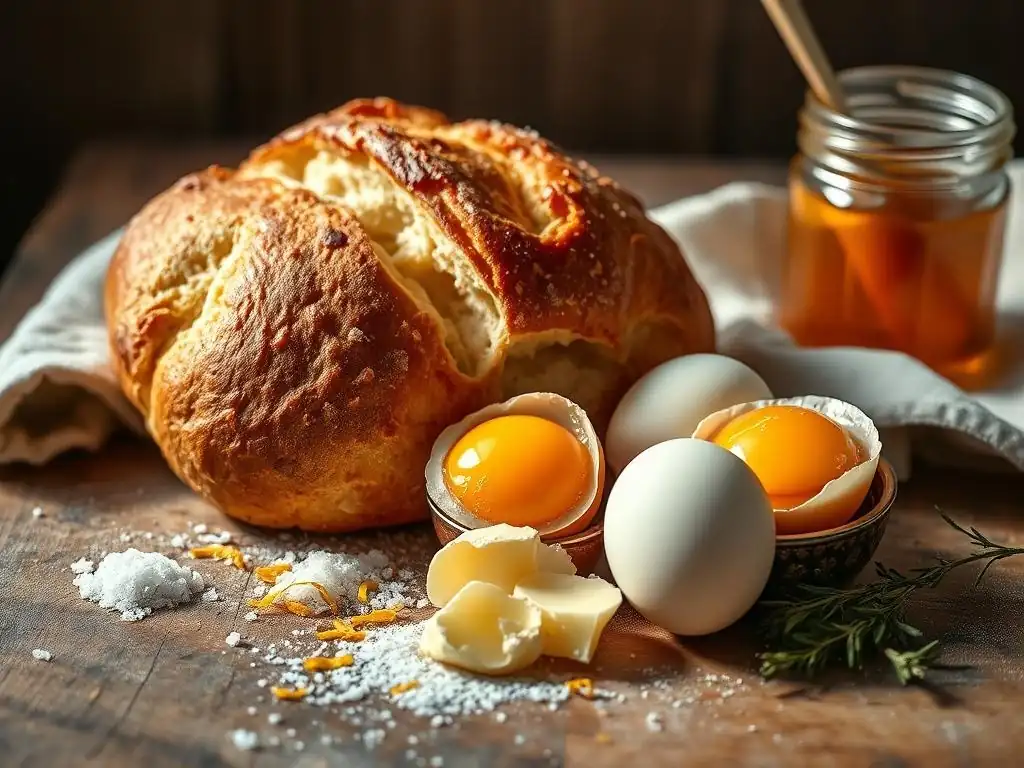
While choosing the best flour for brioche is fundamental, the other main ingredients in this rich bread play equally vital roles in defining its texture, flavor, and structure. Butter, eggs, and sugar are not mere additions; they are integral components that interact with the flour to create brioche's unique characteristics.
Understanding how these ingredients function alongside your chosen flour is essential for mastering brioche baking. They contribute significantly to the dough's richness, tenderness, and ability to brown beautifully.
The Role of Butter in Brioche
Butter is a defining ingredient in brioche, often present in quantities representing 40% to 80% (or even more) of the flour weight. It contributes significantly to the richness, flavor, and tenderness of the final loaf. Butter tenderizes the crumb by coating the flour proteins, inhibiting some gluten development. This is why incorporating butter requires specific techniques, often added gradually after the initial gluten structure has begun to form.
High-quality butter, typically unsalted to control salt levels, is preferred. The fat from the butter creates a short, tender crumb structure and contributes to a moist mouthfeel. It also helps keep the brioche fresh longer. The ability of your chosen flour (ideally the best flour for brioche - a strong bread flour) to handle this high fat load while still developing enough gluten is what makes brioche possible.
The Importance of Eggs in Enriched Doughs
Eggs are another cornerstone of brioche, adding richness, flavor, color, and contributing to the structure and tenderness. Eggs provide protein, fat, and liquid. The proteins in the egg white add to the overall protein content, contributing to structure, while the yolks add fat and emulsifiers (lecithin) that tenderize the crumb and contribute to richness and the characteristic yellow hue.
The liquid content from eggs helps hydrate the flour, enabling gluten development. The fat in the yolks, like butter, shortens gluten strands, contributing to tenderness. A typical brioche might use 3-6 eggs per pound of flour. The interaction between the egg components and the flour is crucial for achieving the desired balance of structure and tenderness in brioche.
Sugar's Influence on Brioche Texture and Flavor
Sugar in brioche serves multiple purposes. It provides food for the yeast, helping with fermentation and rise. It contributes sweetness, balancing the richness of the butter and eggs. Importantly, sugar also affects the texture and crust color. Sugar is hygroscopic, meaning it attracts and holds onto moisture, which helps keep the brioche soft and moist.
Furthermore, sugar caramelizes during baking, contributing to the beautiful golden-brown color of the brioche crust. While not the primary structural component like flour, sugar's role in fermentation, moisture retention, and browning is vital for the final product. Using a flour that can handle the addition of sugar without becoming too soft or sticky is part of selecting the best flour for brioche.
Mastering Brioche: Recipe and Tips
Putting theory into practice is key to mastering brioche. A reliable recipe combined with expert tips for handling this unique dough will set you up for success. Brioche requires patience and attention to detail, particularly during mixing, kneading, and proofing.
Let's outline a basic approach and some essential tips to help you bake delicious brioche using the best flour for brioche you can find.
Classic Brioche Recipe
Here is a basic outline for a classic brioche recipe, emphasizing proportions.
- Ingredients:
- High-protein bread flour (e.g., 12-14% protein): 500g
- Active Dry or Instant Yeast: 7-10g (approx. 1.5 - 2 tsp)
- Granulated Sugar: 50-80g (approx. 1/4 - 1/3 cup)
- Salt: 10g (approx. 1.5 tsp)
- Large Eggs: 4-5 (approx. 200-250g)
- Milk (whole): 60-100g (approx. 1/4 - 1/3 cup), cold
- Unsalted Butter, softened but cool: 250-400g (approx. 1 cup - 1.5 cups), cut into cubes
- Method Outline:
- Combine flour, yeast, sugar, and salt in a mixer bowl.
- Add eggs and milk. Mix on low speed until a rough dough forms.
- Increase speed and knead for 8-10 minutes until dough is smooth and elastic, passing a partial windowpane test.
- Gradually add softened butter cubes, a few at a time, mixing until each addition is incorporated before adding more. This can take another 10-15 minutes.
- Continue kneading until the dough is very smooth, elastic, and passes the full windowpane test. It will be soft and sticky.
- Place dough in a clean bowl, cover, and refrigerate overnight (minimum 4-6 hours) for a slow, cold fermentation. This develops flavor and makes the dough easier to handle due to the chilled butter.
- The next day, shape the cold dough, place in prepared pans, cover, and proof at room temperature until nearly doubled (1-3 hours depending on temperature).
- Brush with egg wash and bake in a preheated oven (typically 350-375°F or 175-190°C) until golden brown and cooked through.
Expert Tips for Working with Brioche Dough
Working with enriched dough like brioche can be challenging due to its stickiness and softness. Here are some tips:
- Use Cold Ingredients: Starting with cold or chilled eggs, milk, and butter helps control the dough temperature during the often-long kneading process. This prevents the butter from melting and separating, which can happen if the dough gets too warm.
- Knead Thoroughly: Brioche requires significant kneading to develop sufficient gluten strength to support the high fat content. Don't be afraid to let your stand mixer run for 15-20 minutes total. The dough should pull away from the sides of the bowl and be smooth and elastic.
- Cold Fermentation is Your Friend: Refrigerating the dough overnight (cold fermentation) is highly recommended. The cold butter solidifies, making the dough much easier to handle and shape. The slow fermentation also develops deeper flavors.
- Handle Gently When Shaping: Once cold-fermented, the dough is easier to work with. Shape it gently to avoid degassing it completely.
- Proof Properly: Brioche needs adequate proofing time to achieve a light texture. Proofing times can vary greatly depending on room temperature. Look for visual cues – the dough should be significantly increased in volume and feel airy. Don't over-proof, which can cause collapse.
- Egg Wash: An egg wash (whisked egg, sometimes with a little milk or water) brushed on before baking gives brioche its characteristic shiny, golden crust.
Achieving the Perfect Brioche Bake: Temperature and Timing
Baking brioche correctly ensures it achieves its full volume, develops a beautiful crust, and cooks through without drying out. The ideal oven temperature range is typically between 350°F (175°C) and 375°F (190°C), depending on the size and shape of the loaf or rolls. Smaller rolls bake faster (15-25 minutes), while a large loaf might take 30-45 minutes.
Preheating your oven thoroughly is crucial for even baking and good oven spring. Baking too cool can result in a pale crust and a dense crumb. Baking too hot might burn the crust before the interior is cooked. The brioche is done when it is deeply golden brown and an internal thermometer reads around 190-200°F (88-93°C). Using the best flour for brioche combined with correct baking technique ensures a perfect result.
Conclusion: Baking Brioche with Confidence – Choosing the Right Flour
Baking a truly excellent brioche is a rewarding experience, yielding a bread that is rich, tender, and utterly delicious. While the generous amounts of butter, eggs, and sugar are key to its richness, the foundation of its structure and texture lies in the flour. Selecting the best flour for brioche is the critical first step towards achieving that perfect balance of airy lightness and indulgent softness.
Understanding the role of protein content, gluten development, and how enriched ingredients interact with the flour empowers you to make informed choices. Whether you're a beginner or an experienced baker, paying close attention to your flour selection will significantly impact the success of your brioche.
Recap of the Best Flours for Brioche
Based on their protein content and gluten-forming potential, high-protein bread flours (typically 12-14% protein) are generally considered the best flour for brioche. These flours provide the necessary strength to support the heavy enrichment while allowing for a tender crumb when properly developed.
While all-purpose flour (10-12% protein) can be used, it may result in a less airy brioche. High-protein 00 flours (if their protein content is verified to be in the bread flour range) can also yield excellent results with a fine crumb. Flours like cake flour (low protein) are not suitable as the primary flour for brioche. Brands like King Arthur Bread Flour and Bob's Red Mill Artisan Bread Flour are popular, reliable options that consistently perform well for brioche.
Final Thoughts on Flour Selection for Rich Breads
Ultimately, the best flour for brioche is one that allows you to achieve the texture and rise you desire. For most bakers aiming for a classic, airy, and tender brioche, a high-protein bread flour is the most reliable choice. Don't be afraid to experiment with different brands or types of bread flour once you're comfortable with the basic technique.
Remember that flour is just one piece of the puzzle; proper kneading, cold fermentation, and careful proofing and baking are equally crucial. By starting with a high-quality, suitable flour and practicing good technique, you are well on your way to baking delicious brioche and other rich breads with confidence.
Frequently Asked Questions
What is the best type of flour to use for making brioche?
The best flour for brioche is typically bread flour because of its higher protein content. This high protein content creates the gluten structure needed for a light and airy texture.
Why is strong gluten development important for brioche?
Brioche is a rich dough, and strong gluten development is crucial to support the high fat and sugar content. Without it, the brioche will be dense and greasy, instead of light and fluffy.
Can I use all-purpose flour instead of bread flour for brioche?
While possible, using all-purpose flour is not ideal. The lower protein content can result in a less structured brioche. If you do, reduce the liquid slightly and be careful not to overmix.
What does the protein content of flour contribute to brioche?
The protein content of flour directly impacts the gluten formation. Higher protein flour (like bread flour) creates more gluten, giving the brioche its signature chewiness and rise.
Are there any special considerations for choosing flour if I'm using a stand mixer?
Using a stand mixer means you might develop more gluten. Therefore, it's important to monitor the dough carefully and avoid over-kneading, even with bread flour, to prevent a tough brioche.
Final Reflection: The Flour Power of Brioche and Beyond
The quest for the perfect brioche begins, and often ends, with the flour. This seemingly simple ingredient holds the key to unlocking the airy lightness, rich flavor, and melt-in-your-mouth texture that defines this iconic pastry. Choosing the right flour isn't just about following a recipe; it's about understanding the fundamental relationship between ingredient and outcome, a relationship that extends far beyond the world of brioche.
The impact of flour choice ripples through the entire baking landscape. From the humble loaf of bread to the most elaborate pastry, the flour we select dictates the final product's character. This exploration into the nuances of flour types has underscored for me the importance of understanding the "why" behind each ingredient, not just the "what." The best flour is the one that best suits your needs and your vision.
– a baker's wisdom passed down through generations. This simple statement encapsulates the journey we've taken, highlighting the need for mindful selection and experimentation.
Now, armed with this knowledge, I invite you to embark on your own flour-powered adventures. Don't be afraid to experiment, to deviate from the recipe, to explore the subtle differences between strong bread flour, all-purpose, and even pastry flour. The perfect brioche, the perfect loaf, the perfect pastry – it all starts with a conscious choice, a choice that elevates baking from a task to a creative endeavor. The journey of discovery awaits; go forth and bake!
Unlock the Secrets of Luscious Breads!
Thanks for joining us on this delicious journey into the world of flours! We hope you now feel confident in choosing the perfect flour for your next brioche or rich bread masterpiece. Ready to put your new knowledge to the test?
- Bake your dream brioche: Try out one of the flour types discussed today and experience the difference! Share your results with us – we love seeing your creations!
- Explore new flour options: Dive deeper into the world of baking by researching other specialty flours like rye or spelt. What unique flavors can you discover?
- Share your baking journey: Tell your friends about your new flour knowledge! What are their favorite flour discoveries?
What exciting bread recipe will you tackle first? Let's hear about it in the comments!