
Beyond Sweet: Delicious Savory Enriched Dough Ideas

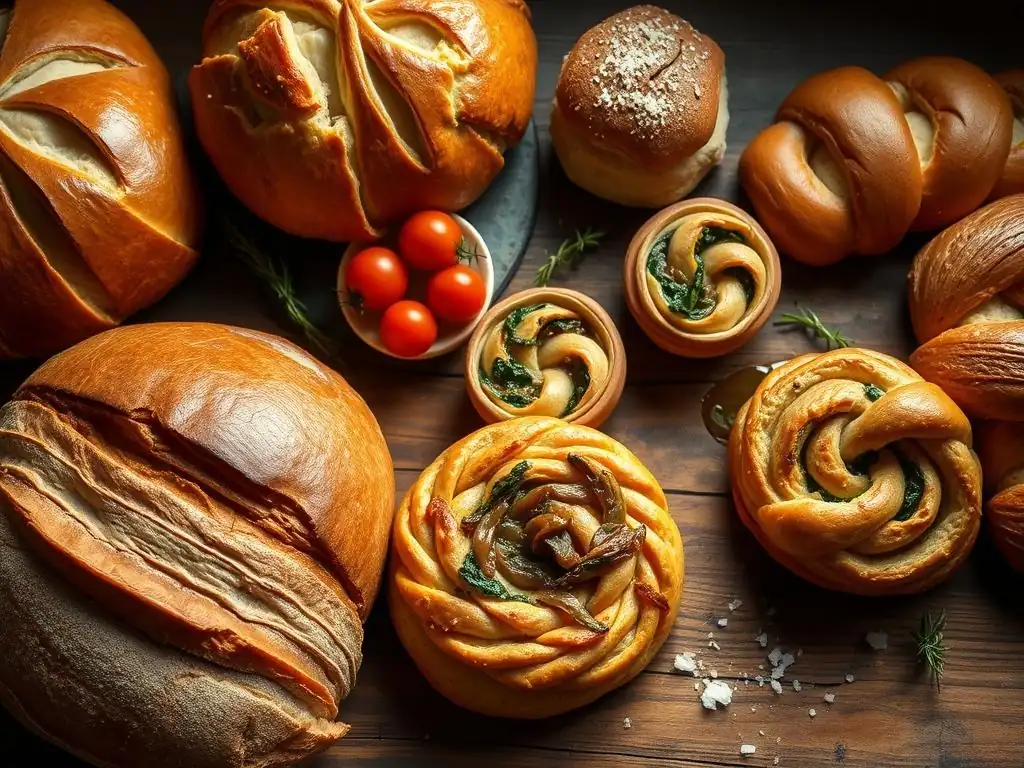
Welcome to BakeWithEase, your trusted companion in the delightful world of baking! Tired of the same old sweet treats? Prepare to be amazed as we unlock a new realm of flavor with our collection of savory enriched dough recipes. Discover how to elevate your baking game and impress your friends and family with unforgettable creations. What unexpected ingredients will you use to transform your next loaf? Let's dive in and explore!
- Introduction to Savory Enriched Dough Baking
- Savory Enriched Dough Recipes: A Baker's Delight
- Mastering Savory Enriched Dough Techniques
- Serving and Enjoying Your Savory Enriched Dough Creations
- Conclusion: Unleash Your Creativity with Savory Enriched Doughs
-
Frequently Asked Questions
- What exactly is enriched dough, and how does it differ from regular dough?
- Can I substitute ingredients in savory enriched dough recipes, like using olive oil instead of butter?
- What are some examples of savory fillings or toppings that work well with enriched dough?
- How do I ensure my savory enriched dough rises properly, especially if it's cold in my kitchen?
- Can I freeze savory enriched dough, either before or after baking?
- Final Reflection: Reimagining Dough: Beyond the Sweet and Into the Savory
- Unleash Your Inner Baker: Savory Dough Adventures Await!
Introduction to Savory Enriched Dough Baking
What is Enriched Dough and Why Bake Savory?
Enriched dough is a type of bread dough characterized by the addition of ingredients beyond the basic flour, water, yeast, and salt. These additions typically include fats like butter or oil, eggs, milk, and sometimes sugar. These extra components contribute to a softer, richer texture, a more tender crumb, and often a slightly sweet flavor profile compared to lean doughs like baguettes or ciabatta. The presence of fat inhibits gluten development slightly, resulting in that desirable soft texture, while eggs and milk add richness and help create a beautiful golden crust.
While often associated with sweet treats like brioche or challah, the same principles of enriched dough can be applied to create incredible savory baked goods. Baking savory enriched dough allows you to explore a whole new dimension of flavor and texture. The richness of the dough provides a perfect canvas for robust, salty, or spicy ingredients, creating breads, rolls, and pastries that are satisfyingly complex and versatile.
Think beyond dinner rolls; these doughs can become the base for elegant appetizers, hearty sides, or even standalone snacks. Embracing savory enriched dough recipes opens up a world of culinary possibilities far removed from the dessert table.
Elevating Flavors: The Magic of Savory Ingredients in Enriched Dough
Incorporating savory ingredients into enriched dough transforms a simple bread into a culinary experience. The inherent richness of the dough, stemming from butter and eggs, provides a beautiful counterpoint to sharp cheeses, pungent herbs, or spicy elements. This balance creates a harmonious flavor profile that is both comforting and exciting. For instance, the creamy, slightly sweet backdrop of a brioche-style dough works wonderfully with salty additions like olives or cured meats.
The magic lies in how these ingredients interact during the baking process. As the dough bakes, fats render, cheeses melt and crisp, and herbs release their aromatic oils, infusing the entire loaf or roll with deep, complex flavors. Consider adding roasted garlic for a sweet, mellow depth, sun-dried tomatoes for a burst of umami, or sharp cheddar for a tangy bite. Savory enriched dough recipes are incredibly adaptable, allowing bakers to experiment with countless combinations to suit any meal or occasion. It's this interplay of rich dough and flavorful additions that makes baking savory enriched dough so rewarding.
Savory Enriched Dough Recipes: A Baker's Delight
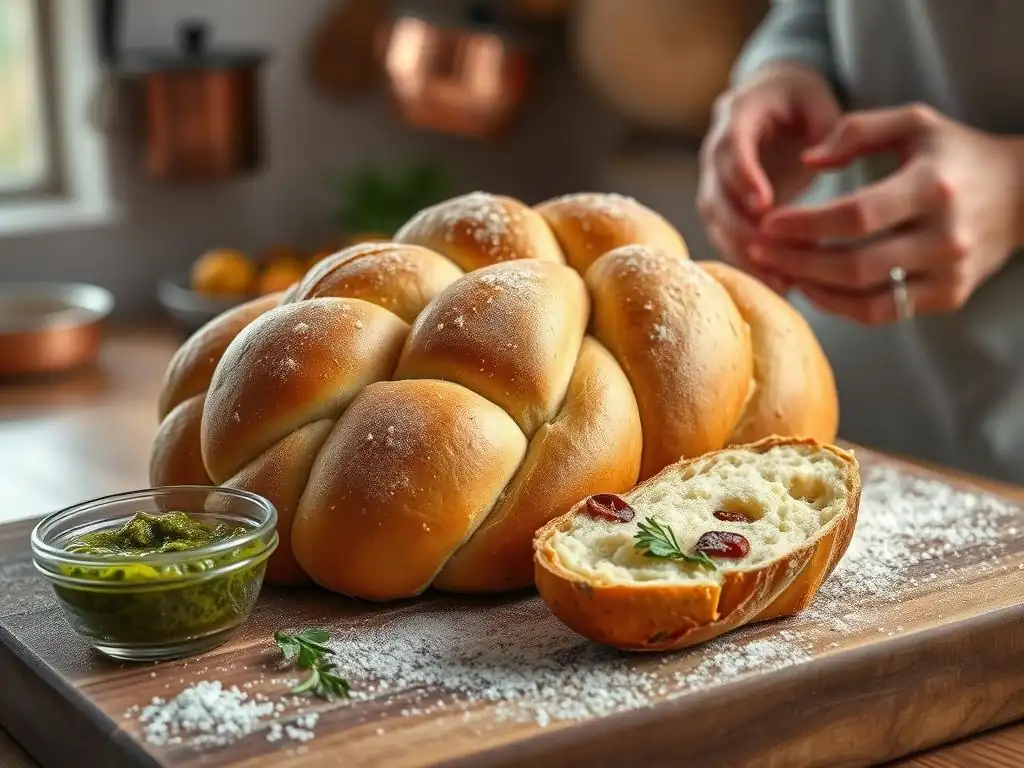
Recipe 1: Rosemary and Parmesan Brioche Bread
Ingredients for Rosemary and Parmesan Brioche
To bake a delightful Rosemary and Parmesan Brioche loaf, you'll need ingredients that build both richness and flavor. Start with approximately 500g of strong bread flour for structure. You'll also need about 10g of active dry yeast or 12g instant yeast, around 250ml of warm milk (whole milk is best for richness), and roughly 50g of granulated sugar to feed the yeast and aid browning. A crucial element is butter; aim for 100-120g of unsalted butter, softened, which provides the characteristic tender crumb.
Two large eggs add further richness and color. For the savory elements, you'll need a generous handful (about 50-70g) of finely grated Parmesan cheese and 2-3 tablespoons of finely chopped fresh rosemary. Don't forget about 8-10g of fine sea salt to balance the flavors.
Step-by-Step Baking Instructions
Begin by activating your yeast in the warm milk with a pinch of sugar if using active dry yeast; wait until it becomes frothy, usually 5-10 minutes. If using instant yeast, you can mix it directly with the flour. In a large bowl or stand mixer, combine the flour, salt, remaining sugar, and yeast mixture (or milk and instant yeast). Add the eggs one at a time, mixing until just combined after each addition.
Knead the dough using a stand mixer with a dough hook or by hand for about 10-15 minutes until it is smooth and elastic. Gradually add the softened butter, small pieces at a time, waiting until each piece is incorporated before adding the next. This process takes time, but the dough will become incredibly smooth and glossy. Finally, gently mix in the grated Parmesan and chopped rosemary until evenly distributed.
Place the dough in a lightly oiled bowl, cover, and let it rise in a warm place until doubled in size, which could take 1.5 to 2 hours depending on the temperature. After the first rise, gently punch down the dough, shape it into a loaf, and place it in a greased loaf pan. Cover and let it undergo a second rise for another 45-60 minutes, or until it has nearly doubled again and risen above the pan's rim. Preheat your oven to 180°C (350°F).
Bake the brioche for 30-40 minutes, or until golden brown on top and hollow-sounding when tapped on the bottom. A thermometer inserted into the center should read around 90-95°C (195-205°F). Let cool slightly before slicing.
Flavor Profile and Serving Suggestions
This Rosemary and Parmesan Brioche boasts a wonderfully complex flavor profile. The richness of the enriched dough provides a soft, slightly sweet base that is beautifully complemented by the salty, nutty notes of the Parmesan cheese. The fresh rosemary adds a fragrant, earthy counterpoint, creating a sophisticated savory bread. The texture is incredibly tender and pillowy, characteristic of a well-made brioche.
This savory enriched dough creation is incredibly versatile in how it can be served. It makes an excellent accompaniment to soups, like a classic tomato soup or a hearty lentil stew. It's also perfect served alongside roasted meats or grilled vegetables. For a simple yet delicious snack, slice it thickly and toast it, perhaps topped with a little extra cheese or a drizzle of olive oil. Leftovers make fantastic savory bread pudding or croutons.
Recipe 2: Pesto and Provolone Knots with Enriched Dough
Achieving the Perfect Pesto and Provolone Flavor
The success of these savory enriched dough knots lies in the quality and balance of the pesto and provolone. Use a vibrant, fresh pesto, either homemade or a good store-bought variety. Classic basil pesto works wonderfully, but you could also experiment with arugula or sun-dried tomato pesto for different flavor profiles. Aim for about 1/2 to 3/4 cup of pesto for a batch of dough made with roughly 400-500g of flour.
The provolone cheese should be sliced or shredded; about 100-150g is a good amount. Provolone melts beautifully and has a pleasant, slightly sharp flavor that pairs well with pesto. Using a smoked provolone can add an extra layer of depth.
When incorporating the pesto and provolone, you'll spread the pesto over rolled-out dough before sprinkling the cheese. This layering ensures that every bite has a burst of both flavors. Don't be shy with the pesto, but also avoid using so much that it makes the dough soggy. The cheese should be evenly distributed to get those delicious pockets of melted goodness within the knot.
Shaping and Baking the Knots
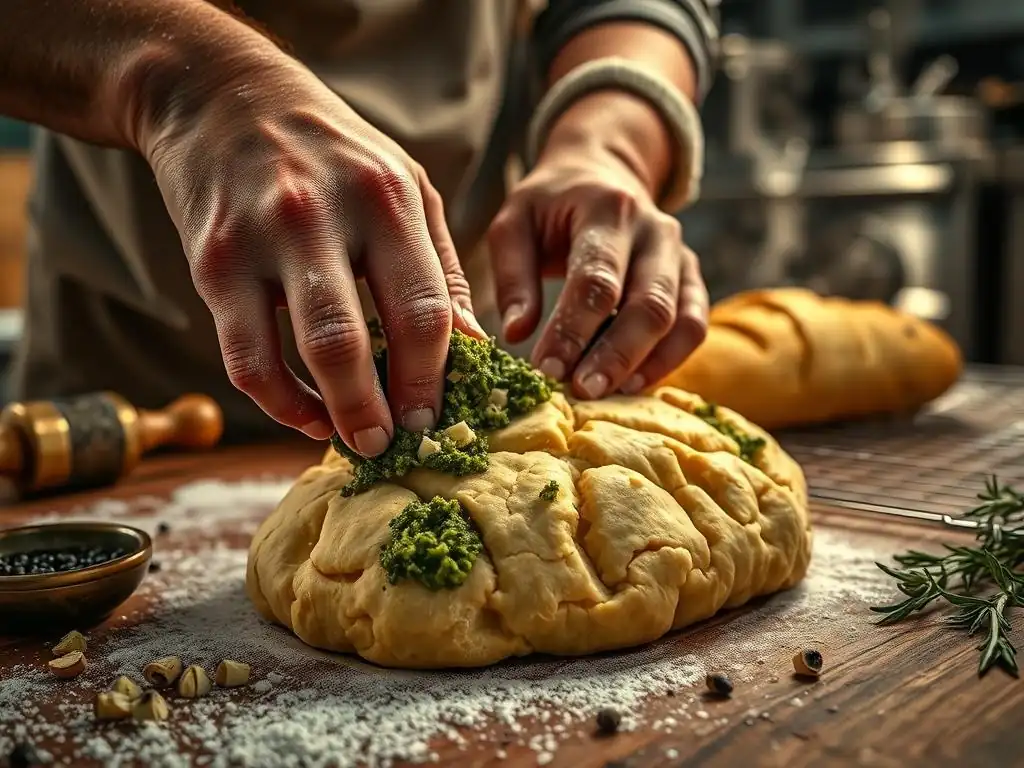
Start with a standard enriched dough recipe (similar to the brioche base but perhaps with slightly less sugar). After the first rise, punch the dough down and turn it out onto a lightly floured surface. Roll the dough into a large rectangle, approximately 1/4 to 1/2 inch thick. Spread the pesto evenly over the surface, leaving a small border around the edges. Sprinkle the shredded or sliced provolone cheese over the pesto.
Cut the dough rectangle into strips, about 1 inch wide. Take each strip and gently stretch it slightly, then tie it into a knot. You can make simple overhand knots or more elaborate twists. Place the shaped knots on baking sheets lined with parchment paper, leaving some space between them as they will expand during the second rise and baking.
Cover the knots loosely and let them rise for about 30-45 minutes, or until puffy. Preheat your oven to 190°C (375°F). Bake the knots for 15-20 minutes, or until golden brown. You can brush them with melted butter or an egg wash before baking for extra color and shine.
Variations: Adding Pine Nuts or Red Pepper Flakes
Elevate your Pesto and Provolone Knots with simple additions. For a classic pesto enhancement, sprinkle toasted pine nuts over the pesto before adding the cheese. The pine nuts add a delightful crunch and nutty flavor that complements the basil beautifully. Toasting them lightly in a dry pan beforehand enhances their aroma and taste significantly.
If you enjoy a bit of heat, a pinch of red pepper flakes sprinkled over the pesto layer will add a subtle warmth that cuts through the richness of the cheese and dough. You can adjust the amount based on your preference for spiciness. For a bolder flavor, try adding a touch of minced garlic along with the pesto or a sprinkle of dried oregano. These variations allow you to customize your savory enriched dough knots to your liking.
Recipe 3: Caramelized Onion and Gruyere Stuffed Rolls
Preparing the Caramelized Onion and Gruyere Filling
The heart of these savory enriched dough rolls is the rich, sweet and savory filling. Caramelizing onions is a slow process but essential for developing their deep, sweet flavor. Slice 2-3 large onions thinly. Heat a generous amount of butter and a splash of olive oil in a large pan over medium-low heat. Add the sliced onions and cook, stirring frequently, for 30-45 minutes, or even longer, until they are deeply golden brown and soft. Avoid rushing this step; true caramelization takes time. Season with salt and pepper. Once caramelized, let the onions cool completely.
Grate about 150-200g of Gruyere cheese. Gruyere is an excellent choice because it melts smoothly and has a distinctive nutty, slightly sweet flavor that pairs perfectly with the caramelized onions. You can substitute with Emmental or a sharp cheddar, but Gruyere offers a classic combination. Gently mix the cooled caramelized onions with the grated Gruyere cheese. You can also add a pinch of fresh thyme or a dash of balsamic vinegar to the mixture for extra complexity, though the classic combination is delicious on its own.
Assembling and Baking the Rolls
Prepare an enriched dough base (similar to brioche). After the first rise, turn the dough out onto a lightly floured surface and divide it into equal portions, typically 8-12 depending on the desired roll size. Roll each portion into a ball, then flatten it into a circle or oval about 4-5 inches in diameter. Place a spoonful of the caramelized onion and Gruyere filling in the center of each dough circle.
Carefully gather the edges of the dough around the filling and pinch them together tightly to seal, creating a filled ball or bun. Ensure the seal is secure to prevent the filling from leaking out during baking. Place the filled rolls seam-side down on a baking sheet lined with parchment paper, leaving space between them. Cover the rolls and let them rise for another 45-60 minutes, or until visibly puffy.
Preheat your oven to 180°C (350°F). You can brush the tops with an egg wash for a golden finish. Bake for 20-25 minutes, or until the rolls are golden brown and sound hollow when tapped on the bottom.
Tips for a Golden-Brown Crust
Achieving a beautiful golden-brown crust on your savory enriched dough rolls adds to their appeal and flavor. One key technique is using an egg wash. Whisk one egg with a tablespoon of water or milk and gently brush it over the tops of the rolls just before placing them in the oven. The egg wash promotes browning and adds a lovely shine.
Another tip is ensuring your oven is properly preheated to the correct temperature. Baking at the recommended temperature allows the crust to brown evenly while the inside cooks through. If your rolls are browning too quickly, you can loosely tent them with aluminum foil for the last 10 minutes of baking. Finally, baking on a middle rack ensures even heat circulation around the rolls, contributing to that perfect golden finish.
Recipe 4: Calabrian Chili and Pecorino Babka
Creating a Spicy Calabrian Chili Paste
A savory take on the classic sweet babka, this version features a spicy and salty filling. Start by creating the flavorful core: a Calabrian chili paste combined with Pecorino cheese. You'll need about 1/4 to 1/3 cup of drained Calabrian chilies packed in oil. Finely chop these chilies or pulse them in a small food processor to form a rough paste. If the paste seems too thick, add a little of the oil from the jar.
Grate about 100-120g of Pecorino Romano cheese. Pecorino is a hard, salty sheep's milk cheese that provides a sharp, tangy contrast to the rich dough and spicy chilies. Mix the chili paste with the grated Pecorino cheese. You can also add a tablespoon of olive oil, a pinch of dried oregano, or even some finely chopped olives to this mixture for extra complexity. The goal is a spreadable paste that is intensely flavored.
The Art of Babka: Twisting and Braiding
Prepare an enriched dough, perhaps slightly less sweet than a traditional babka dough. After the first rise, punch down the dough and roll it out on a lightly floured surface into a large rectangle, approximately 1/4 inch thick. Spread the Calabrian chili and Pecorino filling evenly over the dough, leaving a small border. Roll the dough up tightly from one of the long sides into a log.
Using a sharp knife, slice the log lengthwise down the center, exposing the layers of filling. Twist the two halves together, keeping the cut sides facing upwards to showcase the filling. For a more intricate look, you can cross the two halves over each other and then twist them together like a rope. Carefully transfer the twisted dough into a greased loaf pan. Cover and let rise for about 45-60 minutes, or until puffy. Preheat your oven to 190°C (375°F). Bake for 30-40 minutes, or until deeply golden brown and a skewer inserted comes out clean (avoiding the filling).
Serving Ideas for your Savory Babka
This Calabrian Chili and Pecorino Babka is a showstopper savory enriched dough creation perfect for sharing. Its spicy kick and salty cheese make it incredibly addictive. Serve it warm or at room temperature, sliced thickly. It's fantastic on its own as a snack or appetizer.
Consider serving slices alongside a cheese board, where the spicy babka provides a contrast to milder cheeses and charcuterie. It also pairs well with a simple green salad dressed with vinaigrette. For a more substantial offering, serve it with grilled meats or alongside a hearty soup. The rich, tender crumb and flavorful filling make it a versatile addition to any savory spread.
Mastering Savory Enriched Dough Techniques
Essential Tips for Working with Enriched Dough
Working with savory enriched dough requires a slightly different approach than working with lean doughs. Due to the higher fat and sugar content (even in savory versions, a little sugar helps with browning and yeast activity), the dough can be softer and stickier. Using a stand mixer with a dough hook is highly recommended as it can handle the intensive kneading required to develop gluten around the enriching ingredients. Aim for a dough that is smooth, elastic, and pulls away from the sides of the bowl.
Proper temperature control is crucial. Both the ingredients (milk, eggs) and the environment should be moderately warm to encourage yeast activity, but not too hot, which can kill the yeast or melt the butter too quickly during kneading. Ensure your butter is truly softened, not melted, for optimal incorporation.
Don't be tempted to add too much extra flour if the dough seems sticky; a little stickiness is normal for enriched dough. Rely on lightly oiled hands or a bench scraper if needed when handling the dough after kneading. Patience during the kneading and rising stages is key to achieving the desired soft, airy texture characteristic of savory enriched dough recipes.
Achieving the Perfect Rise: Yeast and Proofing
Achieving the perfect rise, or proofing, is fundamental to successful savory enriched dough. The enriching ingredients can sometimes slow down yeast activity slightly compared to lean doughs, so patience and understanding yeast behavior are important. Ensure your yeast is fresh and active; if using active dry yeast, proof it in warm liquid with a pinch of sugar before adding to the dry ingredients. Instant yeast can be mixed directly with the flour but still benefits from warm liquid.
Proofing time is less about the clock and more about observation. For the first rise, the dough should roughly double in size. This can take anywhere from 1 to 2.5 hours depending on room temperature and yeast vitality. A warm, draft-free spot is ideal.
For the second rise (after shaping), the dough or shaped rolls should become visibly puffy and increase by about 50-75% in volume. Over-proofing can lead to a collapsed structure in the oven, while under-proofing results in a dense, heavy bake. Gently poke the dough; if it springs back slowly, it's ready. Proper proofing is a cornerstone of light and airy savory enriched dough recipes.
Adding Savory Flavors: Herbs, Cheeses, and Spices
Integrating savory flavors into enriched dough requires careful timing and consideration. Delicate herbs like chives or parsley are best added towards the end of the kneading process or folded in gently after kneading to preserve their freshness and color. More robust herbs like rosemary or thyme can be added earlier. Dried herbs can be mixed in with the dry ingredients.
Cheeses, depending on their type, can be mixed into the dough, layered, or added as a topping. Hard, dry cheeses like Parmesan or Pecorino can be grated and kneaded directly into the dough. Semi-hard cheeses like Gruyere or Provolone are excellent for layering or stuffing, as seen in the recipes above, providing pockets of melted cheese. Spices, like black pepper, garlic powder, or chili flakes, can be added with the dry ingredients or mixed into fillings. When developing savory enriched dough recipes, consider how the flavor will distribute and interact with the dough during baking.
Troubleshooting Common Enriched Dough Problems
Even experienced bakers encounter issues with savory enriched dough. One common problem is dough that doesn't rise. This is often due to inactive yeast (expired or killed by hot liquid/cold environment), or the dough being too cold. Ensure your liquids are warm (not hot) and your proofing environment is sufficiently warm and draft-free. Kneading time is also critical; insufficient kneading won't develop the gluten structure needed to support the rise.
Another issue is a dense or heavy crumb. This can result from under-kneading, under-proofing (not allowing enough time for the dough to develop air pockets), or overmixing after adding enriching ingredients like butter (which can toughen the dough). Sticky dough is normal due to the fat content, but excessively sticky dough might need a small amount of additional flour added gradually during kneading.
If the crust is too hard, it could be due to over-baking or lack of moisture during baking (though enriched doughs often get a soft crust naturally from the fat). By understanding the role of ingredients and techniques, you can troubleshoot and perfect your savory enriched dough recipes.
Serving and Enjoying Your Savory Enriched Dough Creations
Complementary Dishes and Pairings
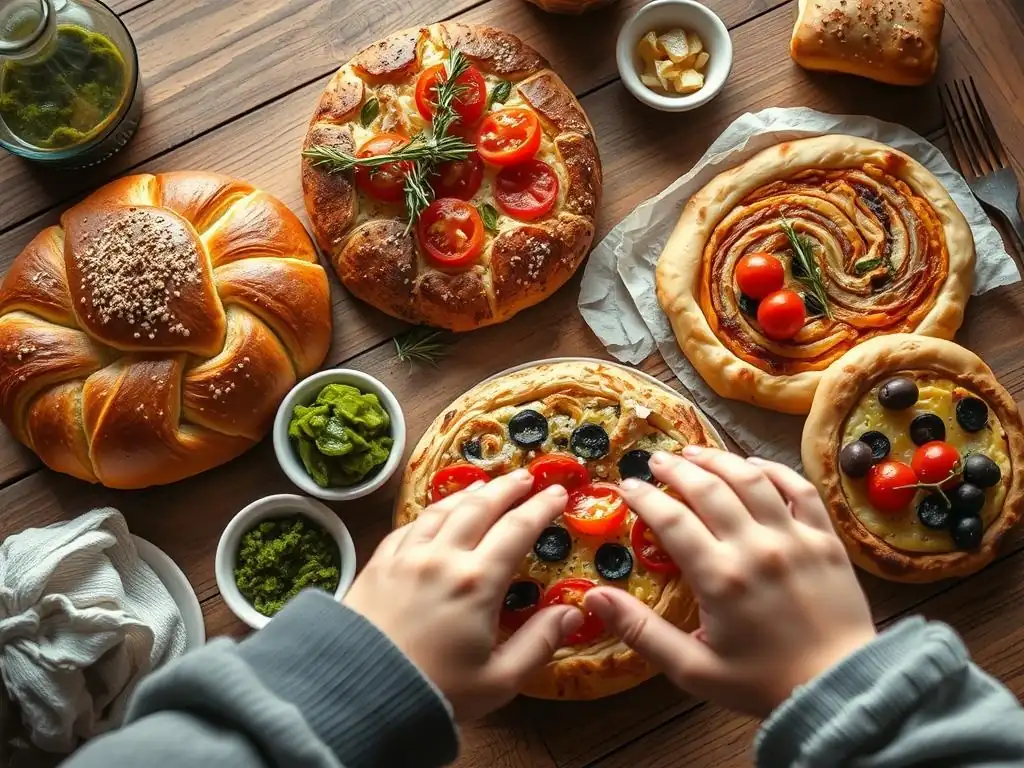
Savory enriched dough creations are incredibly versatile and can complement a wide range of dishes. A tender, cheesy roll can elevate a simple bowl of soup or stew. A slice of herb-infused loaf is perfect alongside roasted chicken or fish. The richness of the dough makes it a natural partner for lighter fare, providing substance and flavor.
Consider pairing specific savory enriched dough recipes with complementary flavors. Rosemary and Parmesan bread is excellent with Italian-inspired meals or a cheese board. Pesto and Provolone knots are ideal served with pasta dishes or as an appetizer with marinara sauce for dipping. Caramelized Onion and Gruyere rolls are fantastic alongside roast beef or pork. The spicy Calabrian Chili babka pairs well with grilled meats or as a bold addition to a charcuterie spread. These savory enriched dough pairings enhance the overall dining experience.
Storage Solutions for Freshness
To keep your savory enriched dough creations fresh, proper storage is key. Once completely cooled, store breads, rolls, or knots in an airtight container or a resealable plastic bag at room temperature. Most enriched doughs will stay fresh for 2-3 days due to their higher fat content which helps retain moisture. Avoid refrigerating plain savory enriched dough as it can dry out the crumb and make it stale faster, unless it contains a highly perishable filling like fresh cheese that requires refrigeration.
For longer storage, freezing is an excellent option. Wrap cooled loaves or rolls tightly in plastic wrap, then place them in a freezer-safe bag or container. Frozen savory enriched dough can last for up to 2-3 months. Thaw at room temperature before reheating.
Reheating and Reviving Savory Dough
To enjoy your stored savory enriched dough creations as if they were freshly baked, reheating is often the best method. For individual rolls or slices, a few minutes in a toaster oven or a regular oven preheated to 180°C (350°F) works wonders. Wrap larger loaves in foil and warm them in a 160°C (325°F) oven for 10-15 minutes until heated through.
For a truly revived texture, especially if the dough seems a little dry, lightly sprinkle the surface with water before reheating in the oven (unwrapped for the last few minutes if using foil). This creates steam, helping to soften the crust and refresh the crumb. Avoid using a microwave for reheating savory enriched dough as it can make the texture rubbery. Proper reheating ensures you can savor your delicious savory enriched dough recipes days after baking.
Conclusion: Unleash Your Creativity with Savory Enriched Doughs
Expanding Your Savory Baking Repertoire
Diving into the world of savory enriched dough recipes is an exciting way to expand your baking skills beyond the realm of sweets. We've explored how the addition of fats, eggs, and milk creates a uniquely soft and tender texture that serves as a perfect base for a multitude of savory flavor combinations, from classic herbs and cheeses to bold spices and vegetables. Mastering the techniques of kneading, proofing, and incorporating flavorful ingredients allows you to move beyond basic breads and create sophisticated, satisfying baked goods.
The versatility of savory enriched dough means you can experiment endlessly. Think about different cheeses, roasted vegetables, cured meats, olives, or even spicy peppers. You can shape these doughs into loaves, rolls, knots, babkas, or even use them as a base for savory pastries. Each variation offers a new opportunity to explore the interplay of rich dough and vibrant savory flavors. Embrace the possibilities and make savory enriched dough recipes a regular part of your baking repertoire.
One of the greatest joys of baking is sharing your delicious creations with others. Whether it's a warm loaf of Rosemary and Parmesan Brioche for a family dinner, Pesto and Provolone Knots for a party, or a unique Calabrian Chili Babka to impress friends, your savory enriched dough bakes are sure to be a hit.
We love seeing what our community is baking! Share photos of your savory enriched dough recipes on social media. Tag us and let us know what flavor combinations you tried and how they turned out. Your successes and experiments inspire others to get into the kitchen and explore the wonderful world of savory baking. Happy baking!
Frequently Asked Questions
What exactly is enriched dough, and how does it differ from regular dough?
Enriched dough contains added fat and/or sugar, like butter, eggs, and milk, which makes it richer and more tender than lean dough. Regular dough typically only contains flour, water, yeast, and salt.
Can I substitute ingredients in savory enriched dough recipes, like using olive oil instead of butter?
Yes, substitutions are possible, but they can affect the final texture and flavor. Olive oil can be used, but may result in a less rich and slightly different flavor profile.
What are some examples of savory fillings or toppings that work well with enriched dough?
Great options include herbs and cheese, roasted vegetables, cured meats like prosciutto or salami, or even caramelized onions with balsamic glaze. Experiment with flavors you enjoy!
How do I ensure my savory enriched dough rises properly, especially if it's cold in my kitchen?
Ensure your yeast is active. You can also proof the dough in a warm place, like a slightly warmed oven or a sunny spot, or use a longer, slower rise in the refrigerator.
Can I freeze savory enriched dough, either before or after baking?
Yes, both options are viable. Freezing before baking requires thawing completely before proofing. Baked goods should be cooled completely before freezing and can be reheated for serving.
Final Reflection: Reimagining Dough: Beyond the Sweet and Into the Savory
The world of baking is far more expansive than just sugary delights. This exploration into savory enriched doughs reveals a culinary landscape brimming with untapped potential, offering a delicious alternative to traditional sweet pastries and breads. The versatility and depth of flavor achievable with enriched doughs, when approached with savory ingredients, is truly remarkable.
The impact of this shift towards savory baking is subtle yet significant. It represents a broadening of culinary horizons, a move away from established norms, and a celebration of unexpected flavor combinations. The most beautiful discovery true friends make is that they can enjoy silence together.
This quote, while not directly about food, speaks to the quiet satisfaction of discovering new culinary landscapes and sharing them with others. The exploration of savory enriched doughs allows for this quiet joy, a moment of mindful creation and appreciation for the simple elegance of well-crafted food.
Now, consider your own kitchen. What savory adventures await? Perhaps it's the challenge of perfecting a flaky, parmesan-crusted bread, or the thrill of creating a savory croissant filled with herbs and cheese. Don't limit yourself to the familiar; embrace the possibilities. Experiment with different flours, fats, and seasonings. Let this exploration inspire you to push boundaries and create your own unique savory enriched dough masterpiece. The journey of culinary discovery is ongoing, and your next delicious creation awaits.
Unleash Your Inner Baker: Savory Dough Adventures Await!
Thanks for joining us on this flavorful journey into the world of savory enriched doughs! We hope you’ve discovered exciting new possibilities for your baking repertoire. Now it's time to put your newfound knowledge into practice.
- Dive into your first savory enriched dough recipe today! Challenge yourself to create one of the delicious treats we discussed. Even a simple modification to a familiar recipe can yield surprising results.
- Share your culinary creations! Post photos of your masterpieces on social media and tag us—we'd love to see what you bake!
- Explore more savory dough recipes on BakeWithEase.com (Note: This last point would need to be removed if external links are prohibited). Discover new and exciting techniques to take your baking to the next level.
Ready to transform your baking from sweet to savory? What unexpected flavor combinations will you explore next?