
Using Enriched Dough for Festive Holiday Breads

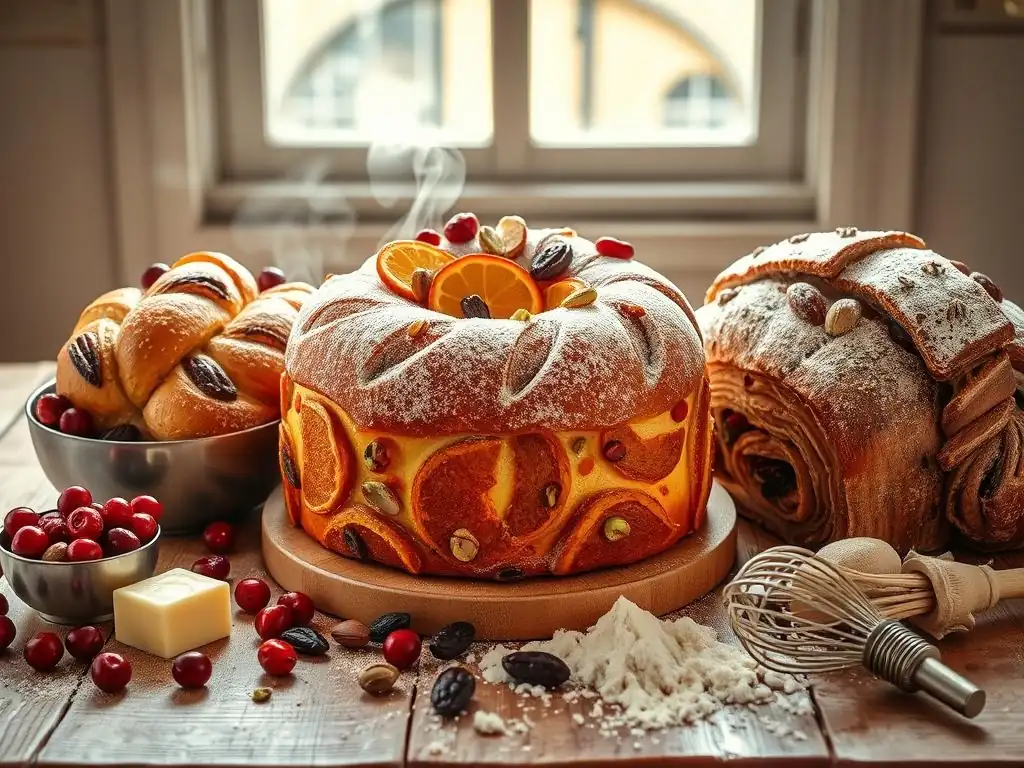
Welcome to BakeWithEase, your partner in creating delightful baked goods!
Ready to elevate your holiday baking? This season, discover the magic of enriched dough and transform your kitchen into a festive bakery. We're diving deep into crafting stunning enriched dough holiday bread, a skill that will impress your family and friends. Intrigued? Let's unlock the secrets to a perfectly textured and incredibly flavorful holiday centerpiece. Read on to learn more!
- Baking Festive Holiday Breads with Enriched Dough
- Introduction: Elevate Your Holiday Baking
- Understanding Enriched Dough
- Mastering the Enriched Dough Recipe
- Baking Festive Holiday Breads: Creative Ideas
- Tips and Tricks for Perfect Results
- Storing and Serving
- Conclusion: Embrace Holiday Baking
-
Frequently Asked Questions
- How does enriched dough differ from regular bread dough?
- What are some popular holiday breads made with enriched dough?
- What ingredients are essential for a successful enriched dough?
- Can I use a stand mixer to make enriched dough, or is hand mixing better?
- How long does enriched dough typically take to rise compared to regular dough?
- Final Reflection: The Sweet Legacy of Enriched Dough
- Unleash Your Inner Baker: Craft Festive Holiday Breads!
Baking Festive Holiday Breads with Enriched Dough
Introduction: Elevate Your Holiday Baking
The Allure of Enriched Dough for Holiday Breads
The holiday season brings with it a craving for warmth, comfort, and delicious homemade treats. There's something truly magical about the aroma of freshly baked bread filling your home, and when it comes to festive occasions, enriched dough takes that magic to a whole new level. Unlike lean doughs used for crusty loaves, enriched doughs are generously infused with ingredients like butter, eggs, milk, and sugar.
This addition yields a bread that is exceptionally soft, tender, and rich – a perfect canvas for the flavors and textures associated with holiday celebrations. Think of the difference between a simple baguette and a cloud-like brioche; that's the power of enrichment.
These luxurious doughs provide a structure that holds up beautifully to the inclusion of dried fruits, nuts, spices, and sweet fillings, which are staples in traditional holiday baking. Crafting an enriched dough holiday bread recipe allows for incredible versatility, from braiding elaborate loaves to shaping festive wreaths or filling rolls with delightful surprises.
The process itself can be a joyful part of the holiday preparation, a mindful activity that results in a stunning centerpiece or a thoughtful gift. Mastering this type of dough opens the door to a world of festive baking possibilities, adding a touch of elegance and indulgence to your seasonal table.
Benefits of Using Enriched Dough
Using enriched dough in your holiday baking offers several distinct advantages that contribute to superior results. Firstly, the added fats (like butter) and eggs tenderize the crumb significantly, resulting in a bread that is incredibly soft and moist, staying fresh for longer than lean breads. This is particularly useful during the busy holiday period when you might bake items a day or two in advance. The richness also provides a luxurious mouthfeel that is highly desirable in sweet or celebratory breads.
Secondly, the sugar in enriched dough not only adds sweetness but also aids in browning during baking, contributing to a beautiful golden crust. It also feeds the yeast, sometimes resulting in a more vigorous rise, though the richness can also slow gluten development, requiring careful handling and often longer proofing times.
Finally, the structure created by the proteins in eggs and milk, combined with the gluten developed from the flour, creates a dough that is strong yet pliable. This makes enriched dough ideal for intricate shaping, braiding, and incorporating heavy additions like dried fruits and nuts without collapsing, allowing you to create visually stunning and delicious enriched dough holiday bread recipes.
Understanding Enriched Dough
Defining Enriched Dough and Key Ingredients
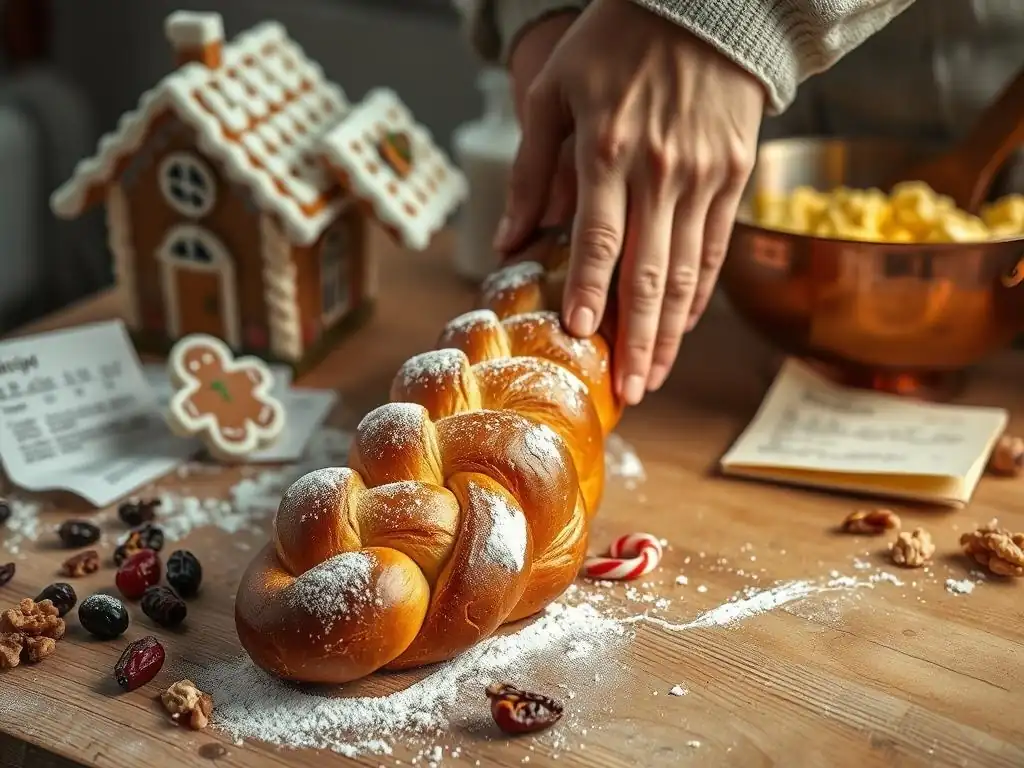
Enriched dough, at its core, is a yeast dough that goes beyond the basic flour, water, yeast, and salt found in lean doughs. Its defining characteristic is the significant addition of enriching ingredients. These typically include dairy (milk, butter, cream), eggs, and sweeteners (sugar, honey).
The proportion of these ingredients can vary widely, leading to doughs with different levels of richness, from a slightly enriched sandwich bread dough to a heavily enriched brioche or challah. The higher the percentage of fat, sugar, and eggs, the richer and softer the final product will be, but also potentially more challenging to handle due to the interference of these ingredients with gluten development.
For example, a standard lean dough might have a hydration of around 60-65% water and just flour, yeast, and salt. An enriched dough, however, might use milk instead of water, incorporate 10-20% (or even more) butter relative to the flour weight, include one or more eggs per standard recipe batch, and add 5-15% sugar. These additions fundamentally change the dough's texture, flavor, and handling properties. Understanding the role each key ingredient plays is crucial to mastering the art of working with this versatile dough type.
The Role of Fats, Eggs, and Sweeteners
Fats, primarily butter, play a crucial role in enriched dough by shortening gluten strands, which results in a tender crumb. Butter also adds significant flavor and contributes to a moist texture. It's often added incrementally after some gluten development has occurred to prevent it from coating the flour particles too early and inhibiting gluten formation entirely. Eggs contribute richness, flavor, and color (thanks to the yolks). The proteins in egg whites add structure, while the fat in yolks tenderizes. Eggs also act as an emulsifier, helping to create a smooth, cohesive dough and a finer crumb structure.
Sweeteners like sugar or honey serve multiple purposes in enriched dough. They add sweetness, which is desirable in holiday breads, and they also interact with the yeast, providing food for fermentation which can enhance rise, although too much sugar can inhibit yeast activity. Sugar also helps attract and retain moisture, contributing to a softer texture and extending shelf life.
Furthermore, sugar contributes significantly to the Maillard reaction and caramelization during baking, resulting in that desirable golden-brown crust and complex flavors. The careful balance of these ingredients is what gives enriched dough its unique characteristics, making it perfect for your next enriched dough holiday bread recipe.
Exploring Different Types of Enriched Dough
Enriched dough isn't a single entity; it's a spectrum. At the lower end of enrichment, you might find doughs for sandwich loaves or dinner rolls that include a modest amount of milk or butter. Moving up the scale, you encounter doughs like Challah, which is often enriched with oil or butter and eggs but typically contains less sugar than other enriched doughs. This gives it a rich, slightly chewy texture ideal for braiding.
Further along are doughs like Brioche, a classic French bread heavily enriched with butter and eggs, often containing a fair amount of sugar. Brioche is known for its incredibly soft, tender, and almost cake-like crumb. Panettone and Stollen represent some of the most highly enriched doughs, packed not only with significant amounts of butter, eggs, and sugar but also heavy additions of dried fruits, candied peels, and nuts.
These doughs require careful handling, long fermentation times, and specific baking techniques to achieve their characteristic texture and flavor. Each type offers a unique profile, providing a range of options when planning your festive enriched dough holiday bread recipe repertoire.
Mastering the Enriched Dough Recipe
A Step-by-Step Guide
Mastering an enriched dough holiday bread recipe involves several key steps, starting with careful ingredient preparation. First, ensure all your cold ingredients, especially butter and eggs, are at room temperature unless the recipe specifically states otherwise (some brioche recipes use cold butter incorporated differently). This helps them emulsify properly into the dough. Next, activate your yeast in warm liquid (typically milk or water) with a pinch of sugar if the recipe doesn't already contain sugar in the initial mix. This proves the yeast is active and gives it a head start.
Combine the dry ingredients, then add the wet ingredients (including the activated yeast mixture and eggs). Mix until a shaggy dough forms, then knead. Kneading enriched dough often takes longer than lean dough due to the fats interfering with gluten development.
You'll need to knead until the dough is smooth, elastic, and passes the windowpane test (you can stretch a small piece thin enough to see light through it without tearing). If adding soft butter, this is typically done gradually after initial kneading. Once kneaded, the dough requires a bulk fermentation (first rise) in a warm place, often for 1-2 hours or until doubled in size, followed by shaping, a second proofing (final rise), and finally baking.
Ingredients for Enriched Dough
Flour Selection for Texture
The type of flour you choose significantly impacts the texture of your enriched dough holiday bread. All-purpose flour is a common choice and works well for many enriched doughs, providing a good balance of protein for structure and tenderness. For a lighter, softer crumb, some bakers prefer using bread flour, which has a higher protein content (around 12-14%). This higher protein allows for stronger gluten development, which is beneficial when incorporating heavy enrichments like butter and eggs, helping the dough maintain its structure and rise.
However, using too high-protein flour can sometimes result in a slightly chewier texture, which may not be desirable for very tender breads like brioche. Conversely, using a lower-protein flour like pastry flour would result in a very tender but potentially weak dough that struggles to support heavy additions or elaborate shapes. For most enriched dough holiday bread recipes, a good quality all-purpose flour or a blend of all-purpose and bread flour provides the best balance of structure, tenderness, and ease of handling.
Yeast Activation and Importance
Yeast is the living organism responsible for leavening your enriched dough, making it light and airy. Proper activation is crucial, especially when working with rich ingredients that can sometimes slow yeast activity. Most recipes call for active dry yeast or instant yeast. If using active dry yeast, it's essential to "proof" it first by dissolving it in warm liquid (typically specified in the recipe, often milk warmed to 105-115°F or 40-46°C) with a pinch of sugar. Wait 5-10 minutes; if the mixture becomes foamy, the yeast is active and ready to use.
Instant yeast can often be mixed directly with the dry ingredients, as it activates more quickly upon contact with liquid. However, even with instant yeast, ensuring your liquid is warm (not hot, which can kill the yeast) is important for optimal fermentation. The presence of sugar and the warmth of the liquid provide an ideal environment for the yeast to multiply and produce carbon dioxide gas, which causes the dough to rise. Without properly activated yeast, your enriched dough holiday bread recipe won't achieve its desired volume and texture.
Butter: Considerations for Flavor and Texture
Butter is perhaps the most iconic enriching ingredient, bringing unparalleled flavor and contributing significantly to the tender texture of enriched dough. The type of butter matters: unsalted butter is preferred by most bakers as it allows for precise control over the salt level in the recipe. European-style butters, with a higher fat content (often 82% compared to 80% in American butter), can contribute to an even richer flavor and softer crumb.
The state of the butter when added is also critical. For many enriched doughs, especially brioche, softened, room-temperature butter is gradually kneaded into the dough after initial gluten development. This method helps create a very fine, even crumb structure.
For other recipes, melted butter might be used. The amount of butter can range dramatically; a lightly enriched dough might use just a few tablespoons, while a rich brioche could use butter equal to 50-100% of the flour weight! The fat coats the gluten strands, preventing them from forming a tight network, which is why enriched doughs are so tender and soft – a hallmark of a great enriched dough holiday bread recipe.
Essential Tools and Equipment
Having the right tools can make working with sticky, rich enriched dough much easier and more successful. A stand mixer is arguably the most essential piece of equipment for enriched doughs, especially those with high levels of fat and sugar. The dough hook attachment can handle the long kneading times required to develop gluten in these heavy doughs without overworking your arms. Attempting to hand-knead a very rich brioche, for example, can be quite challenging and messy.
Other useful tools include accurate kitchen scales for weighing ingredients (essential for consistent results), measuring cups and spoons, a large mixing bowl (preferably glass or plastic for easy cleaning) for the initial mix and bulk fermentation, plastic wrap or a damp kitchen towel for covering the dough during rising, and a bench scraper for handling and dividing the sticky dough. Depending on the specific enriched dough holiday bread recipe, you might also need loaf pans, baking sheets, muffin tins, or special molds (like for panettone).
An instant-read thermometer is also helpful for checking the temperature of your liquids for yeast activation and the internal temperature of your baked bread for doneness.
Baking Festive Holiday Breads: Creative Ideas
Classic Holiday Bread Recipes
Panettone: An Italian Christmas Bread
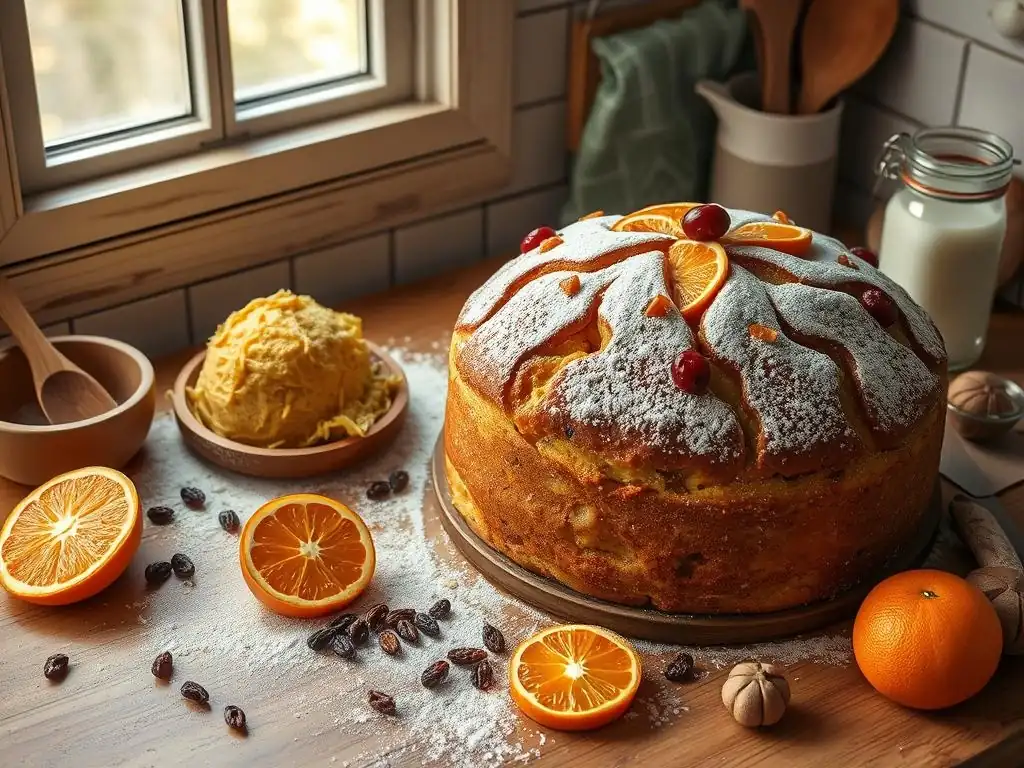
Panettone is a quintessential Italian Christmas bread, originating from Milan. It's a tall, dome-shaped bread made from a rich, highly enriched dough packed with candied orange peel, citron, and raisins. The dough is notoriously challenging to make, requiring a long fermentation process, often using a sourdough starter (lievito madre) in traditional recipes, and significant amounts of butter, eggs, and sugar. The long proofing times and heavy enrichments contribute to its incredibly light, airy, and shreddable texture.
After baking, Panettone is typically hung upside down while cooling. This prevents the tall, delicate structure from collapsing under its own weight. The flavor is sweet, aromatic from the candied fruits and often vanilla or citrus zest, and deeply complex due to the long fermentation. A slice of Panettone is a festive treat enjoyed throughout the holiday season, often served with sweet wines or coffee. Mastering a traditional Panettone enriched dough holiday bread recipe is considered a significant baking achievement.
Stollen: A German Christmas Bread
Stollen is a traditional German Christmas bread, shaped like a loaf and often dusted heavily with powdered sugar. It's made from an enriched dough containing dried fruits (like raisins, currants), candied citrus peel, nuts (almonds are common), and often spices such as cardamom and cinnamon. A distinctive feature of Stollen is the layer of marzipan often baked into the center, adding a sweet, almond-flavored ribbon throughout the loaf.
After baking, Stollen is typically brushed generously with melted butter and then rolled or dusted thickly with powdered sugar while still warm. This creates a protective coating that helps keep the bread moist and adds to its festive appearance and sweetness. Stollen has a denser crumb than Panettone but is still rich and flavorful from the butter, eggs, fruits, and spices. Enjoying a slice of Stollen with coffee or tea is a cherished German Christmas tradition and a delightful addition to any enriched dough holiday bread recipe collection.
Challah: A Braided Jewish Holiday Bread
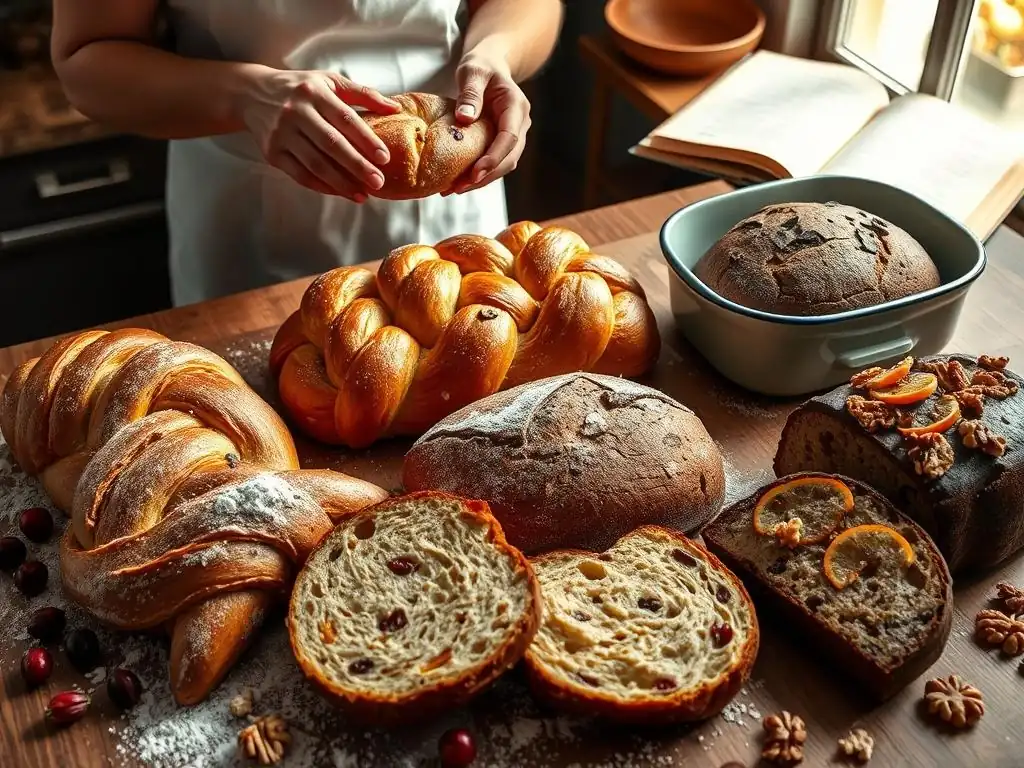
Challah is a traditional Jewish braided bread, often enjoyed on Shabbat and other holidays. While variations exist, classic Challah is an enriched dough made with eggs, oil or butter, and sometimes sugar. It's known for its beautiful golden crust, soft interior, and signature braided shape, which can range from simple three-strand braids to elaborate six-strand or round loaves for holidays like Rosh Hashanah.
The enrichment gives Challah a lovely tender crumb that is richer than standard lean bread but typically less sweet and buttery than brioche. The eggs contribute to its rich color and soft texture, while the oil or butter adds moisture and tenderness. Challah is incredibly versatile and can be enjoyed simply torn and shared, used for French toast, or incorporated into savory dishes. Baking Challah is a meaningful tradition for many families, and it serves as a wonderful example of a classic enriched dough holiday bread recipe.
Unique Enriched Dough Holiday Bread Ideas
Cranberry Orange Brioche Wreath
Take the classic richness of brioche and give it a festive twist by creating a Cranberry Orange Brioche Wreath. This involves preparing a standard brioche enriched dough recipe, then incorporating dried cranberries and orange zest into the dough during the kneading process. Once the dough has completed its first rise, it can be shaped into a large ring or divided into smaller portions to form individual rolls arranged in a circle on a baking sheet.
Before baking, the wreath can be brushed with an egg wash for a beautiful sheen and perhaps sprinkled with coarse sugar or sliced almonds. The combination of the tender, buttery brioche with the tart cranberries and fragrant orange zest creates a delightful flavor profile perfectly suited for holiday brunches or as a festive centerpiece. This variation on a classic enriched dough showcases how simple additions can transform a familiar recipe into something truly special for the holidays.
Chocolate Hazelnut Babka
Babka, a sweet braided bread originating from Eastern Europe, is a fantastic candidate for an enriched dough holiday bread recipe, particularly when filled with chocolate and hazelnuts. The dough itself is a moderately enriched yeast dough, similar to a less buttery brioche. The magic happens with the filling: a rich spread of chocolate (often melted chocolate or cocoa powder mixed with butter and sugar) and chopped hazelnuts is spread over the rolled-out dough.
The dough is then rolled into a log, sliced lengthwise to expose the layers of filling, and twisted or braided before being placed in a loaf pan and baked. The result is a stunning bread with swirls of chocolate and nuts throughout its soft, slightly sweet crumb. The combination of rich enriched dough, decadent filling, and beautiful presentation makes Chocolate Hazelnut Babka a guaranteed crowd-pleaser during the holiday season.
Spiced Apple and Walnut Braid
Another creative use for enriched dough during the holidays is a Spiced Apple and Walnut Braid. Start with a versatile enriched dough recipe (perhaps one with a moderate level of butter and eggs). Prepare a filling by sautéing finely diced apples with cinnamon, nutmeg, a touch of sugar, and chopped walnuts until slightly softened and fragrant. Let the filling cool completely.
Roll out the dough into a rectangle, spread the cooled apple and walnut filling evenly over the surface, leaving a border. Fold the dough in half lengthwise or cut strips along the sides to create a braided effect, enclosing the filling. The braid is then baked until golden brown. The moist, spiced apple filling combined with the crunch of walnuts encased in a soft, rich dough creates a comforting and delicious holiday treat, perfect for breakfast or dessert. This enriched dough holiday bread recipe highlights how seasonal fruit can be beautifully incorporated into festive baking.
Tips and Tricks for Perfect Results
Achieving Optimal Rise: Temperature and Proofing
Achieving a good rise is crucial for the light texture of enriched dough. Temperature plays a significant role. Yeast is most active in a warm environment, typically between 75-85°F (24-30°C). Find a warm spot in your kitchen, like near a sunny window, on top of a preheating oven (turned off! ), or in a proofing box. Avoid drafts, which can cool the dough and slow fermentation.
Proofing, or allowing the dough to rise, is a two-step process for most enriched dough holiday bread recipes: the bulk fermentation (first rise) and the final proof (second rise after shaping). The bulk fermentation allows the dough to develop flavor and structure, typically taking 1-2 hours or until doubled.
The final proof, after shaping, allows the bread to achieve its final volume before baking, often taking 30-60 minutes, or until the dough looks puffy and slightly increased in size (the exact time depends on the dough's richness and ambient temperature). Don't rush this process; proper proofing is key to a tender crumb.
Shaping Techniques for Festive Presentation
Shaping enriched dough offers a wonderful opportunity to make your holiday breads visually appealing. Since enriched doughs are often soft and pliable, they are well-suited for various techniques. Braiding is popular for breads like Challah or Babka, creating beautiful interwoven patterns. You can make simple three-strand braids or more complex five or six-strand versions. Ensure the strands are even in thickness for uniform baking.
Another festive shape is a wreath. This can be made by forming a large ring from a single piece of dough or by arranging smaller rolls in a circle. Filled breads like Babka or rolls can be rolled and sliced to reveal swirling patterns. For tall breads like Panettone, using specialized paper molds helps the dough rise upwards and maintain its shape. Practicing different shaping techniques adds an extra layer of artistry to your enriched dough holiday bread recipe creations.
Baking: Oven Temperature and Timing Guidelines
Baking enriched dough requires careful attention to oven temperature and timing to ensure a golden-brown crust and a fully cooked interior without drying out the rich crumb. Most enriched doughs are baked at moderate temperatures, typically between 325°F and 375°F (160°C and 190°C). Lower temperatures are often used for larger, richer breads like Panettone or Stollen to allow them to cook through without the exterior burning, while smaller items like rolls or brioche loaves might bake at a slightly higher temperature.
Preheating your oven thoroughly is essential for consistent baking. Placing the bread in a hot oven helps it achieve a final burst of rise (oven spring) before the crust sets. Baking time will vary significantly depending on the size and shape of the bread, ranging from 20-30 minutes for rolls to over an hour for large loaves. The bread is done when it is deep golden brown on the outside and registers an internal temperature of around 190-200°F (88-93°C) using an instant-read thermometer. For incredibly rich doughs like Panettone, this internal temperature is crucial.
Troubleshooting Common Issues
Handling Sticky Dough
Enriched doughs, particularly those with high butter and egg content, can be quite sticky, especially during kneading. This is normal! Avoid the temptation to add excessive amounts of flour, as this will make the final bread dry and tough. Instead, rely on your stand mixer if using one, or use a bench scraper to help you gather and turn the dough while hand kneading on a lightly floured surface.
If hand kneading, lightly oiling your hands and the work surface can also help. Knead until the dough becomes less sticky and more manageable – it should eventually pull away from the sides of the bowl or your hands, though it may remain slightly tacky. Patience and proper kneading technique are key to successfully handling a sticky enriched dough holiday bread recipe.
Addressing Rising Problems
If your enriched dough isn't rising properly, several factors could be at play. First, check the viability of your yeast. If you used active dry yeast and it didn't foam when proofed, it might be dead or inactive. Ensure your liquid temperature was correct – too hot kills yeast, too cold makes it sluggish. The ambient temperature of your proofing environment is also critical; if it's too cold, the yeast will be inactive.
Rich ingredients like high amounts of sugar or fat can also slow yeast activity. Be patient; enriched doughs often take longer to rise than lean doughs. Ensure you are giving the dough enough time in a warm, draft-free place for both the bulk fermentation and the final proof. If after ample time in a warm spot, there's still no significant rise, your yeast may be the culprit, or the liquid temperature was incorrect.
Achieving a Golden-Brown Crust
A beautiful golden-brown crust is a hallmark of well-baked enriched dough. This color is primarily achieved through the Maillard reaction and caramelization of sugars in the dough during baking. Ensure your oven temperature is accurate; if it's too low, the bread may not brown properly before cooking through. Baking at the suggested temperature range (325-375°F or 160-190°C) is usually sufficient.
Brushing the dough with an egg wash (a mixture of beaten egg and a little water or milk) before baking is an excellent way to promote a deep golden color and a lovely sheen. For some breads, like Stollen, brushing with melted butter after baking and then dusting with powdered sugar provides the traditional finish. If the crust is browning too quickly before the inside is cooked, you can loosely tent the bread with aluminum foil for the remainder of the baking time.
Storing and Serving
Best Practices for Storage
Proper storage is essential to keep your enriched dough holiday bread fresh and delicious. Because of their high fat and sugar content, enriched doughs tend to stay moist longer than lean breads. Once completely cooled, store the bread in an airtight container or wrap it tightly in plastic wrap, then place it in a bread box or at room temperature. For very rich breads like brioche, storing at room temperature is generally fine for 2-3 days.
If you need to store the bread for longer, it freezes exceptionally well. Wrap the cooled bread tightly in plastic wrap, then in aluminum foil or place it in a freezer-safe bag. Frozen enriched dough bread can last for several months. Thaw at room temperature, and you can often refresh the crust by warming the bread briefly in a moderate oven (around 300°F or 150°C).
Serving Suggestions and Pairing Ideas
Enriched dough holiday breads are incredibly versatile when it comes to serving. They can be enjoyed simply sliced and served on their own, allowing the rich flavor and tender texture to shine. Classic pairings include butter, jam, honey, or cream cheese. For a festive touch, serve with whipped cream or a dusting of powdered sugar.
These breads also pair wonderfully with beverages. Coffee, tea, hot chocolate, or spiced cider are perfect accompaniments for a cozy holiday morning or afternoon. For more decadent breads like Panettone or Stollen, sweet wines like Moscato d'Asti or a late-harvest Riesling can be delightful. The beauty of your homemade enriched dough holiday bread recipe is its adaptability to various meals and occasions throughout the festive season.
Conclusion: Embrace Holiday Baking
Creating Memories with Homemade Breads
There's a unique joy in creating something beautiful and delicious with your own hands, and baking enriched dough holiday bread embodies this perfectly. The process, from kneading the soft dough to watching it rise and fill your home with irresistible aromas, is a sensory experience that can become a cherished holiday tradition. Gathering loved ones in the kitchen to help shape braids or decorate loaves adds another layer of warmth and connection.
Beyond the delicious result, the act of baking itself can be a peaceful, rewarding activity during a busy time of year. It provides an opportunity to slow down, focus on a craft, and create something tangible. The memories made while mixing, kneading, and baking an enriched dough holiday bread recipe are often as sweet and lasting as the bread itself.
One of the greatest pleasures of baking, especially during the holidays, is sharing the fruits of your labor. A homemade enriched dough holiday bread makes a thoughtful and much-appreciated gift for friends, neighbors, or colleagues. It's a personal touch that conveys care and effort in a way that store-bought items often cannot. Wrap your freshly baked loaf in festive paper or a nice cloth and tie it with a ribbon.
Sharing your creations also means serving them proudly at your own holiday gatherings. A stunning braided Challah, a towering Panettone, or a festive Cranberry Orange Brioche Wreath can serve as a beautiful centerpiece for your table. Watching others enjoy the bread you made from scratch is incredibly rewarding. So, embrace the process, get creative with your enriched dough holiday bread recipe, and share the joy of homemade goodness this holiday season.
Frequently Asked Questions
How does enriched dough differ from regular bread dough?
Enriched dough contains added fats and sugars, such as butter, eggs, or milk, which create a softer and richer texture. Regular bread dough typically relies on just flour, water, yeast, and salt.
What are some popular holiday breads made with enriched dough?
Panettone, challah, and brioche are examples of holiday breads that commonly use enriched dough recipes. These breads are known for their sweetness and tender crumb.
What ingredients are essential for a successful enriched dough?
High-quality ingredients are crucial, particularly fresh yeast and unsalted butter. Proper measuring and gentle mixing are also essential for achieving the desired texture.
Can I use a stand mixer to make enriched dough, or is hand mixing better?
A stand mixer is generally recommended for enriched dough because it can handle the sticky dough more efficiently. However, hand mixing is possible, just requires more effort and patience.
How long does enriched dough typically take to rise compared to regular dough?
Enriched dough usually takes longer to rise due to the added fats inhibiting yeast activity. Expect a rise time of at least twice as long as regular bread dough.
Final Reflection: The Sweet Legacy of Enriched Dough
The art of creating enriched dough holiday breads isn't just about following a recipe; it's about crafting a legacy, a tradition passed down through generations, and a celebration of the season. The rich flavors and textures achieved through the careful addition of butter, eggs, and sugar are more than just culinary techniques; they are the embodiment of warmth, comfort, and festive cheer. In a world increasingly focused on speed and convenience, taking the time to create these breads offers a powerful counterpoint, a reminder of the value of slowing down and savoring the process.
The enduring appeal of enriched dough holiday breads lies in their ability to evoke powerful memories and emotions. These aren't just loaves of bread; they are tangible representations of family gatherings, shared moments, and the comforting rituals of the holiday season. The aroma alone can transport us back to childhood kitchens filled with the warmth of ovens and the joyful anticipation of festive feasts. The best things in life are the people we love, the places we've been, and the memories we've made along the way.
This quote perfectly encapsulates the emotional resonance of these breads, transforming a simple recipe into a cherished heirloom.
Now, consider your own holiday traditions. Will you carry on a family recipe, or will you create your own enriched dough masterpiece this year? Perhaps you'll experiment with new flavors and techniques, adding your own unique touch to this timeless tradition. This holiday season, I encourage you to embrace the enriching experience of creating something beautiful and delicious with your own hands. Let the aroma of freshly baked bread fill your home, and let the joy of sharing it with loved ones be your most cherished gift.
Unleash Your Inner Baker: Craft Festive Holiday Breads!
Thanks for taking the time to explore the magic of enriched doughs! We hope you've gained valuable insights to elevate your holiday baking. Now it's time to put your new knowledge into action.
- Master a new enriched dough recipe: Try out one of the variations mentioned in the article, or even experiment with your own! Remember to pay close attention to the kneading and proofing stages.
- Share your creations: Post pictures of your delicious holiday breads on social media using #BakeWithEaseEnrichedDough and tag us! We'd love to see your baking successes.
- Explore other enriched dough recipes on our site (search "enriched dough" on bakewithease.com). Discover new flavors and techniques to perfect your baking skills!
What unique twist will you add to your next enriched dough creation to truly make it your own?