
The Role of Salt: Balancing Sweetness and Flavor in Brioche


Welcome to BakeWithEase!
Ever wondered why some brioche just pops with flavor while others fall flat? It's often about more than just sweetness. In this article, we're diving deep into a crucial, often overlooked ingredient: salt. Prepare to unlock the secrets of how salt enhances brioche flavor, balancing sweetness and adding depth you never thought possible. Intrigued? Let's explore the science and techniques that will elevate your brioche baking to the next level.
- Understanding Salt's Crucial Role in Brioche Baking
- Salt Enhances Brioche Flavor: More Than Just Seasoning
- Achieving the Perfect Salt Balance in Your Brioche
- Troubleshooting Salt-Related Brioche Problems
- Mastering Brioche: Salt as a Key Ingredient
- Advanced Techniques: Exploring Salt in Brioche Variations
- Conclusion: The Art of Salt in Brioche - Elevating Your Bake
-
Frequently Asked Questions
- How does salt enhance the flavor of brioche?
- Why is salt important in brioche dough, considering it's a sweet bread?
- Can I omit salt from a brioche recipe? What would be the consequences?
- How much salt is typically added to brioche dough, and why is the quantity important?
- What type of salt is best to use when baking brioche?
- Final Reflection: The Unsung Hero of Brioche, Salt's Subtle Symphony
- Unlock Brioche's Secret: Mastering the Salt-Sweet Dance
Understanding Salt's Crucial Role in Brioche Baking
Brioche is a classic French bread known for its rich, tender crumb and slightly sweet profile, often containing significant amounts of butter and eggs. While these ingredients contribute to its luxurious texture and taste, it's the humble salt that plays a critical, often underestimated, role in bringing all the flavors together and ensuring the dough behaves correctly. Beyond just adding a salty taste, salt is a fundamental component that impacts nearly every aspect of the brioche-making process, from the initial mixing to the final bite.
Think of salt in brioche not just as a seasoning, but as an essential structural and chemical agent. Without it, the dough would be sticky and difficult to handle, the fermentation would be uncontrolled, and the final product would taste bland, flat, and potentially overwhelmingly sweet. Understanding salt's multifaceted functions is key to mastering this delightful enriched dough and truly appreciating how salt enhances brioche flavor and texture.
Why Salt is Essential in Brioche Dough
Salt is absolutely vital in brioche dough for several interconnected reasons, primarily impacting structure, fermentation, and taste. On a structural level, salt strengthens the gluten network, which is particularly important in rich doughs like brioche that contain high levels of fat (butter) and sugar. These enriching ingredients can weaken gluten development, so salt helps tighten the network, allowing the dough to hold its shape and trap gases produced during fermentation, leading to a better rise and crumb structure.
Furthermore, salt plays a critical role in controlling yeast activity. Yeast thrives on sugar and ferments rapidly, but salt acts as a regulator, slowing down this process. This controlled fermentation allows flavors to develop more fully and prevents the dough from rising too quickly and collapsing. Without salt, yeast can ferment uncontrollably, leading to an off-flavor and a dough that's difficult to handle and shape. A typical salt content in brioche dough is around 1.8% to 2% of the flour weight, a seemingly small amount that has a profound effect.
Salt's Impact on Brioche's Texture and Structure
The presence of salt significantly influences the texture of the finished brioche. As mentioned, it strengthens the gluten network by tightening the protein strands (glutenin and gliadin). This strengthening effect results in a dough that is more elastic and extensible, making it easier to knead, shape, and handle. During baking, this robust gluten structure provides the framework that supports the dough's rise and sets, contributing to the characteristic light, airy, yet rich crumb of a well-made brioche.
Consider two identical brioche doughs, one with the correct amount of salt and one with none. The salt-free dough will likely be slack, sticky, and prone to spreading rather than rising upwards. The baked result would be dense, possibly gummy, and lack the desirable open crumb structure. The salted dough, in contrast, will be smooth and manageable, allowing for beautiful shaping (like the classic brioche à tête) and baking into a loaf with excellent volume and a tender, well-aerated interior.
Salt Enhances Brioche Flavor: More Than Just Seasoning

While salt adds its own distinct taste (salinity), its primary role in flavor development in brioche is far more complex than just making the bread taste "salty." It acts as a flavor enhancer, bringing out the subtle nuances of the other ingredients and providing balance. This is where the phrase "Salt enhances brioche flavor" truly comes to life – it doesn't just add flavor, it improves the flavors that are already there.
Without salt, the rich sweetness from the sugar, milk, and eggs in brioche can taste one-dimensional and cloying. Salt provides a necessary counterpoint, creating a more complex and satisfying taste profile. It allows the buttery richness and the delicate sweetness to shine without becoming overwhelming, resulting in a harmonious and moreish bread.
The Science Behind Salt's Flavor Enhancement
The scientific principle behind salt's flavor-enhancing abilities is fascinating. Sodium ions in salt interact with our taste receptors, suppressing bitterness and acidity while amplifying sweetness and umami (rich, savory flavors). In brioche, this means that the salt actively works to make the inherent sweetness from the sugar and dairy taste brighter and more pleasant, while also enhancing the rich, savory notes contributed by the butter and eggs.
Furthermore, salt helps volatile aroma compounds (the molecules responsible for smell, which is intrinsically linked to taste) release more effectively into the air and onto our palates. This means that the delicious aromas of baked brioche – the warm, buttery, slightly sweet scent – are perceived more intensely when salt is present. This synergistic effect of suppressing off-notes, amplifying desirable ones, and improving aroma perception is the core reason salt enhances brioche flavor so effectively.
How Salt Balances Sweetness in Brioche Recipes
Brioche is often considered a sweet bread, but its sweetness is typically moderate, balanced by its richness. Salt is the key ingredient that prevents this sweetness from becoming dominant or sickly. By enhancing other flavors and slightly suppressing the perception of sweetness, salt creates a more rounded and balanced taste experience.
Imagine a bite of brioche. The sweetness hits first, followed by the rich, creamy notes of butter and egg. Salt weaves through these, preventing the sweetness from lingering too long and allowing the depth of the other ingredients to come through. This balance is crucial for brioche's appeal, making it versatile enough to be enjoyed on its own, with jam, or even alongside savory dishes. Without salt, the sweetness would dominate, flattening the flavor profile and making the bread less enjoyable, clearly demonstrating how salt enhances brioche flavor by providing essential contrast.
Salt's Interaction with Other Brioche Ingredients
Salt doesn't operate in isolation; it interacts dynamically with the other key components of brioche dough: flour, yeast, liquid (milk/eggs), sugar, and butter. Its interaction with gluten and yeast has already been discussed, but its relationship with sugar and fat is also important. While sugar provides food for the yeast and tenderness to the crumb, too much sugar can interfere with gluten development. Salt helps mitigate this by strengthening the gluten network, ensuring the dough remains workable even with high sugar content.
Similarly, the high fat content from butter can coat gluten strands, hindering their development. Salt helps overcome this challenge by promoting gluten formation and alignment. This complex interplay means that achieving the right balance of all ingredients, including salt, is paramount for a successful brioche. The specific quantities of flour, liquid, fat, and sugar will influence the ideal salt level needed to achieve perfect balance, structure, and ensure salt enhances brioche flavor optimally.
Achieving the Perfect Salt Balance in Your Brioche
Finding the right amount of salt is perhaps one of the most critical steps in mastering brioche. Too little, and you'll face issues with dough handling, fermentation speed, and a bland, overly sweet flavor. Too much, and you risk killing the yeast, resulting in a dense loaf, or worse, a bitter, unpalatable bread. The "perfect" balance often comes down to careful measurement and understanding how different factors influence the dough.
It's recommended to measure salt by weight using a digital scale for accuracy, rather than by volume (teaspoons/tablespoons), as different types of salt have varying densities. This precision is vital because even a slight deviation can impact the final result. Learning to recognize the feel of a properly salted dough and the taste of a perfectly balanced brioche takes practice, but it's a rewarding skill for any baker.
Finding the Right Salt-to-Flour Ratio for Brioche
The standard way to measure salt in baking, especially for bread, is as a percentage of the flour weight. This is known as the "baker's percentage." For brioche, the typical salt percentage ranges from 1.5% to 2.2% of the total flour weight. A ratio within this range generally provides sufficient structural support, yeast control, and flavor enhancement.
For example, if a recipe uses 500 grams of flour, a salt percentage of 2% would mean adding 10 grams of salt (500g * 0.02 = 10g). Some bakers prefer slightly less salt (closer to 1.5%) for a sweeter profile, while others go up to 2.2% for a more pronounced savory balance. Beginners are often advised to start around the 1.8% to 2% mark and adjust in subsequent bakes based on their taste preferences. This careful ratio is fundamental to ensuring salt enhances brioche flavor without overpowering it.
Types of Salt and Their Effect on Brioche Flavor
While the chemical composition of most culinary salts is primarily sodium chloride (NaCl), the crystal size, shape, and presence of trace minerals can affect how they dissolve, their perceived saltiness, and their subtle impact on flavor. Using the right type of salt, or at least being aware of its properties, is important for consistent results.
Here's a look at common types:
Table Salt vs. Sea Salt vs. Kosher Salt for Brioche
- Table Salt: Typically fine-grained, often contains anti-caking agents and sometimes iodine. It dissolves very quickly and can taste intensely salty due to its density. If using table salt, you might need slightly less by volume compared to kosher or sea salt for the same weight ratio. The anti-caking agents don't significantly impact flavor but can make it less appealing to some bakers.
- Kosher Salt: Has larger, irregular crystal shapes. It contains no iodine or anti-caking agents (though some brands might). Kosher salt dissolves slower than table salt and is often preferred by bakers because it's easy to pinch and measure by feel (though weight is still recommended for precision). Its clean taste is generally favored for baking. Due to its larger crystals, a tablespoon of kosher salt weighs less than a tablespoon of table salt.
- Sea Salt: Varies widely depending on its origin. Can be fine or coarse, contain trace minerals (which can add subtle flavor nuances), and may or may not contain anti-caking agents. Fine sea salt behaves similarly to table salt in terms of dissolution speed. Coarse sea salt takes longer to dissolve and is often used as a finishing salt, but fine sea salt can be used successfully within the dough. Trace minerals in some sea salts are believed by some to contribute a more complex flavor profile, subtly enhancing how salt enhances brioche flavor.
When substituting between salt types, it's crucial to measure by weight to maintain the correct salt-to-flour ratio (e.g., 10g of salt per 500g flour, regardless of salt type). If measuring by volume, you'll need to adjust quantities (e.g., you'll need more tablespoons of kosher salt than table salt to equal the same weight).
The Impact of Salt on Brioche Dough Fermentation
Salt's role in controlling yeast activity is a delicate balance. Yeast requires water to become active and consume sugars, producing carbon dioxide and alcohol. Salt competes with the yeast for available water through osmosis. By drawing water away from the yeast cells, salt slows down their metabolic process.
This controlled fermentation is highly desirable for brioche. The longer, slower rise allows more complex flavors to develop in the dough, including those derived from the fermentation process itself (like subtle alcoholic and acidic notes). It also gives the gluten structure time to relax and develop strength gradually, leading to a more pliable dough and a better final texture. A dough with too little salt will ferment too quickly, potentially leading to over-proofing and a lack of flavor depth, while too much salt can significantly inhibit or even kill the yeast, resulting in little to no rise.
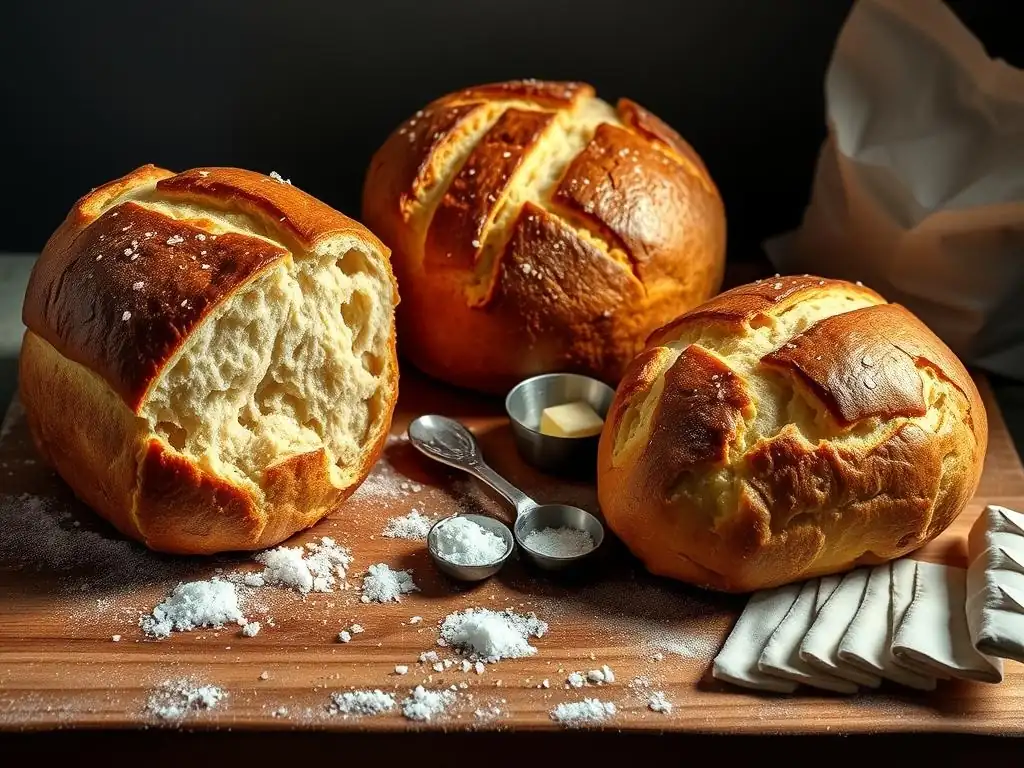
Even experienced bakers can sometimes misjudge the salt level in their brioche dough. Recognizing the signs of too much or too little salt early in the process or in the final product is key to diagnosing issues and improving future bakes. Troubleshooting salt-related problems helps ensure that salt enhances brioche flavor and texture as intended, rather than detracting from it.
Common issues include dough that is too sticky or too stiff, lack of rise, or a final bread that tastes bland or excessively salty. These problems often stem from incorrect salt measurement or inadequate mixing, preventing the salt from being evenly distributed throughout the dough.
Too Little Salt: Flavor and Texture Issues
If you've accidentally added too little salt to your brioche dough, you'll likely notice several problems. During mixing, the dough might feel stickier and slacker than expected, even after adequate kneading. This is because the gluten network hasn't been sufficiently strengthened by the salt.
During fermentation, the dough will probably rise much faster than anticipated, potentially doubling in size very quickly. This rapid rise can lead to a less structured crumb. The final baked brioche will taste noticeably bland or overly sweet, lacking depth and balance. The texture might be slightly coarse or crumbly rather than tender and resilient. This clearly illustrates the negative impact when salt fails to enhance brioche flavor due to insufficient quantity.
Too Much Salt: Inhibiting Yeast Activity and Bitter Taste
Conversely, adding too much salt can be even more detrimental. The most immediate effect is on the yeast; excessive salt can significantly slow down or completely stop yeast activity, as it draws too much water out of the yeast cells. This will result in a dough that rises very slowly, if at all. The dough might also feel unusually stiff and difficult to knead.
The final baked product will likely be dense and heavy due to the lack of proper leavening. The taste will be overwhelmingly salty, potentially even bitter, and the sweetness and buttery richness will be completely overshadowed. This is the opposite of how salt enhances brioche flavor; too much salt actively ruins the delicate balance. If you realize you've added too much salt, it's often best to discard the dough and start over, as there's no easy way to remove salt once it's incorporated.
Adjusting Salt for Different Types of Flour in Brioche
While the general salt percentage guidelines (1.5% to 2.2%) apply broadly, slight adjustments might be considered depending on the type of flour used. Different flours have varying protein contents, which affects gluten development. Strong bread flour, with higher protein, forms a robust gluten network relatively easily, while softer flours (like pastry flour) develop weaker gluten.
If using a very strong bread flour, you might find the lower end of the salt percentage range (1.5-1.8%) is sufficient to achieve good structure, though taste preference still dictates the final amount. If using a softer all-purpose flour, you might lean towards the higher end (1.8-2.2%) to help compensate for the weaker gluten potential. However, these are minor adjustments; the most critical factor remains maintaining a consistent ratio based on the weight of the flour used, ensuring the correct amount of salt enhances brioche flavor and structure for that specific flour type.
Mastering Brioche: Salt as a Key Ingredient
Mastering brioche is a rewarding journey, and understanding the precise role and correct incorporation of salt is a significant milestone on that path. It's not just about adding a pinch; it's about integrating a critical component that influences texture, fermentation, and, most importantly, ensures that salt enhances brioche flavor to its fullest potential.
Approaching salt measurement with precision and understanding its interaction with other ingredients will elevate your brioche from good to truly exceptional. It's a testament to how seemingly small details in baking can have a profound impact on the final result.
Step-by-Step Guide to Incorporating Salt Correctly
Proper incorporation of salt is crucial for even distribution throughout the dough, preventing localized areas of high salt concentration that can damage yeast or gluten. Here's a common approach:
- Weigh all ingredients: Always weigh your flour and salt using a digital kitchen scale for accuracy. Determine the salt weight based on your desired percentage of the flour weight.
- Add salt after initial mixing: Many bakers recommend adding salt after the initial mixing of flour and liquid, or even after some gluten development has begun. Adding salt directly to the yeast can sometimes inhibit its activity too quickly. Allow the flour and liquid to hydrate and the yeast to start becoming active first.
- Mix thoroughly: Once added, mix the salt into the dough until it is completely and evenly distributed. This usually requires several minutes of kneading (by hand or machine). You shouldn't see visible salt granules anymore.
- Check dough consistency: A properly salted dough will feel cohesive, elastic, and less sticky compared to an unsalted dough.
- [ ] Weigh all ingredients accurately.
- [ ] Combine flour, liquid, yeast, sugar, and eggs first.
- [ ] Mix until shaggy dough forms.
- [ ] Add softened butter gradually (if using).
- [ ] Add weighed salt after butter is incorporated or initial mixing is done.
- [ ] Knead until salt is fully dissolved and dough is smooth and elastic.
Brioche Recipe Variations and Salt Adjustments
Different brioche recipes, varying in richness (butter/egg content) and sweetness (sugar content), might benefit from slight adjustments in salt percentage to maintain optimal balance. A very rich, sweet brioche might call for a slightly higher salt percentage (towards 2.2%) to cut through the richness and sweetness, ensuring salt enhances brioche flavor effectively. A leaner, less sweet brioche might be perfectly balanced with a slightly lower percentage (1.5-1.8%).
Always start with a tested recipe's recommended salt quantity (measured by weight if possible). As you gain experience, you can incrementally adjust the salt percentage in future batches based on your personal taste preference and how the dough behaved.
Basic Brioche Recipe
A basic brioche recipe typically contains flour, yeast, eggs, milk, sugar, and butter, with salt usually falling within the 1.8% to 2.0% range of the flour weight.
Flour: 500g
Active Dry Yeast: 7g (or Instant Yeast: 5g)
Sugar: 50g
Salt: 9g - 10g (approx. 1.8% - 2.0%)
Large Eggs: 4 (approx. 200g)
Milk: 60ml
Unsalted Butter, softened: 250g
In this example, 9g of salt for 500g of flour is 1.8%. Using 10g would be 2%. Both are within the standard range. This specific amount is calculated to ensure salt enhances brioche flavor and provides necessary structure for this ingredient ratio.
Chocolate Chip Brioche Recipe
When adding inclusions like chocolate chips, the base brioche recipe might remain the same, but the overall sweetness increases. The salt percentage typically doesn't need significant adjustment unless the amount of chocolate is extremely high or the base recipe is already on the low end of the salt range. The standard 1.8% to 2.0% salt ratio still works well to balance the sweetness of the dough and the chocolate, proving that salt enhances brioche flavor even with added sweets.
Consider using slightly less sugar in the dough itself if adding a large quantity of sweet chocolate chips, while keeping the salt percentage consistent with a standard brioche recipe. The salt will then balance both the dough's inherent sweetness and the added chocolate.
Advanced Techniques: Exploring Salt in Brioche Variations
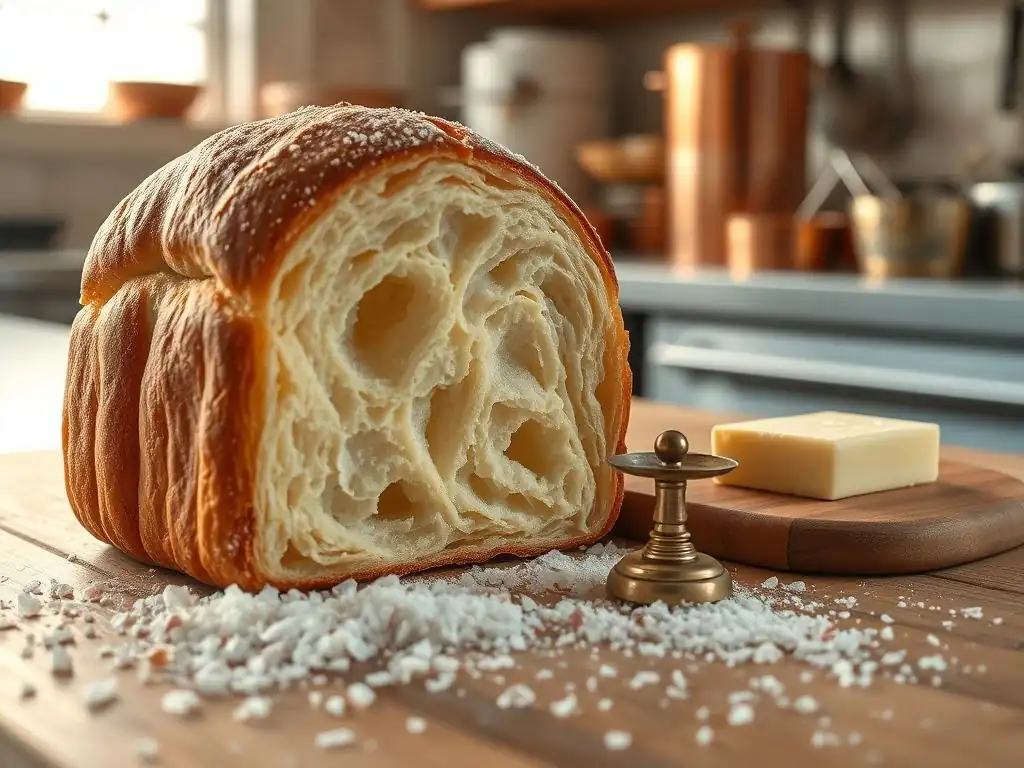
Once you've mastered the basics, you can explore how salt interacts with different brioche variations and even experiment with different types of salt for subtle flavor nuances. Understanding how salt performs in enriched doughs opens up possibilities for creative baking.
Thinking beyond basic sodium chloride allows bakers to subtly influence the final taste profile. While the primary function of salt in structure and yeast control remains the same, the choice of salt can add an extra layer of complexity.
Using Flavored Salts in Brioche Baking
While standard culinary salts are the norm, using flavored salts can introduce interesting dimensions to brioche, particularly in savory or semi-savory applications. Smoked salts, for instance, can add a subtle smoky depth. Herb-infused salts (like rosemary or thyme salt) can pair wonderfully with the richness of brioche, especially if other complementary ingredients are included.
When using flavored salts, be mindful of their intensity and purity. Some flavored salts are simply mixtures, while others are produced through smoking or infusion processes. You'll still want to measure by weight to maintain the correct salt level relative to the flour, but you might start with a slightly lower quantity if the flavoring is very strong, adjusting in future bakes. The goal is for the flavored salt to complement, not overpower, how salt enhances brioche flavor.
Rosemary Salt Brioche
Imagine a brioche intended to be served with cheese or savory dishes. Adding finely chopped fresh rosemary to the dough is common. Using a rosemary-infused sea salt instead of plain salt could amplify the herbal notes while providing the necessary salt balance. If using a pre-made rosemary salt, ensure you know its sodium content relative to plain salt or measure by weight according to the recipe's total salt requirement.
For example, using 10g of a homemade rosemary salt (made by grinding rosemary with sea salt) in a 500g flour recipe provides the 2% salt ratio, with the added benefit of rosemary aroma distributed throughout the dough. This is a specific instance where salt enhances brioche flavor by carrying other aromatics.
Salt's Role in Different Brioche Styles
Brioche comes in various forms, from the classic Brioche à Tête (with the little "head") to larger loaves baked in pans ( Brioche Nanterre). While the dough composition is often similar, the shaping and baking methods can highlight different aspects of the dough's structure, which is significantly influenced by salt.
The strong gluten network facilitated by salt is crucial for shapes like Brioche à Tête, where the dough needs enough strength to support the top ball without collapsing during the final proof and baking. For pan loaves like Nanterre, salt ensures an even rise and a consistent crumb structure throughout the loaf.
Brioche à Tête, Nanterre Brioche
- Brioche à Tête: This shape relies heavily on the dough's elasticity and strength to maintain the distinct ball-and-base structure. The salt-strengthened gluten allows the "head" to sit atop the base and expand without merging completely during proofing and baking. The dough must be strong enough to hold its form but extensible enough to rise beautifully.
- Nanterre Brioche: Typically baked as a loaf made from several balls of dough placed side-by-side in a pan. Salt ensures each ball rises evenly and the crumb structure is consistent throughout the loaf, preventing dense spots or large, irregular holes. The uniform rise facilitated by proper salt levels contributes to the aesthetic appeal and consistent texture of the Nanterre loaf.
In both styles, the correct amount of salt is indispensable for achieving the desired shape, rise, and crumb structure, demonstrating that salt enhances brioche flavor and form.
Conclusion: The Art of Salt in Brioche - Elevating Your Bake
Salt is far more than just a seasoning in brioche; it is a cornerstone ingredient that is absolutely essential for structure, texture, and, most importantly, flavor. Its ability to control yeast activity, strengthen gluten, and act as a powerful flavor enhancer makes it indispensable in creating a perfectly balanced and delicious brioche.
By understanding the science behind salt's functions, measuring it accurately by weight, and recognizing its interactions with other ingredients, you unlock the full potential of your brioche bake. Pay attention to the feel of your dough, observe its fermentation, and taste your final product critically to truly appreciate how salt enhances brioche flavor. Mastering the art of using salt is a significant step towards baking consistently excellent brioche that delights the senses.
Frequently Asked Questions
How does salt enhance the flavor of brioche?
Salt plays a crucial role in enhancing the overall flavor profile of brioche. It doesn't just make it salty; it balances the sweetness and brings out other subtle flavors.
Why is salt important in brioche dough, considering it's a sweet bread?
While brioche is considered a sweet bread, salt is essential to control the fermentation process of the yeast. It also helps to strengthen the gluten structure, leading to a better texture.
Can I omit salt from a brioche recipe? What would be the consequences?
Omitting salt is not recommended. It can result in a flat, bland brioche with poor texture. The yeast will ferment too rapidly, and the gluten won't develop properly.
How much salt is typically added to brioche dough, and why is the quantity important?
The amount of salt varies, but it's usually around 1-2% of the flour weight. This quantity is important because it needs to be enough to control yeast activity and enhance flavor, without making the brioche taste overtly salty.
What type of salt is best to use when baking brioche?
Table salt is generally acceptable, but fine sea salt or kosher salt are often preferred. These dissolve more evenly and provide a cleaner, less metallic taste, ultimately improving the final flavor of the brioche.
Final Reflection: The Unsung Hero of Brioche, Salt's Subtle Symphony
The delicate balance of sweetness and savor in brioche is not merely a culinary detail; it's a testament to the power of precise ingredient interaction. A seemingly insignificant pinch of salt elevates this classic pastry from merely sweet to truly exceptional, showcasing the profound impact even the smallest element can have on the overall gustatory experience. This subtle alchemy, often overlooked, is the key to unlocking brioche's full potential.
The exploration of salt's role in brioche has revealed a deeper truth about the art of baking – that true mastery lies not just in following recipes, but in understanding the fundamental interactions between ingredients. This understanding extends beyond the kitchen; it speaks to the importance of balance and harmony in all aspects of life. The best things in life are the simplest,
a common adage, perfectly encapsulates the profound impact of salt's seemingly simple contribution to the complexity of brioche. It's a reminder that even the smallest elements, when carefully considered, can yield extraordinary results.
Now, consider your own culinary creations, your own life's "recipes." Where can you introduce a touch of "salt"—a dash of unexpected contrast, a moment of thoughtful reflection, a sprinkle of resilience—to enhance the overall flavor and depth of your experience? Embrace the subtle power of balance, and discover the transformative potential that lies within the seemingly insignificant. Dare to experiment, to refine, and to appreciate the unsung heroes that contribute to the richness of life, just as salt contributes to the exquisite taste of brioche.
Unlock Brioche's Secret: Mastering the Salt-Sweet Dance
Thanks for joining us on this delicious journey into the heart of brioche baking! You've learned how crucial salt is to achieving that perfect balance of sweetness and flavor. Now it's time to put your newfound knowledge into practice.
- Bake your own perfect brioche: Use the techniques and tips from the article to create a batch of your own irresistible brioche. Experiment with different salt levels to find your personal sweet spot!
- Share your baking triumphs (or challenges!): Let’s build a community of brioche bakers! Share your photos and experiences on social media using #BakeWithEaseBrioche.
- Explore other BakeWithEase recipes: Discover more baking secrets and delicious recipes to expand your culinary skills.
Ready to transform your baking game and create the most delectable brioche you've ever tasted? What unique twist will you add to your next batch?