
The Shelf Life Secret: Storing Your SliceandBake Dough and Cookies

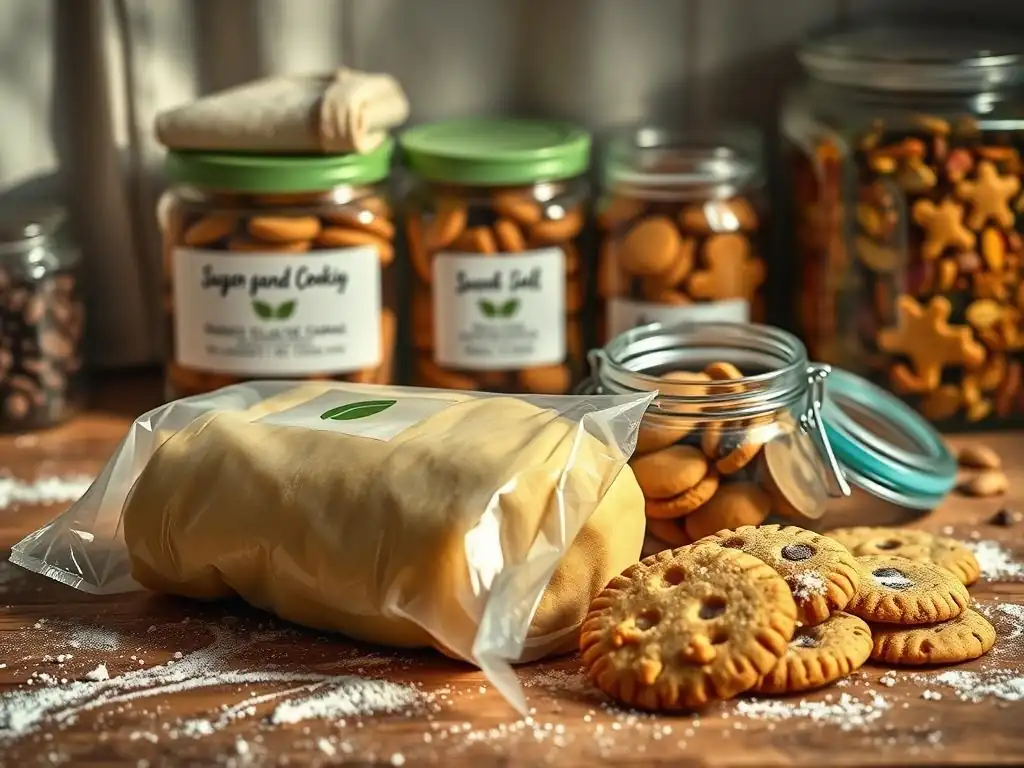
Welcome to BakeWithEase, your trusted companion in the delightful world of baking! Ever wondered how to keep your sliceandbake dough cookies fresh and ready for that impromptu baking session? Uncover the secrets to perfectly preserving your dough (and baked cookies!) and say goodbye to wasted ingredients. Dive in to learn the shelf life secrets that will transform your baking game, one delicious cookie at a time. Are you ready to unlock the key to perfectly preserved treats?
- Extending Freshness: Mastering the Storage of Slice-and-Bake Dough and Cookies
- Introduction to Slice-and-Bake Dough and Cookie Storage
- Understanding Dough Composition and Factors Affecting Shelf Life
- Optimal Storage Practices for Unbaked Slice-and-Bake Cookie Dough
- Preserving the Quality of Baked Slice-and-Bake Cookies
- Troubleshooting Common Storage Problems
- Expert Techniques for Maximizing Shelf Life
- Creative Uses for Day-Old or Slightly Stale Cookies
- Conclusion: Confidently Storing Slice-and-Bake Dough and Cookies for Optimal Baking Results
- Frequently Asked Questions
- Final Reflection: The Enduring Sweetness of a Perfectly Stored Cookie
- Unlock Your Baking Potential: Extend the Life of Your Dough!
Slice-and-bake cookie dough offers unparalleled convenience for bakers of all levels. It allows you to enjoy warm, fresh cookies whenever the craving strikes without the full prep time. However, maximizing this convenience means understanding how to properly preserve the dough and the resulting cookies. Effective storage is key to maintaining quality, flavor, and texture, whether you're keeping dough ready in the fridge or freezer or storing baked treats for later enjoyment. This guide delves into the best practices for storing sliceandbake dough cookies, ensuring your baking adventures are always successful and delicious.
Properly storing sliceandbake dough cookies not only extends their usability but also safeguards against spoilage and degradation. Different components of the dough and baked cookies react differently to environmental factors like temperature, humidity, and air exposure. By implementing the right storage techniques, you can significantly prolong the shelf life of your cookie dough and keep your baked cookies tasting fresh and delightful for as long as possible. Let's explore the science behind keeping your treats perfect, from understanding ingredients to mastering storage environments.
Understanding Dough Composition and Factors Affecting Shelf Life
The longevity of slice-and-bake dough is inherently linked to its ingredients and how they interact over time. Typically composed of flour, sugar, butter, eggs, leavening agents, and flavorings, each component plays a role in determining how long the dough remains viable. For instance, the fats (primarily butter) can oxidize and become rancid, while the moisture from eggs and butter can encourage microbial growth if not kept at low temperatures. Sugar acts as a preservative to some extent, but it also contributes to moisture content.
Factors such as temperature fluctuations, exposure to air, and humidity levels significantly impact dough freshness. Warm temperatures accelerate spoilage and rancidity. Air exposure leads to oxidation and drying out, affecting texture. Humidity can either introduce excess moisture, promoting mold, or draw moisture out, causing the dough to dry and become crumbly. Therefore, controlling these environmental factors through appropriate storage methods is crucial for extending the shelf life of your slice-and-bake dough.
Impact of Ingredients on Dough Freshness
The type and quality of fats used in slice-and-bake dough, most commonly butter, are primary determinants of its shelf life. Butter contains water and milk solids, making it more susceptible to spoilage than anhydrous fats like shortening. Over time, the fats in butter can undergo oxidation, a chemical process accelerated by light, heat, and air, leading to off-flavors described as "rancid." Refrigeration slows this process significantly, while freezing halts it almost entirely, allowing dough to last for several months compared to just a couple of weeks in the fridge.
Eggs contribute essential moisture, structure, and richness to cookie dough, but they also introduce proteins and fats that are prone to bacterial growth if stored improperly. At room temperature, bacteria can multiply rapidly; however, keeping dough consistently below 4°C (40°F) in the refrigerator inhibits most harmful bacterial growth. Similarly, the leavening agents like baking soda or baking powder can lose their effectiveness over time, especially if exposed to moisture, potentially resulting in flatter cookies when baked. Proper storage in an airtight environment helps maintain the stability and potency of these ingredients.
Refrigerating Slice-and-Bake Dough: A Detailed Guide
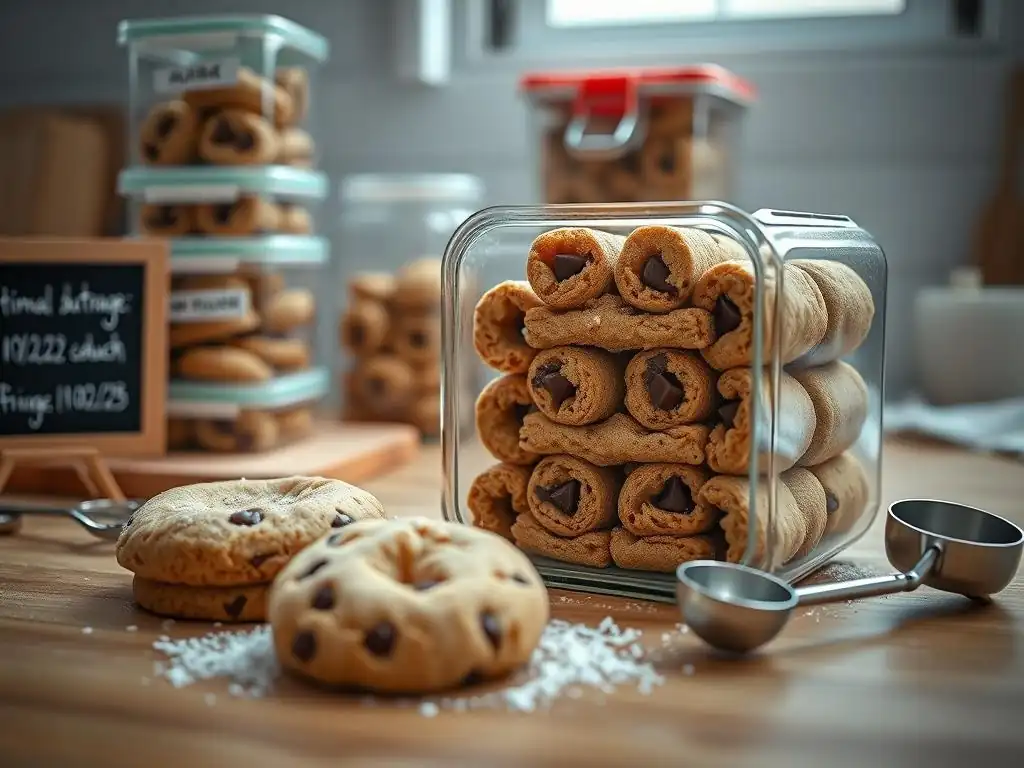
Refrigeration is the standard short-term storage method for unbaked slice-and-bake dough, typically keeping it fresh for 1 to 2 weeks. The cold temperature significantly slows down the chemical reactions that cause spoilage, such as fat oxidation and microbial growth. To store dough effectively in the refrigerator, it should be tightly wrapped to prevent drying and absorption of refrigerator odors. Forming the dough into its log shape, wrapping it first in plastic wrap, and then in a layer of aluminum foil provides a good barrier.
When refrigerating, place the wrapped dough log towards the back of the refrigerator where the temperature is most consistent and coldest, generally between 1°C and 4°C (34°F and 40°F). Avoid placing it in the door, which experiences frequent temperature fluctuations. Labeling the package with the date is also a helpful practice to keep track of how long the dough has been stored. While refrigeration is excellent for immediate use or short-term planning, its effectiveness is limited compared to freezing for longer storage needs.
Freezing Slice-and-Bake Dough for Long-Term Storage
Freezing is the most effective method for long-term storage of slice-and-bake dough, extending its shelf life significantly, typically for 3 to 6 months, or even longer if kept consistently at or below -18°C (0°F). The extremely low temperature stops enzymatic activity and microbial growth, preserving the dough in a near-dormant state. This allows you to prepare large batches and bake cookies as needed over an extended period, offering maximum flexibility.
To prepare dough for freezing, ensure it is well-wrapped to prevent freezer burn, which is essentially dehydration caused by exposure to cold, dry air. Double wrapping—first in plastic wrap or wax paper, then in aluminum foil or placed in a freezer-safe bag—is highly recommended. Proper packaging is crucial to maintaining the dough's quality and preventing it from absorbing odors from the freezer. Labeling with the date is essential for managing your frozen dough supply.
Preparing Dough for Freezing: Slicing, Shaping, and Packaging
Before freezing, shape the slice-and-bake dough into the desired log form. For convenience, you can even pre-slice the dough before freezing. Arrange the slices on a baking sheet lined with parchment paper and flash freeze them until solid, usually about 1-2 hours. Once frozen, transfer the individual slices to a freezer-safe container or bag. This allows you to take out and bake just a few cookies at a time without thawing the entire log.
If freezing as a log, wrap the formed dough log tightly. Start with a layer of plastic wrap, ensuring there are no air pockets. Then, add a second layer of protection, such as aluminum foil or placing the wrapped log inside a heavy-duty freezer bag. Removing as much air as possible from the bag before sealing is important. Always label the package clearly with the type of cookie dough and the date it was frozen. This meticulous packaging prevents moisture loss and protects against freezer burn and off-flavors.
Safely Thawing Frozen Slice-and-Bake Dough
The safest and recommended method for thawing frozen slice-and-bake dough is in the refrigerator. Transfer the wrapped dough log or individual slices from the freezer to the refrigerator and let them thaw slowly overnight. A log may take 12 to 24 hours to become pliable enough to slice, while individual slices might be ready to bake in just a few hours. Thawing in the refrigerator ensures the dough stays at a safe temperature throughout the process, minimizing the risk of bacterial growth.
Avoid thawing frozen dough at room temperature, as the outer parts can warm up too quickly while the center remains frozen, potentially entering the "danger zone" temperature range where bacteria multiply rapidly. Once thawed in the refrigerator, the dough should be used within a few days (similar to fresh dough storage guidelines). If baking from frozen slices, note that they may require a minute or two longer baking time than thawed or fresh dough.
Selecting Appropriate Containers for Dough Storage
Choosing the right container is vital for effective dough storage, whether in the refrigerator or freezer. Airtight containers are paramount as they prevent air exposure, which leads to drying out, oxidation, and absorption of foreign odors. Glass or rigid plastic containers with tight-fitting lids are excellent options for storing dough logs or pre-sliced dough. They offer robust protection and are often reusable.
For freezing, heavy-duty freezer bags designed specifically for low temperatures are highly effective. They are flexible and can conform to the shape of the dough log, allowing you to remove excess air before sealing. Combining a freezer bag with an initial wrap in plastic wrap or foil provides an extra layer of protection against freezer burn. Ensure containers and bags are food-grade and free from any lingering smells that could transfer to the dough.
Once your delicious slice-and-bake cookies are baked to perfection, proper storage is essential to keep them tasting their best. The first crucial step is allowing the cookies to cool completely on a wire rack before storing them. Storing warm cookies creates condensation inside the container, leading to a soggy texture and potentially promoting mold growth. Ensure they are at room temperature before proceeding.
The most effective method for storing sliceandbake dough cookies after baking is in an airtight container at room temperature. A cookie jar with a tight-fitting lid, a plastic food storage container with a secure seal, or a metal tin with a well-fitting lid are all good choices. Stored this way, most baked cookies will retain their quality for 3 to 5 days. For longer storage, consider refrigeration or freezing, depending on the cookie type.
Staling is the process by which cookies lose their desirable texture – crisp cookies become soft, and soft cookies become hard or dry. This is largely due to the movement of moisture. Airtight storage is the primary defense against staling. By sealing cookies away from the environment, you prevent moisture from escaping (drying out soft cookies) or from being absorbed (making crisp cookies soggy).
For soft or chewy cookies, adding a slice of bread or an apple wedge to the airtight container can help maintain moisture levels. The cookies will absorb moisture from the bread or fruit, keeping them soft. Replace the bread or fruit slice every day or two to prevent mold. For crisp cookies, avoid storing them with anything that adds moisture; they need to be kept dry. Using parchment paper between layers of cookies in the container can also help prevent them from sticking together and maintain their shape.
The ideal storage method can vary slightly depending on the texture of the baked cookie. Understanding these nuances helps maintain their specific characteristics.
Storing Crisp Cookies (e.g., Shortbread)
Crisp cookies, like many shortbread varieties made from slice-and-bake dough, rely on their low moisture content for their signature snap. The enemy of a crisp cookie is humidity. Therefore, they must be stored in a strictly airtight container to protect them from absorbing moisture from the air.
A metal tin with a tight lid or a rigid plastic container with a secure seal works well. Avoid storing crisp cookies with other types of cookies that have higher moisture content. Keeping them in a cool, dry place away from steam or humidity sources like kitchens during cooking will help preserve their crispness for up to a week.
Storing Chewy Cookies (e.g., Oatmeal Raisin)
Chewy cookies achieve their texture from a higher moisture content and specific ingredient ratios. Maintaining this moisture is key to keeping them chewy. Airtight containers are essential to prevent them from drying out and becoming hard.
A plastic or glass container with a tight-sealing lid is ideal. As mentioned earlier, adding a slice of soft bread or a small piece of apple to the container can help keep chewy cookies moist. Store them at room temperature for optimal texture, typically lasting 3-5 days while retaining their chewiness.
Storing Soft Cookies (e.g., Snickerdoodles)
Soft cookies, such as certain snickerdoodle or sugar cookie variations from slice-and-bake dough, are prized for their tender, cake-like texture. Like chewy cookies, their softness depends on retaining moisture.
Store soft cookies in an airtight container immediately after they have cooled completely. A well-sealed plastic container or cookie jar will help prevent moisture loss. Again, incorporating a moisture-providing element like a bread slice can be beneficial, though often a good airtight container is sufficient if the cookies are stored at room temperature and consumed within a few days.
Troubleshooting Common Storage Problems
Restoring Dough Consistency After Refrigeration
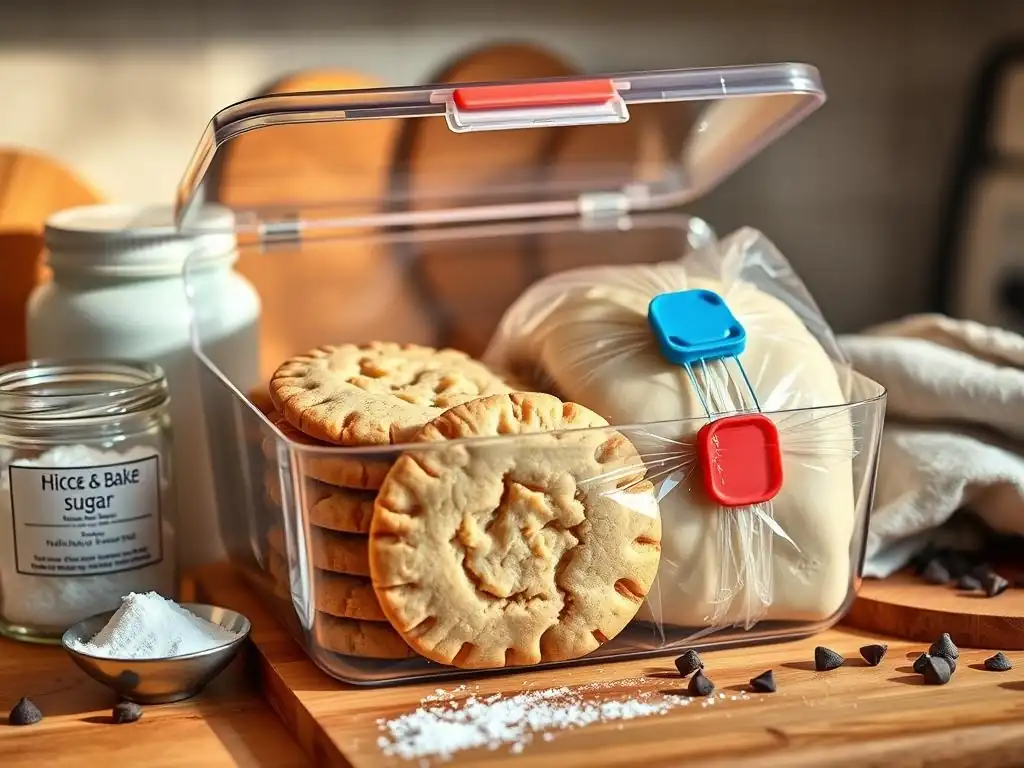
Slice-and-bake dough stored in the refrigerator often becomes quite firm and hard, making it difficult to slice neatly. This is normal and due to the chilling of the fats. To restore a workable consistency, simply remove the dough log from the refrigerator and let it sit at room temperature for about 15 to 30 minutes before attempting to slice. The exact time needed will depend on the room temperature.
If the dough seems crumbly after refrigeration, it might be slightly too cold or have dried out a bit. You can try gently kneading the log slightly with your hands to warm it up and bring it together. If it's still very dry and crumbly, you might carefully knead in a tiny amount (like half a teaspoon) of milk or softened butter, but be cautious not to add too much liquid, which could alter the cookie's final texture.
Preventing and Addressing Freezer Burn
Freezer burn appears as dry, discolored spots (often grayish or faded in color) on the surface of frozen dough or cookies. It occurs when food is exposed to cold, dry freezer air, causing dehydration. Proper packaging is the best prevention: ensure dough logs or baked cookies are wrapped tightly with minimal air exposure, using freezer-safe materials like plastic wrap followed by foil or a freezer bag.
If you notice slight freezer burn on the edges of dough or cookies, you might still be able to use them, although the texture and flavor in the affected areas may be compromised. Trim away severely freezer-burned portions before baking or consuming. Heavy freezer burn across the item is a strong indicator that quality is significantly degraded, and it might be best to discard it.
Recognizing signs of spoilage is crucial for food safety. For unbaked slice-and-bake dough, signs of spoilage include an off or sour smell, discoloration (such as grayish or greenish spots which could indicate mold), or a slimy or unusually hard texture that doesn't soften at room temperature. If the dough smells rancid (like old oil), the fats have oxidized beyond usability.
For baked cookies, visible mold is the most obvious sign of spoilage. Other indicators include an unpleasant odor, a greasy or sticky surface unrelated to the recipe, or an unusually stale or off-flavor. While a slightly stale cookie might be salvageable for other uses, any sign of mold, off smells, or significant discoloration means the item should be discarded immediately. When in doubt, it's always safest to err on the side of caution and discard suspect dough or cookies.
Expert Techniques for Maximizing Shelf Life
Using Airtight Containers and Proper Sealing
The importance of airtight storage cannot be overstated for both unbaked dough and baked cookies when aiming to maximize shelf life. An airtight seal creates a barrier that prevents the exchange of air and moisture between the food and the environment. This stops oxygen from causing oxidation (leading to rancidity in dough and staling in cookies) and prevents moisture from being lost (drying out soft items) or gained (making crisp items soggy).
When selecting containers, look for those with gaskets or locking mechanisms that create a tight seal. Ensure the container is appropriately sized for the amount of dough or cookies being stored; minimizing the amount of air space within the container also helps. For dough logs, wrapping tightly in plastic wrap before placing in an airtight container provides double protection. For baked cookies, ensure they are completely cool before sealing the container to avoid trapping steam.
Considerations for Humidity and Temperature Control
While airtight containers protect individual items, the ambient storage environment also plays a role, especially for baked cookies. High humidity in the storage location can challenge even the best airtight seals over time, potentially leading to moisture absorption and texture degradation, particularly for crisp cookies. Conversely, very low humidity can contribute to soft cookies drying out faster once the container is opened.
Storing baked cookies in a cool, dry pantry or cupboard away from direct sunlight, heat sources (like ovens or radiators), and areas of high humidity (like next to a sink or dishwasher) is ideal. The temperature should ideally be consistent, avoiding significant fluctuations. For dough, maintaining consistently cold temperatures—below 4°C (40°F) in the refrigerator and at or below -18°C (0°F) in the freezer—is paramount for inhibiting spoilage and maintaining quality over its intended storage period.

Sometimes, despite our best efforts at storing sliceandbake dough cookies, we end up with a few baked cookies that are a bit past their prime freshness. Before you consider discarding them, know that slightly stale cookies can be repurposed into delicious new treats. Their slightly drier texture can actually be an advantage in certain applications.
Repurposing stale cookies is a great way to reduce food waste and enjoy their flavor in a different form. Whether they are chocolate chip, peanut butter, or sugar cookies, their base flavor can be transformed into delightful components for other desserts. Here are a few ideas to give those forgotten cookies a second life.
Slightly stale cookies are perfect candidates for making a delicious crumb crust for cheesecakes, pies, or bar desserts. The process is simple: break the cookies into pieces and process them in a food processor until fine crumbs form. A rolling pin inside a plastic bag can also work if you don't have a food processor.
Combine about 1 ½ cups of cookie crumbs with ¼ to ⅓ cup of melted butter (adjust based on how dry or buttery the cookies are). Press the mixture firmly into the bottom and up the sides of a pie plate or baking pan. Bake at 175°C (350°F) for about 8-10 minutes until set, then cool before filling. This works wonderfully with chocolate chip, peanut butter, or even ginger slice-and-bake cookies.
Give your ice cream sundaes or yogurt parfaits an extra layer of flavor and crunch by turning stale cookies into "croutons." Break or chop the cookies into bite-sized pieces. These can be used as is, sprinkled over the top of your dessert for added texture.
For a more enhanced flavor and crunch, you can lightly toast the cookie pieces in a dry skillet over medium heat for a few minutes, stirring occasionally, until they are slightly browned and fragrant. Let them cool completely before using. This works especially well with heartier cookies like oatmeal or those with nuts.
Inspired by the popular concept of "cereal milk," you can create cookie-infused milk using day-old cookies. This technique extracts the flavor from the cookies into milk, resulting in a delicious base for drinks or other recipes.
Simply steep broken pieces of cookies in warm milk for about 15-30 minutes. The amount of cookies depends on how intense you want the flavor; start with about 1 part cookies to 4 parts milk. Strain the milk to remove the solids, and you're left with milk flavored with the essence of the cookies. This is particularly good with chocolate chip, peanut butter, or sugar cookies and can be enjoyed cold as a drink or used in recipes like pudding or ice cream base.
Mastering the art of storing sliceandbake dough cookies is fundamental to enjoying fresh, delicious treats on demand. By understanding how ingredients affect shelf life and implementing proper techniques for refrigeration and freezing, you can keep unbaked dough ready to go for weeks or even months. Key practices include tight wrapping, using airtight containers, and maintaining consistent low temperatures.
Equally important is knowing how to store baked cookies to preserve their texture and flavor, whether they are crisp, chewy, or soft. Allowing cookies to cool completely and using airtight containers are universal requirements, with specific considerations for moisture management depending on the cookie type. By following these guidelines, you minimize waste, ensure quality, and can confidently pull out dough or cookies from storage, knowing they will deliver the delightful results you expect from your BakeWithEase kitchen.
Frequently Asked Questions
You can typically store slice-and-bake cookie dough in the refrigerator for 2-3 days. After this, the dough may start to dry out or lose its optimal texture. Always check the expiration date on the packaging.
Yes, freezing is an excellent way to extend the shelf life of your slice-and-bake dough. Properly wrapped, it can last for up to 2-3 months in the freezer.
For refrigerated storage, wrap the dough tightly in plastic wrap or store it in an airtight container. For freezing, double-wrap the dough to prevent freezer burn.
Store baked cookies in an airtight container at room temperature. They will generally stay fresh for 3-5 days, depending on the recipe.
How can I tell if my slice-and-bake dough has gone bad?
Look for signs like a sour smell, discoloration, or a hard, dry texture. If the dough exhibits any of these signs, it's best to discard it.
The art of baking isn't just about creating delicious treats; it's about preserving that deliciousness. Knowing how to properly store your slice-and-bake dough and cookies extends their enjoyment, minimizing waste and maximizing the pleasure of a perfectly crisp bite, weeks after baking. This is more than just a kitchen tip; it's a testament to mindful baking and savoring the fruits of your labor.
The impact of understanding proper food storage extends far beyond just cookies. It speaks to a broader appreciation for resourcefulness and minimizing food waste, a growing concern in our increasingly conscious world. Waste not, want not,
an old adage, rings truer than ever in today's climate. This simple act of preserving our baked goods reflects a larger commitment to sustainability and mindful consumption, impacting not only our personal habits but also the collective effort towards reducing environmental impact.
Consider the simple joy of pulling out a perfectly preserved batch of cookies weeks later, the aroma instantly transporting you back to the warmth of your kitchen. You, the baker, hold the key to this enduring sweetness. Take the time to learn the best practices for storing your slice-and-bake dough and cookies. Experiment with different methods, find what works best for you, and savor the extended pleasure of your homemade treats. The reward is a delicious reminder of the care and attention you put into your baking, a small act of self-care that yields lasting satisfaction.
Unlock Your Baking Potential: Extend the Life of Your Dough!
Thanks for taking the time to discover the secrets to longer-lasting slice-and-bake dough and cookies! We hope you found the tips helpful and inspiring. Now it's time to put your newfound knowledge into action.
- Master the Freeze: Experiment with freezing your dough for even longer shelf life – you'll be amazed at how easy it is to maintain freshness.
- Share Your Success: Tell us about your experience – did you try freezing? What was your favorite baking tip from the article? Share your story in the comments below!
- Bake Something Amazing: Use this newfound knowledge to create delicious cookies this week. What unique flavor combination will you try?
Ready to take your baking to the next level?