
How to Create Steam in Your Home Oven for BakeryQuality Baguettes

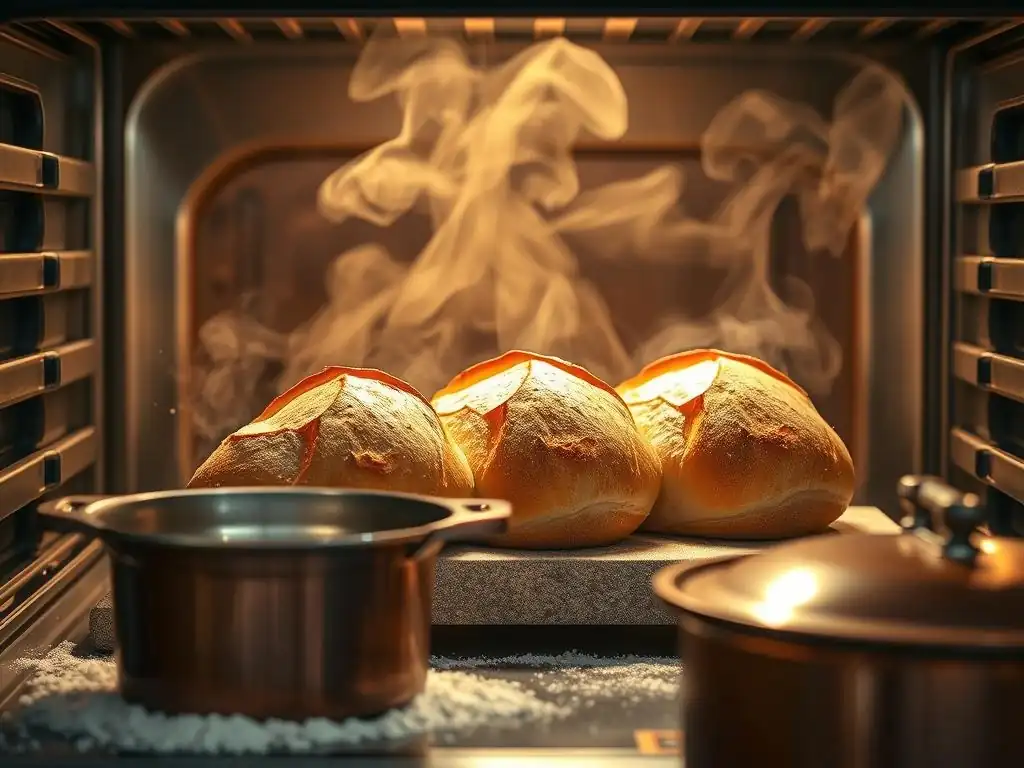
Welcome to BakeWithEase, your trusted guide to baking perfection! Ever dreamed of crafting those perfectly crusty, airy baguettes you find in artisan bakeries, all from the comfort of your own kitchen? Our latest article, "How to Create Steam in Your Home Oven for Bakery-Quality Baguettes," unveils the secret to achieving that coveted bakery-quality crust. Prepare to unlock the secrets of home oven steam and elevate your bread baking game! Intrigued? Let's get baking!
- How to Create Steam in Your Home Oven for Bakery-Quality Baguettes: King Arthur Baking's Guide
- Introduction: Achieving Bakery-Style Baguettes at Home with Steam
- Understanding the Science of Steam in Baguette Baking
- Methods for Creating Steam in Your Home Oven: A Comparison
- Step-by-Step Guide: Baking Baguettes with Home Oven Steam
- Troubleshooting Common Issues with Home Oven Steam Baguettes
- Advanced Tips for Perfecting Your Home Oven Baguettes
- Conclusion: Mastering Home Oven Steam Baguettes with King Arthur Baking
- Frequently Asked Questions
- Final Reflection: The Transformative Power of Steam in Home Baking
- Unleash Your Inner Boulanger: Bake Perfect Baguettes Tonight!
How to Create Steam in Your Home Oven for Bakery-Quality Baguettes: King Arthur Baking's Guide
Introduction: Achieving Bakery-Style Baguettes at Home with Steam
Why Steam is Crucial for Perfect Baguettes
Achieving that signature thin, crispy, crackly crust and airy interior in a baguette isn't just about the dough; it's profoundly about the baking environment. Steam plays an absolutely vital role in the initial phase of baking. Without sufficient steam, the surface of the dough dries out and begins to form a crust too early, restricting the dough's ability to expand fully during the crucial first 10 to 15 minutes in the hot oven.
Think of steam as creating a temporary, humid sauna for your baguettes. This moist environment keeps the surface pliable, allowing the dough to experience maximum "oven spring" – the final dramatic rise caused by the rapid expansion of gases within the dough under heat. Furthermore, the steam helps to gelatinize the starches on the crust's surface, contributing to that desirable glossy sheen and incredibly thin, crisp texture once the steam is vented and the crust finishes baking. It's the difference between a dense loaf with a thick, dull crust and a true artisan baguette.
The Challenge: Creating Steam in a Home Oven
Bakeries use specialized commercial ovens equipped with powerful steam injection systems. These systems rapidly fill the baking chamber with a high volume of steam right when the loaves are loaded, creating the ideal humid environment necessary for superior oven spring and crust development. This level of controlled, intense steam is difficult to replicate in a standard home oven.
Home ovens are designed to be dry-heat environments, and they are typically vented to release moisture. When you introduce steam into a home oven, it tends to escape quickly through these vents, making it a challenge to maintain the necessary humidity level for the critical initial baking period. Simply placing a pan of water in the oven often doesn't generate enough steam fast enough or maintain it consistently. This is why dedicated techniques are needed to effectively create and trap steam for baking home oven steam baguettes.
King Arthur Baking's Simple Solution for Home Oven Steam Baguettes
Over the years, home bakers, often guided by resources like King Arthur Baking, have developed and refined various methods to overcome the limitations of standard home ovens. These methods aim to temporarily create a steamy microclimate around the baguettes during the first part of their bake. While no home method can perfectly replicate a commercial steam oven, several techniques are highly effective for achieving excellent results when baking home oven steam baguettes.
These simple solutions typically involve introducing a source of intense, rapid steam just as the baguettes go into the oven. Popular approaches include using hot water with towels, a preheated cast iron skillet with ice or water, or lava rocks in a pan. Each method has its own setup and nuances, but the shared goal is to surround the baguettes with moisture in those vital initial minutes, facilitating maximum expansion and setting the stage for that perfect crust. Choosing the right method for your setup and comfort level is key to mastering home oven steam baguettes.
Understanding the Science of Steam in Baguette Baking
The Role of Steam in Crust Formation
Steam fundamentally alters the surface behavior of the baguette dough in the oven's heat. As the high temperature hits the dough, the water on the surface would normally evaporate rapidly, causing the crust to set almost instantly. This premature setting prevents the dough from expanding further. However, when the oven is filled with steam, the air surrounding the dough is already saturated with moisture. This slows down the rate at which water evaporates from the dough's surface, keeping the crust soft and flexible for a longer period.
During this steam-filled phase, the heat penetrates the dough, causing the starches on the surface to gelatinize. This process creates a thin, slightly tacky layer. Once the steam is vented later in the bake, this gelatinized layer dehydrates quickly in the dry heat, forming an incredibly thin, brittle, and glossy crust that is characteristic of artisan baguettes. Without sufficient steam, the crust sets early, is often thicker, duller, and lacks that desired crispness.
How Steam Affects Baguette Oven Spring
Oven spring is the rapid expansion of a loaf during the first 10 to 15 minutes of baking. It's driven by the production and expansion of gases (primarily carbon dioxide produced by yeast, and steam produced from the dough's water) within the dough matrix as it heats up. For maximum oven spring, the dough's structure needs to be able to stretch and expand without resistance from a hardened crust.
By keeping the surface pliable, steam allows the dough to expand unimpeded. Imagine a balloon: if the surface is stiff, it can't inflate much. If the surface is flexible, it can expand significantly. Steam provides that flexibility for your baguette dough. A well-proofed baguette dough, correctly scored, and baked in a steamy environment will exhibit dramatic oven spring, transforming from a relatively flat shape into a beautifully rounded, airy loaf. This contributes directly to the open, irregular crumb structure desired in artisan bread and is a hallmark of successful home oven steam baguettes.
Steam's Impact on Baguette Texture and Flavor
The texture and flavor of a baguette are inextricably linked to its crust and crumb structure, both heavily influenced by the presence of steam during baking. The thin, shatteringly crisp crust achieved with proper steaming provides a delightful textural contrast to the soft, airy interior crumb. This contrast is a key characteristic of a great baguette.
Furthermore, the gelatinization of starches on the surface, facilitated by steam, contributes subtle flavor nuances and the visual appeal of a slightly glossy crust. The extended oven spring also results in a more open, irregular crumb structure, which not only looks appealing but also affects the bread's texture and how it interacts with spreads or toppings. Ultimately, mastering home oven steam baguettes means unlocking the full potential of your dough, resulting in loaves that are not only visually stunning but also possess the complex textures and flavors of true artisan bread.
Methods for Creating Steam in Your Home Oven: A Comparison
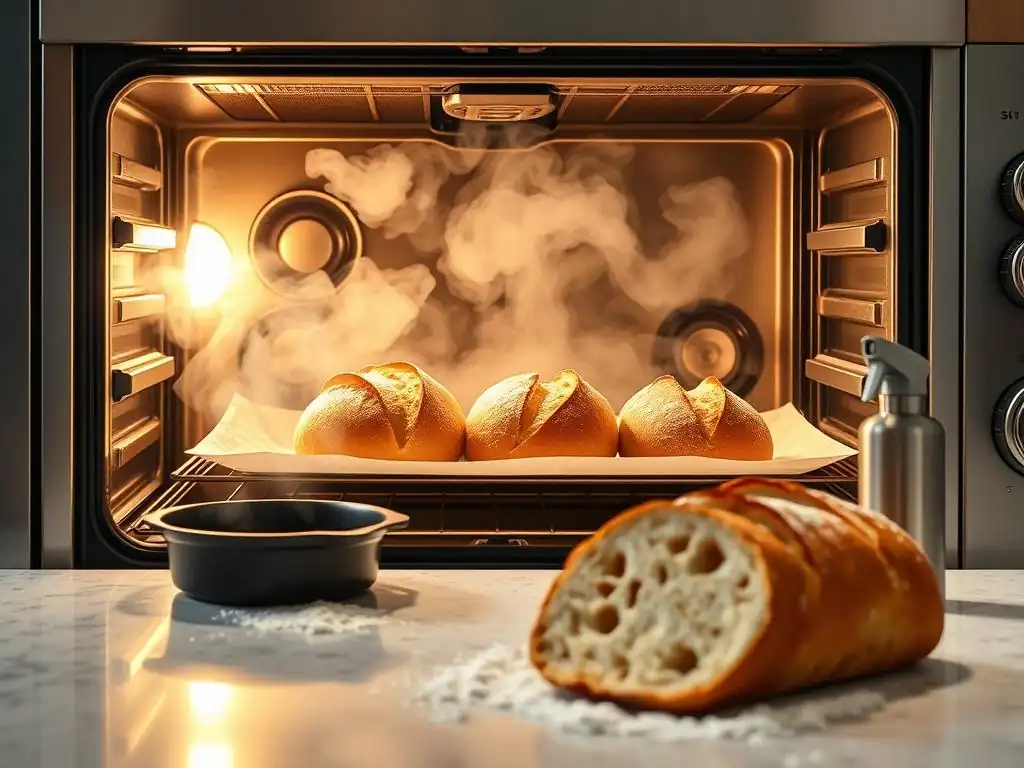
The Towel Method: A Classic Approach
The towel method is one of the simplest and most accessible ways to introduce steam into a home oven, often recommended for beginners exploring home oven steam baguettes. It leverages readily available items to create a humid environment.
Step-by-Step Guide to the Towel Method for Home Oven Steam
- Prepare the Pan: Find a sturdy, oven-safe metal pan (like a roasting pan or an old baking dish).
- Prepare the Towel: Take a clean kitchen towel (one you don't mind potentially staining or dedicating to baking) and soak it thoroughly in hot water. Wring it out so it's damp but not dripping excessively.
- Place in Pan: Place the damp towel inside the prepared metal pan.
- Add More Hot Water: Pour about 1-2 cups of very hot or boiling water into the pan with the towel.
- Position in Oven: Carefully place this pan on the lowest rack of your oven while it preheats. Ensure it's positioned so it won't interfere with your baking stone or the baguettes themselves on a higher rack. The goal is to have the steam generator below the bread.
Pros and Cons of the Towel Method
- Pros:
- Very simple and uses common household items.
- Relatively low-risk compared to handling boiling water around hot surfaces directly.
- A good starting point for understanding the effect of steam.
- Cons:
- Generates less intense steam compared to other methods.
- The steam may dissipate more quickly, especially in well-vented ovens.
- The towel can dry out during the bake, potentially scorching if not enough water is used.
- The pan and towel can take up significant space on a lower rack.
The Cast Iron Skillet Method: A Reliable Option
Using a preheated cast iron skillet is a popular and effective method for generating a good burst of steam for home oven steam baguettes. Cast iron retains heat exceptionally well, allowing it to flash-vaporize water or ice.
Setting Up the Cast Iron Skillet for Steam
Place an empty cast iron skillet or other heavy-duty metal pan (like a broiler pan) on the lowest rack of your oven before you begin preheating. Allow the skillet to heat up along with the oven and your baking stone (on a higher rack) to the desired temperature, typically 450-475°F (230-245°C). This ensures the skillet is radiating intense heat, ready to create steam instantly.
Generating Steam with Ice Cubes or Hot Water
Just before you load your scored baguettes onto the hot baking stone, open the oven door and carefully, but quickly, add 1 to 2 cups of ice cubes or boiling water to the hot cast iron skillet. Extreme caution is necessary here, as this will produce an immediate and intense cloud of steam. Close the oven door immediately after adding the water/ice and loading the bread to trap the steam. Ice cubes tend to produce steam slightly more gradually, which can be beneficial, while boiling water provides an instant, powerful burst.
Advantages and Disadvantages of the Cast Iron Skillet Method
- Advantages:
- Generates significant and rapid steam, crucial for oven spring.
- Cast iron is durable and holds heat well.
- Relatively straightforward setup.
- Disadvantages:
- Involves handling very hot pans and creating instant steam, which poses a burn hazard. Safety goggles and oven-safe gloves are highly recommended.
- Adding ice or water can cause a temporary dip in oven temperature.
- Requires a cast iron skillet or similar heavy-duty pan.
The Lava Rocks Method: A Powerful Steam Generator
Often cited as one of the most effective home methods, using lava rocks in a pan simulates a more commercial steam environment due to the high surface area of the rocks. This method is excellent for producing robust home oven steam baguettes.
Preparing Lava Rocks for Oven Steam
Purchase a bag of lava rocks (often found for gas grills). Rinse the lava rocks thoroughly to remove any dust or debris. Place the cleaned rocks in a sturdy, oven-safe pan. An old cast iron skillet or a dedicated metal steam pan works well. Avoid glass or ceramic, as the thermal shock could cause them to break.
How to Safely Use Lava Rocks in Your Oven
Place the pan filled with lava rocks on the lowest rack of your oven before preheating. Allow the rocks and pan to heat up fully with the oven and your baking stone (on a higher rack) to the target temperature (e.g., 475°F or 245°C). When you are ready to bake, carefully place your scored baguettes onto the hot baking stone. Then, with extreme caution, pour 1 to 2 cups of boiling water over the hot lava rocks. This will create a massive, immediate cloud of steam. Quickly close the oven door to trap the steam inside.
Considerations for Using Lava Rocks for Baking Baguettes
- Pros:
- Generates a large volume of intense steam quickly.
- The steam tends to last longer than with other methods due to the heat retention and surface area of the rocks.
- Provides excellent conditions for oven spring and crust development.
- Cons:
- Requires purchasing lava rocks and dedicating a pan.
- Significant safety hazard due to pouring boiling water onto super-hot rocks; requires caution and protective gear.
- Lava rocks need to be fully dried between uses to prevent cracking or reduced effectiveness.
- Can potentially create mineral buildup in the pan over time.
Step-by-Step Guide: Baking Baguettes with Home Oven Steam
Step 1: Preparing Your Baguette Dough
The foundation of a great baguette is a good dough. While recipes vary, a classic baguette dough typically involves flour (often bread flour or a mix with a little whole wheat or rye), water, yeast (instant or active dry), and salt. Hydration levels (the ratio of water to flour by weight) for baguettes are often relatively high, ranging from 70% to 80% or even higher, contributing to the open crumb.
Following a reliable recipe, perhaps one from a trusted source like King Arthur Baking, is essential. Ensure your dough has developed sufficient gluten strength through mixing and fermentation, as this structure is necessary to capture the gases that create oven spring.
Proper fermentation is key. This usually involves an initial bulk fermentation period, often with several "stretch and folds" to build strength, followed by a period in the refrigerator (cold fermentation) for flavor development and easier handling. A typical cold ferment might be 12 to 24 hours, but some recipes call for longer. The dough should be well-risen and bubbly, indicating active yeast and good gas production potential before you move on to shaping.
Step 2: Shaping and Proofing the Baguettes
Shaping baguette dough requires a gentle touch to maintain the airy structure developed during fermentation, while also creating surface tension for a good rise. Divide your dough into portions, typically around 250-350 grams each for standard baguettes. Gently pre-shape each portion into a rough log and let rest for 15-20 minutes, covered, to relax the gluten. Then, shape each piece into the characteristic long, slender baguette shape, about 12 to 16 inches long, ensuring a taut surface.
Proofing is the final rise before baking. Baguettes are typically proofed seam-side up on a couche (a piece of linen or heavy canvas dusted with flour) or in a baguette pan. The proofing time will depend on the dough temperature and ambient conditions, but often ranges from 45 to 75 minutes at room temperature after cold fermentation.
The dough is ready when it has increased significantly in size but is not overly puffy. A gentle poke test should leave a small indentation that slowly springs back – if it springs back quickly, it needs more time; if it stays indented, it might be slightly over-proofed, though still bakeable. Proper proofing is critical for achieving the desired oven spring with home oven steam baguettes.
Step 3: Setting Up Your Home Oven for Steam
Effective steam generation starts with proper oven setup and preheating. The goal is to create a super-hot environment that, when combined with a steam source, mimics a professional baking setup as closely as possible for your home oven steam baguettes.
Choosing Your Preferred Steam Method
Decide which steam method you will use – the towel method, cast iron skillet with ice/water, or lava rocks. Each has its benefits and risks, as discussed earlier. Select the one you are most comfortable and equipped to handle. Your choice will dictate the specific items you need to place in the oven during the preheating phase.
Preheating Your Oven and Baking Stone
Place your baking stone or steel on a rack in the upper half of the oven (typically the middle or one level below). Place your chosen steam setup (pan with damp towel, empty cast iron skillet, or pan with lava rocks) on the lowest rack. Preheat your oven to a high temperature, typically between 450°F and 475°F (230°C to 245°C).
Allow the oven to preheat for a minimum of 30-60 minutes after it reaches the set temperature. This ensures the stone/steel and your steam setup are fully saturated with heat, which is vital for both oven spring and effective steam generation.
Step 4: Introducing Steam and Baking the Baguettes
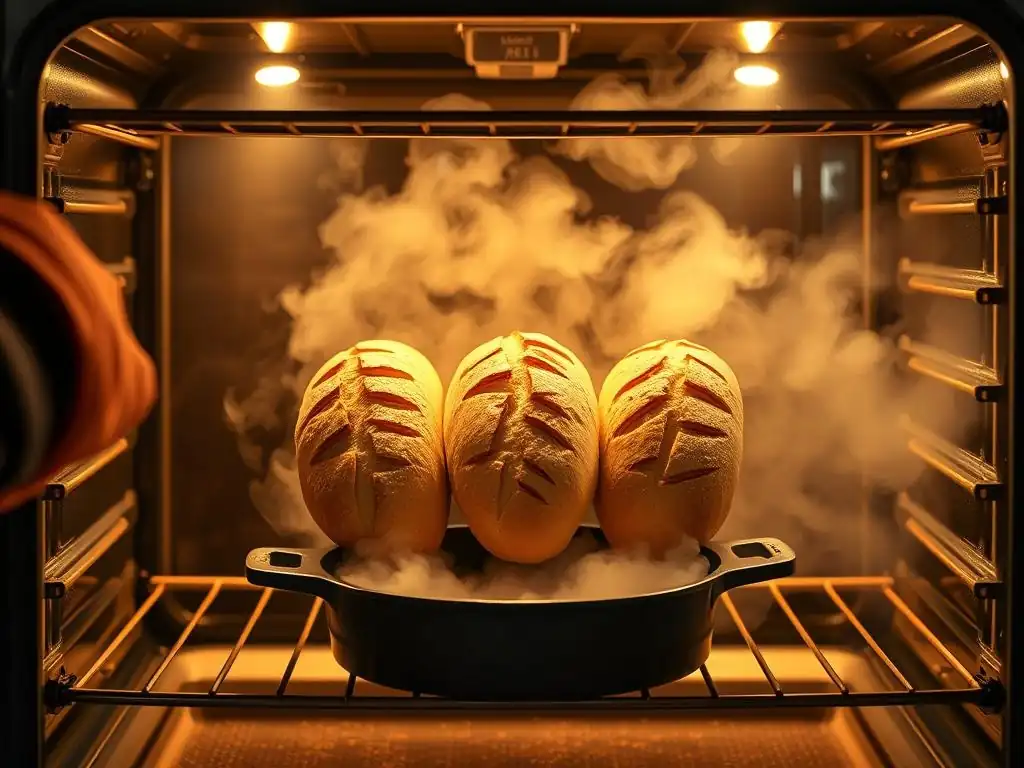
This step requires coordination and speed to maximize the effect of the steam. Having everything ready before opening the oven is crucial for successful home oven steam baguettes.
Scoring the Baguettes for Even Expansion
Just before loading the baguettes into the oven, you need to score them. Scoring involves making strategic slashes (called coupes) on the surface of the dough. This controls where the loaf expands during oven spring, preventing blowouts and contributing to the baguette's classic appearance. Use a very sharp blade, like a razor blade (a lame is ideal), held at about a 30-degree angle to the surface. Make confident, overlapping slashes along the length of the baguette, typically 3 to 5 slashes depending on the length. The depth should be about 1/2 inch.
Adding Steam to the Oven
Transfer your scored baguettes onto the preheated baking stone or steel using a peel or parchment paper. Immediately after loading the bread, introduce your steam. If using the skillet or lava rocks method, carefully pour 1-2 cups of boiling water or add a tray of ice cubes into the hot pan on the lower rack. Exercise extreme caution due to the intense steam produced. If using the towel method, ensure the pan on the bottom rack has plenty of hot water. Quickly close the oven door to trap the steam.
Baking Time and Temperature Guidelines
Bake the baguettes at the initial high temperature (450-475°F or 230-245°C) with the steam source for the first 10 to 15 minutes. This is the critical phase for oven spring and crust development. Do not open the oven door during this time unless absolutely necessary.
Step 5: Releasing Steam and Finishing the Bake
After the initial steam period, the focus shifts from promoting oven spring to developing a dry, crispy crust.
Venting the Oven for a Crispy Crust
After the first 10-15 minutes (or when the baguettes have achieved their maximum rise and the crust is starting to show some color), it's time to vent the steam. This allows the crust to dry out and become crisp. Carefully open the oven door and quickly remove your steam source (pan with towel, skillet, or pan with lava rocks).
Be cautious of residual steam. Some bakers also leave the oven door slightly ajar for the remainder of the bake by propping it open with a wooden spoon or heatproof object. Reduce the oven temperature slightly, typically to around 425°F (220°C), for the rest of the baking time.
Achieving the Ideal Baguette Color
Continue baking the baguettes in the dry heat for another 10-20 minutes, or until they reach a deep, golden-brown color. The total baking time for baguettes is usually between 20 and 30 minutes, depending on their size and your oven. A well-baked baguette will have a firm, resonant crust when tapped on the bottom. Baking to a good color is important not just for appearance but also for flavor development and crust crispness.
Step 6: Cooling and Enjoying Your Home-Baked Baguettes
The final, crucial step for perfect home oven steam baguettes is proper cooling.
Proper Cooling Techniques
As tempting as it is to slice into a hot baguette right out of the oven, it's essential to let them cool completely on a wire rack. Cooling allows the internal structure of the bread to set and stabilizes the crust. The internal temperature needs to drop, and steam needs to escape the crumb. Cutting into a hot baguette will result in a gummy, doughy interior texture. Let them cool for at least 30-60 minutes, preferably longer, depending on their thickness.
Serving Suggestions and Storage Tips
Baguettes are best enjoyed fresh, ideally within a few hours of cooling. Serve them simply with butter, olive oil, or alongside soups, salads, or cheese. For storage, a paper bag is ideal for keeping the crust crisp for up to a day. Avoid plastic bags or wrap if you want to preserve the crust's texture, as this traps moisture and softens the crust quickly. For longer storage, baguettes freeze exceptionally well. Let them cool completely, then wrap tightly in plastic wrap and foil. Reheat from frozen in a 350°F (175°C) oven for about 10-15 minutes until crisp.
Troubleshooting Common Issues with Home Oven Steam Baguettes
Baking home oven steam baguettes can sometimes present challenges. Here are some common issues and potential causes:
Baguettes Not Rising Properly
If your baguettes are dense or flat, several factors could be at play. The dough might have been under-proofed, meaning it didn't have enough time for the yeast to produce sufficient gas before baking. Conversely, it could be significantly over-proofed, causing the gluten structure to collapse before it even hits the oven.
Insufficient steam during the initial bake is a major culprit, as it prevents adequate oven spring. A baking stone or oven that wasn't preheated long enough (or hot enough) can also hinder the initial burst of rise. Lastly, issues with the dough itself, such as weak gluten development during mixing or using inactive yeast, will limit expansion potential regardless of steam.
Crust Too Thick or Too Thin
A crust that is too thick and hard often results from insufficient steam in the oven during the first phase of baking. Without enough humidity, the crust sets too early and becomes dense. Baking at too low a temperature initially can also contribute to a thicker crust.
If the crust is too thin or lacks crispness, it might be due to too much steam maintained for too long, or not enough dry baking time after the steam is vented. Improper cooling (like placing them on a solid surface instead of a rack) can also trap moisture and soften the crust.
Uneven Baking and Coloring
Uneven coloring or baking is frequently caused by hot spots in your oven. Ovens often have areas that are hotter or cooler than others. Rotating your baguettes halfway through the dry baking phase can help promote even coloring. Placing baguettes too close together on the baking surface can also impede airflow and lead to uneven results. Ensure your steam is being generated evenly across the lower part of the oven, not just in one corner.
Baguettes Spreading Instead of Rising
If your baguettes spread outwards into flat discs rather than rising upwards with good height and a rounded profile, it's often a sign of over-proofed dough. When dough is proofed too long, the gluten structure weakens and can't support the loaf's shape during baking. Weak surface tension from improper shaping can also cause spreading. Insufficient steam will exacerbate this issue, as the crust sets too quickly and doesn't guide the upward expansion. Dough that is too wet (very high hydration) can also be more prone to spreading if not handled and proofed carefully.
Advanced Tips for Perfecting Your Home Oven Baguettes
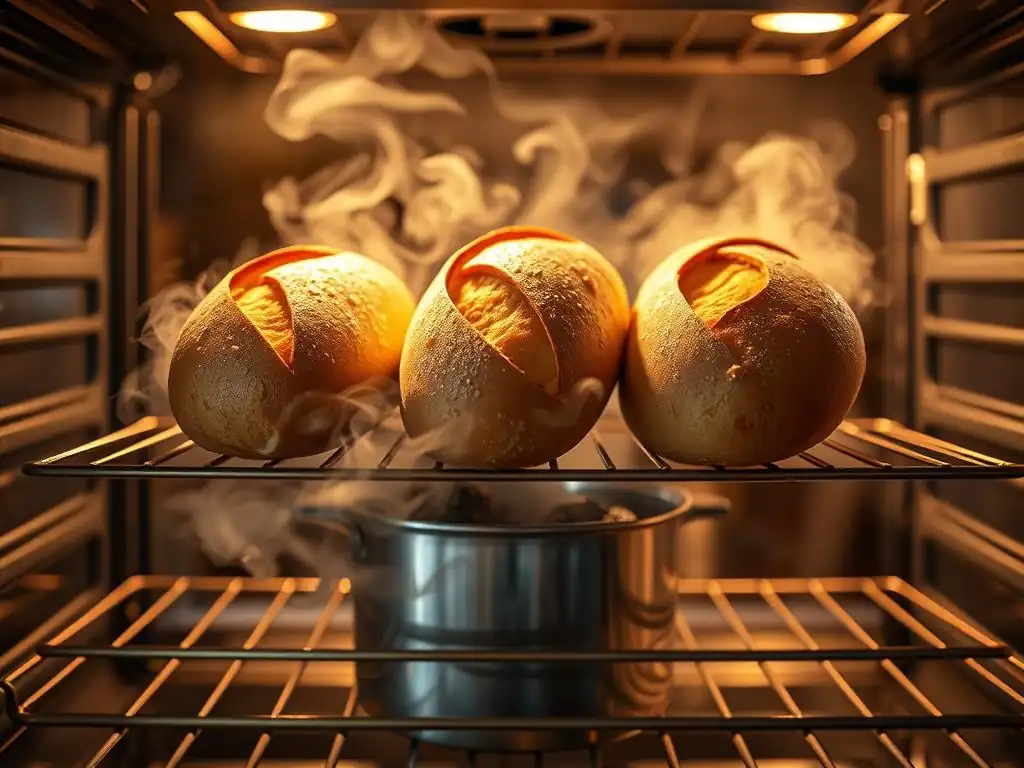
Once you've mastered the basics of home oven steam baguettes, you can experiment further to refine your technique and results.
Adjusting Steam Levels for Different Results
The amount and duration of steam can influence the final crust. More intense, longer-lasting steam (like from lava rocks or ample boiling water) generally leads to a thinner, more brittle, and shinier crust with maximum oven spring. Reducing the amount of water used for steam, or venting earlier, will result in a slightly thicker crust. Experiment with the quantity of water or ice and the timing of venting the steam (e.g., after 10 vs. 15 minutes) to see how it affects the crispness, thickness, and sheen of your baguette crusts.
Experimenting with Different Flours and Hydration
The type of flour and the hydration level of your dough significantly impact the dough's behavior and the final loaf. Using a strong bread flour with a high protein content (like 12-14%) helps develop a robust gluten structure capable of supporting high hydration and achieving significant oven spring, especially when combined with home oven steam.
Experimenting with higher hydration levels (e.g., moving from 70% to 75% or 80%) can lead to a more open, airy crumb, but requires careful handling and often benefits greatly from ample steam. Adding a small percentage of whole wheat or rye flour (e.g., 5-10%) can add flavor complexity but may require slight adjustments to hydration and handling.
Using a Dutch Oven for Baguettes
While traditional long baguettes don't fit easily into most round or oval Dutch ovens, specialized baguette bakers or cloches designed for home ovens can effectively trap steam around the loaf, mimicking a steam-injected oven. These bakers are typically preheated with the lid on, the loaf is placed inside, scored, and the lid is replaced for the initial baking period. The moisture evaporating from the dough is trapped inside, creating a steamy environment.
After the initial phase (e.g., 15-20 minutes), the lid is removed to allow the crust to dry and crisp up. This method is highly effective for creating excellent home oven steam baguettes without needing external steam sources, though it requires purchasing specific equipment.
Conclusion: Mastering Home Oven Steam Baguettes with King Arthur Baking
Enjoy the Journey of Baking Artisan Baguettes at Home.
Baking truly exceptional baguettes at home, complete with that coveted thin, crisp crust and open, airy interior, is a rewarding endeavor. It requires attention to detail at every stage, from mixing and fermenting the dough to shaping, proofing, and crucially, creating the right baking environment. Mastering home oven steam baguettes is perhaps the most significant hurdle for home bakers aiming for artisan quality.
By understanding why steam is important and learning effective techniques for generating it in a standard home oven – whether through the simple towel method, the reliable cast iron skillet approach, or the powerful lava rocks technique – you unlock the potential for dramatic oven spring and superior crust development. While it may take a few tries to find the method and timing that work best with your specific oven, the process is part of the joy of baking.
Embrace the learning curve, pay attention to your dough and your oven, and soon you'll be pulling beautiful, crackly home oven steam baguettes from your kitchen, ready to share and enjoy.
Frequently Asked Questions
How important is steam when baking baguettes at home?
Steam is crucial for achieving that classic baguette crust. It allows the dough to expand fully before the crust sets, resulting in a lighter, airier interior and a crisp, golden-brown exterior.
What are some common methods for creating steam in a home oven?
Several methods exist, including using a baking stone with ice cubes or a cast iron skillet filled with hot water. You can also use a spray bottle to spritz the oven walls with water.
How do I know if I'm using enough steam?
Look for a shiny, smooth surface on the baguettes early in the baking process. If the crust is setting too quickly and cracking, you likely need more steam.
Can I create too much steam in my oven?
Yes, too much steam can prevent the crust from forming properly, resulting in a soft, pale baguette. It's about finding the right balance for your oven and recipe.
What kind of equipment do I need to create steam for baguettes?
You'll need something to hold the water, like a cast iron skillet or baking sheet, and either ice cubes or hot water. A spray bottle can also be helpful for additional bursts of steam.
Final Reflection: The Transformative Power of Steam in Home Baking
The pursuit of bakery-quality baguettes at home is no longer a distant dream; mastering the art of steam injection is the key. This seemingly simple addition to your home baking arsenal unlocks a world of crispy crusts and airy interiors, transforming ordinary loaves into extraordinary culinary experiences. The techniques outlined in this article, from simple pan methods to more advanced steam injection systems, empower home bakers to achieve professional results within the confines of their own kitchens.
The impact of readily available information on baking techniques, like those detailed here, is profound. It democratizes culinary expertise, allowing anyone with passion and a home oven to explore the intricacies of bread making. The best bread is made with love and a little bit of steam.
– (A quote you could create or find a relevant one from a baker). This simple truth, often overlooked, highlights the emotional connection we forge with food, especially when we create it ourselves. The journey of mastering steam injection is not just about technique; it's about nurturing a deeper appreciation for the process and the final product.
Now, it's your turn. Consider the techniques discussed – experiment, adapt, and most importantly, enjoy the process. Don't be afraid to fail; each attempt brings you closer to perfecting your own signature baguette. The crisp crust, the airy crumb, the satisfying aroma – these are rewards well worth the effort. Embrace the transformative power of steam, and unlock the baker within.
Unleash Your Inner Boulanger: Bake Perfect Baguettes Tonight!
Thanks for taking the time to explore the art of creating steam in your home oven! You've now unlocked a secret weapon for bakery-quality bread. Ready to put your new skills to the test?
- Bake a batch of baguettes tonight! Use your newly acquired steam techniques and impress yourself (and your loved ones!) with crispy, airy results. Remember to share your success (or even your challenges!) with us.
- Experiment with different steam methods: Try the ice cube method, the pan of boiling water, or even a dedicated steam generator – see which one works best for your oven.
- Share your baguette journey: Post a picture of your beautiful loaves on social media using #BakeWithEaseBaguettes and tag us! Let's inspire other bakers.
What unique ingredient will you use to enhance the flavor of your next perfect baguette?