
Eggless Brioche Doughnuts: A PlantBased Morning Delight

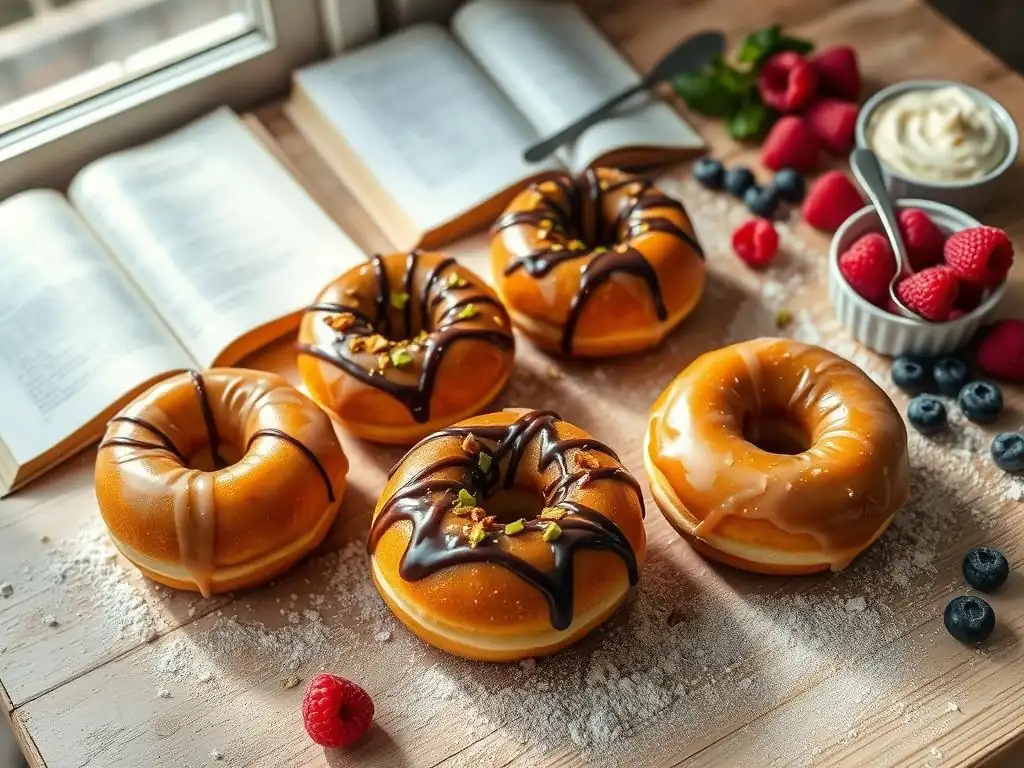
Welcome to BakeWithEase, your ultimate guide to baking bliss! Ever dreamt of biting into a perfectly fluffy, melt-in-your-mouth brioche doughnut, but thought it was too complicated, or maybe even impossible without eggs? Think again! Dive into our latest article and discover the secrets to crafting unbelievably delicious and easy plant-based brioche doughnuts. Prepare to be amazed at how simple it can be to create bakery-worthy treats in your own kitchen, completely egg-free! Read on to unlock the recipe and ignite your baking passion!
- Introduction to Easy Plant-Based Brioche Doughnuts
- Mastering the Vegan Brioche Dough: A Step-by-Step Guide
- Shaping and Frying Your Vegan Brioche Doughnuts
- Glazing and Decorating Your Vegan Brioche Doughnuts
- Tips and Tricks for the Best Vegan Brioche Doughnuts
- Variations and Adaptations: Beyond the Basic Recipe
- Conclusion: Your Journey to Delicious Vegan Brioche Doughnuts
-
Frequently Asked Questions
- What makes these brioche doughnuts "easy" to bake, especially compared to traditional brioche?
- Are these doughnuts truly plant-based, and what ingredients are used to replace eggs and dairy?
- Can I customize the flavor of these brioche doughnuts, and if so, how?
- What kind of flour is best for achieving a soft and airy texture in these eggless brioche doughnuts?
- How long do these plant-based brioche doughnuts stay fresh, and how should I store them?
- Final Reflection: The Sweet Revolution of Plant-Based Baking
- Unleash Your Inner Baker: Craft These Delicious Doughnuts!
Introduction to Easy Plant-Based Brioche Doughnuts
Discover the Joy of Dairy-Free Brioche Doughnuts
Creating light, fluffy, and rich brioche dough without eggs or dairy might sound like a challenge, but it's entirely achievable with simple plant-based alternatives. The traditional brioche relies heavily on eggs and butter for its signature tenderness and richness.
In the world of easy plantbased brioche doughnuts, we substitute these animal products with ingredients like plant-based milk, vegan butter, and clever binders such as flax eggs or applesauce. The result is a dough that, when handled correctly, yields doughnuts that are remarkably similar in texture and flavor to their conventional counterparts, offering a delightful morning treat or dessert option for everyone, including those with dietary restrictions.
This article will guide you through the process of mastering this versatile eggless brioche dough. We'll cover everything from selecting the right ingredients to the delicate art of shaping and frying, ensuring your journey to homemade plant-based brioche doughnuts is smooth and rewarding. Forget complicated techniques; our focus is on making this classic pastry accessible and enjoyable for bakers of all skill levels. By the end, you'll have the confidence to create batches of these tender, delicious doughnuts right in your own kitchen, proving that ethical choices can also be incredibly tasty.
Why Choose Vegan Doughnuts? Ethical and Delicious
Opting for vegan doughnuts, including easy plantbased brioche doughnuts, isn't just about catering to dietary needs; it's a choice rooted in ethical considerations and a growing awareness of the environmental impact of food production. The dairy and egg industries raise significant concerns regarding animal welfare and sustainability.
By choosing plant-based ingredients, you contribute to a food system that requires fewer resources, such as land and water, and typically generates lower greenhouse gas emissions compared to animal agriculture. For instance, producing one gallon of dairy milk can require significantly more water and land than producing plant-based alternatives like almond or soy milk.
Beyond the ethical and environmental benefits, vegan doughnuts are simply delicious. Modern plant-based ingredients have evolved significantly, providing rich flavors and textures that perform exceptionally well in baking. Vegan butter alternatives, often made from blends of oils like coconut, shea, or sunflower, mimic the richness and flakiness of dairy butter. Plant milks provide the necessary liquid without the lactose or cholesterol. With the right techniques, these ingredients combine to create doughnuts that are moist, tender, and utterly satisfying, proving that you don't need animal products to achieve baking excellence.
Mastering the Vegan Brioche Dough: A Step-by-Step Guide
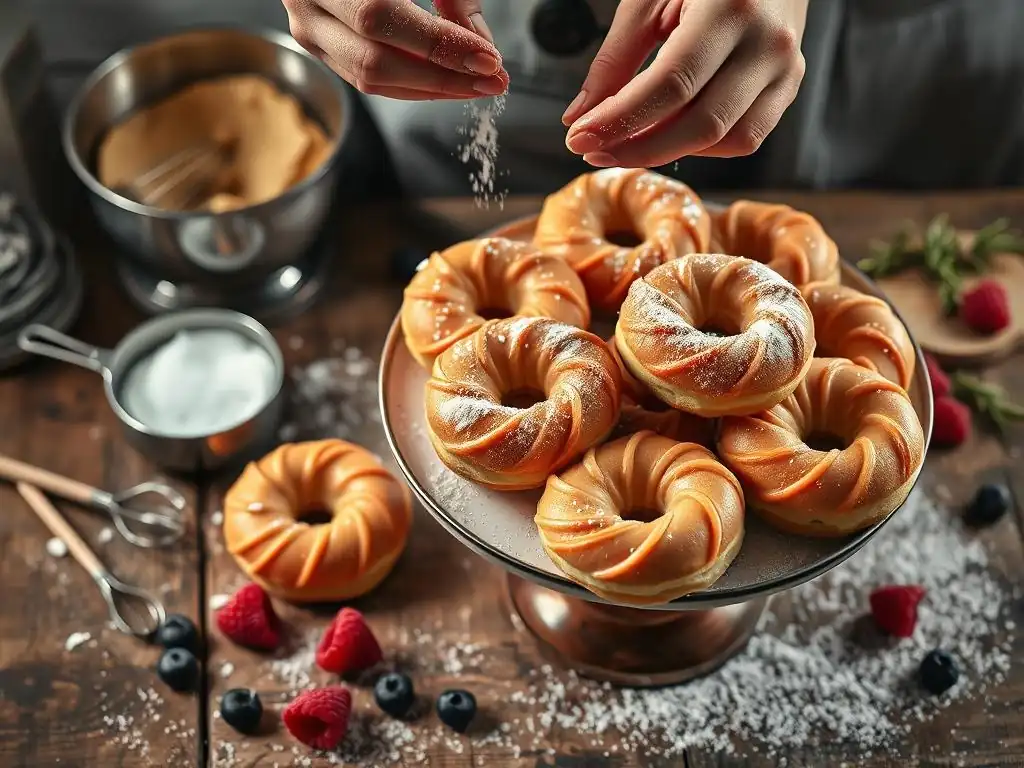
Ingredients for Perfect Vegan Brioche Dough
Crafting the ideal easy plantbased brioche dough begins with selecting the right ingredients. You'll need standard baking staples along with plant-based substitutes for eggs and dairy. Typically, a batch yielding about 12-15 doughnuts will require approximately 3 to 4 cups of all-purpose flour, ensuring enough structure for the dough.
For liquid, about 1 to 1.5 cups of warm plant milk (like soy, almond, or oat) provides moisture and helps activate the yeast. Richness comes from roughly half a cup of melted vegan butter, chosen for its creamy texture and flavor profile. Sweetness is usually provided by a quarter to a third cup of granulated sugar.
To replace eggs, which provide binding and richness in traditional brioche, you'll need a suitable vegan binder. Common options include 2-3 tablespoons of ground flaxseed mixed with 5-6 tablespoons of water (creating a "flax egg"), about half a cup of unsweetened applesauce, or commercial egg replacers. Active dry yeast or instant yeast is essential for leavening, typically requiring 2 to 2.5 teaspoons.
A pinch of salt enhances the overall flavor. Some recipes might also incorporate a touch of vanilla extract or a small amount of apple cider vinegar for added complexity or tenderness. Using quality ingredients is key to achieving that coveted soft and tender texture characteristic of excellent brioche.
Preparing the Vegan Brioche Dough: Detailed Instructions
Activating the Yeast (Optional: Using Fruit Juice or Warm Plant Milk)
The first crucial step in making easy plantbased brioche doughnuts is activating your yeast. If using active dry yeast, you'll need to proof it. Combine the specified amount of yeast (e.g., 2.25 teaspoons) with a small amount of warm liquid (around 1/4 cup) and a pinch of sugar.
The liquid should be between 105°F and 115°F (40°C to 46°C) – too cold, and the yeast won't activate; too hot, and you'll kill it. Warm plant milk is a common choice, but some recipes, like those for apple cider doughnuts, might use warm apple cider, which offers a unique flavor boost and provides sugar for the yeast to feed on. Let this mixture sit for 5-10 minutes until it becomes foamy and bubbly.
This foam indicates the yeast is alive and active, ready to leaven your dough. If it doesn't foam, your yeast may be dead, and you should start over with fresh yeast.
If you are using instant yeast, this proofing step is often skipped as it can be mixed directly with the dry ingredients. However, even with instant yeast, warming your liquid ingredients slightly (to around 95°F - 105°F or 35°C - 40°C) can help the dough rise more quickly and evenly. Regardless of yeast type, ensuring your yeast is active is the foundation for a light and airy vegan brioche dough.
Mixing and Kneading the Vegan Dough
Once your yeast is ready, combine it with the remaining wet ingredients, including warm plant milk, melted vegan butter, and your chosen egg substitute (like flax egg or applesauce). In a large mixing bowl, whisk these wet ingredients together with the sugar and salt. Gradually add the flour, one cup at a time, mixing until a shaggy dough forms.
At this stage, if using active dry yeast that was proofed separately, add that foamy mixture in. Turn the dough out onto a lightly floured surface or use a stand mixer fitted with a dough hook. Knead the dough for about 8-10 minutes by hand or 6-8 minutes in a mixer on medium speed.
Kneading is vital for developing the gluten structure in the dough, which provides elasticity and strength, allowing the dough to trap the gases produced by the yeast and rise properly. The dough should transform from a sticky mass into a smooth, elastic ball that springs back slowly when gently pressed. A good test is the "windowpane test": carefully stretch a small piece of dough; if you can stretch it thin enough to see light through it without it tearing, the gluten is well-developed.
If it tears easily, continue kneading for a few more minutes. This well-developed gluten is key to the tender crumb of easy plantbased brioche doughnuts.
First Rise: Developing Flavor and Texture
After kneading, the dough needs time to ferment and rise, a process called the first rise or bulk fermentation. Lightly grease a clean bowl with a little vegan butter or oil. Place the dough ball in the bowl, turning it to coat lightly with the grease. Cover the bowl tightly with plastic wrap or a clean kitchen towel. Place the bowl in a warm, draft-free spot. An oven with just the light on is an ideal environment, typically reaching around 80°F-90°F (27°C-32°C). The warm temperature encourages yeast activity.
The dough should double in size during this first rise, which typically takes anywhere from 1 to 2 hours, depending on the warmth of your environment and the activity of your yeast. This slow fermentation process not only increases the dough's volume but also develops complex flavors and improves the texture of the final doughnuts. Punching down the dough gently after the first rise deflates it and redistributes the yeast and gluten, preparing it for the next stage of shaping. Don't rush this step; sufficient rising time is crucial for light and airy plant-based brioche doughnuts.
Shaping and Frying Your Vegan Brioche Doughnuts
Rolling and Cutting the Doughnut Shapes
Once your vegan brioche dough has completed its first rise and been gently punched down, it's ready to be shaped into classic doughnut forms. Lightly flour your work surface and a rolling pin. Gently turn the dough out onto the floured surface. Using the rolling pin, roll the dough evenly to a thickness of approximately half an inch (about 1.2-1.5 cm). Rolling the dough too thin will result in flat, dense doughnuts, while rolling it too thick can lead to uneven cooking. Maintain an even thickness across the entire sheet of dough for consistent results.
Now, use a doughnut cutter or two concentric round cutters (one larger for the outer ring, one smaller for the center hole) to cut out your shapes. A standard doughnut cutter is typically around 3-3.5 inches (7.5-9 cm) in diameter for the outer ring, with a smaller cutter around 1 inch (2.5 cm) for the hole. Carefully transfer the cut doughnuts and the smaller doughnut holes to baking sheets lined with parchment paper.
Ensure they are spaced apart to allow for the second rise. Gather the dough scraps, gently knead them together, let them rest for 5-10 minutes, and then re-roll and cut additional doughnuts until all the dough is used.
Proofing the Shaped Doughnuts: Achieving Lightness
After shaping, the doughnuts need a second rise, also known as proofing. This step is critical for achieving the light and airy texture characteristic of easy plantbased brioche doughnuts. Cover the baking sheets loosely with plastic wrap or a clean kitchen towel to prevent the dough from drying out. Place the covered sheets in a warm, draft-free spot, similar to the first rise location. The optimal temperature for proofing is typically between 75°F and 85°F (24°C and 29°C).
During this second rise, the doughnuts should visibly increase in size, becoming puffy and light. This usually takes about 30-60 minutes, but the exact time can vary based on the room temperature. You'll know they are properly proofed when they look noticeably larger and feel delicate. To test gently, lightly press the side of a doughnut with your fingertip; if the indentation springs back slowly, leaving a slight mark, they are ready to fry. If they spring back immediately, they need more time. Over-proofing can cause them to collapse during frying, so keep a close eye on them.
Frying the Vegan Doughnuts to Golden Perfection
Frying is the final step in transforming your proofed dough shapes into delicious easy plantbased brioche doughnuts. You'll need a heavy-bottomed pot or a deep fryer and enough oil for the doughnuts to float freely. Suitable oils for frying include vegetable oil, canola oil, or peanut oil, chosen for their high smoke points (typically around 400°F-450°F or 200°C-230°C). Fill the pot with oil to a depth of about 2-3 inches.
Heat the oil gradually over medium heat. Using a thermometer is essential for accuracy; the ideal frying temperature for doughnuts is between 350°F and 375°F (175°C and 190°C). Too low, and the doughnuts will absorb excess oil, becoming greasy. Too high, and they will brown too quickly on the outside while remaining raw inside. Once the oil reaches the target temperature, carefully slide a few doughnuts into the hot oil using a slotted spoon or spider, being careful not to overcrowd the pot, which can lower the oil temperature.
Oil Temperature and Frying Time: Key to Success
Maintaining the correct oil temperature is paramount for achieving perfectly fried easy plantbased brioche doughnuts. As mentioned, 350°F to 375°F (175°C to 190°C) is the sweet spot. Use a thermometer to monitor the temperature throughout the frying process, adjusting the heat as needed. Adding doughnuts will temporarily lower the oil temperature, so allow it to recover between batches.
The frying time is relatively short, typically 1.5 to 2 minutes per side. Once the bottom side is golden brown, carefully flip the doughnut using the slotted spoon or spider and fry the other side for another 1.5 to 2 minutes until it is also golden brown and cooked through. Doughnut holes will fry much faster, often in just 30-60 seconds per side.
Remove the fried doughnuts from the oil, allowing excess oil to drain back into the pot, and transfer them to a wire rack set over a baking sheet lined with paper towels. The paper towels help absorb any remaining surface oil.
Achieving Even Cooking: Tips and Tricks
To ensure your easy plantbased brioche doughnuts cook evenly, there are a few key tips. Firstly, start with dough that is rolled to a consistent thickness; this prevents some doughnuts from being undercooked while others are done. Secondly, do not overcrowd the frying pot. Frying only 2-4 doughnuts at a time allows the oil temperature to remain more stable and gives you space to maneuver them. Overcrowding significantly drops the oil temperature, leading to greasy, unevenly cooked results.
Thirdly, monitor the temperature constantly with a thermometer. If the temperature starts to drop too much, reduce the heat slightly or fry fewer doughnuts in the next batch. If it gets too high, turn the heat down and wait a moment before adding more doughnuts. Finally, ensure you flip the doughnuts about halfway through the frying time to ensure both sides brown and cook evenly. Some bakers report adding a small piece of dough to the oil beforehand; if it sizzles and floats immediately, the oil is ready.
Glazing and Decorating Your Vegan Brioche Doughnuts
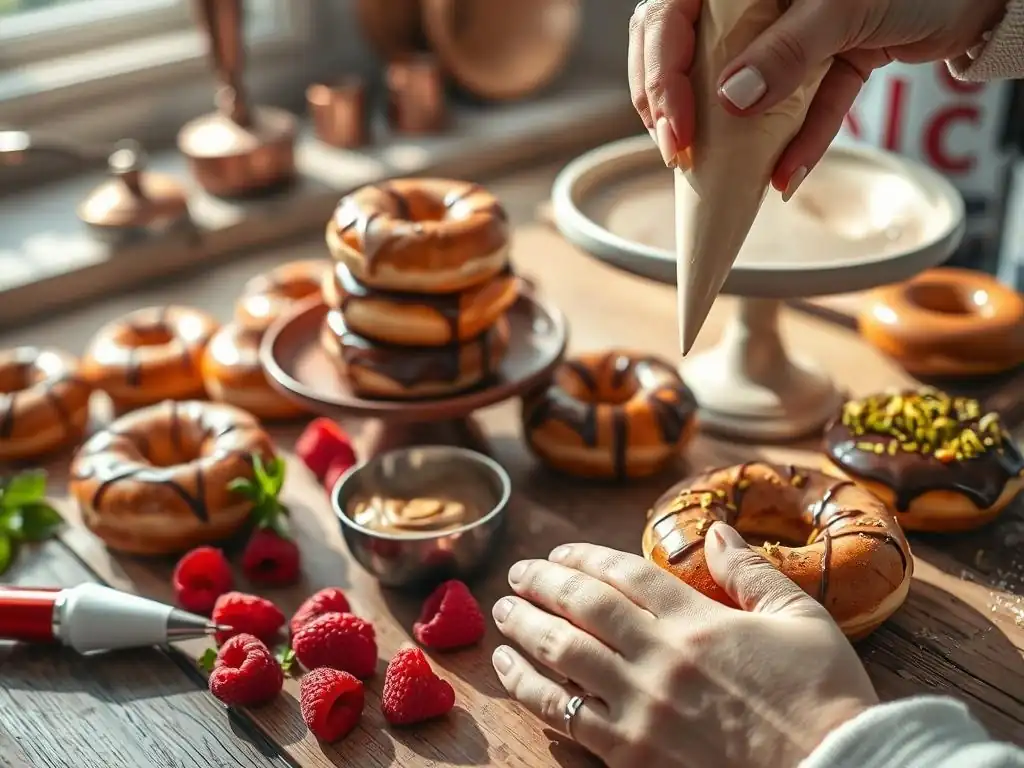
Simple Glaze Recipes for Vegan Doughnuts
Once your easy plantbased brioche doughnuts are fried and have cooled slightly, they are ready for glazing or coating. Glazes add sweetness and flavor and can enhance the visual appeal. A basic vegan glaze is incredibly simple to make.
Classic Powdered Sugar Glaze or Optional Fruit Juice Glaze
A classic powdered sugar glaze is a quick and easy option. Whisk together about 2 cups of powdered sugar with 3-4 tablespoons of liquid until smooth and pourable. The liquid can be plant milk, water, or even a fruit juice like apple cider (for an autumnal twist) or orange juice for a citrus note.
For an apple cider glaze, use reduced apple cider for concentrated flavor. Simply simmer apple cider until it is reduced by half, then let it cool before mixing with the powdered sugar. Dip the warm doughnuts into the glaze, letting the excess drip off before placing them back on the wire rack.
Cinnamon Sugar Coating: A Classic Choice
For a simpler, yet equally delicious, coating, a cinnamon sugar mixture is a fantastic option, especially for easy plantbased brioche doughnuts. While the doughnuts are still warm from frying (but not hot enough to burn), brush them lightly with a little melted vegan butter. In a shallow dish, combine granulated sugar with ground cinnamon (a ratio of about 1/2 cup sugar to 1-2 teaspoons cinnamon is common). Roll the buttered doughnuts in the cinnamon sugar mixture until evenly coated. This coating is wonderfully aromatic and provides a satisfying textural contrast.
Maple Glaze: An Autumn Favorite
Another delightful glaze option, especially popular in cooler months, is a maple glaze. Whisk together about 2 cups of powdered sugar with 3-4 tablespoons of pure maple syrup and 1-2 tablespoons of plant milk or water until smooth. You can add a tiny pinch of salt or a drop of vanilla extract to enhance the flavor. Dip the warm doughnuts into the maple glaze, allowing the excess to drip off. The rich, warm flavor of maple pairs beautifully with the tender brioche dough.
Creative Decoration Ideas for Vegan Doughnuts
Beyond simple glazes and coatings, you can get creative with decorations to make your easy plantbased brioche doughnuts truly special. After glazing, while the glaze is still wet, you can sprinkle toppings onto the doughnuts.
Chopped Nuts, Dried Fruit, and More!
Consider using finely chopped nuts like pecans, walnuts, or almonds for crunch. Toasted coconut flakes add a tropical touch. For the apple cider variation, tiny pieces of dried apple or apple chips make a fitting garnish. Vegan sprinkles add a festive look. You can also drizzle contrasting glazes or melted vegan chocolate over the basic glaze. For example, a simple powdered sugar glaze could be drizzled with melted vegan dark chocolate or a vegan caramel sauce. Get creative and have fun personalizing your delicious homemade plant-based brioche doughnuts!
Tips and Tricks for the Best Vegan Brioche Doughnuts
Troubleshooting Common Issues with Vegan Dough
Working with yeast dough, especially vegan brioche, can sometimes present challenges. One common issue is the dough not rising. This is often due to inactive yeast (check the expiration date!) or the liquid being too hot or cold during activation.
Ensure your liquid temperature is within the recommended range (105°F-115°F for active dry yeast, 95°F-105°F for instant yeast). Another issue is tough or dense doughnuts. This could be caused by not kneading the dough enough to develop gluten, over-kneading (less common by hand, more common in a mixer), or insufficient rising time during the first or second proof. Ensure you follow the kneading and rising time guidelines closely.
Sticky dough is also frequent. This usually means you need a little more flour during mixing or kneading. Add flour a tablespoon at a time until the dough is manageable but still soft and slightly tacky. Remember, vegan brioche dough should be soft and enriched, not stiff. If doughnuts collapse during frying, they were likely over-proofed during the second rise. Pay attention to the "spring back" test before frying. By understanding these common pitfalls, you can more confidently make delicious easy plantbased brioche doughnuts.
Storing Your Homemade Vegan Doughnuts
Homemade easy plantbased brioche doughnuts are best enjoyed fresh, ideally within a few hours of frying and glazing. However, if you have leftovers, proper storage can help maintain their quality for a short time. Allow glazed or coated doughnuts to cool completely before storing. Store them in an airtight container at room temperature.
Plain, unfried dough rings can be stored in the refrigerator for up to 24 hours after the first rise. Punch down the dough, shape the doughnuts, place them on parchment-lined baking sheets, cover tightly with plastic wrap, and refrigerate. Allow them to come to room temperature and proof for 45-90 minutes before frying. Fried, unglazed doughnuts can also be frozen for longer storage. Once completely cool, flash freeze them on a baking sheet until solid, then transfer to a freezer-safe bag or container for up to 2-3 months. Thaw at room temperature and glaze before serving.
Serving Suggestions: Enjoying Your Vegan Creation
Your homemade easy plantbased brioche doughnuts are a treat in themselves, perfect for enjoying warm with a cup of coffee or tea. Serve them fresh from the fryer after glazing for the best texture. If serving later, a quick gentle warming can sometimes improve the texture.
Consider serving them as part of a brunch spread alongside fresh fruit, vegan yogurt, and other pastries. For a more decadent experience, fill un-holed doughnuts with vegan pastry cream, jam, or chocolate ganache using a piping bag fitted with a bismarck tip. The possibilities for enjoying your delicious homemade vegan brioche doughnuts are endless!
Variations and Adaptations: Beyond the Basic Recipe

Adding Spices to the Vegan Brioche Dough [e.g., Nutmeg, Allspice]
Elevating your easy plantbased brioche doughnuts can be as simple as incorporating spices directly into the dough. Warm, aromatic spices like nutmeg, cinnamon, cardamom, or allspice work wonderfully, adding depth and complexity to the flavor profile. A common addition is about 1 teaspoon of ground nutmeg per batch, which imparts a classic doughnut flavor. For a more autumnal feel, a blend of 1/2 teaspoon nutmeg and 1/4 teaspoon allspice can be added to the dry ingredients along with the flour.
Integrating spices into the dough ensures the flavor is distributed throughout the crumb, not just on the surface. This is particularly effective if you plan on using a simple glaze or just a sugar coating, as the spice notes will shine through. Experiment with different combinations and quantities to find your favorite blend, creating unique and flavorful vegan brioche doughnuts.
Exploring Different Toppings [e.g., Vegan Caramel Sauce, Toasted Pecans]
While classic glazes and cinnamon sugar are delicious, the world of vegan toppings offers vast possibilities for your easy plantbased brioche doughnuts. Think beyond the glaze! Once glazed, drizzle doughnuts with warm vegan caramel sauce, made from plant-based butter, sugar, and plant cream. A sprinkle of flaky sea salt over the caramel creates a popular sweet and salty combination.
Toasted nuts, such as chopped pecans, walnuts, or almonds, add a delightful crunch and nutty flavor. Toasting them beforehand enhances their aroma and taste. Other ideas include crushed vegan cookies, chopped vegan chocolate chips, or even a sprinkle of dried edible flowers for a touch of elegance. Don't hesitate to get creative and layer different textures and flavors on your delicious homemade vegan brioche doughnuts.
Conclusion: Your Journey to Delicious Vegan Brioche Doughnuts
Enjoy the Sweetness of Homemade Vegan Brioche Doughnuts
Making easy plantbased brioche doughnuts at home is a rewarding experience, offering the chance to create a beloved pastry that is both ethical and incredibly delicious. By following the steps outlined, from activating the yeast to mastering the frying temperature and adding your favorite glaze, you can achieve doughnuts that are wonderfully light, tender, and flavorful, rivaling their conventional counterparts. The process might require patience, especially during the rising times, but the result – a batch of warm, homemade vegan brioche doughnuts – is well worth the effort.
Embracing plant-based baking opens up a world of culinary possibilities, proving that dietary choices don't mean sacrificing taste or texture. Whether you enjoy them plain, coated in cinnamon sugar, or adorned with creative glazes and toppings, these eggless brioche doughnuts are sure to become a favorite. So gather your ingredients, set aside some time, and embark on your journey to baking these delightful treats. Enjoy the process, share the results, and savor the sweetness of your very own easy plantbased brioche doughnuts.
Frequently Asked Questions
What makes these brioche doughnuts "easy" to bake, especially compared to traditional brioche?
These doughnuts are considered easy because the recipe uses simplified techniques and readily available plant-based ingredients, omitting the traditional egg component. This streamlines the process and reduces complexity.
Are these doughnuts truly plant-based, and what ingredients are used to replace eggs and dairy?
Yes, these are entirely plant-based. The recipe likely substitutes eggs with ingredients like applesauce or flaxseed meal and uses plant-based milk and butter alternatives to replace dairy products.
Can I customize the flavor of these brioche doughnuts, and if so, how?
Absolutely! You can customize the flavor by adding extracts like vanilla or almond, incorporating spices like cinnamon or nutmeg, or experimenting with different plant-based glazes and toppings.
What kind of flour is best for achieving a soft and airy texture in these eggless brioche doughnuts?
For the best results, use a high-protein bread flour or all-purpose flour to ensure a tender and slightly chewy texture, characteristic of brioche.
How long do these plant-based brioche doughnuts stay fresh, and how should I store them?
These doughnuts are best enjoyed fresh. Store them in an airtight container at room temperature for up to two days, or freeze them for longer storage.
Final Reflection: The Sweet Revolution of Plant-Based Baking
The accessibility and deliciousness of plant-based baking are no longer niche concepts; they're a vibrant and growing movement. These eggless brioche doughnuts, simple to make yet bursting with flavor, represent a significant step towards a more inclusive and sustainable culinary landscape. The ease of the recipe, detailed in this article, actively dismantles the myth that plant-based baking is complicated or inferior.
This journey into eggless brioche doughnuts has been a personal revelation, highlighting the creative potential within plant-based cooking. It's not just about substituting ingredients; it's about reimagining textures and flavors, resulting in a surprisingly rich and satisfying experience. The best things in life are simple,
a phrase often used, rings particularly true when considering the joy derived from a perfectly golden, fluffy doughnut, made without compromising ethical or environmental considerations.
Now, it's your turn. Don't be intimidated by the idea of plant-based baking. Try this recipe, experiment with variations, and discover the joy of creating delicious and ethical treats for yourself and your loved ones. Embrace the sweet revolution, one eggless brioche doughnut at a time. The possibilities are as endless as your imagination.
Unleash Your Inner Baker: Craft These Delicious Doughnuts!
Thanks for joining us on this plant-based baking adventure! We hope you’ve gained some delicious inspiration and confidence in creating eggless wonders. Ready to take your newfound skills to the next level?
- Bake a batch of these eggless brioche doughnuts: The recipe is designed for success – give it a try and see how easy it is! Don't be shy, experiment with different glazes and toppings.
- Share your creation: Show off your baking prowess on social media using #BakeWithEaseEgglessDoughnuts and tag us! We’d love to see your delicious results.
- Explore other eggless recipes on BakeWithEase.com – discover a whole world of plant-based baking possibilities!
What unexpected flavor combination will you try in your next batch of eggless brioche doughnuts? Let us know in the comments below!