
Pale Crust Problems? How to Kickstart the Maillard Reaction

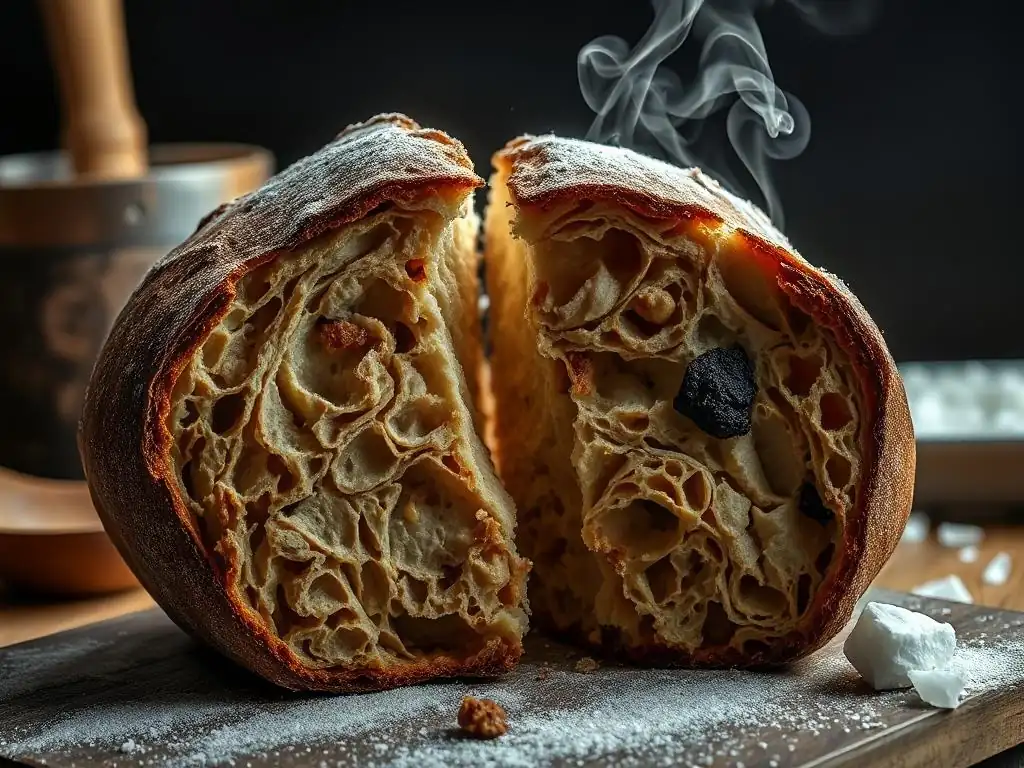
Welcome to BakeWithEase, where baking brilliance begins! Ever wondered why your baked goods sometimes lack that perfect golden-brown crust? This Baking Science Deep Dive explores the fascinating secret behind achieving that coveted color and flavor: the Maillard reaction baking crust. Prepare to unlock the science behind baking and say goodbye to pale, unappealing pastries forever. Curious to learn how to consistently achieve that perfect golden hue? Let's get started!
- Achieving a Deep Golden-Brown Crust: Mastering the Maillard Reaction
- Understanding the Maillard Reaction in Baking: The Key to Flavor and Appearance
- Common Causes of Insufficient Crust Color: Identifying and Addressing Issues
- Techniques for Enhancing Crust Color: Achieving a Perfect Golden-Brown Finish
- Advanced Techniques: Fine-Tuning the Maillard Reaction
- Troubleshooting Under-Browning: A Diagnostic Approach
- Recipes Showcasing Enhanced Browning: Techniques in Action
- Conclusion: Elevating Your Baking Through Maillard Reaction Mastery
-
Frequently Asked Questions
- What exactly is the Maillard reaction and why is it important in baking?
- My baked goods often have a pale, unappetizing crust. What are the most common reasons for this?
- How can I increase the sugar content in my recipe without making the final product overly sweet?
- What oven settings or techniques can I use to better promote the Maillard reaction and achieve a darker crust?
- Are there any specific ingredients I can add to my dough or batter to enhance browning and the Maillard reaction?
- Final Reflection: Embracing the Maillard Reaction for Culinary Excellence
- Unleash Your Inner Baker: Master the Maillard Reaction Today!
Achieving a Deep Golden-Brown Crust: Mastering the Maillard Reaction
Understanding the Maillard Reaction in Baking: The Key to Flavor and Appearance
What is the Maillard Reaction and Why is it Crucial for Baked Goods?
The Maillard reaction is a complex series of chemical reactions that occur between amino acids and reducing sugars when heated. It's not just about color; this reaction is responsible for creating hundreds of distinct flavor compounds that contribute significantly to the aroma and taste of many cooked foods, including the delicious complexity of a perfectly baked bread crust or the inviting aroma of cookies.
Think of the difference between plain boiled chicken and a beautifully roasted chicken – much of that flavor difference comes from the Maillard reaction. Without this reaction, your baked goods would lack depth of flavor and possess a pale, unappetizing appearance, failing to develop that desirable Maillard reaction baking crust.
Beyond flavor, the visual appeal of a golden-brown crust is paramount in baking. The rich, dark color achieved through the Maillard reaction signals doneness and contributes to the overall sensory experience. It's the visual promise of the deliciousness inside. A pale crust can make a loaf of bread or a batch of cookies look underbaked, even if the interior is cooked through. Mastering the conditions that promote this reaction is fundamental to achieving professional-looking and tasting baked goods, ensuring that satisfying crunch and robust flavor associated with a well-developed Maillard reaction baking crust.
The Science Behind Browning: Amino Acids, Sugars, and Heat
At its core, the Maillard reaction involves a carbonyl group from a sugar reacting with an amino group from an amino acid or protein. This initial reaction kicks off a cascade of further transformations, including rearrangements, fragmentations, and polymerization. These steps lead to the formation of intermediate compounds, many of which are highly reactive and contribute to flavor, and ultimately result in the formation of melanoidins. Melanoidins are large, complex polymers that are responsible for the brown color seen in baked goods, roasted coffee beans, and seared meats.
The rate and extent of the Maillard reaction are heavily influenced by temperature, moisture, and pH. The reaction typically accelerates significantly above 300°F (about 150°C). While it can occur at lower temperatures over long periods, the rapid browning and flavor development seen in a hot oven require these higher surface temperatures. Moisture plays a crucial role because the reaction doesn't happen effectively in the presence of too much water; the surface needs to dry out sufficiently for its temperature to rise above the boiling point. Understanding this interplay is key to controlling the Maillard reaction baking crust.
Common Causes of Insufficient Crust Color: Identifying and Addressing Issues
Insufficient Oven Temperature: Ensuring Accurate and Consistent Heat
One of the most frequent culprits behind a pale Maillard reaction baking crust is an oven temperature that is too low. The Maillard reaction requires sufficient heat to proceed effectively.
While some browning can occur slowly at lower temperatures, the rapid, deep color development characteristic of a great crust typically requires surface temperatures well above the boiling point of water, often needing oven temperatures of at least 300-350°F (150-175°C) and often higher, depending on the item. If your oven thermostat is inaccurate or if the oven hasn't had enough time to fully preheat, the surface of your dough or batter may not reach the necessary temperature threshold for the reaction to accelerate.
Furthermore, inconsistent oven temperature can lead to uneven or insufficient browning. Hot spots can cause some areas to brown while others remain pale, while overall low temperature prevents uniform color development. Using an oven thermometer is a simple but critical step to verify that your oven is reaching and maintaining the target temperature. If your oven consistently runs cool, you may need to adjust the recipe's baking temperature upwards by 25°F (about 15°C) or extend the baking time to achieve the desired Maillard reaction baking crust.
Excess Moisture: Managing Steam and Hydration for Optimal Browning
Excess moisture on the surface of your baked good is another major inhibitor of the Maillard reaction. As long as there is liquid water on the surface, its temperature will not rise above 212°F (100°C) due to evaporative cooling. The Maillard reaction, however, requires significantly higher temperatures to occur at a noticeable rate.
In the initial stages of baking, especially for bread, steam is often intentionally introduced to keep the crust soft and allow for maximum oven spring before the crust sets. However, this steam must dissipate, and the surface must dry out and heat up for browning to begin.
High hydration doughs or batters, or items baked in a very humid environment without proper ventilation, can retain surface moisture for too long, delaying or preventing the Maillard reaction baking crust from forming. For example, a loaf of bread baked without sufficient venting after the steam phase might remain pale. Similarly, cookies baked on a sheet that traps moisture underneath can have pale bottoms. Managing moisture involves techniques like using a Dutch oven or steam pan initially for bread, then uncovering or venting the oven, or ensuring proper air circulation around cookies or pastries.
Low Sugar Content: The Influence of Sugars on Caramelization and Color
While the Maillard reaction specifically involves reducing sugars reacting with amino acids, the overall sugar content in a recipe significantly impacts browning. Sugars, both reducing and non-reducing, can undergo caramelization when heated above their melting points (e.g., sucrose caramelizes around 320°F or 160°C).
Caramelization also produces brown pigments and flavor compounds, contributing alongside the Maillard reaction to the final crust color and flavor. Recipes with very low sugar content, such as lean bread doughs made only with flour, water, yeast, and salt, rely almost entirely on the Maillard reaction for browning and may develop color more slowly or less intensely than richer doughs containing added sugar.
The type of sugar also matters for the Maillard reaction baking crust. Reducing sugars like glucose (dextrose), fructose, and lactose are direct participants in the reaction. Sucrose (table sugar) is a non-reducing sugar, but it breaks down into glucose and fructose in acidic conditions or when heated, thus contributing to the reaction over time.
Recipes with higher levels of reducing sugars or those where sucrose has inverted (broken down) will often brown more readily. For instance, a cookie recipe with brown sugar (which contains molasses, a source of reducing sugars) or honey will typically brown more deeply than one using only granulated white sugar.
Insufficient Protein: Protein's Role in the Maillard Reaction
Proteins provide the essential amino acids that react with sugars in the Maillard reaction. While flour contains protein (gluten-forming proteins like gliadin and glutenin, and other non-gluten proteins), the total protein content and the availability of specific amino acids can influence the extent of browning. Doughs made with very low-protein flour might brown less intensely than those made with higher-protein flour, assuming all other factors are equal. The amino acid lysine, for example, is particularly reactive in the Maillard reaction.
Beyond the protein naturally present in flour, added proteins can significantly boost the Maillard reaction baking crust. Egg washes, for instance, are highly effective because eggs are rich in protein and contain some sugars. Milk washes also contribute protein (casein, whey) and the reducing sugar lactose, enhancing browning. Recipes that incorporate ingredients like milk, eggs, or buttermilk will generally achieve a deeper, richer crust color more easily than vegan recipes or those based purely on flour and water, precisely because they introduce more reactants for the Maillard reaction.
Techniques for Enhancing Crust Color: Achieving a Perfect Golden-Brown Finish
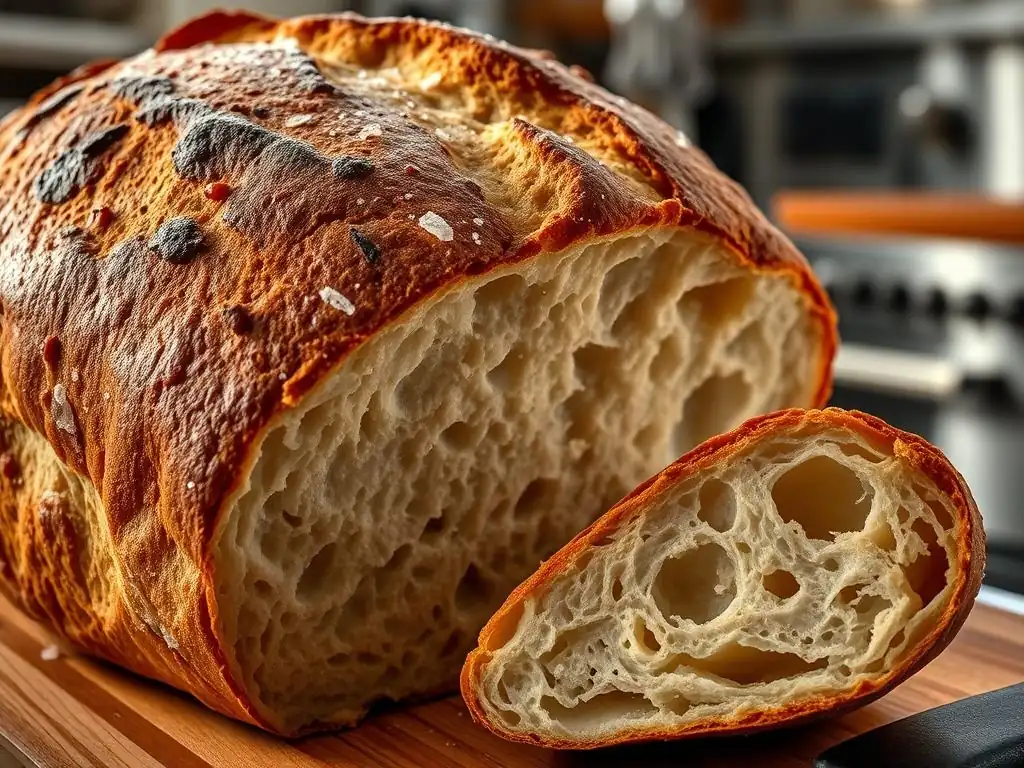
Temperature Optimization: Finding the Sweet Spot for Browning
Adjusting Oven Temperature for Different Baked Goods
Optimizing oven temperature is paramount for a beautiful Maillard reaction baking crust. Different baked goods require different temperature strategies. For lean bread, starting at a high temperature, such as 450-500°F (230-260°C), for the first 10-15 minutes helps achieve rapid oven spring and initiates quick surface drying, setting the stage for browning.
The temperature is often then reduced to 400-425°F (200-220°C) for the remainder of the bake to ensure the interior cooks through without the crust burning. Cookies, on the other hand, are typically baked at a more moderate 350-375°F (175-190°C) to allow for even spread and interior cooking while developing a golden-brown edge and surface through the Maillard reaction.
Rich doughs, like brioche or challah, which contain more sugar and fat, will brown faster due to both Maillard and caramelization reactions. These often benefit from slightly lower temperatures, perhaps 350-375°F (175-190°C), for the entire bake time to prevent the outside from burning before the inside is cooked. Monitoring is key; use visual cues and internal temperature readings (e.g., bread is done around 200-210°F / 93-99°C) to guide your temperature adjustments and ensure a perfect Maillard reaction baking crust.
Utilizing Convection for Even Browning
Convection ovens, which circulate hot air, can significantly enhance and even out the Maillard reaction baking crust. The forced air movement transfers heat more efficiently to the surface of the baked good, promoting faster and more uniform drying and heating of the crust. This can lead to a deeper, more consistent brown color across the entire surface compared to radiant heat alone in a conventional oven. However, convection can be intense and may require adjustments to traditional recipes.
When using a convection setting, you often need to either reduce the oven temperature by about 25°F (15°C) or shorten the baking time compared to a conventional oven. For example, if a recipe calls for 375°F in a conventional oven, you might use 350°F with convection. It's also important to monitor the baked goods closely, especially the first time you try a recipe with convection, as they can brown much faster. Using convection helps ensure that all sides of a loaf or every cookie on a sheet achieves that desired, even Maillard reaction baking crust.
Moisture Management: Balancing Hydration and Steam
Controlling Steam During Baking
For many types of bread, controlling steam is essential for achieving both optimal volume and a beautiful Maillard reaction baking crust. Steam introduced at the beginning of the bake keeps the surface of the dough moist and pliable. This prevents a hard crust from forming prematurely, allowing the loaf to expand fully during the initial oven spring. Once the oven spring is complete (typically after 10-15 minutes), the steam needs to be removed or allowed to dissipate. This allows the surface temperature to rise significantly above 212°F (100°C), enabling the Maillard reaction and caramelization to occur rapidly.
Methods for creating and managing steam include baking in a preheated Dutch oven (lid on for the first part, then removed), using a steam pan filled with hot water on the bottom rack of the oven, or pouring water onto a hot cast iron pan or lava rocks in the oven just before loading the bread. After the initial steaming period, the lid is removed from the Dutch oven, the steam pan is taken out, or the oven door is briefly opened to vent the steam.
This transition from a moist, steamy environment to a hot, dry one is critical for developing a crisp, deeply colored Maillard reaction baking crust.
Adjusting Dough Hydration Levels
The hydration level of your dough (the ratio of water to flour) also impacts how quickly the Maillard reaction baking crust develops. Higher hydration doughs have more water that needs to evaporate from the surface before it can heat up and brown.
This means high hydration breads, while potentially offering a more open crumb, might take longer to develop a dark crust or require higher temperatures and longer baking times to achieve the same level of browning as lower hydration doughs. For example, a ciabatta dough with 80% hydration will need more time for its surface to dry than a baguette dough at 70% hydration.
Adjusting the dough hydration can be a way to influence crust development. If you consistently struggle with a pale crust on a high-hydration loaf, slightly reducing the hydration (e.g., by 5%) can help the surface dry and brown faster. Conversely, if you want a thinner, crisper crust that develops color quickly, maintaining adequate hydration and managing steam effectively is key. Experimenting with small adjustments to hydration in your favorite recipes can help you find the sweet spot for your desired Maillard reaction baking crust.
Sugar Enhancement: Utilizing Sugars for Color and Flavor
Brushing with Sugar Syrups or Glazes
Applying a sugar-based wash or glaze to the surface of baked goods before or during baking is a direct way to enhance the Maillard reaction baking crust and contribute to caramelization. A simple wash made from sugar dissolved in water or milk provides readily available sugars on the surface that react with proteins under heat. Examples include brushing dinner rolls with milk and a pinch of sugar, or applying a thin sugar syrup to pastries like danishes. These washes not only add sweetness but significantly boost the browning potential.
Different sugar washes yield slightly different results. A wash made with brown sugar will contribute more complex flavors and deeper color due to the molasses content. A simple syrup (equal parts sugar and water heated until dissolved) can create a glossy finish and promote browning. These techniques are particularly useful for enriched doughs or pastries where a sweet, golden-brown exterior is desired. Apply washes evenly with a pastry brush, being careful not to pool the liquid, which can prevent browning in those spots.
Incorporating Natural Sweeteners into Recipes
The type and amount of sweetener incorporated directly into the dough or batter also influence the Maillard reaction baking crust. As mentioned, reducing sugars like fructose and glucose are key reactants. Natural sweeteners like honey, maple syrup, and molasses contain varying amounts of these reducing sugars and can lead to more pronounced browning compared to granulated white sugar (sucrose) alone. For example, substituting some granulated sugar with brown sugar or molasses in a cookie recipe will result in a darker, more flavorful crust.
However, too much sugar can lead to excessive browning or even burning before the interior is cooked. It's a balance. Recipes are typically formulated to have the right amount of sugar for both flavor and browning. If you're modifying a recipe, consider the browning potential of the sweetener you choose. Using a sweetener high in fructose, like agave nectar, might cause faster browning than using the same weight of granulated sugar, requiring adjustments to temperature or baking time to prevent a burnt Maillard reaction baking crust.
Protein Enrichment: Leveraging Protein for Enhanced Browning
Egg Washes: Application and Variations
Egg washes are perhaps one of the most common and effective techniques for enhancing the Maillard reaction baking crust on bread, pastries, and rolls. Eggs are rich in protein and also contain some natural sugars, providing ample reactants for the Maillard reaction. A simple egg wash is made by whisking an egg with a small amount of water or milk (typically 1-2 tablespoons per egg). Brushing this mixture onto the surface creates a protein and sugar layer that browns beautifully in the oven.
Varying the type of egg wash allows for different finishes. A wash using a whole egg diluted with water provides a golden, slightly shiny crust. Using only the egg yolk (often diluted with milk or cream) results in a richer, deeper golden color and a more prominent shine due to the higher fat content. An egg white wash (sometimes diluted with water) produces a thinner, crispier crust with less shine but still contributes to browning. For the deepest, most glossy Maillard reaction baking crust, an egg yolk wash is often preferred, especially on pastries like croissants or brioche.
Milk Washes: Exploring Different Milk Types
Milk washes offer a simpler, less intense alternative to egg washes for enhancing the Maillard reaction baking crust. Milk contains lactose, which is a reducing sugar, as well as proteins (casein and whey). When brushed onto dough or batter and heated, these components participate in the Maillard reaction, contributing to a soft, golden-brown crust. Milk washes are often used on soft rolls, sandwich bread, or scones where a subtle browning and softer crust are desired compared to the shine and color provided by an egg wash.
Different types of milk will yield slightly different results due to varying fat and sugar content. Whole milk, with its higher fat content, can produce a slightly richer color and softer texture than skim milk. Buttermilk, being slightly acidic and containing lactose, also works effectively and can impart a subtle tang. A milk wash is applied similarly to an egg wash, brushing a thin, even layer onto the surface before baking. While not as potent as an egg wash, a milk wash is a reliable method for achieving a pleasant Maillard reaction baking crust on many baked goods.
The Role of pH: Utilizing pH Modifiers Strategically
Baking Soda and its Effect on Browning (Dosage and Application)
The pH level of the surface of your baked good significantly impacts the speed of the Maillard reaction. The reaction proceeds much faster in alkaline (higher pH) environments than in acidic ones. This is why ingredients that raise the pH, such as baking soda (sodium bicarbonate), can be used strategically to enhance the Maillard reaction baking crust. A classic example is the making of pretzels, which are traditionally dipped in a lye solution (a strong alkali) before baking to achieve their characteristic deep mahogany color and unique flavor profile, a direct result of an accelerated Maillard reaction.
For home bakers, a safer and common method is using a baking soda solution. Dissolving a small amount of baking soda (e.g., 1-2 tablespoons per liter of water) and briefly dipping bagels or pretzels in this solution before baking significantly raises the surface pH, leading to much faster and deeper browning compared to boiling in plain water.
Baking soda can also be added in very small amounts (pinches) to some cookie doughs to slightly raise the pH and promote browning and spread, contributing to a crispier Maillard reaction baking crust edge. However, caution is needed; too much baking soda can impart an unpleasant soapy flavor.
Advanced Techniques: Fine-Tuning the Maillard Reaction
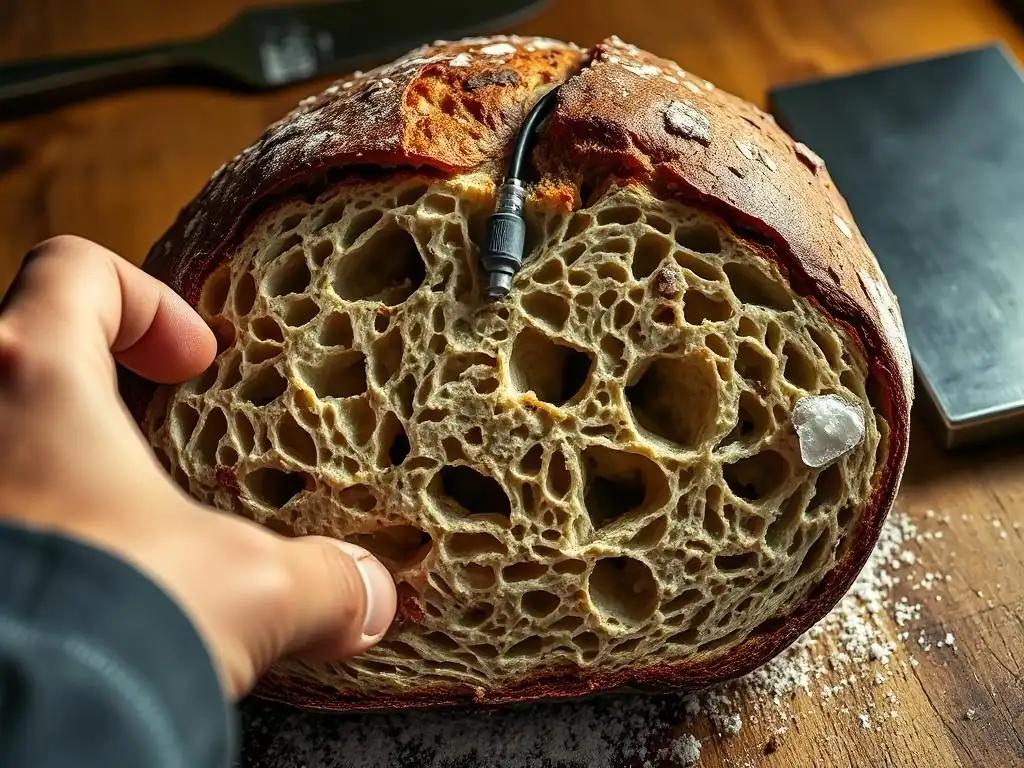
Enzymes as Maillard Reaction Accelerators
In professional baking, and sometimes in home baking with specific flours, enzymes can play a role in accelerating the Maillard reaction baking crust development. Enzymes like amylase break down starches (complex carbohydrates) into simpler sugars, such as maltose, glucose, and fructose. These simpler sugars are reducing sugars, which are key reactants in the Maillard reaction. By increasing the availability of reducing sugars on the surface of the dough during proofing and the initial stages of baking, amylase activity can lead to more vigorous browning.
Some flours, particularly malted barley flour, contain natural amylase enzymes. Adding a small amount of diastatic malt powder (rich in amylase) to a dough can enhance fermentation and contribute to better crust color. However, like baking soda, too much enzyme activity can lead to problems, such as a gummy crumb due to excessive starch breakdown. When using high-enzyme flours or adding diastatic malt, it's about finding the right balance to support the Maillard reaction baking crust without negatively impacting the texture of the interior.
The Impact of Flour Type on Crust Color and Flavor
The type of flour used is a fundamental factor influencing the Maillard reaction baking crust. Different flours vary in their protein content, types of proteins, and inherent sugar levels (including starches that can be broken down into sugars). Whole wheat flour, for example, typically contains more protein, more complex carbohydrates, and compounds from the bran and germ compared to refined white flour. These additional components contribute to faster and often darker browning. A loaf made with 100% whole wheat flour will generally develop a deeper color than a loaf made with white bread flour, assuming similar baking conditions.
Similarly, specialty flours like rye flour contain specific types of carbohydrates (pentosans) and different protein structures that interact uniquely during baking. Rye breads often exhibit a characteristic deep brown color, partly due to Maillard reactions involving compounds specific to rye. Understanding the inherent browning potential of your chosen flour type helps you predict how the Maillard reaction baking crust will develop and allows you to adjust other variables like temperature or time accordingly.
Mastering the Maillard reaction baking crust requires tailoring techniques to the specific item being baked. For bread, the focus is often on high initial heat, managing steam for oven spring, and then allowing the surface to dry and brown. Techniques like baking in a Dutch oven or using steam pans are common. The goal is typically a thick, crisp, deeply colored crust.
Cookies require a different approach. The Maillard reaction contributes to the browning of the edges and surface, often working in conjunction with caramelization due to the higher sugar content. Temperature control is crucial to achieve desired spread and texture (chewy center, crisp edge) while ensuring even browning without burning.
Techniques like chilling dough (which slows spread and allows more time for the Maillard reaction) or using brown butter (which pre-develops Maillard flavors and adds color) are effective. Pastries like croissants or brioche often rely on egg washes for a beautiful, glossy Maillard reaction baking crust, combined with precise temperature control to ensure even puff and delicate browning.
Troubleshooting Under-Browning: A Diagnostic Approach
Identifying the Cause of Insufficient Crust Color
If your baked goods consistently come out with a pale Maillard reaction baking crust, it's time for some detective work. Start by considering the most common factors:
- Is your oven temperature accurate? Use an oven thermometer to check if it matches the setting.
- Is there too much moisture? Are you using enough steam initially (for bread) but then allowing it to vent? Is the humidity in your kitchen very high? Is the dough excessively wet?
- What is the sugar content? Is the recipe particularly low in sugar? Are you using a sweetener that doesn't contribute much to browning?
- What is the protein content? Is it a lean dough? Are you using a wash like egg or milk?
- Are you baking long enough? Sometimes, simply extending the baking time by a few minutes can make a significant difference once the surface has dried sufficiently for the Maillard reaction to proceed.
Consider the type of item you are baking. A lean baguette will require different conditions for browning than a rich challah or a sugary cookie. Compare your process and results to photos or descriptions of successfully baked items of the same type.
Implementing Targeted Solutions Based on the Diagnosis
Once you've identified the likely cause(s) of insufficient Maillard reaction baking crust, implement targeted solutions:
- If oven temperature is low: Preheat longer, calibrate your oven, or increase the set temperature by 25°F (15°C).
- If moisture is the issue: Ensure proper steam management (remove steam source, vent oven), reduce dough hydration slightly in future bakes, or ensure good air circulation around the item.
- If sugar content is low: For future bakes, consider adding a small amount of sugar to the dough or using a wash containing sugar (like milk or a sugar syrup).
- If protein is low: Use an egg wash or milk wash before baking. Consider using a slightly higher protein flour in future attempts.
- If baking time seems insufficient: Carefully extend the baking time by 5-10 minute increments, monitoring the color. Remember that the Maillard reaction happens relatively quickly once the surface reaches the right temperature.
Sometimes, a combination of issues is at play. For example, a slightly cool oven combined with a high-hydration dough can severely hinder Maillard reaction baking crust development. Addressing multiple factors might be necessary.
Monitoring and Adjusting Baking Parameters for Consistent Results
Achieving a consistent, beautiful Maillard reaction baking crust requires diligent monitoring during the bake. Don't just rely on the timer; use your eyes! Look at the color development, especially towards the end of the baking time. If one part is browning faster than another, you may need to rotate the pan. If the crust is browning too quickly but the interior isn't done, you can loosely tent the item with foil (shiny side out to reflect heat) to slow down the surface browning while the inside finishes cooking.
Keep a baking journal! Note the recipe, oven temperature (actual, not just set), baking time, techniques used (steam, wash), and the resulting crust color and texture. This documentation will help you identify what worked and what didn't, allowing you to refine your approach and achieve consistent, desirable Maillard reaction baking crust results every time you bake. Small adjustments based on observation are key to mastering this reaction.
Recipes Showcasing Enhanced Browning: Techniques in Action
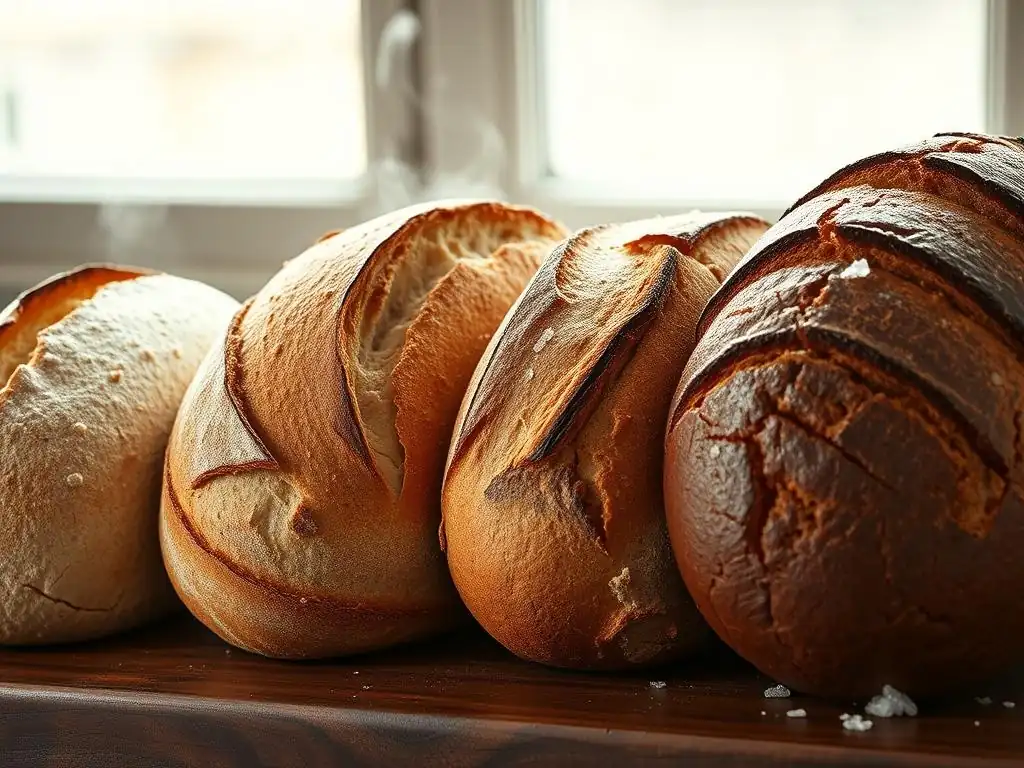
Dark Rye Bread with a Rich, Deep-Brown Crust
This recipe leverages the inherent properties of rye flour and typically uses high initial heat and careful steam management to achieve its characteristic dark, flavorful Maillard reaction baking crust. The complex carbohydrates and compounds in rye contribute significantly to browning. Often baked at temperatures starting around 450°F (230°C) with steam, the surface rapidly dries and heats up, allowing the Maillard reaction to proceed vigorously, producing a deep, almost reddish-brown color and robust flavor compounds.
These cookies showcase how ingredients contribute to the Maillard reaction baking crust and flavor. Browning the butter before adding it to the dough pre-develops Maillard flavors and adds color. The sugar content, combined with the proteins from the flour and eggs, ensures significant browning and crisping around the edges during baking, typically at 350-375°F (175-190°C). The Maillard reaction here creates those desirable caramelized, toffee-like notes and the classic golden-to-dark brown edges.
Conclusion: Elevating Your Baking Through Maillard Reaction Mastery
Frequently Asked Questions
What exactly is the Maillard reaction and why is it important in baking?
The Maillard reaction is a chemical reaction between amino acids and reducing sugars that occurs when heat is applied. It's crucial because it's responsible for the browning and flavor development in baked goods, particularly the crust.
My baked goods often have a pale, unappetizing crust. What are the most common reasons for this?
Several factors can cause a pale crust, including low oven temperature, insufficient sugar content, and high humidity in the oven. Also, using too much steam early on can hinder browning.
How can I increase the sugar content in my recipe without making the final product overly sweet?
You can use invert sugars like honey or molasses, which are sweeter than granulated sugar but also contribute more to the Maillard reaction. Alternatively, you can brush the crust with a sugar wash before baking.
What oven settings or techniques can I use to better promote the Maillard reaction and achieve a darker crust?
Increase the oven temperature slightly (within safe limits for the recipe). Consider using a convection oven setting for more even heat distribution. You can also try a broiling burst at the end of baking.
Are there any specific ingredients I can add to my dough or batter to enhance browning and the Maillard reaction?
Adding milk powder or egg wash to the surface can significantly enhance browning due to their high protein and sugar content. Using ingredients like malt extract can also boost the reaction.
Final Reflection: Embracing the Maillard Reaction for Culinary Excellence
The Maillard reaction is not just a scientific phenomenon; it is the heart and soul of baking that transforms ordinary ingredients into extraordinary flavors. In today's culinary landscape, where home bakers and professional chefs alike seek to elevate their creations, understanding and harnessing this reaction is more relevant than ever. The quest for the perfect crust is a journey that intertwines art and science, and mastering it can lead to a profound appreciation of the baking process.
The influence of the Maillard reaction extends far beyond the kitchen; it shapes our cultural experiences and social gatherings. From the comforting aroma of freshly baked bread to the golden-brown crust of a well-cooked pie, these sensory delights bring people together and create lasting memories. As chef and food writer Michael Pollan once said, Cooking is a way of connecting with the world.
This connection is deepened when we understand the science behind our food, allowing us to appreciate the intricate dance of flavors and textures that the Maillard reaction facilitates.
As you reflect on your own baking journey, I invite you to embrace the lessons of the Maillard reaction. Consider how you can experiment with different techniques and ingredients to unlock new flavors and textures in your baking. Whether you are a seasoned baker or just starting out, remember that each loaf of bread or batch of cookies is an opportunity to connect with the science of cooking and share joy with others. Let the pursuit of the perfect crust inspire you to explore, innovate, and savor the delightful results of your culinary adventures.
Unleash Your Inner Baker: Master the Maillard Reaction Today!
Thanks for taking the time to explore the secrets of the Maillard reaction! You've now got the knowledge to create beautifully browned, flavorful crusts. Ready to put your newfound skills to the test?
- Bake a test loaf (or cookie!): Put your learning into action immediately. Try a simple recipe and focus on achieving that perfect Maillard reaction. Note your observations – you'll be amazed at the difference!
- Share your baking triumph (or challenge!): Post a picture of your masterpiece (or even a learning curve moment) on social media and tag #BakeWithEase – let's connect!
- Explore advanced techniques: Dive deeper into the world of baking science. Check out our other articles on achieving the perfect bake.
So, what incredible crust creations will you bake next?