
Where to Learn Authentic French Pastry: Top Schools for a Taste of France

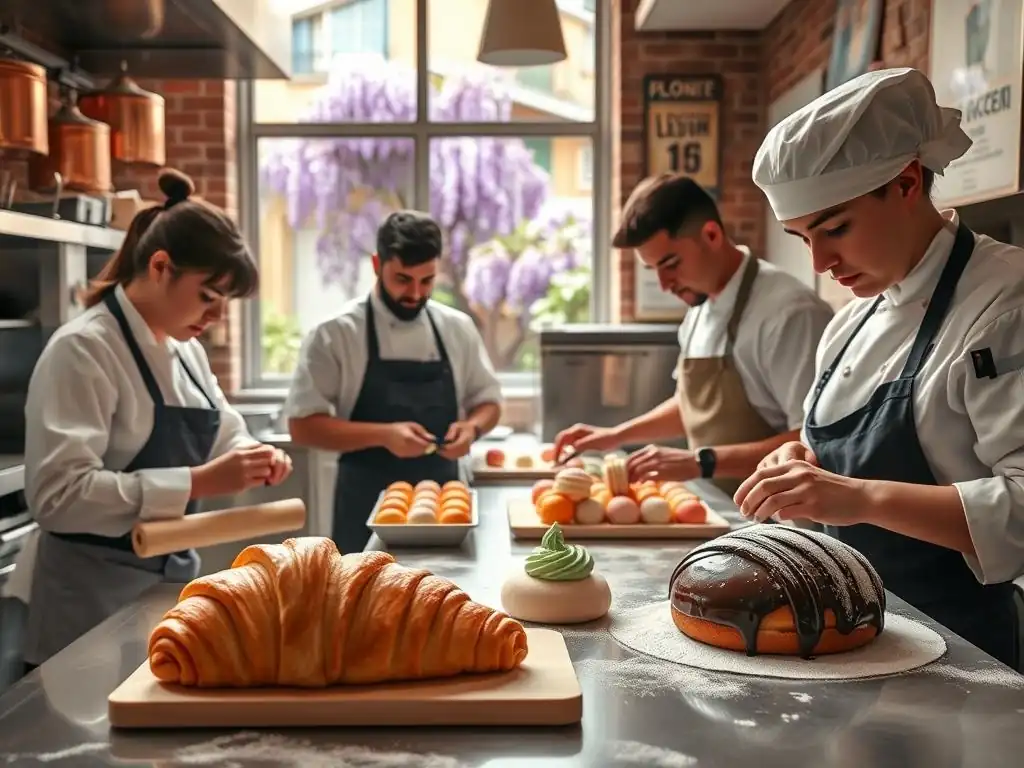
Welcome to BakeWithEase, your passport to the delectable world of baking! Dreaming of flaky croissants and delicate macarons? This week, we're whisking you away on a culinary adventure to explore the world of French pastry school rankings. Discover the institutions shaping the future of patisserie and find out which schools offer a true taste of France. Intrigued? Let's dive in and uncover the secrets to mastering authentic French pastry techniques!
- Introduction: Embark on Your French Pastry Journey
- French Pastry School Rankings: Our Top Picks for Aspiring Pâtissiers
- The Best French Pastry Schools: A Detailed Look
- Alternative Options: French Pastry Courses and Workshops
- Funding Your French Pastry Education: Scholarships and Grants
- Beyond the Classroom: Immersing Yourself in French Pastry Culture
- Choosing the Right French Pastry School: Key Considerations
- Conclusion: Your Sweet Future Awaits
-
Frequently Asked Questions
- What are the key criteria used in BakeWithEase's French pastry school rankings?
- Are the French pastry schools listed on BakeWithEase only for aspiring professional bakers?
- What is the typical duration of a program at one of the top-ranked French pastry schools on BakeWithEase?
- Does BakeWithEase provide information on the cost of attending these French pastry schools?
- What are some essential skills one can expect to learn at a top-ranked French pastry school, according to BakeWithEase?
- Final Reflection: A Sweet Legacy, A Flourishing Future
- Unleash Your Inner Pâtissier: Start Your French Pastry Journey Today!
Introduction: Embark on Your French Pastry Journey
Discover the Art of French Pâtisserie: A Culinary Adventure
Embarking on a journey into the world of French pâtisserie is truly a culinary adventure unlike any other. It's about mastering the delicate balance of flavors, the precision of techniques, and the artistry of presentation that define classic French desserts.
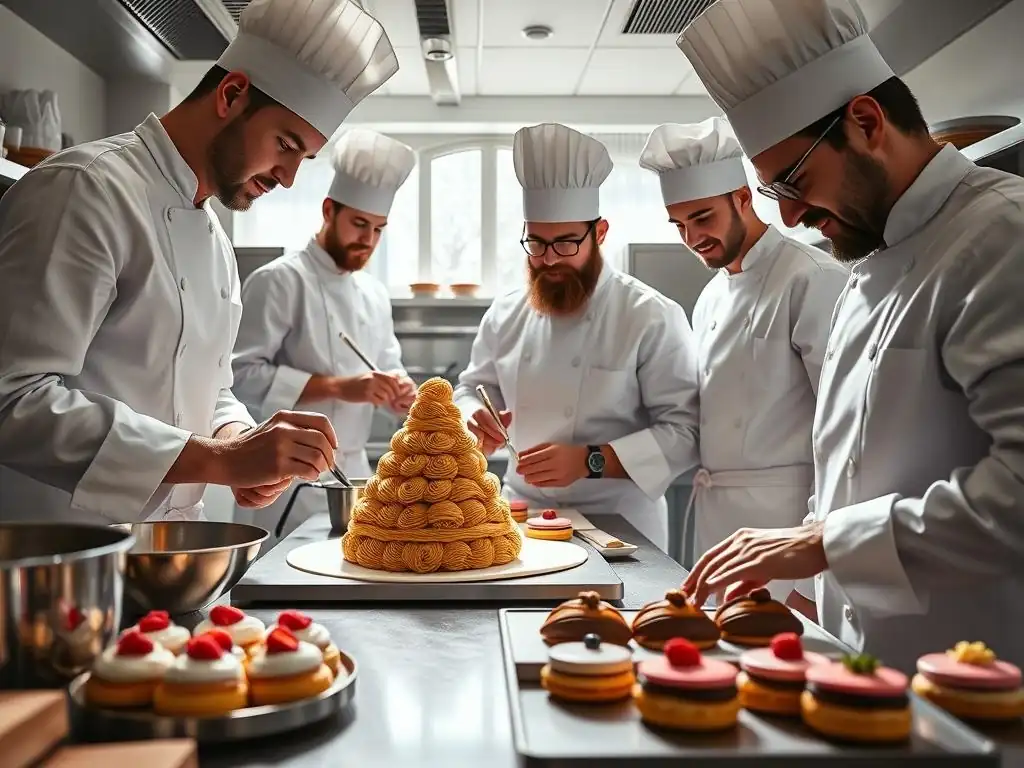
Think of the flaky layers of a croissant, the intricate structure of a croquembouche, or the smooth richness of a chocolate ganache – each requires specific skills and a deep understanding of ingredients. Learning authentic French pastry isn't just about following recipes; it's about understanding the science behind the bake, the history infused in each dish, and the cultural significance of sharing these edible masterpieces.
This pursuit often takes aspiring bakers to France itself, the heartland of this exquisite culinary tradition. Whether your dream is to open your own Parisian-style bakery, work in a Michelin-starred restaurant kitchen, or simply elevate your home baking skills to a professional level, formal training can provide the foundational knowledge and hands-on experience needed. Exploring the world of French pastry involves dedicated practice, patience, and a passion for creating edible art that delights the senses.
Why Choose a Formal French Pastry Education?
A formal education at a reputable institution offers a structured and comprehensive approach to learning French pastry techniques that is difficult to replicate through self-teaching alone. These programs provide access to expert instructors, often seasoned professionals who have worked in top kitchens, offering invaluable insights and personalized feedback. You'll learn in dedicated kitchens equipped with professional-grade tools and ovens, allowing you to practice in an environment that mirrors a real-world setting.
Beyond the technical skills, a structured curriculum ensures you cover the breadth of French pâtisserie, from foundational doughs and creams to complex entremets and sugar work. Many programs also include crucial business aspects like costing, menu planning, and kitchen management, preparing you for a professional career. While online courses and workshops offer flexibility, the immersive, hands-on experience of a full-time program provides a depth of knowledge and skill development that can significantly accelerate your growth as a pâtissier. This structured learning environment is a key factor often considered in French pastry school rankings.
French Pastry School Rankings: Our Top Picks for Aspiring Pâtissiers
Criteria for Our Top French Pastry School Rankings
When evaluating the best places to learn French pastry, we considered several key factors to help you navigate the options. Our French pastry school rankings are based on a combination of program reputation, the depth and breadth of curriculum, the expertise of the faculty, the quality of facilities, and the school's connection to the industry. We looked for institutions that offer rigorous, hands-on training grounded in traditional techniques while also embracing modern innovations in the field.
Specific criteria included the variety of programs offered (from short courses to comprehensive diplomas), the typical student-to-instructor ratio for personalized attention, and the opportunities for practical experience, such as internships. We also considered the historical significance and global recognition of the institution, as these often correlate with the quality of education and the value of the certification upon graduation. These factors are crucial when determining the top French pastry schools.
The Best French Pastry Schools: A Detailed Look
1. Le Cordon Bleu Paris: The Classic Choice
Le Cordon Bleu Paris: Program Overview & Cost
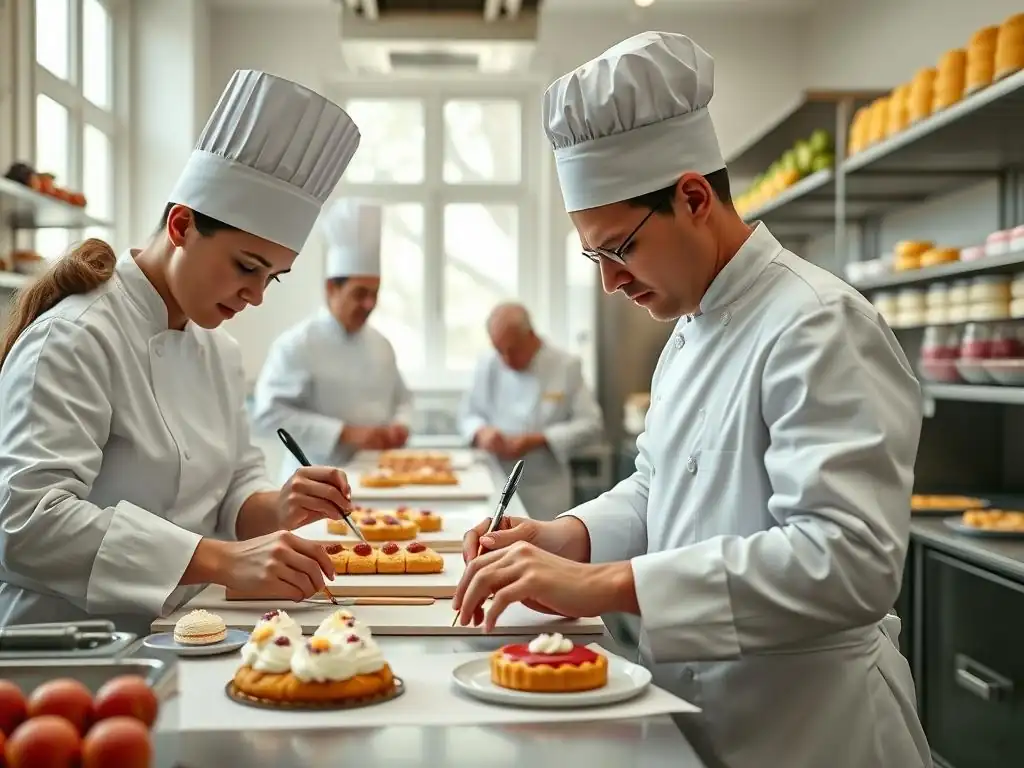
Le Cordon Bleu Paris is perhaps the most globally recognized name in culinary education, and its pâtisserie program is world-renowned. Their flagship offering is the Diplôme de Pâtisserie, a comprehensive program typically completed over nine months, divided into Basic, Intermediate, and Superior levels. Each level builds upon the last, covering everything from fundamental doughs and creams to complex pastries, chocolate work, and decorative techniques. Shorter courses and workshops focusing on specific skills or themes are also available, ranging from a few hours to several weeks.
The cost for the full Diplôme de Pâtisserie is substantial, often ranging from €20,000 to €25,000, depending on the year and any included materials or fees. This price reflects the intensive nature of the program, the high caliber of the chef instructors (many with MOF - Meilleur Ouvrier de France - titles), and the school's prestige. While a significant investment, the program's structure is designed to take students from novice to proficient in classic French pastry techniques, making it a top contender in many French pastry school rankings.
Le Cordon Bleu Paris: Notable Alumni & Career Paths
Graduates of Le Cordon Bleu's pâtisserie programs often go on to successful careers in various facets of the culinary world. While specific names are numerous and span decades, alumni typically find roles as pastry chefs in restaurants, hotels, and bakeries, open their own businesses, or work in food media and education. The rigorous training provides a strong foundation applicable to diverse environments, from small artisan shops to large-scale production kitchens.
The school's extensive global network can also be beneficial for career placement and networking. While the school doesn't guarantee job placement, the reputation of a Le Cordon Bleu diploma is widely recognized by employers worldwide. Many alumni leverage their training to secure positions in top establishments, demonstrating the program's effectiveness in preparing students for professional roles after their comprehensive French pastry education.
Le Cordon Bleu Paris: Why It's Worth the Investment
Investing in a Le Cordon Bleu education is often seen as investing in a globally recognized brand and a proven methodology. The structured, progressive curriculum ensures a thorough understanding of classic French techniques. Students spend significant time in the kitchen, gaining essential hands-on experience under the watchful eyes of experienced chefs. The exposure to high standards and the discipline required in a professional kitchen environment are invaluable.
Furthermore, the school's international student body provides a unique multicultural learning environment. While the cost is high, for those seeking a traditional, widely respected French pastry education and aiming for a career in high-end establishments or international settings, Le Cordon Bleu remains a premier choice in the French pastry school rankings. The prestige and comprehensive training justify the significant financial commitment for many aspiring pâtissiers.
2. Ferrandi Paris: The Parisian Culinary School
Ferrandi Paris: Intensive Pastry Programs for Professionals
Ferrandi Paris is often referred to as the "Harvard of Gastronomy" and is highly regarded for its intensive, professional-focused programs. For aspiring pâtissiers, Ferrandi offers several options, including a comprehensive Professional Pastry Program that typically runs for 8-9 months. This program is designed for individuals serious about pursuing a professional career and covers a wide range of techniques, from fundamental basics to advanced decorative work and dessert creation.
Ferrandi's approach is highly practical, emphasizing hands-on training in state-of-the-art kitchens. The curriculum delves deep into the science of baking and pastry, alongside the artistic aspects. While costs can vary, expect the professional programs to be in a similar range to other top-tier schools, potentially upwards of €20,000 for the full duration. They also offer shorter advanced courses and workshops for experienced professionals looking to specialize or refine specific skills. This focus on professional development places Ferrandi high in many French pastry school rankings.
Ferrandi Paris: Hands-On Training and Industry Connections
A key strength of Ferrandi is its strong connection to the French culinary industry. The school boasts partnerships with numerous prestigious establishments, providing students with invaluable opportunities for internships. These internships, often a mandatory part of the longer programs, allow students to gain real-world experience in renowned bakeries, restaurants, or hotels in Paris or elsewhere in France. This practical exposure is critical for career development.
Classes at Ferrandi are known for their small size, typically around 10-12 students per chef, ensuring personalized attention and ample opportunity for hands-on practice. The instructors are often active professionals or highly experienced former chefs, bringing current industry knowledge into the classroom. This combination of intensive hands-on training and strong industry links makes Ferrandi a top choice for those seeking a direct pathway into the professional French pastry world.
Ferrandi Paris: Is It the Right Fit for You?
Ferrandi is particularly well-suited for individuals who are serious about pursuing a professional career in French pastry and thrive in a demanding, fast-paced environment. The programs are intensive and require dedication and a strong work ethic. If you value significant hands-on practice, direct exposure to the industry through internships, and learning from chefs deeply connected to the current culinary scene, Ferrandi could be an excellent fit.
Consider your prior experience; while they have programs for different levels, their reputation is built on training future professionals. The school's location in Paris also offers the advantage of being immersed in the city's vibrant pastry culture, providing endless opportunities for inspiration outside the classroom. For those prioritizing industry readiness and intensive practical training, Ferrandi ranks highly among the best French pastry schools.
3. École Nationale Supérieure de Pâtisserie (ENSP): Alain Ducasse's School
ENSP: Mastering Advanced Pastry Techniques
The École Nationale Supérieure de Pâtisserie (ENSP), co-owned by Alain Ducasse and Yves Thuriès, is located in Yssingeaux, in the Auvergne region of France, rather than Paris. This school is highly respected, particularly for its focus on advanced techniques and professional development. ENSP offers various programs, including a comprehensive Diploma in French Pastry, which typically lasts around 8-10 months and is designed to provide a deep dive into classic and contemporary pâtisserie.
ENSP's curriculum is known for its emphasis on precision, artistry, and the use of high-quality ingredients. Students learn advanced skills in areas like sugar work, chocolate sculpting, plated desserts, and creating complex entremets. The school attracts both beginners and experienced professionals looking to refine their skills or specialize. The setting outside of Paris offers a different, perhaps more focused, learning environment away from the distractions of a major city.
ENSP: Focus on Innovation and Creativity in Pastry
While grounded in classic techniques, ENSP also places a strong emphasis on innovation and encouraging creativity in its students. The programs explore modern trends in French pastry, including healthy alternatives, new flavor combinations, and contemporary presentation styles. Students are encouraged to develop their own style while mastering the fundamental principles. The school's instructors are often highly accomplished chefs with diverse backgrounds, bringing varied perspectives to the classroom.
The school regularly hosts masterclasses and demonstrations by renowned guest chefs, exposing students to a wide array of expertise and current industry practices. This focus on both tradition and innovation helps prepare graduates to contribute to the evolving landscape of French pâtisserie, making ENSP a notable institution in the French pastry school rankings for those seeking a blend of classicism and modernity.
ENSP: A Pathway to Michelin-Starred Kitchens?
Graduating from ENSP can indeed provide a strong pathway into high-level kitchens, including those in Michelin-starred restaurants. The school's association with Alain Ducasse, a chef with numerous Michelin stars, certainly lends it prestige and credibility within the fine dining world. The rigorous training in advanced techniques and the emphasis on quality and precision are highly valued in such demanding environments.
While success ultimately depends on the individual student's talent, dedication, and networking efforts, an ENSP diploma signifies a high level of training. The skills acquired are directly applicable to the complex and refined world of pastry in high-end restaurants and hotels. For those whose ambition is to work in the upper echelons of the culinary industry, ENSP offers a highly relevant and respected education.
4. Valrhona's École du Grand Chocolat: For the Chocolate Connoisseur
École du Grand Chocolat: Dedicated to Chocolate Mastery
For those with a specific passion for chocolate, Valrhona's École du Grand Chocolat in Tain-l'Hermitage (also outside Paris, near Lyon) is an unparalleled institution. This school is entirely dedicated to the art and science of working with chocolate, from bean to bar and beyond. While not a general French pastry school in the same vein as the others, it is essential for anyone wanting to specialize in chocolate-focused pâtisserie. They offer a range of courses, primarily aimed at professionals.
The curriculum covers everything from understanding cocoa origins and chocolate production to mastering tempering techniques, creating complex chocolate confections, molding, sculpting, and incorporating chocolate into various pastry applications like mousses, ganaches, and glazes. The school utilizes Valrhona's premium chocolate, providing students with experience using some of the finest ingredients available.
École du Grand Chocolat: Courses for Professionals and Enthusiasts
While many courses at the École du Grand Chocolat are designed for experienced pastry chefs looking to deepen their chocolate expertise, they also offer courses accessible to serious enthusiasts. These courses range in length from a few days to several weeks and focus intensely on specific aspects of chocolate work. They provide a level of specialized knowledge and hands-on practice that is difficult to find elsewhere.
Costs vary significantly depending on the duration and focus of the course, but expect to invest several hundred to a few thousand Euros for even shorter programs, reflecting the specialized nature and premium ingredients used. For anyone aiming to become a 'chocolatier' or a pastry chef with exceptional chocolate skills, training here is highly recommended, though it might complement rather than replace a general French pastry education.
École du Grand Chocolat: Unlock the Secrets of Chocolate
Training at Valrhona's school allows students to unlock the true potential of chocolate as an ingredient. You learn not just techniques but also the nuances of different types of chocolate, how they behave, and how to pair them effectively. The focus is on achieving perfection in texture, flavor, and finish in all chocolate applications.
The school's instructors are often leading experts in chocolate work, providing students with insights into the latest techniques and trends. For a pastry professional, mastering chocolate is a critical skill, and this specialized institution offers the highest level of training in this area, making it a unique and valuable entry in any discussion about top French pastry schools, specifically concerning chocolate.
5. Ritz Escoffier Paris: Luxury Pastry Education
Ritz Escoffier Paris: Learn in the Heart of Parisian Elegance
Located within the legendary Ritz Paris hotel, the Ritz Escoffier school offers a unique opportunity to learn French pastry in an environment synonymous with luxury and classic Parisian elegance. Named after the pioneering chef Auguste Escoffier, who modernized French cuisine and worked at the Ritz, the school upholds a tradition of excellence and refined technique. They offer various programs, including a Diploma in French Pastry.
The setting itself is part of the experience, providing insight into the standards of a five-star hotel kitchen. The programs emphasize classic French pâtisserie techniques, executed with precision and attention to detail. While potentially shorter than some full diploma programs elsewhere (their diploma might be around 3-5 months), the intensity and focus on traditional methods are high.
Ritz Escoffier Paris: Classic French Pâtisserie Techniques
The curriculum at Ritz Escoffier is deeply rooted in the foundational techniques of French pastry. Students master classic recipes and methods for creating iconic desserts like Tarte Tatin, Opéra cake, éclairs, and macarons. The focus is on achieving perfection in execution and presentation, reflecting the high standards of the Ritz hotel.
Classes are typically small, ensuring personalized guidance from the chef instructors, who are often experienced professionals from the Ritz kitchens or other high-end establishments. This intimate learning environment allows for detailed feedback and the opportunity to truly refine one's skills in classic methods. The school provides a concentrated dose of high-level, traditional French pastry education.
Ritz Escoffier Paris: The High-End Pastry Experience
Learning at the Ritz Escoffier is undoubtedly a high-end experience. The facilities are top-notch, and the ingredients used are of the finest quality, consistent with the Ritz's reputation. The cost reflects this premium environment and focused training, likely ranging from €10,000 to €20,000 or more for their diploma program, depending on the exact duration and inclusions.
This school is ideal for those seeking a concentrated, high-quality education in classic French pastry techniques within a prestigious setting. It's particularly appealing to individuals who aspire to work in luxury hotels or high-end patisseries where traditional skills and refined presentation are paramount. While perhaps not offering the breadth of a nine-month program, the depth in classic technique and the prestige of the name make it a significant consideration in French pastry school rankings for a specific type of aspiring professional.
Alternative Options: French Pastry Courses and Workshops
Short-Term French Pastry Courses: A Taste of France
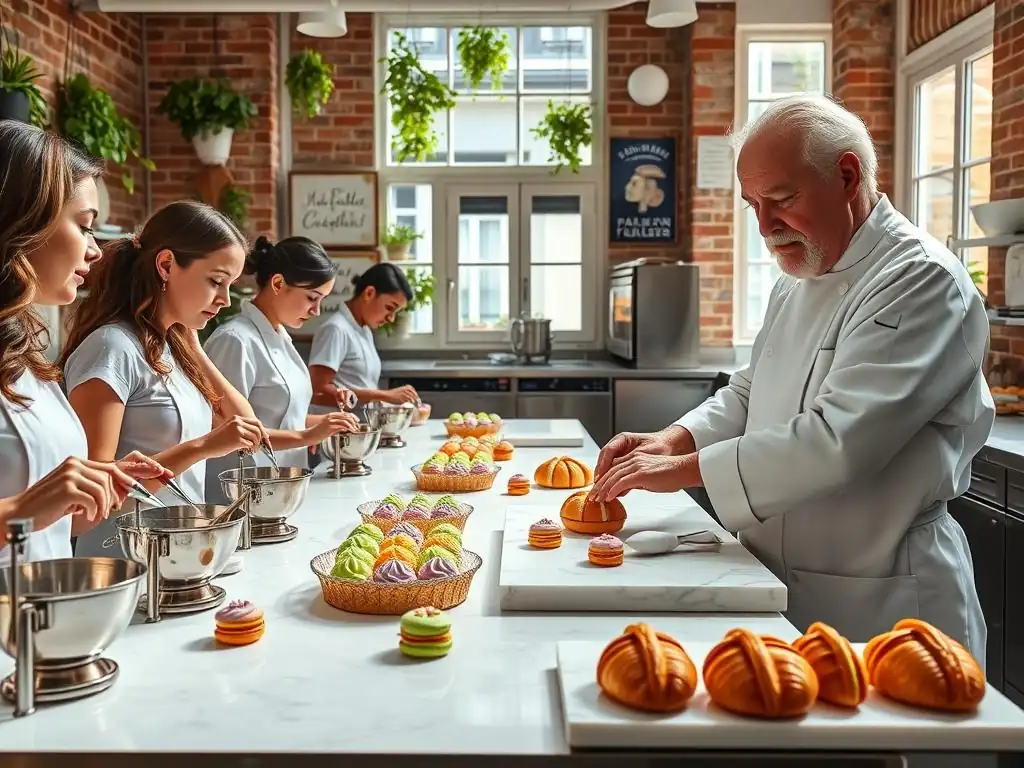
For those who cannot commit to a long-term diploma program or wish to experience French pastry education without the full investment, short-term courses and workshops are excellent alternatives. Many of the top schools mentioned, including Le Cordon Bleu and Ferrandi, offer shorter programs ranging from a single day to several weeks. These focus on specific skills, such as macaron making, bread baking, chocolate tempering, or creating specific types of cakes or tarts.
These courses provide a hands-on introduction to professional techniques and allow you to learn from experienced chefs in a structured environment. They are perfect for serious home bakers looking to improve specific skills, culinary tourists wanting an immersive experience, or professionals seeking to specialize. While they don't provide a comprehensive French pastry education, they offer valuable insights and practical experience, making them a worthwhile consideration.
Online French Pastry Classes: Learn at Your Own Pace
In today's digital age, online French pastry classes have become increasingly popular, offering flexibility and accessibility. Platforms like MasterClass feature renowned chefs teaching their techniques, and many culinary schools or individual chefs offer their own online courses. These classes allow you to learn classic French techniques from the comfort of your own kitchen, often at a fraction of the cost of in-person programs.
The format typically includes video demonstrations, downloadable recipes, and sometimes interactive Q&A sessions. While online learning lacks the direct, real-time feedback and hands-on correction of an in-person class, it provides a solid theoretical foundation and allows you to practice techniques repeatedly at your own pace. It's a great option for building fundamental skills or exploring specific areas of French pastry before committing to more intensive training.
Local Bakeries and Pastry Shops: Hands-On Apprenticeships
Another traditional pathway to learning French pastry is through an apprenticeship at a local bakery (boulangerie) or pastry shop (pâtisserie), either in France or elsewhere. This hands-on approach allows you to learn directly from experienced artisans in a real working environment. Apprenticeships can range from informal arrangements to structured programs, sometimes linked with vocational training centers.
While potentially less structured than formal school programs, apprenticeships offer invaluable practical experience, teaching you the rhythm of a professional kitchen, efficiency, and the nuances of working with ingredients on a larger scale. You become intimately familiar with the daily operations and challenges of a working pastry business. This path requires dedication and the ability to learn by doing, but it can provide a deep, practical understanding of the craft.
Funding Your French Pastry Education: Scholarships and Grants
Researching Financial Aid Options for Culinary School
Pursuing a formal French pastry education, especially at a top international school, represents a significant financial investment. Fortunately, various financial aid options exist to help aspiring pâtissiers fund their studies. Thorough research is key to identifying potential sources of funding, which can include scholarships, grants, loans, and sometimes school-specific payment plans.
Begin by exploring scholarships offered directly by the culinary schools themselves; many institutions have programs based on merit or financial need. Look into national or regional culinary organizations in your home country and in France, as they often provide scholarships for students pursuing culinary arts education abroad. Don't overlook general educational scholarships that might be applicable to vocational or specialized training.
James Beard Foundation Scholarship: Helping Aspiring Pâtissiers
The James Beard Foundation is a prominent organization in the culinary world and offers various scholarships and grants to students pursuing food-related careers, including pastry arts. Their scholarship programs aim to support aspiring chefs, bakers, and other culinary professionals by helping to offset the cost of education.
These scholarships are competitive and require a detailed application process, often including essays, transcripts, and letters of recommendation. While based in the United States, some of their programs may be open to international students or for study abroad. Aspiring pâtissiers should check the James Beard Foundation's website for eligibility requirements and application deadlines for their current scholarship opportunities.
The Culinary Trust Grant Program: Supporting Culinary Dreams
The Culinary Trust is another organization dedicated to promoting culinary education and literacy. They offer grants and scholarships to individuals pursuing studies in various culinary fields. Their programs aim to support students in achieving their educational and professional goals in the food industry.
Similar to other grant programs, funding from The Culinary Trust is often awarded based on merit, financial need, or specific criteria related to the applicant's culinary focus. Researching their grant cycles and application requirements is essential for those seeking financial assistance for their French pastry education. Exploring these funding avenues is a crucial step after identifying potential French pastry school rankings that align with your goals.
Beyond the Classroom: Immersing Yourself in French Pastry Culture
Visiting Parisian Pâtisseries: A Sensory Experience
Learning French pastry extends far beyond the classroom. Immersing yourself in the culture is vital, and there's no better way to do this than by visiting Parisian pâtisseries. Each shop offers a sensory experience, showcasing the artistry and tradition of the craft. Spend time admiring the displays, observing the details of each pastry, and of course, tasting.
Explore a variety of shops, from historic institutions like Stohrer (established in 1730) to modern boutiques by chefs like Pierre Hermé (famous for his macarons) or Cédric Grolet (known for his trompe-l'œil fruit creations). Pay attention to the textures, flavors, and presentation. These visits provide invaluable inspiration, broaden your understanding of current trends, and highlight the high standards you should strive for.
French Pastry Books and Resources: Continued Learning
Supplementing formal education with continuous learning through books and other resources is highly beneficial. Classic texts by renowned chefs like Gaston Lenôtre or Pierre Hermé provide foundational knowledge and advanced techniques. Modern pastry books showcase contemporary styles and innovative approaches.
Look for books that offer detailed explanations of techniques, ingredient science, and step-by-step guides. Online resources, culinary magazines, and documentaries can also provide valuable information and inspiration. Building a personal library of reliable resources allows you to revisit concepts, learn new skills, and stay updated on developments in the world of French pâtisserie long after your formal training concludes.
Building Your French Pastry Network: Connecting with Professionals
Networking is a crucial, often overlooked, aspect of a culinary career. Building connections with fellow students, instructors, guest chefs, and industry professionals can open doors to future opportunities. Attend industry events, connect on professional platforms, and maintain relationships built during your time at school or during internships.
Your classmates will become future colleagues, potentially working in different areas of the industry, offering a broad network. Instructors can provide mentorship and recommendations. Meeting chefs through masterclasses or internships offers direct connections to the professional world. A strong network provides support, facilitates learning, and is invaluable for career advancement in the competitive field of French pastry.
Choosing the Right French Pastry School: Key Considerations
Your Career Goals: What Do You Want to Achieve?
Choosing the right French pastry school starts with clearly defining your career goals. Are you aiming to work in a Michelin-starred restaurant, open a small artisan bakery, become a pastry instructor, or specialize in a niche area like chocolate or viennoiserie? Different schools and programs cater to different aspirations.
For instance, schools with strong industry connections and internship programs might be better suited for those aiming for high-end restaurant kitchens, while programs with a focus on business aspects could be ideal for future entrepreneurs. Consider the type of environment you want to work in and the specific skills most relevant to that path. Aligning your goals with the school's strengths is crucial when looking at French pastry school rankings.
Your Budget: How Much Can You Afford to Spend?
As highlighted earlier, a formal French pastry education, especially at a top school in France, represents a significant financial commitment. Your budget will be a major factor in determining which schools and programs are feasible. Diploma programs can range from approximately €10,000 to over €30,000, not including living expenses, materials, or potential internship periods.
Shorter courses and workshops offer a less expensive entry point, while online options are often the most budget-friendly. Be realistic about what you can afford and explore all available funding options, including scholarships and grants. Sometimes, a shorter, highly focused program might be a better investment than a long diploma if budget is a primary constraint.
Your Learning Style: What Suits You Best?
Consider your personal learning style when evaluating potential schools. Do you thrive in a highly structured, traditional classroom environment with clear expectations? Or do you prefer a more flexible, hands-on, learn-by-doing approach? Are you comfortable in large classes, or do you require smaller group sizes for personalized attention?
Some schools are known for rigorous discipline and adherence to classic methods, while others encourage more experimentation and creativity. Think about the pace of learning, the balance between theory and practice, and the level of independence expected. Choosing a school whose teaching philosophy aligns with your learning style will significantly enhance your educational experience and success.
Conclusion: Your Sweet Future Awaits
Investing in Your French Pastry Education
Investing in a French pastry education is an investment in your passion and future career. Whether you choose a prestigious Parisian institution from the top French pastry school rankings or a more specialized program, dedicated training provides the foundational skills, knowledge, and confidence needed to succeed. It's a journey that requires dedication, practice, and a genuine love for the craft.
The skills learned go beyond following recipes; they involve understanding ingredients, mastering complex techniques, developing artistic presentation, and cultivating the discipline required in a professional kitchen. While the cost and time commitment are substantial, the rewards of mastering authentic French pâtisserie can be immense, opening doors to exciting career opportunities around the globe.
Resources for Aspiring French Pastry Chefs
For those ready to take the next step, numerous resources are available. Start by researching the specific programs and application requirements of the schools mentioned in our French pastry school rankings and others you discover. Download brochures, attend virtual information sessions if available, and reach out to school admissions offices with your questions.
Explore scholarship databases and grant opportunities specifically for culinary arts. Read books and articles about French pastry to deepen your knowledge and stay inspired. Connect with professionals in the field through social media or industry events. Planning and thorough research are your best tools as you embark on the sweet path towards becoming a skilled pâtissier.
Frequently Asked Questions
What are the key criteria used in BakeWithEase's French pastry school rankings?
The rankings prioritize schools with strong emphasis on traditional French techniques, experienced instructors, and high rates of graduate placement in reputable patisseries.
Are the French pastry schools listed on BakeWithEase only for aspiring professional bakers?
No, while many graduates pursue professional careers, the schools listed also offer programs for enthusiastic hobbyists looking to master authentic French pastry skills.
What is the typical duration of a program at one of the top-ranked French pastry schools on BakeWithEase?
Program lengths vary, but many intensive courses range from several weeks to a few months, while more comprehensive diplomas can take a year or more to complete.
Does BakeWithEase provide information on the cost of attending these French pastry schools?
While BakeWithEase highlights some schools, specific tuition fees and associated costs are best obtained directly from the institutions themselves.
What are some essential skills one can expect to learn at a top-ranked French pastry school, according to BakeWithEase?
Students can expect to learn crucial skills like mastering classic doughs, creating intricate desserts, and perfecting advanced techniques such as sugar work and chocolate artistry.
Final Reflection: A Sweet Legacy, A Flourishing Future
The pursuit of mastering French pastry is more than just a culinary endeavor; it's a dedication to a rich artistic tradition that continues to captivate palates worldwide. The schools highlighted in this article represent the vanguard of this tradition, each offering unique pathways to excellence and contributing to the ever-evolving landscape of pastry arts. Their commitment to quality, innovation, and the preservation of classic techniques ensures that the legacy of French pastry will continue to thrive.
The influence of these institutions extends far beyond their classrooms, shaping the careers of countless pastry chefs and influencing the culinary landscape globally. Their graduates are the driving force behind innovative creations and the preservation of time-honored recipes, ensuring that the art of French pastry remains a vibrant and dynamic field. As Julia Child once wisely said, Find something you're passionate about and keep tremendously interested in it.
This sentiment perfectly encapsulates the dedication and passion required to excel in the world of French pastry, a dedication fostered within the walls of these exceptional schools.
So, as you consider your own path, whether you're a budding pastry chef or simply a passionate gourmand, remember the power of pursuing your culinary dreams. Let the dedication and artistry of these top schools inspire you to explore your own potential, to embrace the challenges, and to savor the sweet rewards of pursuing your passion. The world awaits your unique contribution to the enduring legacy of French pastry.
Unleash Your Inner Pâtissier: Start Your French Pastry Journey Today!
Thank you for exploring the world of authentic French pastry with us! We hope you've discovered the perfect school to ignite your passion. Now it's time to take the next delicious step.
- Enroll in a course: Don't just dream it, do it! Find the program that best suits your skill level and schedule and register today. This is your chance to learn from the masters.
- Share your passion: Tell your friends and family about your exciting new culinary adventure! Inspire others to pursue their dreams.
- Explore French pastry blogs: Discover new recipes and techniques to expand your knowledge beyond the classroom. Dive deeper into this delightful world!
Ready to create your own masterpiece? What French pastry are you most excited to master first?