
Using Different Flours in Your Bread Rolls

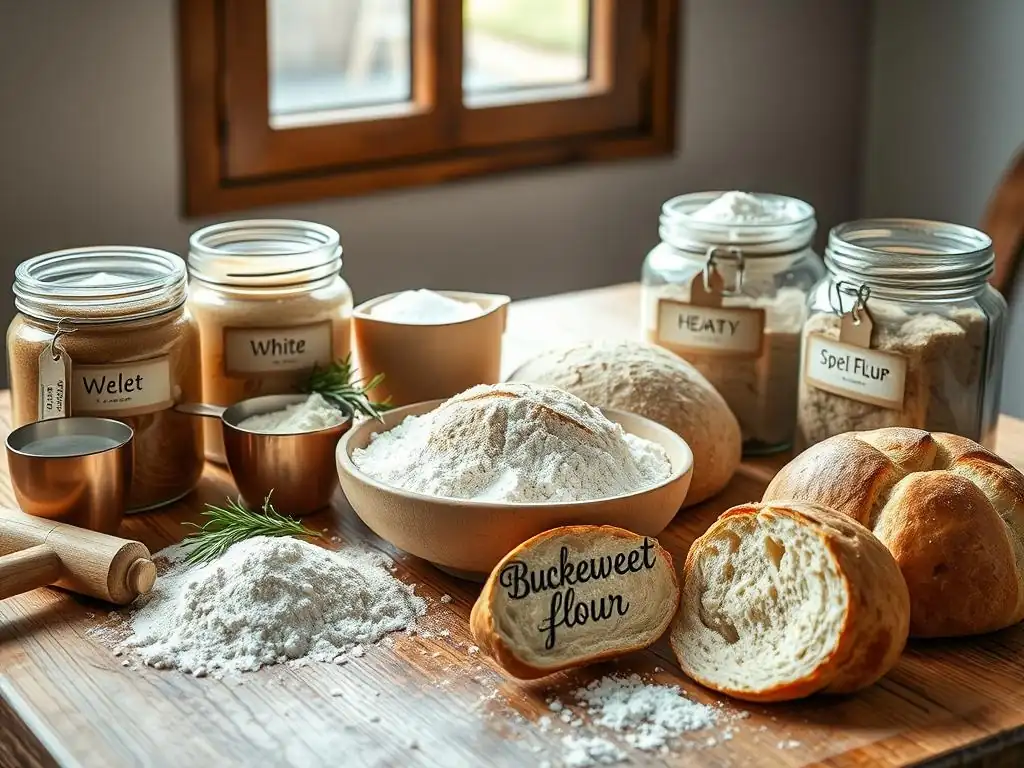
Welcome to BakeWithEase, your trusted companion on your baking journey! Ever wondered if you're using the best flour for bread rolls to achieve that perfect texture and flavor? This article delves into the fascinating world of flours, unraveling their secrets and guiding you towards baking bread rolls that will impress even the most discerning palates. Get ready to unlock the potential of your bread baking and discover how the right flour can truly elevate your creations!
- Exploring Flour Varieties for Bread Rolls
- Introduction: Enhancing Bread Rolls with Diverse Flours
- Understanding Flour Fundamentals for Bread Rolls
- Flour Options for Bread Rolls: A Detailed Comparison
- Blending Flours: Customizing Bread Roll Flavors
- Troubleshooting: Common Issues and Solutions
- Tips for Baking with Diverse Flours
- Recipe Ideas: Bread Roll Recipes
- Conclusion: Mastering Bread Rolls with Different Flours
-
Frequently Asked Questions
- What is the best flour to use for achieving a soft and fluffy texture in bread rolls?
- Can I substitute all-purpose flour for bread flour when making bread rolls?
- What role does whole wheat flour play when added to bread roll recipes?
- Are there any specialty flours, like cake flour or pastry flour, suitable for bread rolls?
- How does the protein content of flour affect the final result of my bread rolls?
- Final Reflection: The Flour Power of Perfect Rolls
- Unleash Your Inner Baker: Flour Power Awaits!
Exploring Flour Varieties for Bread Rolls
Introduction: Enhancing Bread Rolls with Diverse Flours
Baking bread rolls is a rewarding experience, resulting in warm, comforting bites perfect for any meal. While many bakers start with simple white flour, exploring different flour varieties can dramatically change the texture, flavor, and nutritional profile of your bread rolls. Understanding how different flours behave is key to mastering your baking and creating truly unique rolls. From the classic chewiness of a white roll to the hearty depth of a whole wheat loaf, the choice of flour is perhaps the most impactful decision you'll make.
Choosing the best flour for bread rolls depends entirely on the desired outcome. Are you aiming for light and airy dinner rolls, or dense and flavorful sandwich buns? Each type of flour brings unique properties to the dough, influencing everything from how it handles during kneading to the final crumb structure and crust. By experimenting with various flours and understanding their characteristics, you can elevate your bread roll baking from good to extraordinary, opening up a world of possibilities in your kitchen.
Understanding Flour Fundamentals for Bread Rolls
Before diving into specific flour types, it's crucial to grasp a few fundamental concepts about what makes flour behave the way it does in bread baking. These concepts directly influence the texture, rise, and overall success of your bread rolls, helping you understand why certain flours are often considered the best flour for bread rolls depending on the style you're aiming for. Focusing on these basics will empower you to make informed choices and troubleshoot common issues.
The three most important factors to consider when selecting flour for bread rolls are gluten development potential, protein content, and absorbency. These properties are inherent to the grain the flour is milled from and how it is processed. A strong understanding of these elements will guide you in adjusting recipes and techniques when working with different flours, ensuring consistent and delicious results every time you bake.
Gluten Development: Impact on Bread Roll Texture
Gluten is a network of proteins (glutenin and gliadin) that forms when flour is mixed with water and kneaded. This network provides the dough with structure and elasticity, allowing it to trap gases produced by yeast, which causes the bread rolls to rise. A well-developed gluten structure is essential for creating rolls with a light, airy crumb and a satisfying chew. Without sufficient gluten development, your rolls can turn out dense and heavy.
Different flours have varying potentials for gluten development. High-protein flours, like bread flour, contain more gluten-forming proteins and thus develop a stronger, more elastic network suitable for chewy bread rolls. Conversely, flours low in protein or containing components that interfere with gluten formation (like the bran and germ in whole wheat flour) will result in a weaker gluten network, leading to denser rolls unless techniques like autolyse or vital wheat gluten are used. Understanding this helps determine the best flour for bread rolls for a specific texture goal.
Protein Content: Its Role in Dough Structure
The protein content of flour is a key indicator of its gluten-forming potential. Generally, the higher the protein content, the stronger the gluten network that can be developed. Bread flour typically has a protein content ranging from 12% to 14%, making it ideal for creating robust doughs that can support a significant rise and yield rolls with excellent structure and chew. All-purpose flour, with a protein content usually between 10% and 12%, is more versatile but may require more careful handling or longer kneading to achieve a comparable gluten structure for rolls.
Flours with lower protein content, such as cake flour (around 7-9%) or pastry flour (around 8-10%), are generally not recommended as the primary flour for bread rolls because they cannot develop a strong enough gluten network to support the rise needed for a light crumb. Whole wheat flour, while often having a high protein content (13-15%), contains bran and germ particles that can cut the gluten strands, effectively weakening the structure compared to white bread flour. Thus, protein percentage is a critical factor when deciding on the best flour for bread rolls.
Absorbency: How Flour Affects Dough Hydration
Different flours absorb liquids at varying rates and amounts. This property, known as absorbency, directly impacts the hydration level of your dough – the ratio of water to flour. Flours containing more bran and germ, such as whole wheat or rye flour, are significantly more absorbent than refined white flours because these components soak up more water. For example, while a white bread flour dough might be optimally hydrated at 65-70%, a whole wheat dough might require 75-80% hydration or even higher to achieve a similar consistency.
Proper hydration is crucial for successful bread rolls. Dough that is too dry will be stiff, hard to knead, and result in dense, dry rolls. Dough that is too wet can be difficult to handle and may spread too much during baking. When substituting flours, especially those with higher absorbency, you will almost always need to adjust the amount of liquid in the recipe. Starting with the original liquid amount and adding more gradually until the desired dough consistency is reached is a common technique when using less common types of flour for bread rolls.
Flour Options for Bread Rolls: A Detailed Comparison
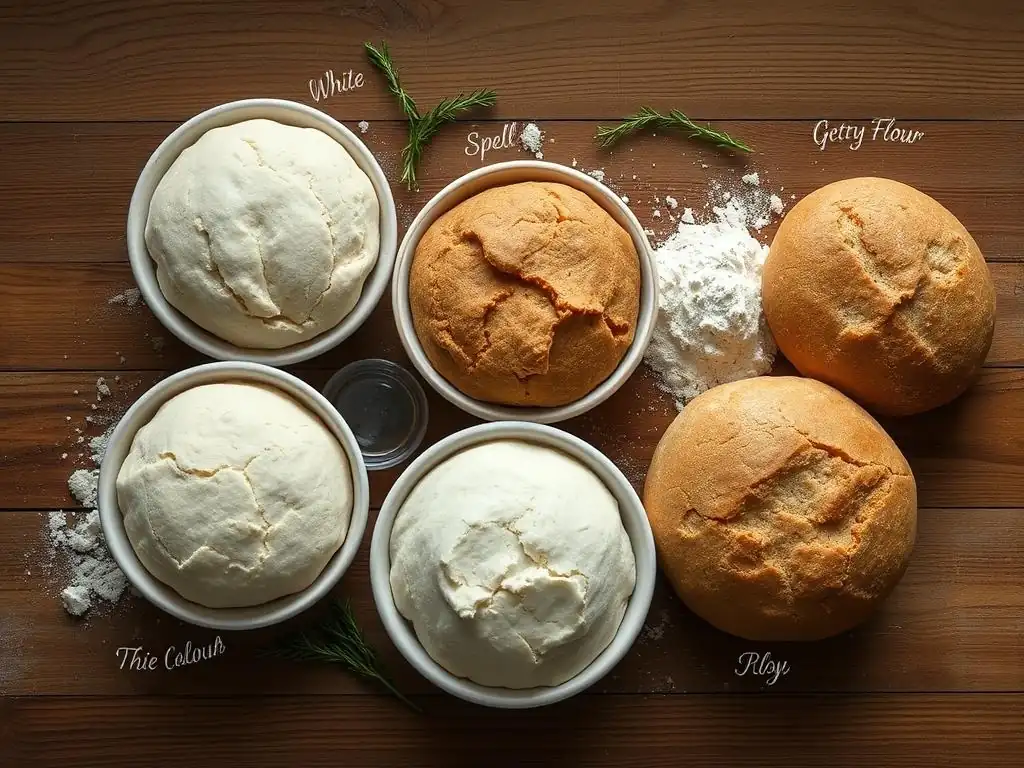
Exploring the variety of flours available is the first step to finding the best flour for bread rolls that suit your taste and texture preferences. Each flour type brings its own set of characteristics to the dough and the final baked product. Understanding these differences will help you choose the right flour or combination of flours for your next batch of rolls.
Let's delve into some of the most popular and interesting flour options for bread rolls, examining their properties and how they perform in baking. This comparison will highlight the unique contributions each flour makes, guiding you in selecting the perfect foundation for your bread roll adventures.
Bread Flour: Achieving Strength and Texture
Bread flour is specifically milled for yeast-leavened breads, including bread rolls. Its high protein content, typically between 12% and 14%, means it has excellent gluten-forming potential. This results in a strong, elastic dough that can trap a large amount of carbon dioxide gas produced by the yeast, leading to a significant rise and a final product with a desirable airy, chewy interior crumb and a sturdy crust. It is often considered the best flour for bread rolls when aiming for classic texture and structure.
When using bread flour, you can expect a dough that is relatively easy to knead and handle once the gluten is properly developed. The high protein content provides the structure needed to support add-ins like seeds or dried fruit without collapsing. While it produces rolls with a classic, slightly chewy texture, 100% bread flour might lack some of the complex flavors found in other grains, which is why it's often combined with other flours in more artisanal recipes.
Considerations for Using Bread Flour
Using 100% bread flour is straightforward for most standard bread roll recipes. Ensure you knead the dough sufficiently to develop the gluten network fully – this might take 8-10 minutes by hand or 6-8 minutes in a stand mixer. Look for the "windowpane test" where a small piece of dough can be stretched thinly without tearing.
Hydration levels for bread flour dough typically range from 65% to 75% depending on the desired roll type (lower for firmer rolls, higher for softer, more open crumb). Because of its consistent performance and reliable gluten development, bread flour is an excellent choice for beginners and a staple for achieving predictable, high-quality bread rolls. It's arguably the best flour for bread rolls if consistency and a classic texture are your top priorities.
Whole Wheat Flour: A Nutritious and Flavorful Option
Whole wheat flour is milled from the entire wheat kernel, including the bran, germ, and endosperm. This inclusion of all parts of the grain makes it significantly more nutritious than white flour, offering more fiber, vitamins (like B vitamins), and minerals. It also imparts a distinct, nutty, and slightly sweet flavor to bread rolls, along with a denser, heartier texture compared to rolls made with white flour. It's a great option for those seeking a more rustic and healthy bread roll.
Despite often having a protein content comparable to or even higher than white bread flour (sometimes 13-15%), the bran and germ particles in whole wheat flour interfere with gluten development. They act like tiny knives, cutting the gluten strands as they form and are kneaded. This means that dough made with 100% whole wheat flour will be less elastic and will produce rolls that are denser and don't rise quite as high as those made with white bread flour.
Baking with Whole Wheat Flour
Baking with 100% whole wheat flour requires adjustments. Due to the bran and germ, it absorbs significantly more water than white flour; hydration levels often need to be 75% or higher. The dough will feel different – less elastic and potentially stickier. Kneading is still important, but over-kneading can further break down the limited gluten network.
Many bakers combine whole wheat flour with white bread flour (e.g., a 50/50 blend) to balance flavor, nutrition, and texture. This allows for better gluten development from the white flour while still incorporating the benefits of whole wheat. Using techniques like autolyse (mixing flour and water and letting it rest before adding yeast and salt) can help the bran soften and the flour hydrate more fully before kneading, improving dough handling and final crumb structure when using whole wheat flour for bread rolls.
Rye Flour: Adding Depth and Complexity
Rye flour, milled from rye grain, offers a unique, tangy, and robust flavor profile that differs significantly from wheat. It contains less gluten-forming protein than wheat flour, and the gluten it does contain is less elastic. Furthermore, rye contains pentosans, complex carbohydrates that absorb large amounts of water and interfere with gluten development, resulting in doughs that are often stickier and less elastic than wheat doughs. Bread rolls made with a high percentage of rye flour will be dense and moist.
There are different types of rye flour, from light (white) rye, which is mostly the endosperm, to dark rye, which includes more of the bran and germ and has a stronger flavor and darker color. Pumpernickel flour is a very coarse dark rye flour. The choice of rye flour impacts the density and flavor intensity of the rolls. Rye is often used in combination with wheat flour to add its distinctive taste and moisture while still allowing for a reasonable rise and structure provided by the wheat gluten.
Utilizing Rye Flour in Bread Roll Recipes
When using rye flour, especially in higher percentages, expect a sticky dough that is less amenable to traditional kneading. Techniques like folding are often preferred over vigorous kneading. Because of its high absorbency due to pentosans, rye doughs typically require high hydration, often 80% or more, depending on the type of rye flour used.
Rye's unique properties mean that rolls made with significant amounts of rye will have a tighter, moister crumb and a characteristic tangy flavor. A common approach is to use rye flour as a smaller percentage (e.g., 10-30%) of the total flour blend to add flavor and moisture without sacrificing too much rise or structure.
Rolls like classic Jewish rye rolls or Scandinavian-style rolls often feature significant amounts of rye, sometimes using a pre-ferment or sourdough starter to enhance flavor and aid in leavening. While perhaps not the best flour for bread rolls if you desire a light texture, it's excellent for flavor.
Spelt Flour: An Ancient Grain Option
Spelt is an ancient grain, a relative of wheat, but with a slightly different genetic makeup. Spelt flour has a moderate protein content, often ranging from 10% to 13%, comparable to all-purpose or lower-protein bread flour. However, the gluten structure it forms is more fragile and water-soluble than modern wheat gluten. This means spelt dough can develop gluten relatively quickly but is also easily over-kneaded, leading to a sticky, slack dough that doesn't hold its shape well.
Rolls made with spelt flour tend to have a tender, slightly crumbly texture and a pleasant, mildly nutty flavor. Because its gluten is more fragile, spelt doughs don't typically achieve the same chewy structure as those made with strong bread flour. It's a good option for those looking for an alternative to modern wheat with a distinct taste and texture.
Exploring Spelt Flour's Flavor Profile
Spelt flour imparts a subtly sweet, nutty flavor to bread rolls that many find appealing. Its texture is often described as more tender than rolls made with modern wheat. When baking with spelt, it's important to handle the dough gently and avoid over-kneading. Kneading times are usually shorter than for wheat doughs; often, just a few minutes are sufficient to develop the necessary structure.
Spelt is also highly absorbent, similar to whole wheat, and may require higher hydration levels than white wheat flour. Starting with the same liquid amount as a wheat recipe and adding more as needed is advisable. Spelt flour can be used on its own for tender rolls or blended with wheat flour to add flavor and nutrition while benefiting from the stronger gluten network of wheat. For a tender, flavorful roll, spelt is a contender for the best flour for bread rolls.
Einkorn Flour: A Nutty and Tender Alternative
Einkorn is considered the oldest form of cultivated wheat, dating back thousands of years. Like spelt, it's an ancient grain with a unique composition. Einkorn flour has a relatively high protein content (often 13-15%), but its gluten structure is very different from modern wheat – it's weaker and less elastic. This results in doughs that are often sticky and don't develop a strong, extensible gluten network like modern wheat. Rolls made with einkorn are typically dense, tender, and moist, with a rich, nutty flavor.
Einkorn is known for being highly nutritious and is sometimes better tolerated by individuals sensitive to modern wheat (though it is not gluten-free and unsuitable for celiacs). Its unique properties make it challenging to use on its own for light, airy rolls, but it excels at producing flavorful, dense, and moist baked goods.
Baking with Einkorn Flour
Working with 100% einkorn flour can be tricky due to its sticky nature and weak gluten. It requires very high hydration, often upwards of 80-90%, to become manageable, and even then, the dough will be more like a thick batter than a traditional kneadable dough. Gentle handling and techniques like stretch and folds are crucial; traditional vigorous kneading is not effective and can break down the fragile structure.
Because of these challenges, einkorn is often used in blends with modern wheat flour to provide some structure and rise while still benefiting from einkorn's flavor and nutritional profile. Even in blends, einkorn will contribute to a denser, more tender crumb than an all-wheat roll. If you're looking for a uniquely flavored, tender, and nutritious roll and don't mind a denser texture, einkorn could be the best flour for bread rolls for your needs.
Blending Flours: Customizing Bread Roll Flavors
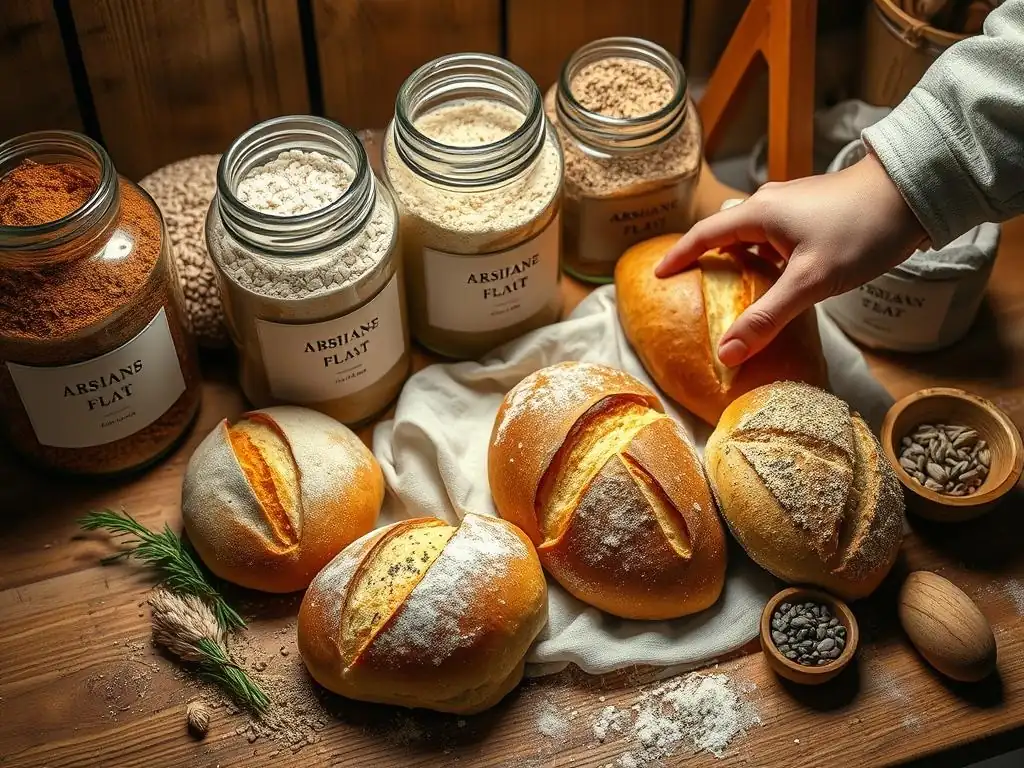
Blending different types of flour is a common practice among bakers to achieve a balance of texture, flavor, nutrition, and handling properties that a single flour might not provide. By combining flours, you can tailor your bread rolls to your exact specifications, creating unique and delicious results. This is often how bakers find their personal best flour for bread rolls combination.
Blending allows you to mitigate the weaknesses of one flour by leveraging the strengths of another. For instance, you can add the nutrition and flavor of whole grains while maintaining a desirable structure by including a portion of strong white bread flour. Experimentation is key to discovering your favorite blends and unlocking new dimensions in your bread roll baking.
Combining Bread Flour and Whole Wheat Flour
Perhaps the most common flour blend for bread rolls is a mix of white bread flour and whole wheat flour. A typical starting ratio is 50% bread flour and 50% whole wheat flour, but ratios can range from as little as 10% whole wheat to as much as 75% or more, depending on the desired outcome. This blend benefits from the strong gluten network provided by the bread flour, which helps the dough rise and maintain structure, while the whole wheat flour adds fiber, nutrients, and its characteristic nutty flavor and heartier texture.
Using this blend makes the dough easier to handle and knead compared to 100% whole wheat, resulting in rolls that are less dense but still have the goodness of whole grain. Hydration levels will be higher than for pure white flour but lower than for pure whole wheat. Adjusting the ratio allows fine-tuning the balance between a light, airy crumb and a dense, wholesome texture, making it a flexible approach to finding the best flour for bread rolls for many bakers.
Experimenting with Rye and Spelt Flour
Beyond the basic wheat blends, combining less common flours like rye and spelt opens up possibilities for complex flavors and interesting textures. For example, a blend of 70% white bread flour, 20% rye flour, and 10% whole wheat flour could yield rolls with a noticeable rye tang and heartiness, balanced by the structure of the bread flour and the nutrition of the whole wheat.
Another interesting blend might involve spelt flour. A mix of 60% white bread flour, 30% spelt flour, and 10% rye flour would produce rolls with a tender crumb from the spelt, a hint of tang from the rye, and sufficient structure from the bread flour. When experimenting with these flours, start with lower percentages (e.g., 10-20%) and gradually increase them in subsequent batches as you get a feel for how they affect the dough handling and the final baked roll. Finding the best flour for bread rolls often involves creative blending.
Troubleshooting: Common Issues and Solutions
Even with the best flour for bread rolls, baking can sometimes present challenges. Understanding common issues like dense, flat, or dry rolls and knowing how to address them based on the flour you're using is crucial for consistent success. Many problems stem from issues related to gluten development, hydration, or proofing, all of which are influenced by the type of flour used.
Don't be discouraged if your first attempts with a new flour aren't perfect. Baking is a process of learning and adaptation. By recognizing the signs of common problems and applying appropriate solutions, you can improve your technique and consistently produce delicious bread rolls, regardless of the flour type or blend you choose.
Dense Bread Rolls: Adjusting Hydration and Technique
Dense bread rolls are often a result of insufficient rise or a poorly developed gluten structure that couldn't trap enough gas. If using whole wheat, rye, spelt, or einkorn flour, density is somewhat expected due to their nature, but excessive density can indicate an issue. One common cause is insufficient hydration; the dough was too dry, hindering gluten development and yeast activity. Try increasing the water slightly in your next batch, especially if using highly absorbent flours.
Another cause could be inadequate kneading or mixing. If the gluten isn't sufficiently developed, the dough won't be elastic enough to expand properly. Ensure you are kneading for the recommended time, paying attention to the dough's texture – it should become smooth and elastic. However, with flours like spelt or einkorn, over-kneading can break down the fragile gluten, also leading to density. For these flours, gentler mixing and folding techniques are often more effective. Adjusting technique based on the specific type of flour for bread rolls is key.
Flat Bread Rolls: Improving Gluten Development
Flat bread rolls, particularly after baking, often indicate a problem with the dough's structure and ability to hold its shape and rise. This is usually linked to poor gluten development or insufficient strength in the dough. If using white bread flour, ensure you are kneading long enough to build a strong gluten network. The dough should pass the windowpane test.
When using flours with weaker or interfering gluten (like whole wheat, rye, spelt, or einkorn), achieving sufficient structure can be harder. Blending with a stronger flour like white bread flour is a common solution. Using techniques like an autolyse can also help improve the dough's extensibility and strength before kneading. Additionally, ensuring your rolls are properly shaped with good surface tension can help them hold their form during proofing and baking. A strong structure is vital for any type of flour for bread rolls to hold their shape.
Dry Bread Rolls: Incorporating Fats and Liquids
Dry bread rolls can be caused by several factors, including insufficient hydration in the dough, overbaking, or using flours that naturally result in a drier crumb if not handled correctly. Flours high in fiber, like whole wheat and rye, tend to produce rolls that can feel drier than white rolls if not properly hydrated and handled.
To combat dryness, ensure your hydration level is appropriate for the flour type – often higher for whole grains. Incorporating fats like butter, oil, or eggs into the dough can also significantly improve moisture and tenderness. For instance, adding 10-15% butter (based on flour weight) can make a noticeable difference.
Baking the rolls for the correct amount of time at the right temperature is also crucial; overbaking will inevitably lead to dry rolls. Using a thermometer to check for an internal temperature of 190-200°F (88-93°C) for most rolls helps prevent overbaking. Proper hydration and judicious use of fats are key regardless of the flour for bread rolls you select.
Tips for Baking with Diverse Flours
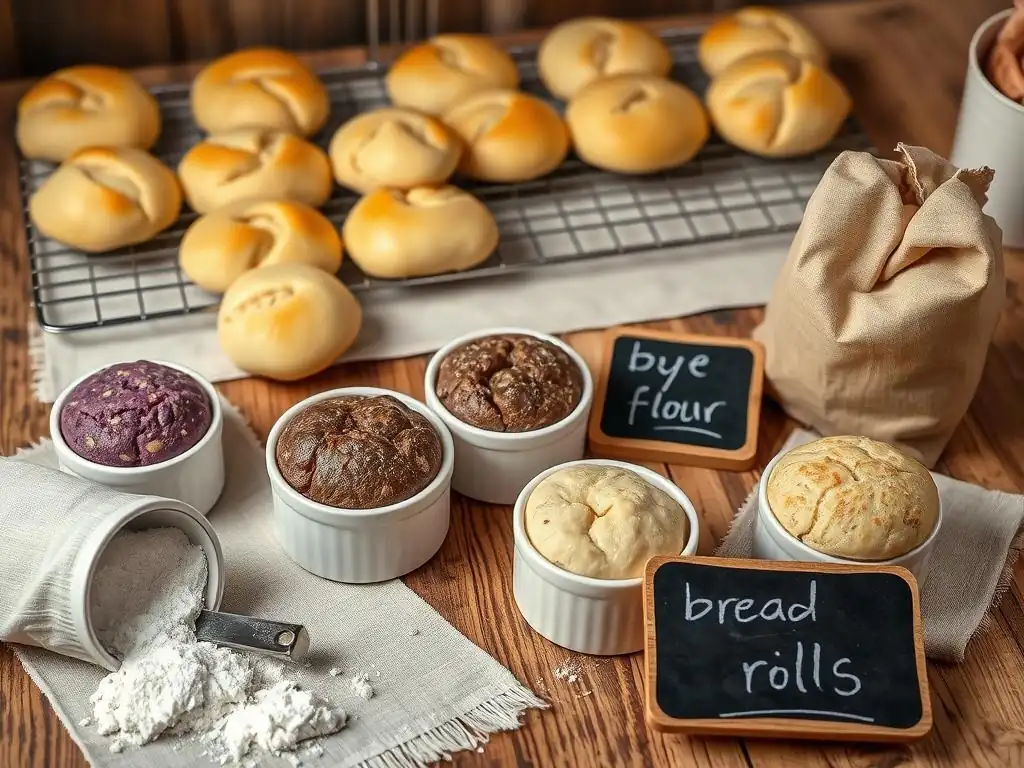
Working with various flours requires adapting your techniques slightly to get the best flour for bread rolls results for each type. While the basic steps of mixing, kneading, proofing, and baking remain, how you perform them can vary significantly depending on the flour's properties.
Here are some essential tips to help you succeed when venturing beyond standard white flour and exploring the world of diverse grains in your bread rolls.
Autolyse Technique: Enhancing Hydration
The autolyse technique involves mixing just the flour and water from the recipe and letting it rest for 20-60 minutes before adding the yeast, salt, and any other ingredients. This resting period allows the flour to fully hydrate and enzyme activity to begin breaking down proteins, which helps gluten development.
This technique is particularly beneficial when working with whole wheat or other high-absorbency flours like spelt or rye. It allows the bran particles to soften, reducing their interference with gluten, and makes the dough easier to handle and knead. It can significantly improve the texture and rise of rolls made with these flours, potentially helping them compete with the best flour for bread rolls in terms of texture.
Proper Kneading: Developing Gluten
Kneading develops the gluten network, which is essential for the structure and rise of bread rolls. The amount and intensity of kneading required depend heavily on the flour type. Strong flours like white bread flour benefit from longer, more vigorous kneading (8-10 minutes by hand, 6-8 in a mixer) until a strong, elastic dough forms.
In contrast, flours with weaker or more fragile gluten, such as spelt or einkorn, require much less kneading – often just a few minutes or reliance on gentle folds. Over-kneading these flours can quickly degrade the gluten structure, resulting in slack, sticky dough and dense rolls. Learn to read your dough and adjust kneading based on its feel and the specific flour for bread rolls you are using.
Proofing: Achieving Optimal Rise
Proofing, the process where the dough rises, is when the yeast produces gases trapped by the gluten network. The ideal proofing time and conditions can vary based on the flour used. Doughs made with weaker flours or those with components that interfere with yeast activity (like some compounds in whole grains or rye) may rise more slowly or achieve less volume than doughs made with strong white flour.
Watch the dough itself rather than strictly adhering to time estimates in recipes, as ambient temperature and flour type can significantly affect proofing speed. Dough is typically ready for shaping after doubling in size (first proof) and ready for baking after increasing by about 50-75% after shaping (second proof). Under-proofing leads to dense rolls, while over-proofing can cause them to collapse in the oven. Adjusting proofing times is crucial when using different types of flour for bread rolls.
Recipe Ideas: Bread Roll Recipes
While full recipes are beyond the scope here, exploring different flours can inspire a variety of bread roll styles. Thinking about the characteristics of each flour helps in imagining the kind of roll it would create. Here are a few ideas illustrating how different flours can be the foundation for distinct bread roll recipes.
Consider these concepts as starting points for your own baking adventures, focusing on how the chosen flour dictates the potential outcome. These examples showcase that the best flour for bread rolls is truly dependent on the desired style and flavor.
Classic Bread Flour Bread Rolls
Imagine soft, slightly chewy dinner rolls with a smooth crust and consistent, airy interior crumb. This is the hallmark of rolls made primarily with white bread flour. A recipe for classic bread flour rolls would focus on developing a strong gluten network through adequate kneading and allowing for a good rise, resulting in light, versatile rolls perfect for pairing with any meal.
Key elements would include precise hydration for a supple dough and sufficient proofing to achieve optimal volume. These rolls are forgiving and a great starting point for understanding basic bread roll dynamics before incorporating other flours. They represent a baseline for judging the performance of other types of flour for bread rolls.
Hearty Whole Wheat Bread Rolls
Picture rustic, flavorful rolls with a slightly denser crumb and a noticeable nutty sweetness. Hearty whole wheat bread rolls embrace the full character of the grain. Recipes for these rolls would likely use a significant portion (or even 100%) of whole wheat flour, potentially incorporating techniques like autolyse and requiring higher hydration.
The goal is a wholesome roll that is satisfying and nutritious, perhaps studded with seeds or grains for added texture and flavor. While denser than white rolls, well-made whole wheat rolls should still have a pleasant texture and good rise for a whole grain loaf. They showcase how whole wheat can be the best flour for bread rolls when heartiness is desired.
Flavorful Rye Bread Rolls
Envision rolls with a distinct tangy flavor and a moist, close-knit crumb, perhaps with a slightly chewy crust. Flavorful rye bread rolls highlight the unique profile of rye flour. Recipes would often involve a blend of rye and wheat flour, adjusting hydration carefully for the sticky rye dough.
Techniques might include using a sourdough starter (rye is excellent for this) to enhance the tang and aid leavening, or incorporating spices like caraway seeds commonly paired with rye. These rolls are perfect for savory applications, like serving with cheese or cured meats. They demonstrate how rye can contribute a unique character, making it the best flour for bread rolls in certain culinary contexts.
Spelt and Einkorn Blend Bread Rolls
Consider rolls that are tender, with a delicate crumb and a subtle nutty or sweet flavor profile. Spelt and einkorn blend rolls explore the characteristics of these ancient grains. A recipe might combine spelt or einkorn with a stronger wheat flour to provide structure while benefiting from the ancient grains' flavor and texture.
Dough handling would be gentler, with attention paid to avoiding over-kneading. The hydration would be adjusted for the high absorbency of these flours. The resulting rolls would be a flavorful alternative to standard wheat rolls, offering a taste of history with each bite. For a tender, unique flavor, these blends might contain the best flour for bread rolls for adventurous bakers.
Conclusion: Mastering Bread Rolls with Different Flours
Embarking on the journey of using different flours in your bread rolls is a rewarding step in expanding your baking skills. Each flour type, from common bread flour to ancient grains like spelt and einkorn, brings unique properties that influence dough handling, texture, flavor, and nutritional value. Understanding the fundamentals of gluten development, protein content, and absorbency is key to successfully working with this diverse palette of ingredients.
Experimentation is at the heart of finding your best flour for bread rolls. Whether you choose to use a single flour or create custom blends, each baking session is an opportunity to learn how different grains behave and how slight adjustments in hydration, kneading, and proofing can dramatically alter the outcome. Don't be afraid to try new combinations and techniques. With practice and patience, you'll master the art of using diverse flours to create a wide variety of delicious, satisfying bread rolls tailored to your taste. Happy baking!
Frequently Asked Questions
What is the best flour to use for achieving a soft and fluffy texture in bread rolls?
For a consistently soft and fluffy texture, bread flour is generally recommended due to its higher gluten content. This gluten creates a strong network, leading to that desired airy result.
Can I substitute all-purpose flour for bread flour when making bread rolls?
Yes, you can, but expect a slightly denser texture. All-purpose flour has less gluten than bread flour, resulting in a less chewy and less structured roll.
What role does whole wheat flour play when added to bread roll recipes?
Adding whole wheat flour to bread rolls introduces a nutty flavor and increased fiber. However, it can also make the rolls denser, so it's often blended with bread flour for optimal results.
Are there any specialty flours, like cake flour or pastry flour, suitable for bread rolls?
Generally, no. Cake and pastry flours are low in gluten, which is crucial for the structure of bread rolls. They are best reserved for more delicate baked goods.
How does the protein content of flour affect the final result of my bread rolls?
Higher protein content, like in bread flour, leads to a stronger gluten development, giving bread rolls a chewier texture and a better rise. Lower protein content, like in cake flour, produces a more tender, crumbly texture, unsuitable for bread rolls.
Final Reflection: The Flour Power of Perfect Rolls
The quest for the perfect bread roll is a journey as much about understanding ingredients as it is about technique, and the flour you choose is the cornerstone of that journey. The seemingly simple act of baking a bread roll is, in reality, a complex interplay of hydration, gluten development, and ultimately, flavor. This exploration into different flours highlights the profound impact even a seemingly minor ingredient can have on the final product.
The subtle nuances between bread flour, all-purpose flour, and even specialty flours like rye or whole wheat have shaped not only my baking but also my appreciation for the artistry of bread making. It's a journey of discovery, constantly evolving as I experiment with different blends and techniques. As the renowned baker, Jim Lahey, once said, Bread baking is a journey, not a destination. Enjoy the process.
This sentiment perfectly encapsulates the ongoing learning and refinement involved in mastering the art of the perfect roll. The subtle differences in texture, rise, and even the crust's color are a testament to the power of the humble flour.
Now, it's your turn. Don't be afraid to experiment! Try substituting flours, adjust hydration levels, and discover the unique characteristics each flour brings to your bread rolls. The journey to finding your perfect roll is a personal one, filled with delicious discoveries and the satisfaction of creating something truly special with your own hands. Embrace the flour power, and let your baking journey begin!
Unleash Your Inner Baker: Flour Power Awaits!
Thanks for joining us on this flour-filled journey! We hope you've gained a newfound appreciation for the diverse world of bread flours and their unique contributions to delicious rolls. Ready to put your newfound knowledge into practice?
- Bake your dream rolls: Choose one flour from the article you found most interesting and experiment with it today! Note the texture and taste differences – you might discover a new favorite.
- Share your baking adventures: Post a picture of your creation on social media using #BakeWithEaseFlourPower and tag us! We'd love to see your results.
- Explore further: Dive deeper into our other articles on baking techniques and recipes to expand your skills even more.
What unique flour blend will you create to surprise your family and friends?