
Bake Focaccia Perfect for Sandwiches

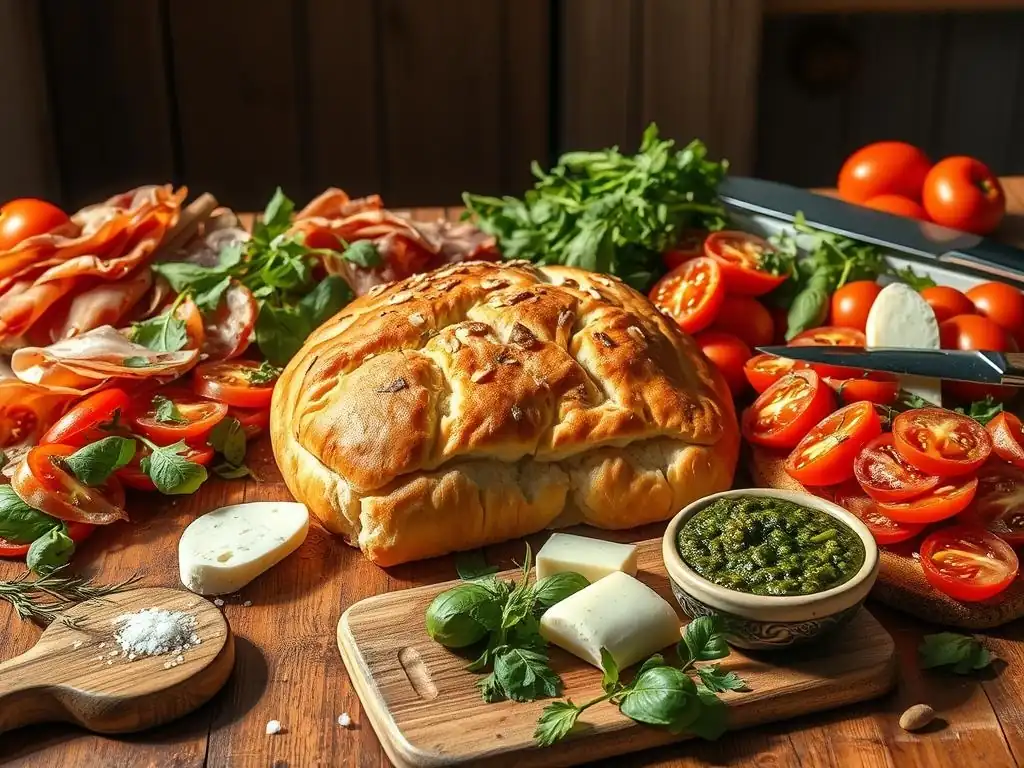
Welcome to BakeWithEase, your companion on the journey to baking brilliance! Ever dreamed of crafting the perfect sandwich, one where the bread itself is a star? Dive in and discover our easy focaccia sandwich recipe – a guaranteed crowd-pleaser. But that's just the beginning. Get ready to unlock a world of simple recipes and baking secrets that will transform your kitchen into a haven of deliciousness. What's the secret to a truly unforgettable focaccia? Let's find out!
- Bake Focaccia Perfect for Sandwiches: An Easy Recipe
- Introduction: Elevate Your Sandwiches with Homemade Focaccia
- The Ultimate Easy Focaccia Sandwich Recipe
- Expert Tips for Focaccia Sandwich Success
- Variations on the Easy Focaccia Sandwich Recipe
- Serving Suggestions: Beyond the Sandwich
- Troubleshooting Common Focaccia Baking Problems
- Conclusion: Enjoy Your Delicious Homemade Focaccia Sandwiches
- Frequently Asked Questions
- Final Reflection: The Humble Focaccia's Unexpected Rise
- Unleash Your Inner Focaccia Artisan!
Bake Focaccia Perfect for Sandwiches: An Easy Recipe
Introduction: Elevate Your Sandwiches with Homemade Focaccia
Why Homemade Focaccia Makes the Best Sandwiches
Focaccia, with its unique texture and rich olive oil flavor, offers a truly superior foundation for sandwiches compared to standard loaf bread. Its open, airy crumb allows it to absorb delicious dressing and fillings without becoming instantly soggy, while the slightly crisp bottom crust provides a delightful textural contrast. Imagine a classic Italian sub or a simple caprese salad layered between two slices of this flavorful bread – the experience is simply unmatched.
Beyond texture, the inherent flavor of focaccia, particularly when infused with herbs and good quality olive oil, complements a wide range of fillings. From robust cured meats and sharp cheeses to fresh vegetables and creamy spreads, the bread itself adds a layer of complexity and depth that elevates the entire sandwich. Making it at home ensures peak freshness, customizable flavor profiles, and the perfect thickness tailored to your sandwich needs, making any easy focaccia sandwich recipe a winner.
BakeWithEase's Guide to Perfect Focaccia for Sandwiches
At BakeWithEase, we believe that mastering baking should be an enjoyable and accessible journey for everyone. That's why we've crafted this easy focaccia sandwich recipe, designed to demystify the process and help you create bakery-quality bread right in your own kitchen. We break down each step, from mixing the dough to achieving that signature golden crust, with clear instructions perfect for bakers of all levels.
This guide focuses specifically on creating a focaccia that's ideal for slicing horizontally and filling. We'll cover everything from selecting the right ingredients – highlighting their specific roles – to providing expert tips on achieving the perfect texture and flavor. By the end, you'll have the confidence and knowledge to bake delicious focaccia consistently, transforming your sandwich game forever with this simple yet effective method.
The Ultimate Easy Focaccia Sandwich Recipe
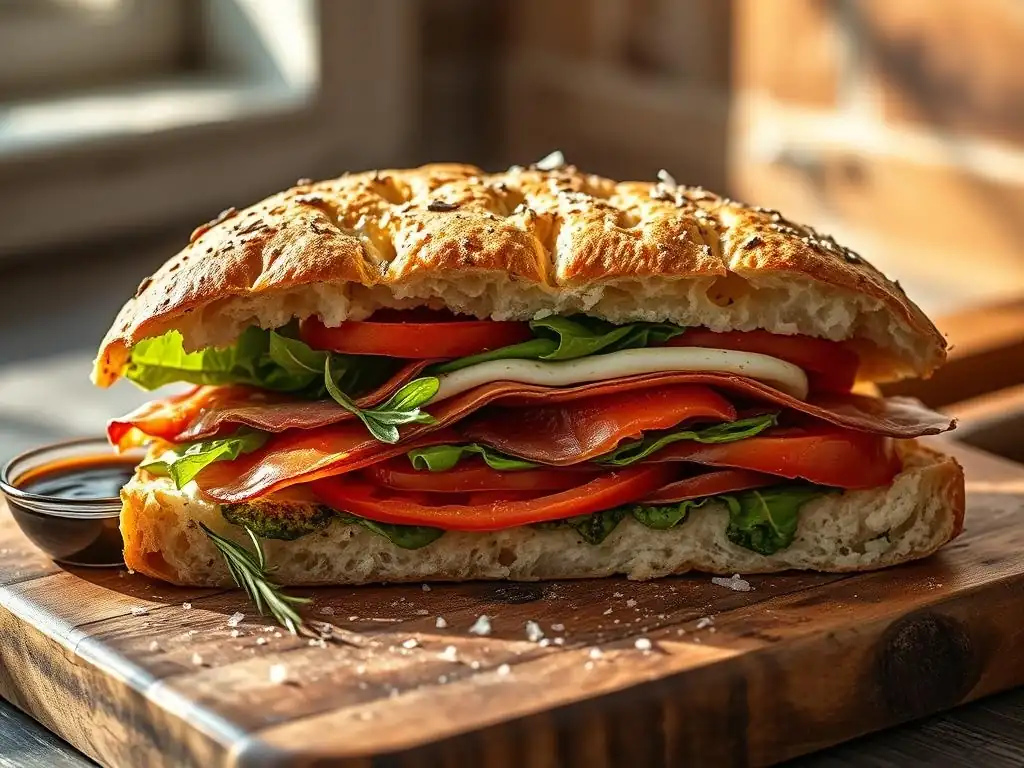
Ingredients for the Perfect Focaccia Sandwich Bread
High-Quality Flour for Focaccia (Bread Flour Recommended)
The foundation of any great bread is the flour, and for focaccia destined for sandwiches, bread flour is typically recommended. Its higher protein content, usually around 12-14%, helps develop a strong gluten network. This network is crucial for trapping the gases produced by the yeast, resulting in the airy, open crumb structure characteristic of excellent focaccia, while still providing enough structure to hold substantial fillings. You'll likely need about 3 to 4 cups (around 360-480 grams) for a standard loaf size.
While all-purpose flour can be used, bread flour generally yields a chewier texture that stands up better to sandwich fillings. The goal is a dough that is hydrated enough to be pliable and extensible, allowing for those lovely bubbles and signature dimples, but strong enough not to collapse during baking. Using a good quality bread flour ensures you start with the best possible base for your easy focaccia sandwich recipe.
Olive Oil: The Key to Focaccia Flavor and Texture
Olive oil is arguably the most defining ingredient in focaccia, contributing significantly to both its flavor and texture. Extra virgin olive oil, with its fruity and sometimes peppery notes, is highly recommended for the most authentic taste. It's used generously in the dough itself, adding richness, and even more liberally to coat the pan and drizzle over the top before baking, which helps create the crispy bottom and golden crust.
The amount of olive oil used can vary, but expect to use at least 1/4 cup (about 60ml) in the dough and another 1/4 to 1/2 cup (60-120ml) for the pan and topping. This high fat content not only imparts wonderful flavor but also tenderizes the crumb and contributes to the moist interior. Don't be shy with the oil in the pan; it's essential for achieving that desirable crispy, almost fried bottom crust.
Yeast: Ensuring a Light and Airy Focaccia
Yeast is the leavening agent that makes focaccia light and airy. You can use either active dry yeast or instant yeast for this easy focaccia sandwich recipe. Active dry yeast typically needs to be proofed in warm water first (around 105-115°F or 40-46°C), while instant yeast can often be mixed directly with the dry ingredients, although proofing it can still help ensure it's active. A typical amount is 1 to 2 teaspoons (about 3-6 grams) per loaf, depending on the flour quantity and desired rise time.
Proper yeast activity is crucial for the focaccia to develop its structure and volume during rising. Using water that is too hot will kill the yeast, while water that is too cold will inhibit its activity. Ensuring your yeast is fresh and proofing it if necessary are simple steps that guarantee a successful rise and a beautifully light focaccia perfect for slicing and filling with your favorite sandwich ingredients.
Salt: Enhancing the Focaccia's Deliciousness
Salt plays a vital role in baking, and in focaccia, it does more than just add flavor. It controls the rate of yeast fermentation, strengthens the gluten structure, and balances the richness of the olive oil. Without salt, the bread can taste bland and the dough might be difficult to handle. Kosher salt or sea salt are often preferred for their clean flavor and larger crystals, which are also perfect for sprinkling on top.
The amount of salt needed is usually around 1 to 2 teaspoons (about 5-10 grams) per loaf. It's important to add the salt with the dry ingredients or after the initial mixing of flour and water, avoiding direct contact with the yeast initially if proofing separately. Proper salting enhances the natural flavors of the flour, yeast, and olive oil, making your easy focaccia sandwich recipe truly delicious.
Optional Add-ins: Herbs, Garlic, and More
While a basic focaccia recipe using the core ingredients is wonderful on its own, optional add-ins allow you to customize the flavor profile specifically for your intended sandwich fillings. Fresh or dried herbs like rosemary, thyme, or oregano are classic additions, either mixed into the dough or sprinkled on top. Minced garlic, either fresh or roasted, provides a pungent depth of flavor that pairs well with many sandwich components.
Other popular add-ins include sliced olives, sun-dried tomatoes, caramelized onions, or even a sprinkle of red pepper flakes for a hint of heat. These ingredients can be kneaded into the dough during the mixing stage or pressed into the surface during the second rise. Experimenting with these additions allows you to tailor your easy focaccia sandwich recipe to perfectly complement the specific sandwiches you plan to make.
Step-by-Step Focaccia Dough Preparation
Mixing the Dough: Achieving the Right Consistency
Mixing the dough for focaccia is relatively straightforward, often involving combining warm water, yeast, salt, and flour, sometimes with a little olive oil mixed in initially. The hydration level for focaccia dough is typically quite high, resulting in a very wet, sometimes sticky dough. This high hydration is key to achieving the characteristic airy texture and large interior holes (alveoli) that make focaccia so suitable for sandwiches.
Using a stand mixer with a dough hook makes this process easier, allowing you to mix for 5-10 minutes until the dough is smooth and elastic, pulling away from the sides of the bowl but still sticking to the bottom. If mixing by hand, expect a slightly longer process of stretching and folding the dough in the bowl or on a well-oiled surface until it develops some structure. The final consistency should be wet and sticky, not stiff like traditional bread dough.
First Rise: Developing Flavor and Structure
After mixing, the dough needs time to undergo its first rise, or bulk fermentation. This is a crucial period where the yeast produces carbon dioxide, causing the dough to expand, and enzymes begin to break down starches into sugars, developing complex flavors. Place the dough in a large bowl generously coated with olive oil, turning the dough to coat it evenly, and cover it loosely with plastic wrap or a damp towel.
Allow the dough to rise in a warm, draft-free place until it has roughly doubled in size. This typically takes anywhere from 1 to 2 hours at room temperature (around 70-75°F or 21-24°C), though it can take longer in a cooler environment. Some recipes even recommend an overnight cold fermentation in the refrigerator (8-24 hours), which significantly enhances the flavor development, resulting in a more complex and delicious easy focaccia sandwich recipe.
Shaping the Focaccia: Creating the Signature Dimples
Once the dough has completed its first rise, it's time to shape it and transfer it to the baking pan. Focaccia is traditionally baked in a rectangular or square pan, often a standard rimmed baking sheet (approx. 13x18 inches or 33x46 cm) or a smaller 9x13 inch (23x33 cm) pan for a thicker result. Generously coat the pan with a substantial amount of olive oil – don't be shy, as this contributes significantly to the crispy bottom crust.
Gently transfer the dough to the prepared pan. Because the dough is very soft and hydrated, you don't need to knead it again; simply stretch and gently coax it to fill the pan, working from the center outwards. If the dough resists stretching, let it rest for 10-15 minutes before continuing. Once it covers the pan, use your fingertips to gently but firmly press deep dimples all over the surface, being careful not to tear the dough. These dimples are characteristic of focaccia and help distribute the olive oil and toppings evenly.
Second Rise: Preparing for a Light and Airy Bake
After shaping and dimpling the dough in the pan, it needs a second, shorter rise, also known as proofing. This allows the dough to relax, expand further, and become even more light and airy before baking. Cover the pan loosely with plastic wrap or a light towel and let it rest in a warm spot.
The second rise typically takes about 30 to 60 minutes. You'll notice the dough becoming puffy and airy, and the dimples may partially spring back. It's important not to over-proof at this stage, as the dough could collapse in the oven. While the dough is proofing, this is the perfect time to preheat your oven to the correct baking temperature and prepare your toppings.
Baking Your Focaccia to Golden Perfection
Oven Temperature and Baking Time: The Perfect Combination
Baking focaccia at the correct temperature and for the right amount of time is essential for achieving the desired texture – a crispy crust and a soft, airy interior. A hot oven helps the dough rise quickly and set the crust. Preheat your oven to a temperature between 400°F and 425°F (200°C to 220°C). Using a baking stone or steel, if you have one, can help ensure a crispier bottom crust, but it's not strictly necessary.
The baking time will vary depending on the size and thickness of your focaccia and your specific oven, but it typically ranges from 20 to 30 minutes. You'll know the focaccia is done when the top is golden brown, the edges are crispy, and the bottom crust is a deep golden color. If you lift the focaccia slightly with a spatula, the bottom should look baked and not pale or doughy.
Adding Toppings Before Baking: Herbs, Salt, and Olive Oil
Before the focaccia goes into the hot oven, it's time to add the final touches that contribute significantly to its flavor and appearance. After the second rise and just before baking, drizzle a generous amount of extra virgin olive oil over the entire surface, ensuring it pools slightly in the dimples. This oil is crucial for creating a flavorful crust and helping the toppings adhere.
Next, sprinkle your chosen toppings evenly over the oiled surface. Coarse sea salt or flaky salt is a must, adding pops of briny flavor and texture. Fresh herbs like chopped rosemary or thyme, minced garlic, or other additions like olives or sun-dried tomatoes can also be added at this stage. Press them gently into the dough so they don't fall off during baking.
Achieving a Crispy Crust and Soft Interior
The goal of baking focaccia is the perfect contrast between a golden, slightly chewy or crispy crust and a moist, open, and soft interior. Several factors contribute to this. The high hydration of the dough ensures a tender crumb, while the generous amount of olive oil in the pan and on top helps create that desirable crispy bottom and flavorful upper crust.
Baking at a high temperature allows the crust to set quickly while the interior cooks through. If your crust isn't as crispy as you'd like, try adding a bit more olive oil to the pan before the second rise or baking for a few extra minutes until the bottom is sufficiently browned. A successful easy focaccia sandwich recipe results in bread that is substantial enough for fillings yet wonderfully light and flavorful.
Expert Tips for Focaccia Sandwich Success
Choosing the Right Fillings for Your Focaccia Sandwich
Selecting fillings that complement the unique flavor and texture of focaccia is key to creating a truly exceptional sandwich. Because focaccia is rich and flavorful, it pairs wonderfully with fillings that can stand up to its character. Think robust ingredients like cured meats (prosciutto, salami), aged cheeses (parmesan, provolone), roasted vegetables (bell peppers, zucchini), or flavorful spreads like pesto or tapenade.
Consider the balance of textures and flavors. A creamy element like fresh mozzarella or ricotta can contrast nicely with a crispy crust. Acidic components like balsamic glaze or sun-dried tomatoes can cut through the richness of the olive oil. Don't overcrowd the sandwich; let the quality of the focaccia and a few well-chosen fillings shine. This easy focaccia sandwich recipe provides the perfect canvas for your culinary creativity.
Avoiding Soggy Sandwiches: Layering Strategies
One challenge with any sandwich bread, including focaccia, is preventing it from becoming soggy, especially if using moist fillings or sauces. The open crumb of focaccia is somewhat forgiving as it can absorb some liquid, but strategic layering is still important. Start by placing drier ingredients or a protective layer (like lettuce or a slice of cheese) against the bread if using very wet fillings.
Spreads like mayonnaise, mustard, or pesto can also act as a barrier. Add juicy ingredients like tomatoes or pickles in the middle layers, surrounded by drier components. If making sandwiches ahead of time, consider keeping wet ingredients separate and assembling just before serving. Proper layering ensures that the wonderful texture of your homemade focaccia remains intact, making each bite of your easy focaccia sandwich delicious.
Mastering the Art of Focaccia Texture
Achieving the perfect focaccia texture involves a balance between a soft, airy interior and a satisfyingly crispy exterior. The high hydration level of the dough is fundamental to developing that open, porous crumb structure with large air bubbles. Don't be afraid of a wet, sticky dough during mixing and handling; it's a sign you're on the right track for a light result.
The generous use of olive oil on the pan and on top before baking is critical for creating a beautiful golden-brown crust that has just the right amount of crispness. Baking at a high temperature helps set this crust quickly. If your focaccia is dense, it might be due to insufficient rising time or not enough hydration. If the crust isn't crispy, try using more oil or ensuring your oven is hot enough and the baking time is sufficient.
Storing Your Focaccia for Maximum Freshness
Once your delicious focaccia is baked and cooled, proper storage is key to maintaining its freshness, especially if you plan to use it for sandwiches over several days. Allow the focaccia to cool completely on a wire rack before storing. Cutting into it while warm can cause the interior to become gummy.
For short-term storage (1-2 days), wrap the cooled focaccia tightly in plastic wrap or aluminum foil, or store it in an airtight container at room temperature. Avoid refrigerating focaccia, as it can cause the bread to dry out and become stale more quickly. For longer storage, focaccia freezes exceptionally well. Wrap individual portions or the whole loaf tightly in plastic wrap, then in foil or a freezer bag, and it will keep for up to 2-3 months. Thaw at room temperature and reheat briefly if desired.
Proper Storage Techniques
To reiterate, the best way to store freshly baked focaccia is at room temperature, sealed tightly to prevent it from drying out. Plastic wrap or an airtight container works well for a couple of days. Ensure the bread is completely cool before wrapping, as trapping warmth inside will create condensation and make the crust soggy.
If freezing, double wrapping provides the best protection against freezer burn. Wrap first in plastic wrap, pressing out as much air as possible, then wrap again in aluminum foil or place inside a freezer-safe bag. Label with the date so you know how long it's been stored. Proper storage means you can enjoy your easy focaccia sandwich recipe creations whenever the craving strikes.
Reheating Focaccia for Sandwiches
While focaccia can be enjoyed at room temperature, reheating it can help restore some of its just-baked texture, particularly the crispy crust. If you plan to use stored focaccia for sandwiches, a quick reheat is often beneficial.
To reheat, you can place slices or the whole piece in a preheated oven at around 350°F (175°C) for 5-10 minutes, until warmed through and the crust crisps up slightly. Alternatively, a toaster oven works well for individual slices. Avoid using a microwave, as it tends to make the focaccia soft and chewy rather than restoring crispness. Reheating ensures your easy focaccia sandwich recipe continues to deliver on texture and flavor.
Variations on the Easy Focaccia Sandwich Recipe

Rosemary and Sea Salt Focaccia for Sandwiches
This is perhaps the most classic and beloved focaccia variation, and for good reason. The pungent aroma and flavor of fresh rosemary, paired with the sharp bite of coarse sea salt sprinkled generously over the olive oil-rich surface, creates a deeply satisfying bread.
Rosemary and sea salt focaccia provides a wonderfully aromatic base that complements a wide variety of sandwich fillings, from simple ham and cheese to more complex roasted vegetable or chicken pesto combinations. The robust flavor stands up well to hearty ingredients without overpowering them, making it a consistently popular choice for an easy focaccia sandwich recipe.
Garlic and Herb Focaccia: An Aromatic Delight
Infusing focaccia with garlic and a blend of herbs adds another layer of aromatic complexity. You can mix minced garlic into the dough, press slivers of garlic into the dimples before baking, or sprinkle garlic powder along with dried or fresh herbs like oregano, basil, and parsley over the top.
This variation is particularly well-suited for Italian-inspired sandwiches, pairing beautifully with mozzarella, tomatoes, basil, and balsamic glaze, or with meatballs and marinara sauce. The savory depth from the garlic and herbs elevates the entire sandwich experience, making this a fantastic option for your easy focaccia sandwich recipe repertoire.
Sun-Dried Tomato Focaccia: Adding a Burst of Flavor
Sun-dried tomatoes, whether packed in oil or dried, add bursts of sweet, tangy, and slightly chewy flavor throughout the focaccia. If using oil-packed tomatoes, drain them well and chop before adding. For dried tomatoes, you may want to rehydrate them briefly in warm water before chopping.
Mix the chopped sun-dried tomatoes into the dough during the final stages of mixing or press them into the surface before the second rise. This variation pairs wonderfully with fillings like goat cheese, spinach, grilled chicken, or pesto, adding a vibrant Mediterranean twist to your easy focaccia sandwich recipe.
Olive and Red Onion Focaccia
For a savory and slightly pungent focaccia variation, consider adding sliced olives (such as Kalamata or black olives) and thinly sliced red onion. These ingredients bring a wonderful salty and savory depth, with the onion becoming sweet and caramelized during baking.
Press the olive slices and red onion rings into the dough surface before the second rise. This focaccia is excellent for sandwiches featuring feta cheese, roasted lamb, hummus, or grilled vegetables. The robust flavors create a memorable base for a hearty and delicious easy focaccia sandwich recipe.
Serving Suggestions: Beyond the Sandwich
Focaccia as an Appetizer
While perfect for sandwiches, focaccia also shines as a simple yet elegant appetizer. Serve warm slices alongside a small bowl of high-quality extra virgin olive oil for dipping, perhaps with a splash of balsamic vinegar. The bread's inherent flavor and texture are more than enough to satisfy.
Alternatively, offer it with a selection of dips like hummus, tapenade, or a white bean spread. The sturdy yet soft texture of the focaccia makes it an ideal vehicle for scooping up flavorful dips, making it a crowd-pleasing starter that highlights the success of your easy focaccia sandwich recipe effort.
Focaccia as a Side Dish
Focaccia makes a wonderful accompaniment to many meals, particularly soups, salads, and pasta dishes. A slice served alongside a hearty minestrone or a simple tomato soup is incredibly comforting. Its ability to soak up broth or sauce without falling apart is a major advantage.
Pairing focaccia with a fresh green salad or a pasta dish adds a rustic, satisfying element to the meal. The olive oil richness and savory flavor complement the other components without overwhelming them. It's a versatile bread that enhances the dining experience, proving the value of mastering an easy focaccia sandwich recipe.
Focaccia Croutons for Salad
Don't let leftover focaccia go to waste! It makes absolutely fantastic croutons for salads or soups. The slightly chewy interior and crispy crust transform into wonderfully textured croutons when cubed and toasted.
Simply cut the focaccia into bite-sized cubes, toss them with a little extra olive oil and any desired seasonings (like garlic powder or dried herbs), and bake in a moderate oven (around 350°F or 175°C) until golden brown and crispy, about 10-15 minutes. These homemade croutons add incredible flavor and crunch, elevating even a simple salad thanks to your easy focaccia sandwich recipe leftovers.
Troubleshooting Common Focaccia Baking Problems

Dough Not Rising: Identifying the Cause
If your focaccia dough isn't rising as expected, the most common culprit is inactive or dead yeast. Ensure your yeast is fresh and hasn't expired. If using active dry yeast, proof it first in warm water (105-115°F or 40-46°C) with a pinch of sugar; it should become foamy within 5-10 minutes. If it doesn't foam, your yeast is likely dead, and you'll need to start with a new packet.
Another factor is the temperature of the water used to activate the yeast or mix the dough; if it's too hot (above 130°F or 54°C), it will kill the yeast. A cool environment can also slow down or prevent rising. Ensure your dough is in a warm, draft-free spot during the rising periods. Sometimes, simply giving the dough more time in a slightly warmer location is all that's needed to get things moving for your easy focaccia sandwich recipe.
Focaccia Too Dense: Adjusting Your Technique
A dense focaccia is usually a sign of insufficient rising or improper dough development. This can happen if the yeast wasn't active enough, the dough wasn't allowed sufficient time for its first or second rise, or the environment was too cold. Ensure your rising times are adequate – the dough should visibly increase in volume (doubling for the first rise, becoming puffy for the second).
Another cause of density can be related to the hydration level or mixing. Focaccia dough should be very wet; if your dough felt stiff, you might need to add a little more water in the future. Over-kneading is less common with high-hydration doughs like focaccia, but under-mixing can also lead to a poor structure that doesn't trap air effectively. Ensure you've developed enough gluten during the initial mixing phase for an airy result from your easy focaccia sandwich recipe.
Crust Not Crispy Enough: Baking Tips
If your focaccia crust lacks that desirable crispness, several adjustments can help. First, ensure you are using enough olive oil in the baking pan – a generous layer is essential for a crispy bottom crust. Don't be afraid to let it pool slightly.
Second, check your oven temperature. Baking at a sufficiently high temperature (400-425°F or 200-220°C) is crucial for setting the crust quickly. Ensure your oven is fully preheated. Baking for a longer duration might also be necessary; the crust should be a deep golden brown, and the bottom should sound hollow when tapped. If your oven has a 'pizza' setting or a baking stone/steel, using it can also help transfer heat efficiently for a crispier bottom crust on your easy focaccia sandwich recipe.
Conclusion: Enjoy Your Delicious Homemade Focaccia Sandwiches
BakeWithEase: Your Partner in Perfect Baking
At BakeWithEase, our mission is to empower you in the kitchen, making the art of baking accessible and enjoyable for everyone, regardless of skill level. We hope this easy focaccia sandwich recipe has demonstrated that creating delicious, bakery-quality bread at home is well within your reach. We are committed to providing clear, step-by-step guides, helpful tips, and reliable recipes to build your confidence and expand your baking repertoire.
Whether you're a beginner making your very first loaf or an experienced baker looking to perfect your technique, BakeWithEase is here to support you. We offer a wealth of resources covering everything from simple cookies to complex pastries, always with an emphasis on ease and understanding. Trust us to be your guide on your baking journey, helping you create wonderful moments and delicious food.
We love seeing what you bake! Creating this easy focaccia sandwich recipe is just the first step; the real joy comes in using it to make incredible sandwiches and sharing them with friends and family. Focaccia is meant to be shared, whether it's laid out as part of a picnic spread, served as the star of a lunch gathering, or simply enjoyed slice by slice straight from the pan.
Don't hesitate to get creative with your fillings and variations. Every batch of focaccia is a chance to experiment and make it your own. We encourage you to share photos of your beautiful focaccia loaves and the amazing sandwiches you create. Your success stories inspire us and fellow bakers in the community! Enjoy the fruits of your labor and the simple pleasure of a perfect homemade focaccia sandwich.
Frequently Asked Questions
What makes this focaccia recipe easy compared to other focaccia recipes?
This recipe focuses on simple ingredients and a straightforward kneading process. It also utilizes a no-fuss proofing method, reducing complexity.
Can I substitute ingredients in this focaccia sandwich recipe?
While substitutions are possible, it's important to note that they may affect the final result. For example, substituting bread flour for all-purpose might change the texture and gluten development.
How long does it take to bake the focaccia?
The focaccia typically bakes for approximately 20-25 minutes, or until the crust is golden brown and the internal temperature reaches a specific point. Always check for doneness with a thermometer.
What are some great filling ideas for a focaccia sandwich?
Focaccia sandwiches are incredibly versatile! Consider using Italian meats, cheeses, roasted vegetables, or a simple pesto and mozzarella combination for a delicious and satisfying meal.
How should I store leftover focaccia to keep it fresh?
Store leftover focaccia in an airtight container at room temperature for up to 2 days. For longer storage, wrap it tightly and freeze for up to a month.
Final Reflection: The Humble Focaccia's Unexpected Rise
The perfect focaccia isn't just a bread; it's a canvas for culinary creativity, and its ease of preparation makes it surprisingly accessible. This article explored the simple steps to crafting a focaccia so delicious, it elevates the humble sandwich to new heights. We've journeyed from basic dough preparation to achieving that signature airy crumb and perfectly crisp crust, all while keeping the process straightforward and enjoyable.
The impact of focaccia, beyond its deliciousness, lies in its versatility. It's a testament to how simple ingredients, combined with a little care and attention, can create something truly special. It's a bread that transcends cultural boundaries, adaptable to countless fillings and flavor profiles. The best things in life are simple,
a phrase often repeated, rings particularly true when considering the satisfying simplicity and rewarding results of baking your own focaccia. This simple act connects us to a rich culinary history while simultaneously offering a modern, convenient approach to meal preparation.
Now, I invite you to embrace the possibilities. Don't just think of focaccia as a sandwich bread; consider it a blank slate for your culinary imagination. Experiment with different herbs, oils, and toppings. Share your creations with loved ones, and savor the joy of creating something delicious and beautiful with your own hands. The journey to the perfect focaccia sandwich begins with a single step, and the reward is a taste of homemade happiness that's truly unforgettable.
Unleash Your Inner Focaccia Artisan!
Thanks for joining us on this focaccia journey! We hope you've gained the confidence to create truly amazing bread for your sandwiches. Now it's time to put your new skills to the test.
- Bake your perfect focaccia: Grab those ingredients and try out the recipe! We're confident you'll be amazed by the results. Experiment with different herbs and toppings – get creative!
- Share your focaccia creations: Show off your baking prowess on social media using #BakeWithEaseFocaccia – we'd love to see them!
- Discover more sandwich bread recipes: Explore our website for other delicious bread recipes perfect for any occasion.
What unique ingredient will you add to your next focaccia masterpiece? Let us know in the comments below!