
Secrets to Making Fluffy Japanese Castella Cake Easily

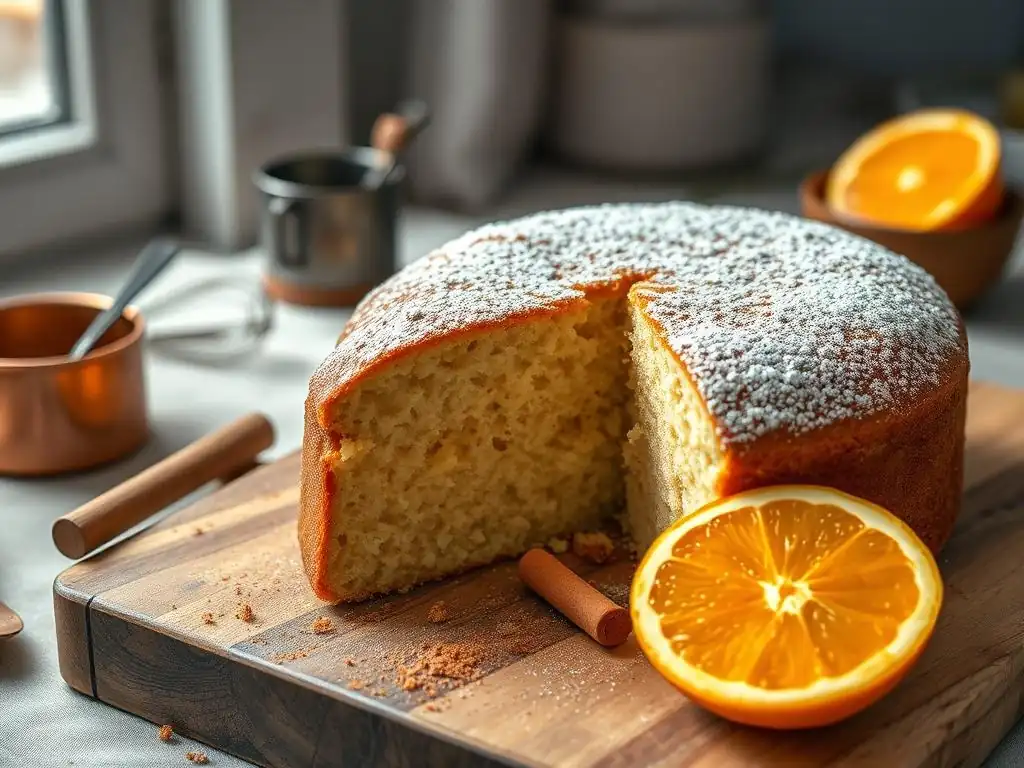
Welcome to BakeWithEase, where baking becomes a joy, not a chore! Ever dreamt of creating that perfect, cloud-like treat? Discover the secrets to crafting an irresistibly fluffy Easy Japanese Castella Cake that will impress your friends and family. Intrigued by the subtle sweetness and airy texture? Dive into our detailed guide and unlock the simple steps to baking this authentic delicacy, and explore how this delightful cake fits into the rich tapestry of regional and cultural baking traditions. Your baking adventure starts now!
- BakeWithEase Presents: The Ultimate Guide to Easy Japanese Castella Cake
- Essential Ingredients for a Light and Airy Castella Cake
- Step-by-Step: Baking Your Own Easy Japanese Castella Cake
- Pro Tips for a Fluffy and Moist Castella Cake
- Troubleshooting Common Castella Cake Problems
- Serving and Storing Your Homemade Japanese Castella Cake
- Mastering Japanese Baking: Beyond the Easy Castella Cake
-
Frequently Asked Questions
- How is Japanese Castella cake different from other sponge cakes?
- What makes Japanese Castella cake "easy" to bake, according to BakeWithEase?
- What are the key ingredients that contribute to the fluffiness of Castella cake?
- What are some common mistakes to avoid when baking Japanese Castella cake?
- Where can I find mizuame if it's not readily available in my local store?
- Final Reflection: The Sweet Simplicity of Castella
- Unlock Your Inner Pastry Chef: Bake the Perfect Castella Today!
BakeWithEase Presents: The Ultimate Guide to Easy Japanese Castella Cake
Understanding the History and Texture of Authentic Castella
Japanese Castella cake, known as kasutera (カステラ) in Japan, is a beloved sponge cake with a rich history dating back to the 16th century. It was introduced by Portuguese merchants to Nagasaki, Japan. Originally, it was a simple batter of flour, sugar, and eggs, baked in a large wooden mold. Over centuries, Japanese bakers adapted it, refining the technique to create the signature moist, dense yet airy texture that distinguishes it from Western sponge cakes. Unlike many sponge cakes that rely on chemical leaveners, traditional Castella achieves its rise primarily through the careful whipping of eggs and sugar.
The texture of authentic Castella is quite unique. It's often described as having a tight, fine crumb that is both incredibly moist and slightly chewy, especially near the base where sugar may caramelize slightly. It has a distinct eggy flavor, often enhanced by honey or mizuame (a type of Japanese sugar syrup). Achieving this specific texture can be challenging, but our approach simplifies the process, allowing you to bake a delicious and easy Japanese castella cake at home without needing specialized equipment or advanced techniques.
Why This Easy Castella Cake Recipe is Perfect for Beginners
Baking Castella can seem intimidating due to its reliance on precise egg whipping and careful mixing to maintain air bubbles. However, this easy Castella cake recipe breaks down the process into manageable steps, making it highly accessible for beginners. We focus on straightforward techniques and readily available ingredients, demystifying the traditional methods without sacrificing the cake's essential characteristics.
This guide eliminates some of the more complex aspects of traditional Castella baking, such as using custom wooden molds or specialized ovens. By providing clear, step-by-step instructions and focusing on core principles like gentle folding and proper baking temperature, even novice bakers can achieve a wonderfully fluffy and moist result. If you've been hesitant to try Japanese baking, this easy Japanese castella cake is the perfect place to start your journey.
Essential Ingredients for a Light and Airy Castella Cake
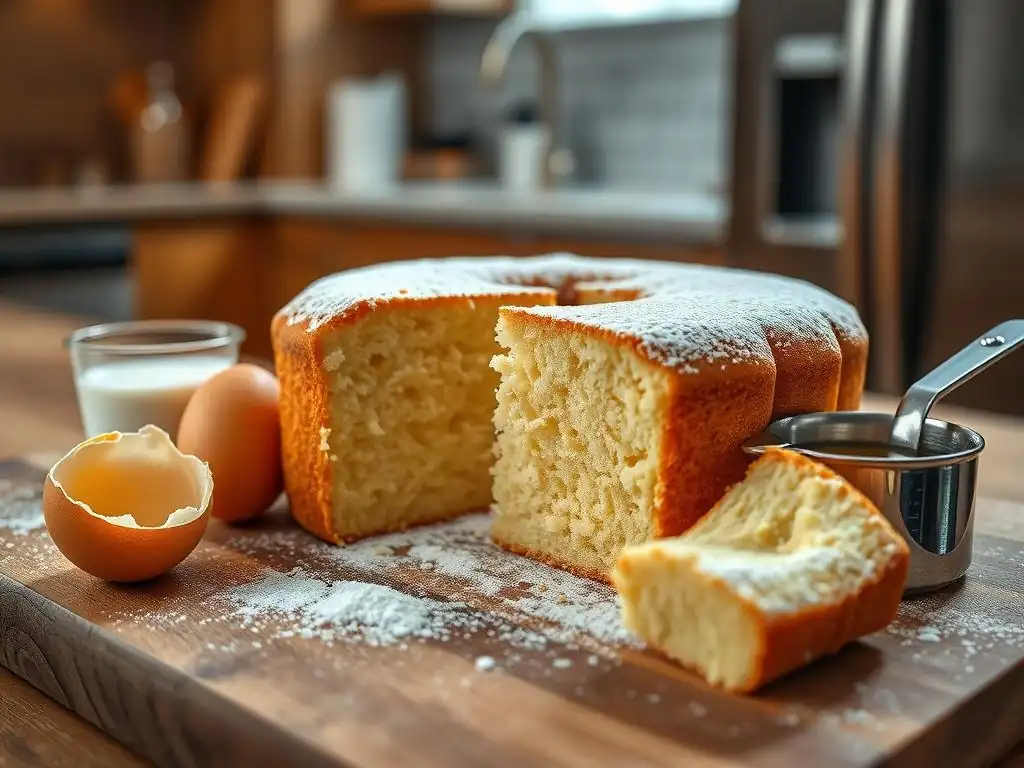
High-Quality Flour is Key: Selecting Cake Flour
The type of flour used significantly impacts the texture of your Castella cake. For a truly light and airy crumb, cake flour is the preferred choice. Cake flour has a lower protein content compared to all-purpose flour, typically ranging from 6-8%. This lower protein level results in less gluten development when mixed with liquids, leading to a more tender and delicate cake structure. Using all-purpose flour (which usually has a protein content between 10-12%) can result in a tougher, denser cake, which is not the desired texture for Castella.
If you don't have cake flour readily available, you can approximate it by using all-purpose flour and cornstarch. A common ratio is to replace 2 tablespoons of all-purpose flour with 2 tablespoons of cornstarch for every cup of flour needed. Sifting this mixture thoroughly ensures the cornstarch is evenly distributed and helps mimic the fine texture of commercial cake flour. Always weigh your flour for the most accurate results, as scooping can lead to significant variations – for instance, a cup of sifted cake flour might weigh around 100-110 grams.
The Importance of Fresh Eggs in Japanese Castella Cake
Eggs are arguably the most crucial ingredient in Castella cake, as they provide the structure and leavening through aeration. Using fresh, large eggs is paramount for achieving the volume needed for a fluffy cake. Fresh eggs whip up better and hold their structure more effectively than older eggs. For most recipes, a large egg weighs approximately 50-57 grams without the shell.
The egg-whipping stage is where the magic happens. Unlike many Western sponges that separate yolks and whites, Castella often uses whole eggs whipped together with sugar until they reach a thick, ribbon stage. This means that when you lift the whisk, the batter falls back in a thick ribbon that sits on the surface for a few seconds before slowly dissolving. This technique incorporates a large amount of air, which is essential for the cake's rise and delicate texture. Using eggs that are at room temperature can help them whip up to maximum volume more easily.
Sweetening the Deal: Choosing Granulated Sugar for Castella
Granulated sugar plays a dual role in Castella cake: providing sweetness and aiding in the aeration process. When whipped with eggs, the sugar crystals help to cut through the egg proteins, creating tiny air pockets that expand during baking. Using fine granulated sugar is beneficial as it dissolves more easily into the egg mixture, preventing a grainy texture and contributing to a smoother batter.
While other sweeteners like brown sugar or liquid sweeteners can alter the flavor and moisture, standard white granulated sugar is traditional for achieving the classic Castella taste and texture. The amount of sugar used is carefully balanced to not only sweeten the cake but also to stabilize the whipped egg foam. Too little sugar can result in a less stable foam that collapses, leading to a dense cake. A typical recipe might use a sugar-to-flour ratio of roughly 1:1 by weight, though this can vary slightly depending on the specific recipe and desired sweetness.
Step-by-Step: Baking Your Own Easy Japanese Castella Cake
Preparing Your Equipment: Pan Size and Lining Techniques
Choosing the right pan and preparing it properly is crucial for a successful Castella cake. Traditional Castella is baked in tall, rectangular wooden molds lined with paper, which helps the cake climb and provides insulation. For home bakers, a standard metal loaf pan or a square/rectangular cake pan works well. A common size might be a 9x5 inch loaf pan or an 8x8 inch square pan, depending on the desired height. The pan size affects baking time and the cake's final structure.
Lining the pan correctly is essential to prevent sticking and help the cake achieve its characteristic straight sides. Use parchment paper to line the bottom and sides of the pan, allowing the paper to extend above the rim by several inches. This extra height gives the batter room to rise and climb the sides of the paper, contributing to a taller cake. Cutting the paper precisely to fit the corners snugly can help prevent wrinkles that might affect the cake's shape. Avoid greasing the pan, as the batter needs to cling to the paper to climb.
The Secret to Perfect Batter: Mixing for Fluffiness
The key to a fluffy Castella batter lies in careful mixing after the eggs and sugar have been whipped to the ribbon stage. Once the flour is added, overmixing will develop gluten, resulting in a tough cake. The goal is to incorporate the flour gently while losing as little of the precious air incorporated during whipping as possible. This is typically done using a folding technique with a spatula, rather than whisking.
Sift the cake flour over the whipped egg mixture in batches, folding it in gently until just combined. Some recipes also involve warming other liquid ingredients like milk, butter, or honey and incorporating them carefully. This warmed liquid helps to slightly deflate the stiff egg foam, making it easier to fold in the flour smoothly and preventing lumps. The final batter should be smooth, but still airy and voluminous, not deflated and runny.
Baking Time and Temperature: Achieving a Golden-Brown Crust
Castella cake is traditionally baked at a relatively low temperature for a longer period compared to many other cakes. This slow, gentle baking allows the cake to rise evenly and prevents the crust from setting too quickly and cracking. A common temperature range is between 160°C and 170°C (approximately 320°F to 340°F). The exact time will depend on your oven and the size of your pan, but it often takes anywhere from 50 to 70 minutes.
Baking at too high a temperature can cause the cake to dome excessively, crack on top, and dry out. Starting at a slightly higher temperature for the first 10-15 minutes (e.g., 170°C/340°F) to set the crust, and then lowering it for the remainder of the bake (e.g., 160°C/320°F), is a common technique to achieve a nice rise and even color without cracking. The top should be a beautiful golden-brown color when done.
The Skewer Test: Ensuring Your Castella is Perfectly Baked
Knowing exactly when your Castella is done is crucial for preventing an underbaked, gummy center or an overbaked, dry cake. The classic skewer test is the most reliable method. Gently insert a long, thin skewer or toothpick into the center of the cake.
If the skewer comes out clean with no wet batter attached, the cake is likely done. If there are wet crumbs or batter, continue baking and test again after a few more minutes. Be careful not to test too frequently, as opening the oven door lets out heat and can affect the cake's rise. Trust the general baking time provided in the recipe, but always use the skewer test as the final confirmation before removing the cake from the oven.
Pro Tips for a Fluffy and Moist Castella Cake
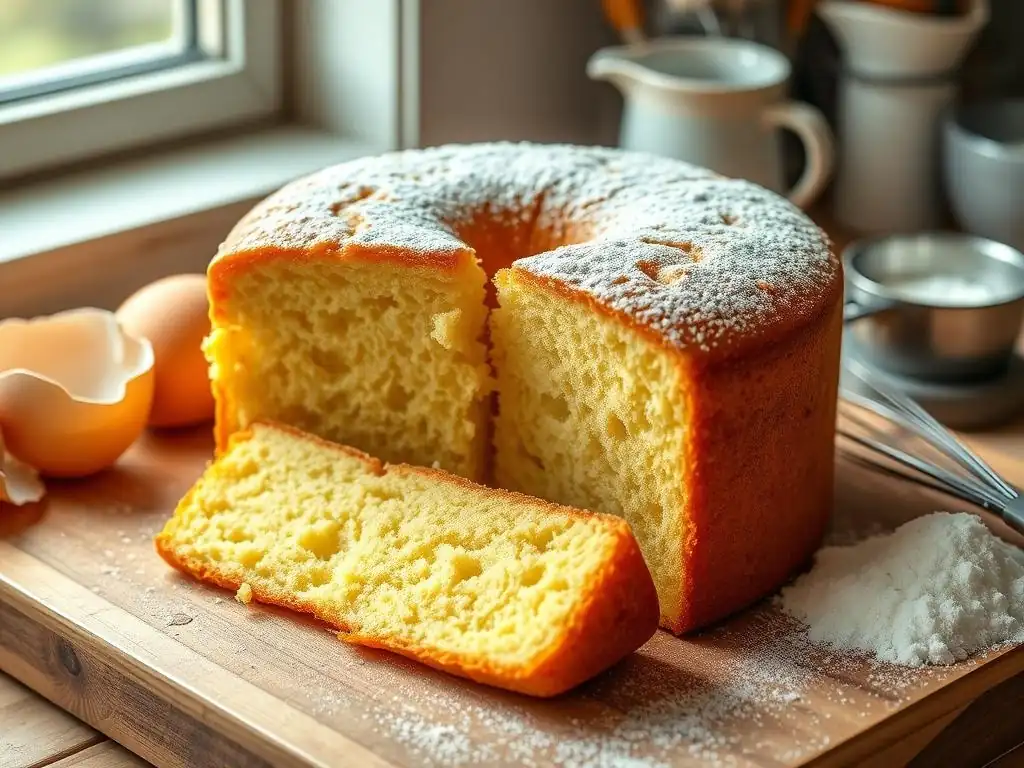
The Hot Water Bath (Bain-Marie) Method: Preventing Cracking
One of the most effective techniques for ensuring a moist, evenly baked Castella cake with a smooth, crack-free top is using a hot water bath, also known as a bain-marie. This involves placing your cake pan inside a larger roasting pan and filling the outer pan with hot water, typically about 1-2 inches deep. The water bath creates a humid environment in the oven and regulates the temperature around the cake, preventing the edges and top from drying out and setting too quickly.
The steam from the hot water also helps the cake rise more evenly. By baking in a humid environment, the cake surface remains pliable for longer, allowing it to expand without cracking. This method is particularly useful for cakes that rely heavily on egg foam for structure, as it provides a gentle heat that prevents the exterior from hardening before the interior is fully cooked and risen. Ensure your outer pan is large enough and oven-safe, and carefully pour the hot water around the cake pan once it's placed in the oven.
The Importance of Resting: Cooling Your Castella Cake Properly
Proper cooling is just as important as baking for achieving the perfect Castella texture. After removing the cake from the oven, it's common practice to immediately invert the pan onto a wire rack or even hang it upside down. This helps to prevent the cake from collapsing on itself as it cools, maintaining its height and airy structure. The steam trapped inside the cake also redistributes, contributing to a moist crumb.
Once the cake has cooled significantly (often for at least 30-60 minutes, or until it reaches room temperature), you can gently unwrap it from the parchment paper. Some bakers recommend letting the Castella cake rest for several hours, or even overnight, wrapped tightly in plastic wrap, before slicing. This resting period allows the flavors to meld and the moisture to distribute evenly throughout the cake, resulting in an even more tender and delicious easy Japanese castella cake.
Adding Honey for Enhanced Flavor
While the primary flavor of Castella comes from the eggs and sugar, a traditional and highly recommended addition is honey. Honey not only adds a subtle sweetness and distinct aroma but also contributes to the cake's moisture and helps keep it soft over time. It's typically warmed gently with other liquid ingredients like milk or butter before being folded into the batter.
The type of honey can influence the final flavor profile. A mild, floral honey will impart a delicate sweetness, while a stronger honey like buckwheat or clover will give a more pronounced flavor. Experimenting with different types of honey can add a personal touch to your easy Japanese castella cake. A common amount is around 2-3 tablespoons per recipe, often warmed slightly so it incorporates smoothly into the batter without deflating the egg foam.
Troubleshooting Common Castella Cake Problems
My Castella Cake is Dense: Possible Causes and Solutions
A dense Castella cake is a common issue and usually points back to problems during the egg whipping or flour folding stages. The primary cause is often insufficient aeration of the eggs or losing too much air when incorporating the dry ingredients. If your eggs weren't whipped to a proper ribbon stage (thick enough to leave a trail on the surface), the batter didn't have enough initial volume or stability.
Another major culprit is overmixing after adding the flour. Vigorous stirring or using a whisk instead of gentle folding can quickly develop gluten and deflate the delicate egg foam. Ensure you sift the flour to make it easier to incorporate and fold it in just until no dry streaks remain. Warming the liquid ingredients slightly before folding them in can also help the batter stay more fluid and easier to mix gently without overworking it. Practice the folding technique – it should be a light motion, scooping from the bottom and bringing it over the top.
Why is My Castella Cake Cracking?
Cracking on the top of a Castella cake is often caused by the surface drying out and setting too quickly before the interior has finished rising. This is frequently a result of baking at too high a temperature or in an environment that lacks sufficient humidity. The hot water bath method (bain-marie) is the most effective way to prevent cracking, as discussed earlier. The steam keeps the surface pliable.
If you're not using a water bath, your oven temperature might be too high. Try lowering the temperature by 10-15°C (20-30°F) and extending the baking time slightly. Ensuring your pan is lined properly with paper extending above the rim also helps guide the rise and can reduce cracking. Sometimes, a slight crack is unavoidable, but a deep, wide crack is usually a sign the temperature or humidity needs adjustment.
Achieving the Perfect Golden-Brown Color: Temperature Adjustments
The signature golden-brown color of Castella comes from the Maillard reaction and caramelization of sugars during baking. If your cake is too pale, the oven temperature might be too low, or the baking time might be too short. Conversely, if the crust is too dark or burnt, the temperature is likely too high.
Experiment with your oven temperature. If it's too pale, try increasing the temperature by 5-10°C (10-20°F) or baking for an additional 5-10 minutes. If it's too dark, reduce the temperature by a similar amount. Using a digital oven thermometer can help ensure your oven's internal temperature matches the setting, as oven thermostats can sometimes be inaccurate. Some bakers also find that placing the cake on a lower rack in the oven helps prevent the top from browning too quickly.
Serving and Storing Your Homemade Japanese Castella Cake
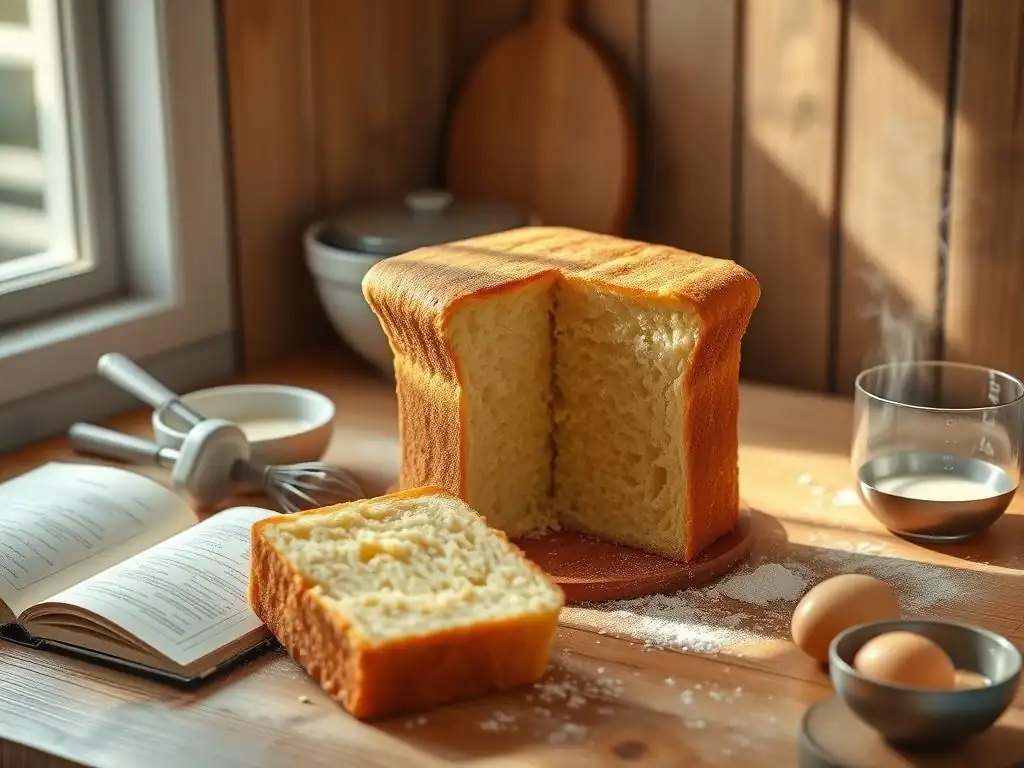
Traditional Serving Suggestions
Traditionally, Japanese Castella cake is served simply, often sliced into rectangular pieces approximately 1-2 cm thick. The bottom of the cake, which may have a slightly caramelized layer from residual sugar settling, is particularly prized. It's typically enjoyed on its own with a cup of green tea or coffee, allowing the cake's unique flavor and texture to be the star.
Sometimes, Castella is served with a dollop of whipped cream or a light dusting of powdered sugar, but these are less traditional additions. Its moistness means it doesn't require sauces or glazes. The simplicity of serving highlights the quality of the bake itself. Enjoying a slice while it's still slightly warm can be a delightful experience, though many prefer it at room temperature after it has fully cooled and rested.
How to Keep Your Castella Cake Fresh for Longer
Proper storage is key to maintaining the moisture and flavor of your homemade easy Japanese castella cake. Once completely cooled, wrap the cake tightly in plastic wrap. This prevents air exposure, which can dry the cake out. For best results, wrap it while it's still slightly warm (but not hot) to trap steam, then let it cool completely on the counter.
Castella cake can be stored at room temperature for 2-3 days if kept well-wrapped in a cool, dry place. For longer storage, it can be refrigerated, where it will keep for up to a week. Refrigeration might slightly alter the texture, making it a bit firmer, but warming it gently to room temperature before serving can help restore some of its softness. For even longer storage, slices can be individually wrapped and frozen for up to 2-3 months. Thaw in the refrigerator overnight or at room temperature.
Mastering Japanese Baking: Beyond the Easy Castella Cake
Exploring Other Asian-Inspired Desserts on BakeWithEase
Mastering this easy Japanese castella cake is just the beginning of your adventure into the delightful world of Asian-inspired desserts available on BakeWithEase. Our site offers a variety of recipes that utilize similar techniques or ingredients, expanding your baking repertoire. From delicate mochi to rich matcha brownies and fluffy cheesecakes, there's a wealth of flavors and textures to explore.
Many Asian desserts emphasize subtle sweetness, unique textures (like chewiness or extreme softness), and ingredients like rice flour, green tea (matcha), or various beans. Exploring these recipes will not only introduce you to new tastes but also refine your baking skills, particularly in areas like precise measurements, gentle handling of batters, and understanding how different flours behave. Check out our Regional & Cultural Baking section for more inspiration.
Japanese Souffle Cheesecake Recipe
If you enjoyed the light, airy texture of the easy Japanese Castella cake, you'll likely fall in love with Japanese Souffle Cheesecake. This dessert takes fluffiness to another level, often described as a cross between a cheesecake and a soufflé. It relies heavily on whipped egg whites (meringue) for its incredible height and ethereal texture, similar to how Castella utilizes whipped whole eggs.
Our Japanese Souffle Cheesecake recipe guides you through the process of creating a smooth, creamy cheese base and folding it gently with a stiff meringue. Like Castella, it's typically baked in a water bath at a low temperature to ensure a slow, even rise and prevent cracking. It's a perfect next step for those who have successfully baked the Castella and are ready to tackle another iconic, melt-in-your-mouth Japanese dessert.
Frequently Asked Questions
How is Japanese Castella cake different from other sponge cakes?
Japanese Castella cake is unique due to its use of honey and mizuame (starch syrup), which contribute to its moist texture and distinctive sweet flavor. It also involves a specific mixing technique for maximum air incorporation.
What makes Japanese Castella cake "easy" to bake, according to BakeWithEase?
BakeWithEase focuses on simplified recipes and techniques, providing step-by-step guides with easy-to-find ingredients. This helps beginners achieve a fluffy Castella cake without complex processes.
What are the key ingredients that contribute to the fluffiness of Castella cake?
The key ingredients are eggs (especially the yolks), honey, and cake flour. The proper whisking of eggs and the careful folding of ingredients are also crucial for achieving a light and airy texture.
What are some common mistakes to avoid when baking Japanese Castella cake?
Overmixing the batter after adding flour is a common mistake, as it can lead to a tough cake. Also, not preheating the oven properly or opening the oven door too early can affect the cake's rise.
Where can I find mizuame if it's not readily available in my local store?
If mizuame is unavailable, you can substitute it with corn syrup or honey, although the flavor may be slightly different. Many online retailers also carry specialty Japanese ingredients.
Final Reflection: The Sweet Simplicity of Castella
The pursuit of the perfect, fluffy Japanese castella cake is more than just a baking challenge; it's a journey into the heart of Japanese culinary tradition and a testament to the power of simple ingredients. This article explored the seemingly complex process of making castella, breaking it down into manageable steps and revealing the secrets to achieving that signature airy texture. The ease with which you can now create this delicate cake at home is a testament to the power of understanding the fundamentals.
The enduring appeal of castella lies not only in its delightful taste but also in its symbolic representation of patience, precision, and the rewarding outcome of dedicated effort. It's a recipe that transcends generations, passed down through families and adapted to suit modern kitchens. The beauty of baking lies in the transformation of simple ingredients into something extraordinary,
a sentiment that perfectly encapsulates the magic of castella. This cake, in its simplicity, speaks volumes about the artistry found in even the most basic culinary practices.
Now, I invite you to embrace the challenge and embark on your own castella journey. Don't be intimidated by the seemingly intricate steps; rather, see them as opportunities to connect with a rich culinary heritage and to experience the profound satisfaction of creating something beautiful and delicious with your own hands. The fluffy, melt-in-your-mouth texture awaits – the reward is well worth the effort. So, gather your ingredients, preheat your oven, and let the sweet aroma of castella fill your kitchen. The journey to mastering this delightful cake begins now.
Unlock Your Inner Pastry Chef: Bake the Perfect Castella Today!
Thanks for joining us on this delicious journey into the world of fluffy Japanese Castella cake! We hope you've gained the confidence to tackle this seemingly complex recipe. Now it's time to put your newfound knowledge into action.
- Your first step? Whip up a batch of this amazing Castella! Use our recipe as your guide, and don't be afraid to experiment with flavors.
- Share your baking triumph with friends and family – and maybe even tag us on social media! We'd love to see your creations.
- Challenge yourself: Try variations of the recipe—add matcha powder, citrus zest, or even different types of sugar for a unique twist.
Ready to experience the joy of perfectly baked Castella? What unique flavor combination will you try first?