
The Intriguing Texture of Grass Jelly: Easy Desserts

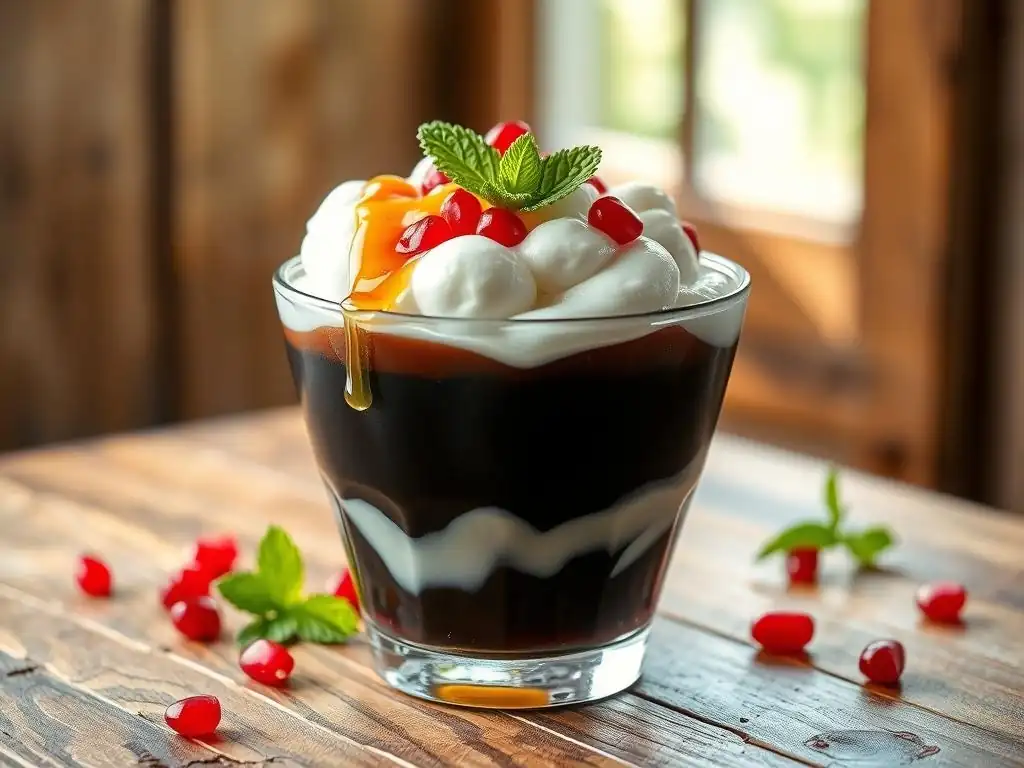
Welcome to BakeWithEase, your partner in baking adventures! Curious about that wobbly, refreshing treat you've seen in vibrant Asian desserts? Get ready to unlock the secrets of grass jelly with our guide to making an easy grass jelly dessert. Discover the fascinating origins and surprisingly simple steps to create this unique and delicious dessert that will tantalize your taste buds. Intrigued? Keep reading to explore the world of regional baking and whip up your own batch!
- The Refreshing Delight of Grass Jelly: Simple Dessert Ideas
- Exploring the Versatility of Grass Jelly: A Naturally Sweet Treat
- Quick & Easy Grass Jelly Dessert Recipes
- Achieving Perfect Texture: Tips for Grass Jelly Desserts
- Grass Jelly: A Naturally Healthy Dessert Option
- Creative Variations: Beyond Basic Grass Jelly
- Where to Buy Grass Jelly for Your Dessert Creations
- Serving Suggestions and Enjoying Your Grass Jelly
-
Frequently Asked Questions
- What is grass jelly, and what makes its texture unique?
- Is grass jelly difficult to incorporate into desserts?
- What are some easy dessert ideas using grass jelly?
- Where can I find grass jelly, and what should I look for when buying it?
- Can I make grass jelly at home, and is it a complicated process?
- Final Reflection: The Enduring Sweetness of Simple Pleasures
- Unlock the Jelly Magic: Craft Your Own Grass Jelly Delights!
The Refreshing Delight of Grass Jelly: Simple Dessert Ideas
Exploring the Versatility of Grass Jelly: A Naturally Sweet Treat
What is Grass Jelly? Origins and Characteristics
Grass jelly, known by various names across Asia such as liangfen in Chinese or cincau in Indonesian and Malay, is a distinct jelly-like dessert. It is traditionally made from the stalks and leaves of the Mesona chinensis plant, a member of the mint family.
This plant is primarily cultivated in East Asia, particularly in southern China and Taiwan, where grass jelly originated centuries ago. The process involves boiling the dried plant material for several hours, extracting a dark liquid that is then thickened with starch, often cornstarch or tapioca starch, and left to cool and set into a firm, dark jelly.
The defining characteristics of grass jelly are its unique texture and subtle, slightly bitter taste. When properly set, it has a smooth, jiggly, yet firm consistency that is incredibly refreshing, especially when served chilled. Its color ranges from dark brown to nearly black. While it has a faint herbal note from the plant, it is generally considered quite neutral in flavor on its own, making it an excellent base for pairing with a variety of sweeteners and toppings. This mild profile is what allows it to be easily incorporated into numerous easy grass jelly dessert recipes.
Grass Jelly 101: A Beginner's Guide
For those new to making grass jelly desserts, starting with pre-made grass jelly is often the easiest route. You can find ready-to-eat grass jelly in cans or plastic containers at most Asian grocery stores. This pre-set jelly is typically firm and can be cut into cubes or desired shapes easily. To prepare a basic easy grass jelly dessert, simply drain the liquid from the container, cut the jelly into bite-sized pieces, and serve it chilled with a simple syrup, honey, or condensed milk. This requires minimal effort and is perfect for beginners.
Alternatively, you can use grass jelly powder, which offers more control over texture but requires a bit more preparation. The powder is usually mixed with water and sugar according to package instructions, then heated until dissolved and left to cool and set. A common ratio might be around 50 grams of powder per liter of water, though this varies by brand. Setting time usually takes a couple of hours at room temperature or less in the refrigerator. Once set, it's ready to be used in any easy grass jelly dessert creation, from simple servings to more complex concoctions.
Quick & Easy Grass Jelly Dessert Recipes

Grass Jelly with Lychee and Honey Syrup
This easy grass jelly dessert is incredibly simple yet delightfully refreshing. Begin with about 2 cups of cubed, pre-made grass jelly. For the syrup, combine 1/4 cup honey with 1/4 cup hot water and stir until the honey is fully dissolved. Let the syrup cool. Drain a can of lychees (approximately 10-12 lychees) and slice them in half or leave them whole, depending on preference.
To assemble, divide the grass jelly cubes among dessert bowls. Add a few lychee halves to each bowl. Drizzle generously with the cooled honey syrup. For an extra touch, you can add a splash of the lychee syrup from the can. Serve immediately, ideally well-chilled. This combination highlights the subtle herbal notes of the grass jelly with the sweet, floral taste of lychee and the natural sweetness of honey, creating a light and satisfying easy grass jelly dessert.
Refreshing Grass Jelly Drink with Lime and Mint
Turning grass jelly into a drink is another fantastic easy grass jelly dessert option, perfect for a hot day. You'll need about 1 cup of grass jelly, cut into small cubes or even slightly mashed for a different texture. Prepare a simple limeade base: juice from 2-3 limes (about 1/4 cup), 2-3 tablespoons of sugar (adjust to taste), and 1.5 cups of water. Stir until the sugar dissolves.
In tall glasses, add the grass jelly cubes. Fill the glasses with ice. Pour the limeade over the grass jelly and ice. Garnish with fresh mint leaves, gently bruised to release their aroma. You can also add extra lime slices. This drink is a wonderfully tart and sweet contrast to the slightly bitter grass jelly, with the mint adding a refreshing finish. It's a quick and easy grass jelly dessert variation that's more beverage than solid dessert.
Creamy Coconut Milk Grass Jelly with Mango
This recipe elevates the simple grass jelly with the richness of coconut milk and the sweetness of fresh mango, resulting in a truly decadent yet easy grass jelly dessert. Cube about 2 cups of grass jelly. Prepare a sweetened coconut milk mixture by combining 1 cup of unsweetened coconut milk (canned or carton) with 2-3 tablespoons of condensed milk or sugar in a small saucepan. Heat gently, stirring until the sweetener is dissolved. Do not boil. Let it cool completely.
Cube one ripe mango (about 1 cup). To serve, place grass jelly cubes in bowls. Pour the cooled sweetened coconut milk over the grass jelly. Top generously with fresh mango cubes. For an extra layer of flavor, you can add a spoonful of cooked tapioca pearls if desired, though it's perfectly delicious without. The creamy texture of the coconut milk pairs beautifully with the firm grass jelly and soft, sweet mango, making this a popular and easy grass jelly dessert choice.
Achieving Perfect Texture: Tips for Grass Jelly Desserts
Getting the Right Grass Jelly Consistency
The ideal texture for grass jelly is a balance between firm enough to hold its shape when cut, yet soft and jiggly when eaten. If using grass jelly powder, achieving this consistency depends primarily on the ratio of powder to liquid and the setting time. Following the package instructions is the best starting point, but you can slightly adjust the water amount if you prefer a firmer or softer set. For instance, using slightly less water than recommended might result in a firmer jelly.
Temperature also plays a crucial role in setting. The mixture needs to be heated sufficiently to dissolve the powder and then cooled completely. Refrigerating the mixture helps it set more quickly and firmly. Typically, 2-3 hours in the refrigerator is sufficient for a good set. If your grass jelly is too soft, it might not have cooled long enough, or the powder-to-liquid ratio was too low. If it's too hard or rubbery, you might have used too much powder or cooked it for too long if making it from scratch using the plant.
Addressing Common Issues When Preparing Grass Jelly
One common issue when making grass jelly from powder is lumps. This usually happens if the powder is added directly to hot water without mixing it into a smooth paste first. To avoid this, always mix the grass jelly powder with a small amount of cold water to create a slurry before adding it to the hot water. Stir continuously while heating to ensure an even texture.
Another potential problem is the jelly not setting properly. This can be due to insufficient heating (the mixture needs to reach a certain temperature to activate the gelling agents) or not allowing enough cooling time. Ensure the mixture comes to a gentle boil if required by the instructions and is then left undisturbed to cool completely. If using pre-made jelly, a common issue is it being too firm or rubbery; this is often a characteristic of the specific brand. Serving it very cold can sometimes improve the mouthfeel.
Enhancing the Taste of Your Grass Jelly Dessert
While grass jelly has a subtle, slightly bitter flavor, it's usually served with sweeteners to balance this. Simple sugar syrup is the most basic addition, but honey, brown sugar syrup, or condensed milk are popular alternatives that add richness and different flavor profiles. For instance, brown sugar syrup imparts a caramel-like depth.
Beyond sweeteners, pairing grass jelly with complementary flavors is key to an outstanding easy grass jelly dessert. Fruits like mango, lychee, longan, or even mixed tropical fruits work well. Creamy elements like coconut milk, evaporated milk, or even a scoop of vanilla ice cream add a luxurious contrast in texture and taste. Adding toppings like red beans, mung beans, or small tapioca pearls (boba) introduces chewiness and additional sweetness, making the simple grass jelly dessert more complex and satisfying.
Grass Jelly: A Naturally Healthy Dessert Option
Health Benefits of Grass Jelly
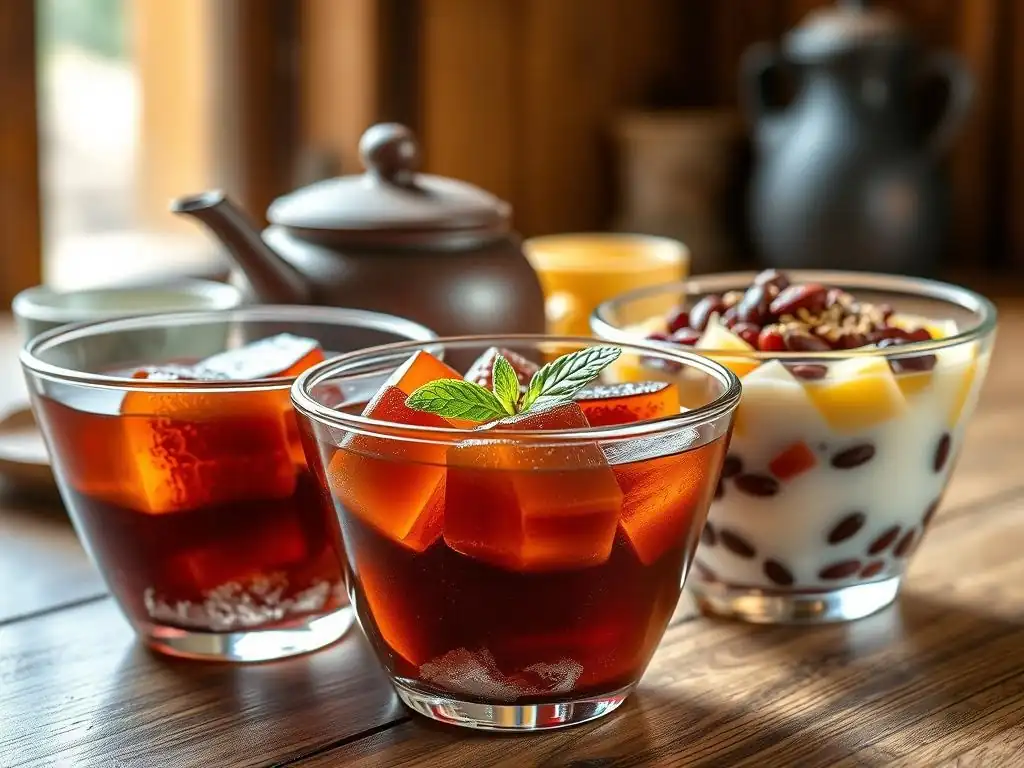
Grass jelly is often considered a relatively healthy dessert option, particularly when compared to many Western-style sweets. Its primary component is water, making it hydrating and low in calories. A typical serving of plain grass jelly (around 100g) might contain as little as 20-30 calories before adding any sweeteners or toppings, though this can vary.
Traditionally, grass jelly is believed in some Asian cultures to have cooling properties, making it a popular remedy for heatstroke or simply to cool down the body during hot weather. While scientific evidence for this specific "cooling" effect is limited, the act of consuming a cold, hydrating substance like grass jelly can certainly provide a sensation of coolness and refreshment. It's also a source of dietary fiber from the plant material, which can aid digestion.
Grass Jelly as a Guilt-Free Dessert
Given its low-calorie nature when served plain, grass jelly can easily fit into a balanced diet as a guilt-free treat. The calorie count significantly increases depending on the amount and type of sweetener and toppings added. For an easy grass jelly dessert that remains healthy, opt for minimal added sugar, use natural sweeteners like a small amount of honey or maple syrup, and pair it with fresh fruit rather than calorie-dense additions like condensed milk or ice cream.
Choosing grass jelly as a dessert allows you to enjoy a sweet ending to a meal without consuming excessive fats or sugars often found in pastries, cakes, or ice cream. It provides a refreshing texture and subtle flavor that can satisfy a sweet craving. Making an easy grass jelly dessert at home gives you complete control over the ingredients, allowing you to keep it as healthy as you wish.
Grass Jelly: Suitable for Various Dietary Needs
Plain grass jelly is naturally vegan and gluten-free, making it suitable for individuals following these dietary restrictions. When preparing an easy grass jelly dessert, ensure that any added ingredients also align with these needs. For example, use plant-based milk instead of dairy, and ensure sweeteners are suitable.
It is also relatively low in sugar itself (before adding sweeteners), making it a base that can be adapted for those managing sugar intake. By using sugar substitutes or very small amounts of natural sweeteners, it's possible to create a delicious and easy grass jelly dessert that is low in sugar. Its simplicity and adaptability make it a versatile base for many dietary preferences.
Creative Variations: Beyond Basic Grass Jelly
Grass Jelly with Tapioca Pearls and Brown Sugar Milk
This variation draws inspiration from popular bubble tea flavors. Prepare grass jelly and cut into cubes. Cook small tapioca pearls according to package instructions until chewy, then rinse with cold water. Make a rich brown sugar syrup by simmering equal parts brown sugar and water until thickened.
To assemble this easy grass jelly dessert drink, add a generous spoonful of cooked tapioca pearls to the bottom of a glass. Add ice, then fill the glass about halfway with grass jelly cubes. Pour in milk (dairy or non-dairy, like oat or almond milk). Drizzle the brown sugar syrup over the top, letting it cascade down the sides. Stir before drinking to combine the flavors. The chewy tapioca, smooth grass jelly, creamy milk, and sweet brown sugar create a complex and satisfying texture and taste experience.
Grass Jelly Parfait with Mung Bean Paste and Red Bean
Layering grass jelly with other traditional Asian dessert components creates a visually appealing and flavorful parfait. You'll need cubed grass jelly, sweetened red bean paste, and sweetened mung bean paste. These pastes are readily available in cans or pouches at Asian markets.
In clear glasses or bowls, layer the ingredients. Start with a layer of grass jelly cubes. Add a layer of red bean paste, followed by a layer of mung bean paste. Repeat the layers until the glass is full, ending with a final layer of grass jelly or a dollop of one of the pastes. This easy grass jelly dessert parfait offers a delightful mix of textures – the firm jelly, the soft, slightly grainy pastes – and flavors – the subtle herbal notes of grass jelly contrasting with the earthy sweetness of the beans.
Grass Jelly in Sweet Ginger Soup
Serving grass jelly warm in a sweet soup is a comforting alternative to chilled preparations, especially popular during cooler weather. Prepare a simple ginger soup by simmering sliced fresh ginger in water with rock sugar or regular sugar until the sugar dissolves and the ginger flavor is infused (about 15-20 minutes). The amount of ginger and sugar can be adjusted to your preference.
Add grass jelly cubes to the warm ginger soup just before serving. Do not boil the grass jelly in the soup for too long, as it can start to melt or lose its texture. Serve the soup warm in bowls with the grass jelly. This easy grass jelly dessert provides warmth and a gentle spice from the ginger, which complements the subtle herbal notes of the grass jelly in a unique way. You can add other ingredients like sweet potato cubes or small tangyuan (rice balls) to the soup for more substance.
Where to Buy Grass Jelly for Your Dessert Creations
Popular Brands and Options for Pre-Made Grass Jelly
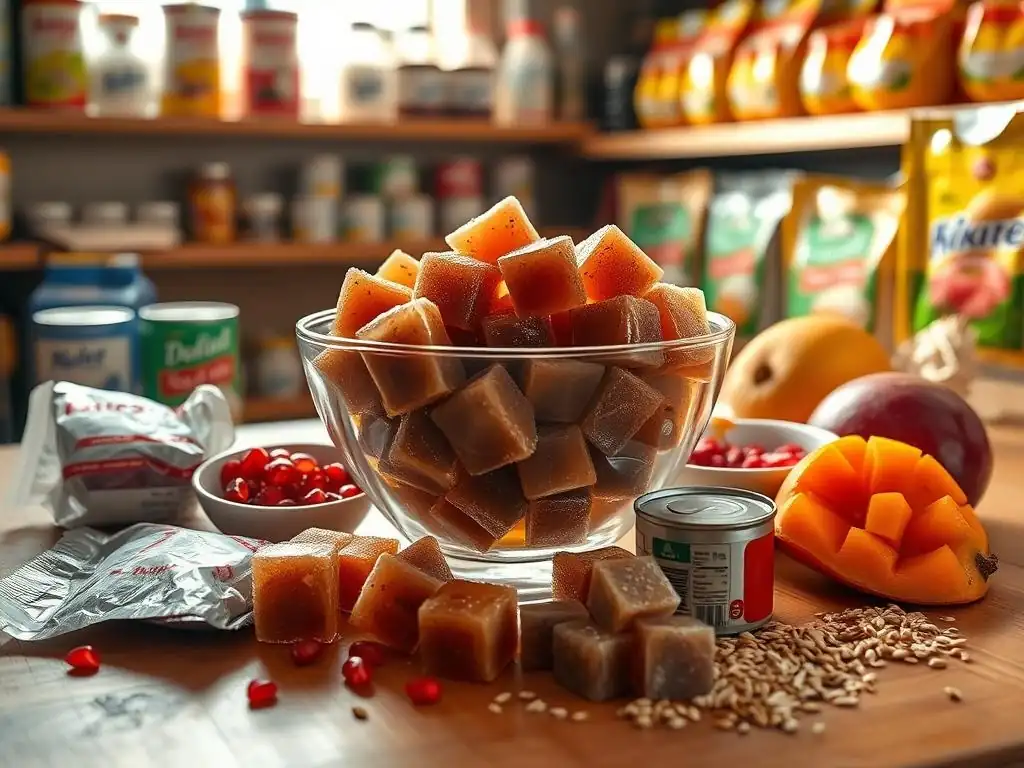
Finding ingredients for your easy grass jelly dessert is usually straightforward. Pre-made grass jelly is widely available, often found in the canned goods or dessert sections of Asian grocery stores. Popular brands vary by region, but common ones might include brands from Taiwan, China, or Southeast Asian countries. These typically come in metal cans or plastic tubs filled with the dark jelly suspended in a light syrup or water.
When choosing pre-made grass jelly, look for brands that specify "ready-to-eat." The texture can vary between brands; some might be firmer, while others are softer. Reading reviews or trying different brands can help you find one that suits your preference for your easy grass jelly dessert. Check the ingredient list to understand if it contains additional additives or sweeteners.
Using Grass Jelly Powder: Tips and Tricks
Grass jelly powder offers convenience and allows you to make larger batches or customize the firmness. It's typically found in packets or boxes alongside other dessert powders like agar-agar or konjac jelly. Brands like "Koepoe" or various Taiwanese brands are common. The powder usually contains the grass jelly extract along with a gelling agent (like cornstarch or carrageenan) and sometimes sugar or flavorings.
When using grass jelly powder for your easy grass jelly dessert, always follow the package instructions carefully regarding the water ratio and cooking time. As mentioned earlier, mixing the powder with a little cold water first prevents lumps. Ensure the mixture is heated sufficiently to activate the gelling agent. Letting it cool undisturbed is key to a proper set. Using powder is often more cost-effective for making large quantities of easy grass jelly dessert.
Finding Grass Jelly in Local Stores and Online
For those new to Asian ingredients, the best place to start looking for grass jelly is a local Asian supermarket or grocery store. Check aisles dedicated to desserts, jellies, or sometimes canned fruits. Store staff are usually helpful in pointing you in the right direction.
If local options are limited, grass jelly (both pre-made and powder) is readily available online through various Asian food e-commerce sites or large online marketplaces. Buying online offers a wider selection of brands and product types, making it easy to source the perfect grass jelly for your next easy grass jelly dessert adventure, no matter where you are located. Prices can vary, so comparing options is a good idea.
Serving Suggestions and Enjoying Your Grass Jelly
Presentation Ideas for Grass Jelly Desserts
While an easy grass jelly dessert can be as simple as cubes in a bowl with syrup, presentation can elevate the experience. Serving chilled grass jelly in clear glasses or elegant dessert bowls allows its deep, dark color and smooth texture to be appreciated. Cutting the jelly into uniform cubes provides a clean look, but you can also use cookie cutters for fun shapes, especially if serving children.
Layering grass jelly with contrasting colors and textures, as in the parfait example with red bean and mung bean pastes or vibrant mango pieces, creates visual appeal. Drizzling a thick syrup, like brown sugar syrup or condensed milk, over the top allows it to cascade down the sides, adding an enticing touch. Garnishes like fresh mint leaves, a sprinkle of toasted sesame seeds, or a colorful fruit piece can add a final decorative flourish to your easy grass jelly dessert.
Popular Toppings and Garnishes
The beauty of an easy grass jelly dessert lies in its versatility with toppings. Sweeteners like simple syrup, honey, brown sugar syrup, condensed milk, or evaporated milk are classic choices. For creamy richness, coconut milk or dairy milk are popular.
Fruit toppings add freshness and sweetness; common choices include lychee, longan, mango, watermelon, cantaloupe, or mixed fruit cocktail. Chewy additions like cooked tapioca pearls (boba), mini mochi, or even chewy grass jelly noodles (a different form of the dessert) provide textural contrast. Traditional Asian dessert toppings like sweetened red beans, mung beans, barley, or lotus seeds are also frequently paired with grass jelly, creating a more complex and satisfying easy grass jelly dessert bowl.
Complementary Asian Desserts to Serve Alongside Grass Jelly
Grass jelly desserts are often served as part of a larger spread of Asian sweets. Their light and refreshing nature makes them an excellent palate cleanser or a less heavy option alongside richer desserts. Consider serving grass jelly alongside mango sago (a creamy mango and tapioca pearl dessert), red bean soup, or sweet tofu pudding (douhua).
Offering a selection of different toppings allows guests to customize their easy grass jelly dessert experience. A dessert table featuring grass jelly with various syrups, fruits, and beans allows everyone to create their perfect combination. The subtle flavor and adaptable nature of grass jelly make it a welcome addition to almost any collection of Asian desserts.
Frequently Asked Questions
What is grass jelly, and what makes its texture unique?
Grass jelly is a plant-based jelly made from boiling the Mesona chinensis plant. Its unique texture comes from the natural gelling properties of the plant's starches, resulting in a smooth and slightly chewy consistency.
Is grass jelly difficult to incorporate into desserts?
No, grass jelly is incredibly easy to incorporate. It can be cubed, sliced, or even blended into drinks and desserts, adding a refreshing and unique textural element.
What are some easy dessert ideas using grass jelly?
Simple options include adding it to sweetened soy milk, fruit cocktails, or serving it with a drizzle of honey or syrup. More elaborate desserts could involve layering it in parfaits or using it as a topping for shaved ice for a refreshing and easy treat.
Where can I find grass jelly, and what should I look for when buying it?
Grass jelly is typically found in Asian supermarkets or specialty food stores. Look for firm, dark jelly with a smooth surface, avoiding any with signs of mold or discoloration.
Can I make grass jelly at home, and is it a complicated process?
While possible, making grass jelly from scratch is more involved. It requires sourcing the Mesona chinensis plant and a specific cooking process. For easy desserts, it's generally recommended to purchase pre-made grass jelly.
Final Reflection: The Enduring Sweetness of Simple Pleasures
The ease and accessibility of creating delicious grass jelly desserts are more relevant than ever in our fast-paced world. In a time dominated by complicated recipes and elaborate culinary creations, the simple joy of a refreshing grass jelly treat offers a welcome respite, a reminder that deliciousness doesn't require hours of preparation or specialized ingredients.
The enduring appeal of grass jelly, a seemingly humble ingredient, speaks volumes about our innate desire for uncomplicated pleasures. Its versatility allows for endless creative exploration, yet its inherent coolness and subtle sweetness provide a comforting familiarity. Simplicity is the ultimate sophistication,
Leonardo da Vinci once said, and this perfectly encapsulates the charm of grass jelly desserts. The ease of preparation allows us to connect with the process, fostering a sense of accomplishment and mindful enjoyment, qualities often lost in the whirlwind of modern life.
Now, I invite you to consider the possibilities. Don't just read about the intriguing texture of grass jelly; experience it! Experiment with different flavor combinations, share your creations with loved ones, and rediscover the simple joy of a homemade treat. Let the refreshing coolness of grass jelly be a reminder to slow down, savor the moment, and appreciate the sweetness of life's simple pleasures.
Unlock the Jelly Magic: Craft Your Own Grass Jelly Delights!
Thanks for exploring the wonderfully wobbly world of grass jelly with us! We hope you've discovered some delicious inspiration for your next dessert adventure. Ready to put your new-found knowledge into action?
- Dive into our recipe collection: We've got a whole library of grass jelly recipes waiting for you, from classic puddings to innovative cocktails! (Find them on BakeWithEase.com!)
- Share your creations: Show off your grass jelly masterpieces on social media using #BakeWithEaseGrassJelly – let's inspire each other!
- Experiment with unusual flavors: What unexpected ingredients could you pair with grass jelly? Think beyond the usual suspects – get creative!
So, what unique grass jelly dessert are you dreaming up today?