
Delightful Pandan Desserts: Easy Recipes with Fragrant Leaves

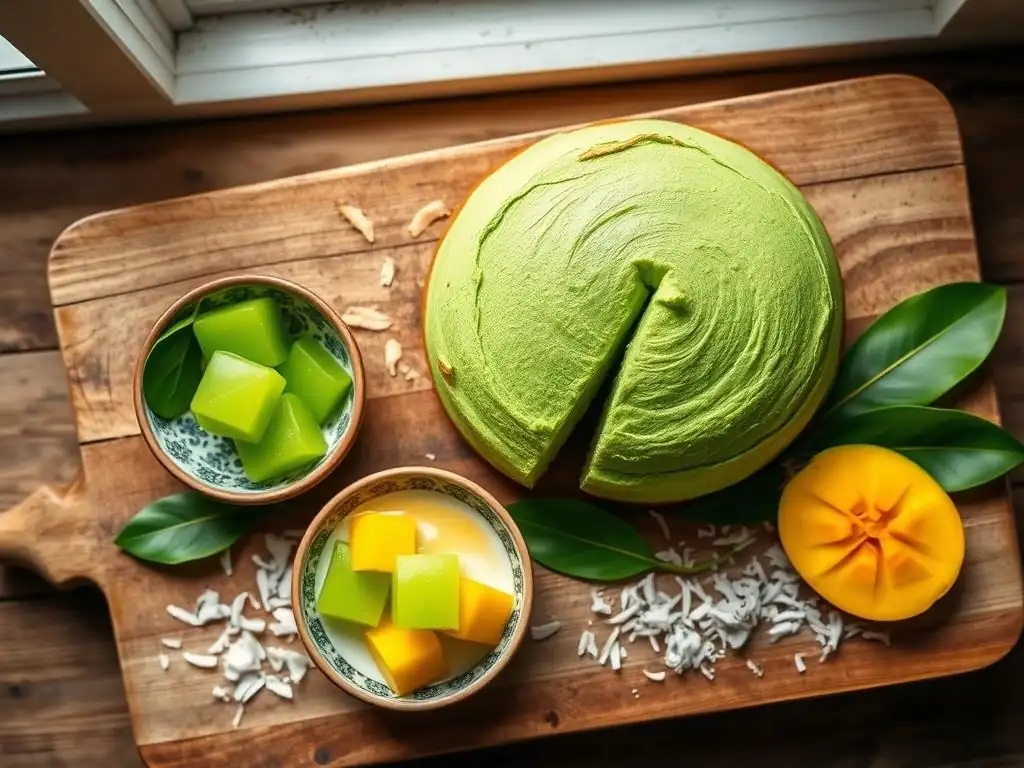
Welcome to BakeWithEase, your kitchen companion for unlocking baking brilliance! Ever wondered how to capture the exotic essence of Southeast Asia in a single bite? Delve into the enchanting world of Pandan desserts – and discover why our Pandan cake recipe easy is about to become your new baking obsession. Get ready to infuse your creations with vibrant flavor and color, because baking with ease has never been this delicious!
- Aromatic Pandan Desserts: Authentic Recipes and Techniques
- Introduction to Pandan in Baking
- Classic Pandan Chiffon Cake Recipe: Light and Airy
- Beyond Chiffon: Exploring Pandan Dessert Variations
- Pandan Extract: Homemade vs. Store-Bought
- Creative Pandan Dessert Innovations
- Troubleshooting Pandan Baking: Common Issues
- Storage Tips for Pandan Desserts
- Related Recipes and Resources
- Conclusion: The Enduring Appeal of Pandan
-
Frequently Asked Questions
- What makes Pandan cake so unique and appealing?
- Where can I find pandan leaves, and are there any substitutes if I can't find them?
- Are these Pandan cake recipes truly "easy" for beginner bakers?
- What are some variations or additions I can add to a basic Pandan cake recipe?
- How should I store Pandan cake to keep it fresh and moist?
- Final Reflection: The Enduring Allure of Pandan
- Unleash Your Inner Baker: Pandan Delights Await!
Aromatic Pandan Desserts: Authentic Recipes and Techniques
Introduction to Pandan in Baking
The Essence of Pandan: Flavor Profile and Culinary Uses
Pandan, often referred to as the "vanilla of the East," is a fragrant leaf derived from the Pandanus amaryllifolius plant. Its unique aroma is subtly sweet, with notes often described as reminiscent of vanilla, coconut, and green tea. This distinctive fragrance is primarily due to the presence of the compound 2-acetyl-1-pyrroline, also found in basmati rice and bread crust. While the flavor is delicate, it adds a layer of complexity and an instantly recognizable identity to dishes. The leaves themselves are long, narrow, and fibrous, typically used by extracting their juice or essence rather than being consumed whole.
Beyond its aromatic qualities, pandan leaves are also prized for the vibrant green color they impart, ranging from a pale jade to a deep emerald depending on the concentration used. This natural coloring makes pandan desserts visually striking. Culinary applications span across sweet and savory dishes in Southeast Asian cuisine.
In savory cooking, pandan leaves are often used to wrap chicken or rice, infusing them with fragrance during steaming or frying. However, it is in the realm of desserts, confections, and beverages where pandan truly shines, lending its signature scent and color to everything from cakes and jellies to drinks and ice cream.
Pandan's Role in Southeast Asian Cuisine
Pandan holds a deeply significant place in the culinary traditions of countries like Malaysia, Singapore, Indonesia, Thailand, Vietnam, and the Philippines. It's not just an ingredient but a cultural staple, frequently used in everyday cooking and special occasion dishes alike. In Malaysia and Singapore, it's fundamental to making kaya, a rich coconut and egg jam. In Indonesia, it's essential for traditional sweets like klepon and kue lapis. Thai cuisine uses it in desserts like khanom chan (steamed layer cake) and to flavor rice. The Philippines incorporates it into desserts such as buko pandan salad.
The widespread use of pandan across diverse cultures highlights its versatility and universal appeal within the region. It's used to perfume rice, flavor porridge, add depth to custards, and, of course, create iconic baked goods. The ease with which its essence can be extracted, either by pounding and squeezing the leaves or through steaming, makes it accessible for home cooks. This accessibility, combined with its unique and comforting aroma, solidifies pandan's status as a beloved and indispensable ingredient in Southeast Asian kitchens, making a simple pandan cake recipe a common and cherished treat.
Classic Pandan Chiffon Cake Recipe: Light and Airy
Ingredients for a Perfect Pandan Chiffon Cake
Crafting a light and airy pandan chiffon cake requires specific ingredients that contribute to its unique texture. You'll typically need cake flour, which has a lower protein content than all-purpose flour, resulting in a tender crumb. Granulated sugar is used in two parts: one for the batter and one for stabilizing the meringue. Large eggs are crucial, separated into yolks and whites. The fat component often comes from a neutral-flavored oil like vegetable or canola oil, which helps keep the cake moist without weighing it down like butter.
Liquids include water or coconut milk for richness, and of course, pandan extract for flavor and color. You'll also need baking powder for leavening and a pinch of salt to balance the sweetness.
Some recipes might call for cream of tartar, an acidic salt that helps stabilize the egg white foam, ensuring your meringue holds its structure. For a standard 8-inch tube pan, you might use around 1.5 cups of cake flour, 1.5 cups of sugar split between the batter and meringue, 6-8 large eggs, 1/2 cup oil, 1/2 cup liquid (water or coconut milk), 1-2 teaspoons of pandan extract, 1.5 teaspoons baking powder, and 1/4 teaspoon salt.
Step-by-Step Instructions: Mixing, Baking, and Cooling
Making a pandan chiffon cake involves distinct steps that ensure its characteristic lightness. First, prepare the batter by whisking together the egg yolks, sugar, oil, liquid, and pandan extract. Sift the dry ingredients (flour, baking powder, salt) into the wet ingredients and mix until just combined; do not overmix. In a separate, absolutely clean bowl, beat the egg whites until frothy, then gradually add the remaining sugar while continuing to beat until stiff, glossy peaks form. If using cream of tartar, add it when the egg whites are frothy.
Gently fold about one-third of the meringue into the pandan batter to lighten it, then carefully fold in the remaining meringue in two additions until no white streaks remain. Pour the batter into an ungreased tube pan – this allows the cake to grip the sides and rise properly. Bake in a preheated oven, typically around 160-170°C (320-340°F), for about 50-60 minutes, or until a skewer inserted into the center comes out clean.
Immediately upon removing from the oven, invert the pan onto a bottle or stand to cool completely upside down. This prevents the cake from collapsing and helps maintain its airy structure. Do not attempt to unmold until fully cooled, which can take 1-2 hours.
Achieving the Signature Soft Texture: Tips and Tricks
The hallmark of a great pandan chiffon cake is its incredibly soft, spongy, and airy texture. This is primarily achieved through the careful incorporation of a stable meringue. Ensure your egg whites are at room temperature before beating, as they whip up to a greater volume. The bowl and whisk must be completely free of any grease or egg yolk, which can prevent the whites from reaching stiff peaks. Adding sugar gradually to the egg whites helps build a strong, stable foam.
Folding the meringue into the batter requires a gentle hand. Use a spatula and a cutting and folding motion to incorporate the airy egg whites without deflating them. Overmixing at this stage is a common pitfall that results in a dense cake. Baking at a moderate temperature for a sufficient time ensures the cake cooks through without drying out. Finally, the crucial step of cooling upside down allows the cake to stretch and set against gravity, preventing shrinkage and maintaining its height and delicate crumb. Following these steps makes baking a pandan cake recipe easy and rewarding.
Beyond Chiffon: Exploring Pandan Dessert Variations
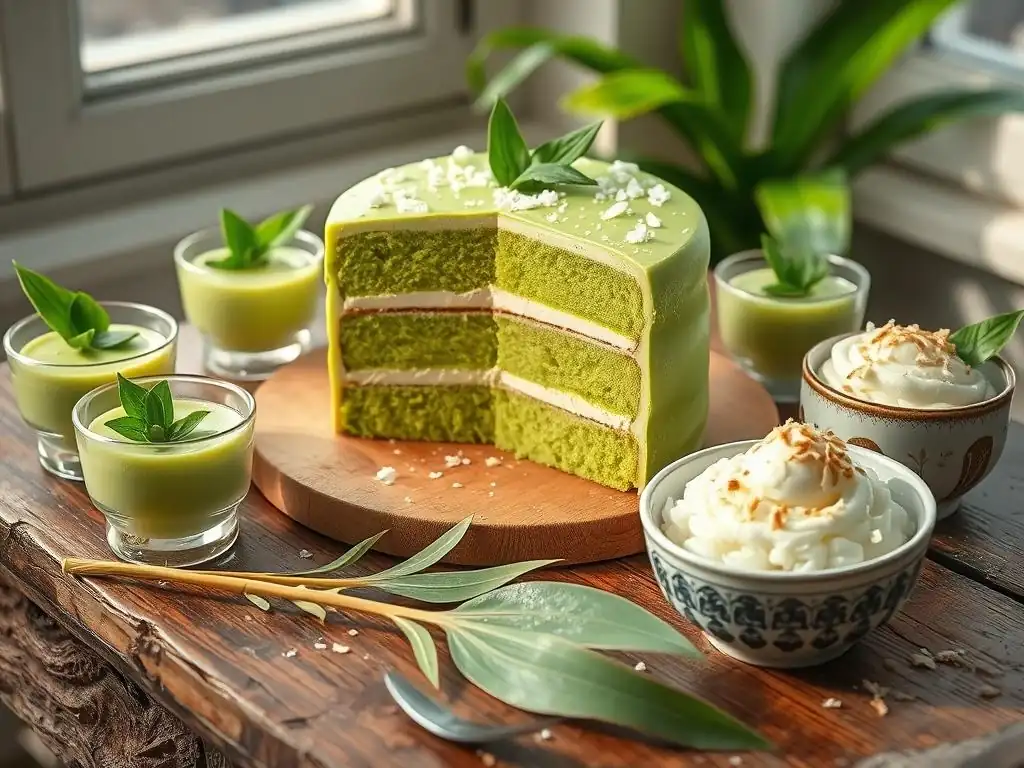
Pandan Kaya Toast: A Sweet and Savory Breakfast
Pandan Kaya Toast is a beloved breakfast or snack in Singapore and Malaysia, offering a delightful contrast of sweet, savory, and aromatic flavors. The star component is kaya, a rich jam made from coconut milk, eggs, sugar, and pandan leaves. The pandan leaves are typically steeped or blended with the other ingredients, imparting their signature fragrance and a natural green hue to the smooth, custardy jam. Authentic kaya requires patient, slow cooking over low heat, often in a double boiler, until it thickens to a spreadable consistency.
The kaya jam is then generously spread onto thin slices of toast, typically made from white bread, which is often grilled or toasted until crispy. The toast is traditionally served with cold slices of butter placed on top of the hot kaya, allowing the butter to melt slightly into the warm jam.
This creates a luscious combination of textures and temperatures. The dish is often paired with soft-boiled eggs, seasoned with dark soy sauce and white pepper, and a hot beverage like coffee or tea, completing a classic Southeast Asian breakfast set that perfectly showcases pandan in a non-cake form.
Klepon: Traditional Pandan and Coconut Rice Balls
Klepon are vibrant green, bite-sized Indonesian glutinous rice balls, a popular traditional snack (or kue). These delightful treats are made from glutinous rice flour mixed with pandan juice, which gives them their characteristic color and aroma. The dough is then shaped into small balls, each filled with gula melaka or gula aren (palm sugar) that has been chopped or shaved into small pieces. The palm sugar filling is the hidden treasure inside the chewy exterior.
Once filled, the klepon balls are boiled in water until they float to the surface, indicating they are cooked through. Immediately after boiling, they are rolled in grated fresh coconut, which clings to the moist surface. When bitten into, the palm sugar filling melts into a warm, sweet syrup that contrasts wonderfully with the chewy pandan rice ball and the slightly salty, nutty grated coconut coating. This simple yet ingenious dessert is a perfect example of how pandan is used to elevate humble ingredients into something truly special.
Buko Pandan Salad: A Filipino Festive Dessert
Buko Pandan Salad is a creamy and refreshing Filipino dessert, a staple at parties and gatherings. It's essentially a fruit salad with a distinct pandan and coconut twist. The key components are strips of young coconut ( buko) and cubes of pandan-flavored jelly. The jelly is typically made using agar-agar or gelatin, sugar, and a generous amount of pandan extract or juice to achieve a vibrant green color and strong fragrance. Once set, it's cut into small cubes.
These pandan jelly cubes and buko strips are then combined with a rich, creamy dressing usually made from a mixture of condensed milk and evaporated milk, sometimes with added all-purpose cream for extra richness. Some variations might include tapioca pearls (sago) or other fruits, but the core remains the pandan jelly and young coconut. The mixture is chilled thoroughly before serving, resulting in a cool, sweet, and aromatic dessert that is both light and satisfying, showcasing pandan's ability to transform a simple salad into a festive treat.
Pandan Extract: Homemade vs. Store-Bought
Homemade Pandan Extract: A Detailed Guide
Making your own pandan extract offers a more authentic and potent pandan flavor and color, free from artificial additives often found in commercial versions. The process involves blending fresh pandan leaves with water to extract their essence. You'll need about 10-15 fresh pandan leaves for every cup of water, depending on the desired concentration. Thoroughly wash the leaves and cut them into smaller pieces, about 1-2 inches long, to facilitate blending.
Place the cut leaves and water into a blender and process until the leaves are finely minced and the liquid turns a deep green. Strain the mixture through a fine-mesh sieve or cheesecloth, squeezing out as much liquid as possible. This initial liquid is essentially pandan juice and can be used directly in some recipes. For a more concentrated extract, let the strained juice sit in a jar or container in the refrigerator for several hours, or even overnight.
Over time, a darker, concentrated layer of pandan essence will settle at the bottom, with a clearer liquid on top. Carefully pour off the clear liquid, leaving the potent, dark green extract at the bottom. This concentrated extract is what you'll use in baking. Store it in an airtight container in the refrigerator for up to a week, or freeze it in ice cube trays for longer storage.
Selecting High-Quality Pandan Extract: Key Considerations
When opting for convenience and using store-bought pandan extract, it's important to choose a high-quality product to ensure good flavor and color in your baking. Look for extracts that list pandan as a primary ingredient, ideally derived from natural pandan leaves. Be wary of products where "artificial flavoring" or "food coloring" are listed as the main components, as these may lack the true depth of pandan aroma and rely solely on synthetic green dye.
Examine the color of the extract; a good quality extract will typically have a natural-looking green hue, not an overly bright, artificial green. The potency can vary significantly between brands, so you might need to experiment with the quantity. Start with a smaller amount, perhaps 1/2 to 1 teaspoon for a pandan cake recipe easy to follow, and add more if needed to achieve the desired flavor and color. Reading reviews or seeking recommendations from other bakers can also help in finding a reliable brand that delivers authentic pandan essence.
Creative Pandan Dessert Innovations

Pandan Crème brûlée: A French Twist
Pandan Crème brûlée offers a delightful fusion of classic French technique with exotic Southeast Asian flavor. The traditional custard base, typically made with egg yolks, heavy cream, sugar, and vanilla, is infused with the aromatic essence of pandan. This can be achieved by steeping pandan leaves in the warm cream or by incorporating pandan extract directly into the mixture. The result is a silky smooth custard with a subtle, fragrant pandan undertone and a gentle green tint.
Once the pandan custard is baked and chilled until set, it's topped with a layer of granulated sugar. This sugar is then caramelized using a blow torch or under a broiler until it forms a hard, brittle glass-like crust. The contrast between the warm, crisp sugar shell and the cool, creamy pandan custard beneath creates a sensory experience that is both familiar and excitingly new. It's a sophisticated way to showcase pandan's versatility beyond traditional applications.
Pandan Macarons: Delicate and Flavorful
Bringing the delicate French macaron together with pandan creates a visually stunning and uniquely flavored treat. The macaron shells, made from almond flour, powdered sugar, and whipped egg whites, can be tinted green with pandan extract or a touch of natural green food coloring, though pandan extract itself provides some color. The real pandan flavor typically resides in the filling.
A common filling for pandan macarons is a pandan-flavored buttercream, ganache, or a pandan-infused white chocolate ganache. For instance, a white chocolate ganache can be made by heating cream with pandan extract, pouring it over white chocolate, and stirring until smooth. This creamy, aromatic filling is then sandwiched between the crisp, slightly chewy macaron shells. The combination offers a delightful textural contrast and a burst of pandan flavor in each bite, elevating the classic macaron.
Pandan and Coconut Panna Cotta: A Silky Smooth Treat
Pandan and Coconut Panna Cotta is a simple yet elegant dessert that highlights the natural affinity between pandan and coconut. Panna cotta, meaning "cooked cream" in Italian, is traditionally made by simmering cream, sugar, and vanilla, then thickening it with gelatin. In this variation, coconut milk often replaces some or all of the dairy cream, enhancing the tropical profile.
Pandan extract or pandan-infused coconut milk is incorporated into the mixture before adding the gelatin. The liquid is then poured into molds and chilled until set into a delicate, wobbly custard. The result is a silky smooth dessert with a rich coconut base and the fragrant, subtle sweetness of pandan. It's often served simply, perhaps with a sprinkle of toasted coconut flakes or a drizzle of palm sugar syrup, allowing the pure flavors of pandan and coconut to shine through.
Troubleshooting Pandan Baking: Common Issues
Preventing a Soggy Pandan Cake: Moisture Control
A common issue when baking with pandan, particularly in chiffon cakes, is the risk of a soggy bottom or dense layer. This is often due to excess moisture in the batter or improper baking technique. Using too much liquid (water or coconut milk) or adding too much pandan juice/extract can introduce excess water. Ensure you follow the recipe's liquid measurements carefully, especially when using homemade pandan juice which can have varying water content.
Another factor is insufficient baking time or temperature. If the oven temperature is too low or the cake is removed too soon, the interior may not cook through properly, remaining dense and wet. Baking at the recommended temperature (around 160-170°C for chiffon) and checking for doneness with a skewer is crucial. Additionally, cooling the cake upside down immediately after baking allows steam to escape and prevents the cake's weight from compressing the still-delicate structure, which can lead to a soggy layer at the bottom. Ensuring your pandan cake recipe easy to follow includes these steps is key.
Enhancing the Green Color Naturally: Alternatives to Food Coloring
While pandan extract naturally imparts a green hue, the intensity can vary, and sometimes bakers desire a more vibrant color without resorting to artificial food coloring. The most natural way to achieve a deeper green is by using a higher concentration of homemade pandan extract. The dark green sediment that settles at the bottom of homemade pandan juice is the most potent source of natural color.
Another alternative, used cautiously, is incorporating a tiny amount of natural green powders like spinach powder or matcha powder. Spinach powder is neutral in flavor in small quantities and provides a strong green pigment. Matcha green tea powder also adds color, but it will impart its distinct flavor, which may or may not be desirable depending on the specific pandan dessert. Experimenting with these natural options allows you to achieve a beautiful green color while keeping the ingredients wholesome.
Adjusting for Pandan Extract Concentration: Precise Measurements
Pandan extract concentration varies significantly, whether it's homemade or store-bought from different brands. This variability means that the amount specified in a recipe might not yield the desired flavor and color intensity with your specific extract. It's always best to start with the lower end of the recommended range, or even slightly less, especially if using a new or homemade extract.
Add the extract gradually to your batter or mixture, mixing well after each addition, and observe the color and smell the aroma. For a pandan cake recipe easy to adjust, taste the liquid components of the batter (before adding flour and egg whites) if possible, or rely on visual cues for color and the strength of the fragrance. Keep track of how much extract you use for future reference.
If the color or flavor is too weak, add a little more. If it becomes too strong or bitter (especially with homemade extract), there's little recourse but to dilute the entire mixture, which might affect the recipe's balance. Precise measurement and cautious addition are key.
Storage Tips for Pandan Desserts
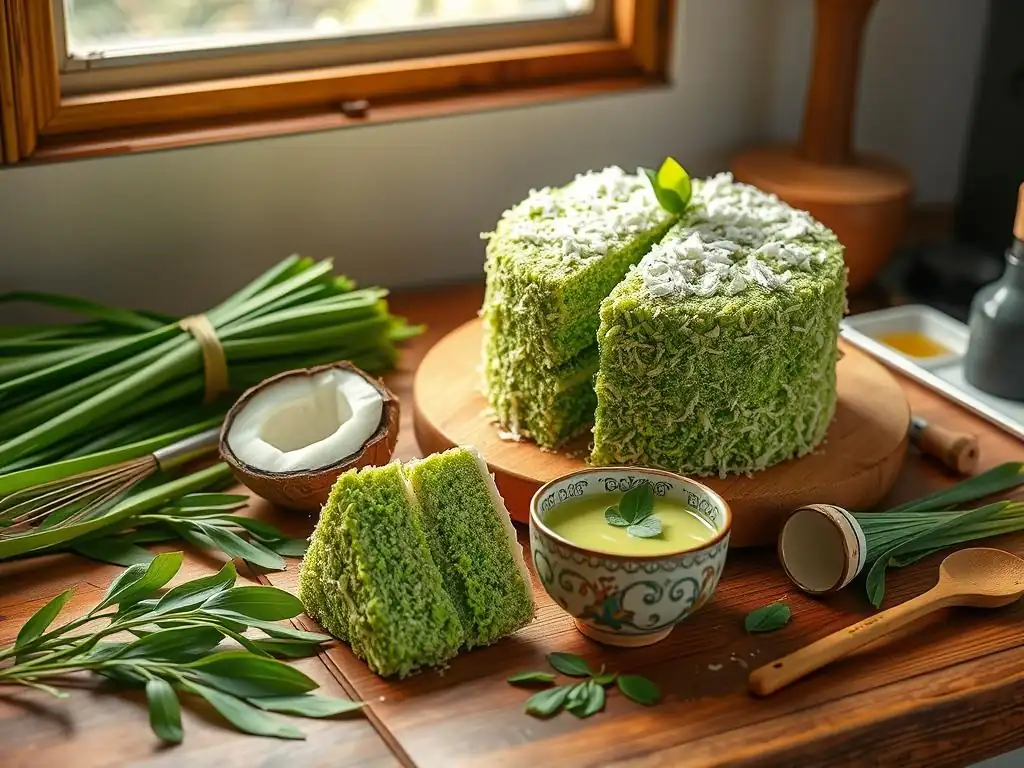
Maintaining Freshness: Proper Storage Techniques
Proper storage is essential to keep your pandan desserts fresh, moist, and flavorful. Most pandan desserts, especially those containing coconut milk, eggs, or cream (like pandan chiffon cake, kaya, panna cotta, or buko pandan salad), should be stored in the refrigerator due to their perishable ingredients. Allow baked goods like cakes to cool completely on a wire rack before storing to prevent condensation, which can lead to sogginess.
Store pandan desserts in airtight containers to protect them from drying out and absorbing odors from other foods in the refrigerator. Cakes can be stored as a whole or sliced; if sliced, placing parchment paper between slices can prevent sticking. Buko pandan salad and panna cotta should be covered tightly or stored in containers with lids. Refrigerated pandan desserts generally maintain their quality for about 3-5 days. Always check for any off smells or appearances before consuming.
Freezing Pandan Cakes and Desserts: Preservation Methods
Many pandan desserts, particularly cakes and some types of cookies or pastries, can be frozen for longer preservation. Freezing is an excellent option if you've baked a large batch or want to prepare desserts ahead of time. For pandan chiffon cake, ensure it's completely cool. Wrap the cake tightly in plastic wrap, followed by a layer of aluminum foil or place it in a freezer-safe bag or container. This double wrapping helps prevent freezer burn.
Smaller items like pandan cookies or klepon can be placed in a single layer on a baking sheet to freeze until firm, then transferred to a freezer bag or container. Buko pandan salad is generally not recommended for freezing as the texture of the jelly and coconut can degrade. To thaw frozen pandan cake, transfer it to the refrigerator overnight. Smaller items like klepon can often be steamed directly from frozen. Properly frozen pandan cakes can last for up to 2-3 months.
Other Southeast Asian Dessert Recipes
Exploring other Southeast Asian desserts can broaden your baking horizons and introduce you to more fascinating flavors and techniques. Consider trying your hand at Mango Sticky Rice, a classic Thai dessert featuring sweet glutinous rice, fresh mango, and a rich coconut sauce. Another popular Indonesian treat is Kue Lapis, a steamed layered cake often flavored with pandan and coconut or other colors and flavors.
Sago Gula Melaka from Malaysia and Singapore is a simple yet satisfying dessert made from sago pearls cooked and served with coconut milk and palm sugar syrup. Vietnam offers Che Ba Mau (Three Color Bean Dessert), a layered dessert with beans, jelly, and coconut milk. These recipes demonstrate the region's love for coconut, rice, and natural flavorings, much like the easy pandan cake recipe you might master.
[Link to Glutinous Rice Flour Recipes]
Conclusion: The Enduring Appeal of Pandan
Celebrate the Versatility of Pandan in Baking
Pandan is far more than just a green food coloring; it's an ingredient with a rich history and a complex, captivating aroma that has earned its place in the global culinary scene. From the light and airy pandan chiffon cake recipe easy for home bakers to attempt, to traditional treats like klepon and innovative fusions like pandan crème brûlée, its versatility in baking is truly remarkable. It pairs beautifully with coconut, sugar, and dairy, lending its unique fragrance to a wide array of textures and forms.
Whether you are a seasoned baker or just starting out, incorporating pandan into your repertoire offers an exciting opportunity to explore new flavors and techniques. Its natural appeal lies in its distinct aroma, vibrant color, and the comforting taste it brings to desserts. Don't hesitate to experiment with pandan extract or fresh leaves in your favorite recipes; you might discover a new signature dessert.
We hope this guide inspires you to explore the delightful world of pandan desserts. There's immense satisfaction in baking something fragrant and beautiful, and pandan certainly delivers on both fronts. From perfecting a classic pandan cake recipe easy enough for beginners to mastering more intricate creations, each baking adventure is a chance to learn and grow.
We encourage you to try making some of these pandan treats at home. Share your successes, your learning experiences, and photos of your beautiful green creations! The baking community thrives on shared knowledge and inspiration. So, preheat your ovens, gather your pandan leaves or extract, and get ready to fill your kitchen with the irresistible aroma of pandan. Happy baking!
Frequently Asked Questions
What makes Pandan cake so unique and appealing?
Pandan cake's unique appeal comes from its distinctive green color and naturally sweet, vanilla-like flavor derived from pandan leaves. Its light and fluffy texture also makes it a delightful treat.
Where can I find pandan leaves, and are there any substitutes if I can't find them?
Pandan leaves are often found in Asian grocery stores. If you can't find them, you can use pandan extract as a substitute, though the flavor might not be as authentic or use pandan paste.
Are these Pandan cake recipes truly "easy" for beginner bakers?
BakeWithEase focuses on providing simple, step-by-step guides with easy-to-find ingredients. Our "Pandan cake recipe easy" is designed for bakers of all levels, including beginners.
What are some variations or additions I can add to a basic Pandan cake recipe?
You can experiment with adding coconut milk for extra richness, shredded coconut for texture, or even a pandan-flavored frosting. Remember to adjust baking times as necessary.
How should I store Pandan cake to keep it fresh and moist?
Store Pandan cake in an airtight container at room temperature for up to three days, or in the refrigerator for up to a week. You can also wrap it tightly and freeze it for longer storage.
Final Reflection: The Enduring Allure of Pandan
The vibrant green hue and intoxicating aroma of pandan are more than just culinary trends; they represent a rich tapestry of culinary heritage and a growing appreciation for unique flavors. This exploration into the delightful world of pandan desserts, focusing on easy recipes, highlights the accessibility and versatility of this remarkable ingredient. From simple cakes to more elaborate creations, pandan's unique fragrance offers a captivating sensory experience that continues to resonate with home cooks and professional chefs alike.
The influence of pandan extends beyond the simple act of baking; it's a connection to Southeast Asian culture and a celebration of its diverse culinary traditions. The ease with which pandan can be incorporated into familiar recipes opens doors to new culinary adventures, fostering a sense of exploration and creativity in the kitchen. As we continue to embrace global flavors, pandan's popularity is a testament to our growing appreciation for diverse ingredients and the stories they tell. Food is symbolic of love when words are inadequate.
- Alan D. Wolfelt. This sentiment rings true for pandan, whose fragrant essence evokes memories and connects us to a rich cultural heritage.
Now, I invite you to embark on your own pandan journey. Experiment with the recipes shared, adapt them to your taste, and discover the joy of creating these fragrant treats. Don't be afraid to explore, to innovate, and to share the delightful results with loved ones. The world of pandan is vast and waiting to be explored – let your culinary creativity bloom!
Unleash Your Inner Baker: Pandan Delights Await!
Thanks for joining us on this fragrant journey into the world of pandan desserts! We hope you've discovered some delicious recipes and inspiration to create your own culinary masterpieces. Ready to take your baking skills to the next level?
- Bake your favorite pandan recipe today! Let us know how it turns out – we'd love to see your creations!
- Explore our website for more Asian-inspired baking recipes – we have a whole collection waiting to be discovered.
- Share your baking successes (or even your baking fails!) on social media using #BakeWithEasePandan – let's inspire each other!
What unique twist will you add to your next pandan dessert?