
Your First Asian Dessert Success: Simple Recipes to Start With

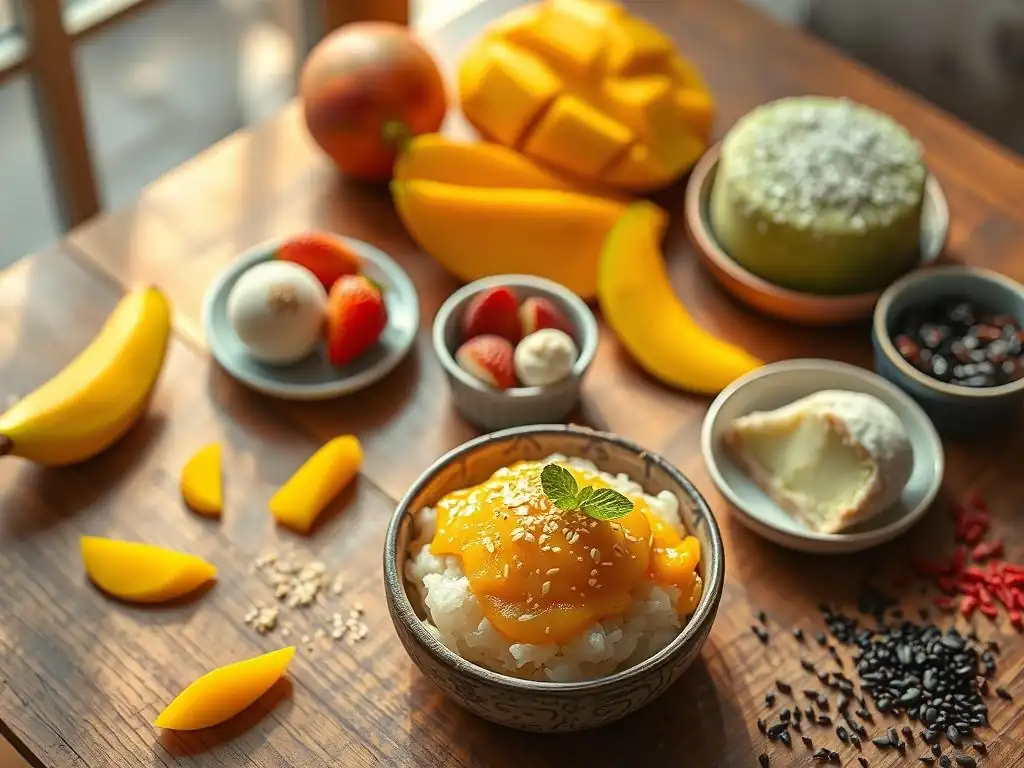
Welcome to BakeWithEase!
Ever dreamed of recreating those tantalizing flavors from your favorite Asian bakery? You're in the right place! Dive into our collection of easy Asian dessert recipes and discover how simple it can be to create stunning and delicious treats at home. From mochi to matcha delights, we'll guide you through each step. Ready to embark on a flavorful adventure? Let's get baking!
- BakeWithEase Presents: Delicious and Easy Asian Dessert Recipes for Beginners
- Why Start with Easy Asian Dessert Recipes?
- Top 3 Easy Asian Dessert Recipes to Bake Today
- Essential Baking Tips for Easy Asian Desserts
- Where to Find Ingredients for Your Asian Dessert Adventures
- Beyond the Basics: Expanding Your Easy Asian Dessert Repertoire
- BakeWithEase: Your Partner in Baking Success
-
Frequently Asked Questions
- What are some easy Asian dessert recipes suitable for beginners?
- Where can I find step-by-step guides for baking Asian desserts?
- What are some common ingredients used in Asian desserts?
- What baking techniques are most useful for creating Asian desserts?
- What makes a recipe considered an "easy" Asian dessert?
- Final Reflection: Unlocking a World of Sweetness, One Recipe at a Time
- Unlock Your Inner Pastry Chef: Asian Dessert Adventures Await!
BakeWithEase Presents: Delicious and Easy Asian Dessert Recipes for Beginners
Welcome to the wonderful world of Asian desserts! If you've ever been captivated by the unique flavors and textures of sweets from countries like Thailand, Japan, or Malaysia but felt intimidated to try making them yourself, you're in the right place. Many traditional Asian desserts are surprisingly simple to prepare at home, requiring minimal equipment and common ingredients. Our goal at BakeWithEase is to show you just how accessible and rewarding it is to create these delightful treats. We've curated a selection of truly easy Asian dessert recipes perfect for anyone starting their journey.
Embarking on baking adventures doesn't have to mean tackling complex layered cakes or intricate pastries right away. The beauty of many easy Asian dessert recipes lies in their straightforward techniques and focus on natural flavors derived from ingredients like rice, coconut, and various fruits and beans. These recipes are designed for success, ensuring that your first attempts are not just edible, but genuinely delicious. Get ready to impress yourself and your loved ones with vibrant, flavorful, and authentic Asian sweets, made right in your own kitchen with BakeWithEase's guidance.
Why Start with Easy Asian Dessert Recipes?
Discover the Delightful World of Asian Flavors
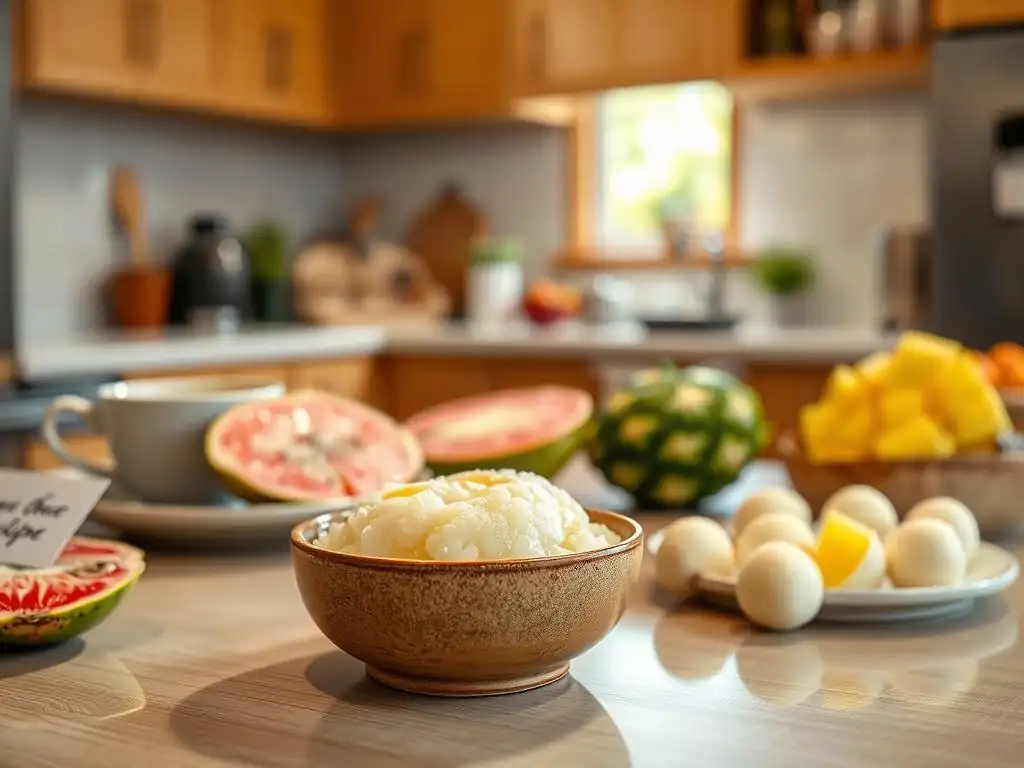
Asian desserts offer a fascinating departure from Western sweets, often featuring less reliance on heavy butter and cream and more emphasis on subtle sweetness, unique textures, and fragrant aromatics. Common flavors include pandan, a fragrant leaf with a unique vanilla-like aroma; coconut, used in various forms like milk, cream, and shredded; red bean paste, a sweet and earthy staple; and matcha, the vibrant green tea powder.
These ingredients create a diverse palette of tastes, from the creamy richness of mango sticky rice to the chewy delight of mochi or the light airiness of Japanese cheesecake. Exploring these flavors through easy Asian dessert recipes provides a wonderful cultural and culinary experience.
The regional variety within Asian desserts is immense. For instance, Southeast Asian sweets frequently utilize coconut milk, palm sugar, and tropical fruits like mango and durian, often prepared through steaming or boiling. Japanese desserts, on the other hand, often focus on rice-based mochi, red bean paste (anko), and delicate textures, frequently incorporating matcha. Chinese desserts might feature ingredients like black sesame, ginger, and various jellies. Starting with easy Asian dessert recipes allows you to sample this rich diversity without needing advanced skills, opening doors to a whole new world of sweet possibilities.
Beginner-Friendly Baking: Achieving Success from the First Attempt
Many easy Asian dessert recipes are inherently beginner-friendly, relying on simple techniques that don't require specialized equipment or advanced baking knowledge. Techniques like steaming, boiling, and chilling are common, often replacing the precise temperature control and finicky steps sometimes associated with oven-based baking. For example, making mochi involves simple mixing and microwaving or steaming, while mango sticky rice primarily requires cooking rice and simmering a sauce. These methods minimize common baking pitfalls like uneven heating or collapsing structures.
The forgiving nature of ingredients like rice flour and coconut milk also contributes to the high success rate of easy Asian dessert recipes for beginners. Unlike wheat flour pastries that can become tough with overmixing, rice-based doughs are often more pliable. Coconut milk provides moisture and richness without the risk of curdling that can sometimes happen with dairy. Focusing on recipes that utilize these forgiving ingredients and simple techniques ensures that even a novice baker can achieve delicious results on their very first try, building confidence and encouraging further exploration.
Affordable and Accessible Ingredients for Asian Desserts
One of the great advantages of diving into easy Asian dessert recipes is the accessibility and affordability of many key ingredients. Staples like various types of rice flour (glutinous rice flour, rice flour), coconut milk, sugar, and common fruits like mangoes or bananas are widely available in most large supermarkets or local Asian grocery stores. A 1-pound bag of glutinous rice flour, for instance, often costs around $2-$4 and can be used for multiple batches of mochi or other treats. Canned coconut milk is typically priced between $2-$3 for a standard 13.5-ounce can.
Even specialty ingredients like pandan extract or red bean paste are becoming more common and reasonably priced. A small bottle of pandan extract might cost around $5-$8 but lasts for many uses due to its potency. A can of sweetened red bean paste is usually in the $3-$5 range. Compared to the cost of multiple types of butter, cream cheese, or specialty flours required for some Western desserts, the initial investment for ingredients for easy Asian dessert recipes is often quite modest, making it a very budget-friendly way to explore new baking horizons.
Top 3 Easy Asian Dessert Recipes to Bake Today
Recipe 1: Mochi Magic: Simple Sweet Rice Cakes for Beginners
Mochi, the chewy, delightful Japanese sweet rice cake, is surprisingly easy to make at home, especially with a simplified microwave method. This recipe focuses on basic mochi dough, which can be filled or coated in various ways. The key ingredients are glutinous rice flour (also known as sweet rice flour), sugar, and water.
A typical batch requires about 1 cup (120g) of glutinous rice flour, 1/4 cup (50g) of sugar, and 3/4 cup (180ml) of water, yielding approximately 12-15 small mochi pieces. This simple combination, when heated and kneaded, transforms into the signature stretchy texture that mochi is known for.
The basic technique involves mixing the ingredients, heating the mixture until it becomes thick and translucent, and then kneading it while still warm. This process develops the chewiness. For beginners, the microwave method is highly recommended as it's quick and requires minimal cleanup. Steaming is another traditional method that yields a slightly different texture but is also straightforward, typically taking about 15-20 minutes over high heat. The dough needs to be handled with a bit of cornstarch or potato starch (katakuriko) to prevent sticking, which is crucial for shaping.
Understanding Mochi: Ingredients and Basic Techniques
Mochi's unique texture comes from amylopectin, a component of glutinous rice starch. When glutinous rice flour is heated with water, this starch gelatinizes and becomes incredibly sticky and elastic. The quality of your glutinous rice flour is important; look for flour specifically labeled "glutinous" or "sweet rice flour." Standard rice flour will not work as it lacks the necessary starch composition. Sugar is added not just for sweetness but also to help keep the mochi soft and prevent it from becoming too hard once cooled.
The two primary cooking methods for mochi dough from flour are steaming and microwaving. Steaming, done over a pot of boiling water for about 15-20 minutes, cooks the dough gently and evenly. Microwaving is much faster, often taking only 3-5 minutes with pauses to stir, but requires careful monitoring to prevent overcooking. After cooking, the hot dough needs to be kneaded briefly (often using a spatula or wooden spoon due to the heat) to develop its smooth, elastic texture. This kneading phase is short but essential for achieving the perfect chewiness.
Step-by-Step Mochi Recipe for a Perfect First Batch
Here is a simple microwave mochi recipe:
- In a microwave-safe bowl, whisk together 1 cup (120g) glutinous rice flour and 1/4 cup (50g) granulated sugar.
- Gradually add 3/4 cup (180ml) water, whisking until smooth and no lumps remain.
- Cover the bowl with plastic wrap, leaving one corner slightly open for steam to escape.
- Microwave on high for 1 minute. Remove and stir the mixture with a wet spatula.
- Re-cover and microwave for another 1 minute. Stir again. The mixture should be thickening.
- Continue microwaving in 30-second intervals, stirring well after each, until the dough is thick, translucent, and pulls away from the sides of the bowl (usually 3-5 minutes total).
- Dust a clean surface generously with cornstarch or potato starch.
- Carefully scrape the hot mochi dough onto the starched surface.
- Allow to cool slightly until manageable, then gently knead it for a minute or two using a starch-dusted spatula or hands (be cautious, it will be hot).
- Once smooth, cut the dough into portions (e.g., 12-15 pieces) using a starched knife or bench scraper.
- Shape each piece as desired, often flattening and filling with a small amount of red bean paste, or simply coating in roasted soybean flour (kinako) or shredded coconut.
- Serve fresh! Mochi is best enjoyed the day it's made.
Flavor Variations: Black Sesame Mochi, Ube Mochi
Once you've mastered the basic mochi dough, you can easily introduce different flavors. Black sesame mochi is popular for its nutty, slightly earthy taste and striking grey color. To make it, you can incorporate 1-2 tablespoons of finely ground roasted black sesame seeds into the dry ingredients before adding water. The amount can be adjusted based on desired intensity. Alternatively, you can use black sesame paste as a filling for plain mochi.
Ube (purple yam) mochi is another vibrant and delicious variation, especially popular in the Philippines. You can add 1-2 tablespoons of ube extract (available in Asian markets) to the wet ingredients, which will give the mochi a beautiful purple hue and a distinct, slightly vanilla-like flavor. For a richer ube experience, you can also use ube halaya (sweetened ube jam) as a filling. These variations demonstrate how easily the basic easy Asian dessert recipes can be adapted to explore different cultural flavors.
Recipe 2: Mango Sticky Rice: A Classic Thai Dessert, Simplified
Mango sticky rice (Khao Niao Mamuang) is a beloved Thai dessert that perfectly balances sweet, savory, and creamy flavors. Despite its gourmet appeal, the process is quite simple, making it an ideal easy Asian dessert recipe for beginners. The dish consists of three main components: sweet sticky rice, fresh mango, and a rich coconut milk sauce. A standard recipe for about 4-6 servings typically uses 1 cup (about 200g) of glutinous rice, 1 can (400ml) of full-fat coconut milk, 1/4 to 1/2 cup (50-100g) of sugar (depending on desired sweetness), a pinch of salt, and 1-2 ripe mangoes.
The key to this dessert's success lies in properly preparing the sticky rice and the infused coconut sauce. The rice needs to be cooked until tender yet still slightly chewy, and then immediately mixed with a warm, sweetened coconut milk mixture that it absorbs, becoming rich and fragrant. The mango should be perfectly ripe – sweet, soft, and fragrant. This simple assembly process, combining the warm, infused rice with cool, fresh mango and a drizzle of extra sauce, creates a harmonious and incredibly satisfying dessert that requires no baking whatsoever.
The Secret to Perfect Sticky Rice: A Beginner's Guide
Achieving the right texture for the sticky rice is the most crucial step. You must use glutinous rice (also called sweet rice), not regular jasmine or basmati rice. The rice needs to be thoroughly washed before cooking to remove excess starch. A common method is to rinse it under cold running water until the water runs clear, which might take 5-10 minutes.
After washing, the rice must be soaked. Soaking times vary, but for best results and quick cooking, soaking for at least 4 hours or preferably overnight in cold water is recommended. This allows the rice grains to absorb water evenly, leading to uniform cooking.
After soaking, the rice is traditionally steamed, not boiled like regular rice. Steaming allows the rice to cook through without becoming mushy. You can use a bamboo steamer lined with cheesecloth over a pot of boiling water, or a metal steamer insert.
Steam the soaked and drained rice for about 20-30 minutes, or until the grains are tender and translucent. During steaming, it's helpful to flip the rice halfway through to ensure even cooking. The cooked rice is then transferred to a bowl and mixed with the warm coconut milk sauce while it's still hot, allowing it to absorb the liquid fully.
Easy Mango Preparation: Slicing and Serving Tips
Selecting a ripe mango is essential for mango sticky rice. Look for mangoes that are fragrant, slightly soft to the touch (but not mushy), and have vibrant color (though color can vary by variety). Popular varieties like Ataulfo (honey mango) or Alphonso are excellent choices due to their sweetness and lack of fibrous texture. Before slicing, wash the mango. To prepare, stand the mango on its end and slice downwards about a quarter-inch from the stem, avoiding the large flat pit in the center. Repeat on the other side. You'll have two "cheeks."
You can score the flesh of each cheek into a grid pattern with a knife, being careful not to cut through the skin. Then, gently push the skin side outwards, and the mango cubes will pop up, making them easy to slice off. Alternatively, you can scoop the flesh out with a spoon. Peel the skin from the remaining pit section and slice off any usable flesh. Arrange the sliced or cubed mango alongside the warm coconut sticky rice on a plate. A typical serving uses about half to one full mango per person, depending on size and preference.
Shortcut for the Coconut Milk Sauce: Achieving the Authentic Taste
The coconut milk sauce is what infuses the sticky rice with sweetness and richness. An easy shortcut involves using canned full-fat coconut milk. Combine a standard 13.5-ounce (400ml) can of full-fat coconut milk in a saucepan with 1/4 to 1/2 cup (50-100g) of granulated sugar and a pinch of salt (about 1/4 teaspoon). Heat this mixture over medium heat, stirring constantly, until the sugar is fully dissolved. Bring it just to a simmer, but do not boil vigorously, as this can cause the coconut milk to separate.
Once the sugar is dissolved and the sauce is warm, remove it from the heat. Immediately pour about 3/4 of this warm sauce over the hot steamed sticky rice in a bowl. Cover the bowl and let it sit for 15-20 minutes, stirring occasionally, until the rice has absorbed most of the liquid and become plump and glossy.
The remaining 1/4 of the sauce can be thickened slightly by simmering for another minute or two (optional, but adds a nice finishing drizzle) and is served alongside the rice and mango. Some recipes also reserve a tiny amount of coconut cream from the top of the can to drizzle over the finished dish for extra richness.
Recipe 3: Japanese Cheesecake: Fluffy and Light, Made Easy
Japanese cheesecake, often called cotton cheesecake or soufflé cheesecake, is renowned for its incredibly light, airy, and wobbly texture, a stark contrast to dense Western cheesecakes. While traditional methods can be finicky, simplified easy Asian dessert recipes for this classic make it accessible for home bakers.
The key difference lies in the technique, which incorporates more air into the batter, and the use of less cream cheese and sugar compared to its American counterpart. A typical recipe uses cream cheese (around 8 oz or 225g), butter (around 1/4 cup or 50g), milk (around 1/2 cup or 120ml), egg yolks, and a significant amount of whipped egg whites.
This easy version simplifies the process, often by adjusting ingredient ratios or using a slightly different baking method to reduce the risk of cracking or collapsing. The result is still wonderfully light and less sweet than traditional cheesecakes. While authentic recipes often use a water bath for gentle, even cooking, some simplified easy Asian dessert recipes adapt the process to work without one, making it much easier for beginners. The focus remains on achieving that signature cloud-like texture with minimal effort.
Understanding the Japanese Cheesecake Texture: The Key Ingredients
The unique texture of Japanese cheesecake is primarily due to the combination of a cooked milk/cheese base and a large quantity of meringue (whipped egg whites and sugar). The base is made by gently heating cream cheese, butter, and milk (or sometimes a mix of milk and heavy cream) until smooth and melted. This mixture is then combined with egg yolks and flour (usually cake flour or a mix of all-purpose and cornstarch). This creates a relatively liquid batter compared to Western cheesecakes.
The magic happens when stiff-peaked egg whites, whipped with sugar into a stable meringue, are gently folded into the cheese batter. This folding incorporates a significant amount of air, which expands during baking, causing the cake to rise dramatically and become incredibly light. The relatively low amount of flour provides just enough structure to hold the air pockets, resulting in the characteristic fluffy, melt-in-your-mouth texture. Using room temperature ingredients, especially the cream cheese and eggs, is crucial for achieving a smooth batter and stable meringue.
Simplified Baking Instructions: No Water Bath Required!
While a water bath is traditionally used to provide a moist environment and prevent the cake from cracking or overcooking around the edges, simplified easy Asian dessert recipes for Japanese cheesecake often skip this step to make the process easier. Instead, they might rely on lower baking temperatures and specific cooling techniques. A common simplified approach is to bake the cheesecake in a standard oven at a moderate temperature, such as 300-325°F (150-160°C), after an initial higher temperature burst (e.g., 350°F/175°C for 15-20 minutes) to help it rise.
Another technique in easier versions is to turn off the oven after the main baking time and leave the cheesecake inside with the oven door slightly ajar for 30-60 minutes. This slow cooling prevents a drastic temperature change that can cause the cake to deflate or crack.
Using parchment paper to line the bottom and sides of the cake pan (often a round springform pan, typically 6 or 7 inches in diameter for a taller cake) helps prevent sticking and makes removal easier. Ensuring the batter is smooth and the meringue is properly folded in are key steps for success even in a simplified method.
Serving Suggestions: Whipped Cream, Fresh Fruit
Japanese cheesecake is often enjoyed plain, either warm or chilled, to appreciate its unique texture and subtle flavor. However, it pairs beautifully with simple accompaniments that complement its lightness. A dollop of lightly sweetened whipped cream is a classic choice, adding a touch of richness without overpowering the cake. Use heavy whipping cream, whipped to soft or medium peaks with a little powdered sugar and perhaps a splash of vanilla extract.
Fresh fruit provides a refreshing contrast to the creamy cake. Sliced strawberries, blueberries, raspberries, or segments of oranges are excellent options. A simple fruit compote or coulis (a pureed fruit sauce) can also be drizzled over the top. For a traditional touch, some people serve it with a light dusting of powdered sugar. The delicate flavor of the cheesecake means that simple, fresh toppings work best, highlighting its airy texture rather than masking it.
Essential Baking Tips for Easy Asian Desserts
Mastering the Use of Rice Flour in Asian Baking
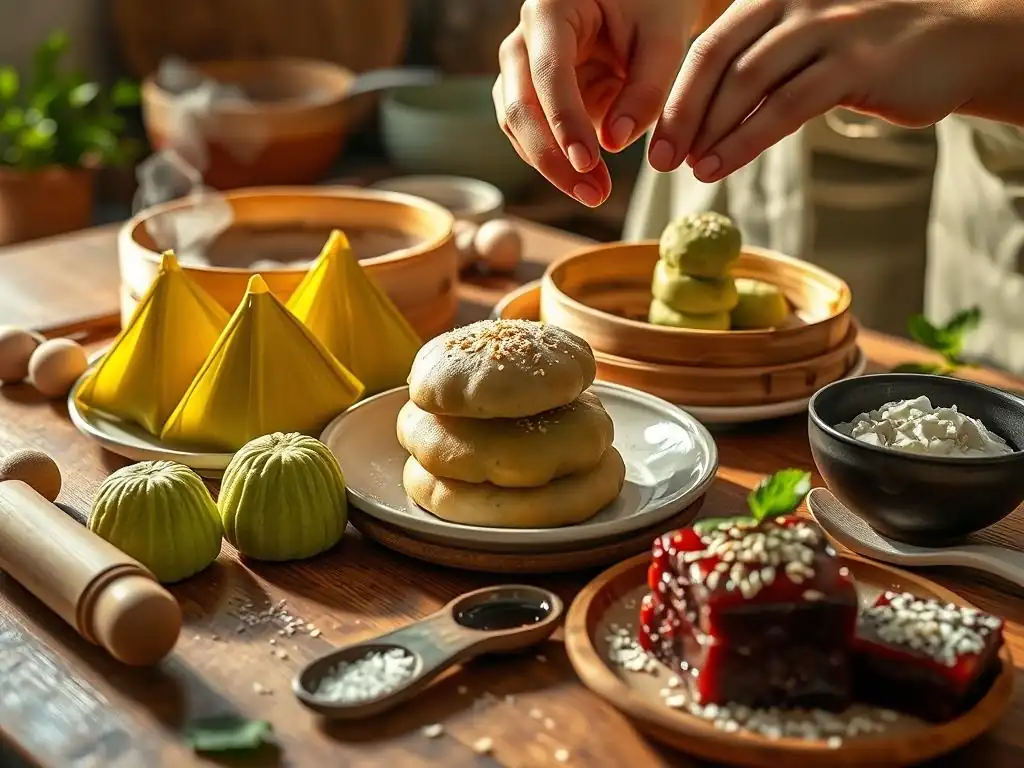
Rice flour is a fundamental ingredient in many easy Asian dessert recipes, appearing in various forms like regular rice flour, glutinous rice flour (sweet rice flour), and sometimes brown rice flour. Understanding the difference is crucial. Regular rice flour, made from long or medium-grain rice, is non-glutinous and gives baked goods a tender, slightly sandy texture; it's often used in steamed cakes or cookies.
Glutinous rice flour, made from short-grain glutinous rice, is high in amylopectin starch and is responsible for the chewy, sticky texture of mochi, tangyuan, and many Southeast Asian kuih (steamed cakes). It absorbs less water than wheat flour and behaves very differently when heated.
When working with glutinous rice flour, especially for doughs like mochi, the key is proper hydration and heating. The dough will transform from a wet batter into a cohesive, stretchy mass as it cooks. Using the correct ratio of liquid to flour is vital, as too little liquid results in a dry, crumbly texture, while too much makes it too sticky to handle. Always measure accurately, often by weight for best results (1 cup glutinous rice flour is approximately 120-140g depending on packing).
For recipes requiring steaming, ensure your steamer is fully heated and produces consistent steam. For microwaving, stir frequently to prevent uneven cooking. Dusting your work surface and hands generously with starch (cornstarch, potato starch, or tapioca starch) is absolutely essential when shaping glutinous rice doughs, as they are incredibly sticky.
Working with Coconut Milk: Tips and Tricks
Coconut milk is another pillar of easy Asian dessert recipes, providing richness, flavor, and moisture. It comes in various forms: full-fat canned coconut milk, light canned coconut milk, coconut cream (thicker than milk), and sometimes fresh or frozen. For most traditional and rich easy Asian dessert recipes like mango sticky rice or many types of kuih, full-fat canned coconut milk is preferred as it provides the best flavor and texture.
When using canned coconut milk, the cream often separates and rises to the top. You can either shake the can well before opening to recombine it, or scoop off the thick cream layer to use separately for a richer topping or in the recipe base.
Heating coconut milk requires care. It can curdle or separate if boiled too vigorously or heated for too long, especially if it contains stabilizers. When simmering coconut milk for sauces or bases, keep the heat low to medium and stir gently but frequently.
Avoid high heat rolling boils. If a recipe calls for coconut cream, you can often achieve a similar result by refrigerating a can of full-fat coconut milk overnight and scooping the thickened cream from the top. For the best flavor, some recipes might suggest using fresh coconut milk if available, but canned is perfectly acceptable and much more convenient for easy Asian dessert recipes at home.
Understanding Asian Sweeteners: Palm Sugar, Black Sugar
While granulated white sugar is used in many modern or simplified easy Asian dessert recipes, traditional recipes often call for other sweeteners like palm sugar or black sugar (also known as brown sugar or muscovado in some contexts). Palm sugar, derived from the sap of palm trees (like coconut palm or date palm), comes in various forms, including blocks, cakes, or granules. It has a rich, caramel-like flavor and a softer sweetness than white sugar.
It's commonly used in Southeast Asian desserts like mango sticky rice and various steamed cakes. When using block palm sugar, you'll typically need to chop or grate it finely before dissolving it in liquid.
Black sugar, particularly Okinawan kokuto (black sugar) from Japan or similar unrefined cane sugars, has a deep, molasses-like flavor and a darker color. It's used in Japanese sweets and some Chinese desserts like tangyuan fillings. These unrefined sugars contain more minerals than white sugar, contributing to their distinct taste profile.
While you can often substitute white or brown sugar in a pinch for easy Asian dessert recipes, using the specified Asian sweetener will lend a more authentic flavor depth. If substituting, note that palm sugar is slightly less sweet than white sugar, so you might need to adjust the amount. Black sugar has a stronger flavor, so use it mindfully if substituting.
Where to Find Ingredients for Your Asian Dessert Adventures
Local Asian Markets: Your Treasure Trove of Ingredients
For the most authentic and diverse selection of ingredients needed for easy Asian dessert recipes, your local Asian market is the best resource. These stores stock a wide variety of rice flours (glutinous, non-glutinous, brown), different types of coconut milk and cream (canned, frozen, sometimes fresh), an array of Asian sweeteners (palm sugar blocks, various types of brown sugar, rock sugar), specialty extracts (pandan, ube), and unique items like red bean paste, mung bean paste, tapioca pearls, and various jellies. You'll find multiple brands and sizes, often at very competitive prices compared to standard supermarkets.
Visiting an Asian market also offers a chance to discover ingredients you might not have known about, expanding your possibilities for future easy Asian dessert recipes. Store clerks are often knowledgeable and can help you find specific items or recommend alternatives. Look for aisles dedicated to baking supplies, rice and noodles, and canned goods. Prices can vary, but you can typically find a 1-pound bag of glutinous rice flour for under $4, a can of coconut milk for under $3, and a block of palm sugar for around $2-$5, making it very affordable to stock up on staples.
Online Retailers: Ordering Specialty Ingredients with Ease
If you don't have access to a local Asian market or are looking for very specific or regional ingredients for your easy Asian dessert recipes, online retailers are an excellent option. Websites specializing in Asian groceries or general international food stores online carry a vast selection of items, from common rice flours and coconut products to harder-to-find extracts, pastes, and specialty sugars like Okinawan black sugar or specific types of palm sugar. Many offer nationwide shipping, bringing the ingredients directly to your door.
When ordering online, pay attention to shipping costs and minimum order requirements. Buying in larger quantities can sometimes save money on both the ingredients and shipping. Check reviews for ingredient quality and freshness, especially for items like dried goods or extracts. While prices for individual items might be slightly higher than in a physical Asian market, the convenience and access to a wider range of specialty items for easy Asian dessert recipes can make it well worth it. Look for reputable sites that specialize in Asian food products.
Ingredient Substitutions: When You Can't Find the Exact Item
While using authentic ingredients is ideal for achieving the true flavor of easy Asian dessert recipes, sometimes substitutions are necessary. For glutinous rice flour, there is no direct substitute that will yield the same chewy texture; it's a key ingredient you'll likely need to source specifically. However, for other items, alternatives exist.
If you can't find palm sugar, a mix of light or dark brown sugar and a smaller amount of granulated sugar can approximate the flavor and sweetness, though the caramel notes might be less pronounced. Use about 3/4 cup brown sugar mixed with 1/4 cup white sugar for every cup of palm sugar called for, adjusting to taste.
For coconut milk, while full-fat is recommended, light coconut milk can be used for a less rich dessert, though you might need to adjust liquid amounts slightly. Canned coconut cream can be diluted with water to approximate coconut milk. Pandan extract can be substituted with vanilla extract in some recipes, although the flavor will be different.
Red bean paste can sometimes be substituted with other sweet bean pastes if the texture is similar. Always research specific substitutions for the recipe you are making, as the effectiveness of a substitute can depend heavily on the context of the easy Asian dessert recipe.
Beyond the Basics: Expanding Your Easy Asian Dessert Repertoire
Exploring Other Easy Asian Dessert Options: Banh Flan, Kuih Seri Muka
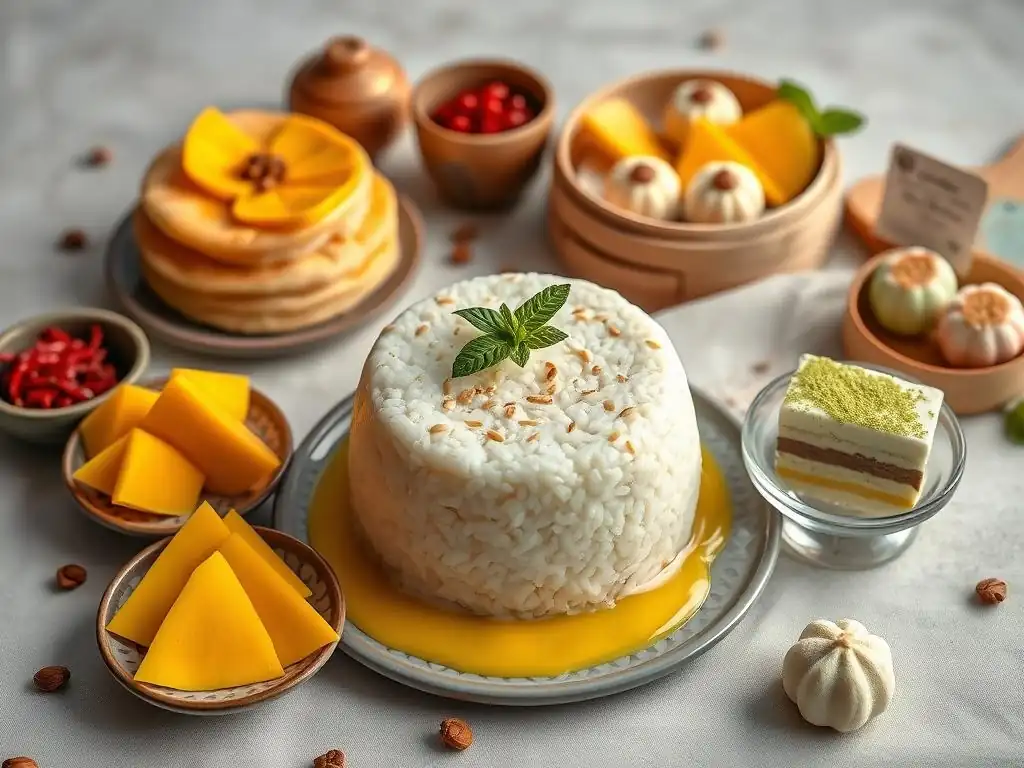
Once you've successfully made mochi, mango sticky rice, or Japanese cheesecake using easy Asian dessert recipes, you'll find a wealth of other beginner-friendly options waiting to be explored. Banh Flan, the Vietnamese caramel custard, is remarkably similar to French crème caramel but often uses condensed milk for extra richness and ease. It requires simple steaming or baking in a water bath and yields a silky, sweet dessert. The primary ingredients are eggs, milk (or condensed milk), sugar for the caramel, and vanilla.
Kuih Seri Muka is a beautiful two-layered Malaysian steamed cake. The bottom layer is made from glutinous rice cooked with coconut milk, and the top layer is a smooth, green custard flavored with pandan and coconut milk. While it looks impressive, the process involves cooking the rice layer and then steaming the custard layer on top, both relatively simple steps.
Key ingredients include glutinous rice, coconut milk, pandan juice or extract, sugar, and a little rice flour or cornstarch for the custard. Many Kuih recipes fall under the umbrella of easy Asian dessert recipes once you understand the basic steaming techniques.
Tips for Adapting Recipes for Different Dietary Needs: Gluten-Free, Vegan
Many easy Asian dessert recipes are naturally gluten-free, as they are based on rice flour rather than wheat flour. Mochi, mango sticky rice, and many steamed rice cakes (like those made with glutinous rice flour) are inherently gluten-free, provided no gluten-containing additives are introduced. Always check ingredient labels for cross-contamination if catering to celiac disease. For recipes that might use a small amount of wheat flour (like some older Japanese cheesecake recipes), you can often substitute with a gluten-free flour blend or increase the cornstarch slightly, though this may affect texture.
Adapting easy Asian dessert recipes to be vegan is often straightforward, as many traditional recipes already use plant-based ingredients. Coconut milk is a natural dairy substitute. Egg-based desserts like Japanese cheesecake or Banh Flan require more significant modification; egg substitutes or specific vegan recipes designed to mimic the texture would be needed. For mochi or rice cakes, ensure the sugar used is vegan (some white sugars are processed with bone char, though this is less common now). Red bean paste is typically vegan. Many jelly desserts (like grass jelly or agar-agar based sweets) are also naturally vegan.
Recommended Resources for Further Learning About Asian Desserts
To deepen your understanding and explore more easy Asian dessert recipes, numerous resources are available. Cookbooks dedicated to specific regional cuisines (Thai, Japanese, Malaysian, Filipino, etc.) or general Asian baking often provide detailed recipes and cultural context. Look for books by authors specializing in Asian cuisine. Websites and blogs focusing on Asian cooking are also invaluable, offering a wide range of recipes, ingredient guides, and technique tutorials. Search for terms like "simple Thai desserts," "beginner Japanese sweets," or "easy mochi recipe" to find reliable sources.
Online cooking communities and forums focused on baking or Asian cuisine can also provide support, tips, and answers to questions as you tackle new easy Asian dessert recipes. Watching video tutorials on platforms like YouTube can be particularly helpful for visual learners, allowing you to see techniques like kneading mochi dough or slicing mango step-by-step. Many culinary schools or cooking classes also offer workshops specifically on Asian desserts. Combining recipes with learning about the cultural background of these sweets will enrich your baking experience.
BakeWithEase: Your Partner in Baking Success
Frequently Asked Questions
What are some easy Asian dessert recipes suitable for beginners?
Many easy Asian dessert recipes include Mochi, Mango Sticky Rice, and Bubble Tea. These recipes generally require fewer ingredients and simpler techniques, making them perfect for those starting their baking journey.
Where can I find step-by-step guides for baking Asian desserts?
Websites like BakeWithEase.com often provide step-by-step guides with pictures or videos. Look for recipes specifically labeled as "beginner-friendly" or "easy" for the best results.
What are some common ingredients used in Asian desserts?
Common ingredients include rice flour, coconut milk, tapioca starch, red bean paste, and pandan extract. These ingredients can often be found in Asian grocery stores or online retailers.
What baking techniques are most useful for creating Asian desserts?
Steaming, kneading dough for mochi, and making simple syrups are common baking techniques. Mastering these basics will help you succeed in many Asian dessert recipes.
What makes a recipe considered an "easy" Asian dessert?
An "easy" Asian dessert typically has a short ingredient list, uses readily available ingredients, and requires minimal complex steps or specialized equipment. It prioritizes simplicity and accessibility for new bakers.
Final Reflection: Unlocking a World of Sweetness, One Recipe at a Time
The vibrant tapestry of Asian desserts, once perceived as intimidatingly complex, is now readily accessible to home cooks everywhere. This accessibility unlocks not just delicious treats, but also a deeper understanding and appreciation for diverse culinary traditions. The ease with which these simple recipes can be mastered empowers anyone to explore a world of flavor previously considered out of reach.
The journey of discovering these easy Asian desserts has been a personal revelation, highlighting the power of simple ingredients to create extraordinary experiences. It's a testament to the universality of sweetness and the joy found in sharing culinary traditions. Food is symbolic of love when words are inadequate.
- Alan D. Wolfelt. This quote perfectly encapsulates the emotional connection we forge through the act of creating and sharing these delightful treats, bridging cultural gaps and fostering a sense of community.
Now, it's your turn. Don't be intimidated by the unfamiliar; embrace the adventure of exploring these recipes. Pick one that sparks your interest, gather your ingredients, and let the sweet aromas guide you. The satisfaction of creating something delicious and beautiful, something that connects you to a rich culinary heritage, is a reward in itself. Let the sweetness inspire you, and share the joy with those you love.
Unlock Your Inner Pastry Chef: Asian Dessert Adventures Await!
Thanks for joining us on this delicious journey into the world of Asian desserts! We hope you’ve discovered some incredibly simple yet rewarding recipes to get you started. Ready to take your baking to the next level?
- Master your first Asian dessert: Choose one recipe from the article and try it today! See how easy it is to create these amazing treats.
- Share your baking triumph: Post a picture of your creation on social media and tag us – we'd love to see your delicious results!
- Explore our other Asian-inspired recipes: Discover even more tempting treats on our website (bakewithease.com) to expand your culinary horizons.
What’s the first Asian dessert you’re going to bake? Let us know in the comments below!