
Ingredient Spotlight: How Specific Emulsifiers Behave in Your Recipes

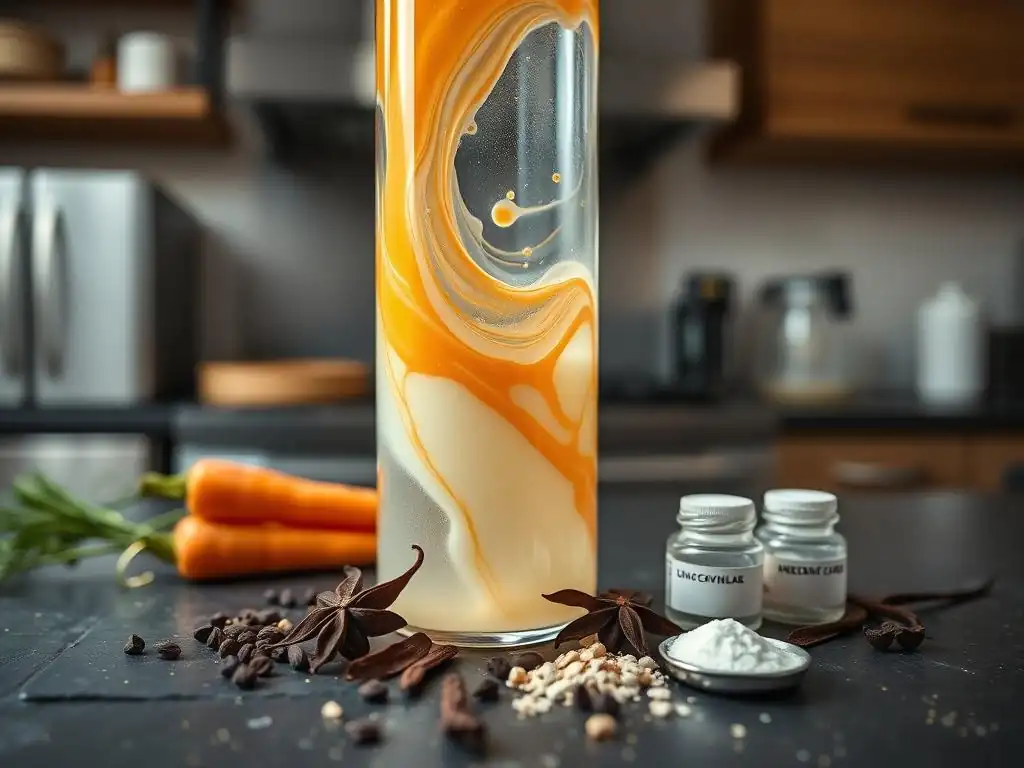
Welcome to BakeWithEase, where we unlock the secrets to baking success! Ever wondered how specific emulsifiers can dramatically impact the texture and consistency of your baked goods? This week, we're diving deep into the science behind these crucial ingredients, offering emulsifier baking recipe tips that will transform your understanding of baking. Prepare to elevate your skills and discover how to achieve perfect results every time – let's get started!
- Understanding Emulsification in Baking: A Deep Dive for BakeWithEase Bakers
- Ingredient Spotlight: Exploring Common Baking Emulsifiers
- Emulsifier Baking Recipe Tips: Mastering the Art of Emulsification
- Advanced Emulsification Techniques for the Ambitious BakeWithEase Baker
- Optimizing Your Baking with Emulsifiers: BakeWithEase Recommendations
-
Frequently Asked Questions
- What exactly is an emulsifier in baking, and why is it important?
- What are some common examples of emulsifiers I might already have in my kitchen?
- How does the choice of emulsifier affect the final product of my baking recipe?
- Can I substitute one emulsifier for another in a baking recipe?
- Where can I find more "Emulsifier baking recipe tips" specific to the recipes on BakeWithEase.com?
- Final Reflection: The Unexpected Alchemy of Emulsifiers
- Unleash Your Baking Potential: Master Emulsifiers!
Understanding Emulsification in Baking: A Deep Dive for BakeWithEase Bakers
Emulsification might sound like a complex scientific term, but it's a fundamental process that makes many of our favorite baked goods possible. At its core, emulsification is the process of combining two liquids that don't naturally mix, like oil and water, into a stable, homogeneous mixture. Think about mayonnaise or salad dressing – they rely on emulsification to stay together rather than separating into layers. In baking, this process is crucial for creating smooth batters, tender crumbs, and stable doughs.
Understanding how emulsifiers work gives you incredible control over your baking outcomes. It's not just about following a recipe; it's about understanding the science behind why it works. Whether you're tackling a delicate cake, a rich brioche, or a silky ganache, mastering emulsification is a key skill for any aspiring or experienced baker. These emulsifier baking recipe tips will elevate your creations from good to truly exceptional, ensuring consistent results every time you bake.
Why Emulsifiers Matter in Baking Recipes
Emulsifiers act as bridges between oil and water molecules. One part of the emulsifier molecule is attracted to water (hydrophilic), and the other part is attracted to oil (lipophilic). By positioning themselves at the interface between the two liquids, they reduce the surface tension and prevent the oil and water from separating. This creates a stable emulsion, where tiny droplets of one liquid are dispersed evenly throughout the other.
In baking, this stability translates directly into improved texture, moisture distribution, and shelf life. For instance, in cake batters, emulsifiers help distribute fat evenly, leading to a finer, softer crumb. In bread doughs, they strengthen the gluten network and improve volume. Without effective emulsification, you might end up with greasy cakes, dense breads, or broken sauces. Mastering emulsifier baking recipe tips is essential for consistent, high-quality results.
Emulsifiers: The Key to Perfect Baking Textures
The right emulsifier can drastically improve the texture of your baked goods. Consider the difference between a simple oil and water mixture (which quickly separates) and a smooth, creamy custard or a fluffy cake batter. Emulsifiers are the secret ingredient making that difference. They ensure that fat and water are finely dispersed, preventing the fat from clumping together or separating out during mixing and baking.
This even distribution of fat and moisture results in a more tender crumb in cakes and muffins, a softer bite in cookies, and a more elastic and extensible dough in breads. Emulsifiers also play a role in aeration, helping to incorporate air into batters, which contributes to leavening and a lighter texture. For example, the phospholipids in egg yolks help stabilize the air bubbles whipped into meringues or sponge cakes. Understanding these interactions is a core part of effective emulsifier baking recipe tips.
Ingredient Spotlight: Exploring Common Baking Emulsifiers
Soy Lecithin: The Versatile Emulsifier for BakeWithEase Recipes
Soy lecithin is a fascinating ingredient often found in commercial baked goods and increasingly available for home bakers. It's a complex mixture of phospholipids, glycolipids, triglycerides, and sterols. Its primary function as an emulsifier comes from its phospholipid content, which has both water-attracting and fat-attracting properties. It's incredibly versatile, acting not only as an emulsifier but also as a dough conditioner and anti-staling agent.
When used in baking, soy lecithin helps to create smoother batters and doughs. In bread making, for example, adding a small amount (often around 0.1-0.5% of flour weight) can improve dough handling, increase loaf volume, and extend freshness by reducing staling. In cakes and pastries, it aids in the even distribution of fat, leading to a more tender and consistent crumb structure. It's a powerful tool for enhancing the texture and shelf life of various baked goods.
Soy Lecithin Sources and Applications in Baking
Soy lecithin is typically extracted from soybeans, though other sources like sunflower are also available. It comes in various forms, including liquid, granules, and powder. The liquid and granular forms are commonly used in baking applications. In commercial baking, it's a staple in everything from packaged breads and cookies to cake mixes and margarines. For the home baker, it can be incorporated into recipes to improve dough elasticity, create finer crumbs, and enhance the stability of emulsions like chocolate ganache or certain sauces.
Specific applications include using it in yeasted doughs to improve structure and softness, adding it to cake batters to ensure a uniform fat distribution and a moist crumb, and incorporating it into cookie recipes to prevent spreading and promote a tender texture. A typical starting point in many recipes is around 0.25% by weight of the dry ingredients, though this can vary depending on the specific application and desired outcome. Experimenting with soy lecithin is a great way to refine your emulsifier baking recipe tips.
Tips for Using Soy Lecithin in Your Baking
- Start Small: Soy lecithin is potent. Begin with a small amount, typically 0.1% to 0.5% of the flour weight in bread or total dry ingredients in cakes/cookies. Too much can sometimes have adverse effects.
- Hydrate Granules/Powder: If using granular or powder form, it's often best to hydrate it first by mixing it with a small amount of liquid from the recipe before adding it to the main mixture.
- Consider the Form: Liquid lecithin is easily incorporated into wet ingredients, while granules or powder can be mixed with dry ingredients. Choose the form that best fits your recipe's method.
- Use in Yeasted Doughs: It's particularly effective in bread making for improving dough handling and loaf volume. Try adding it to enriched doughs like challah or brioche.
- Enhance Cake Crumb: Add a tiny amount to cake batters to help distribute fat and create a finer, softer crumb structure.
- Task List for Using Soy Lecithin:
  - [ ] Determine the correct form (liquid, granule, powder) for your recipe.
  - [ ] Calculate the appropriate amount based on flour weight or total dry ingredients (e.g., 0.25%).
  - [ ] Hydrate granules/powder if necessary.
  - [ ] Incorporate into the recipe at the appropriate stage (often with fats or liquids).
  - [ ] Observe results and adjust in future bakes.
Mono- and Diglycerides: Enhancing Dough Strength in BakeWithEase Breads
Mono- and diglycerides are among the most common emulsifiers used in commercial baking, especially in bread production. They are produced from fats and oils and are effective at stabilizing oil-in-water emulsions. In the context of bread, while bread dough isn't a classic oil-in-water emulsion in the same way a cake batter is, mono- and diglycerides play a critical role in interacting with starch and protein (gluten).
Their primary function in bread is to complex with starch molecules, which inhibits starch retrogradation – the process that causes bread to stale. This interaction keeps the crumb softer for longer. Additionally, they interact with the gluten network, strengthening it and improving the dough's ability to hold onto gases produced during fermentation. This leads to better oven spring and increased loaf volume.
Understanding Mono- and Diglycerides Functionality
Mono- and diglycerides work by inserting themselves into the starch structure, specifically the amylose helix. This prevents the amylose from aligning and crystallizing as the bread cools and ages, thus keeping the crumb soft. They also interact with the gluten proteins, making the network more resilient and extensible. This dual action on starch and gluten is what makes them such powerful dough conditioners.
When used at typical levels (often 0.2-0.5% based on flour weight), they significantly improve the machineability of dough, reduce stickiness, and allow for greater tolerance during mixing and fermentation. The result is a loaf with a finer, more uniform crumb structure, increased volume, and a noticeably longer shelf life compared to bread baked without them. Understanding this functionality is key to optimizing your emulsifier baking recipe tips for bread.
How Mono- and Diglycerides Affect Bread Volume and Texture
The impact of mono- and diglycerides on bread is quite dramatic, particularly in commercial settings where consistency and shelf life are paramount. By strengthening the gluten network, they help the dough retain more of the carbon dioxide gas produced by yeast. This leads to a greater rise during proofing and a significant increase in oven spring, resulting in larger, more voluminous loaves.
Beyond volume, the texture is also profoundly affected. The interaction with starch keeps the crumb soft and pliable, preventing it from becoming dry and crumbly too quickly. This anti-staling effect means bread remains fresh-tasting and pleasant to eat for several days longer. While not always necessary for a rustic loaf baked and eaten the same day, they are invaluable for sandwich breads and loaves intended for longer storage.
Mono- and diglycerides are the unsung heroes of soft, long-lasting sandwich bread. Their ability to slow down the staling process is remarkable.
Egg Yolks: Nature's Perfect Emulsifier for Rich BakeWithEase Desserts
Egg yolks are one of the most common and effective natural emulsifiers available to home bakers. They are particularly prized in recipes where richness, flavor, and a smooth texture are desired, such as custards, sauces like hollandaise or mayonnaise, and many types of cakes and pastries. The emulsifying power of egg yolks comes primarily from lecithin (specifically phosphatidylcholine), which makes up about 10% of the yolk's weight, along with cholesterol and proteins.
These components work together to stabilize oil-in-water emulsions. The lecithin positions itself at the oil-water interface, while proteins in the yolk can also contribute to stability by forming a protective layer around the fat droplets. This makes egg yolks ideal for binding fats and liquids in rich batters and creams, preventing separation and contributing to a luxurious mouthfeel.
Egg Yolks Composition and Emulsifying Properties
An average large egg yolk weighs about 18-20 grams and contains roughly 3 grams of fat, 2.7 grams of protein, and a significant amount of lecithin. The fat is primarily triglycerides, but it's the lecithin and lipoproteins (like LDL) that are the key emulsifying agents. Lecithin, being amphiphilic (attracted to both water and fat), is the primary workhorse, allowing oil and water to mix smoothly.
When you whisk egg yolks with sugar and then incorporate fat (like butter in a cake batter or oil in mayonnaise), the lecithin and proteins in the yolk surround the fat droplets, dispersing them evenly throughout the watery phase. This creates a stable emulsion that won't easily separate, even under heat (like in a custard or baked good) or mechanical stress (like whisking). This natural emulsifying ability is why egg yolks are indispensable in many classic emulsifier baking recipe tips.
Best Practices for Using Egg Yolks as an Emulsifier
- Temper Egg Yolks: When adding egg yolks to hot liquids (like in custards or sauces), always temper them first. Whisk a small amount of the hot liquid into the yolks to gradually raise their temperature before adding the yolk mixture back to the main pot. This prevents the yolks from scrambling, which would destroy their emulsifying structure.
- Whisk Thoroughly: Ensure egg yolks are well-whisked into the other ingredients, especially when incorporating fat. This maximizes the distribution of the emulsifying agents throughout the mixture.
- Consider Ratio: The ratio of egg yolks to other ingredients is crucial for stable emulsions. Too few yolks might result in separation, while too many can make the product overly rich or dense. Follow recipe guidelines closely, or experiment slightly if you understand the function.
- Freshness Matters: While less critical than for leavening, fresh egg yolks generally have slightly better emulsifying properties due to the state of their proteins and lipids.
- Use in Rich Preparations: Egg yolks excel in recipes like brioche, challah, pound cake, custards, pastry creams, and sauces where their richness and emulsifying power are highly beneficial.
- Considerations for Using Egg Yolks:
  - Are you working with a hot liquid? -> Temper the yolks.
  - Is the mixture prone to separation (e.g., high fat content)? -> Ensure yolks are well dispersed.
  - Is the desired outcome a rich, smooth texture? -> Egg yolks are an excellent choice.
Emulsifier Baking Recipe Tips: Mastering the Art of Emulsification
Achieving perfectly emulsified batters, doughs, and sauces is a hallmark of skilled baking. While the specific emulsifier used plays a significant role, technique is equally important. Understanding common pitfalls and how to select the right emulsifier for the job are crucial emulsifier baking recipe tips for consistent success in your kitchen.
Troubleshooting Common Emulsification Issues in Baking
Even with the best ingredients, things can sometimes go wrong. Recognizing the signs of a broken or unstable emulsion is the first step to fixing it. Common issues include separation (liquids splitting), graininess, or a greasy texture. Often, these problems stem from temperature issues, incorrect ratios, or insufficient mixing.
Learning how to troubleshoot these issues will save many a batch from the bin. Whether it's a split ganache or a grainy buttercream, applying specific emulsifier baking recipe tips can often rescue the situation or help you avoid the problem in future attempts. It’s all part of becoming a more confident and capable baker.
Problem: Separation in Chocolate Ganache - Solution: Add More Emulsifier (e.g., Butter)
Chocolate ganache is a classic example of an emulsion (fat from chocolate and cream dispersed in the water from cream). If it separates, looking greasy and curdled, it's usually because the fat and water haven't stayed together. This can happen if the temperature is wrong (too hot or too cold) or if the ratio is off.
To fix a separated ganache, gently warm it slightly over a double boiler or in the microwave until just warm to the touch (not hot). Then, carefully whisk in a very small amount of warm liquid (like milk or cream) or a tiny piece of softened butter. Whisk slowly from the center outwards. The added liquid or butter introduces more emulsifying agents (lecithin in chocolate, phospholipids in butter) and helps re-establish the emulsion. Patience and gentle whisking are key here.
Problem: Grainy Texture in Swiss Meringue Buttercream - Solution: Ensure Egg Whites are Fully Dissolved Before Adding Butter
Swiss meringue buttercream is another delicate emulsion of butter (fat) and cooked meringue (sugar and egg white, mostly water). A common problem is a grainy texture, often caused by undissolved sugar crystals or adding butter at the wrong temperature. If the sugar isn't fully dissolved when heating the egg whites over a double boiler, the crystals will remain and make the buttercream grainy.
To prevent this, always rub a small amount of the heated egg white/sugar mixture between your fingers. If you feel any grit, continue heating and whisking until it is completely smooth. If your finished buttercream is grainy, it might be due to temperature fluctuations or adding butter too quickly. Sometimes gently warming a small portion and re-whisking it into the main batch can help, but ensuring the sugar is dissolved before adding butter is the most effective preventative emulsifier baking recipe tip for a smooth Swiss meringue buttercream.
Choosing the Right Emulsifier for Your BakeWithEase Baking Project
Selecting the appropriate emulsifier depends heavily on the specific recipe and desired outcome. Natural emulsifiers like egg yolks and butter are great for flavor and richness in desserts and pastries. Soy lecithin or mono- and diglycerides might be preferred for improving the structure and shelf life of breads or achieving specific textures in commercial-style baked goods.
Consider the other ingredients in your recipe. Are you working with a high fat content? A lot of liquid? Is stability under heat or cold important? Asking these questions helps narrow down the best emulsifier choice. For instance, a high-fat cake batter benefits greatly from the emulsifying power of egg yolks, while a lean bread dough might see more improvement from a dough conditioner like mono- and diglycerides.
Considerations for Emulsifier Selection: Texture, Flavor, and Stability
When choosing an emulsifier, think about how it will impact the final product.
- Texture: Do you need a finer crumb, increased softness, improved elasticity, or better aeration? Different emulsifiers excel at different textural improvements. Egg yolks contribute to tenderness and richness, while mono- and diglycerides focus on crumb softness and dough strength.
- Flavor: Natural emulsifiers like egg yolks and butter contribute their own flavor. While commercial emulsifiers like soy lecithin or mono- and diglycerides are typically flavorless at recommended usage levels, it's still a factor to consider, especially in delicate recipes.
- Stability: How stable does the emulsion need to be? Will it undergo temperature changes (baking, freezing)? Egg yolk emulsions are generally stable when heated, while some synthetic emulsifiers offer excellent stability over a wide range of conditions and time, contributing to longer shelf life.
Consider a delicate French macaron: the egg whites create the initial foam (aided by proteins), and the ground almonds and sugar are folded in. While not a classic oil-in-water emulsion in the batter itself, the stability of the meringue foam is paramount. Compare this to a rich chocolate chip cookie: the ratio of butter, sugar, eggs, and flour requires good emulsification (primarily from the egg yolks and butter's natural lecithin) to prevent excessive spread and create a tender interior.
Emulsifier Compatibility: How to Avoid Baking Disasters
Mixing and matching emulsifiers isn't always straightforward. While some recipes benefit from multiple emulsifiers working in concert (e.g., egg yolks and butter in a pound cake), combining too many or using incompatible types can sometimes interfere with each other or negatively impact the final product. For example, using too much of a synthetic emulsifier designed for dough strengthening in a delicate meringue might hinder the meringue's ability to aerate properly.
It's generally best to stick to the emulsifiers called for in a well-tested recipe, especially when starting out. If you're experimenting, introduce new emulsifiers gradually and observe the results. Understanding the primary function of each emulsifier (e.g., soy lecithin for general oil/water binding, mono- and diglycerides for starch complexing and gluten strengthening, egg yolks for rich, stable emulsions) helps predict how they might interact with other ingredients and processes in your recipe. Pay attention to recommended usage levels; more is not always better.
Advanced Emulsification Techniques for the Ambitious BakeWithEase Baker
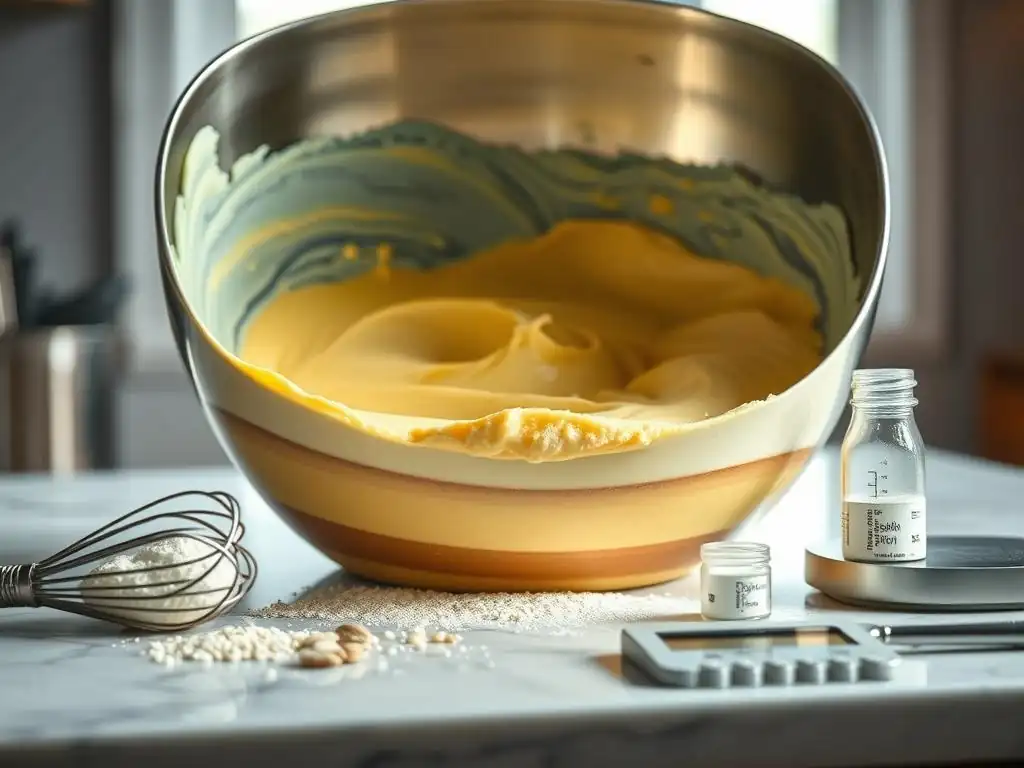
Ready to take your emulsification skills to the next level? Exploring advanced techniques involves understanding the nuances of how to create and maintain stable emulsions under various conditions. This is particularly useful for challenging recipes like complex sauces, highly enriched doughs, or mirror glazes.
Creating Stable Emulsions: A Step-by-Step Guide
Creating a stable emulsion requires careful attention to detail. Here's a general approach:
- Ensure Ingredients are at the Correct Temperature: Often, both phases (like oil and water) should be at similar temperatures, or one might be slightly warmer or cooler depending on the specific emulsifier and desired outcome (e.g., adding warm butter to meringue).
- Combine the Emulsifier with One Phase: Typically, the emulsifier is dissolved or dispersed in the continuous phase (often the water-based liquid). For instance, whisking egg yolks into sugar before adding fat, or dissolving lecithin in the liquid portion of a dough.
- Slowly Add the Dispersed Phase: Add the phase you want to disperse (often the fat/oil) very slowly into the continuous phase while whisking or mixing vigorously. This allows the emulsifier time to surround the small droplets of the dispersed phase as they are formed. Adding too quickly can overwhelm the emulsifier and lead to separation.
- Maintain Consistent Mixing: Continue mixing until the emulsion is uniform and stable. The required mixing time varies depending on the ingredients and equipment.
Example: Making mayonnaise involves slowly drizzling oil into vigorously whisked egg yolks (plus acid like lemon juice or vinegar) to create a thick, stable emulsion. Adding the oil too quickly will result in a broken, separated sauce.
Temperature's Role in Emulsification: BakeWithEase Insights
Temperature is a critical factor in successful emulsification and can make or break your recipe. Many emulsifiers work best within specific temperature ranges. For example, egg yolks are excellent emulsifiers, but if heated too quickly or to too high a temperature without tempering, the proteins can denature and coagulate, destroying their emulsifying structure and leading to a scrambled texture.
Similarly, when making buttercreams or ganaches, ensuring the butter or chocolate is at the correct temperature before combining with the other phase is vital. Too cold, and the fat won't disperse properly; too hot, and it might melt the other ingredients or break the existing emulsion. Understanding how heat affects your chosen emulsifier and the phases you are combining is a key advanced emulsifier baking recipe tip. For instance, the stability of a ganache emulsion is highly dependent on controlling the temperature during its creation and cooling.
Optimizing Your Baking with Emulsifiers: BakeWithEase Recommendations
Incorporating a mindful approach to emulsifiers in your baking can significantly improve the consistency and quality of your results. It's about moving beyond simply following instructions to understanding the why behind them. By paying attention to the emulsifiers present in your ingredients and potentially adding others, you gain more control over texture, structure, and shelf life.
Emulsifier Usage for Different Baking Categories: Cakes, Breads, and Pastries
The role and type of emulsifier vary depending on the baking category:
- Cakes: Emulsifiers like egg yolks and those naturally present in butter are crucial for creating a fine, moist crumb by ensuring fat is evenly distributed throughout the batter. Some recipes benefit from added emulsifiers like lecithin or mono- and diglycerides for extra softness and shelf life.
- Breads: While less about oil-in-water emulsions (except in enriched doughs), emulsifiers like mono- and diglycerides or soy lecithin act as dough conditioners, strengthening the gluten network, improving volume, and significantly slowing staling by interacting with starch.
- Pastries: Depending on the pastry, emulsifiers play various roles. In puff pastry, layers of fat and dough need to remain distinct, so emulsification isn't the goal between layers, but ingredients within the dough might benefit. In creams and fillings (like pastry cream or ganache), egg yolks and chocolate's lecithin are vital for creating smooth, stable textures.
Understanding these category-specific needs helps you apply emulsifier baking recipe tips effectively. For example, using a small amount of soy lecithin in a whole wheat bread recipe can greatly improve its texture and softness compared to using none.
The Future of Emulsifiers in Baking: BakeWithEase Predictions
The world of baking science is constantly evolving, and emulsifiers are no exception. We're seeing increased interest in natural and plant-based emulsifiers beyond soy, such as sunflower lecithin, chickpea protein, and various hydrocolloids. As consumers seek cleaner labels and specialized diets become more prevalent (like vegan or allergen-free baking), the demand for effective, alternative emulsifying solutions grows.
Research continues into optimizing the function of existing emulsifiers and discovering new ones that can perform specific tasks, such as improving stability under freezing conditions or allowing for lower fat formulations without sacrificing texture. For the home baker, this means an expanding range of ingredients might become available, offering new possibilities for texture control and recipe innovation. Staying informed about these developments is part of mastering advanced emulsifier baking recipe tips and techniques.
Frequently Asked Questions
What exactly is an emulsifier in baking, and why is it important?
An emulsifier is a substance that helps to combine ingredients that normally don't mix well, like oil and water. This is important for creating stable and smooth textures in baked goods.
What are some common examples of emulsifiers I might already have in my kitchen?
Common kitchen emulsifiers include eggs, lecithin (often found in soy products), and honey. These ingredients help to bind fats and liquids, ensuring proper mixing.
How does the choice of emulsifier affect the final product of my baking recipe?
Different emulsifiers have different properties. Using the wrong one can result in separation, a greasy texture, or a less desirable rise. Lecithin, for example, can aid in a lighter crumb.
Can I substitute one emulsifier for another in a baking recipe?
Sometimes, yes, but you should consider the properties of each emulsifier. For example, egg yolks are often used but may change the flavor profile. Research substitutes carefully.
Where can I find more "Emulsifier baking recipe tips" specific to the recipes on BakeWithEase.com?
Check the detailed ingredient notes and recipe instructions on BakeWithEase.com. We often include tips on using emulsifiers effectively within each specific recipe.
Final Reflection: The Unexpected Alchemy of Emulsifiers
Understanding emulsifiers isn't just about achieving perfectly smooth sauces; it's about unlocking the full potential of your baking. The seemingly simple act of blending oil and water, a challenge easily overcome with the right emulsifier, speaks volumes about the intricate chemistry at play in even the most basic recipes. Mastering this fundamental aspect of baking opens doors to a world of culinary creativity and consistently delicious results.
The impact of emulsifiers extends far beyond the immediate outcome of a single recipe. They represent a crucial bridge between seemingly incompatible ingredients, a testament to the power of scientific understanding in the culinary arts. Their influence shapes texture, stability, and even the overall sensory experience of baked goods. As Harold McGee eloquently puts it, Cooking is a form of applied chemistry, and understanding the chemistry involved can make you a better cook.
This understanding, applied to emulsifiers, allows for greater control and precision in the kitchen, transforming baking from a sometimes unpredictable process into a more predictable and rewarding art.
Now, consider your own baking journey. What challenges have you faced with emulsions? What new possibilities do you envision now, armed with a deeper understanding of how different emulsifiers behave? I encourage you to experiment, to explore the subtle differences between lecithin, xanthan gum, and other emulsifiers, and to discover the unique magic they bring to your creations. The world of baking awaits your exploration, enriched by the knowledge you've gained. Go forth and create!
Unleash Your Baking Potential: Master Emulsifiers!
Thanks for diving into the world of emulsifiers with us! We hope you now feel more confident understanding how these ingredients impact your baking. Ready to put your new knowledge to the test?
- Experiment with a new recipe: Try incorporating one of the emulsifiers discussed today into a favorite recipe and see how it transforms the texture and consistency. Note the changes and share your results with us!
- Explore our other Ingredient Spotlights: Discover more baking secrets and expand your culinary skills by checking out our other insightful articles.
- Share your baking triumphs (or challenges!): Let us know how your emulsifier experiment goes in the comments below. We love hearing your baking stories!
What surprising texture changes did you discover by using a different emulsifier?