
Baking French Pastries for Beginners: Where to Start

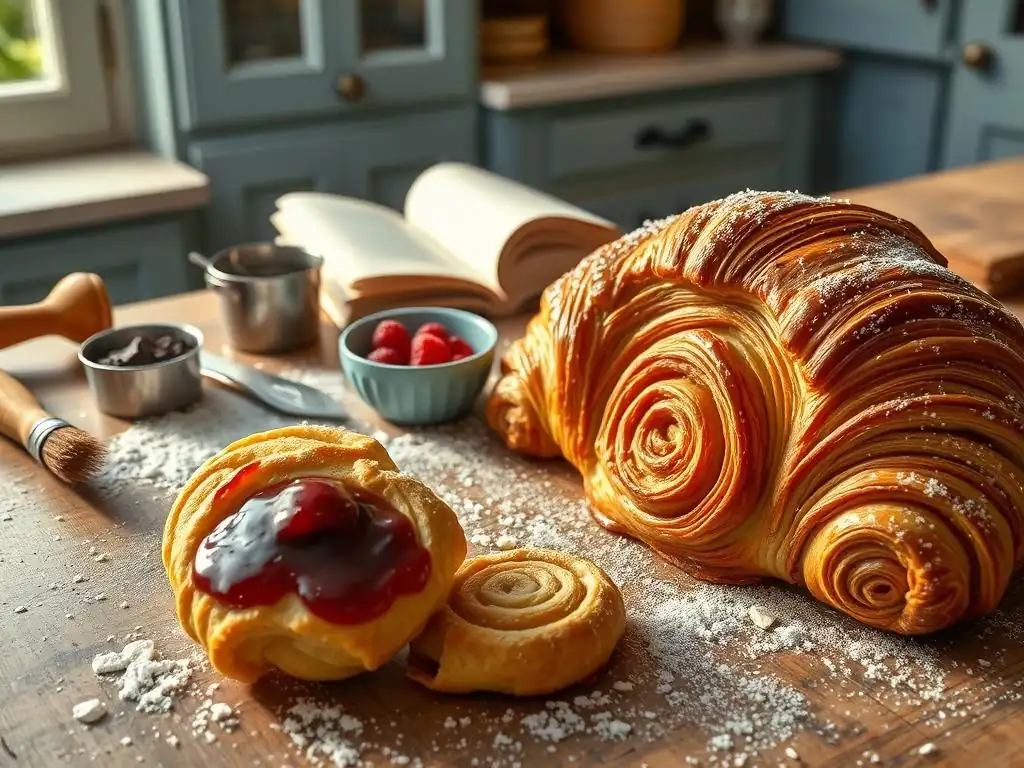
Welcome to BakeWithEase, your haven for conquering the delicious world of baking! Ever dreamt of effortlessly whipping up delicate, melt-in-your-mouth French pastries? You're in the right place. Get ready to unlock the secrets with our guide to easy French pastry recipes, designed to banish baking intimidation and ignite your inner pâtissier. What are the essential techniques and simple ingredients you'll need to create authentic, impressive desserts? Let's find out!
- Introduction to Simple French Pastry Recipes for Beginners
- Essential Equipment for Making Simple French Pastries
- Key Ingredients for Beginner-Friendly French Pastries
- Easy French Pastry Recipes: A Beginner's Guide
- Mastering Basic Techniques for French Pastry Success
- Troubleshooting Common Issues in Easy French Pastry Recipes
- Storing Your Homemade French Pastries
- Conclusion: Your Journey into Easy French Pastry Begins Now
-
Frequently Asked Questions
- What makes French pastries intimidating for beginner bakers?
- What are some easy French pastry recipes recommended for beginners?
- What key ingredients are essential for baking most French pastries?
- Are there any specific techniques beginners should focus on mastering when baking French pastries?
- Where can I find easy-to-follow French pastry recipes specifically designed for beginners?
- Final Reflection: The Sweetness of Simplicity in French Pastry
- Unleash Your Inner Pâtissier: Start Baking Today!
Introduction to Simple French Pastry Recipes for Beginners
Discover the Delight of French Pastry Made Simple
French pastries evoke images of delicate croissants, vibrant macarons, and rich éclairs, often seeming intimidating for the home baker. However, the world of French patisserie isn't exclusively reserved for seasoned professionals. There are many genuinely easy French pastry recipes that are perfect starting points for anyone new to baking, offering a taste of Parisian charm right from your own kitchen. These simple recipes focus on fundamental techniques and accessible ingredients, demystifying classic flavors and textures.
Embarking on this baking journey allows you to build confidence with foundational skills that are applicable to a wide range of desserts. You'll learn about working with different doughs and batters, understanding ingredient interactions, and achieving delightful results without needing specialized equipment or years of experience. The goal is to show that creating delicious, simple French pastry recipes is entirely achievable and incredibly rewarding for beginners.
Why Choose French Pastries as a Baking Beginner?
Choosing easy French pastry recipes offers a unique blend of challenge and reward that is particularly satisfying for beginners. Unlike some baking disciplines that require extreme precision from the outset, many simple French pastries, like palmiers or crêpes, are forgiving and allow for learning through practice. They introduce core concepts such as dough consistency, temperature control, and simple folding techniques in a manageable way.
Furthermore, mastering even the most basic French pastry provides a sense of accomplishment. The elegant results, even from a simple recipe, feel impressive and are wonderful to share. It's an excellent way to elevate your baking skills while creating treats that are universally loved. Starting with accessible easy French pastry recipes builds a strong foundation before tackling more complex creations.
Essential Equipment for Making Simple French Pastries
Must-Have Tools for Easy French Pastry Baking
You don't need a professional patisserie kitchen to make easy French pastry recipes. A few key tools will make your baking process much smoother and ensure better results. Essential items include measuring cups and spoons for accurate ingredient proportions, a sturdy whisk for batters and meringues, and mixing bowls of various sizes. A rubber spatula or scraper is invaluable for folding and getting every last bit of batter or dough.
For dough-based easy French pastry recipes like palmiers, a rolling pin is crucial. A baking sheet lined with parchment paper is also fundamental for baking evenly and preventing sticking. While not strictly mandatory for all easy recipes, a kitchen scale can significantly improve accuracy, especially when working with flour and butter, leading to more consistent outcomes.
Affordable Alternatives for Beginner Bakers
Starting out, you don't need to invest in top-of-the-line equipment. Many affordable alternatives work perfectly well for easy French pastry recipes. If you don't have a dedicated rolling pin, a clean, straight-sided bottle (like a wine bottle) can serve as a temporary substitute. Instead of parchment paper, lightly greasing and flouring your baking sheet is often sufficient for many simple recipes.
For mixing, a sturdy fork can replace a whisk for smaller quantities, and a wooden spoon works well for many batters. While a stand mixer is helpful for some advanced pastries, it's completely unnecessary for the easy recipes discussed here; hand mixing is perfectly adequate. Look for basic, reliable versions of essential tools at your local kitchen supply store or even a well-stocked supermarket.
Key Ingredients for Beginner-Friendly French Pastries
Stocking Your Pantry for Simple French Pastry Recipes
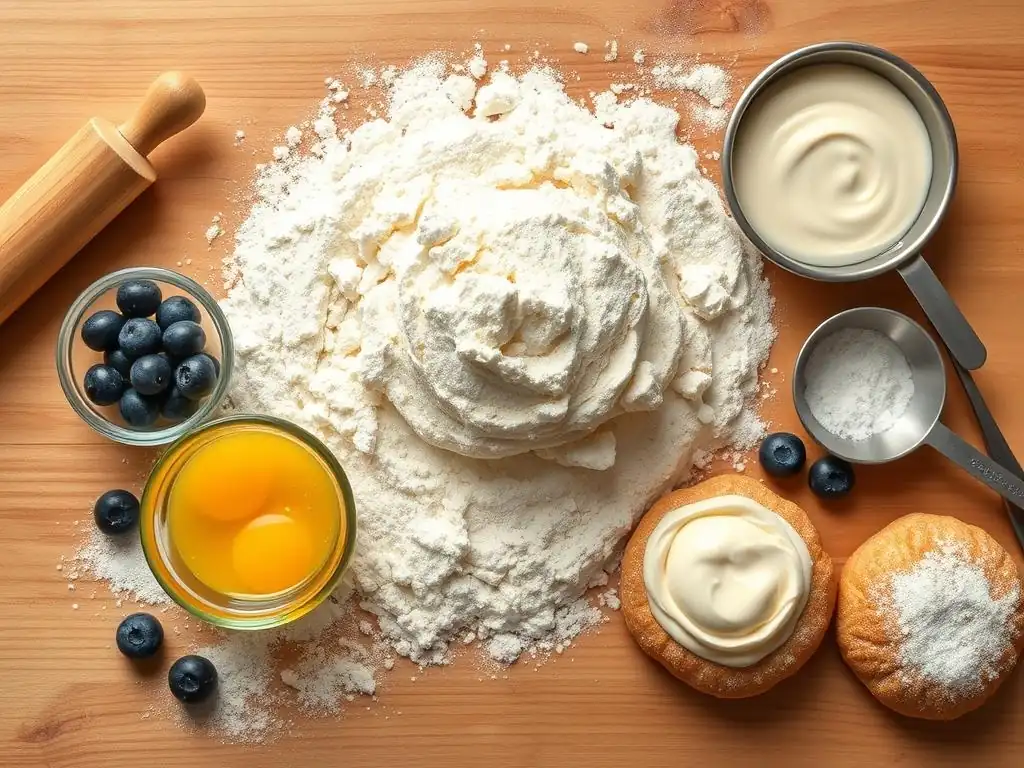
Many easy French pastry recipes rely on a few core ingredients that you likely already have in your pantry or can easily find. These include all-purpose flour, granulated sugar, eggs, milk, butter, and salt. Having these staples on hand means you can often whip up a batch of simple palmiers or crêpes on a whim. Vanilla extract is another common flavor enhancer in many basic recipes.
Beyond the absolute basics, having baking powder or baking soda might be needed for certain recipes, though less common in traditional French pastries compared to others. Always check the specific easy French pastry recipe you're following, but stocking these fundamental items is a great first step towards spontaneous baking adventures.
Understanding Flour Types for French Pastries
While French bakeries often use specific types of flour (like Type 45 or Type 55), all-purpose flour is perfectly suitable and recommended for most easy French pastry recipes designed for beginners. All-purpose flour, typically containing around 10-12% protein, provides a good balance of structure and tenderness needed for simple doughs and batters like those used in palmiers, crêpes, and madeleines.
Using all-purpose flour simplifies the process as you don't need to worry about finding specialty flours. For consistency, it's often recommended to measure flour by weight (using a kitchen scale) rather than volume, as scooping methods can vary significantly, impacting the final texture of your easy French pastry recipes. If measuring by volume, lightly spoon the flour into the cup and level it off without packing it down.
The Importance of Butter in Classic French Baking
Butter is a cornerstone of French baking, and its quality and temperature are crucial, even in easy French pastry recipes. Unsalted butter is generally preferred as it gives you control over the saltiness of the final product. For recipes requiring flaky layers, like palmiers made from puff pastry, cold butter is essential to create steam pockets during baking.
For batters, like madeleines or crêpes, melted or softened butter is often used to contribute richness and tenderness. The high fat content of butter contributes significantly to the flavor and texture – think of the crispness of a palmier or the tender crumb of a madeleine. Using good quality butter will noticeably enhance the taste of your simple French pastry recipes.
Easy French Pastry Recipes: A Beginner's Guide
Recipe 1: Simple Palmiers (Elephant Ears)
Palmiers are one of the easiest French pastries to make, requiring minimal ingredients and technique if you start with store-bought puff pastry. They are essentially caramelized layers of dough, offering a delightful crisp texture and sweet flavor. This is a fantastic starting point for anyone wanting to try easy French pastry recipes without making dough from scratch.
The magic of palmiers lies in the puff pastry. When baked, the many thin layers of dough and butter expand, creating a light, airy, and incredibly flaky treat. Rolling the dough with sugar ensures a beautiful caramelization on the outside, giving them their signature golden-brown color and sweet crunch.
Ingredients for Easy Palmiers
- 1 sheet store-bought puff pastry (usually about 10-12 ounces), thawed according to package directions
- 1/2 cup granulated sugar (or a mix of granulated and brown sugar)
Step-by-Step Instructions for Baking Palmiers
- Lightly flour your work surface and the rolling pin. Unfold the thawed puff pastry sheet.
- Generously sprinkle about half of the sugar evenly over the surface of the dough.
- Gently roll the sugar into the dough using the rolling pin.
- Flip the dough over and sprinkle the remaining sugar on the other side. Roll the sugar into this side as well.
- Fold the two short ends of the dough towards the center, meeting in the middle.
- Fold the dough in half again, like closing a book. You should have a rectangle with four layers.
- Chill the folded dough in the refrigerator for at least 30 minutes to firm up. This makes slicing easier.
- Preheat your oven to 400°F (200°C). Line a baking sheet with parchment paper.
- Slice the chilled dough into 1/2-inch thick pieces.
- Place the slices on the prepared baking sheet, leaving about 2-3 inches between them as they will spread significantly. Gently unfold the "ears" if needed.
- Bake for 8-12 minutes per side, or until golden brown and caramelized. They brown quickly, so watch them closely!
- Carefully flip the palmiers using a spatula and bake for another 5-10 minutes, or until the second side is also golden and crisp.
- Transfer the baked palmiers to a wire rack to cool completely.
Tips for Perfecting Your Palmiers
- Ensure your puff pastry is properly thawed but still cold. If it gets too warm, the butter can melt, hindering the puff.
- Don't skip the chilling step! Cold dough is much easier to slice cleanly, resulting in neater palmiers.
- Watch them closely in the oven. Sugar caramelizes quickly, and they can go from perfect to burnt in moments.
- For extra flavor, you can mix a pinch of cinnamon into the sugar before rolling.
Recipe 2: Quick and Easy Crêpes
Crêpes are the ultimate easy French pastry recipe, requiring just a few pantry staples and a simple technique. These thin, delicate pancakes are incredibly versatile, perfect for sweet or savory fillings. Making crêpes is more about mastering the pour and swirl in the pan than complex baking processes.
The batter comes together quickly, often needing just a brief rest before cooking. The key to success lies in getting the pan to the right temperature and using just enough batter to create a thin layer that cooks evenly and quickly. They are a delightful introduction to French cooking techniques for beginners.
Ingredients for Basic Crêpe Batter
- 1 cup all-purpose flour
- 2 tablespoons granulated sugar
- 1/4 teaspoon salt
- 1 1/2 cups milk (whole or 2%)
- 2 large eggs
- 2 tablespoons melted butter, plus more for greasing the pan
- 1 teaspoon vanilla extract (optional)
Cooking Crêpes: A Simple Method
- In a large bowl, whisk together the flour, sugar, and salt.
- In a separate bowl, whisk together the milk, eggs, melted butter, and vanilla extract (if using).
- Pour the wet ingredients into the dry ingredients gradually, whisking constantly until the batter is smooth and lump-free. A few small lumps are okay and will often disappear after resting.
- Let the batter rest at room temperature for at least 15-30 minutes. This allows the flour to absorb the liquid and results in more tender crêpes. You can also refrigerate it for up to 24 hours.
- Heat a non-stick crêpe pan or a small non-stick skillet over medium heat. Lightly grease the pan with butter or cooking spray.
- Pour about 1/4 cup of batter into the hot pan, immediately tilting and swirling the pan to coat the bottom evenly with a thin layer of batter.
- Cook for 1-2 minutes, or until the edges start to look dry and the bottom is lightly golden.
- Carefully flip the crêpe using a thin spatula and cook for another 30-60 seconds, or until the second side is lightly golden.
- Slide the cooked crêpe onto a plate. Repeat with the remaining batter, stacking the cooked crêpes.
Crêpe Filling Ideas for Beginners
- Simple sugar and a squeeze of lemon juice.
- Nutella or chocolate spread.
- Jam or preserves.
- Fresh berries with a dollop of whipped cream.
- Cinnamon sugar.
- Sliced bananas and caramel sauce.
Recipe 3: Beginner-Friendly Madeleines
Madeleines are small, shell-shaped sponge cakes from the Lorraine region of France. Their distinctive shape requires a special pan, but the batter itself is quite straightforward, making them an excellent easy French pastry recipe for learning basic cake batter techniques. The goal is a light, tender crumb and the signature "hump" on the back.
While classic madeleines have a simple butter and vanilla flavor, their simplicity makes them a perfect canvas for easy variations. Getting the characteristic hump is often achieved by chilling the batter, which helps the edges set faster than the center when they hit the hot oven, forcing the middle upward.
Ingredients for Classic Madeleines
- 1/2 cup (1 stick) unsalted butter, melted and slightly cooled, plus more for greasing the pan
- 2 large eggs, at room temperature
- 1/2 cup granulated sugar
- 1 teaspoon vanilla extract
- 1 cup all-purpose flour, plus more for flouring the pan
- 1 teaspoon baking powder
- 1/4 teaspoon salt
- Optional: Powdered sugar for dusting
Achieving the Perfect Madeleine Hump
- Generously butter and flour a madeleine pan. Tap out any excess flour. This helps prevent sticking and encourages the hump.
- In a medium bowl, whisk the eggs and sugar together until light and fluffy, about 2-3 minutes. You can do this by hand or with an electric mixer.
- Whisk in the vanilla extract.
- In a separate small bowl, whisk together the flour, baking powder, and salt.
- Add the dry ingredients to the egg mixture and gently fold until just combined. Do not overmix.
- Gradually fold in the melted butter until fully incorporated and the batter is smooth.
- Cover the batter and refrigerate for at least 1 hour, or preferably 2-3 hours. Chilling is crucial for developing the hump and flavor.
- Preheat your oven to 375°F (190°C).
- Spoon about 1-2 tablespoons of the chilled batter into each cavity of the prepared madeleine pan. Do not overfill.
- Bake for 10-13 minutes, or until the edges are golden brown and the center has risen into a prominent hump and springs back when gently touched.
- Immediately invert the pan onto a wire rack to release the madeleines. If any stick, gently coax them out with a knife tip.
- Let cool slightly on the wire rack. Dust with powdered sugar before serving, if desired.
Variations on the Traditional Madeleine Recipe
- Lemon Madeleines: Add the zest of one lemon to the batter along with the wet ingredients.
- Chocolate Madeleines: Replace 2 tablespoons of flour with 2 tablespoons of unsweetened cocoa powder.
- Orange Blossom Madeleines: Replace vanilla extract with 1 teaspoon of orange blossom water.
- Dipped Madeleines: Dip one end of the cooled madeleines in melted chocolate.
Mastering Basic Techniques for French Pastry Success
Working with Puff Pastry for Easy Palmiers
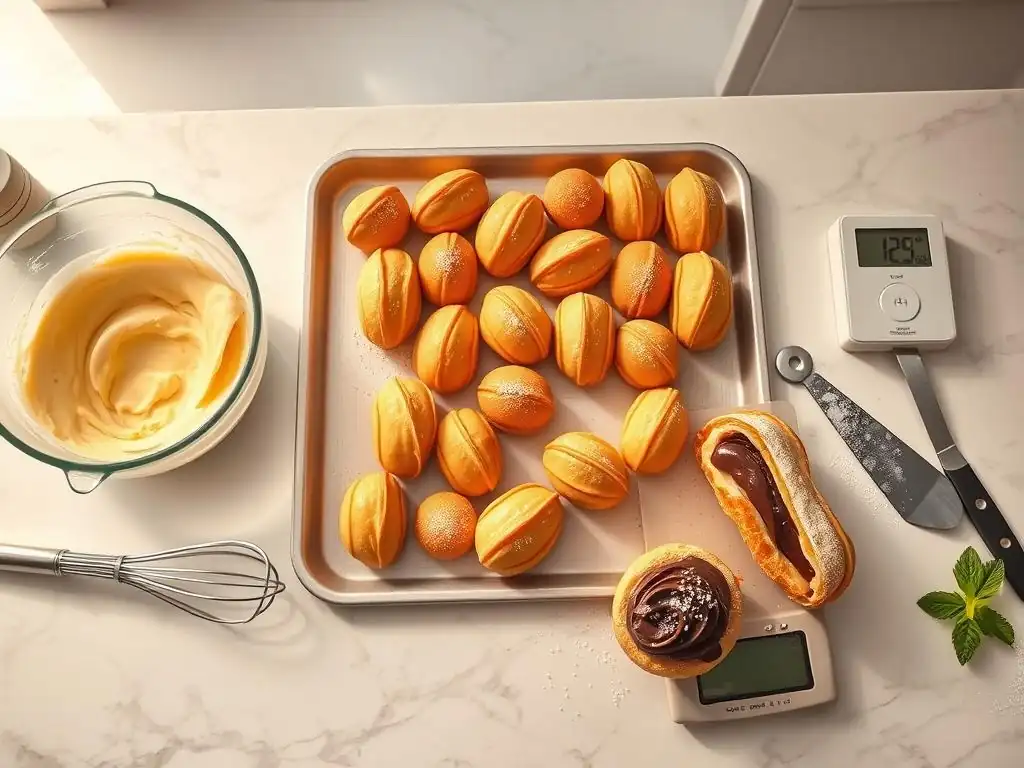
Working with ready-made puff pastry is the easiest way to achieve flaky results for palmiers and other simple French pastry recipes. The key technique here is handling the dough while it's cold. Cold dough prevents the butter layers from melting into the dough prematurely, which is essential for creating separation and puff during baking.
When rolling out the puff pastry, use a light hand and a floured surface to prevent sticking. For palmiers, the technique involves sugar, rolling, and specific folds. Understanding how the dough behaves when cold and how to make clean cuts are fundamental skills developed while making this easy French pastry.
Mixing Batters for Crêpes and Madeleines
The techniques for mixing batters for crêpes and madeleines, while simple, are foundational for many easy French pastry recipes. For crêpes, the goal is a smooth, thin batter with no lumps. Whisking wet and dry ingredients separately before combining, then whisking until just smooth, is key. Resting the crêpe batter allows gluten to relax and liquid to hydrate the flour fully, resulting in tender crêpes that don't tear easily.
For madeleines, the technique involves whisking eggs and sugar until airy, then gently folding in dry ingredients and melted butter. Overmixing can develop too much gluten, leading to tough madeleines. The gentle folding method helps maintain a light texture. These simple mixing techniques are applicable to many other quick breads and cakes.
Troubleshooting Common Issues in Easy French Pastry Recipes
Common Mistakes and How to Avoid Them
Even with easy French pastry recipes, small mistakes can happen. One common issue is overmixing batters, especially for madeleines, which can result in a tough texture instead of a tender crumb. To avoid this, mix only until ingredients are just combined. For palmiers, using puff pastry that is too warm can lead to less distinct layers. Ensure your puff pastry is cold when you work with it and when you slice it.
Another pitfall is inconsistent oven temperature. An oven that runs too hot or too cold can drastically affect baking time and results, potentially leading to burnt edges or undercooked centers. Using an oven thermometer can help ensure accuracy. Also, not resting batters (like crêpe batter) can result in a less smooth consistency and less tender final product. Patience is a virtue, even with easy recipes!
Fixing Over-Baked or Under-Baked Pastries
Over-baking is a common issue, especially with delicate items like palmiers or madeleines, which cook relatively quickly. If palmiers become too dark, they may taste burnt; unfortunately, this is hard to fix after the fact, emphasizing the need to watch them closely. Under-baked palmiers will be chewy rather than crisp – a few extra minutes in the oven might help, but be cautious.
Under-baked madeleines will be pale and doughy in the center. You can often return them to the oven for a few more minutes, checking frequently. Over-baked madeleines will be dry. Again, prevention is key here – bake until golden and the center springs back, but no longer. Learning to recognize the visual cues for doneness is crucial for successful easy French pastry recipes.
Addressing Dough Issues: Too Wet or Too Dry
While the easy French pastry recipes here primarily involve batters or pre-made dough, understanding basic dough consistency is helpful. If you were making your own puff pastry for palmiers and it was too sticky (too wet), adding a tiny bit more flour while kneading or rolling on a well-floured surface can help. If it's too dry and crumbly, it might indicate insufficient liquid or overmixing.
For batters like crêpes, a batter that is too thick can be thinned out by whisking in a tablespoon or two of milk until the desired consistency is reached (it should be like thin cream). A batter that seems too thin might be okay after resting, as the flour absorbs liquid. If it's still too thin, whisking in a tablespoon of flour at a time can help, though be careful not to overmix.
Storing Your Homemade French Pastries
Best Practices for Keeping Pastries Fresh
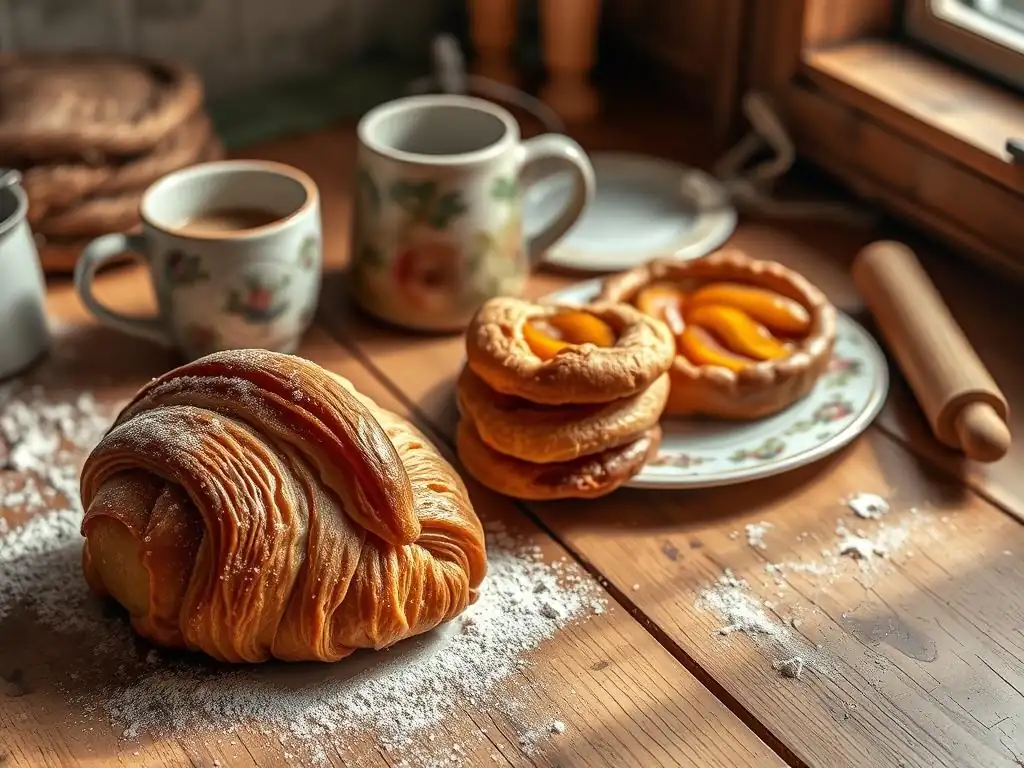
Storing your easy French pastry recipes properly ensures they retain their texture and flavor. Palmiers are best enjoyed the day they are baked for maximum crispness. Store cooled palmiers in an airtight container at room temperature for up to 2-3 days. If they lose some crispness, a quick reheat in a warm oven (around 300°F or 150°C) for a few minutes can help revive them.
Crêpes are best stored in the refrigerator. Once cooled, stack them with parchment paper or wax paper between each crêpe to prevent sticking, then wrap the stack tightly in plastic wrap or place them in an airtight container. They will keep for 2-3 days. Madeleines should be stored in an airtight container at room temperature. They are best eaten within 2-3 days as they can dry out.
Freezing French Pastries for Later Enjoyment
Many easy French pastry recipes can be frozen, allowing you to enjoy your baking efforts later. Cooked and cooled palmiers can be frozen in a single layer on a baking sheet until solid, then transferred to an airtight container or freezer bag for up to 1-2 months. Reheat them directly from frozen in a 350°F (175°C) oven until crisp.
Cooked crêpes also freeze well. Once cooled, stack them with paper in between, wrap the stack tightly in plastic wrap, then in foil or a freezer bag. They can be frozen for up to 2 months. Thaw them in the refrigerator overnight or at room temperature for about 30 minutes.
Madeleine batter can be frozen in the pan cavities; freeze until solid, then pop them out and store in a freezer bag. Bake directly from frozen, adding a few minutes to the baking time. Baked madeleines can also be frozen in an airtight container for up to 1 month, thawed at room temperature.
Conclusion: Your Journey into Easy French Pastry Begins Now
Embrace the Joy of Baking French Pastries at Home
You've taken the first step into the delightful world of French baking! By starting with easy French pastry recipes like Palmiers, Crêpes, and Madeleines, you've learned fundamental techniques and gained confidence in working with dough, batters, and key ingredients. These simple recipes prove that elegant, delicious French treats are well within reach for any home baker, regardless of experience level.
The process of measuring, mixing, and watching your creations transform in the oven is incredibly rewarding. Sharing your homemade easy French pastry recipes with friends and family brings a special kind of joy. Don't be discouraged by initial imperfections; every bake is a learning opportunity. Keep practicing, and you'll find yourself mastering these classics and eager to explore more.
Further Resources for Aspiring French Pastry Chefs
Having explored these easy French pastry recipes, you might be curious about what's next. Look for other beginner-friendly recipes that introduce new techniques, such as simple tarts with pre-made crusts or basic éclairs using a straightforward choux pastry recipe. Many cookbooks and online resources offer step-by-step guides specifically tailored for beginners.
Consider exploring recipes that use components you're now familiar with, like variations on madeleines or different fillings for crêpes. As you gain confidence with easy French pastry recipes, you can gradually move towards slightly more complex techniques like making basic pastry cream or working with yeast dough for simple brioche. The journey is vast and delicious!
Frequently Asked Questions
What makes French pastries intimidating for beginner bakers?
French pastries are often perceived as intimidating due to their perceived complexity and the need for precise measurements and techniques. The reputation for difficulty can also discourage beginners.
What are some easy French pastry recipes recommended for beginners?
Beginners should start with recipes like crêpes, madeleines, or simple tartes. These recipes have fewer steps and require less specialized equipment, making them more approachable.
What key ingredients are essential for baking most French pastries?
Essential ingredients include high-quality butter, eggs, flour, and sugar. Depending on the recipe, other common ingredients are vanilla extract and baking powder/soda.
Are there any specific techniques beginners should focus on mastering when baking French pastries?
Beginners should focus on mastering techniques like creaming butter and sugar properly, folding ingredients gently, and understanding oven temperatures. These are fundamental to many French pastry recipes.
Where can I find easy-to-follow French pastry recipes specifically designed for beginners?
Websites like BakeWithEase.com provide step-by-step guides and easy-to-find ingredient lists for beginner-friendly French pastry recipes, focusing on simplicity and success.
Final Reflection: The Sweetness of Simplicity in French Pastry
The accessibility of French pastry is often underestimated, yet mastering even basic techniques unlocks a world of delicious possibilities. This article aimed to demystify the process, providing a starting point for those intimidated by the perceived complexity of these elegant treats. The joy of creating something beautiful and delicious from simple ingredients is a powerful motivator, and we hope this guide has proven that even beginners can achieve impressive results.
The enduring appeal of French pastries lies not just in their exquisite taste, but in the tradition and artistry they represent. They are a testament to the power of simple ingredients transformed through skill and passion. As we explored the fundamental techniques, it became clear that the process itself is as rewarding as the final product. The best things in life are simple,
a phrase often heard, rings especially true when considering the satisfaction derived from baking a perfectly flaky croissant or a delicate macaron. This simple act connects us to a rich culinary heritage, reminding us of the importance of patience, precision, and the pleasure of sharing something handmade.
Now, it's your turn. Don't be afraid to experiment, to embrace the occasional imperfection, and to savor the journey. Pick a recipe, gather your ingredients, and allow yourself to be surprised by the joy of creation. The world of French pastries awaits, and with a little practice and a lot of heart, you can unlock its sweet secrets. So, dust off your apron, preheat your oven, and embark on your own delicious adventure.
Unleash Your Inner Pâtissier: Start Baking Today!
Thanks for taking the time to explore the delightful world of French pastries! We hope you've gained the confidence to tackle these seemingly intricate treats. Now it's time to put your newfound knowledge into action.
- Bake your first masterpiece! Choose one simple recipe from the article and give it a try. Even a small success will boost your confidence.
- Share your baking journey! Snap a picture of your creation and post it on social media using #BakeWithEase. We'd love to see your results!
- Explore our other beginner-friendly recipes for even more delicious adventures in the kitchen. (This can be considered a link to another internal page on the BakeWithEase site)
Ready to transform your kitchen into a Parisian patisserie? What's the first French pastry you'll attempt?