
Why British Baking is So Comforting (And How to Bake It)

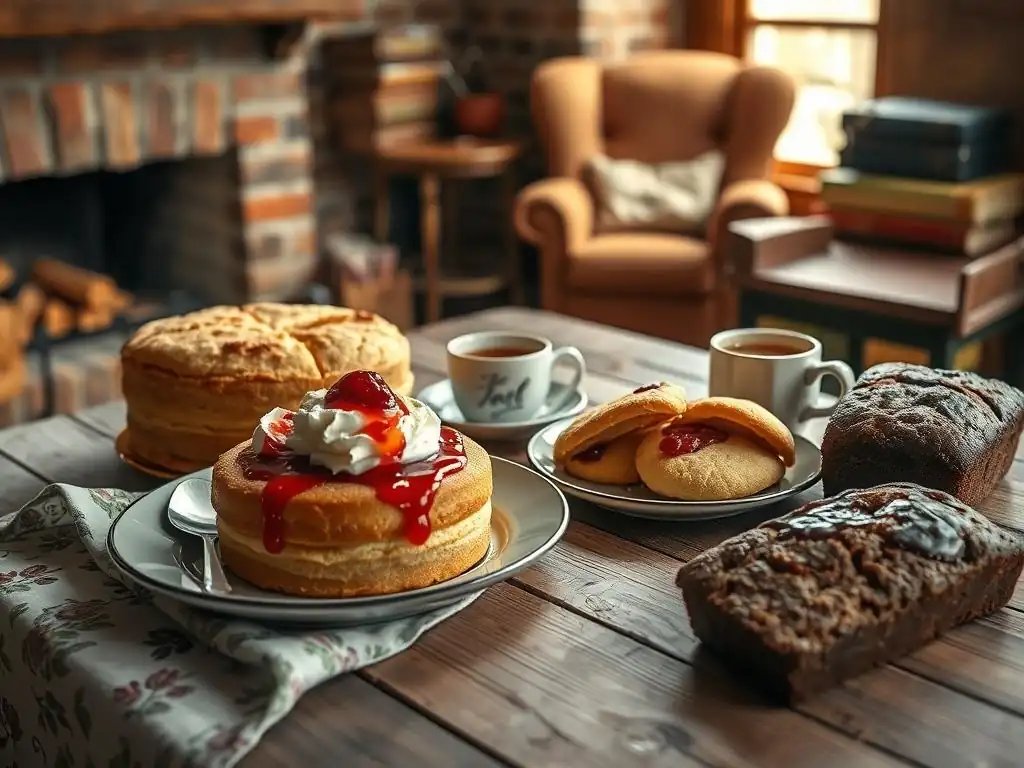
Welcome to BakeWithEase!
Discover the heartwarming allure of British baking and why it's synonymous with comfort. Ever wondered why a simple Victoria Sponge can evoke such powerful memories? This article delves into the secrets and traditions behind British baking comfort recipes, exploring their cultural significance and offering you the tools to recreate these delicious classics in your own kitchen. Get ready to embark on a baking journey that's both informative and utterly irresistible – the aroma of freshly baked scones awaits!
- BakeWithEase: Your Guide to British Baking Comfort Recipes
- The Enduring Appeal of British Baking: A Slice of Comfort
- Exploring Iconic British Baking Comfort Recipes
- Baking British Comfort Recipes: Essential Ingredients and Techniques
- Baking for Comfort: More British Baking Ideas
- Share Your British Baking Creations!
-
Frequently Asked Questions
- What makes British baking recipes so comforting?
- Where can I find easy-to-follow British baking recipes suitable for beginners?
- What are some examples of popular British comfort baking recipes?
- Are British baking recipes difficult to adapt for different dietary needs, such as gluten-free or vegan?
- What are some essential ingredients or techniques specific to British baking?
- Final Reflection: The Enduring Comfort of a British Bake
- Unleash Your Inner Baker: Taste the Tradition!
BakeWithEase: Your Guide to British Baking Comfort Recipes
Welcome to BakeWithEase, your trusted companion in the kitchen, especially when exploring the heartwarming world of British baking comfort recipes. From the rolling hillsides to the bustling cities, British baking traditions are deeply woven into the fabric of daily life, offering solace and joy with every bite. These recipes, often passed down through generations, embody a simplicity and richness that makes them universally appealing.
Whether you're a novice baker taking your first steps or an experienced hand looking to perfect a classic, we're here to guide you. Our focus is on making these beloved British baking comfort recipes accessible, breaking down techniques into easy-to-follow steps and explaining the role of key ingredients. Get ready to discover the magic behind sponges, crumbles, and puddings that define this comforting culinary landscape.
The Enduring Appeal of British Baking: A Slice of Comfort
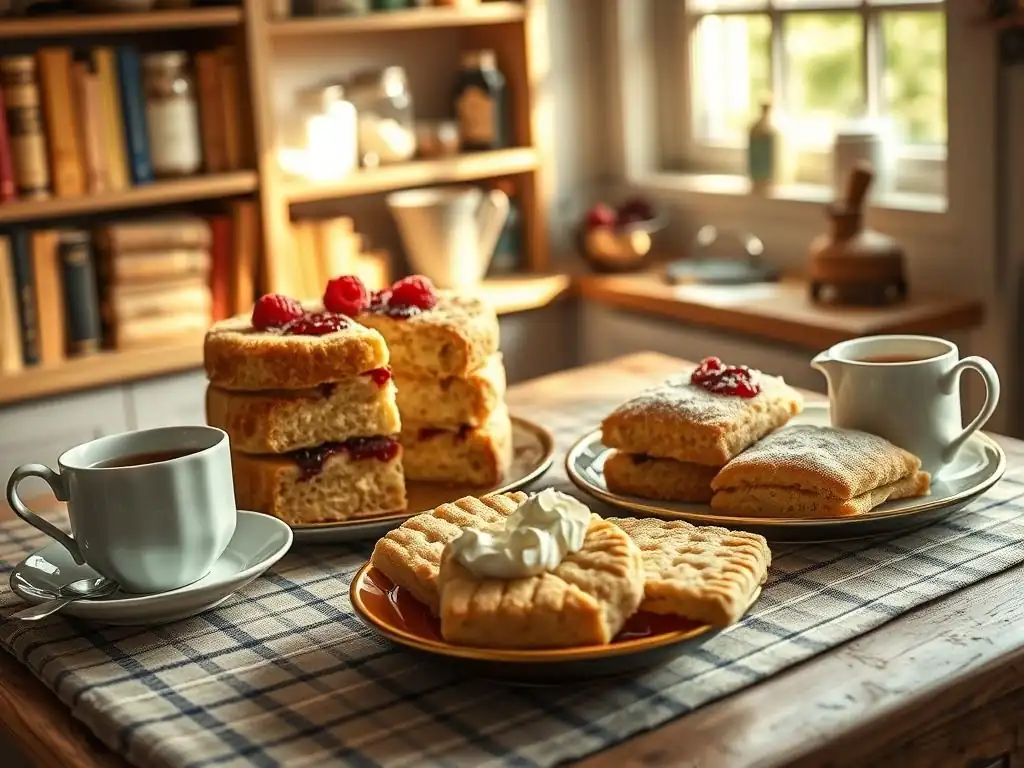
British baking holds a special place in the hearts of many, evoking feelings of warmth, security, and nostalgia. It's more than just food; it's a connection to heritage, a celebration of simple pleasures, and an act of generosity when shared. The appeal lies in its unpretentious nature and the profound comfort it delivers, making it a cornerstone of many home kitchens around the world.
These classic British baking comfort recipes are often associated with specific times and events – afternoon tea, Sunday dinners, or cozy evenings by the fire. Their enduring popularity is a testament to their timeless quality and the emotional resonance they carry. They offer a delicious escape, a moment of calm in a busy world, and a tangible link to cherished memories.
What Makes British Baking So Comforting? Nostalgia and Tradition
The powerful comforting effect of British baking is deeply rooted in nostalgia and tradition. Many classic recipes, such as the humble scone or the majestic Victoria Sponge, have been staples in British households for centuries, often made following methods passed down from grandmothers and great-grandmothers. This continuity creates a strong sense of heritage and familiarity.
Think of the act of baking itself – the measuring of flour, the creaming of butter and sugar, the aroma filling the kitchen as something bakes. These sensory experiences are often linked to childhood memories of warmth, safety, and family gatherings. Sharing a slice of homemade cake or a warm scone isn't just eating; it's participating in a ritual that connects us to the past and reinforces bonds in the present.
The Warmth of Classic British Flavors: Buttery, Fruity, and Spiced Notes
Classic British baking is characterized by a distinct palate of flavors that are inherently comforting. Rich, unsalted butter is a cornerstone, providing a luxurious base for pastries, cakes, and biscuits, lending a tender crumb and irresistible aroma. This buttery richness is often paired with the sweetness of caster sugar, which dissolves easily and contributes to a fine texture in cakes and sponges.
Fruity notes are also prominent, frequently featuring seasonal British produce like apples, rhubarb, berries, and plums. These are often cooked down into jams, fillings, or crumbles, providing a lovely balance of sweetness and tartness. Spices such as cinnamon, nutmeg, ginger, and mixed spice add warmth and depth, particularly in autumnal and festive bakes like gingerbread or spiced fruit loaves, further enhancing the sense of cozy comfort.
British Baking and the Art of Hygge: Creating Cozy Moments
British baking aligns beautifully with the concept of "hygge," the Danish word for a quality of coziness and comfortable conviviality that engenders a feeling of contentment or well-being. The process of baking itself is a hygge activity – it's mindful, creative, and results in something tangible and delicious to be shared.
The output of British baking – a warm loaf of bread, a batch of freshly baked scones, a comforting crumble – is perfect for creating hygge moments. Imagine a rainy afternoon, a pot of tea brewing, and a plate of warm shortbread shared with loved ones. This simple act of enjoying homemade treats in a relaxed setting embodies the essence of hygge and highlights why British baking comfort recipes are so perfectly suited for creating these cozy, joyful experiences.
Exploring Iconic British Baking Comfort Recipes
The pantheon of British baking is filled with iconic recipes that have stood the test of time, each offering its unique brand of comfort. These are the bakes that come to mind when you think of classic tea rooms, village fetes, and Sunday lunches. Mastering a few of these core British baking comfort recipes will open up a world of delicious possibilities and allow you to share these cherished tastes with others.
From light-as-air sponges to dense, sticky puddings, the range is diverse yet unified by a common thread of quality ingredients and straightforward techniques. Let's delve into some of the most beloved examples and discover what makes them so special and how you can recreate them in your own kitchen.
Scones: The Quintessential British Afternoon Treat
Scones are arguably the cornerstone of the British afternoon tea experience, enjoyed warm with clotted cream and jam. Their simple structure belies the potential for variations and the passionate debate over the correct way to assemble them (cream first or jam first?). A perfectly baked scone should have a light, fluffy interior and a slightly crisp exterior, rising tall and proud.
Traditional scones are made with flour, butter, sugar, milk, and a leavening agent like baking powder. The key is to handle the dough minimally to ensure a tender crumb. They are typically cut into rounds or triangles and baked relatively quickly. While the classic plain scone is popular, variations incorporating fruit, cheese, or spices are also widely enjoyed, expanding the appeal of this versatile bake.
Baking Perfect Scones: A Step-by-Step Guide
Creating tall, light scones requires attention to detail, particularly with temperature and handling.
Here’s a simplified guide:
- Preheat your oven to a hot temperature, around 220°C (425°F), and lightly grease or line a baking tray.
- In a large bowl, gently rub cold, diced butter (around 50g-75g for 225g flour) into plain flour with baking powder (about 1-2 tsp) and a pinch of salt until the mixture resembles coarse breadcrumbs.
- Stir in a little caster sugar (1-2 tbsp).
- Make a well in the center and add most of the milk (around 100-150ml, possibly mixed with a little egg for richness). Use a knife or spatula to bring the dough together quickly, adding a little more milk if needed, until it forms a soft, slightly sticky dough.
- Turn the dough onto a lightly floured surface and gently pat or roll to about 2cm (¾ inch) thick. Avoid kneading.
- Cut out rounds using a sharp cutter, pressing straight down without twisting. Place on the baking tray.
- Brush the tops with milk or egg wash, being careful not to let it drip down the sides, as this can prevent a good rise.
- Bake for 12-15 minutes until well-risen and golden brown.
- Cool slightly on a wire rack before serving warm.
Variations on a Theme: Cheese Scones, Date Scones
While plain scones are a classic, adding ingredients opens up delicious variations on this British baking comfort recipe.
- Cheese Scones: Incorporate about 50g-75g of grated mature cheddar cheese into the dry ingredients before adding the milk. A pinch of cayenne pepper or mustard powder can add an extra kick. Serve warm, perhaps with butter.
- Date Scones: Add about 50g-75g of chopped dried dates to the dry ingredients. The dates soften as they bake, adding pockets of sweet, chewy texture. These are lovely served with butter.
- Other popular additions include currants, sultanas, or even savory elements like chives or sun-dried tomatoes.
Victoria Sponge Cake: A Timeless Classic for Every Occasion
The Victoria Sponge is arguably Britain's most beloved cake, named after Queen Victoria, who reportedly enjoyed a slice with her afternoon tea. It's a deceptively simple cake: two light sponge layers sandwiched together with raspberry jam and often whipped or buttercream, and dusted with caster sugar. Its elegance lies in its simplicity and perfect balance of textures and flavors.
A good Victoria Sponge should have a light, airy crumb that is moist but not heavy. The traditional method involves the creaming method – beating butter and sugar together until pale and fluffy before incorporating eggs and then gently folding in flour. Baking at a moderate temperature ensures the cake rises evenly and cooks through without drying out.
Achieving the Perfect Victoria Sponge: Tips and Tricks
Mastering the Victoria Sponge is a hallmark of British baking comfort recipes. Here are some tips for success:
- Use room temperature ingredients: Butter and eggs at room temperature cream together better and incorporate more smoothly into the batter, leading to a finer, more even crumb.
- Don't overmix: Once the flour is added, mix gently until just combined. Overmixing develops the gluten in the flour, resulting in a tougher cake.
- Accurate tin size: Use the specified tin size (typically two 8-inch or 20cm round tins) and prepare them well (greased and lined) to ensure even baking and easy removal.
- Moderate oven temperature: Baking at around 180°C (350°F) allows the cake to rise gradually and cook through evenly. Baking for 20-25 minutes is typical, but check with a skewer before removing.
- Cooling: Let the sponges cool in the tins for a few minutes before turning them out onto a wire rack to cool completely. Trying to fill a warm cake will melt the filling.
Raspberry Jam and Vanilla Cream Variations
The classic filling for a Victoria Sponge is raspberry jam, providing a sweet and slightly tart contrast to the rich sponge. High-quality jam with whole fruit pieces is ideal.
For the cream layer, traditionally, it was simply whipped cream (double cream in the UK, whipped until soft peaks form). However, a popular variation now is buttercream (butter beaten with icing sugar and a little milk or vanilla extract) or a mix of whipped cream and a touch of icing sugar for stability and sweetness. Sometimes, fresh strawberries or raspberries are added alongside the jam and cream for extra freshness and visual appeal, making it an even more delightful British baking comfort recipe.
Sticky Toffee Pudding: A Decadent British Dessert
Sticky Toffee Pudding is a relatively modern classic among British baking comfort recipes, first appearing in the 1970s but quickly becoming a national favorite. It's a moist sponge cake made with chopped dates, served warm with a rich, buttery toffee sauce poured generously over the top. It's the epitome of indulgence and warmth on a cold day.
The sponge itself is typically made with dates that have been soaked in hot liquid (water or tea) and then puréed or mashed, which contributes significantly to the cake's moisture and distinctive flavor. The toffee sauce is usually a simple combination of butter, brown sugar, and cream, boiled together until thick and glossy. The magic happens when the hot sauce soaks into the warm sponge.
The Secret to a Gooey Sticky Toffee Pudding
The key to a truly gooey and moist Sticky Toffee Pudding lies in the dates and the sauce.
- Date Preparation: Using a generous amount of dates (around 175g-200g for a standard pudding serving 6-8) and soaking them in hot water or tea (about 300ml) until very soft is crucial. Mash them thoroughly or even blend them into a paste to ensure they are evenly distributed and contribute maximum moisture.
- Sauce Quantity: Don't be shy with the toffee sauce! A typical recipe uses around 100g butter, 200g brown sugar, and 200ml cream to make a substantial amount of sauce. Pouring half over the pudding while it's still warm from the oven allows it to soak deep into the sponge, making it incredibly moist and sticky. The remaining sauce is served alongside.
- Baking Time: Bake the pudding (often in a single dish or individual molds) at around 180°C (350°F) for 40-50 minutes, or until a skewer comes out clean. Be careful not to overbake, as this can dry out the sponge.
Serving Suggestions: Double Cream, Vanilla Ice Cream, or Custard
Sticky Toffee Pudding is almost always served warm, allowing the sauce to remain liquid and the sponge to be soft and yielding. The traditional accompaniments add another layer of richness and contrast.
- Double Cream: A dollop or generous pour of cold double cream (very thick cream, about 48% fat) provides a cool, smooth contrast to the hot, sticky pudding.
- Vanilla Ice Cream: A scoop of good quality vanilla ice cream melts slightly into the hot sauce, creating a delicious creamy pool around the pudding.
- Custard: Hot, pouring custard (often made with milk, egg yolks, sugar, and vanilla) is another classic British accompaniment, adding warmth and a familiar, comforting flavor. Some prefer a thicker, set custard. All these options enhance the rich, sweet nature of this iconic British baking comfort recipe.
Shortbread: A Buttery and Crumbly Delight
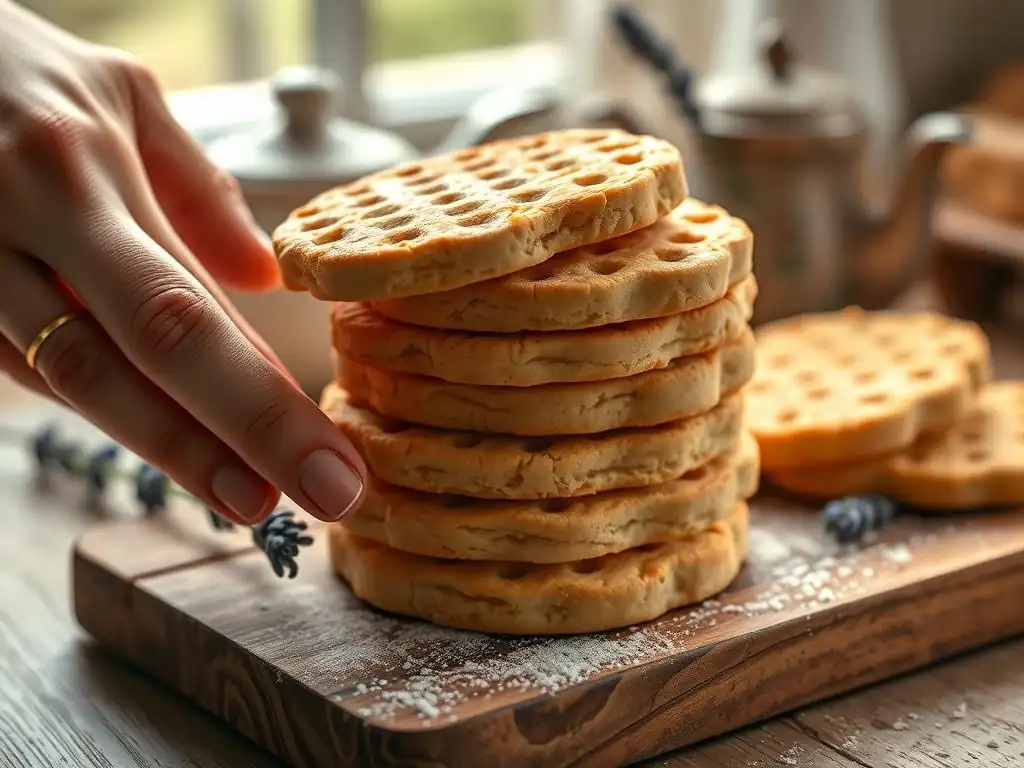
Shortbread is a simple yet exquisite biscuit (cookie) that hails from Scotland but is loved throughout the UK. It's renowned for its high butter content, which gives it a wonderfully rich flavor and a distinctively crumbly texture. Made with just a few basic ingredients – typically butter, sugar, and flour – shortbread relies on the quality of its components and precise technique.
The name "shortbread" comes from the word "shortening," referring to the high proportion of fat (butter) which inhibits gluten development, resulting in a 'short' or crumbly texture rather than a stretchy one. Traditional shapes include rounds (petticoat tails), fingers, or individual rounds pricked with a fork. It's often baked slowly at a low temperature to ensure it cooks through without browning too much.
Mastering the Art of Shortbread: Key Techniques
Achieving the perfect crumbly shortbread involves a few simple but critical steps:
- Quality Butter: Use the best quality unsalted butter you can find, as it is the dominant flavor. Ensure it is at cool room temperature, not soft or melted.
- Proper Ratio: A classic ratio is 1 part sugar, 2 parts butter, 3 parts flour by weight (e.g., 50g sugar, 100g butter, 150g flour). Some recipes also include a small amount of fine rice flour or cornflour (cornstarch) to enhance the crumbly texture.
- Minimal Handling: Mix the dough until it just comes together. Overworking the dough develops gluten, making the shortbread tough.
- Low and Slow Baking: Shortbread is typically baked at a relatively low temperature, around 150-160°C (300-325°F), for a longer time (20-40 minutes depending on thickness and shape) until pale golden at the edges. This ensures the butter melts slowly and integrates without causing the biscuit to spread excessively or brown too quickly.
Different Shapes and Flavors of Shortbread
While the traditional recipe is simple, shortbread can be adapted in various ways, adding to its appeal as a versatile British baking comfort recipe.
- Shapes:
- Petticoat Tails: A large round scored into triangles before baking.
- Fingers: Dough pressed into a square or rectangle and cut into finger shapes before baking.
- Rounds: Cut with a cookie cutter.
- Flavors:
- Adding vanilla extract or the scraped seeds of a vanilla pod for extra aroma.
- Incorporating finely grated lemon or orange zest for a citrus lift.
- Adding chocolate chips or cocoa powder for a chocolate version.
- Pressing nuts or dried fruit onto the top before baking.
- Dipping half the cooled shortbread in melted chocolate.
Apple Crumble: A Versatile Fruit-Based Comfort Food
Apple Crumble, or Apple Crisp in some regions, is a quintessential British dessert, celebrated for its simplicity and comforting warmth. It consists of stewed apples (often with sugar and spices) topped with a crumbly mixture of flour, butter, and sugar, which is then baked until golden and crisp. It's a less formal alternative to pastry-based pies and tarts, requiring less technical skill but delivering just as much satisfaction.
The beauty of apple crumble lies in the contrast between the soft, sweet, slightly tart fruit filling and the buttery, crunchy topping. It's incredibly versatile, easily adapted with different fruits and flavorings. Served warm, often with custard, cream, or ice cream, it embodies home-cooked comfort and is a staple British baking comfort recipe, especially during apple season.
Easy Apple Crumble Recipe: A Step-by-Step Guide
Making a classic Apple Crumble is straightforward, making it perfect for beginner bakers.
Here’s a basic approach:
- Peel, core, and slice about 6-8 medium cooking apples (like Bramleys). Place them in an ovenproof dish (approx. 20x25cm).
- Toss the apples with 2-4 tablespoons of caster sugar (adjust to the tartness of the apples) and optionally a teaspoon of cinnamon or mixed spice. A splash of water or lemon juice can help them soften.
- For the topping, rub together 150g plain flour and 75g cold, diced unsalted butter using your fingertips until the mixture resembles coarse breadcrumbs.
- Stir in 75g caster sugar (or a mix of caster and brown sugar for extra flavor).
- Scatter the crumble mixture evenly over the prepared apples in the dish.
- Bake in a preheated oven at 180°C (350°F) for 30-40 minutes, or until the topping is golden brown and the fruit underneath is bubbling softly.
- Let it stand for a few minutes before serving warm.
Beyond Apple: Rhubarb and Ginger Crumble Variations
The crumble topping is highly adaptable and works well with a variety of fruits, making it a versatile template for British baking comfort recipes.
- Rhubarb Crumble: Use about 500g-600g chopped rhubarb, tossed with 75g-100g sugar (rhubarb is very tart). A little orange zest is a lovely addition. Bake as per apple crumble.
- Rhubarb and Ginger Crumble: Combine chopped rhubarb and a smaller amount of chopped preserved ginger or grated fresh ginger with the sugar.
- Mixed Berry Crumble: Use a mix of berries (strawberries, raspberries, blueberries, blackberries), perhaps thickening the juices slightly with a teaspoon of cornflour tossed with the fruit and sugar.
- Apple and Blackberry Crumble: A classic autumnal pairing, combining the sweetness of apples with the slight tartness of blackberries.
Baking British Comfort Recipes: Essential Ingredients and Techniques
Successful British baking relies on using good quality, standard ingredients and mastering a few fundamental techniques. These methods have been used for generations because they consistently produce the desired textures and results that define these comforting classics. Understanding these basics will empower you to tackle any British baking comfort recipe with confidence.
While modern baking offers many shortcuts and alternative ingredients, sticking to the traditional components and methods for classic British bakes often yields the most authentic and comforting results. It's about respecting the process and the ingredients' role in creating that perfect crumb or rise.
Key Ingredients in British Baking: Plain Flour, Unsalted Butter, Caster Sugar
Several ingredients form the backbone of most British baking comfort recipes:
- Plain Flour (All-Purpose Flour): This is the most commonly used flour. It has a moderate protein content (around 10-12%) suitable for a wide range of bakes, from cakes and biscuits to scones and pastry. While self-raising flour (plain flour with baking powder added) is also popular, many traditional recipes specify plain flour, allowing the baker to control the leavening.
- Unsalted Butter: Essential for richness and flavor. Using unsalted butter allows you to control the salt level in your bake. British recipes often call for butter by weight (grams), and ensuring it's at the correct temperature (cold for rubbing in, soft for creaming) is vital for technique execution. A typical shortbread might use 100g butter for 150g flour, highlighting its importance.
- Caster Sugar: This is a superfine granulated sugar. Its smaller crystal size means it dissolves quickly, which is particularly important in cakes and meringues for a smooth texture. While granulated sugar can sometimes be substituted, caster sugar is preferred for its ability to create lighter, finer-textured bakes.
Essential Baking Techniques for British Classics: Creaming, Rubbing In, and Folding
Mastering these fundamental techniques is key to recreating authentic British baking comfort recipes:
- Creaming: This involves beating softened butter and sugar together until the mixture is pale and fluffy. This process incorporates air, which acts as a leavening agent and contributes to a light, tender cake texture, essential for sponges and some biscuits. It's vital that the butter is soft enough to cream easily but not melted.
- Rubbing In: This technique is used to incorporate cold, diced butter into flour using fingertips until the mixture resembles breadcrumbs. The goal is to coat the flour particles with fat, preventing gluten development and creating a crumbly texture, as desired in scones, crumbles, and shortbread. The key is to keep the ingredients cold and work quickly.
- Folding: This gentle technique is used to combine lighter mixtures (like whisked egg whites or whipped cream) into heavier batters (like cake mix) without knocking out the air. Using a large metal spoon or spatula, the mixture is carefully cut through and folded over itself. This is crucial for maintaining the lightness of sponges and incorporating additions like fruit into delicate batters.
Adapting British Baking Recipes for Modern Kitchens
While the core principles remain the same, adapting traditional British baking comfort recipes for modern kitchens often involves considering differences in ingredients and equipment. For example, cup measurements used in some regions need careful conversion to grams for accuracy, as British recipes traditionally use weight.
Oven temperatures might need slight adjustment depending on whether your oven is fan-assisted or conventional, and whether the recipe specifies Celsius or Fahrenheit. Modern mixers can make creaming butter and sugar quicker, but care must still be taken not to overmix. Understanding the purpose of each ingredient and technique allows for informed adaptations while staying true to the spirit and desired outcome of these cherished British baking comfort recipes.
Baking for Comfort: More British Baking Ideas
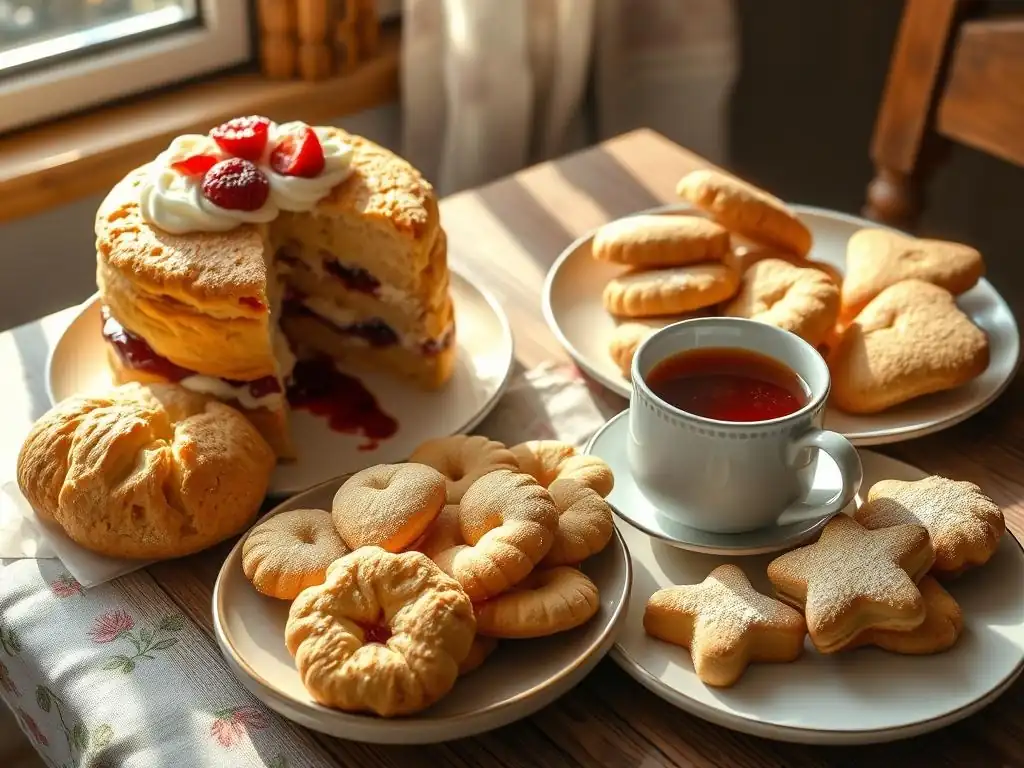
Beyond the absolute icons, the world of British baking offers a treasure trove of other comforting delights. Many regional specialties and lesser-known bakes provide just as much warmth and satisfaction, perfect for expanding your repertoire of British baking comfort recipes. Exploring these can lead to new favorites and a deeper appreciation for the diversity of British home baking.
These additional bakes often feature similar core ingredients and techniques but combine them in unique ways to create distinct textures and flavors. They range from fruit-filled pastries to rich, spiced buns, each with its own history and place in the comforting landscape of British cuisine.
Bakewell Tart, Chelsea Buns, and Eccles Cakes
Here are a few more examples of comforting British bakes:
- Bakewell Tart: Originating from Bakewell in Derbyshire, this consists of a shortcrust pastry shell filled with a layer of jam (traditionally raspberry), covered with a frangipane (almond) sponge, and topped with flaked almonds. A variation, the Bakewell Slice or Cherry Bakewell, adds icing and a glacé cherry. It's a sweet, nutty, and fruity treat.
- Chelsea Buns: These are sweet, rolled buns made from enriched yeast dough, similar to cinnamon rolls. They are typically filled with currants, brown sugar, and butter, sometimes with spices like cinnamon or mixed spice. After baking, they are usually glazed with sugar syrup, making them sticky and sweet. They are a classic tea-time bun.
- Eccles Cakes: Small, round, flat pastries filled with currants and sugar, often flavored with citrus zest or spices. Made with flaky puff pastry, they are typically topped with a sprinkle of sugar before baking. They are named after the town of Eccles in Lancashire and are known for their sweet, chewy filling encased in crisp pastry.
Finding Inspiration for British Baking: Cookbooks and Online Resources
If you're eager to delve further into the world of British baking comfort recipes, there are countless resources available. Classic cookbooks by renowned British bakers provide foundational recipes and techniques, often with historical context. Look for books by authors like Mary Berry, Delia Smith, or Mrs. Beeton for traditional approaches.
The internet is also a fantastic source of inspiration. Many food blogs, baking websites (like BakeWithEase! ), and online communities offer recipes, tips, and variations on classic British bakes. Searching for terms like "traditional British cakes," "UK biscuit recipes," or "British pudding recipes" will yield a wealth of information. Exploring these resources is a great way to expand your knowledge and find your next favorite British baking comfort recipe to try.
One of the greatest joys of baking British baking comfort recipes is sharing them with others. Whether it's a batch of warm scones for an impromptu gathering, a slice of Victoria Sponge for a friend, or a comforting Apple Crumble for a family dessert, these bakes are made for sharing. The act of giving and receiving homemade treats is a powerful expression of care and connection.
We encourage you to bake these recipes, put your own stamp on them (within the spirit of tradition, of course! ), and share them widely. We'd love to hear about your experiences! What are your favorite British baking comfort recipes? What memories do they evoke for you? Share your stories and photos – let's build a community around the simple, profound comfort of British baking.
Frequently Asked Questions
What makes British baking recipes so comforting?
British baking often evokes feelings of warmth and nostalgia through classic recipes passed down through generations. The focus on simple ingredients and comforting flavors contributes to this feeling.
Where can I find easy-to-follow British baking recipes suitable for beginners?
BakeWithEase.com offers a range of British baking recipes specifically designed for beginners. You'll find step-by-step guides and easy-to-find ingredients lists to help you succeed.
What are some examples of popular British comfort baking recipes?
Examples include Victoria Sponge, Scones, Shortbread, and Sticky Toffee Pudding. These recipes often feature classic flavors and are relatively simple to make, making them perfect for comfort baking.
Are British baking recipes difficult to adapt for different dietary needs, such as gluten-free or vegan?
While some traditional recipes can be challenging, many can be adapted with ingredient substitutions. BakeWithEase.com may offer variations or tips for gluten-free or vegan alternatives in some recipes.
What are some essential ingredients or techniques specific to British baking?
Common ingredients include self-raising flour, caster sugar, and butter. Techniques like the rub-in method for pastry and the creaming method for cakes are frequently used in traditional British baking.
Final Reflection: The Enduring Comfort of a British Bake
The aroma of freshly baked bread, the comforting weight of a warm scone, the simple joy of a perfectly crumbly crumble – these are not merely culinary experiences; they are deeply ingrained cultural touchstones. British baking, far from being a quaint tradition, remains a potent symbol of home, family, and shared experience in a rapidly changing world. Its enduring appeal speaks to a fundamental human need for solace and connection, a need that transcends borders and generations.
The influence of British baking extends far beyond the kitchen table. It's woven into the fabric of our social lives, from afternoon teas to bake sales, from family gatherings to national celebrations. It's a language spoken through shared recipes passed down through families, a silent conversation held across generations. As Mary Berry so eloquently put it, Baking is about love. It's about sharing. It's about making people happy.
This sentiment perfectly encapsulates the heart of British baking and its enduring power to connect us.
Now, consider your own kitchen. What comforting smells and tastes bring you back to moments of joy and connection? Perhaps it's not a traditional British recipe, but the principle remains the same.
I encourage you to explore the simple pleasures of baking, to experiment with familiar recipes, and to share the fruits of your labor with those you love. Let the warmth of the oven and the satisfaction of a perfectly risen loaf remind you of the enduring power of simple things, the importance of connection, and the comforting embrace of tradition. Let the comforting embrace of British baking inspire you to create your own moments of warmth and happiness.
Unleash Your Inner Baker: Taste the Tradition!
Thanks for exploring the comforting world of British baking with us! We hope you've discovered some delicious inspiration and new baking adventures await. Ready to get started?
- Try your hand at a classic Victoria Sponge: This is your gateway to mastering British baking techniques! The recipe is simpler than you think.
- Share your baking journey: Snap a photo of your creation and tag us on social media – we'd love to see your results!
- Explore our other British Baking recipes: We have a treasure trove waiting to be discovered, from scones to sticky toffee pudding.
What classic British treat are you most excited to bake next?