
Germany's Brotkultur: A Deep Dive into Its Rich Bread Heritage

Welcome to BakeWithEase, your passport to the delicious world of baking! Ever wondered about the secrets behind Germany's legendary bread culture? Prepare to be transported! This article dives deep into the heart of German baking traditions, offering easy German sourdough bread recipes and unveiling the secrets behind that perfect crust and tangy flavor. Intrigued? Let's embark on this flavorful journey together and discover the magic of Germany's brotkultur...
- Exploring Germany's Bread Culture: More Than Just Bread
- Mastering Authentic German Sourdough Bread Recipes: A Baker's Guide
- Easy German Sourdough Bread Recipes for Home Bakers
- Beyond Sourdough: Other Popular German Breads and Rolls
- The Best Bakeries in Germany: A Baker's Pilgrimage
- German Bread Baking Courses & Workshops: Level Up Your Skills
- Tips for Baking German Bread at Home: Avoiding Common Mistakes
- Conclusion: Celebrate Germany's Brotkultur with Every Bake
- Frequently Asked Questions
- Final Reflection: The Enduring Power of German Bread
- Unleash Your Inner Bäcker: Bake Your Way Through Germany's Bread Traditions!
Exploring Germany's Bread Culture: More Than Just Bread
The Significance of Brotkultur in German Society
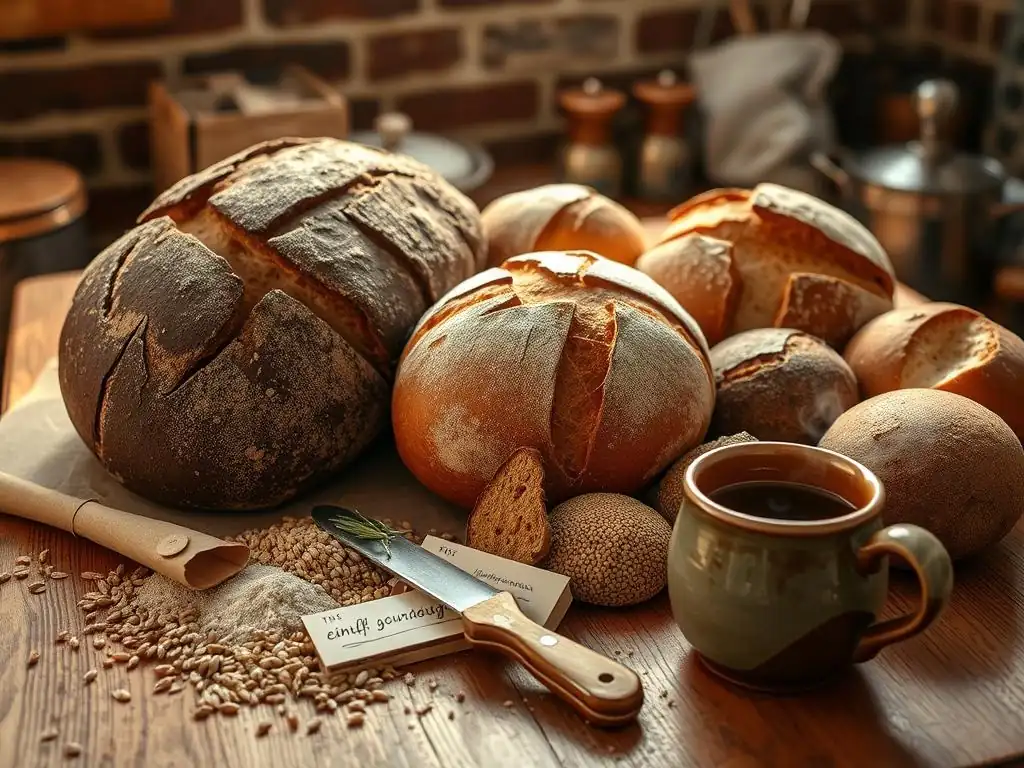
In Germany, bread, or "Brot," is far more than just a staple food; it's a cornerstone of cultural identity and daily life, a concept encapsulated by the term "Brotkultur." This deep-rooted appreciation for bread is evident in the sheer variety available, estimated to be well over 3,200 registered types, ranging from dense rye loaves to light wheat rolls.
Bread is central to every meal, from the traditional "Abendbrot" (evening bread) which is a cold supper centered around various types of bread, cheeses, and cold cuts, to the morning "Frühstück" (breakfast) featuring fresh rolls. This pervasive presence highlights bread's role not just as sustenance, but as a social connector and a symbol of tradition and quality.
The cultural significance of Brotkultur is further underscored by its protection. In 2014, German bread culture was officially recognized by the German Commission for UNESCO as an intangible cultural heritage. This acknowledgement highlights the artisanal skill, regional diversity, and historical depth associated with German bread making. It emphasizes the importance of preserving traditional techniques, including the use of sourdough starters, which are fundamental to the flavor and texture of many classic German loaves. This recognition serves to promote and protect the craft of baking, ensuring that the rich heritage of German bread continues to thrive for future generations.
A Brief History of German Bread Making
The history of German bread making stretches back thousands of years, with evidence of grain cultivation and simple baking techniques dating back to the Stone Age. However, it was during the Middle Ages that bread truly became a central part of the German diet, largely due to the suitability of the climate for growing rye and wheat. Monasteries played a crucial role during this period, refining baking techniques and preserving knowledge. The development of distinct regional bread styles began to flourish, influenced by local grain availability and traditions, leading to the incredible diversity seen today.
The invention of the mechanical dough mixer in the 19th century and the rise of industrial baking in the 20th century significantly changed the landscape, making bread production more efficient and accessible. However, the strong tradition of artisanal baking persisted, especially in smaller towns and villages.
The post-war era saw a continued appreciation for traditional methods, particularly the use of sourdough, which offers unique flavor profiles and improved shelf life. Today, while supermarkets offer mass-produced options, there remains a strong demand for high-quality, traditionally baked bread from local bakeries, reflecting a deep-seated respect for the craft and heritage of German Brotkultur.
Mastering Authentic German Sourdough Bread Recipes: A Baker's Guide
Unlocking the Secrets of German Sourdough
German sourdough bread, particularly rye-based varieties, is renowned for its dense texture, robust flavor, and long shelf life. The secret lies in the sourdough starter itself – a living culture of wild yeast and lactic acid bacteria. Unlike commercial yeast, a sourdough starter ferments the dough slowly, producing organic acids that contribute to the bread's characteristic tang and improve the dough's structure and keeping qualities. Mastering German sourdough requires patience and understanding the nuances of working with a high proportion of rye flour, which behaves differently from wheat flour due to its lower gluten content.
Working with rye sourdough involves several key steps. First, maintaining an active and healthy starter is paramount. German rye sourdough starters often use wholegrain rye flour and water. The fermentation process for rye dough is typically shorter and less focused on gluten development than wheat sourdough, as rye contains pentosans that contribute to the crumb structure instead of gluten. Proper hydration and shaping techniques are also crucial to prevent the sticky rye dough from collapsing. Understanding these principles is the first step towards creating authentic German sourdough bread recipes easy enough for home bakers to tackle.
Key Ingredients for Traditional German Sourdough Bread
The foundation of traditional German sourdough bread lies in using simple, high-quality ingredients, with flour being the most critical. Rye flour is a staple, ranging from light (Type 815 or 997) to dark or whole grain (Type 1150 or Vollkorn). Different types of rye flour yield different bread characteristics, from lighter, softer loaves to dense, dark Pumpernickel. Wheat flour, often Type 550 or 1050, is also used, sometimes in combination with rye to create mixed-flour breads (Mischbrot) that offer a lighter texture while retaining some of rye's depth.
Beyond flour and the essential sourdough starter, the other key ingredients are water, salt, and sometimes caraway seeds or other spices depending on the regional style. Water quality can impact the starter and dough. Salt is vital for flavor and controlling fermentation.
Caraway seeds are a classic addition to many German rye breads, providing a distinctive aromatic note. Some recipes might also include ingredients like dark rye malt or molasses to enhance color and flavor, particularly in darker breads. Using these authentic ingredients, even when following German sourdough bread recipes easy to make at home, ensures a taste that is true to tradition.
Easy German Sourdough Bread Recipes for Home Bakers
Recipe 1: Classic German Rye Sourdough (Roggenbrot) - A Step-by-Step Guide
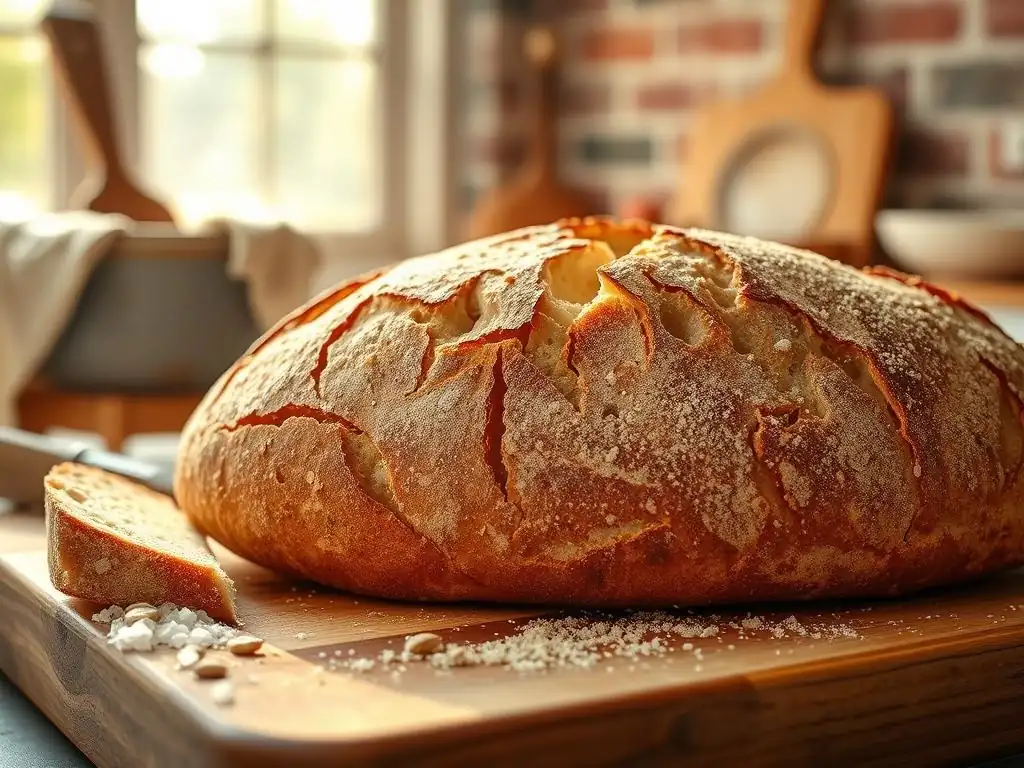
Roggenbrot, a classic German rye bread, is known for its hearty crumb and robust flavor. While traditionally made with a high percentage of rye, this version offers a slightly more accessible approach for home bakers, making it one of the German sourdough bread recipes easy to start with. The process relies heavily on the power of the rye sourdough starter to leaven the dense dough. Precision in measurements and understanding the dough's hydration are key to success.
The step-by-step process involves refreshing your rye sourdough starter, mixing the final dough (often a simple mix of refreshed starter, rye flour, water, and salt), allowing it to ferment (which is typically shorter for rye than wheat), shaping the often-sticky dough, and baking. Rye dough doesn't rise dramatically like wheat, so expect a denser loaf. Baking often starts at a high temperature to set the crust, then reduces to allow the interior to bake through slowly. Cooling completely is essential before slicing to allow the crumb to stabilize.
Ingredients and Equipment You'll Need for Roggenbrot
To bake a classic Roggenbrot, gather your ingredients: active rye sourdough starter, dark rye flour (Type 1150 or similar), warm water, and salt. For equipment, you'll need a large mixing bowl, a sturdy spoon or dough whisk for mixing (rye dough is very sticky), a proofing basket (banneton) dusted generously with rye flour or lined with a floured cloth, parchment paper for easy transfer, a baking stone or steel if you have one, and a Dutch oven or a baking setup that allows for steam in the oven.
Having the right tools makes the process smoother. A kitchen scale is essential for accurate measurements, especially with rye flour and hydration levels. A lame or sharp knife is useful for scoring the loaf before baking, although rye loaves are often baked without deep scores. A good oven thermometer can help ensure your oven is at the correct temperature, which is crucial for achieving the right crust and crumb structure.
The Roggenbrot Baking Process: From Starter to Slice
Begin by feeding your rye sourdough starter to ensure it's active and bubbly, typically 4-12 hours before mixing the dough. In a large bowl, combine the active starter, warm water, and salt, stirring to dissolve the salt. Add the rye flour and mix until just combined into a shaggy, sticky dough. Unlike wheat dough, rye dough requires minimal kneading; overworking it can lead to a gummy texture. Cover the bowl and let the dough rest for a bulk fermentation period, usually 2-4 hours, depending on room temperature.
After bulk fermentation, gently shape the dough. Since rye dough is sticky and dense, shaping is often more about forming a cohesive mass than building tension. Place the shaped loaf into your prepared proofing basket, seam-side up if baking in a Dutch oven, or seam-side down if baking on a stone.
Allow it to proof. Rye proofing times can vary, but are often shorter than wheat, perhaps 1-2 hours at room temperature or longer in the refrigerator. Preheat your oven with your baking stone or Dutch oven inside to a high temperature (around 240-250°C or 475-480°F).
Carefully transfer the loaf onto parchment paper and into the hot oven or Dutch oven. Bake with steam (or lid on Dutch oven) for the initial phase (e.g., 15-20 minutes), then remove steam source and reduce temperature (e.g., 200-220°C or 390-430°F) to finish baking until the crust is dark and the internal temperature reaches about 95-100°C (205-210°F). Allow the loaf to cool completely on a wire rack for several hours before slicing; this is vital for rye bread's texture and flavor development.
Recipe 2: German Wheat Sourdough (Weizenbrot) - A Beginner-Friendly Approach
While rye is iconic, German bakers also excel at wheat sourdough, known as Weizenbrot. These loaves are often lighter than pure rye breads but still possess the characteristic tang and complexity of sourdough fermentation. This type of loaf is often considered one of the more approachable German sourdough bread recipes easy for those new to sourdough, as wheat dough is generally easier to handle than rye. It follows principles similar to other wheat sourdoughs but with a focus on achieving a balanced flavor profile typical of German styles.
A beginner-friendly Weizenbrot recipe typically uses a higher proportion of wheat flour (like Type 550 or 1050) and may include a smaller amount of rye flour or be purely wheat. The process involves developing the gluten structure through gentle folding or kneading, allowing for a lighter, airier crumb compared to Roggenbrot. The fermentation and proofing times are often longer than for rye, allowing the wheat flour's gluten to develop properly and the sourdough starter to work its magic.
Essential Tools for Weizenbrot Success
To successfully bake German Wheat Sourdough, you'll need standard baking tools. An active wheat or mixed sourdough starter is essential. You'll need large mixing bowls, a dough scraper for handling the sticky dough, and a proofing basket (banneton) – either round or oval, depending on your desired loaf shape. Parchment paper is useful for transferring the dough.
For baking, a Dutch oven is highly recommended as it creates the perfect steamy environment for a great crust and oven spring, crucial for wheat loaves. Alternatively, you can use a baking stone or steel and create steam in your oven using a tray of hot water or ice cubes. A sharp lame or razor blade is necessary for scoring the dough before baking, allowing it to expand properly in the oven. A kitchen scale for precise measurements is, as always, non-negotiable for consistent results.
Weizenbrot: A Loaf for Every Occasion
Weizenbrot is incredibly versatile, making it suitable for many meals. Its relatively mild flavor and soft crumb make it perfect for sandwiches, toast, or simply served with butter. A typical Weizenbrot dough is mixed from active starter, wheat flour, water, and salt. After mixing, the dough undergoes bulk fermentation with a few sets of folds over several hours to build strength.
Shaping the dough requires a bit more technique than rye to create surface tension. After shaping, the loaf is placed in a proofing basket for its final rise, often overnight in the refrigerator for convenience and flavor development. Baking in a preheated Dutch oven at high heat for the first part of the bake, then removing the lid and reducing the temperature, yields a beautiful golden crust and a well-risen loaf.
Once baked, it should be cooled completely on a wire rack before slicing. This type of German sourdough bread recipe easy to follow yields a satisfying loaf that's a step up from basic wheat bread, offering complex sourdough flavor.
Recipe 3: Pumpernickel - The Dark and Delicious German Bread
Pumpernickel is perhaps one of the most distinctive German breads, known for its extremely dark color, dense, moist texture, and sweet, earthy flavor. Originating from the Westphalia region, traditional Pumpernickel is made almost entirely from coarse rye meal (schrot) and relies on a very long, slow bake at low temperatures rather than high heat and steam. This unique baking process, often lasting 16-24 hours, causes complex chemical reactions (like the Maillard reaction and caramelization) that are responsible for the bread's deep color and sweet flavor profile.
While traditional Pumpernickel requires specialized conditions (often baked in sealed containers or ovens), home versions aim to replicate its characteristics using more accessible methods. These often involve a combination of coarse and fine rye flour, sourdough starter, and sometimes added colorants like molasses or beet syrup, along with a much shorter, but still long, bake at very low temperatures. The key is the long duration at low heat, which essentially steams and caramelizes the rye.
Mastering the Long Bake: Pumpernickel Techniques
The defining technique for Pumpernickel is the low-temperature, long-duration bake. After mixing the dough, which is usually very wet and sticky, it's placed into a greased loaf pan. Traditionally, these pans were sealed to prevent moisture loss and allow the bread to steam in its own juices. At home, you can mimic this by tightly covering the loaf pan with foil.
The baking temperature is incredibly low, typically between 100-130°C (210-265°F). The bread bakes for many hours, sometimes overnight. This slow process breaks down starches into sugars, contributing to the sweetness, and causes the deep caramelization that gives Pumpernickel its signature dark hue. The resulting bread is very dense, requires no slicing during baking (no oven spring), and is best sliced very thinly after cooling completely (which also takes many hours). This unique method sets Pumpernickel apart from other German sourdough bread recipes easy or complex.
Beyond Sourdough: Other Popular German Breads and Rolls
Brötchen: The Perfect German Breakfast Roll
Brötchen, meaning "little bread," are ubiquitous across Germany and are the quintessential breakfast item. These small rolls come in countless varieties, from simple white rolls (Schrippen or Semmeln, depending on the region) made with wheat flour and yeast, to rolls studded with seeds (like sesame, poppy, or sunflower), or made with different flours like rye or spelt. They are characterized by their crisp crust and relatively soft, airy interior.
Served fresh from the bakery every morning, Brötchen are enjoyed with everything from butter and jam to cold cuts and cheese. Their appeal lies in their freshness and variety. While many are made with commercial yeast, some artisanal bakeries use a touch of sourdough or a preferment to add depth of flavor and improve texture. Mastering Brötchen at home requires achieving a good balance of crisp exterior and soft interior, often achieved through proper shaping, proofing, and baking with steam.
Brezel (Pretzel): From Bavaria to Your Kitchen
The Brezel, or pretzel, is another iconic German baked good, particularly associated with Bavaria. Distinctive for its knotted shape, chewy interior, and characteristic dark, shiny, slightly alkaline crust, the traditional German Brezel is made from a simple dough of wheat flour, yeast, water, and salt. The unique crust is achieved by dipping the shaped dough in a food-grade lye solution (sodium hydroxide) just before baking.
The lye bath is crucial; it gelatinizes the starch on the surface, allowing for a deep brown color and the classic chewy texture and slightly metallic taste that is the hallmark of a true German Brezel. While baking soda solutions can be used at home as a safer alternative, they won't produce the exact same result as lye. German pretzels are typically sprinkled with coarse salt and enjoyed fresh, often as a snack or accompaniment to a beer.
Vollkornbrot: Whole Grain Goodness
Vollkornbrot, or whole grain bread, is a broad category encompassing many different types of German bread made predominantly with whole grains, most commonly rye and wheat, but also spelt, barley, and oats. These breads are known for being incredibly dense, nutritious, and having a rich, earthy flavor. They often contain whole or cracked grains, seeds, and sometimes even dried fruits or nuts.
Examples include breads made from 100% whole rye (like the aforementioned Pumpernickel or simpler Vollkornbrot), or mixed whole grain loaves. The high proportion of whole grains means these breads are typically leavened with sourdough, as the acids help to break down the grain and make nutrients more available, while also contributing to leavening and flavor. Vollkornbrot is usually sliced thinly and is a staple of the traditional German Abendbrot. Its density and fiber content make it very filling and it keeps well for several days.
The Best Bakeries in Germany: A Baker's Pilgrimage
Experiencing Authentic Brotkultur: Top German Bakeries
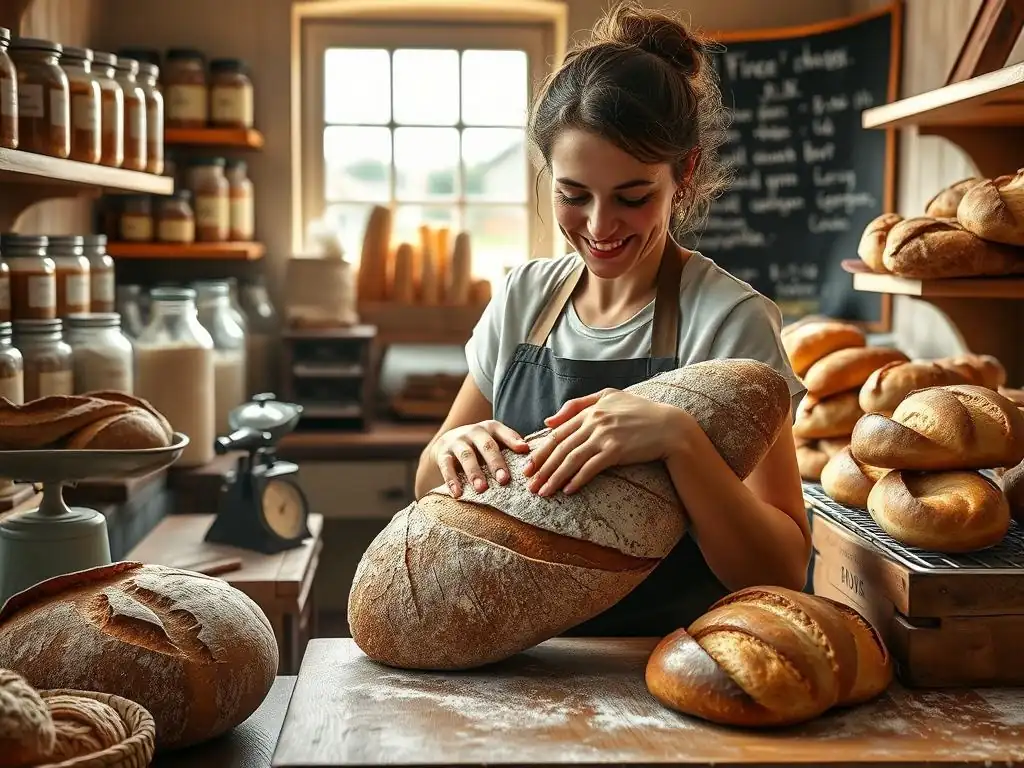
To truly appreciate the depth of German Brotkultur, a visit to a traditional German bakery (Bäckerei) is a must. These establishments are pillars of their communities, often family-run for generations, offering a dizzying array of fresh breads, rolls, and often pastries (Konditorei). The experience is sensory – the smell of fresh bread, the sight of diverse loaves stacked high, and the taste of bread baked with skill and passion.
Exploring bakeries across different regions reveals the incredible diversity of German bread. From the dark, dense rye breads of the north and east to the lighter wheat and mixed breads of the south, each region boasts its specialties. Visiting a local Bäckerei allows you to sample these regional variations firsthand and understand the local palate and traditions that shape the bread. Many bakeries still use traditional methods, including maintaining their own long-standing sourdough starters.
Bäckerei Konditorei Mauerer, Munich - Their Signature "Münchner Hausbrot" and Why It's Special
Bäckerei Konditorei Mauerer in Munich is an example of a traditional bakery upholding regional baking heritage. While specific details about their exact "Münchner Hausbrot" recipe are proprietary, a "Hausbrot" (house bread) in Munich and Bavaria typically refers to a hearty, rustic loaf, often a Mischbrot (mixed wheat and rye bread), leavened with sourdough. The "Münchner Hausbrot" is special because it embodies the local preference for breads that are substantial yet approachable, balancing the robustness of rye with the lighter texture of wheat.
A typical Münchner Hausbrot from a respected bakery like Mauerer would likely feature a dark, flavorful crust and a moist, slightly dense crumb with a pleasant tang from the sourdough. It’s the kind of bread perfect for pairing with Bavarian specialties like Obatzda (cheese spread) or cold cuts. Its quality comes from using high-quality, locally sourced flours, a well-maintained sourdough starter, and skilled bakers who understand the nuances of fermentation and baking specific to this regional style. It represents the heart of Bavarian bread culture.
Zeit für Brot, Berlin - A Modern Twist on Traditional Baking with Organic Ingredients
Zeit für Brot (Time for Bread) is a bakery chain that has gained popularity, particularly in cities like Berlin, by offering a modern interpretation of traditional German baking with a strong focus on organic ingredients and transparency. While they offer a wide variety of breads and pastries, their approach resonates with a growing demand for high-quality, sustainably produced food. They emphasize slow fermentation processes, including the use of sourdough, to develop complex flavors and textures.
What makes Zeit für Brot stand out is their commitment to organic farming and traditional craft combined with a contemporary aesthetic. Their loaves, including various sourdoughs (like their Roggen Vollkorn or different Mischbrote), often have beautiful, well-developed crusts and open crumbs, appealing to modern sourdough enthusiasts. Visiting Zeit für Brot offers a glimpse into how German Brotkultur is evolving, blending timeless techniques with modern values like organic sourcing and artisan quality, making traditional German sourdough bread recipes easy to appreciate in a new light.
German Bread Baking Courses & Workshops: Level Up Your Skills
Online German Bread Baking Courses
For those unable to travel to Germany but eager to learn the craft of German baking, online courses offer a convenient solution. Many experienced German bakers and baking schools now provide virtual workshops and comprehensive courses covering everything from starting and maintaining a sourdough culture to mastering specific German bread types like Roggenbrot, Mischbrot, and even Brötchen.
These online platforms often feature video tutorials, detailed recipes, and interactive Q&A sessions. They break down complex techniques into manageable steps, making even seemingly difficult German sourdough bread recipes easy to follow from your own kitchen. Look for courses that specifically focus on traditional German methods and flours to get the most authentic learning experience. Some courses may even guide you on sourcing appropriate ingredients if you're outside of Germany.
In-Person Baking Workshops in Germany: Immersive Experiences
For the ultimate immersive experience, participating in an in-person baking workshop or course in Germany is invaluable. Many traditional bakeries and specialized baking schools across the country offer classes for enthusiasts. These workshops provide hands-on experience, allowing you to feel the dough, understand the fermentation process firsthand, and learn directly from skilled artisan bakers.
Attending a workshop in Germany offers insights into the local baking culture and the specific characteristics of regional breads. You might learn how to handle high-hydration rye doughs, practice traditional shaping techniques, or understand the nuances of baking in different oven types. These experiences not only build your baking skills but also deepen your appreciation for the history and tradition behind German Brotkultur. Look for workshops that specify their focus, such as sourdough techniques or specific regional breads.
Tips for Baking German Bread at Home: Avoiding Common Mistakes
Troubleshooting Common Sourdough Issues
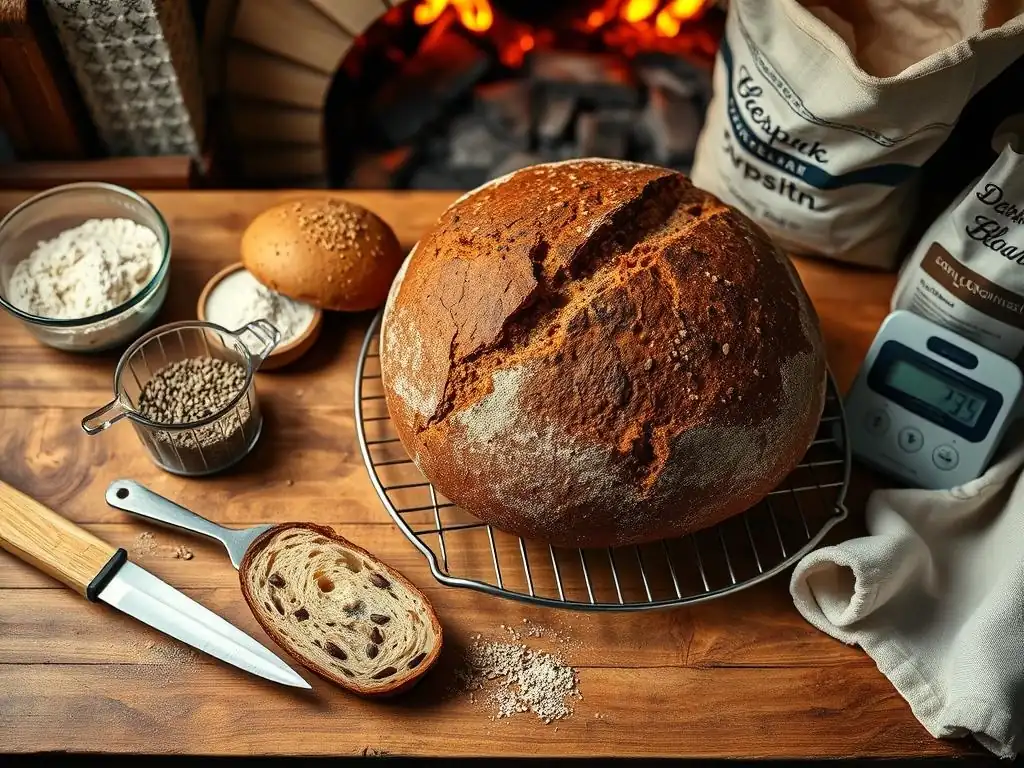
Baking German sourdough bread, especially high-rye varieties, can present unique challenges. One common issue is a dense or gummy crumb. This is often caused by insufficient fermentation (not allowing the starter or dough enough time to develop), overworking the rye dough (which lacks strong gluten and can become gummy), or slicing the bread before it has cooled completely. Ensure your starter is vigorous, handle rye dough gently, and always let the finished loaf cool for several hours.
Another challenge can be achieving a good rise, particularly with dense rye doughs. Unlike wheat, rye doesn't form a strong gluten network, so the structure relies more on pentosans and the acids produced by the sourdough starter. Using an active, mature starter is crucial. Also, understanding that rye breads naturally have less oven spring than wheat is important. Don't expect dramatic puffing; focus on achieving a well-fermented dough that rises steadily during proofing and holds its shape during baking. Correct hydration for the specific flour used is also key.
Achieving the Perfect Crust and Crumb
A hallmark of great German bread is its crust – often thick, dark, and flavorful – and its crumb – ranging from dense and moist in rye loaves to open and airy in wheat or mixed breads. Achieving these textures at home requires attention to detail. For a good crust, high initial baking temperatures and steam are essential, especially for wheat and mixed breads. Steam helps keep the surface moist initially, allowing the loaf to expand fully before the crust sets, resulting in a thinner, crisper crust.
For the crumb, proper fermentation is paramount. The sourdough starter needs to be active enough to produce sufficient carbon dioxide for leavening. Hydration levels also play a significant role; higher hydration often leads to a more open crumb in wheat breads and a moist crumb in rye breads. For rye, ensuring the dough isn't over-proofed helps maintain structure. Baking until the internal temperature is correct (around 95-100°C or 205-210°F) ensures the crumb is fully cooked and set. Finally, patience during the cooling phase is critical for the crumb structure and flavor to fully develop.
Conclusion: Celebrate Germany's Brotkultur with Every Bake
Germany's Brotkultur is a testament to the enduring power of tradition, regional diversity, and the simple, profound pleasure of good bread. From the ancient art of sourdough to the daily ritual of fresh Brötchen, bread is woven into the fabric of German life. Exploring this rich heritage offers endless opportunities for bakers, whether you're seeking authentic German sourdough bread recipes easy enough for beginners or aiming to master complex regional specialties like Pumpernickel.
By understanding the key ingredients, embracing the unique techniques like long, slow fermentation and specific baking methods for rye, and perhaps seeking out authentic experiences at German bakeries or through baking courses, you can bring a piece of this incredible culture into your own kitchen. So, refresh your starter, measure your flour, and embark on your own journey into the world of German bread. Each loaf you bake is a celebration of Brotkultur, a connection to centuries of tradition, and a delicious addition to your table.
Frequently Asked Questions
What makes German sourdough bread unique?
German sourdough bread distinguishes itself through its robust flavor profile developed from a long fermentation process and the use of traditional German grains like rye and spelt. This results in a dense, hearty bread.
Are German sourdough bread recipes easy for beginners?
While some German sourdough recipes can be complex, BakeWithEase.com offers easy-to-follow recipes designed for beginners, emphasizing simpler techniques and readily available ingredients.
What are some common ingredients in German sourdough bread?
Common ingredients include rye flour, wheat flour, water, salt, and of course, a sourdough starter. Some recipes may also incorporate spices or seeds for added flavor and texture.
How does the sourdough starter impact German bread?
The sourdough starter is crucial for achieving the distinctive tangy flavor and characteristic texture of German sourdough. It also contributes to the bread's longer shelf life and digestibility.
Can I find step-by-step guides for German sourdough bread recipes on BakeWithEase.com?
Yes, BakeWithEase.com provides detailed step-by-step guides for various German sourdough bread recipes, ensuring a successful baking experience for all skill levels.
Final Reflection: The Enduring Power of German Bread
The simple act of baking bread, particularly sourdough, connects us to a rich history and a vibrant culture. Germany's Brotkultur, far from being a relic of the past, is experiencing a powerful resurgence, fueled by a renewed appreciation for traditional techniques and the desire for wholesome, handcrafted food. This renewed interest isn't just a culinary trend; it's a testament to the enduring power of tradition in a rapidly changing world.
The journey through Germany's bread heritage, from the meticulous craftsmanship of its bakers to the diverse regional variations, has been a deeply enriching experience. It highlights the importance of preserving culinary traditions and the profound connection between food, culture, and community. Bread is the staff of life,
a simple phrase, yet it encapsulates the profound significance of bread in human history and its continued role in shaping our cultural identities. The enduring popularity of German sourdough recipes, even in simplified forms, speaks volumes about this enduring connection.
Now, it's your turn. Consider the simple act of kneading dough, the satisfying rise of the sourdough starter, the aroma of freshly baked bread filling your kitchen. These aren't just steps in a recipe; they are moments of connection to a centuries-old tradition. Try your hand at one of the easy German sourdough recipes explored in this article. Embrace the process, savor the result, and discover the enduring magic of Brotkultur for yourself. Let the simple act of baking bread become a mindful practice, a connection to history, and a celebration of the enduring power of tradition.
Unleash Your Inner Bäcker: Bake Your Way Through Germany's Bread Traditions!
Thanks for joining us on this delicious journey through Germany's incredible bread heritage! We hope you discovered new appreciation for the artistry and tradition behind each loaf. Ready to put your newfound knowledge to the test?
- Bake your own sourdoughbrot: This is your chance to experience the magic firsthand! Our website has some fantastic sourdough recipes to get you started (though feel free to experiment with your own twists! ).
- Share your baking journey: Post a picture of your creation on social media using #BakeWithEaseGermany – let's build a community of bread enthusiasts!
- Explore regional variations: Germany boasts a stunning variety of breads. Challenge yourself to research and try a bread from a region you haven't explored yet!
What unique German bread are you most excited to try baking – or perhaps, already baking? Let us know in the comments!