
EggFree Puff Pastry: Flaky Layers Without Dairy or Eggs

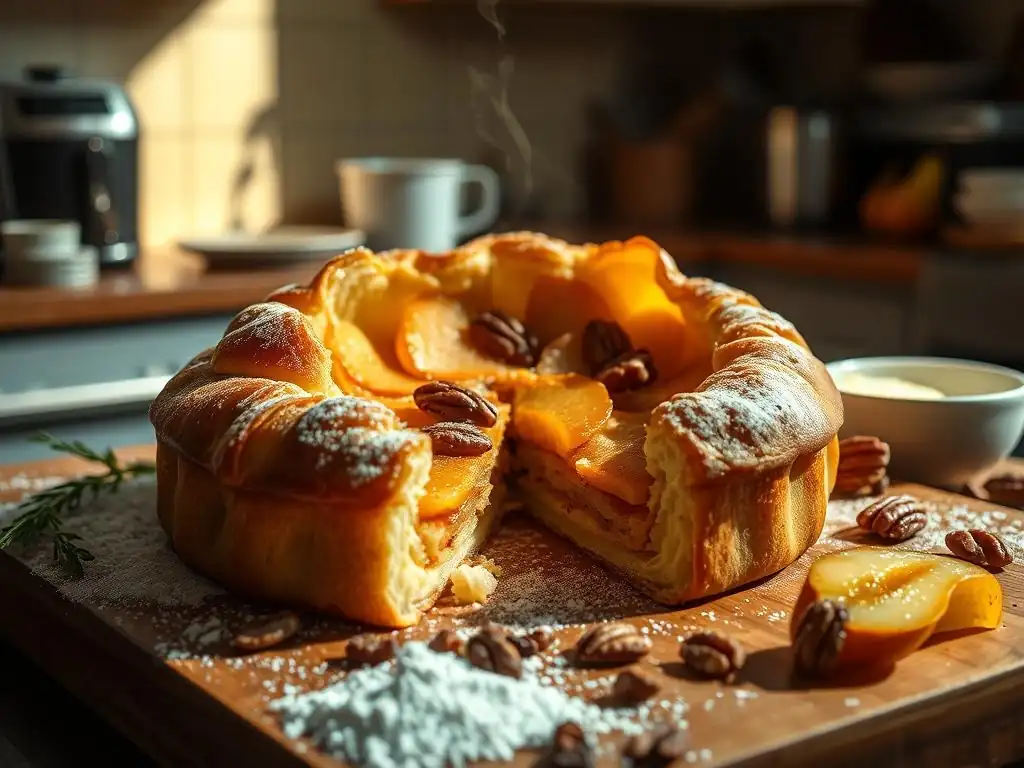
Welcome to BakeWithEase, your haven for stress-free baking! Intrigued by the idea of a melt-in-your-mouth pastry that defies expectations? Then you're in the right place. Discover the secrets to creating a truly exceptional eggfree flaky puff pastry, achieving those delicate, layered results without compromising on taste or texture. Curious how it's done? Keep reading to unlock the secrets!
- Egg-Free Puff Pastry: Flaky Layers Without Dairy or Eggs - Bake With Ease
- Introduction to Egg-Free Baking: Mastering Puff Pastry without Eggs
- Understanding Puff Pastry: The Science Behind Flaky Layers
-
The Egg-Free Puff Pastry Recipe: A Step-by-Step Guide
- Ingredients for Egg-Free Flaky Pastry: Dairy-Free Options Included
- Step 1: Preparing the Dough for Eggless Puff Pastry
- Step 2: Creating the Butter Block (Beurrage) for Lamination
- Step 3: Laminating the Egg-Free Dough: Turns and Folds Explained
- Step 4: Resting the Dough: Crucial for Gluten Relaxation
- Step 5: Baking Your Egg-Free Puff Pastry: Temperature and Timing
- Tips and Tricks for Perfect Egg-Free Flaky Pastry
- Variations and Uses for Egg-Free Puff Pastry
- Storing and Freezing Egg-Free Puff Pastry
- Conclusion: Enjoying Delicious Egg-Free Flaky Pastries
-
Frequently Asked Questions
- How can I achieve a flaky texture in puff pastry without using eggs?
- What is the best type of fat to use in egg-free puff pastry for optimal flakiness?
- Are the ingredients for egg-free puff pastry readily available in most supermarkets?
- What are some common mistakes to avoid when making egg-free puff pastry?
- Can I freeze egg-free puff pastry dough for later use?
- Final Reflection: The Joy of Inclusive Baking
- Unleash Your Inner Pastry Chef!
Egg-Free Puff Pastry: Flaky Layers Without Dairy or Eggs - Bake With Ease
Welcome to BakeWithEase.com! Today, we're diving into the world of egg-free baking, tackling one of the most rewarding challenges: creating a truly flaky, layered puff pastry without any eggs or dairy. Whether you're navigating allergies, dietary choices, or simply exploring new techniques, mastering eggless puff pastry opens up a world of delicious possibilities. Forget store-bought alternatives; we'll guide you through crafting your own delicate layers from scratch.
Introduction to Egg-Free Baking: Mastering Puff Pastry without Eggs
Puff pastry is renowned for its ethereal flakiness, a result of countless thin layers of dough and butter expanding in the oven. Achieving this delicate structure traditionally relies on the interplay of gluten development, fat distribution, and steam. When you remove eggs from the equation, you need to find new ways to ensure elasticity, strength, and that characteristic golden finish.
Creating egg-free puff pastry might seem daunting, but it's entirely achievable with the right approach and patience. The core principles remain the same: layering dough and fat, chilling, and repeating. However, understanding the subtle differences in how egg-free dough behaves is key to success. We'll explore how to adapt classic techniques to yield a superb eggfree flaky puff pastry that rivals its traditional counterpart.
The Challenge of Egg-Free Puff Pastry: Achieving Flakiness
The primary challenge in making egg-free puff pastry is replicating the structural support and richness that eggs provide in traditional recipes. Eggs, particularly the yolks, add fat and emulsifiers which contribute to tenderness and help bind the dough. The protein in eggs also adds a bit of structure and aids in browning. Without them, the dough can be slightly less pliable and potentially more prone to breaking during lamination.
Furthermore, achieving the signature lift and separation of layers in eggfree flaky puff pastry relies solely on the steam generated from the water in the dough and fat. While this is the fundamental principle for all puff pastry, the absence of egg wash (often used for a golden crust) means relying purely on oven heat and timing for that beautiful finish. Success hinges on meticulous temperature control and precise folding techniques to ensure the fat remains distinct layers within the dough.
Why Bake Egg-Free Puff Pastry? Health and Dietary Considerations
Baking egg-free puff pastry is a necessity for individuals with egg allergies, which are among the most common food allergies, particularly affecting an estimated 1-2% of young children. For these individuals, even trace amounts of egg can trigger adverse reactions ranging from mild symptoms like hives to severe anaphylaxis. Having a reliable recipe for eggless puff pastry allows them to safely enjoy treats that would otherwise be off-limits, such as fruit tarts, vol-au-vents, or pastry swirls.
Beyond allergies, many people choose an egg-free or vegan lifestyle for ethical, environmental, or health reasons. The global vegan population is growing, with estimates suggesting numbers reaching tens of millions worldwide. Providing a recipe for egg-free flaky puff pastry, often made dairy-free as well by using plant-based butter, caters to this significant and expanding demographic. It ensures that delicious, layered pastries are accessible to everyone, regardless of their dietary restrictions or choices.
Understanding Puff Pastry: The Science Behind Flaky Layers
Puff pastry's magic lies in a process called lamination. It involves encasing a block of cold fat within a simple dough and repeatedly folding and rolling the dough. This process creates hundreds, sometimes thousands, of alternating thin layers of dough and fat. When the pastry is baked at high heat, the water in the dough turns to steam, forcing the layers apart, while the fat melts and is absorbed, preventing the layers from fusing together. The result is a remarkably light, airy, and flaky structure.
The success of this lamination depends heavily on maintaining the correct temperatures. The fat must remain solid and distinct from the dough during rolling and folding. If the fat melts into the dough prematurely, the layers will not separate properly, resulting in a greasy, dense pastry rather than a light, eggfree flaky puff pastry. The elasticity of the dough, developed through careful kneading and resting, is also crucial, allowing it to be rolled thinly without tearing, thus preserving the integrity of the layers.
Traditional Puff Pastry Ingredients and Their Roles
Traditional puff pastry typically uses four main ingredients: flour, water, salt, and butter. The flour provides the structure through its gluten content. All-purpose flour, with a protein content typically around 10-12%, is commonly used, providing enough elasticity to withstand the rigorous rolling and folding process but not so much that it becomes tough.
Water is essential for hydrating the flour and allowing gluten to develop. It also creates the steam that lifts the layers during baking. Salt is added for flavor and also helps to strengthen the gluten network. Finally, butter, usually unsalted and with a high fat content (around 80-82%), is the key to flakiness. It's incorporated as a solid block (the beurrage) and layered within the dough. As it melts in the oven, it steams and fries the surrounding dough layers, creating the characteristic separation and crispness of a beautiful eggfree flaky puff pastry.
How Eggs Contribute to Traditional Puff Pastry's Structure
While not always included in the basic dough formula for classic French puff pastry (which often relies purely on flour, water, salt, and butter), eggs are sometimes added to enrich the dough or, more commonly, used as an egg wash on the surface before baking. When eggs are added to the dough itself, they contribute richness and tenderness dueishing the protein content slightly, which can affect gluten development. An egg yolk, for instance, contains about 3 grams of protein and 5 grams of fat, adding emulsifying properties and a tender crumb.
The more common use of eggs in traditional puff pastry is as an egg wash applied to the surface before baking. This wash, typically a mixture of beaten egg and sometimes a little water or milk, serves multiple purposes. It promotes browning, giving the finished pastry a beautiful golden sheen. It also helps seal the edges of the pastry and glue multiple pieces together, if needed. While an egg wash significantly impacts the final appearance, the fundamental flakiness of the eggfree flaky puff pastry relies on the dough and fat layers, not the surface application.
The Egg-Free Puff Pastry Recipe: A Step-by-Step Guide
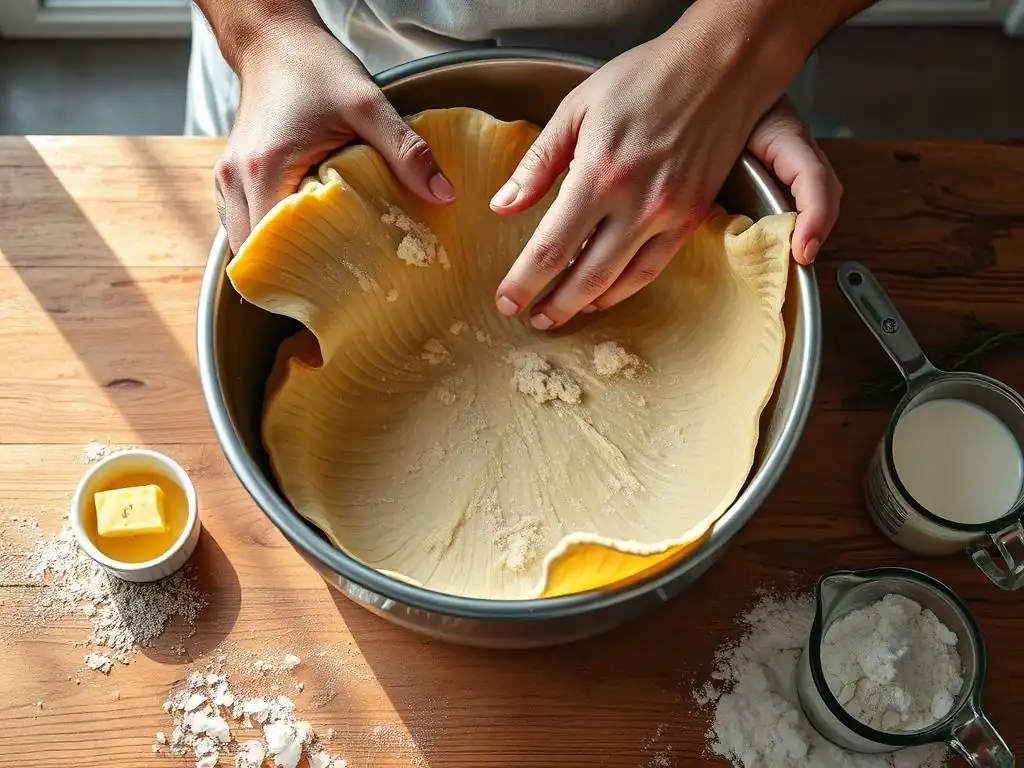
Crafting your own egg-free puff pastry at home is a rewarding process. It requires patience and attention to detail, but the result is a versatile dough ready for both sweet and savory creations. Follow these steps carefully to achieve a perfect eggfree flaky puff pastry.
This guide walks you through the classic method of creating layers through repeated folding and chilling. We'll focus on achieving maximum flakiness without relying on eggs, using techniques honed for egg-free and dairy-free baking. Get ready to roll, fold, and bake!
Ingredients for Egg-Free Flaky Pastry: Dairy-Free Options Included
To make a standard batch of egg-free flaky pastry, you'll need simple ingredients. For the dough ( détrempe), you'll typically use around 250 grams of all-purpose flour, about 125-150 ml of ice-cold water, and a pinch of salt (around 5 grams). The exact amount of water can vary slightly depending on your flour and humidity.
For the fat block ( beurrage), you will need about 125-150 grams of very cold butter or a firm, high-quality plant-based butter alternative if making it dairy-free. Look for plant-based butters specifically designed for baking, as they often have a fat content similar to dairy butter (around 75-80%) and a firm texture essential for lamination. Soft margarines or spreads will not work for this process.
Step 1: Preparing the Dough for Eggless Puff Pastry
Begin by combining the flour and salt in a large bowl. Gradually add the ice-cold water, mixing with a fork or your hands until a shaggy dough forms. Be careful not to add too much water; the dough should be just moist enough to come together.
Turn the dough out onto a lightly floured surface and knead it gently for just a few minutes, perhaps 3-5 minutes. The goal is to create a smooth, cohesive dough, but you don't need to develop the gluten as much as you would for bread. Overworking the dough at this stage can make it too elastic and difficult to roll out later. Shape the dough into a rectangle, wrap it tightly in plastic wrap, and refrigerate for at least 30 minutes, or preferably 1 hour.
Step 2: Creating the Butter Block (Beurrage) for Lamination
While the dough is chilling, prepare your butter block. Take the cold butter (or plant-based butter) and place it between two sheets of parchment paper. Using a rolling pin, gently pound the butter to soften it slightly and make it pliable, without letting it melt.
Once pliable, roll the butter into a rectangle, roughly half the size of your dough rectangle. Aim for a thickness of about 1 cm (around 0.4 inches). Ensure the edges are relatively neat. This butter block needs to be cold but flexible enough to roll out with the dough without breaking. If it's too hard, it will crack; if too soft, it will melt into the dough.
Step 3: Laminating the Egg-Free Dough: Turns and Folds Explained
Take the chilled dough from the refrigerator and roll it out on a lightly floured surface into a rectangle about twice the size of your butter block. Place the butter block in the center of the dough rectangle. Fold the dough over the butter block, like a letter, ensuring the edges meet neatly to fully enclose the butter. Pinch the seams closed to prevent the butter from escaping during rolling.
Now, rotate the dough 90 degrees so the folded edge is to your side. This is your first "turn." Gently roll the dough into a long, thin rectangle, about 3 times as long as it is wide. Fold the dough again in thirds (like folding a letter).
This completes one turn. Wrap the dough tightly and refrigerate for at least 30-60 minutes to allow the gluten to relax and the butter to firm up. Repeat this rolling, folding, and chilling process for a total of 4 to 6 turns. A typical recipe might call for 6 turns, creating potentially thousands of layers.
Step 4: Resting the Dough: Crucial for Gluten Relaxation
Resting the dough between turns is a non-negotiable step in creating perfect eggfree flaky puff pastry. After each turn, the gluten in the dough becomes tightened and resistant to rolling. Refrigerating the dough for at least 30-60 minutes allows the gluten strands to relax.
This relaxation is vital because it makes the dough pliable enough to be rolled thinly in the next turn without tearing or shrinking excessively. It also ensures the butter remains cold and firm. Skipping or shortening rest periods is a common mistake that leads to uneven layers, butter leakage during rolling, and a less airy, less flaky final product. Proper chilling ensures your eggless puff pastry develops maximum height and flakiness when baked.
Step 5: Baking Your Egg-Free Puff Pastry: Temperature and Timing
Baking egg-free puff pastry requires a high oven temperature to create the necessary steam quickly. Preheat your oven to a hot temperature, typically around 400-425°F (200-220°C). This initial blast of heat causes the water in the dough to rapidly turn to steam, forcing the layers apart before the fat melts completely.
The baking time will vary depending on the size and thickness of your pastry item, but small items like palmiers or turnovers might take 15-20 minutes, while larger tarts could take 25-35 minutes. The pastry should puff significantly and turn a deep golden brown. If it browns too quickly, you can reduce the temperature slightly after the initial puffing phase (after about 10-15 minutes) to ensure the inside cooks through without burning the outside. For a lovely finish without egg wash, some bakers lightly brush the top with melted plant-based butter or a plant-based milk alternative before baking.
Tips and Tricks for Perfect Egg-Free Flaky Pastry
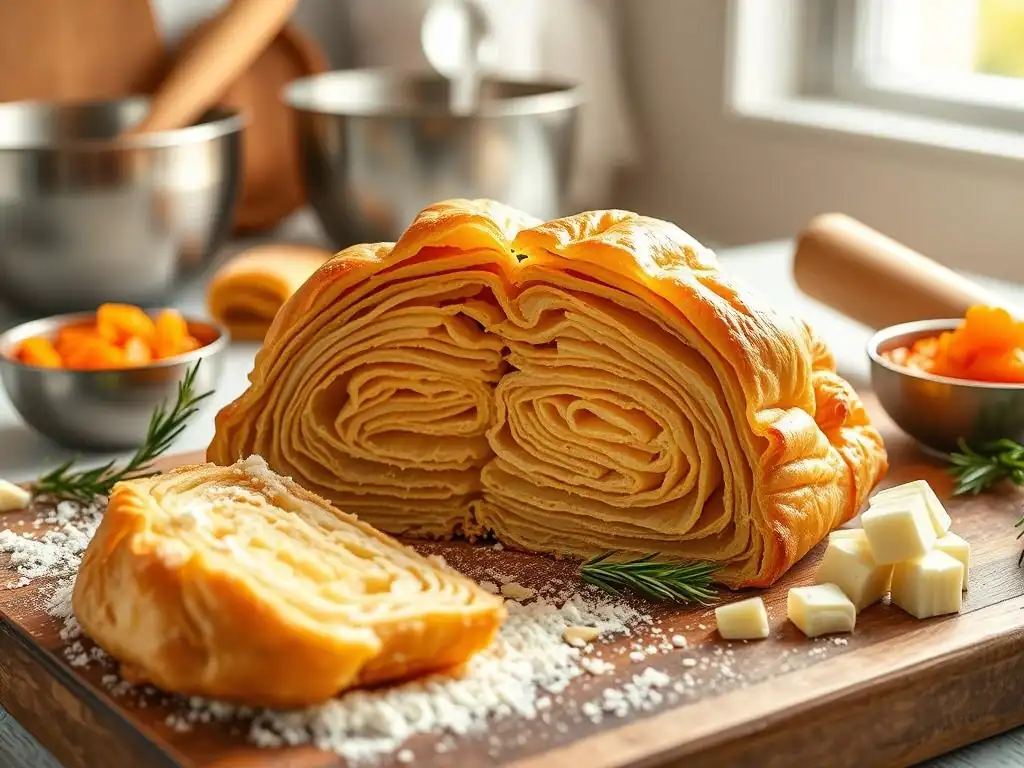
Achieving truly spectacular eggfree flaky puff pastry consistently comes down to mastering a few key techniques and understanding the dough's behavior. While the process involves simple ingredients and steps, precision makes all the difference.
Here are some insider tips gathered from years of baking experience that will help you avoid common pitfalls and elevate your eggless puff pastry from good to absolutely incredible. Pay close attention to temperature, handling, and even the type of flour you use.
Choosing the Right Flour for Egg-Free Baking
The type of flour you choose significantly impacts the outcome of your egg-free flaky pastry. All-purpose flour is the standard recommendation because its moderate protein content (around 10-12%) provides sufficient gluten development for elasticity without making the dough tough. This elasticity is crucial for allowing the dough to be rolled out thinly through multiple turns without tearing, preserving the integrity of the delicate layers.
Using a flour with too low a protein content (like cake flour, typically 8-9%) might result in a dough that tears easily during rolling, while a flour with too high a protein content (like bread flour, 12-14%+) can make the dough too elastic and difficult to roll thinly, leading to less defined layers and a potentially tougher texture. Stick to a good quality all-purpose flour for reliable results when making eggless puff pastry.
Maintaining Dough Temperature: Preventing Butter Melting
Temperature control is arguably the most critical factor in creating beautiful eggfree flaky puff pastry. Both the dough and the butter block must be kept cold throughout the lamination process. The ideal temperature for the dough is typically between 40-50°F (4-10°C). If the dough gets too warm, the butter inside will start to melt into the dough, destroying the distinct layers necessary for puffing.
Work quickly when rolling and folding, and don't hesitate to return the dough to the refrigerator immediately if it feels warm or if the butter seems too soft. A minimum of 30-60 minutes of chilling between turns is essential, but longer rests (up to several hours) in the fridge can be beneficial, especially if your kitchen is warm. Some dedicated bakers even chill their rolling pin or work surface slightly to help maintain the cold temperature of the eggfree flaky puff pastry dough.
Troubleshooting Common Egg-Free Puff Pastry Problems
One common issue when making egg-free puff pastry is butter leaking out during rolling. This usually indicates the dough is too warm, the butter block was too soft when enclosed, or the seams weren't properly sealed. To fix this mid-process, quickly wrap the dough and return it to the freezer for 10-15 minutes (not longer, or it will freeze solid) to firm up the butter before attempting to roll again, using more flour on your surface if needed.
Another problem is uneven puffing or a lack of layers. This can stem from inconsistent rolling (some parts thicker than others), insufficient chilling between turns, or the butter melting into the dough. Ensure you roll the dough to an even thickness across the entire surface during each turn and follow the resting times diligently. If your finished eggless puff pastry is dense and greasy, it's a clear sign the butter melted into the dough during lamination or baking, likely due to insufficient chilling or a oven temperature that was too low.
Achieving Maximum Flakiness in your Egg-Free Pastry
To maximize the flakiness of your eggfree flaky puff pastry, focus on several key areas. Firstly, ensure your butter is cold and firm but still pliable enough to roll without breaking. Using a high-quality plant-based butter with a high fat content (around 80%) is crucial if making it dairy-free. Secondly, execute your turns cleanly, ensuring the dough is rolled to an even thickness and folded neatly.
Thirdly, and perhaps most importantly, respect the chilling times religiously. These rests allow the gluten to relax and, more importantly, keep the butter solid and distinct from the dough. Finally, bake the pastry at a sufficiently high temperature (400-425°F or 200-220°C) to generate maximum steam rapidly. Don't open the oven door in the first 10-15 minutes of baking, as this can cause the pastry to collapse. These steps combined will ensure your eggless puff pastry rises beautifully into countless delicate, flaky layers.
Variations and Uses for Egg-Free Puff Pastry
Once you've mastered the art of making eggfree flaky puff pastry, a world of culinary possibilities opens up. This versatile dough can be used in countless sweet and savory applications, proving that you don't need eggs or dairy to create stunning, delicious pastries.
From elegant desserts perfect for a special occasion to simple, satisfying savory snacks, your homemade eggless puff pastry is the perfect base. Get creative with fillings and shapes to impress yourself and your guests.
Sweet and Savory Egg-Free Puff Pastry Ideas
The beauty of eggfree flaky puff pastry lies in its neutral flavor, making it adaptable to almost any filling. For sweet treats, think fruit tarts filled with seasonal berries or apples, sprinkled with cinnamon and sugar. You can also make simple turnovers filled with jam or a dairy-free cream cheese mixture. Another popular option is to sprinkle rolled-out dough with sugar and cinnamon, fold, slice, and bake into classic palmiers, which caramelize beautifully.
On the savory side, eggless puff pastry is fantastic for quiches (using a tofu or plant-based egg substitute filling), vegetable tarts topped with roasted vegetables and herbs, or savory turnovers filled with mushrooms and onions or spinach and dairy-free feta. It's also the perfect wrapper for vegan sausage rolls or mini pot pies. The possibilities are truly endless for using your homemade eggfree flaky puff pastry.
Egg-Free Puff Pastry Desserts: Palmiers, Napoleons
Classic desserts can be easily adapted using egg-free flaky puff pastry. Palmiers, also known as elephant ears or palm leaves, are perhaps the simplest and most elegant. You simply roll out the dough, sprinkle generously with granulated sugar (and often cinnamon), fold both sides towards the center, slice, and bake until golden and caramelized. A single sheet of eggless puff pastry dough can yield dozens of these crisp, buttery cookies.
Napoleons, or mille-feuille (meaning "thousand leaves"), are another stunning option. Baked sheets of eggfree puff pastry are layered with a creamy filling, traditionally crème pâtissière. You can substitute this with a dairy-free pastry cream made from plant-based milk, sugar, flour or cornstarch, and vanilla. Layer the baked pastry sheets with the cream and finish with a simple glaze or a dusting of powdered sugar for an impressive, layered dessert.
Savory Egg-Free Puff Pastry Recipes: Vegetable Tart, Sausage Rolls
Savory applications showcase the versatility of egg-free flaky puff pastry equally well. A beautiful and simple option is a vegetable tart. Roll out the dough, score a border, and fill the center with roasted vegetables like asparagus, cherry tomatoes, zucchini, and bell peppers. You can add herbs, garlic, and a drizzle of olive oil or a sprinkle of dairy-free cheese before baking until the crust is golden and the vegetables are tender.
Egg-free sausage rolls are another crowd-pleaser. Simply roll out the eggless puff pastry dough, cut it into rectangles, and wrap them around vegan sausages or a savory plant-based mince filling seasoned with herbs and spices. Brush the tops with a little plant-based milk for color and bake until golden and puffed. These are perfect for parties, picnics, or a quick snack, demonstrating the robust nature of your homemade eggfree flaky puff pastry.
Storing and Freezing Egg-Free Puff Pastry
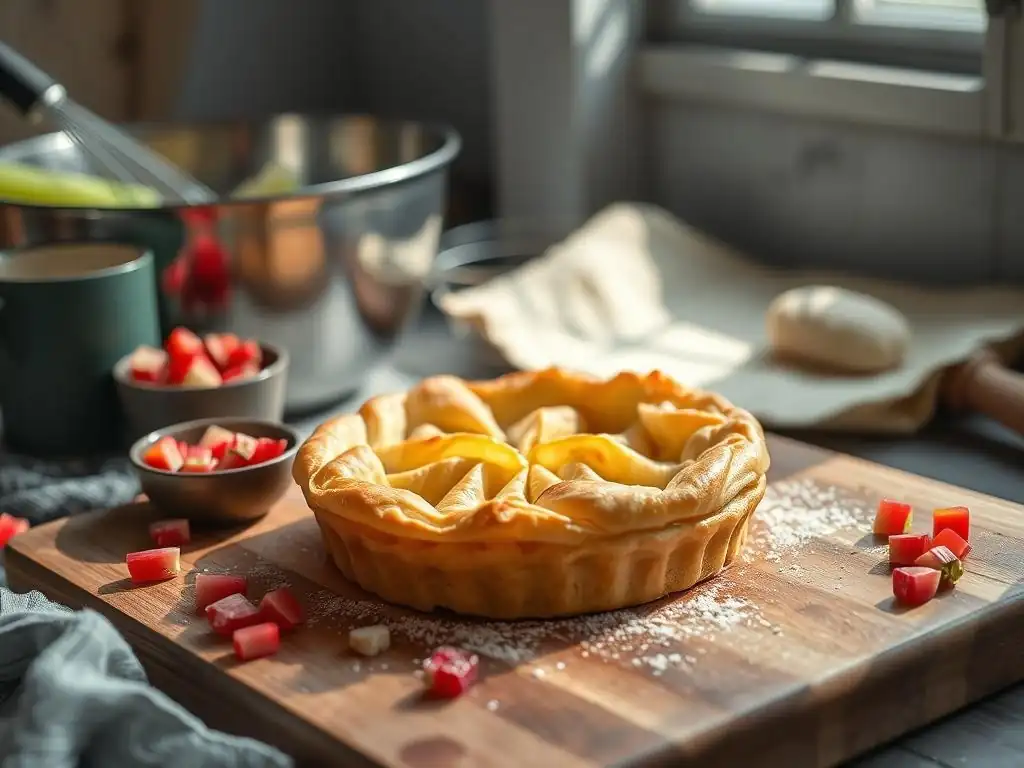
Making a batch of egg-free puff pastry takes time, so it's wise to make extra and store it for future use. Proper storage is key to maintaining the integrity of the layers and ensuring it bakes up beautifully whenever you need it.
Both unbaked dough and baked pastry can be stored, but the methods differ slightly. Knowing how to correctly refrigerate and freeze your eggfree flaky puff pastry means you can enjoy its delights without having to go through the full lamination process every single time.
How to Store Unbaked Egg-Free Puff Pastry Dough
Unbaked egg-free puff pastry dough should be wrapped very tightly in plastic wrap, ensuring no air can get to it. Store it in the coldest part of your refrigerator, typically the back of the bottom shelf. Stored this way, the dough will keep for 2-3 days.
If you need to store it for longer, freezing is the best option. Wrap the tightly plastic-wrapped dough again in aluminum foil or place it in a freezer-safe bag to prevent freezer burn. Label with the date. Unbaked eggless puff pastry dough can be frozen for up to 1-2 months. Thaw it overnight in the refrigerator before using.
Freezing and Thawing Egg-Free Puff Pastry
You can freeze both unbaked dough and shaped, unbaked items like turnovers or tart shells. For unbaked shaped items, place them on a baking sheet lined with parchment paper and freeze until solid, about 1-2 hours. Then transfer the frozen items to a freezer-safe container or bag. This prevents them from sticking together.
To bake frozen, unbaked egg-free flaky pastry items, you often don't need to thaw them completely. Simply place them on a baking sheet, allow them to sit at room temperature for 10-15 minutes while your oven preheats, and then bake as usual, adding a few extra minutes to the baking time. Freezing pre-portioned dough or shaped items is a fantastic way to have homemade eggless puff pastry ready to bake on demand.
Conclusion: Enjoying Delicious Egg-Free Flaky Pastries
You've done it! You've successfully navigated the steps to create your very own eggfree flaky puff pastry. This achievement opens up a world of baking possibilities, proving that dietary restrictions don't mean compromising on taste or texture. The delicate, buttery layers you've crafted are a testament to the power of simple ingredients and precise technique.
Whether you use your pastry for sweet palmiers, savory tarts, or something entirely new, take pride in knowing you've mastered a challenging yet incredibly rewarding baking skill. Enjoy the delicious results of your hard work and share them with friends and family – they might not even guess they're enjoying eggless puff pastry!
The Rewards of Mastering Egg-Free Puff Pastry
Mastering egg-free puff pastry is incredibly rewarding, not only for the delicious results but also for the confidence it builds in your baking abilities. You've taken on a pastry challenge known for its technicality and successfully adapted it to meet specific dietary needs. This skill allows you to create impressive desserts and savory dishes that are safe and enjoyable for those with egg allergies or following a vegan diet. Imagine presenting a stunning, sky-high vegetable tart or delicate, caramelized palmiers made entirely from scratch – the satisfaction is immense.
Furthermore, understanding the principles behind creating eggfree flaky puff pastry gives you a deeper appreciation for the science of baking. You learn how temperature, gluten, and fat interact to create structure and flakiness. This knowledge is transferable to other areas of baking, making you a more versatile and intuitive baker. The ability to produce such a high-quality pastry without traditional binders like eggs is a significant achievement and a valuable addition to your culinary repertoire.
Further Exploration of Egg-Free Baking on BakeWithEase.com
Your journey into egg-free baking doesn't have to stop with mastering egg-free puff pastry. BakeWithEase.com is packed with resources to help you explore this exciting area further. From simple egg-free cookie recipes that use common pantry staples like applesauce or mashed banana as binders, to more complex vegan cakes that rely on aquafaba or commercial egg replacers for lift and moisture, we cover a wide range of techniques and recipes.
Dive into our collection of egg-free dessert ideas, explore dairy-free options, or learn how to adapt your favorite traditional recipes. Whether you're looking for quick weeknight bakes or impressive treats for special occasions, you'll find plenty of inspiration and step-by-step guidance to continue expanding your egg-free baking skills right here on BakeWithEase.com. Keep practicing, keep exploring, and keep baking with ease!
Frequently Asked Questions
How can I achieve a flaky texture in puff pastry without using eggs?
The secret to flaky egg-free puff pastry lies in creating thin layers of dough and fat (usually vegan butter or shortening). These layers separate during baking, resulting in the desired flakiness.
What is the best type of fat to use in egg-free puff pastry for optimal flakiness?
While traditional puff pastry relies on butter, achieving the same flakiness in an egg-free version requires careful selection. Vegan butter sticks with a high fat content or vegetable shortening often yield the best results.
Are the ingredients for egg-free puff pastry readily available in most supermarkets?
Yes! Most supermarkets now carry suitable alternatives. Look for vegan butter sticks and ensure you have all-purpose flour, salt, and ice water on hand.
What are some common mistakes to avoid when making egg-free puff pastry?
Overworking the dough is a major pitfall. Avoid excessive kneading to prevent gluten development. Also, ensuring the fat remains cold throughout the process is crucial for creating distinct layers.
Can I freeze egg-free puff pastry dough for later use?
Absolutely! Freezing is a great way to save time. Wrap the dough tightly in plastic wrap and then in foil. Thaw it in the refrigerator overnight before using. It's best to use it within one to two months for optimal results.
Final Reflection: The Joy of Inclusive Baking
The pursuit of perfectly flaky, buttery puff pastry shouldn't exclude anyone. This article explored the surprisingly accessible world of egg-free puff pastry, demonstrating that delicious, layered goodness is within reach for those with dietary restrictions or allergies. The recipes and techniques shared empower home bakers to create delightful treats regardless of their dietary needs, proving that culinary creativity knows no bounds.
The impact of inclusive recipes extends far beyond individual kitchens. It's about fostering a sense of belonging and participation for everyone, regardless of their dietary requirements. Baking, after all, is a powerful act of sharing and connection. Food is symbolic of love when words are inadequate.
- Alan D. Wolfelt. This sentiment rings especially true when considering the joy of sharing a perfectly flaky pastry with loved ones, knowing that everyone can partake in the deliciousness. This recipe allows for that inclusivity, breaking down barriers and fostering a sense of community around the shared love of baking.
Now, I invite you to consider your own baking journey. Have you ever felt excluded from a culinary tradition due to dietary restrictions? What new possibilities does this egg-free puff pastry recipe unlock for you? Perhaps it's time to experiment, to adapt, and to share the joy of baking with a wider circle. Embrace the challenge, and discover the incredible satisfaction of creating something delicious and inclusive, one flaky layer at a time.
Unleash Your Inner Pastry Chef!
Thanks for exploring the world of egg-free, dairy-free puff pastry with us! We hope you’ve gained the confidence to tackle this seemingly complex treat. Now it's time to put your newfound skills to the test.
- Bake your masterpiece! Try our recipe – you might be surprised at how easy it is to create professional-looking, delicious puff pastry without eggs or dairy.
- Share your creation! Snap a picture of your finished pastry and tag us on social media – we’d love to see your baking success!
- Explore variations! Think about what unique flavors you could incorporate into your egg-free puff pastry – what exciting fillings or glazes will you try?
What incredible flavor combinations will you experiment with next?