
Sourdough Secrets: Best Schools Worldwide for Mastering Wild Yeast

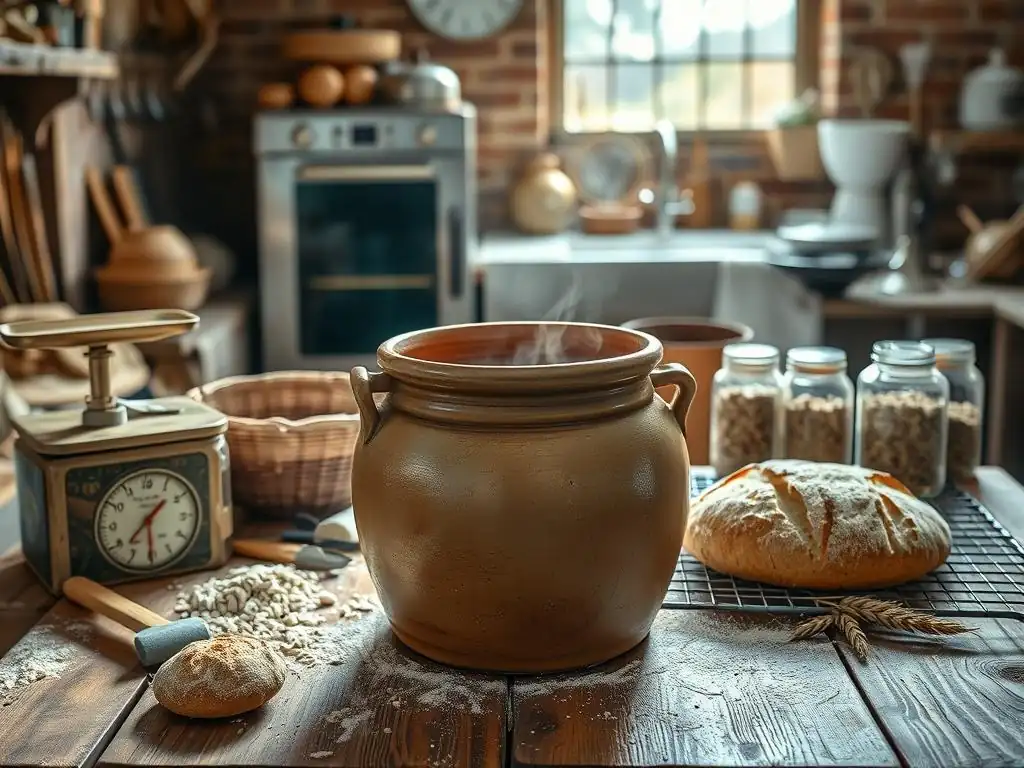
Welcome to BakeWithEase, your passport to a world of baking wonders! Ever dreamed of mastering the elusive art of sourdough? You're in the right place. This article dives deep into the sourdough starter maintenance techniques best practiced at some of the world's most renowned baking schools. Prepare to be inspired as we uncover the secrets behind their success, and perhaps even ignite your own baking adventure. Ready to discover where you can unlock your inner sourdough artisan?
- Discovering the Art of Sourdough: A Baker's Journey
-
Top Sourdough Baking Schools: A Global Guide
- 1. San Francisco Baking Institute (SFBI), USA: The American Sourdough Pioneer
- 2. The Bread Ahead Bakery School, London, UK: British Sourdough Innovation
- 3. Alain Ducasse Education, France: Elevating Sourdough to Fine Dining
- 4. Nordic Food Studio, Copenhagen, Denmark: Scandinavian Sourdough Simplicity
- 5. L'École Valrhona, France: Sourdough in Pastry Arts
- Choosing the Right Sourdough School for Your Baking Goals
- Essential Tools for Sourdough Starter Maintenance
- Mastering Sourdough Starter Maintenance Techniques: A Summary
- Level Up Your Sourdough: Beyond the Basics
-
Frequently Asked Questions
- What is the best way to maintain my sourdough starter according to BakeWithEase?
- Why is sourdough starter maintenance so important?
- What are some common mistakes people make when maintaining a sourdough starter?
- Does BakeWithEase have any specific recommendations for flour types to use for sourdough starter maintenance?
- Besides maintenance, what other sourdough resources does BakeWithEase offer?
- Final Reflection: The Enduring Allure of the Wild Yeast
- Unlock Your Inner Sourdough Maestro!
Discovering the Art of Sourdough: A Baker's Journey
Embarking on the sourdough journey is more than just mixing flour and water; it's about cultivating a living ecosystem – your sourdough starter. This magical blend of wild yeast and bacteria is the heart of authentic sourdough bread, lending it that signature tangy flavor, complex aroma, and beautiful open crumb. For many home bakers, maintaining a healthy, vigorous starter is the first significant hurdle. Understanding the intricate dance between feeding schedules, hydration levels, and environmental factors is key to consistent, delicious results. It's a skill that improves with practice, observation, and often, guidance from experienced hands.
While countless resources exist online and in books, nothing quite compares to the immersive experience of learning sourdough techniques from world-class instructors in dedicated baking schools. These institutions offer structured programs that demystify the science behind wild yeast fermentation and provide invaluable hands-on practice.
They teach not just recipes, but the foundational principles that allow you to adapt, experiment, and truly master the craft. From managing hydration to troubleshooting common issues like sluggish activity or mold, learning in a professional setting can accelerate your progress and build confidence in your ability to nurture a thriving starter and bake exceptional bread.
Top Sourdough Baking Schools: A Global Guide
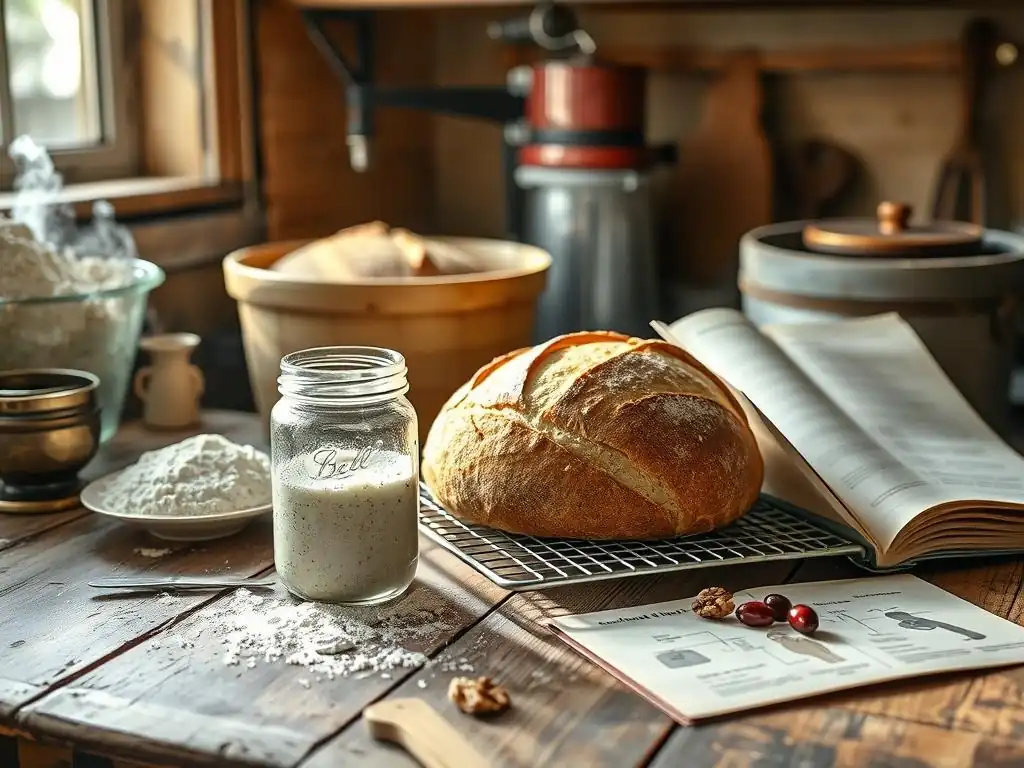
1. San Francisco Baking Institute (SFBI), USA: The American Sourdough Pioneer
Located in the city synonymous with sourdough in the United States, the San Francisco Baking Institute (SFBI) is a renowned institution dedicated to teaching the art and science of baking. Founded by Michel Suas, SFBI offers a range of professional and recreational courses, attracting students from around the globe.
Their approach is deeply rooted in understanding the fundamental principles of fermentation, dough development, and baking science, making it a prime destination for anyone serious about mastering traditional bread, especially sourdough. The institute provides a rigorous, hands-on environment where students learn by doing, often spending hours working with different doughs and starters.
SFBI's curriculum places a strong emphasis on the technical aspects of baking, providing students with a solid theoretical foundation alongside practical skills. In their sourdough-focused classes, participants delve into topics like the microbiology of sourdough starters, the impact of different flours and hydration levels, and various bulk fermentation and proofing techniques.
A typical professional course might involve baking dozens of loaves over several days, allowing students to observe the nuances of fermentation under different conditions. The school's commitment to teaching the 'why' behind the techniques empowers bakers to troubleshoot and adapt recipes confidently, a crucial skill for long-term sourdough success.
Mastering Sourdough Starter Maintenance Techniques at SFBI
SFBI dedicates significant class time to the lifecycle and care of sourdough starters. Students learn how to initiate a starter from scratch, understand the signs of a healthy, active culture, and implement effective feeding schedules. The importance of consistency in feeding ratios (flour, water, starter) and the impact of temperature are thoroughly covered.
For instance, instructors might demonstrate how different ambient temperatures affect starter activity, showing how a starter maintained at a warmer temperature (say, 78°F / 25°C) behaves differently from one kept cooler (around 70°F / 21°C). This practical demonstration helps students grasp the environmental factors critical for maintaining a robust starter.
The curriculum also addresses common issues home bakers face, such as dealing with separation (hooch), mold, or sluggish starters. Students learn diagnostic techniques – smelling the starter for off-odors, observing its texture and rise after feeding – to identify problems early. They are taught specific sourdough starter maintenance techniques to revitalize a struggling culture, such as adjusting feeding ratios, changing flour types, or increasing feeding frequency.
The goal is to equip students with the knowledge to keep their starter healthy and predictable, the foundation for consistent sourdough baking results. They emphasize that the best sourdough starter maintenance techniques often involve simple, consistent practices tailored to your specific starter and environment.
SFBI's Focus on Traditional Sourdough Baking Methods
SFBI champions traditional sourdough baking methods, emphasizing long fermentation periods that develop complex flavors and improve digestibility. Students learn to work with high-hydration doughs and master techniques like stretching and folding to build gluten strength without intensive kneading. The use of natural leavening necessitates careful attention to timing, and the school teaches students how to read the dough – understanding its texture, elasticity, and volume increase – to determine when it's ready for the next stage.
The traditional approach also includes methods for shaping various loaf types, from classic boules and batards to baguettes and more. Baking techniques, including using deck ovens or Dutch ovens to create steam, are taught to achieve the perfect crust. By focusing on these time-honored techniques, SFBI ensures that graduates understand the foundational principles that have produced exceptional sourdough for centuries. This deep understanding of traditional methods provides a solid basis for bakers looking to achieve professional-quality results at home or in a commercial setting.
Affiliate Opportunity: SFBI Online Sourdough Courses and Starter Kits
SFBI offers a range of online courses catering to bakers who cannot attend in person, including modules specifically focused on sourdough. These online programs provide a flexible way to learn from SFBI's expert instructors from anywhere in the world. Additionally, SFBI sometimes offers starter kits containing their own established sourdough culture, allowing bakers to begin their journey with a proven, vigorous starter directly from the source.
2. The Bread Ahead Bakery School, London, UK: British Sourdough Innovation
Located in the vibrant heart of Borough Market, London, Bread Ahead Bakery School has become a popular destination for both aspiring professional bakers and enthusiastic home cooks. Known for its lively atmosphere and hands-on workshops, Bread Ahead offers a variety of classes covering everything from classic pastries to regional breads. Their sourdough courses are particularly sought after, reflecting the growing popularity of naturally leavened bread in the UK. The school emphasizes practical learning, with participants getting their hands dirty from kneading to shaping and baking.
Bread Ahead's philosophy centers on making baking accessible and enjoyable, while still imparting essential technical skills. Their instructors, often experienced bakers from their own successful bakery, share real-world knowledge and tips. The school environment is designed to be engaging and supportive, encouraging students to ask questions and experiment. This approach makes learning complex topics like wild yeast fermentation feel approachable and fun, helping students build confidence in their baking abilities quickly.
Bread Ahead's Approach to Wild Yeast Fermentation
Bread Ahead demystifies wild yeast fermentation, breaking down the process into understandable steps. Their courses explain how wild yeast and lactic acid bacteria work together in a sourdough starter to leaven bread and develop flavor. Students learn about the factors influencing fermentation speed, such as temperature, hydration, and the ratio of starter to flour in the dough. They often demonstrate the difference in fermentation times between a warm kitchen and a cooler one, showing how a dough might double in size in 4 hours at 75°F (24°C) but take 8-10 hours at 65°F (18°C).
The school's practical sessions involve working with doughs at various stages of fermentation, allowing students to feel and observe the changes firsthand. This tactile learning helps bakers understand concepts like gluten development and gas production. They also discuss the impact of different flours on fermentation, explaining why a whole wheat starter might behave differently than a white flour starter. This hands-on experience is crucial for developing the intuition needed to work successfully with naturally leavened doughs.
Sourdough Starter Care Tips from Bread Ahead's Experts
Bread Ahead's workshops provide actionable tips for maintaining a healthy and active sourdough starter at home. Instructors cover essential sourdough starter maintenance techniques, such as regular feeding with fresh flour and water. They often recommend a simple 1:1:1 ratio (by weight: starter, water, flour) for feeding, emphasizing consistency. Students learn how to recognize the peak activity of their starter – typically when it has doubled or tripled in volume and shows numerous bubbles – indicating it's ready to be used for baking.
The experts also share advice on storing starters, discussing the pros and cons of keeping it at room temperature versus refrigerating it. They explain how refrigeration slows down activity, requiring a few feedings to revitalize it before baking. Practical tips for reviving a sluggish starter, like using slightly warmer water or switching to a different type of flour for a few feedings, are also shared. The focus is on developing simple, sustainable habits for starter care that fit into a home baker's routine, highlighting that the best sourdough starter maintenance techniques are often those that are consistently applied.
Affiliate Opportunity: Bread Ahead's Sourdough Baking Workshops and Book
Bread Ahead offers a variety of hands-on sourdough baking workshops at their London school, ranging from half-day introductions to multi-day intensive courses. These workshops provide direct interaction with their expert bakers and a chance to bake in a professional environment. For those unable to visit in person, Bread Ahead also has a popular cookbook featuring many of their signature recipes, including detailed guides on making and maintaining a sourdough starter.
3. Alain Ducasse Education, France: Elevating Sourdough to Fine Dining
Alain Ducasse Education, part of the renowned Alain Ducasse Group, offers high-level culinary and pastry programs in France, setting a benchmark for excellence in gastronomy. While perhaps best known for fine dining, their baking programs delve deep into the fundamentals of French boulangerie, where sourdough (levain) plays a central role in traditional bread production. Their approach is meticulous and rooted in classic techniques, aiming to produce breads of exceptional quality, often served in Michelin-starred restaurants.
Learning at Alain Ducasse Education involves rigorous training and attention to detail. The programs are designed for those seeking a professional career in baking or pastry, or serious enthusiasts aiming for the highest standards. The curriculum covers the science, technique, and artistry required to excel, including a strong focus on the nuances of fermentation and the impact of high-quality ingredients. Students work in state-of-the-art facilities, learning from master bakers who embody the precision and passion of French baking.
The Art of Sourdough at Alain Ducasse Education
In the context of French boulangerie taught at Alain Ducasse Education, sourdough (levain) is treated with the utmost respect as the key element for flavor, texture, and keeping quality. The programs cover the creation and propagation of different types of levain, such as liquid levain (levain liquide) and firm levain (levain dur), and how each influences the final bread. Students learn to manipulate fermentation times and temperatures to achieve specific flavor profiles, understanding that a longer, cooler fermentation develops more complex organic acids.
The focus is on producing traditional French breads like pain de campagne, rye bread, and specialty loaves using natural leavening. Techniques for incorporating levain into various doughs, managing proofing times in temperature-controlled environments, and achieving perfect oven spring are integral parts of the training. The emphasis is always on quality and consistency, treating each loaf as a work of culinary art.
Advanced Sourdough Starter Techniques for Complex Flavors
Alain Ducasse Education delves into advanced sourdough starter maintenance techniques aimed at optimizing flavor development. This includes discussions on manipulating feeding schedules and ratios to influence the balance between lactic and acetic acid production, which dictates the tanginess of the bread. For example, feeding a starter more frequently with a higher ratio of fresh flour can promote lactic acid, resulting in a milder tang, while less frequent feedings or a firmer consistency can encourage acetic acid, leading to a sharper sourness.
Students learn how different flours and water types can impact the microbial balance and flavor profile of the starter. They explore methods for refreshing and strengthening a starter for specific applications, such as preparing a 'chef' or mother starter and building a levain for the day's bake. The training emphasizes observing the starter's activity, aroma, and texture with a critical eye, understanding these as indicators of its metabolic state. Mastering these advanced sourdough starter maintenance techniques is essential for bakers aiming to produce breads with nuanced and sophisticated flavors, characteristic of high-end French baking.
Affiliate Opportunity: Alain Ducasse Education's Baking Programs and Equipment
Alain Ducasse Education offers intensive professional baking programs that include comprehensive modules on sourdough. These programs are designed for serious individuals pursuing a career in baking. While primarily in-person, they represent a significant investment in mastering traditional French baking techniques at the highest level. The institution may also recommend specific types of professional-grade baking equipment used in their kitchens, suitable for serious home bakers or professionals.
Based in Copenhagen, the Nordic Food Studio is known for its focus on traditional Scandinavian food techniques, including fermentation and bread baking. Their approach to sourdough is rooted in the region's culinary heritage, emphasizing simplicity, natural ingredients, and long, slow fermentation characteristic of rye and mixed-grain breads. The studio offers workshops and educational experiences that connect participants with the principles of Nordic cuisine and baking.
The ethos of Nordic Food Studio is about understanding ingredients and processes deeply, fostering a connection to food production. Their baking classes reflect this, focusing on the transformative power of fermentation and the unique characteristics of flours commonly used in Scandinavian baking, such as rye, barley, and various ancient grains. The atmosphere is typically hands-on and collaborative, encouraging participants to learn through direct experience and sensory observation.
Nordic Food Studio's Emphasis on Simple Sourdough Recipes
Nordic Food Studio's sourdough approach often highlights the beauty of simple recipes where the quality of ingredients and the fermentation process shine. They teach methods for baking dense, flavorful rye breads (like rugbrød) and lighter wheat-rye loaves using natural starters. The recipes might involve fewer ingredients than some other traditions, placing greater importance on the correct handling of the sourdough culture and the dough.
Students learn how to work with high percentages of rye flour, which behaves differently from wheat due to its lower gluten content. Techniques for mixing, shaping (often simpler forms like loaves baked in pans), and baking these unique doughs are covered. The emphasis is on achieving the characteristic moist crumb and rich, slightly tangy flavor profile of traditional Nordic breads through controlled, often cool and long, fermentation periods.
Sourdough Starter Maintenance Best Practices for Nordic Breads
Maintaining starters for Nordic breads often involves working with rye or mixed-grain flours, which can have different characteristics than white wheat starters. Nordic Food Studio's guidance on sourdough starter maintenance best practices addresses these specific needs. They teach how to feed rye starters, which can ferment more quickly and require different visual cues than wheat starters. The importance of using whole grain flours, which provide more nutrients for the wild yeast and bacteria, is often highlighted.
Instructors might demonstrate how to maintain a stiff rye starter (surdeig) versus a more liquid one, explaining how the consistency affects fermentation and flavor. Tips for keeping these starters active for regular use in dense, slow-fermented doughs are shared. They emphasize that the best sourdough starter maintenance techniques for Nordic baking involve understanding the specific flour types used and adapting your feeding and storage methods accordingly, often favoring cool fermentation to build complex flavors suitable for hearty breads.
Affiliate Opportunity: Nordic Food Studio's Online Sourdough Course and Baking Tools
Nordic Food Studio offers online sourdough courses that allow participants to learn their Scandinavian-style baking techniques remotely. These courses often include detailed instructions on maintaining rye and mixed-grain starters. They may also curate and recommend specific baking tools essential for Nordic bread making, such as heavy-duty loaf pans or particular types of proofing baskets.
5. L'École Valrhona, France: Sourdough in Pastry Arts
While primarily known for chocolate and pastry, L'École Valrhona, with locations in France and globally, explores the use of fermentation and natural leavening beyond traditional bread. Their programs, aimed at pastry professionals, increasingly incorporate sourdough techniques into viennoiseries (like croissants and brioche) and even some dessert applications. This represents a modern, innovative approach to using wild yeast cultures.
L'École Valrhona's curriculum focuses on the precision and artistry required in high-end pastry. Incorporating sourdough into this context requires a deep understanding of how the starter's acidity and leavening power interact with enriched doughs containing butter, eggs, and sugar. The training emphasizes meticulous technique and control over the fermentation process to achieve delicate textures and balanced flavors in pastry applications.
Integrating Sourdough into Pastry at L'École Valrhona
Integrating sourdough into pastry arts at L'École Valrhona involves understanding how the starter contributes not only leavening but also unique flavor dimensions and improved keeping qualities to enriched doughs. Students learn how to adapt traditional pastry formulas to incorporate a sourdough starter (levain de patisserie), which is often maintained differently than a bread starter – perhaps sweeter or firmer to suit the application.
Techniques for managing fermentation times for viennoiseries like sourdough croissants or brioche are taught, considering the presence of fat and sugar which can affect yeast activity. The focus is on achieving a light, airy texture and a subtle tang that complements the richness of the pastry, rather than overpowering it. This requires precise control over the starter's ripeness and the dough's proofing.
Sourdough Starter Management for Sweet and Savory Applications
At L'École Valrhona, managing sourdough starters for pastry requires specific sourdough starter maintenance techniques. Starters for enriched doughs might be fed with milk or sugar water in addition to flour and water to make them more compatible with pastry ingredients. Students learn how to maintain multiple starters with different hydration levels or feeding schedules optimized for various sweet or savory pastry applications.
The importance of keeping the starter active and at peak performance for reliable leavening in doughs with higher fat or sugar content is stressed. Troubleshooting techniques are adapted for pastry starters, considering that the presence of sugar can sometimes mask signs of inactivity. The best sourdough starter maintenance techniques in this context involve understanding the specific demands of pastry doughs and tailoring the starter's diet and activity level accordingly to ensure consistent, delicate results.
Affiliate Opportunity: L'École Valrhona's Professional Baking Courses and Chocolate Products
L'École Valrhona offers advanced professional pastry and baking courses that include modules on incorporating sourdough into various creations. These courses are ideal for pastry chefs looking to innovate with fermentation. As a leading chocolate producer, Valrhona also offers a range of high-quality chocolate products that are often used in the pastry recipes taught at their schools.
Choosing the Right Sourdough School for Your Baking Goals

Selecting the best sourdough school depends entirely on your personal baking goals and current skill level. Are you a complete beginner looking to bake your first rustic loaf, or are you an experienced baker aiming to master advanced techniques and different flour types? Consider the school's focus: some excel in traditional hearth breads, while others explore the nuances of enriched doughs or regional styles.
Think about the learning format that suits you best. Do you prefer intensive, hands-on, in-person instruction over several days or weeks? Or would you benefit more from the flexibility of online courses and shorter workshops? Factor in location, cost, and the time commitment required. Research the instructors' backgrounds and the school's reputation. Reading reviews and looking at examples of bread baked by students can provide valuable insights. Ultimately, the right school will provide you with the knowledge, skills, and confidence to nurture your starter and bake the sourdough bread you dream of.
Essential Tools for Sourdough Starter Maintenance
Maintaining a healthy sourdough starter doesn't require a vast array of specialized equipment, but a few key tools can make the process much easier and more consistent. Having the right gear helps ensure accuracy in feeding and provides a suitable environment for your wild culture to thrive.
High-Quality Flour for Feeding Your Starter
The type and quality of flour you use to feed your starter significantly impact its health and activity. While you can often use the same flour you bake with, some bakers find that using organic or freshly milled flour can boost starter vigor. Rye flour is particularly nutritious for starters and can help kickstart a sluggish one.
Digital Kitchen Scale for Precise Measurements
Accuracy is paramount in sourdough starter maintenance. Using a digital kitchen scale to measure flour, water, and starter by weight (grams are easiest) ensures consistent feeding ratios every time. This eliminates the variability that comes with measuring by volume (cups or tablespoons) and is crucial for predictable starter behavior.
Dough Scraper for Easy Handling
A flexible dough scraper (or bench knife) is invaluable for handling sticky sourdough starter and dough. It helps you easily transfer starter from its jar, clean the sides of the container during feeding, and portion dough without making a mess.
Thermometer for Monitoring Temperature
Temperature plays a critical role in the activity level of your sourdough starter. A simple digital thermometer (either a probe thermometer or an infrared one) allows you to monitor the ambient temperature where your starter is stored and the temperature of the water you use for feeding. Knowing these temperatures helps you understand why your starter is behaving the way it is and allows you to adjust feeding schedules accordingly.
Mastering Sourdough Starter Maintenance Techniques: A Summary
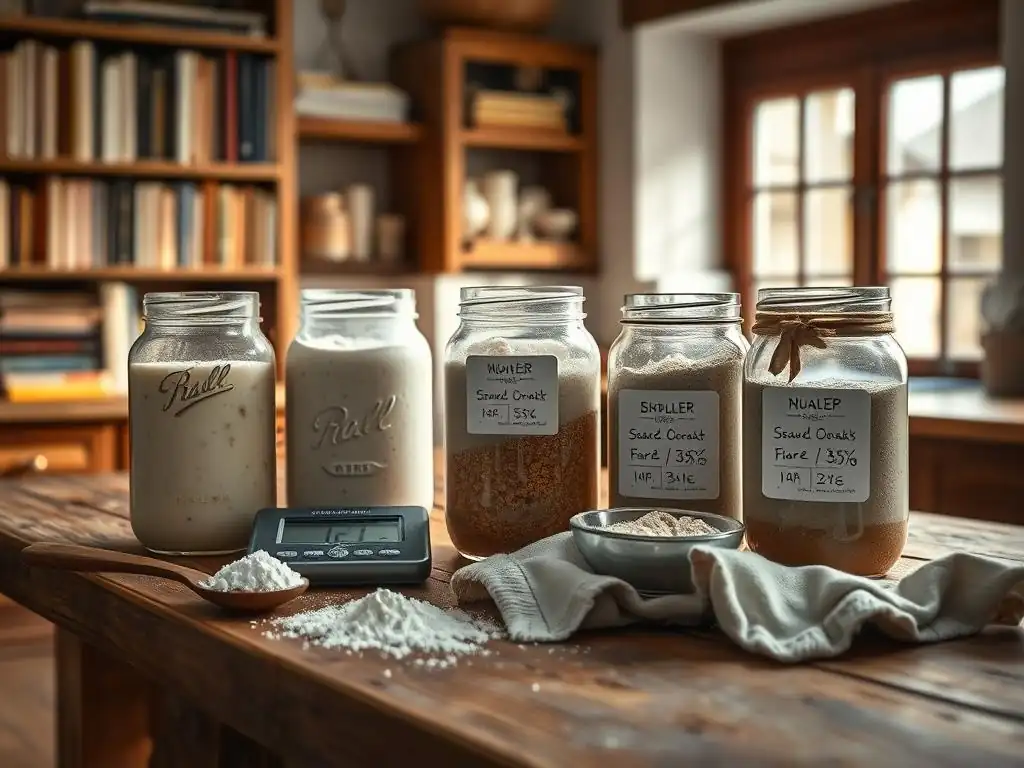
Mastering sourdough starter maintenance techniques is the cornerstone of successful sourdough baking. It involves understanding the needs of your wild culture – consistent feeding with quality ingredients, appropriate hydration, and a stable temperature environment. Learning from experienced instructors at reputable baking schools worldwide can provide invaluable insights and hands-on practice, accelerating your journey to becoming a confident sourdough baker.
Whether you attend a renowned institution like SFBI or Bread Ahead, explore the fine dining approach at Alain Ducasse Education, delve into Nordic traditions, or even integrate sourdough into pastry at L'École Valrhona, the principles of nurturing a healthy starter remain fundamental. The best sourdough starter maintenance techniques are ultimately those you practice consistently, observing your starter and adjusting your methods as needed.
Level Up Your Sourdough: Beyond the Basics
Once you've mastered the essential sourdough starter maintenance techniques and can consistently produce a healthy, active starter, a world of advanced sourdough baking opens up. This includes experimenting with different flour blends (whole wheat, rye, spelt, ancient grains), varying hydration levels to achieve different crumb textures, and exploring longer, cooler fermentation methods in the refrigerator to develop deeper flavors.
You can also delve into incorporating inclusions like seeds, nuts, fruits, or cheese into your loaves. Furthermore, learning how to adapt your starter and techniques for different types of baked goods, such as sourdough bagels, pizza dough, or even sweet sourdough treats, allows you to truly level up your baking skills and explore the incredible versatility of wild yeast.
Frequently Asked Questions
What is the best way to maintain my sourdough starter according to BakeWithEase?
BakeWithEase emphasizes consistent feeding with equal parts flour and water, and regular discard to prevent over-acidification. They also recommend storing it in the refrigerator for less frequent feeding.
Why is sourdough starter maintenance so important?
Proper maintenance ensures a healthy and active starter, which is crucial for successful sourdough baking. It affects the flavor, rise, and texture of your bread.
What are some common mistakes people make when maintaining a sourdough starter?
Common mistakes include inconsistent feeding schedules, using unsuitable flour, and failing to adjust feeding ratios based on the starter's activity.
Does BakeWithEase have any specific recommendations for flour types to use for sourdough starter maintenance?
BakeWithEase suggests using unbleached all-purpose flour or whole wheat flour for feeding your starter. The type of flour impacts the flavor and activity of your starter.
Besides maintenance, what other sourdough resources does BakeWithEase offer?
BakeWithEase provides step-by-step recipes, baking techniques, and tips for bakers of all levels. They cover various baked goods, including pastries, breads, cakes, and cookies.
Final Reflection: The Enduring Allure of the Wild Yeast
The art of sourdough baking, far from being a niche hobby, represents a powerful connection to culinary history and a testament to the enduring magic of nature. The meticulous techniques involved in sourdough starter maintenance, explored throughout this article, are not merely recipes; they are a pathway to understanding the complex interplay between flour, water, and the wild yeasts that bring our bread to life. This understanding is more relevant than ever in a world increasingly focused on sustainable and artisanal food production.
The journey of nurturing a sourdough starter is a microcosm of life itself – requiring patience, attention, and a deep respect for the living organism thriving within the humble jar. It's a process that demands consistency yet allows for experimentation, mirroring the ebb and flow of creativity and precision in any craft. The rewards, however, are immeasurable. The unique flavor profiles, the satisfying texture, and the simple act of creating something beautiful from such basic ingredients are deeply fulfilling. Bread is the staff of life,
the old saying goes, and in the case of sourdough, it's a staff imbued with a profound sense of connection to the earth and our culinary heritage.
Consider the lessons learned within these pages. Think about the patience required, the attention to detail, and the joy of witnessing the transformation from simple flour and water to a vibrant, living starter. Now, I invite you to embark on your own sourdough journey. Whether you're a seasoned baker or a complete novice, the world of wild yeast awaits. Find a reputable school from our list, or simply begin with a small jar and a willingness to learn. The rewards – both culinary and personal – are well worth the effort.
Unlock Your Inner Sourdough Maestro!
Thanks for exploring the world of sourdough with us! You've now gained valuable insights into top-tier sourdough baking schools – a crucial step toward achieving bread-baking mastery. Ready to take the next step?
- Enroll in a course: Dive deeper into the art of sourdough by researching the schools mentioned and applying to a program that excites you. This is your chance to learn from the best!
- Share your passion: Tell your friends and family about your newfound sourdough knowledge! Inspire others to join you on this delicious journey.
- Experiment with a new recipe: Put your newfound knowledge into action! Try a recipe inspired by what you’ve learned, and share your baking journey on social media using #BakeWithEase.
What exciting sourdough adventure will you embark on first?