
Plan Your Baking Adventure: Top Schools for an Immersive Experience Abroad

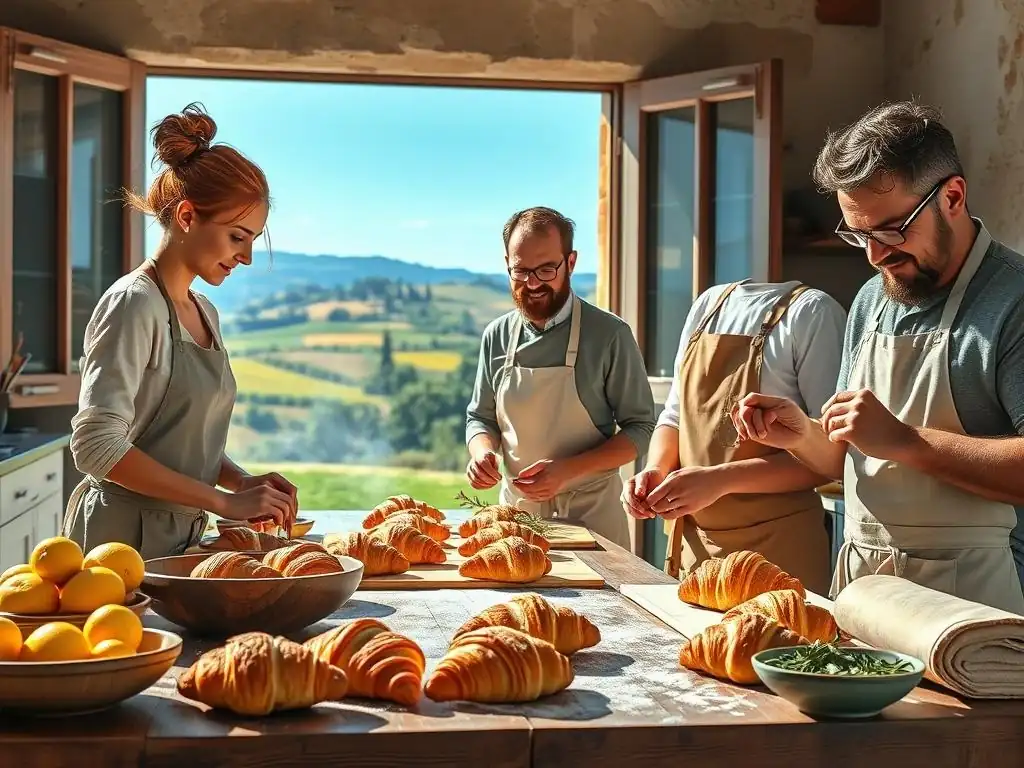
Welcome to BakeWithEase, where your baking dreams take flight! Ever imagined perfecting your pâtisserie skills in Paris or mastering masa in Mexico? Our guide to baking school abroad programs unveils the top destinations and institutions offering immersive culinary experiences. Discover how to transform your passion into expertise, one delicious adventure at a time. Intrigued? Let's explore the world, one bake at a time!
- Discover the Best Baking School Abroad Programs for Culinary Enthusiasts
- Unveiling the Top Baking Schools Offering Baking School Abroad Programs
- Finding the Right Baking School Abroad Program for Your Needs
- Maximizing Your Baking School Abroad Experience
- Continuing Your Baking Education After Your Trip
-
Frequently Asked Questions
- What are the benefits of attending a baking school abroad program?
- How do I choose the right baking school abroad program for me?
- What are some of the most popular countries for baking school abroad programs?
- Do I need to be fluent in the local language to attend a baking school abroad program?
- What are the typical costs associated with baking school abroad programs?
- Final Reflection: The Sweet Taste of Global Baking Education
- Ignite Your Baking Passion: Take the Next Step!
Discover the Best Baking School Abroad Programs for Culinary Enthusiasts
Embarking on a baking school abroad program is more than just learning new recipes; it's a deep dive into different culinary cultures and techniques. For anyone passionate about dough, pastry, and confectionery, these immersive experiences offer a unique opportunity to hone skills under expert guidance in the very places where iconic baking traditions were born. Imagine mastering croissants in Paris or perfecting pasta dough in Italy – these programs turn dreams into delicious realities, providing a foundation for both amateur enthusiasts and aspiring professionals alike.
Choosing to pursue your baking education through baking school abroad programs opens up a world of possibilities. You'll gain exposure to ingredients, equipment, and methods that might not be readily available in your home country. This global perspective can significantly broaden your culinary horizons, inspiring creativity and a deeper appreciation for the craft. Furthermore, the chance to live and study in a foreign environment fosters personal growth, adaptability, and a truly unforgettable adventure.
Why Choose a Baking School Abroad Program?
Choosing a baking school abroad program offers an unparalleled level of immersion that traditional local courses simply cannot match. It provides direct exposure to the cultural context surrounding specific baking styles. For instance, learning to bake traditional Italian bread in a small Tuscan village means understanding the local flour, the climate's effect on fermentation, and the community's relationship with their daily loaf – insights you can only gain by being there. This hands-on experience within the authentic environment enriches your understanding far beyond textbook knowledge.
Moreover, baking school abroad programs are often taught by master bakers and chefs deeply rooted in their national traditions. These instructors possess generations of accumulated knowledge and nuanced techniques passed down through apprenticeships and family legacies. Learning directly from such masters offers invaluable insights into the why behind specific steps and ingredients, not just the how. This level of mentorship, combined with the opportunity to practice daily in a dedicated foreign kitchen environment, accelerates skill development and instills a deeper respect for the artistry involved in global baking.
Benefits of Immersing Yourself in International Baking Traditions
Immersing yourself in international baking traditions through a baking school abroad program allows you to experience the true soul of a cuisine. You'll learn about regional specialties, seasonal ingredients, and the historical significance of various baked goods. For example, studying patisserie in France means delving into the history of viennoiseries, understanding the precise science behind macarons, and appreciating the aesthetic presentation that is crucial to French pastry. This cultural context makes the learning process more meaningful and memorable.
Beyond technique, these international baking courses often focus on sensory details and ingredient quality that are central to the local tradition. You might learn about the different types of wheat used in German bread, the unique flavor profiles of Irish butter, or the specific cocoa varieties favored in Belgian chocolate making. This focus on provenance and quality elevates your understanding of ingredients and their impact on the final product. It teaches you to appreciate the subtle differences that define authentic flavors, skills that you can then bring back and apply to your baking practice anywhere in the world.
Unveiling the Top Baking Schools Offering Baking School Abroad Programs
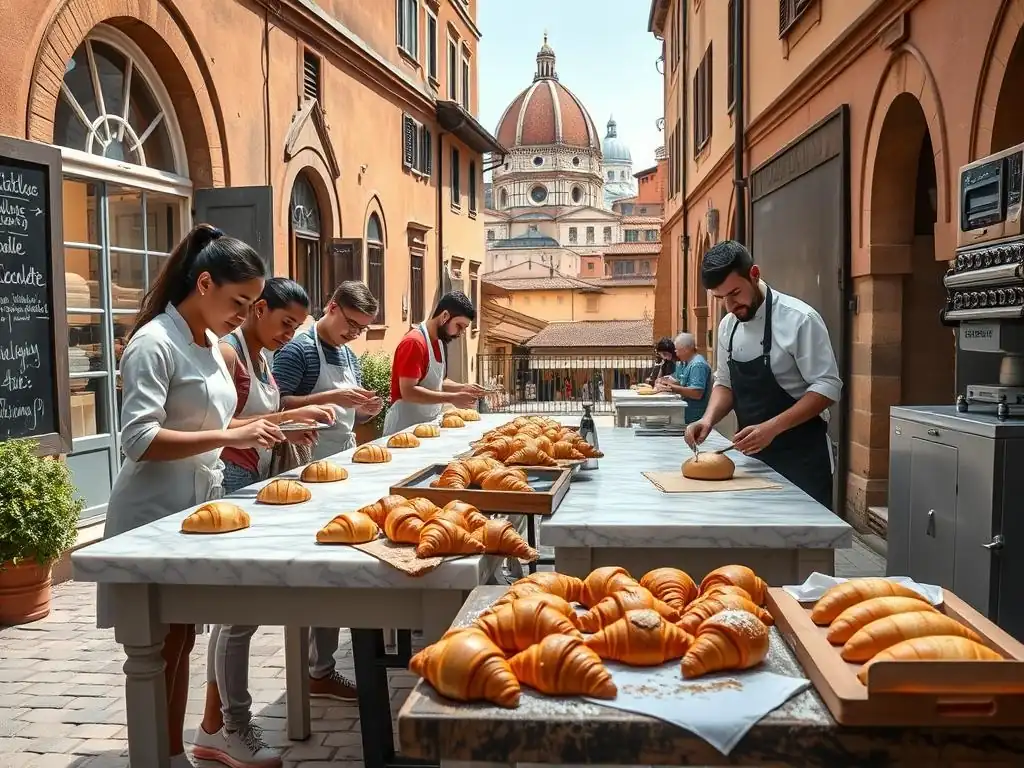
Le Cordon Bleu, Paris: Mastering Classic French Pastry Techniques
Le Cordon Bleu is arguably one of the most renowned culinary institutions globally, and its Paris campus is the quintessential destination for mastering classic French pastry. The school offers a range of programs, from short courses lasting a few days to comprehensive diploma programs spanning several months. Students here learn the foundational techniques that define French patisserie, including working with puff pastry, choux pastry, creams, mousses, and intricate chocolate work. The focus is on precision, technique, and the elegant presentation characteristic of French baking.
Studying at Le Cordon Bleu in Paris places you at the heart of the French culinary world. You'll be surrounded by inspiration, from world-class patisseries to bustling markets filled with exquisite ingredients. The curriculum is designed to be intensive and hands-on, ensuring students gain practical experience with every classic recipe. While challenging, the reward is a deep understanding of the core principles of French baking, taught by experienced chefs who are often industry veterans.
Immersive Courses in French Pastry and Baking
Le Cordon Bleu Paris offers various immersive baking school abroad programs. Their flagship program is the Diplôme de Pâtisserie, a comprehensive course typically completed in nine months, divided into Basic, Intermediate, and Superior levels. This program covers everything from fundamental doughs and creams to complex celebratory cakes and plated desserts. For those with less time, they offer shorter certificate programs focused on specific areas like French Bread Baking or specific pastry techniques.
These immersive courses involve extensive practical classes in professional kitchens, demonstrations by master chefs, and theoretical lessons covering topics like food hygiene, costing, and presentation. Students spend significant time practicing skills repeatedly to achieve mastery. For example, in the Basic Pâtisserie level, students might spend hours focusing solely on achieving the perfect consistency for a crème anglaise or mastering the folding technique for croissants. This rigorous practice is key to developing the precision required in French patisserie.
Le Cordon Bleu Paris: Costs and Application Process
The cost of baking school abroad programs at Le Cordon Bleu Paris varies significantly depending on the program's duration and level. As an approximation, short courses might range from around €300 to €1,500 or more, while the full Diplôme de Pâtisserie is a significant investment, potentially costing upwards of €30,000, which typically includes tuition, ingredients, and uniform but excludes accommodation and living expenses. It is essential for prospective students to consult the official program details for precise, up-to-date figures as costs can change.
The application process for Le Cordon Bleu Paris generally involves submitting an application form, academic transcripts, a motivation letter, and potentially letters of recommendation. Proficiency in English or French is usually required, and some programs may ask for proof of language ability. While specific requirements vary by program, early application is often recommended, particularly for popular diploma courses, as spaces can fill up quickly. It's a structured process designed to ensure students are prepared for the demanding nature of the curriculum.
The Culinary Institute of America (CIA), Italy: A Fusion of American and Italian Baking
The Culinary Institute of America (CIA) is a leading culinary college based in the US, but it offers unique baking school abroad programs at its satellite campus in Italy, known as CIA at Greystone (though the Italy program operates from a different location focused on Italian cuisine). These programs offer a fascinating blend of the CIA's structured, professional culinary education approach with the rich, regional baking traditions of Italy. It's an opportunity to learn about both American-style baking standards and authentic Italian techniques side-by-side.
Studying with the CIA in Italy allows students to explore Italian baking beyond just desserts. While pasticceria (pastry) is covered, significant emphasis is often placed on regional breads, savory tarts ( focaccia, torta rustica), and traditional festive baked goods. The programs leverage the local environment, incorporating excursions to markets, farms, and artisanal producers, providing a holistic view of the Italian food system and its connection to baking.
Combining American Baking Expertise with Italian Culinary Traditions
CIA's baking school abroad programs in Italy are designed to integrate the institute's high standards of culinary instruction with the deep-seated traditions of Italian regional baking. Students learn fundamental baking principles and techniques as taught by the CIA, ensuring a strong technical base. This is then applied and expanded upon through the lens of Italian ingredients and recipes. For instance, you might learn the science of leavening with a focus on sourdough starters used in traditional Italian loaves or explore the specific flours and yeasts favored in different Italian regions.
The curriculum often highlights the importance of fresh, local ingredients – a cornerstone of Italian cooking. Students learn how regional produce, dairy, and grains influence baking outcomes. This fusion approach provides a unique perspective, allowing students to understand baking from both a precise, standardized viewpoint and a flexible, tradition-bound one. It's particularly beneficial for those who want to gain professional-level skills while specializing in authentic Italian baked goods.
CIA Italy: Program Highlights and Location
The CIA offers various programs that include components of Italian baking and cuisine, often centered around their campus in Italy. One notable offering is their semester abroad program, which allows students already enrolled in a CIA degree program to spend time immersing themselves in Italian food and culture. These programs typically focus on regional Italian cuisine, including significant sections on bread, pastry, and other baked items specific to different areas of Italy.
The CIA's Italy campus is located in the Emilia-Romagna region, often referred to as Italy's food valley. This location provides unparalleled access to some of the country's most celebrated culinary traditions and ingredients. Students benefit from being situated in an area renowned for its quality produce, Parmigiano Reggiano, balsamic vinegar, and cured meats, all of which influence the local baking landscape. The focus is on hands-on learning within a professional setting, with classes conducted in English. Specific program durations and focuses vary, so checking the CIA's official offerings for their Italy location is essential.
Ballymaloe Cookery School, Ireland: Sustainable Baking and Farm-to-Table Practices
Ballymaloe Cookery School in County Cork, Ireland, offers a different kind of baking school abroad program, deeply rooted in sustainability and the farm-to-table philosophy. Located on a 100-acre organic farm, the school provides a unique environment where students learn to bake using ingredients grown right outside the kitchen door. This approach emphasizes seasonal baking, understanding ingredient provenance, and minimizing waste, aligning with a growing global interest in sustainable food practices.
Ballymaloe's baking curriculum covers a wide range of topics, from traditional Irish soda bread and scones to more complex cakes, pastries, and yeasted doughs. However, the learning extends beyond technique to encompass the entire process, from understanding soil health and harvesting to milling grain and using every part of an ingredient. It's an ideal destination for those who want their baking education to include a strong foundation in organic farming, seasonality, and environmental responsibility.
Learning About Organic Baking and Seasonal Ingredients
At Ballymaloe, the focus on organic baking and seasonal ingredients is central to every lesson. Students gain hands-on experience working with heritage grain varieties, learning about the differences in flavor and texture they impart. They participate in harvesting produce from the farm's extensive gardens and learn how to incorporate these fresh, seasonal ingredients into their baking. This could involve using freshly picked berries for tarts in summer or root vegetables for savory loaves in autumn.
The curriculum teaches students how to adapt recipes based on what is in season and what is available locally. This fosters creativity and resourcefulness, essential skills for any baker committed to sustainable practices. Learning takes place not just in the kitchen but also in the gardens, dairy, and farm buildings, providing a comprehensive understanding of the food production cycle. The emphasis is on simple, delicious baking that highlights the quality of the ingredients.
Ballymaloe Cookery School: Course Details and Accommodation
Ballymaloe Cookery School offers various courses, including their renowned 12-Week Certificate program, which provides a comprehensive foundation in cooking and baking with a strong emphasis on the farm-to-table ethos. While this program covers broader culinary skills, baking is a significant component. They also offer shorter courses focused specifically on bread making, pastry, or festive baking, typically ranging from one to five days.
Accommodation is available on the Ballymaloe farm itself, allowing for a fully immersive experience. Students live and study in the heart of the farm, further connecting them to the source of their ingredients. The cost of programs varies; the 12-Week Certificate is a substantial investment, potentially ranging from €12,000 to €15,000 or more, which typically includes tuition, ingredients, accommodation, and meals. Shorter courses are priced proportionally lower. The application process usually involves submitting an application form and potentially an interview.
École Valrhona, France: Specializing in Chocolate Mastery
For those whose baking passion leans heavily towards the art of chocolate, École Valrhona offers specialized baking school abroad programs focused entirely on cocoa. With locations in France (Tain L'Hermitage), Spain, the US, and Tokyo, their French location provides access to the expertise of this renowned chocolate manufacturer. These programs are designed for both pastry professionals looking to refine their skills and dedicated enthusiasts eager to master the complexities of chocolate work.
École Valrhona's courses delve deep into the world of chocolate, covering everything from understanding different cocoa origins and processing techniques to advanced tempering, molding, and creating intricate chocolate decorations and confections. It's an intensive learning environment focused solely on achieving excellence with chocolate, taught by experienced pastry chefs who are experts in working with Valrhona's high-quality products.
The Art of Chocolate: From Bean to Bonbon
École Valrhona's curriculum provides a comprehensive journey through the art and science of chocolate. While not covering the 'bean to bar' process extensively (as Valrhona is a manufacturer), courses teach students how to work with chocolate from its processed form to exquisite finished products. This includes mastering tempering techniques crucial for shine and snap, creating ganaches and fillings with perfect textures, and utilizing various molding and decorating methods.
Students learn about the different types of chocolate (dark, milk, white, and specific couverture chocolates), their unique properties, and how to select the right chocolate for different applications. Programs cover a wide range of chocolate-based creations, including bonbons, truffles, chocolate bars, sculptures, and components for pastries and desserts. The emphasis is on precision, creativity, and developing a deep understanding of how chocolate behaves.
École Valrhona: Program Overview and Curriculum Details
École Valrhona offers a variety of short, intensive baking school abroad programs rather than long-term diplomas. These courses typically range from one to five days and focus on specific themes within chocolate and pastry, such as "Advanced Chocolate Bonbons," "Modern Chocolate Desserts," or "Artistic Chocolate Decorations." The curriculum is highly hands-on, with students spending most of their time practicing techniques in the kitchen under the guidance of expert instructors.
Course content includes theoretical components on chocolate science, but the majority of time is dedicated to practical application. For example, a bonbon course might involve learning multiple filling recipes, different enrobing methods, and techniques for achieving a perfect shell and decoration. The class sizes are often kept relatively small to ensure personalized instruction. Costs for these short courses can range from approximately €300 to €1,000 or more per day, depending on the course complexity and duration. Registration is typically done online.
Finding the Right Baking School Abroad Program for Your Needs

Choosing the perfect baking school abroad program can feel overwhelming given the diverse options available. It requires careful consideration of your personal goals, current skill level, and practical constraints. Thinking critically about what you hope to gain from the experience will help narrow down the choices and identify the program that is the best fit for your unique baking adventure. It's not just about the destination, but about the educational journey.
Taking the time to research different baking school abroad programs thoroughly is crucial. Don't just look at the famous names; explore smaller, regional schools that might offer specialized training in areas you're particularly interested in. Consider the language of instruction, the class size, and the type of learning environment that suits you best. A well-chosen program will not only enhance your baking skills but also provide a fulfilling cultural experience.
Factors to Consider When Choosing a Baking School Abroad
When evaluating baking school abroad programs, several key factors should guide your decision-making process. Your current level of expertise is paramount – a beginner needs a different program than an experienced professional. The specific area of baking you wish to specialize in is also vital; are you focused on bread, pastry, chocolate, or perhaps a regional specialty? Finally, practical considerations like your budget and the amount of time you can dedicate to the program are non-negotiable constraints.
Other factors include the school's reputation, the qualifications of the instructors, and the facilities available. Does the school have state-of-the-art kitchens, or does it offer a more rustic, traditional setting? Consider the location itself – living environment, cost of living outside of tuition, and opportunities for cultural exploration. A holistic view will help you find a baking school abroad program that aligns with both your educational and personal aspirations.
Level of Expertise: Beginner, Intermediate, or Advanced?
Baking school abroad programs cater to a wide spectrum of skill levels. Beginner programs are designed for those with little to no prior professional baking experience. They focus on fundamental techniques, basic doughs, creams, and classic recipes, building a strong foundation from scratch. These courses are often more structured and move at a pace suitable for learning new skills.
Intermediate and advanced programs, conversely, assume students already possess core baking knowledge and skills. Intermediate courses build upon basics, introducing more complex techniques, challenging recipes, and potentially some creative elements. Advanced programs are typically geared towards professionals or highly dedicated amateurs, focusing on intricate techniques, artistic presentation, volume production, or specialized areas like sugar work or advanced chocolate artistry. Choosing a program aligned with your current skill level ensures you are challenged appropriately without being overwhelmed.
Baking Specialization: Bread, Pastry, Chocolate, or More?
Many baking school abroad programs offer specialization tracks. If your passion lies specifically with rustic loaves and sourdough, a program focusing on artisanal bread making might be the perfect fit. For those captivated by delicate tarts, éclairs, and intricate cakes, a patisserie-focused course is essential. Chocolate lovers will seek out programs dedicated to confectionery and chocolate artistry.
Beyond these broad categories, some baking school abroad programs specialize in regional baking styles, such as Nordic pastries, Middle Eastern sweets, or specific types of Italian pasticceria. Consider what truly excites you about baking and seek out programs that offer deep dives into those specific areas. A specialized program allows you to gain expert-level knowledge in your chosen niche.
Budget and Duration: Finding a Program That Fits Your Needs
Budget is a significant factor when considering baking school abroad programs. Costs include not only tuition and materials but also accommodation, food, travel, and living expenses. Program costs can vary immensely, from a few hundred dollars for a weekend workshop to tens of thousands for a year-long diploma. It's crucial to research the total estimated cost, including all associated expenses, before committing.
The duration of the program is equally important. Can you take a week off work for a short, intensive course? Do you have the flexibility for a several-month certificate program? Or are you looking for a full academic year experience? Aligning the program length with your available time and financial resources is essential for a successful and stress-free baking school abroad experience.
Comparing Baking School Abroad Programs: A Detailed Analysis
Once you've identified potential baking school abroad programs that fit your criteria, a detailed comparison is necessary. Don't rely solely on promotional materials. Dive into the specifics of the curriculum, research the instructors' backgrounds, understand the student-teacher ratio, and investigate the living arrangements and extracurricular opportunities offered. This level of detail helps you make an informed decision beyond the initial allure of the location or school name.
Requesting sample schedules, talking to alumni if possible, and reading reviews can provide valuable insights. Consider the practicalities of daily life – commuting to the school, accessing ingredients if you wish to practice outside of class, and the overall cost of living in the host city. A thorough comparison ensures that the baking school abroad program you choose meets your educational expectations and provides a positive overall experience.
Course Content and Curriculum
Analyzing the course content and curriculum is paramount. Look beyond the enticing names of dishes you'll learn. Examine the structure of the program: Is it primarily hands-on? How much theory is involved? What specific techniques are taught, and what is the progression of learning? Do they cover foundational skills thoroughly before moving to advanced topics?
Consider if the curriculum aligns with your learning style and goals. Some baking school abroad programs are very structured and traditional, while others might be more experimental or focused on modern techniques. Check the number of hours spent in the kitchen versus lectures or demonstrations. A detailed breakdown of the curriculum will reveal the depth and breadth of the education offered.
Instructor Expertise and Student-Teacher Ratio
The quality of instruction is fundamental to any educational experience. Research the instructors teaching in the baking school abroad programs you're considering. What are their backgrounds? Have they worked in notable bakeries or pastry shops? Do they have teaching experience? Experienced and passionate instructors can make a significant difference in your learning and inspiration.
The student-teacher ratio impacts the amount of individual attention you receive. A smaller ratio generally means more one-on-one feedback and guidance, which can be invaluable when mastering complex techniques. Inquire about typical class sizes and how much opportunity there is for direct interaction with the instructors during practical sessions.
Accommodation and Extracurricular Activities
Living arrangements during your baking school abroad program are a crucial practical consideration. Does the school offer on-campus accommodation, or do they provide assistance with finding housing nearby? What are the typical costs and conditions of student housing? Understanding this aspect is vital for budgeting and ensuring a comfortable stay.
Look into the extracurricular activities or cultural immersion opportunities provided or facilitated by the school. Do they organize trips to local markets, food producers, or culinary landmarks? Are there opportunities to interact with local bakers or participate in cultural events? These elements can significantly enhance your overall experience and connection to the local food scene beyond the classroom.
Maximizing Your Baking School Abroad Experience
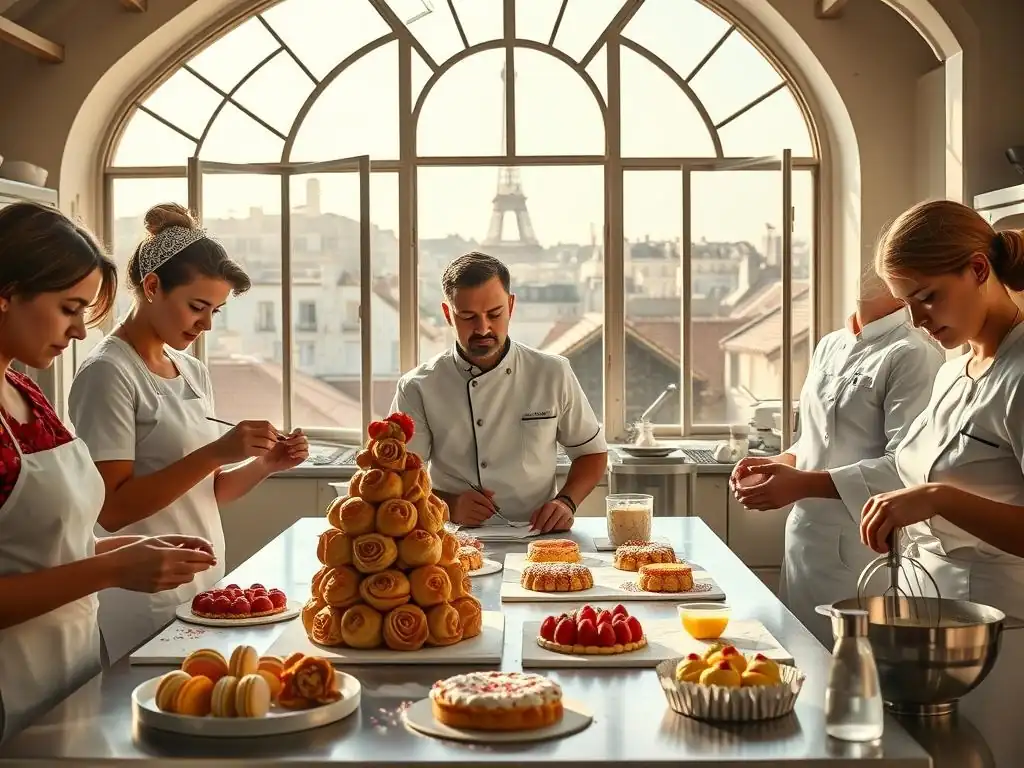
Once you've enrolled in a baking school abroad program, preparation is key to making the most of your time. This involves not just packing the right gear but also refining your existing skills and planning how you'll document and share your journey. A little preparation can go a long way in ensuring you hit the ground running and absorb as much as possible from this incredible opportunity.
Think about your goals beyond the classroom. What do you want to see, taste, and experience in your host country? Planning excursions to local bakeries, food shops, and markets will enrich your understanding of the local baking culture and provide inspiration. Being proactive in seeking out these experiences alongside your studies will make your baking school abroad program truly unforgettable.
Essential Baking Tools and Equipment to Pack
While your baking school abroad program will provide most of the necessary equipment for class, having a few essential personal tools can be beneficial, especially if you plan to practice outside of class or simply prefer using your own trusted items. Packing strategically ensures you have what you need without overpacking, leaving space for culinary souvenirs!
Consider the climate and the type of baking you'll be doing. Lightweight, versatile tools are best. Ensure any electrical items are compatible with the voltage and plug types of your host country – you might need adapters or converters. Labeling your personal tools can also be helpful in a shared kitchen environment.
Recommended Baking Scales, Thermometers, and Measuring Cups
Precision is key in baking, and having reliable measuring tools is fundamental. A small, accurate digital scale is highly recommended, as many international recipes use metric measurements (grams and kilograms), and weighing ingredients is generally more precise than using volume cups. Look for a compact, portable model.
A good instant-read thermometer is another invaluable tool for checking dough temperature during fermentation or the internal temperature of baked goods. An oven thermometer can also be useful to verify the accuracy of the school's ovens, although this is less critical than a probe thermometer for dough and product temperature. While schools will provide measuring cups and spoons, bringing a set you are familiar with can be comforting, though focusing on using the school's metric equipment is advisable for consistency with the curriculum.
Pre-Trip Preparation: Refining Your Baking Skills at Home
Before embarking on your baking school abroad program, spending some time refining your basic baking skills at home can significantly enhance your learning experience. Review fundamental techniques like creaming butter and sugar, kneading dough, separating eggs, and folding ingredients gently. The more comfortable you are with basic manipulations, the easier it will be to grasp more complex concepts taught abroad.
Practice some foundational recipes related to your program's focus – if you're going for pastry, practice making simple shortcrust or choux pastry. If bread is your focus, work on your kneading and shaping techniques. This pre-trip practice builds muscle memory and familiarizes you with common terminology and processes, allowing you to focus on new techniques and cultural nuances once you arrive.
Online Baking Courses and Resources for Beginners
For those new to baking or looking to solidify their basics before a baking school abroad program, numerous online baking courses and resources are available. Websites like BakeWithEase.com offer step-by-step guides and simple recipes perfect for beginners. Platforms like Coursera, Skillshare, or independent culinary sites provide structured online classes covering everything from basic bread to foundational pastry techniques.
Utilizing these resources can help you build confidence and familiarity with common baking terms and processes before stepping into a professional kitchen environment abroad. Practice makes perfect, and getting a head start on core skills will allow you to get the most out of the hands-on portions of your international program. Look for courses that emphasize fundamental techniques and clear explanations.
Documenting Your Culinary Journey: Sharing Your Experiences Online
Documenting your experience while attending a baking school abroad program is a wonderful way to track your progress, remember techniques, and share your culinary adventure with friends, family, and fellow baking enthusiasts. Taking photos and notes during your practical sessions (where permitted) and documenting your practice outside of class provides a valuable record of your learning.
Beyond personal archiving, sharing your journey online can connect you with a wider community. Describing your experiences, sharing photos of your creations, and reflecting on what you've learned can inspire others and create opportunities for feedback and connection. It's also a great way to solidify your learning by articulating it.
Creating a Baking Blog or Social Media Account
Starting a simple baking blog or dedicating a social media account (like Instagram or a Facebook page) to your baking school abroad journey is an excellent way to document and share. Post photos of your daily bakes, describe the techniques you're learning, share insights into the ingredients you're using, and reflect on the cultural aspects of your experience.
Use relevant hashtags to connect with others interested in baking school abroad programs, culinary travel, or the specific cuisine you are studying. Engaging with comments and questions can deepen your own understanding and build a supportive online community. This digital diary becomes not just a record but a dynamic part of your learning process.
Continuing Your Baking Education After Your Trip
Completing a baking school abroad program is a significant achievement, but it's often just one step in a lifelong baking journey. The skills and knowledge gained are a powerful foundation, but continued learning and practice are essential to maintain momentum and further refine your craft. Think of your time abroad as a springboard for future culinary exploration.
The international perspective you've gained is invaluable. Applying what you've learned to new challenges, exploring different techniques, and staying connected to the baking community will help you continue to grow as a baker. Your baking school abroad experience has equipped you with unique insights and skills that can differentiate your baking.
Advanced Baking Courses and Workshops
After returning from your baking school abroad program, consider seeking out advanced baking courses or specialized workshops, either locally or online. You might want to deepen your expertise in a specific area that particularly interested you abroad, such as viennoiserie, intricate cake decorating, or advanced bread fermentation techniques.
Many culinary schools and independent instructors offer short, intensive workshops focused on niche topics. These courses allow you to continue learning new skills and staying updated on current trends in the baking world. Look for instructors who specialize in the techniques you want to master, building upon the foundation you established during your time studying baking abroad.
Joining Online Baking Communities and Forums
Staying connected with fellow bakers is a fantastic way to continue learning and find inspiration. Joining online baking communities, forums, and social media groups allows you to share your creations, ask questions, troubleshoot problems, and learn from the experiences of others. Many groups are dedicated to specific types of baking or even specific schools, offering a network of peers with shared interests.
Platforms like Reddit (e.g., r/baking, r/sourdough), dedicated baking forums, and Facebook groups provide spaces for discussion, photo sharing, and peer feedback. Engaging with these communities keeps you motivated and exposed to new ideas and techniques long after your baking school abroad program has concluded.
Applying Your International Baking Skills to Your Home Kitchen
The ultimate goal after attending a baking school abroad program is to integrate your newly acquired international baking skills into your home kitchen. Experiment with the techniques you learned, adapt recipes from your program using ingredients available locally, and share your creations with friends and family. Don't be afraid to modify and personalize what you've learned.
Practice is crucial. Regularly revisiting the techniques and recipes from your program will help solidify your skills and build confidence. Try teaching others what you've learned – explaining techniques to someone else is a powerful way to deepen your own understanding. Your time studying baking abroad has given you a unique perspective; embrace it and let it inspire your continued baking adventures at home.
Frequently Asked Questions
What are the benefits of attending a baking school abroad program?
Attending a baking school abroad offers a chance to immerse yourself in a new culinary culture, learn authentic techniques, and broaden your baking skills beyond what's typically taught at home. It also provides invaluable networking opportunities.
How do I choose the right baking school abroad program for me?
Consider your skill level, desired specialization (pastry, bread, etc.), and budget. Research the school's curriculum, instructors, and location to ensure it aligns with your goals.
What are some of the most popular countries for baking school abroad programs?
France and Italy are highly sought-after for their classic pastry and bread traditions. Other popular destinations include Spain for avant-garde techniques and Japan for precision and unique flavors.
Do I need to be fluent in the local language to attend a baking school abroad program?
While fluency isn't always required, basic language skills are beneficial for daily life and interacting with locals. Many schools offer courses in English or provide language support.
What are the typical costs associated with baking school abroad programs?
Costs vary widely depending on the program's length, location, and prestige. Factor in tuition fees, accommodation, travel expenses, and living costs. Research scholarships and financial aid options to help offset the expenses.
Final Reflection: The Sweet Taste of Global Baking Education
The pursuit of culinary excellence transcends borders, and the global landscape of baking schools offers an unparalleled opportunity for immersive learning and personal growth. The increasing demand for specialized culinary skills, coupled with a growing appreciation for diverse baking traditions, makes pursuing a baking program abroad more relevant than ever. This isn't just about learning recipes; it's about understanding culture, forging connections, and discovering your own unique baking voice.
The impact of international baking education extends far beyond the classroom. It fosters a cross-cultural exchange of techniques and philosophies, enriching the global culinary landscape with new innovations and perspectives. The world is a book and those who do not travel read only one page.
– Saint Augustine. This quote perfectly encapsulates the enriching experience of learning to bake in a foreign environment, absorbing not only baking techniques but also the local culture, history, and ingredients that shape the very essence of baking in that region. The connections forged with fellow students from around the world create lasting bonds and professional networks, invaluable assets in a competitive culinary world.
Now, consider your own baking journey. What inspires you? What flavors and techniques ignite your passion? This article has hopefully provided you with the tools and inspiration to embark on your own baking adventure abroad. Don't just dream of mastering croissants in Paris or crafting exquisite pastries in Italy – make it happen. Research the schools highlighted, explore other options, and take the leap. The world of baking awaits, and your unique culinary story is waiting to be written.
Ignite Your Baking Passion: Take the Next Step!
Thanks for exploring the world of culinary education with us! We hope this article ignited your passion for baking and inspired you to consider an international baking adventure. Ready to turn your dreams into reality?
- Apply to your top-choice baking school: Don't let this inspiration fade! Research deadlines and application requirements for the schools that resonated most with you. This is your first step toward a truly immersive experience.
- Share this article with a fellow baking enthusiast: Spread the joy of international baking education! Let your friends and family know about these incredible opportunities.
- Browse our blog for more baking inspiration: Discover new recipes, techniques, and stories from around the world – fuel your baking journey!
What unique baking skill are you most excited to learn abroad? Let's discuss!