
Easy Pasticciotti Leccesi: Puglia's Creamy Treat

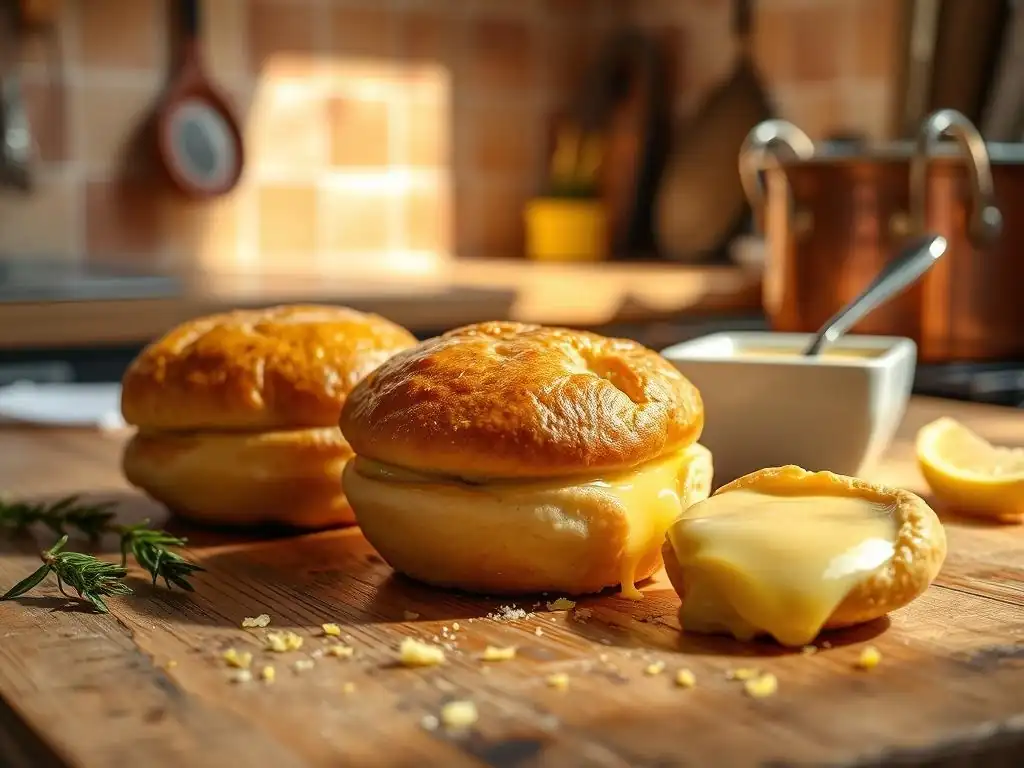
Welcome to BakeWithEase, your companion on a delicious baking journey! Ever wondered how to recreate the authentic flavors of Puglia from your very own kitchen? Dive into our Easy Pasticciotti Leccesi Recipe and discover the secrets to this creamy, custard-filled pastry. Intrigued? Let's unlock the magic of regional Italian baking, one delightful bite at a time…
- Easy Pasticciotti Leccesi: Puglia's Creamy Treat - BakeWithEase
- Discover the Authentic Taste of Puglia: An Easy Pasticciotti Leccesi Recipe
- What are Pasticciotti Leccesi? A Taste of Southern Italy
- Bake Your Own: A Simplified Pasticciotti Leccesi Recipe for Home Bakers
- Tips for Perfecting Your Pasticciotti Leccesi: Bake Like a Pro
- Serving and Storing Your Homemade Pasticciotti Leccesi
- Variations on the Classic: Exploring Different Pasticciotti Flavors
- Enjoy Your Easy Pasticciotti Leccesi! A Sweet Taste of Puglia at Home.
- Frequently Asked Questions
- Final Reflection: A Taste of Puglia, A Slice of Home
- Unleash Your Inner Pastry Chef: Make Pasticciotti Today!
Easy Pasticciotti Leccesi: Puglia's Creamy Treat - BakeWithEase
Discover the Authentic Taste of Puglia: An Easy Pasticciotti Leccesi Recipe
Welcome to the delightful world of Puglian baking! Today, we're diving into a true regional treasure: the Pasticciotto Leccese. This small, oval-shaped pastry, filled with rich crema pasticcera (pastry cream), is a staple of breakfast and snack time across the Salento peninsula. While it might seem intricate, mastering an easy Pasticciotti Leccesi recipe is absolutely achievable for home bakers, bringing a little piece of southern Italy right into your kitchen.
Our goal is to guide you through a simplified process that captures the authentic flavor and texture of this beloved sweet. Forget complex techniques; our focus is on making this classic accessible. By following this easy Pasticciotti Leccesi recipe, you'll gain confidence in working with classic Italian pastry dough and cream, resulting in pastries that are wonderfully crisp on the outside and lusciously creamy within, perfect for sharing (or not! ).
What are Pasticciotti Leccesi? A Taste of Southern Italy
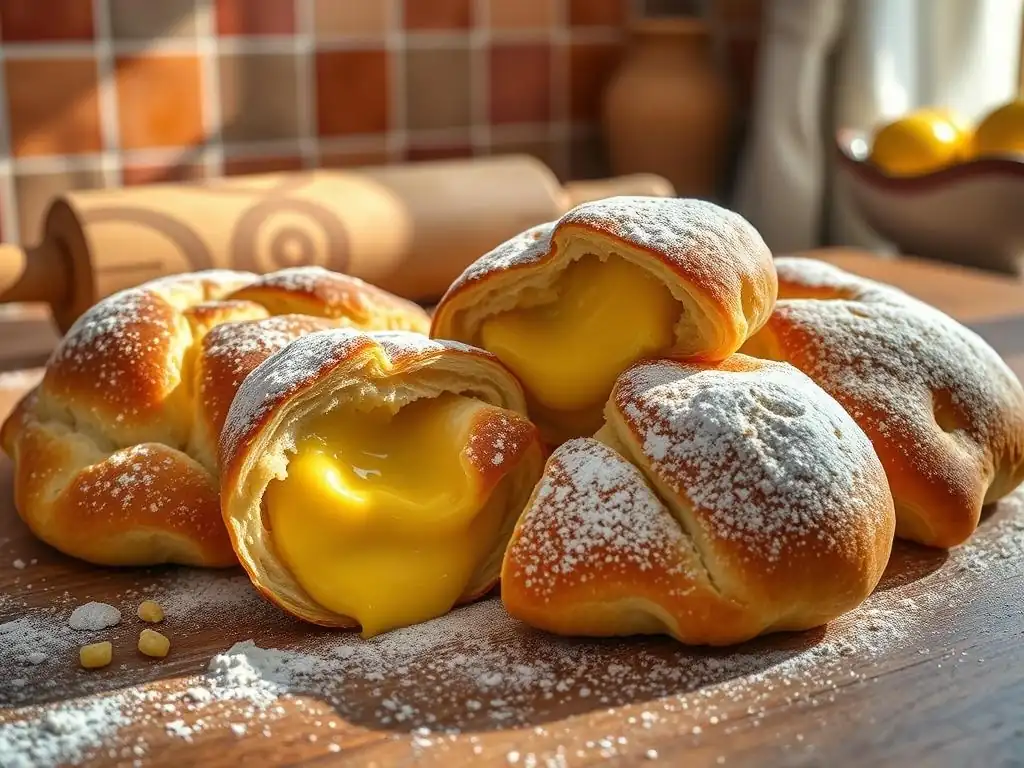
Pasticciotti Leccesi are iconic baked goods from the city of Lecce and the surrounding Salento area in Puglia, the heel of Italy's boot. They are distinct for their boat-like or oval shape, made from a tender shortcrust pastry (pasta frolla) and generously filled with a smooth, vibrant yellow pastry cream. Traditionally enjoyed warm, straight from the oven, they offer a comforting blend of buttery crust and sweet, creamy filling that is simply irresistible.
More than just a pastry, the pasticciotto is a symbol of Puglian identity and hospitality. Found in virtually every pasticceria (pastry shop) and bar, they are the go-to treat for a morning coffee, an afternoon pick-me-up, or a celebratory moment. Understanding their history and characteristics is the first step to appreciating the joy of baking and tasting them, especially when using an easy Pasticciotti Leccesi recipe designed for home success.
Exploring the Origins of Pasticciotti: A Lecce Baking Tradition
The history of the pasticciotto is steeped in local legend, often traced back to the town of Galatina near Lecce, reportedly around 1745. The story goes that a local baker, facing financial difficulties, decided to use leftover pastry dough and cream filling to create a small, experimental cake. Baking it resulted in the first pasticciotto, which, to his surprise, was an immediate success with the locals. This initial creation, born out of necessity, quickly became a beloved staple and spread throughout the region.
While the exact date and originator are debated among food historians, the consensus remains that the pasticciotto is firmly rooted in 18th-century Puglian baking traditions. It represents the ingenuity of using simple, readily available ingredients to create something extraordinary. This rich history adds a layer of charm to every bite, connecting you to generations of bakers and pastry lovers in southern Italy, making the process of baking an easy Pasticciotti Leccesi recipe even more meaningful.
Key Characteristics of Authentic Pasticciotti Leccesi: Crust and Filling
An authentic Pasticciotto Leccese is defined by two main components: the crust and the filling. The crust is a type of pasta frolla, a rich Italian shortcrust pastry. Unlike some shortcrusts, the pasta frolla used for pasticciotti typically contains eggs (often just yolks for richness and color) and sometimes a touch of ammonia carbonate (baker's ammonia) as a leavening agent, which contributes to a tender, slightly crumbly texture.
It should bake to a beautiful golden-brown color, providing a firm yet yielding shell for the filling. The thickness of the dough is crucial – usually around 3-4 millimeters – ensuring a good crust-to-filling ratio.
The filling is a classic crema pasticcera, or pastry cream, but often with a specific richness and texture. Made from egg yolks, sugar, flour or cornstarch, milk, and typically flavored with lemon zest or vanilla, it should be incredibly smooth, thick enough to hold its shape when the pastry is cut, but still creamy and luscious. The use of predominantly egg yolks gives it a distinct yellow hue and a rich flavor that complements the buttery crust perfectly. Achieving this balance is key to an authentic easy Pasticciotti Leccesi recipe.
Bake Your Own: A Simplified Pasticciotti Leccesi Recipe for Home Bakers
Ready to bring the taste of Puglia into your home kitchen? This easy Pasticciotti Leccesi recipe breaks down the process into manageable steps, perfect for bakers of all levels. We've streamlined traditional techniques slightly without sacrificing authenticity, focusing on clear instructions and common ingredients. You don't need specialized equipment beyond standard baking tools and some oval molds, which are relatively easy to find online or in specialty stores (approximately 8-10 cm in length is standard).
This guide is designed to minimize complexity while maximizing flavor and texture. By following these steps, you'll learn the fundamentals of making both pasta frolla and crema pasticcera tailored specifically for this beloved pastry. Get ready to bake a batch of warm, delightful pasticciotti that will transport you straight to a sunny piazza in Lecce, proving just how rewarding making an easy Pasticciotti Leccesi recipe can be.
Why This is the Easiest Pasticciotti Leccesi Recipe You'll Find
We've designed this easy Pasticciotti Leccesi recipe with the home baker in mind, simplifying traditional methods where possible without compromising the delicious outcome. For instance, while some traditional recipes use baker's ammonia, we opt for baking powder, which is more readily available and easier to handle, while still achieving a tender crust. We also provide clear, step-by-step instructions for both the pastry and the cream, demystifying processes that can sometimes seem intimidating.
Furthermore, our ingredient list uses standard measurements and readily available supermarket items. We focus on technique tips that prevent common pitfalls, like tough pastry or lumpy cream. By breaking down each part of the process – making the dough, making the cream, and assembling – this easy Pasticciotti Leccesi recipe becomes approachable and enjoyable, ensuring a high success rate even if you're new to Italian baking.
Ingredients for Homemade Pasticciotti Leccesi: What You'll Need
Gathering your ingredients is the first step to baking this delightful Puglian treat. This easy Pasticciotti Leccesi recipe uses standard pantry staples, divided into the components for the pastry and the cream. Quality ingredients make a difference, so opt for fresh eggs and good butter for the best flavor.
You will need ingredients for both the pasta frolla dough and the crema pasticcera filling. Make sure you have enough of each to make approximately 8-10 standard-sized pasticciotti, which is a typical batch size for home baking. Having everything measured out before you begin will make the process smoother and more efficient.
The Shortcrust Pastry (Pasta Frolla) Ingredients
For a batch of about 8-10 pasticciotti molds (approximately 8-10 cm length):
- 300 grams (about 2 ½ cups) all-purpose flour
- 150 grams (about ⅔ cup) cold unsalted butter, cubed
- 100 grams (about ½ cup) granulated sugar
- 2 large egg yolks (save the whites for another use)
- 1 whole large egg
- Zest of ½ lemon (optional, but classic)
- ½ teaspoon baking powder
- Pinch of salt
These quantities are approximate and can be adjusted slightly based on flour absorption and egg size. Using cold butter is essential for creating a tender, flaky crust, as it helps form layers when baked. The combination of egg yolks and a whole egg provides richness and binds the dough effectively for this easy Pasticciotti Leccesi recipe.
The Cream Filling (Crema Pasticcera) Ingredients
For the filling for about 8-10 pasticciotti:
- 500 ml (about 2 cups) whole milk
- 150 grams (about ¾ cup) granulated sugar
- 4 large egg yolks
- 50 grams (about ⅓ cup) all-purpose flour or cornstarch (cornstarch yields a lighter cream)
- Zest of 1 lemon or 1 teaspoon vanilla extract (or a vanilla bean pod)
- A pinch of salt
Using whole milk contributes to a richer, creamier texture. The amount of flour or cornstarch can be adjusted slightly depending on how thick you prefer your cream, but these quantities generally yield a good consistency for pasticciotti filling. Ensuring your egg yolks are fresh is key to a vibrant yellow color and rich flavor in this easy Pasticciotti Leccesi recipe.
Step-by-Step Guide: Making Easy Pasticciotti Leccesi at Home
This section walks you through the process of making pasticciotti, from preparing the dough and cream to assembling and baking. Follow these steps carefully for the best results with your easy Pasticciotti Leccesi recipe.
Part 1: Preparing the Shortcrust Pastry (Pasta Frolla)
The foundation of a great pasticciotto is a well-made pasta frolla. This recipe simplifies the process to ensure a tender and manageable dough.
Mixing the Dough: Tips for a Perfect Shortcrust
Start by combining the flour, baking powder, and salt in a large bowl or food processor. Add the cold, cubed butter and cut it into the dry ingredients using your fingertips, a pastry blender, or by pulsing in a food processor until the mixture resembles coarse crumbs with some larger pea-sized pieces of butter remaining. This "cutting in" method is vital as it creates pockets of butter that melt during baking, producing a flaky texture.
Next, in a separate small bowl, whisk together the sugar, egg yolks, whole egg, and lemon zest (if using). Make a well in the center of the flour-butter mixture and pour the wet ingredients into it. Use a fork or your hands to gently bring the dough together until it just forms a cohesive ball. Avoid overworking the dough, as this can develop the gluten and result in a tough pastry. The goal is to handle it as little as possible.
Chilling the Dough: Why it's Crucial
Once the dough has come together, flatten it into a disc, wrap it tightly in plastic wrap, and refrigerate for at least 1 hour. Chilling is a critical step in making pasta frolla for this easy Pasticciotti Leccesi recipe. It allows the gluten to relax, making the dough easier to roll out without shrinking excessively.
More importantly, chilling solidifies the butter pieces within the dough. When the dough is baked, these cold butter pieces melt and release steam, creating flaky layers in the crust. Skipping or shortening the chilling time can result in a tough, greasy, and less tender pastry. A well-chilled dough is the secret to a perfect pasticciotto crust.
Part 2: Making the Cream Filling (Crema Pasticcera)
While the dough is chilling, prepare the creamy, luscious filling. This step requires a little attention to prevent lumps.
Combining Ingredients: Achieving a Smooth and Creamy Texture
In a medium saucepan, gently heat the milk with the lemon zest or vanilla over medium heat until it's just simmering (do not boil). Remove from the heat and let it infuse for a few minutes if using zest or a vanilla bean. In a separate bowl, whisk together the egg yolks and sugar until pale and slightly thickened. Whisk in the flour or cornstarch until completely smooth and no lumps remain. This mixture should be thick and paste-like.
Slowly pour about half of the warm milk into the egg mixture, whisking constantly to temper the yolks and prevent them from scrambling. This step gradually raises the temperature of the yolks. Once combined, pour the tempered egg mixture back into the saucepan with the remaining milk. Stir well to combine everything smoothly before returning the pan to the stove.
Cooking the Cream: Avoiding Lumps and Burning
Return the saucepan to medium-low heat and cook the cream, whisking constantly with a balloon whisk. Pay special attention to the bottom and edges of the pan where the cream is most likely to stick and burn. Continue whisking until the cream thickens considerably and comes to a gentle boil. Once it starts bubbling, continue whisking for another 1-2 minutes to ensure the starch is fully cooked and the cream is smooth and stable.
Remove the pan from the heat and strain the cream through a fine-mesh sieve into a clean bowl. This removes any potential lumps or zest. Cover the surface of the cream directly with plastic wrap to prevent a skin from forming as it cools. Let it cool slightly at room temperature, then refrigerate until completely cold and firm enough to scoop, usually at least 2-3 hours. A properly cooked and chilled cream is essential for filling your easy Pasticciotti Leccesi.
Part 3: Assembling and Baking Your Pasticciotti Leccesi
Now for the fun part – assembling your pastries! This process is simple once you get the hang of it.
Rolling Out the Dough: Thickness and Shape Considerations
Take the chilled dough from the refrigerator. It might be quite firm, so let it sit at room temperature for a few minutes until it's pliable but still cold. Lightly flour your work surface and rolling pin. Roll out the dough to a thickness of about 3-4 millimeters (roughly ⅛ inch). This thickness is important for the correct crust-to-filling ratio and ensures the pastry bakes through properly.
Using your pasticciotti molds as a guide, cut out oval shapes for the bottom and top layers of the pastry. You'll need one slightly larger oval for the bottom to line the mold and one slightly smaller oval for the top lid per pasticciotto. You can use a knife or a template to cut the shapes precisely to fit your molds.
Filling the Molds: Quantity and Distribution
Lightly grease your pasticciotti molds with butter or baking spray, then dust with flour. Carefully press the larger dough oval into the bottom and up the sides of each mold, pressing gently to ensure it fits snugly and there are no air pockets. Trim any excess dough from the top edge of the mold.
Remove the chilled crema pasticcera from the refrigerator. It should be quite thick. Spoon a generous amount of cream into each dough-lined mold. Fill them almost to the top, leaving just a small gap (about 5-7 millimeters) for the top crust. A standard pasticciotto mold typically holds about 30-40 grams of cream. Ensure the cream is evenly distributed in each mold.
Baking to Golden Perfection: Temperature and Time
Place the smaller dough oval on top of the cream filling in each mold, pressing the edges gently to seal them with the bottom crust. You can crimp the edges with a fork or your fingers for a decorative finish and to ensure a good seal. For a classic golden finish, you can brush the tops of the pastries with an egg wash (one egg yolk mixed with a tablespoon of milk or water).
Preheat your oven to approximately 180-200°C (350-400°F). The exact temperature can vary slightly depending on your oven, but a moderately hot oven is needed to bake the crust quickly while the filling heats through. Bake the pasticciotti for about 20-25 minutes, or until the crust is golden brown and the cream is slightly puffed. Baking time will vary depending on the size of your molds and your oven. Let them cool in the molds for a few minutes before carefully inverting them onto a wire rack to cool slightly before serving warm.
Tips for Perfecting Your Pasticciotti Leccesi: Bake Like a Pro
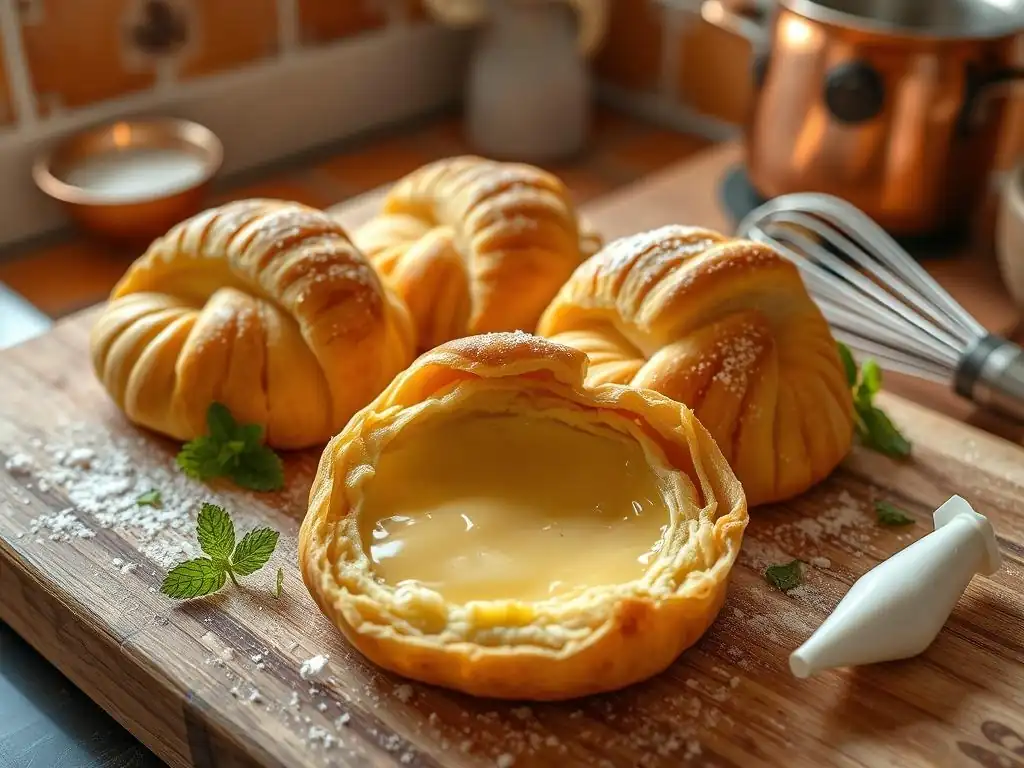
Making an easy Pasticciotti Leccesi recipe is straightforward, but a few pro tips can elevate your results from good to outstanding. Paying attention to the details of your crust, cream, and troubleshooting common issues will help you achieve bakery-quality pastries.
Mastering the Crust: Achieving a Buttery and Flaky Texture
The key to a perfect pasta frolla crust for pasticciotti lies in temperature and handling. Ensure your butter is very cold and cut it into the flour properly, leaving some visible pieces. This is what creates flakiness. When mixing the dough, handle it minimally – just enough to bring it together. Overworking develops gluten, leading to a tough crust.
Chilling the dough thoroughly before rolling is non-negotiable. A minimum of 1 hour, or even better, 2 hours, allows the gluten to relax and the butter to firm up, making rolling easier and resulting in a more tender, flaky baked crust. Roll the dough evenly to the recommended thickness (3-4 mm) to ensure consistent baking.
Optimizing the Cream Filling: Consistency and Flavor
Achieving the right consistency for your crema pasticcera is vital. Cook the cream long enough until it thickens significantly and boils gently for a minute or two. This activates the starch and ensures the cream sets properly. Whisking constantly is crucial to prevent lumps and scorching.
Once cooked, straining the cream ensures smoothness. Chilling it completely is also essential; the cream must be firm and cold before you attempt to fill the pasticciotti. This prevents it from running out during assembly and baking. For flavor, don't skimp on the lemon zest or vanilla – these classic additions make the cream truly shine in this easy Pasticciotti Leccesi recipe.
Troubleshooting Common Pasticciotti Problems: Cracking, Soggy Bottom, Burnt Edges
Even with an easy Pasticciotti Leccesi recipe, issues can arise. If your pasticciotti tops crack during baking, it might be because the dough was rolled too thin, or the oven temperature was too high, causing the crust to set before the cream had a chance to expand slightly. Ensuring consistent dough thickness and monitoring your oven heat can help.
A soggy bottom crust usually indicates the cream wasn't thick enough or the oven temperature was too low, preventing the bottom crust from baking through quickly. Make sure your cream is properly cooked and chilled, and your oven is adequately preheated to the correct temperature range (180-200°C). Burnt edges can also be a sign of an oven that's too hot or molds placed too close to heating elements; try reducing the temperature slightly or adjusting rack position.
Serving and Storing Your Homemade Pasticciotti Leccesi
The best way to enjoy pasticciotti is often debated, but there are standard practices for serving and storing these delightful pastries.
Serving Suggestions: Warm or Cold?
Traditionally, Pasticciotti Leccesi are served warm, often enjoyed with a morning coffee or espresso. When served warm, the crust is at its most tender and slightly crisp, and the cream filling is wonderfully soft and flowing. This is arguably the most authentic and delightful way to experience them, straight from the oven after cooling for just a few minutes.
However, they are also delicious served at room temperature or even chilled. At room temperature, the cream sets more firmly, and the flavors meld beautifully. Chilled pasticciotti offer a refreshing treat, especially in warmer weather. The choice is ultimately yours, depending on your preference, but experiencing a warm one is highly recommended as part of enjoying this easy Pasticciotti Leccesi recipe.
Storing Pasticciotti Leccesi: Maintaining Freshness
Pasticciotti are best enjoyed fresh, ideally within 1-2 days of baking. Store them in an airtight container at room temperature for up to 2 days. The crust may soften slightly over time.
If you need to store them longer, they can be refrigerated for up to 3-4 days. To serve refrigerated pasticciotti warm, reheat them in a preheated oven at around 150°C (300°F) for about 10-15 minutes until warmed through. Avoid microwaving, as this can make the crust soggy. Baked pasticciotti can also be frozen for up to 1 month; thaw them overnight in the refrigerator and reheat in the oven.
Variations on the Classic: Exploring Different Pasticciotti Flavors
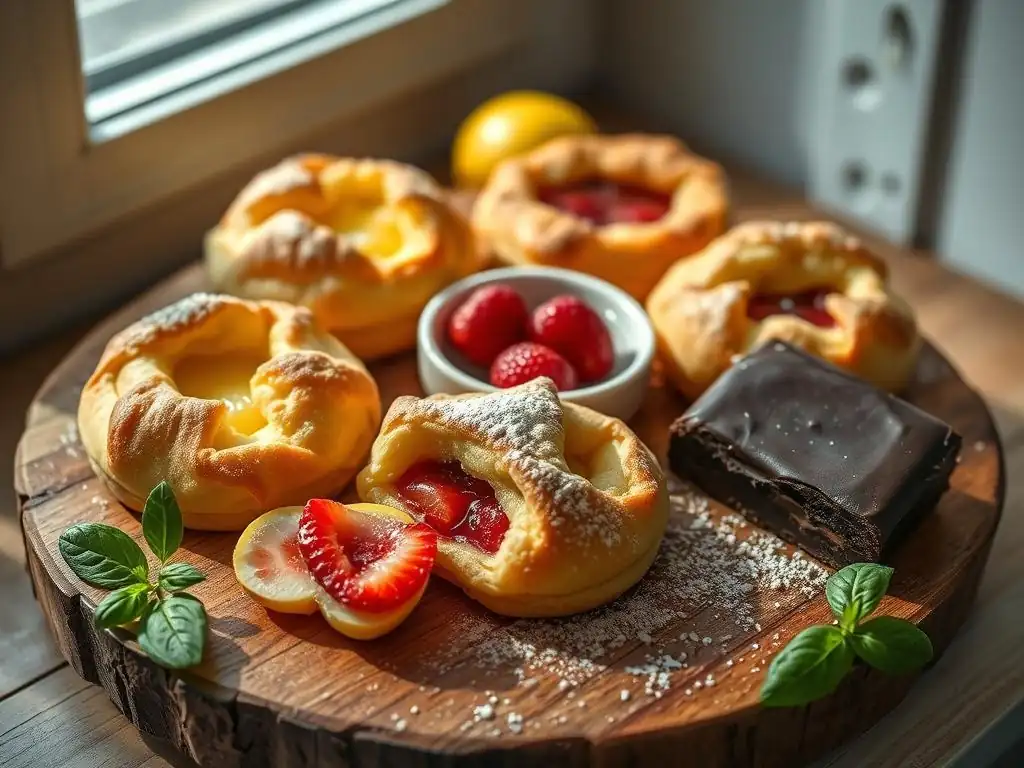
While the classic crema pasticcera filling is the most famous, pasticciotti can be adapted with different fillings. Exploring these variations adds a fun twist to your easy Pasticciotti Leccesi recipe baking adventures.
Chocolate Pasticciotti: A Decadent Twist
For chocolate lovers, a popular variation is Pasticciotti al Cioccolato. This version typically replaces the classic crema pasticcera with a rich chocolate pastry cream or sometimes a gianduja (hazelnut chocolate) filling. The chocolate cream is made similarly to the classic, often by adding melted dark chocolate or cocoa powder to the hot milk or finished cream base.
This variation offers a deeper, more intense flavor profile that pairs wonderfully with the buttery pasta frolla crust. Imagine biting into a warm pasticciotto with a gooey, rich chocolate center – it's a truly decadent experience. This easy Pasticciotti Leccesi recipe can be adapted by simply substituting the classic cream with your favorite chocolate pastry cream recipe.
Lemon Pasticciotti: A Zesty Variation
While the classic cream often contains lemon zest, some variations intensify the lemon flavor. Lemon Pasticciotti might feature a lemon curd filling or a crema pasticcera with a higher concentration of lemon zest or even a splash of lemon juice added after cooking (be careful as acidity can curdle cream if added while hot).
This variation provides a bright, zesty contrast to the rich pastry and cream. The tanginess of the lemon cuts through the sweetness, creating a refreshing balance. It's a perfect option for those who enjoy citrus-flavored desserts and offers a vibrant alternative to the traditional easy Pasticciotti Leccesi recipe.
Almond Pasticciotti: A Nutty Delight
Another delicious variation incorporates almonds into the filling or even the dough. Almond Pasticciotti might be filled with a frangipane (almond cream) or feature chopped almonds added to the classic crema pasticcera. Sometimes, almond flour is partially substituted for wheat flour in the pasta frolla for an almond-flavored crust.
The addition of almonds brings a lovely nutty aroma and flavor, complementing the buttery crust beautifully. The texture can also be enhanced by the slight chewiness of almond pieces. This variation offers a sophisticated twist on the traditional easy Pasticciotti Leccesi recipe, appealing to those who appreciate nutty notes in their pastries.
Enjoy Your Easy Pasticciotti Leccesi! A Sweet Taste of Puglia at Home.
Frequently Asked Questions
What exactly are Pasticciotti Leccesi?
Pasticciotti Leccesi are traditional Italian pastries from the Puglia region, specifically Lecce. They are typically filled with a rich custard cream and baked until golden.
Are Pasticciotti Leccesi difficult to make at home?
Not with BakeWithEase! Our "Easy Pasticciotti Leccesi" recipe is designed to be simple and straightforward, even for beginner bakers. We provide step-by-step instructions to ensure success.
What are the key ingredients needed for this Easy Pasticciotti Leccesi recipe?
The main ingredients include pastry dough (either homemade or store-bought), custard cream ingredients (milk, eggs, sugar, flour, lemon zest), and optionally, a dusting of powdered sugar after baking.
Can I customize the filling of my Pasticciotti Leccesi?
While the classic filling is custard cream, you can experiment with variations. Some popular options include adding chocolate chips, almond paste, or a small piece of cherry to the custard before baking.
How should I store leftover Pasticciotti Leccesi?
Store leftover Pasticciotti Leccesi in an airtight container at room temperature for up to two days, or in the refrigerator for up to four days. Reheat gently before serving for best flavor and texture.
Final Reflection: A Taste of Puglia, A Slice of Home
The simple act of baking a pasticciotto leccese transcends mere culinary creation; it's a journey to the heart of Puglia, a connection to tradition, and a celebration of simple pleasures. This recipe, designed for ease and accessibility, aims to bring the joy of this iconic pastry to kitchens worldwide, regardless of baking experience. The increasing popularity of home baking, coupled with a growing interest in regional Italian cuisine, makes this accessible recipe more relevant than ever.
The enduring appeal of the pasticciotto leccese lies not just in its creamy custard filling and delicate pastry shell, but in its ability to evoke strong feelings of nostalgia and belonging. For many, it represents a taste of home, a cherished memory of childhood, or a connection to their heritage. Food is symbolic of love when words are inadequate.
- Alan D. Wolfelt. This sentiment perfectly encapsulates the emotional power of this seemingly simple pastry, transforming a recipe into a conduit for shared experiences and cultural understanding.
Now, I invite you to embrace the challenge, to roll up your sleeves, and create your own pasticciotti leccesi. Don't be intimidated by the seemingly complex process; let this recipe be your guide, your passport to a taste of Puglia. Share your creations, share your stories, and let the aroma of these delightful pastries fill your home with warmth and the joy of culinary exploration. The journey of a thousand miles begins with a single step, and in this case, that step is cracking an egg and beginning your own pasticciotto adventure.
Unleash Your Inner Pastry Chef: Make Pasticciotti Today!
Thanks for joining us on this delicious journey into the heart of Puglia! We hope you’ve gained a newfound appreciation for the simple elegance of the pasticciotto leccese. Now it’s time to put your newfound knowledge to the test.
- Bake your own pasticciotti: This is your chance to experience the joy of creating these delightful treats from scratch. Gather your ingredients, follow the recipe, and enjoy the sweet reward!
- Share your creation: Post a picture of your pasticciotti on social media and tag us! We'd love to see your baking masterpiece and share it with our community.
- Explore other Puglian recipes: Dive deeper into the rich culinary heritage of Puglia by exploring our other traditional recipes. You might discover your next favorite treat!
Ready to taste the sunshine of Puglia in every bite? What delicious variations will you add to your pasticciotti?