
Piedmontese Baking Specialties: Easy Recipes

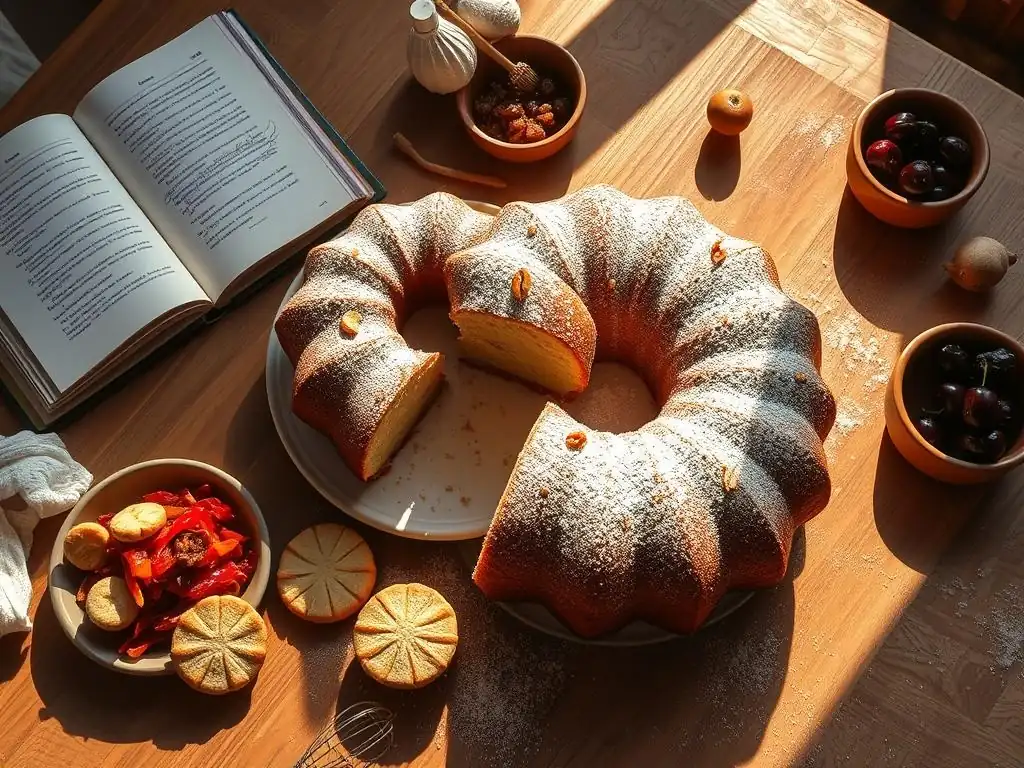
Welcome to BakeWithEase, your guide to unlocking the sweet secrets of the baking world! Ever dreamed of crafting authentic regional treats? Dive into the heart of Italian baking with our collection of Piedmontese cake recipes. Discover how surprisingly simple it is to create these delectable desserts right in your own kitchen, and let us lead you on a journey through the rich culinary traditions of Piedmont. Ready to bake something extraordinary?
- Piedmontese Baking Specialties: Easy Recipes for BakeWithEase.com
- Discover the Delights of Piedmontese Baking: Simple Cake Recipes
- Essential Ingredients for Authentic Piedmontese Cakes and Desserts
- Easy Piedmontese Cake Recipes for Home Bakers
- Simplifying Piedmontese Baking Techniques: A Beginner's Guide
- Baking Variations: Adapting Piedmontese Recipes to Dietary Needs
- Troubleshooting Common Problems in Piedmontese Cake Baking
- Serving Suggestions: Pairing Piedmontese Cakes with Drinks
- Preserving the Taste of Piedmont: Storing Your Baked Creations
-
Frequently Asked Questions
- What exactly is Piedmontese cake, and what makes it unique?
- Are Piedmontese cake recipes generally beginner-friendly?
- What are some common ingredients found in Piedmontese cakes?
- Where can I find reliable and easy-to-follow Piedmontese cake recipes?
- How can I adapt a traditional Piedmontese cake recipe to be even easier to make?
- Final Reflection: The Enduring Sweetness of Piedmont
- Unleash Your Inner Piedmontese Baker!
Piedmontese Baking Specialties: Easy Recipes for BakeWithEase.com
Discover the Delights of Piedmontese Baking: Simple Cake Recipes
Explore Italy's Piedmont Region Through Baking
Piedmont, nestled in the northwestern corner of Italy, is a region celebrated not only for its fine wines and luxurious truffles but also for its rich and diverse culinary traditions, especially in the realm of baking. The landscape, from the Alps to the rolling hills of the Langhe, provides unique ingredients that form the backbone of its pastries and desserts. Hazelnuts, in particular, hold a place of honor, with the "Nocciola del Piemonte I.G.P."
(Protected Geographical Indication) being renowned globally for its intense flavor and aroma. Exploring simple Piedmontese cake recipes offers a delightful journey into this regional heritage, perfect for home bakers looking for something new and authentic.
The history of Piedmontese baking is deeply intertwined with its agricultural bounty and aristocratic past. Confectioneries and bakeries in cities like Turin developed sophisticated techniques, while rural areas perfected recipes utilizing local produce like chestnuts, apples, and, of course, hazelnuts. Many traditional Piedmontese cake recipes simple enough for beginners have been passed down through generations, often relying on a few high-quality ingredients to create profound flavors. From humble hazelnut cookies to elegant chocolate puddings, these easy Piedmontese cake recipes provide a taste of Italy's sweet north.
Essential Ingredients for Authentic Piedmontese Cakes and Desserts
Sourcing Quality Ingredients for the Best Flavors
The secret to truly authentic and delicious Piedmontese baking lies in the quality of the ingredients. For instance, using genuine Nocciola del Piemonte I.G.P. hazelnuts makes a significant difference in recipes like Torta di Nocciole or Baci di Dama. These specific hazelnuts, often grown in the Langhe, Roero, and Monferrato areas, are known for their lower fat content, longer shelf life, and distinctively sweet, persistent flavor after roasting. While any hazelnut can be used, seeking out this specific variety or a high-quality alternative will elevate your simple Piedmontese cake recipes.
Beyond hazelnuts, other key ingredients like butter, eggs, flour, and chocolate also demand attention to quality. Using European-style butter with a higher fat content can result in flakier pastries and richer cakes. Fresh, free-range eggs contribute to better texture and flavor. For chocolate-based desserts like Bonet, opting for high-quality dark chocolate (around 70% cocoa) will provide a deeper, more complex taste profile than standard baking chocolate. Even simple additions like good quality rum or amaretti cookies (made with apricot kernels) can transform an easy Piedmontese cake recipe into something truly special.
Easy Piedmontese Cake Recipes for Home Bakers
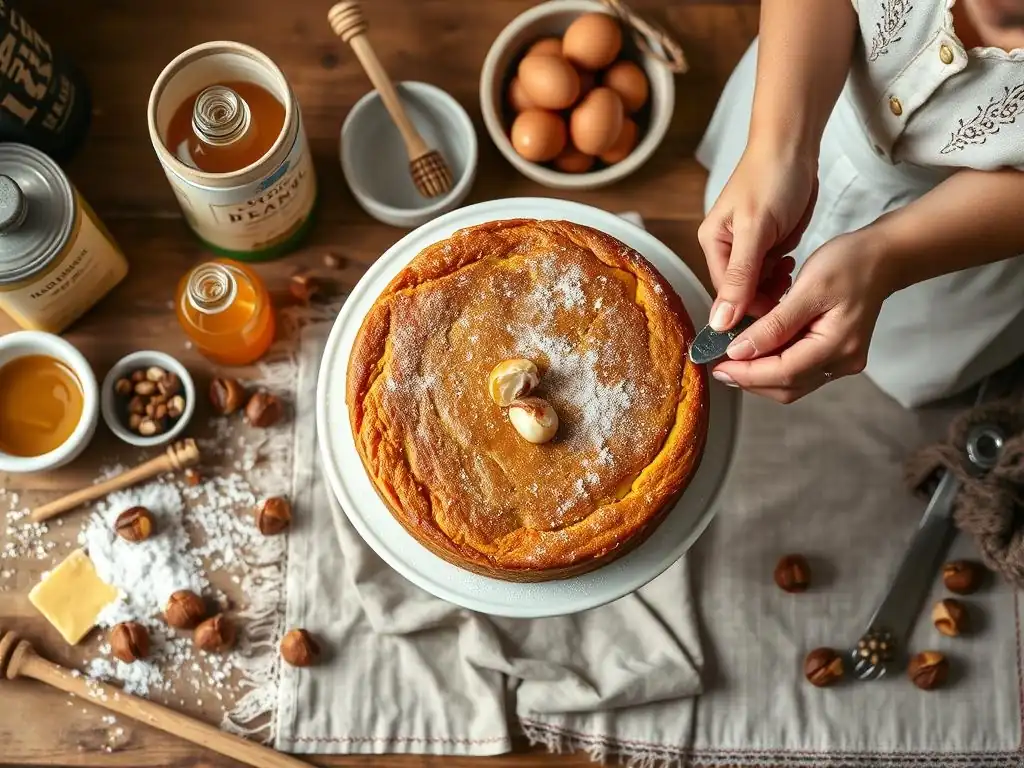
Torta di Nocciole: A Classic Hazelnut Cake Recipe
Torta di Nocciole, or hazelnut cake, is perhaps the most iconic simple Piedmontese cake recipe. It's naturally gluten-free (or easily adaptable) as it often relies entirely on ground hazelnuts instead of flour. This cake is celebrated for its moist, tender crumb and intense hazelnut flavor. A traditional Torta di Nocciole typically contains about 50-60% ground hazelnuts by weight of the total dry ingredients, ensuring that nutty goodness shines through. It's an excellent example of how simple ingredients, when combined correctly, can yield extraordinary results.
Making this classic requires minimal effort, fitting perfectly into the category of easy Piedmontese cake recipes. The key is using finely ground, possibly lightly toasted, hazelnuts. The batter is usually a simple mix of eggs, sugar, ground hazelnuts, and sometimes a touch of butter or oil, along with a leavening agent.
Baking time is crucial; overbaking can dry out the cake. A typical 20-22 cm cake might bake for 30-40 minutes at around 175°C (350°F). Once cooled, it's often served simply dusted with powdered sugar or with a dollop of whipped cream, embodying the rustic elegance of Piedmontese cake recipes simple to master.
Step-by-Step Guide to Making Torta di Nocciole at Home
Here's a straightforward approach to this easy Piedmontese cake recipe:
- Preparation: Preheat your oven to 175°C (350°F). Grease and flour (or line with parchment paper) a 20-22 cm round cake pan.
- Combine Wet Ingredients: In a large bowl, whisk together 3 large eggs with about 150g granulated sugar until pale and slightly thickened.
- Add Hazelnuts: Gently fold in 200g of finely ground hazelnuts (preferably lightly toasted and cooled) and 1-2 teaspoons of baking powder. Some recipes also include a pinch of salt.
- Optional Fat: If using, melt 50g of butter and let it cool slightly, then fold it into the batter. Alternatively, use 3-4 tablespoons of vegetable oil.
- Mix: Mix until just combined. Do not overmix. The batter will be quite dense.
- Bake: Pour the batter into the prepared pan and spread evenly. Bake for 30-40 minutes, or until a toothpick inserted into the center comes out clean.
- Cool: Let the cake cool in the pan for 10-15 minutes before inverting it onto a wire rack to cool completely.
Tips for Achieving the Perfect Hazelnut Flavor in Your Cake
To maximize the hazelnut flavor in your simple Piedmontese cake recipe, start with the best quality hazelnuts you can find. Roasting the hazelnuts lightly before grinding them significantly enhances their nutty aroma and taste. Spread whole or roughly chopped hazelnuts on a baking sheet and roast in a preheated oven at 150°C (300°F) for 10-15 minutes, or until they are fragrant and their skins are loosened. Let them cool completely before rubbing off the skins (most will come off easily) and grinding them finely in a food processor.
Ensure the hazelnuts are ground to a fine meal, but be careful not to over-process them into a paste. The texture should be similar to fine breadcrumbs. Storing ground hazelnuts in an airtight container in the refrigerator or freezer until ready to use also helps preserve their fresh flavor. Finally, consider adding a tiny splash of Frangelico (hazelnut liqueur) or a teaspoon of pure vanilla extract to the batter; these can subtly amplify the natural hazelnut notes without overpowering them, making your easy Piedmontese cake recipes even more delightful.
Baci di Dama, meaning "lady's kisses," are delightful small cookies originating from Piedmont. They consist of two hazelnut-based cookies joined together by a layer of chocolate, resembling lips about to kiss. These melt-in-your-mouth cookies are a staple of Piedmontese baking and are surprisingly simple to make, fitting perfectly among easy Piedmontese cake recipes (as they are often served alongside or instead of cake). The traditional recipe calls for equal weights of ground hazelnuts, sugar, butter, and flour, creating a delicate, crumbly texture.
These charming cookies are a perfect example of how simple ingredients can create something elegant and delicious. The key is achieving the right dough consistency – it should be firm enough to roll into small spheres but not dry. Chilling the dough is essential before baking to prevent the cookies from spreading too much. Baking time is relatively short, typically 12-15 minutes at around 160°C (320°F). Once baked and cooled, they are paired up and filled with melted chocolate, solidifying their status as a beloved Piedmontese sweet treat.
Simple Recipe for Making Baci di Dama Cookies
Making Baci di Dama is a straightforward process:
- Prepare Ingredients: You'll need equal weights of finely ground hazelnuts (e.g., 100g), granulated sugar (100g), softened butter (100g), and all-purpose flour (100g).
- Make the Dough: In a bowl, cream the softened butter and sugar until light and fluffy. Stir in the ground hazelnuts, then gradually add the flour, mixing until a cohesive dough forms.
- Chill the Dough: Wrap the dough in plastic wrap and chill in the refrigerator for at least 30 minutes. This makes it easier to handle.
- Shape Cookies: Roll small portions of dough into tiny balls, about 1-1.5 cm in diameter. Place them on a baking sheet lined with parchment paper, leaving a small space between them.
- Bake: Bake in a preheated oven at 160°C (320°F) for 12-15 minutes, or until the edges are lightly golden but the tops remain pale.
- Cool: Let the cookies cool completely on the baking sheet.
- Fill: Melt some chocolate (milk or dark, about 50-75g is usually sufficient). Spread a small amount of melted chocolate on the flat side of one cookie and gently press another cookie on top to form the "kiss." Let the chocolate set before serving.
Variations on the Classic Baci di Dama Cookie
While the classic Baci di Dama uses hazelnuts and a chocolate filling, there are several delightful variations that still capture the spirit of easy Piedmontese cake recipes. One popular twist is to use almond flour instead of hazelnut flour, creating "Baci di Mandorla." These have a slightly different, sweeter flavor profile. Some recipes also experiment with the filling, using gianduja (a chocolate-hazelnut spread originating from Turin) for an extra layer of Piedmontese flavor, or even a simple ganache made with cream and chocolate.
Another variation involves adding a pinch of cinnamon or vanilla extract to the cookie dough for subtle aromatic notes. For a richer cookie, some bakers might add a small amount of egg yolk to the dough, which can change the texture slightly, making it perhaps less crumbly but more tender. While the traditional recipe is the benchmark, don't hesitate to experiment with these simple adaptations to find your favorite version of these beloved Piedmontese cookies.
Bonet: A Rich Chocolate and Amaretti Pudding Recipe
Bonet is a traditional Piedmontese dessert that is less of a cake and more of a baked custard or pudding. It's characterized by its rich flavor from cocoa, amaretti cookies, and rum, often topped with a caramel layer similar to crème caramel. Its name, "bonet," translates to "hat" in Piedmontese dialect, possibly referring to the mold it's baked in or the fact that it's the "finishing hat" of a meal. This dessert is a cornerstone of Piedmontese baking, offering a comforting and decadent end to dinner.
Preparing Bonet involves making a smooth custard base with eggs, milk, sugar, cocoa powder, crushed amaretti cookies, and a generous splash of rum. This mixture is then poured over a layer of caramel in a mold and baked gently in a water bath until set. The combination of bitter amaretti, rich chocolate, and fragrant rum creates a complex flavor profile that is distinctly Piedmontese. Although it sounds fancy, the steps are quite manageable, making it an accessible addition to your repertoire of easy Piedmontese cake recipes (or desserts! ).
How to Prepare Authentic Bonet Pudding
Here's a general method for making Bonet:
- Make Caramel: Gently heat about 100g of sugar in a saucepan with 2-3 tablespoons of water until it turns into a golden amber caramel. Pour the hot caramel into the bottom of your pudding mold (a 1.5-liter mold is typical), swirling to coat the bottom. Let it cool and harden.
- Prepare Custard Base: In a large bowl, whisk together 4-5 large eggs with 150g sugar until well combined.
- Add Flavors: Whisk in 50g unsweetened cocoa powder, about 80-100g crushed amaretti cookies, and 3-4 tablespoons of dark rum.
- Combine with Milk: Gradually whisk in 500ml of whole milk until the mixture is smooth. For extra smoothness, you can strain the mixture through a fine-mesh sieve.
- Bake: Pour the custard mixture over the hardened caramel in the mold. Place the mold in a larger baking dish and carefully pour hot water into the dish to come halfway up the sides of the mold. Bake in a preheated oven at 160°C (320°F) for 50-70 minutes, or until the edges are set but the center is still slightly wobbly.
- Chill: Remove the mold from the water bath and let it cool completely. Refrigerate for at least 4 hours, preferably overnight, to allow it to set fully.
- Serve: To serve, run a knife around the edge of the mold and invert it onto a serving plate. The caramel will flow over the pudding.
Tips for a Smooth and Creamy Bonet Texture
Achieving a perfectly smooth and creamy Bonet is key to this simple Piedmontese cake recipe's success. The water bath is crucial as it ensures the custard bakes gently and evenly, preventing it from curdling or developing a rubbery texture. Ensure the water level in the baking dish remains consistent throughout the baking time; you may need to add more hot water if it evaporates too quickly. Baking at a relatively low temperature (160°C or 320°F) also contributes to the smooth texture.
Using whole milk will result in a richer, creamier pudding than low-fat milk. Crushing the amaretti cookies finely helps them dissolve into the custard, contributing flavor without leaving large chunks. Straining the custard mixture before pouring it into the mold can help remove any unincorporated cocoa powder or egg bits, leading to a silkier texture. Finally, allowing the Bonet to chill thoroughly for several hours or overnight is essential for it to set properly and for the flavors to meld, transforming this easy Piedmontese cake recipe into a truly luxurious dessert.
Simplifying Piedmontese Baking Techniques: A Beginner's Guide
Mastering the Basics of Piedmontese Cake Making
Embarking on simple Piedmontese cake recipes is an excellent way for beginners to build confidence in the kitchen. Many traditional recipes rely on straightforward techniques like creaming butter and sugar, whisking eggs, and folding in dry ingredients. The emphasis is often on precise measurements and understanding how the key regional ingredients behave. For instance, working with ground nuts requires a slightly different approach than working with wheat flour, as nuts contain oils that can affect the dough or batter consistency.
Start with simpler recipes like Torta di Nocciole or Baci di Dama. Pay close attention to the descriptions of ingredient textures (e.g., "finely ground hazelnuts") and consistency (e.g., "dough should be firm"). Don't be afraid to use kitchen scales for accuracy, as baking is often more precise than cooking. Understanding the role of each ingredient – how eggs provide structure, sugar sweetness and tenderness, and nuts flavor and texture – will make tackling easy Piedmontese cake recipes much more intuitive.
Converting Traditional Recipes for Modern Kitchens
Many traditional Piedmontese baking recipes were developed in kitchens with different equipment and ingredient availability than today. Converting older or regional recipes for modern home kitchens often involves understanding standard measurements (grams to cups, Fahrenheit to Celsius) and recognizing traditional techniques that might have simpler modern equivalents. For example, recipes might call for "a glass" of milk or "a handful" of nuts; using standard measuring cups and spoons, or a digital scale, provides consistency.
Modern ovens are generally more consistent in temperature than older wood-fired ovens, but calibration can still vary. Using an oven thermometer is a good practice. Recipes might also assume ingredients like butter are always unsalted; it's generally best to use unsalted butter and add salt separately if the recipe calls for it, giving you more control over the flavor. Adapting easy Piedmontese cake recipes often involves making small adjustments based on your specific ingredients and equipment while respecting the core ratios and flavors that define the dish.
Baking Variations: Adapting Piedmontese Recipes to Dietary Needs
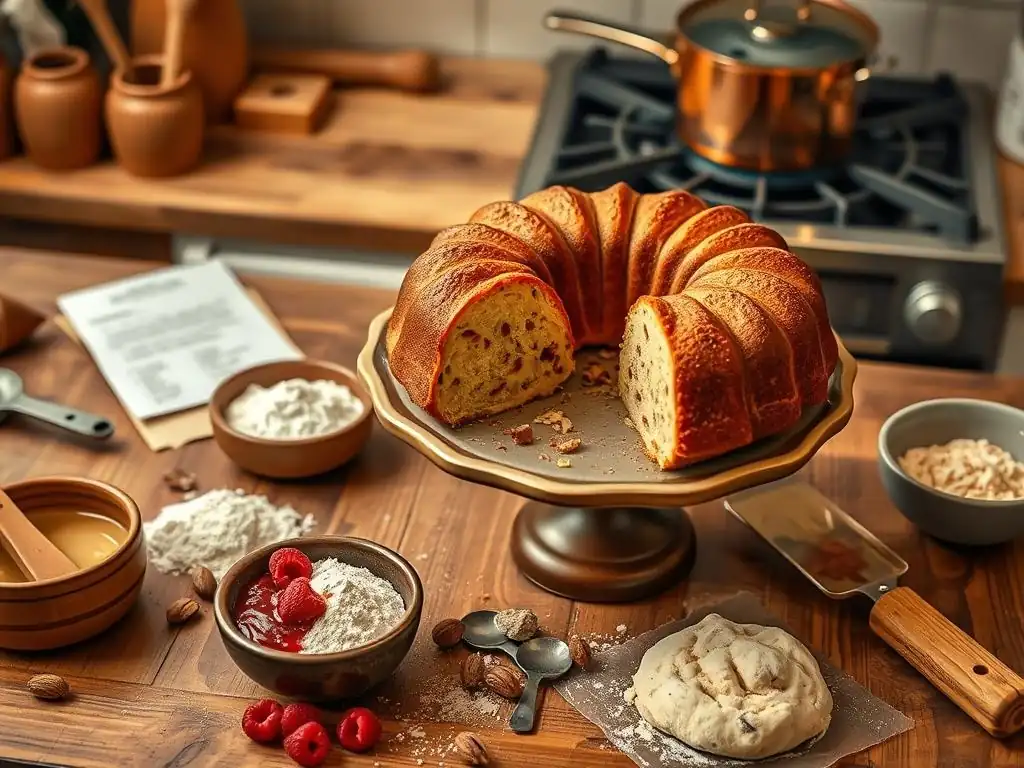
Gluten-Free Piedmontese Cake Options
Many traditional Piedmontese cake recipes are naturally gluten-free, making them excellent candidates for those with celiac disease or gluten sensitivity. Torta di Nocciole is a prime example, often made entirely with ground hazelnuts instead of wheat flour. When adapting other simple Piedmontese cake recipes, substituting gluten-free flour blends for wheat flour can be successful, though it might slightly alter the texture. Look for blends designed for cakes and pastries.
For recipes like Baci di Dama, where flour is a significant component, using a gluten-free flour blend (often a mix of rice flour, potato starch, and tapioca starch) requires careful measurement and potentially slight adjustments to the amount of liquid or fat to achieve the desired dough consistency. Ensure all other ingredients, such as baking powder or chocolate, are certified gluten-free. With careful substitution, you can enjoy delicious gluten-free variations of easy Piedmontese cake recipes.
Vegan Piedmontese Dessert Adaptations
Adapting traditional Piedmontese baking recipes to be vegan presents more challenges, as many rely heavily on butter and eggs. However, it is often possible with creative substitutions. For Torta di Nocciole, eggs can sometimes be replaced with flax eggs (ground flaxseed mixed with water) or commercial egg replacers, and butter with vegan butter or oil. The texture might be slightly different but still enjoyable.
Bonet, being a custard, is more difficult to veganize traditionally, but vegan versions using plant-based milks (like soy or almond), silken tofu, and agar-agar or cornstarch as thickeners can approximate the texture. Vegan butter or oil can replace dairy butter, and crushed vegan cookies can substitute for amaretti (ensure they are egg and dairy-free). While these adaptations require more experimentation than simple Piedmontese cake recipes, they allow those following a vegan diet to enjoy the flavors of Piedmont.
Troubleshooting Common Problems in Piedmontese Cake Baking
Avoiding Common Mistakes When Making Torta di Nocciole
One common issue with Torta di Nocciole is a dry texture. This is often caused by overbaking or using too little fat relative to the amount of ground hazelnuts. Hazelnuts, while containing oil, can absorb moisture. Ensure you measure your ingredients accurately, use the specified amount of fat (butter or oil), and test for doneness early. A toothpick inserted into the center should come out with just a few moist crumbs, not completely clean.
Another potential problem is the cake sinking in the middle. This can happen if the cake is underbaked, if there's too much leavening agent, or if the oven temperature is too high, causing the outside to set before the inside is cooked. Double-check your baking powder measurement, ensure your oven is calibrated correctly, and bake until the cake is fully set around the edges and feels slightly springy in the center. Patience during the cooling process is also key; sudden temperature changes can cause sinking.
The main challenge with Baci di Dama is achieving the correct dough consistency. If the dough is too sticky after chilling, it can be difficult to roll into balls. This might be due to using too much butter or not chilling it long enough. Try chilling the dough for an additional 30-60 minutes, or even briefly in the freezer. If it's still too sticky, you can try adding a very small amount of extra flour (a tablespoon at a time) until it's manageable, but be cautious not to add too much, which will make the cookies hard.
Conversely, if the dough is too crumbly and won't hold together, it might be too dry. This could be due to too much flour, too little butter, or insufficient chilling time allowing the butter to firm up. If it's only slightly crumbly, kneading it gently with your hands for a moment can help the butter soften and bind it.
If very dry, you might need to add a tiny bit more softened butter or even a teaspoon of milk or water, mixing until it just comes together. Correct dough consistency is vital for these simple Piedmontese cake recipes in cookie form.
Preventing a Soggy Bonet Pudding
A soggy or watery Bonet is often the result of one of two things: not baking it long enough or not chilling it adequately. The water bath is essential for gentle, even cooking, but the pudding still needs sufficient time in the oven to set. It should be mostly firm with only a slight wobble in the center when removed from the oven. It will continue to set as it cools.
Insufficient chilling is the other major culprit. Bonet must be refrigerated for several hours, ideally overnight, to fully set and for the flavors to develop. Trying to unmold it too soon will result in a runny or watery mess. Ensure your mold is properly sealed if using a springform or loose-bottomed pan to prevent water from the bath leaking in. Following the recommended baking time and ensuring thorough chilling will help you achieve a perfectly set, creamy Bonet every time.
Serving Suggestions: Pairing Piedmontese Cakes with Drinks

Perfect Wine Pairings for Piedmontese Desserts
Piedmont is renowned for its wines, and pairing them with local desserts is a natural fit. For hazelnut-based treats like Torta di Nocciole or Baci di Dama, a sweet sparkling wine from the region, such as Moscato d'Asti, is an excellent choice. Its light fizz, low alcohol content (around 5-6% ABV), and aromatic, slightly sweet profile complement the nutty flavors beautifully without being overpowering. A sweet Brachetto d'Acqui, with its fruity and slightly effervescent character, is another delightful option.
For richer desserts like Bonet with its chocolate, amaretti, and rum notes, a fortified wine or a passito (straw wine) works wonderfully. A Barolo Chinato, an aromatic, quinine-flavored wine from the Barolo region, is a classic Piedmontese pairing. Its complex, slightly bitter, and spicy profile stands up to the richness of the Bonet. Alternatively, a sweet Marsala or a Vin Santo could also complement the chocolate and caramel flavors. These pairings elevate the experience of enjoying easy Piedmontese cake recipes.
Serving Piedmontese Cakes for Special Occasions
Piedmontese cakes and desserts are perfect for special occasions, offering a taste of Italian elegance and tradition. Torta di Nocciole, served with a dusting of powdered sugar or a dollop of lightly sweetened whipped cream, makes a wonderful centerpiece for a birthday or family gathering. Its rustic charm and intense flavor are always a hit. Consider serving it with a glass of chilled Moscato d'Asti.
Baci di Dama cookies, presented on a decorative plate, are ideal for afternoon tea, holiday cookie platters, or as edible gifts. Their small size and elegant appearance make them perfect for sharing. Bonet, served chilled with its beautiful caramel topping, is a sophisticated dessert for a dinner party. The presentation is simple but striking, and its rich flavor provides a memorable end to a festive meal. These easy Piedmontese cake recipes prove that you don't need complex techniques to create impressive desserts for any celebration.
Preserving the Taste of Piedmont: Storing Your Baked Creations
Best Practices for Storing Torta di Nocciole
To keep your Torta di Nocciole fresh and moist, store it in an airtight container at room temperature for up to 3-4 days. If your kitchen is particularly warm, or if the cake contains butter, refrigerating it is a safer option; it will last up to a week in the fridge. Allow refrigerated cake to come to room temperature before serving for the best texture and flavor.
For longer storage, Torta di Nocciole freezes exceptionally well. Wrap individual slices or the whole cake tightly in plastic wrap, then in aluminum foil or place in a freezer-safe bag or container. Frozen Torta di Nocciole can last for up to 2-3 months. Thaw overnight in the refrigerator and then bring to room temperature before enjoying. Proper storage ensures you can savor this simple Piedmontese cake recipe for days or weeks to come.
Baci di Dama cookies are best stored in an airtight container at room temperature. Separate layers with parchment paper to prevent them from sticking together, especially if the chocolate filling is still slightly soft. Stored correctly, they will remain fresh and crisp for about 1-2 weeks. The chocolate filling can sometimes bloom (develop a white film) if exposed to temperature fluctuations, but this doesn't affect the taste, only the appearance.
To extend their shelf life, you can freeze the unbaked cookie balls. Place them on a baking sheet and freeze until solid, then transfer to a freezer-safe bag or container. Bake directly from frozen, adding a minute or two to the baking time. Baked and filled Baci di Dama can also be frozen in a single layer in an airtight container for up to 1 month, though the texture of the filling might change slightly upon thawing.
Proper Storage for Bonet Pudding
Bonet pudding, being a custard, must be stored in the refrigerator. Keep it in the mold covered with plastic wrap or in an airtight container for up to 3-4 days. Ensure it is kept cold to maintain its set texture and prevent spoilage.
Bonet does not freeze well due to its custard base; freezing and thawing can cause the texture to become watery or grainy. It is best enjoyed within a few days of preparation. Since it requires several hours to set and is served cold, plan ahead when making this easy Piedmontese cake recipe (or pudding!) for an event.
Frequently Asked Questions
What exactly is Piedmontese cake, and what makes it unique?
Piedmontese cake refers to cakes originating from the Piedmont region of Italy. They are often characterized by the use of local ingredients like hazelnuts and almonds, and a simpler, rustic style.
Are Piedmontese cake recipes generally beginner-friendly?
Yes, many Piedmontese cake recipes are quite simple and straightforward, focusing on flavor over elaborate decorations. BakeWithEase offers recipes designed to be accessible for beginners.
What are some common ingredients found in Piedmontese cakes?
Key ingredients often include hazelnuts, almonds, butter, eggs, and flour. Recipes may also feature local fruits or chocolate to enhance the flavor profile.
Where can I find reliable and easy-to-follow Piedmontese cake recipes?
BakeWithEase.com is a great resource for finding simple Piedmontese cake recipes. Our site features step-by-step guides and easy-to-find ingredients.
How can I adapt a traditional Piedmontese cake recipe to be even easier to make?
Look for recipes that minimize the number of steps and use readily available ingredients. Consider using pre-ground nuts or simplified frosting methods to save time.
Final Reflection: The Enduring Sweetness of Piedmont
The simple pleasures of Piedmontese baking offer more than just delicious recipes; they offer a connection to history, culture, and the enduring power of tradition. These easy-to-follow recipes, while modern in their accessibility, are rooted in centuries of culinary heritage, reminding us that even the simplest ingredients can create something truly extraordinary. The enduring appeal of these cakes and pastries speaks to a deeper human need for comfort, connection, and the joy of sharing something beautiful.
The influence of Piedmontese baking extends far beyond the kitchen; it's woven into the fabric of family gatherings, celebrations, and the everyday moments that make life meaningful. These recipes are not just instructions; they are stories passed down through generations, carrying with them the warmth of family and the rich tapestry of Piedmontese culture. As I researched and developed these recipes, I was struck by the sense of community and shared experience that surrounds them. Food is symbolic of love when words are inadequate.
- Alan D. Wolfelt. This quote perfectly encapsulates the power of these simple cakes to connect us to something larger than ourselves.
Now, it's your turn. I invite you to explore these recipes, not just as instructions, but as opportunities for connection and creativity. Try your hand at one of these delightful treats, share it with loved ones, and experience the joy of creating something delicious and meaningful. Let the simple sweetness of Piedmontese baking enrich your life, one bite at a time. Remember the history, savor the flavor, and share the experience.
Unleash Your Inner Piedmontese Baker!
Thanks for joining us on this delicious journey through the heart of Piedmontese baking! We hope you've discovered some new favorites and gained the confidence to create authentic Italian treats at home. Ready to roll up your sleeves and get baking?
- Master your first Piedmontese recipe: Choose one of the recipes from the article and give it a try! We bet you'll be surprised how simple it is.
- Share your baking creations: Tag us on social media (@BakeWithEase) and show us your delicious results! Let's build a vibrant community of passionate bakers.
- Explore our other regional baking guides for even more inspiration! You might find your new signature dessert.
What Piedmontese specialty are you most excited to bake first?