
Venetian Baking Traditions: Sweets & Breads

Welcome to BakeWithEase!
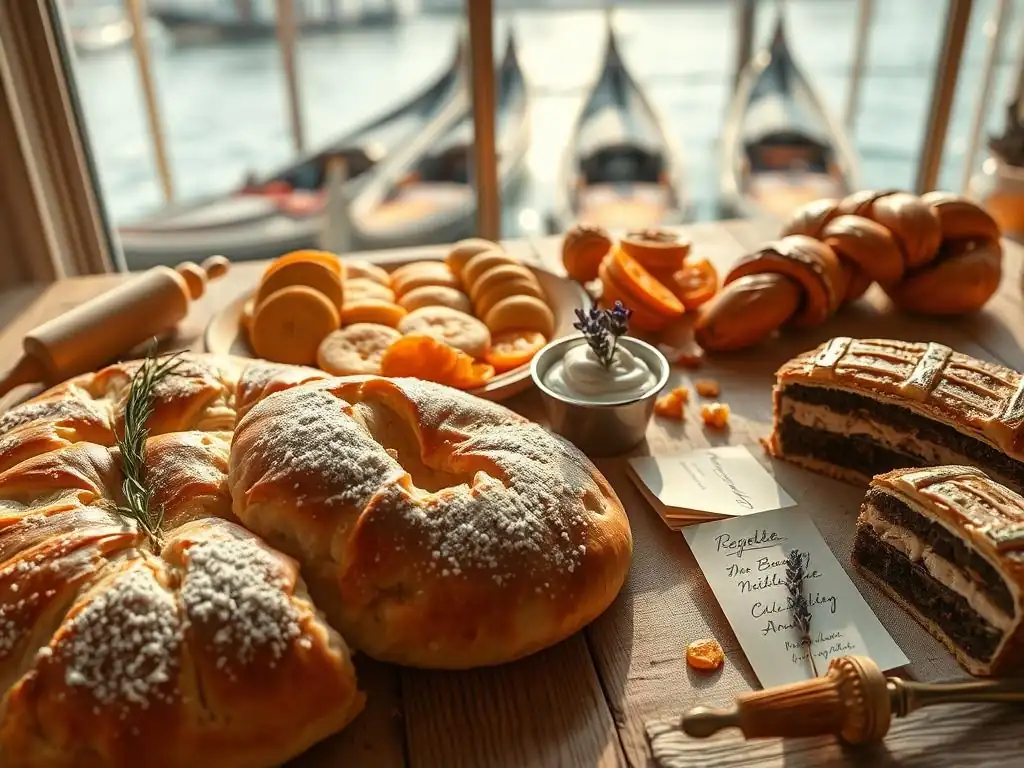
Ever dreamt of recreating the decadent pastries and rustic breads found in the charming pasticcerie of Venice? Venetian baking is more accessible than you think! Dive into our collection of Venetian baking recipes for beginners and discover the secrets to crafting authentic Italian treats. From melt-in-your-mouth biscotti to airy focaccia, we'll guide you through each step. Ready to embark on a culinary journey to the floating city? Let's get baking!
- Venetian Baking Traditions: A Beginner's Guide
- Exploring Venetian Baking: Sweet and Savory Treats
- Traditional Venetian Sweets: Simple Recipes
- Exploring Venetian Breads: Simple Recipes
- Essential Ingredients for Venetian Baking
- Tips and Tricks for Successful Venetian Baking
- Modern Adaptations of Venetian Baking
- Resources for Venetian Baking Enthusiasts
- Conclusion: Enjoy Venetian Flavors at Home
-
Frequently Asked Questions
- What makes Venetian baking recipes unique for beginners?
- Are the ingredients for Venetian baking recipes readily available?
- What are some popular Venetian sweet treats suitable for beginner bakers?
- Do Venetian bread recipes require a lot of kneading or special equipment?
- Where can I find reliable Venetian baking recipes tailored for beginners?
- Final Reflection: The Enduring Sweetness of Venetian Baking
- Unlock the Secrets of Venetian Baking!
Venetian Baking Traditions: A Beginner's Guide
Venetian baking offers a delightful journey into the sweet and savory history of one of Italy's most unique regions. Far beyond the famous canals and gondolas, Venice boasts a rich culinary heritage, particularly when it comes to baked goods. For anyone starting their baking adventure, exploring Venetian baking recipes for beginners provides a wonderful opportunity to learn fundamental techniques while creating delicious treats rooted in tradition. This guide will walk you through some classic Venetian delights, perfect for novice bakers eager to experience the flavors of the Veneto.
Exploring Venetian Baking: Sweet and Savory Treats
Venetian baking is characterized by its simplicity, often using readily available ingredients and straightforward methods. The climate and history of Venice, a city built on water, influenced its cuisine, including its baked goods. Traditionally, many recipes were designed to last, suitable for sailors or travelers, while others celebrated festive occasions with rich, flavorful ingredients.
The range of Venetian baked goods is diverse, encompassing everything from crisp, dry biscuits meant for dunking to soft, sweet breads and decadent fried pastries enjoyed during Carnival. Learning these Venetian baking recipes for beginners opens up a world of flavor, from the subtle anise of bussolai to the rich, spiced notes of fugassa. It's a journey that connects you to centuries of culinary history, one delicious bite at a time.
Unveiling Venice's Culinary Heritage
Venice's culinary history is deeply intertwined with its status as a major trading power. Spices like cinnamon, cloves, and nutmeg, imported from the East, found their way into many traditional recipes, adding layers of aromatic complexity. Ingredients like raisins, pine nuts, and candied fruits also feature prominently, reflecting the city's historical access to diverse goods. This fusion of local produce and imported luxuries shaped the unique character of Venetian baking.
Furthermore, the strong connection to the islands surrounding Venice, like Burano and Murano, influenced specific regional variations. The bussolai buranelli, for instance, originate from Burano and are a prime example of an island specialty that became a symbol of Venetian baking. Understanding this heritage enriches the baking experience, offering insights into why certain ingredients or shapes are traditional. For those exploring Venetian baking recipes for beginners, appreciating this history makes the process even more rewarding.
Traditional Venetian Sweets: Simple Recipes
Venetian sweets are often less elaborate than those from other Italian regions, focusing on quality ingredients and simple flavors. They are perfect for pairing with coffee or sweet wine.
Bussolai Buranelli are perhaps the most famous Venetian cookies, originating from the island of Burano. These ring-shaped or S-shaped biscuits are known for their simple yet satisfying texture and a delicate hint of vanilla or lemon. They are traditionally made with a generous amount of egg yolks, which gives them their rich yellow color and crumbly texture. A basic recipe might involve flour, sugar, butter, egg yolks, and a flavoring like vanilla extract or lemon zest.
Baking Bussolai is relatively forgiving, making them excellent Venetian baking recipes for beginners. The dough is mixed and then typically shaped by hand before baking. They are often baked until golden brown and have a distinct snap when broken. Historically, fishermen's wives on Burano would bake large batches of these cookies, as their dry nature meant they would keep well during long fishing trips, providing a sweet, portable snack.
Baking Bussolai: A Beginner's Guide
Let's look at the basic steps for these classic Venetian cookies.
- Gather ingredients: flour, sugar, butter, egg yolks, vanilla/lemon zest.
- Cream butter and sugar until light and fluffy.
- Beat in egg yolks one at a time.
- Mix in flavoring.
- Gradually add flour until a soft dough forms.
- Chill the dough for about 30 minutes.
- Roll small pieces of dough into ropes and shape into rings or S's.
- Bake at around 180°C (350°F) for 12-15 minutes, or until golden.
- Tip: Using room temperature butter is key for easy creaming.
- Note: The high proportion of egg yolks (sometimes 8-10 yolks per 250g flour) is characteristic and contributes significantly to the texture and richness.
Frittelle Veneziane: Carnival Fritters
Frittelle Veneziane are synonymous with Venice's Carnival season. These delightful fritters are soft, airy, and typically studded with raisins and pine nuts, then dusted generously with powdered sugar. The dough is a simple batter, often enriched with eggs and flavored with citrus zest, rum, or grappa. They are traditionally deep-fried until puffed and golden brown, resulting in a crispy exterior and a soft, cake-like interior.
While deep-frying might seem intimidating, making frittelle can be a rewarding experience for beginners. The batter is quite forgiving, and the quick cooking time means you can enjoy your creations relatively fast. The aroma of frying dough mixed with citrus and rum is truly intoxicating and perfectly captures the spirit of Venetian festivities. These fritters are a seasonal treat, eagerly anticipated each year.
How to Make Authentic Frittelle
Here’s a simplified approach to making these festive fritters.
- Prepare the batter: Mix flour, sugar, eggs, milk or water, yeast (or baking powder), citrus zest, and a splash of rum or grappa.
- Stir in raisins and pine nuts.
- Let the batter rest if using yeast (about 30-60 minutes), or use immediately if using baking powder.
- Heat vegetable oil in a deep pot to about 175°C (350°F).
- Drop spoonfuls of batter into the hot oil, being careful not to overcrowd the pot.
- Fry for 3-5 minutes, turning occasionally, until puffed and golden brown.
- Remove with a slotted spoon and drain on paper towels.
- Dust generously with powdered sugar while still warm.
- Caution: Hot oil is dangerous. Always fry with caution and never leave unattended.
- Yield: A typical batch might yield 20-30 fritters, depending on size.
Baicoli: Venetian Dry Biscuits
Baicoli are incredibly dry, oval-shaped biscuits, specifically designed for dunking. Their name, meaning "little boats," refers to their shape, reminiscent of small vessels navigating the canals. They are made from a lean dough, often leavened with yeast, and undergo a unique double-baking process. This process, similar to that of biscotti, removes almost all moisture, making them exceptionally crisp and long-lasting.
These biscuits are traditionally served with coffee, tea, or sweet wines, intended to soften slightly when dipped. Their subtle sweetness and firm texture make them an ideal companion for beverages. While the process of double-baking requires patience, the dough itself is straightforward, making Baicoli another excellent entry point into Venetian baking recipes for beginners. Their long shelf life also means you can enjoy your efforts for days or weeks.
Mastering Baicoli: Tips and Tricks
Achieving the perfect dryness and texture for Baicoli involves understanding the double-baking method.
- Mix a lean dough with flour, yeast, a little sugar, water, and perhaps a bit of butter or oil.
- Knead until smooth.
- Allow the dough to rise until doubled in size.
- Shape the dough into logs (the "little boats").
- Bake the logs at a moderate temperature until cooked through but not browned.
- Let the logs cool completely, preferably overnight.
- Slice the cooled logs thinly (about 1 cm or 1/2 inch thick).
- Lay the slices flat on baking sheets.
- Bake again at a very low temperature (around 100-120°C or 200-250°F) for 30-60 minutes, or until completely dry and crisp.
*   *Tip 1:* Ensure the first bake cooks the log through without browning the crust too much.
*   *Tip 2:* Slice the cooled logs very carefully to avoid crumbling. A sharp serrated knife helps.
*   *Tip 3:* The second, low-temperature bake is crucial for drying them out completely. This is what gives Baicoli their characteristic crispness and longevity.
Exploring Venetian Breads: Simple Recipes
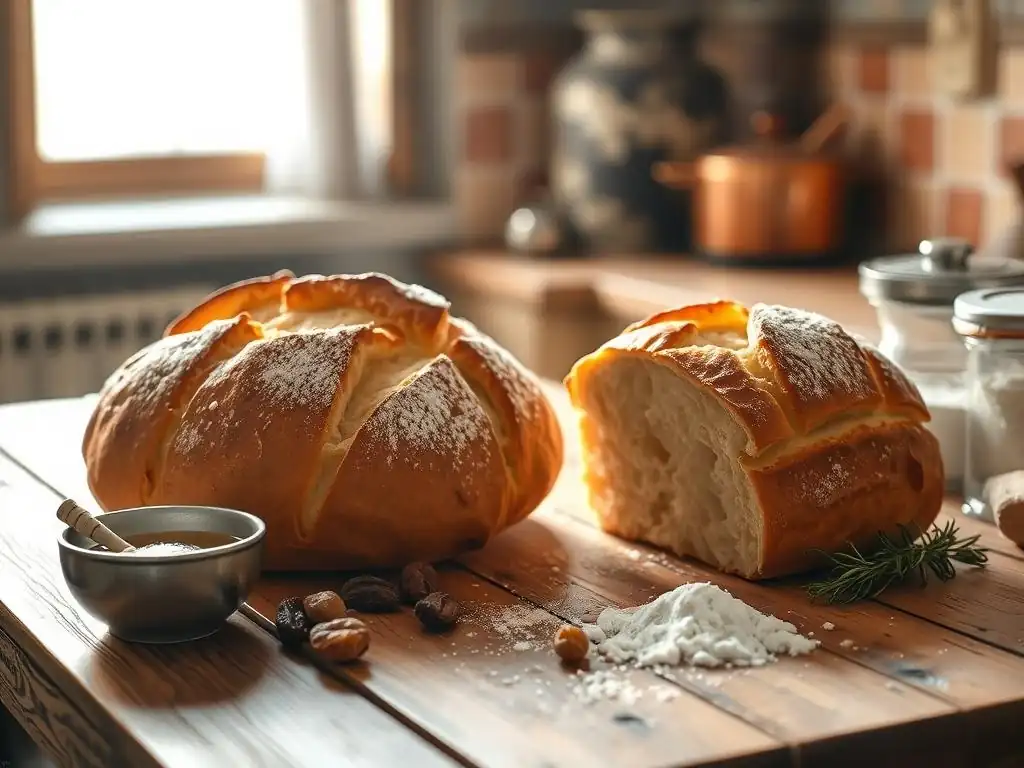
While sweets often steal the spotlight, Venetian baking also includes traditional breads, some of which blur the lines between bread and cake.
Pan del Doge: Traditional Sweet Bread
Pan del Doge, or "Doge's Bread," is a rich, sweet bread historically associated with the rulers of Venice. It's often enriched with butter, eggs, and sugar, and studded with dried fruits like raisins, figs, and dates, along with nuts such as walnuts and pine nuts. Some variations also include spices like cinnamon or cloves, reflecting the city's spice trade heritage. The texture is typically dense and moist, more like a fruitcake than a light loaf.
This bread is perfect for special occasions or holidays. While the ingredient list might seem long due to the fruits and nuts, the process of making the dough is quite manageable for beginners familiar with enriched doughs. The key is to ensure the dough is properly developed before adding the mix-ins and allowing sufficient time for rising to achieve a good texture. Pan del Doge is a wonderful example of a celebratory Venetian baking recipe for beginners looking for something a bit more substantial than cookies.
Baking Pan del Doge: An Easy Recipe
Here's a basic outline for baking this historical sweet bread.
- Activate yeast in warm milk with a pinch of sugar.
- Mix flour, sugar, salt, and spices in a large bowl.
- Add activated yeast mixture, eggs, and melted butter to the dry ingredients.
- Knead the dough until smooth and elastic.
- Gently fold in chopped dried fruits and nuts.
- Place dough in a greased bowl, cover, and let rise until doubled (1-2 hours).
- Shape the dough into a loaf or round.
- Place in a greased loaf pan or on a baking sheet.
- Let rise again until nearly doubled (30-60 minutes).
- Bake at around 180°C (350°F) for 45-60 minutes, or until golden brown and a skewer inserted comes out clean.
Fugassa Veneta: Easter Cake
Fugassa Veneta is a traditional sweet bread or cake specifically made for Easter in the Veneto region, sometimes called Focaccia Veneta. It's similar in concept to the Milanese panettone or Veronese pandoro, but typically has a simpler, less enriched dough and a distinctive dome shape, often topped with a sugar glaze and almonds. The dough is light and airy, usually flavored with citrus zest and sometimes vanilla or a splash of liqueur.
Making Fugassa involves multiple long fermentation periods, which contribute significantly to its light texture and complex flavor. While the overall process takes time due to the rising, the hands-on steps are not overly complicated, making it a rewarding challenge for beginners ready to tackle a slightly more advanced Venetian baking recipe. The result is a beautiful, fragrant cake perfect for sharing during the Easter season.
Preparing Fugassa: A Step-by-Step Guide
This recipe requires patience due to the rising times.
- Stage 1 (Starter): Mix a small amount of flour, water, and yeast. Let it ferment for several hours or overnight.
- Stage 2 (First Dough): Combine the starter with more flour, water, yeast, and some sugar. Knead and let rise until doubled (several hours).
- Stage 3 (Final Dough): Incorporate more flour, sugar, eggs, butter, citrus zest, and salt into the first dough. Knead thoroughly until elastic and smooth. This is the most intensive kneading stage.
- Stage 4 (First Rise): Place the dough in a large greased bowl, cover, and let rise at room temperature until significantly increased in volume (4-6 hours or longer).
- Stage 5 (Shaping & Second Rise): Gently deflate the dough, shape it into a round, and place it in a tall paper mold (like a panettone mold) or a greased cake pan. Let rise again until it reaches the top of the mold or pan (2-4 hours).
- Stage 6 (Baking): Top with an almond glaze (made from ground almonds, sugar, and egg white) and whole almonds. Bake at around 170-180°C (340-350°F) until golden brown and cooked through (40-60 minutes).
*   [ ] Prepare starter
*   [ ] Make first dough & rise
*   [ ] Make final dough & knead
*   [ ] First rise
*   [ ] Shape & second rise
*   [ ] Apply glaze & almonds
*   [ ] Bake
Essential Ingredients for Venetian Baking
Understanding the core ingredients is key to mastering Venetian baking recipes for beginners.
Flour: The Foundation of Venetian Baking
Flour is, of course, the primary ingredient in most baked goods, and Venetian baking is no exception. Traditionally, locally milled soft wheat flour would have been used. For modern Venetian baking recipes for beginners, a standard all-purpose flour (Type 00 or plain flour) is usually sufficient for most cookies, cakes, and softer breads like fugassa. For leaner doughs like Baicoli, a slightly stronger flour might be preferred, but all-purpose still works well.
The type and quality of flour impact the texture and structure of the final product. High-protein flours develop more gluten, creating chewier textures suitable for some breads, while lower-protein flours result in tender cakes and cookies. When following Venetian baking recipes for beginners, using the type of flour specified is important, but a good quality all-purpose flour will generally provide reliable results across a range of recipes.
Sugar: Adding Sweetness to Venetian Treats
Sugar plays a vital role in Venetian sweets, providing not just sweetness but also contributing to texture and browning. Granulated sugar is common for doughs and batters, while powdered sugar is essential for dusting finished treats like frittelle or for making glazes. Some traditional recipes might have historically used honey, but sugar became prevalent.
The amount of sugar varies greatly depending on the recipe. Baicoli are only subtly sweet, while frittelle are quite rich and often served coated in powdered sugar. For Venetian baking recipes for beginners, accurately measuring sugar is important, as too much or too little can significantly alter the outcome. Using standard white granulated sugar is appropriate for most recipes unless otherwise specified.
Eggs: Binding and Enriching Doughs
Eggs are a cornerstone of many Venetian baked goods, particularly the richer sweets. They act as a binder, provide structure, add moisture, contribute to leavening (especially egg yolks), and impart a rich flavor and color. Recipes like Bussolai Buranelli are famous for their high egg yolk content, which gives them their distinctive golden hue and tender crumb.
Using fresh, good quality eggs is always recommended for baking. When a recipe calls for specific parts of the egg (e.g., only yolks), it's crucial to follow the instructions precisely, as the balance of fat (yolks) and protein (whites) significantly impacts the final texture. For Venetian baking recipes for beginners, understanding the role of eggs helps in troubleshooting common issues like dry doughs or flat cookies.
Grappa: Aromatic Spirit in Venetian Baking
Grappa, the potent Italian grape brandy, is a traditional ingredient in some Venetian baking, most notably in frittelle and sometimes in fugassa. While the alcohol evaporates during baking or frying, it adds a subtle aromatic complexity and can also contribute to a lighter texture by inhibiting gluten development slightly. A small splash is usually sufficient to impart flavor without making the baked good taste strongly alcoholic.
Using grappa is often optional, and it can sometimes be substituted with rum or another spirit, or even omitted entirely for an alcohol-free version. However, including it in recipes like frittelle adds an authentic touch. For Venetian baking recipes for beginners, experimenting with a small amount of grappa in a recipe like fritters can introduce you to this classic regional flavoring.
Tips and Tricks for Successful Venetian Baking
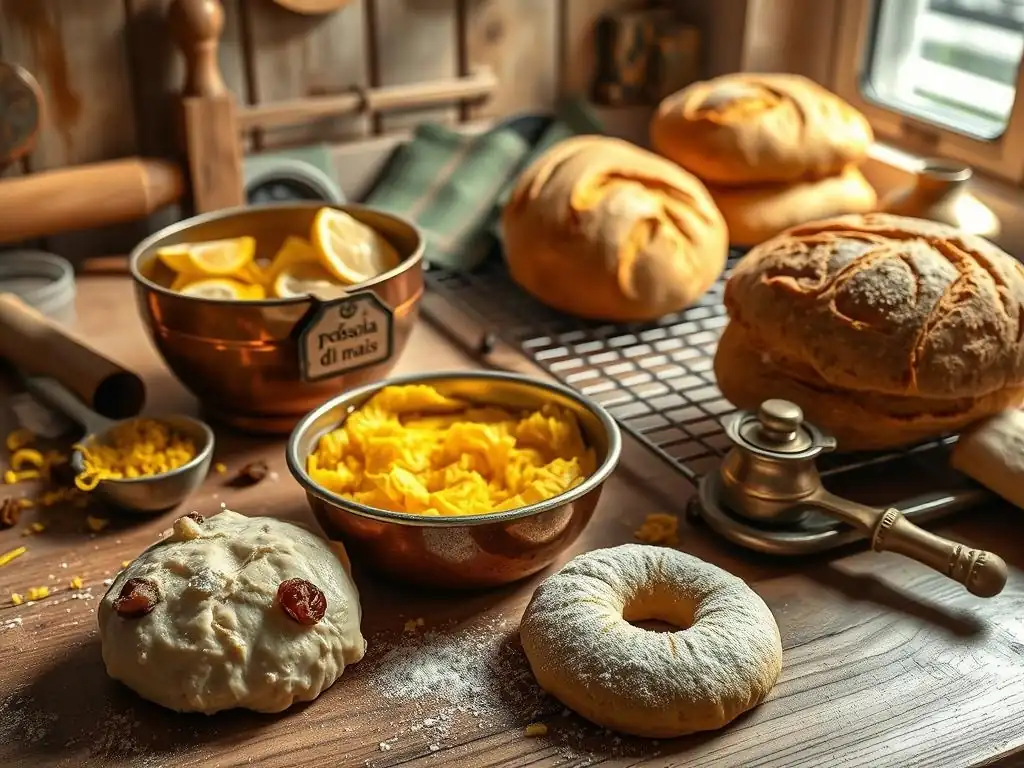
Even the simplest recipes benefit from a few key tips.
Achieving the Perfect Texture in Sweets
Texture is paramount in Venetian sweets, from the crisp snap of Baicoli to the tender crumb of Bussolai and the airy lightness of Frittelle. Achieving the desired texture often comes down to precise ingredient ratios and careful handling of the dough or batter. For example, overworking dough for cookies can lead to toughness, while under-mixing a batter might result in a dense product.
One common principle in many Venetian sweets is the use of butter and eggs for richness and tenderness. Ensuring butter is at the correct temperature (softened for creaming, melted for mixing) is vital. Similarly, not over-baking is key to keeping cookies and cakes from becoming dry. For Venetian baking recipes for beginners, paying close attention to mixing instructions and recommended baking times is essential for achieving that perfect texture.
Mastering Venetian Bread Dough
Venetian sweet breads like Pan del Doge and Fugassa rely on yeast leavening, requiring patience and understanding of dough development. The key to a good yeast dough is proper kneading to develop gluten, which provides structure, and sufficient rising time for flavor and lightness. Enriched doughs, containing butter, eggs, and sugar, tend to rise more slowly than lean doughs.
Temperature plays a significant role in yeast activity. A warm, draft-free place is ideal for rising dough. Knowing how to tell if a dough has risen enough (it should be significantly increased in volume and pass the "poke test" – an indentation should remain) is a fundamental skill. For Venetian baking recipes for beginners tackling these breads, don't rush the rising process; it's crucial for the final outcome.
Storing Your Baked Goods
Proper storage ensures your delicious Venetian creations stay fresh and maintain their texture. Dry biscuits like Bussolai and Baicoli should be stored in airtight containers at room temperature to prevent them from absorbing moisture and losing their crispness. If stored correctly, they can last for several weeks.
Softer items like Frittelle are best enjoyed the day they are made, as their texture deteriorates quickly. Sweet breads like Pan del Doge or Fugassa can be stored at room temperature in an airtight container or wrapped well for a few days. For longer storage, slicing and freezing is an option. For anyone learning Venetian baking recipes for beginners, understanding storage helps maximize enjoyment and minimize waste.
Modern Adaptations of Venetian Baking
While tradition is cherished, Venetian baking also lends itself to modern twists, incorporating new flavors or adapting techniques for contemporary tastes.
Chocolate Chip Bussolai: A Modern Twist
Traditional Bussolai Buranelli are flavored simply with vanilla or lemon. A popular modern adaptation, especially appealing to younger generations and those new to Venetian baking recipes for beginners, is the addition of chocolate chips. This simple change introduces a familiar flavor while keeping the characteristic shape and texture of the classic cookie.
Making chocolate chip Bussolai involves following the standard recipe but folding in a cup or two of chocolate chips (dark, milk, or white) just before chilling the dough. The baking time and temperature remain the same. This adaptation demonstrates how classic recipes can be easily modified, making them more accessible and appealing to a wider audience while still honoring the original form.
Saffron-Infused Fugassa: An Aromatic Variation
Fugassa Veneta is traditionally flavored with citrus. A modern variation that adds a touch of luxury and a beautiful golden hue is saffron infusion. Saffron threads can be steeped in warm milk or water used in the dough, imparting their unique aroma and color. This adds another layer of complexity to the delicate flavor profile of the Easter cake.
To incorporate saffron, simply steep a pinch (about 10-15 threads) in a tablespoon or two of warm milk or water for about 10-15 minutes before adding the liquid to the dough mixture. This small addition transforms the fugassa, offering a sophisticated twist on the classic. This kind of variation is a great way for those comfortable with Venetian baking recipes for beginners to experiment and personalize traditional bakes.
Resources for Venetian Baking Enthusiasts
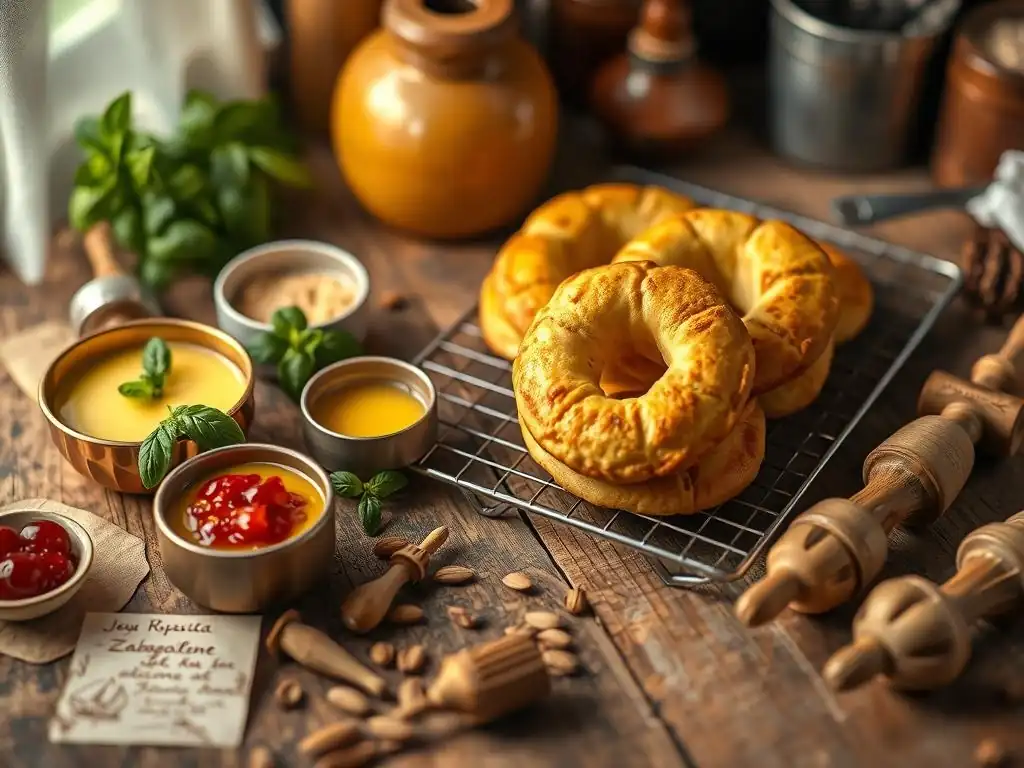
For those eager to delve deeper into Venetian and Italian baking, numerous resources are available.
Recommended Cookbooks for Italian Baking
Many excellent cookbooks cover Italian baking, often dedicating sections to regional specialties like those from the Veneto. Look for books by reputable authors focusing on authentic regional cuisine. These resources often provide detailed historical context, ingredient explanations, and scaled recipes suitable for home bakers.
A good cookbook can be an invaluable tool for Venetian baking recipes for beginners, offering not just recipes but also foundational techniques and troubleshooting advice. Checking reviews and publication dates can help find the most accurate and accessible guides to Italian baking traditions.
Online Communities for Baking Inspiration
The internet offers a wealth of resources, including blogs, forums, and social media groups dedicated to baking, Italian cuisine, and regional specialties. These online communities provide opportunities to find recipes, ask questions, share experiences, and gain inspiration from fellow bakers.
Joining an online baking community can be particularly helpful for Venetian baking recipes for beginners. You can find tips on sourcing specific ingredients, variations on traditional methods, and support when encountering challenges. Sharing photos of your baked goods and receiving feedback can also be a great motivator.
Conclusion: Enjoy Venetian Flavors at Home
Embarking on the journey of Venetian baking is a rewarding experience, offering a taste of Italy's rich culinary past. From the simple elegance of Bussolai to the festive joy of Frittelle and the comforting tradition of Fugassa, these Venetian baking recipes for beginners provide a perfect starting point. With basic ingredients, a few key techniques, and a dash of patience, you can recreate the authentic flavors of Venice right in your own kitchen. So gather your ingredients, preheat your oven, and get ready to enjoy the delightful world of Venetian sweets and breads!
Frequently Asked Questions
What makes Venetian baking recipes unique for beginners?
Venetian baking recipes often feature simple ingredients and classic techniques, making them accessible for novice bakers. Many recipes focus on naturally sweet flavors and less complicated processes.
Are the ingredients for Venetian baking recipes readily available?
Yes, most Venetian baking recipes utilize ingredients that are easily found in supermarkets, such as flour, sugar, eggs, and butter. Some recipes may call for specific Italian liqueurs or extracts, but substitutes can usually be found.
What are some popular Venetian sweet treats suitable for beginner bakers?
Baicoli (thin biscuits) and Zaleti (cornmeal cookies) are excellent starting points. They require minimal equipment and offer a delicious taste of Venetian baking.
Do Venetian bread recipes require a lot of kneading or special equipment?
Many Venetian bread recipes are surprisingly straightforward. Some utilize no-knead methods or require minimal kneading, making them manageable for beginners.
Where can I find reliable Venetian baking recipes tailored for beginners?
BakeWithEase.com offers a curated collection of Venetian baking recipes specifically designed for those new to baking, with step-by-step guides and helpful tips.
Final Reflection: The Enduring Sweetness of Venetian Baking
The enduring allure of Venetian baking lies not just in its exquisite flavors, but in its ability to connect us to a rich history and vibrant culture. These recipes, passed down through generations, offer a tangible link to the past, a delicious way to experience the heart of Venice. From the simplest biscotti to the most elaborate cakes, each bite tells a story.
The influence of Venetian baking traditions extends far beyond the canals and piazzas of Venice itself. It's a testament to the power of food to transcend borders and generations, shaping culinary landscapes worldwide. The simple act of baking a traditional Venetian treat becomes a journey, a connection to a place and time. As the Italian writer, Italo Calvino, once wrote: A city is a stage where the play of history is enacted.
And Venetian baking, with its intricate recipes and time-honored techniques, is a crucial part of that play.
Now, it's your turn. Consider the recipes you've explored, the techniques you've learned. Don't just bake these treats— experience them. Let the aroma of warm bread and the sweetness of Venetian pastries transport you to the heart of this magical city. Embrace the challenge, savor the process, and share the joy of Venetian baking with those you love. The legacy of these delicious traditions is in your hands.
Unlock the Secrets of Venetian Baking!
Thanks for joining us on this delicious journey through the heart of Venetian baking traditions! We hope you've gained a newfound appreciation for the artistry and history behind these delectable treats. Now it's time to put your knowledge to the test!
- Try your hand at a classic Venetian biscuit: Challenge yourself to bake Biscotti di San Biagio or another tempting treat inspired by what you've learned. You might be surprised at how easy it is!
- Share your baking adventure: Show off your Venetian-inspired creations on social media using #BakeWithEaseVenetian. Let’s build a community of passionate bakers!
- Explore other BakeWithEase recipes: Discover more inspiring baking adventures on our site – from classic breads to innovative desserts, there’s something for every baker.
What Venetian treat are you most excited to bake first, and what unique twist will you add? Let us know in the comments!