
Unlocking the Secrets of Easy Italian Baking at Home

Welcome to BakeWithEase!
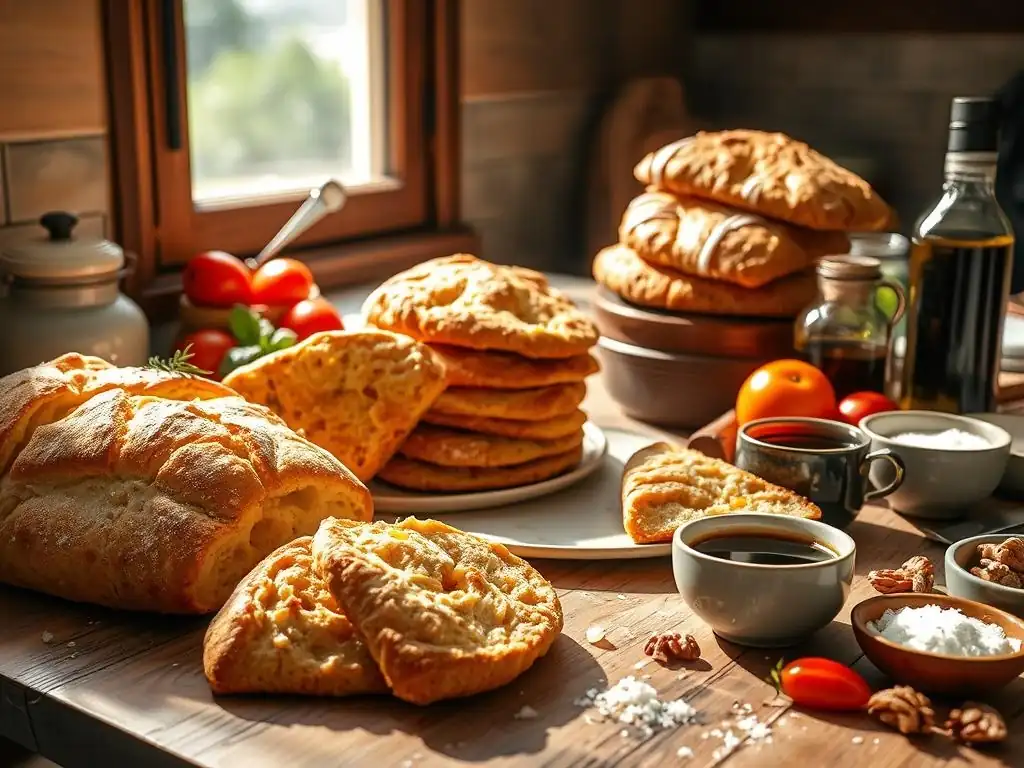
Ever dreamt of filling your kitchen with the warm, inviting aroma of authentic Italian baking? You're in the right place. Dive into our collection of Easy Italian Baking Recipes and discover how simple it can be to recreate classic treats at home. Ready to unlock the secrets of nonna's kitchen? Let's bake!
- Mastering Italian Baking at Home
- Your Guide to Simple and Authentic Italian Baking
- Essential Ingredients for Authentic Italian Baking
- Easy Italian Baking Recipes: Step-by-Step Guides
- Tips and Tricks for Perfect Italian Bakes
- Troubleshooting Common Italian Baking Issues
- Embrace the Flavors: Authentic Italian Baking Awaits!
-
Frequently Asked Questions
- What defines "Easy Italian Baking" according to BakeWithEase.com?
- What types of Italian baked goods can I expect to find recipes for on BakeWithEase.com?
- Does BakeWithEase.com offer guidance for beginner bakers interested in Italian recipes?
- Are the Italian baking recipes on BakeWithEase.com authentic, or are they adapted for ease of preparation?
- How can BakeWithEase.com help me improve my sourdough baking skills within the context of Italian baking?
- Final Reflection: The Sweet Simplicity of Italian Baking
- Unlock Your Inner Italian Baker!
Mastering Italian Baking at Home
Your Guide to Simple and Authentic Italian Baking
The Allure of Italian Baking: Simplicity and Flavor
Italian baking, at its heart, celebrates simple ingredients transformed through time-honored techniques into extraordinary flavors. It's not about overly complicated processes or exotic components; rather, it focuses on highlighting the natural goodness of flour, eggs, sugar, and fats like olive oil and butter. Think of a classic torta della nonna, a rustic tart filled with creamy custard, or fragrant biscotti perfect for dunking in coffee. These are prime examples of how a few quality ingredients, handled with care, can yield results that are both comforting and deeply satisfying.
The beauty of exploring easy Italian baking recipes lies in this inherent simplicity. Many traditional Italian baked goods were developed in home kitchens, meant to be accessible and achievable without specialized equipment. This makes them ideal candidates for home bakers looking to expand their repertoire. The focus is often on developing texture – the crispness of a cantucci, the tenderness of a ciambella, or the airy structure of a perfect focaccia. Mastering these simple bakes provides a fantastic foundation for understanding fundamental baking principles while delivering delicious, authentic results right from your own oven.
BakeWithEase.com: Your Resource for Italian Baking Success
At BakeWithEase.com, we understand that diving into a new baking tradition can feel daunting, but our goal is to make exploring easy Italian baking recipes an enjoyable and successful experience for everyone. Our platform is designed with the home baker in mind, breaking down even seemingly complex recipes into manageable, step-by-step instructions. We provide clear guidance on techniques, explain the role of key ingredients, and offer troubleshooting tips to help you navigate common challenges.
Whether you're a complete beginner attempting your first pizza dough or an experienced baker looking to perfect your panna cotta, BakeWithEase.com offers the resources you need. Our articles delve into the cultural context of Italian bakes, helping you appreciate the heritage behind these delicious treats. We focus on accessible ingredients and methods, ensuring that authentic Italian flavors are within reach, proving that easy Italian baking recipes are not just simple, but also incredibly rewarding.
Essential Ingredients for Authentic Italian Baking
Flour Power: Understanding Italian Flour Types
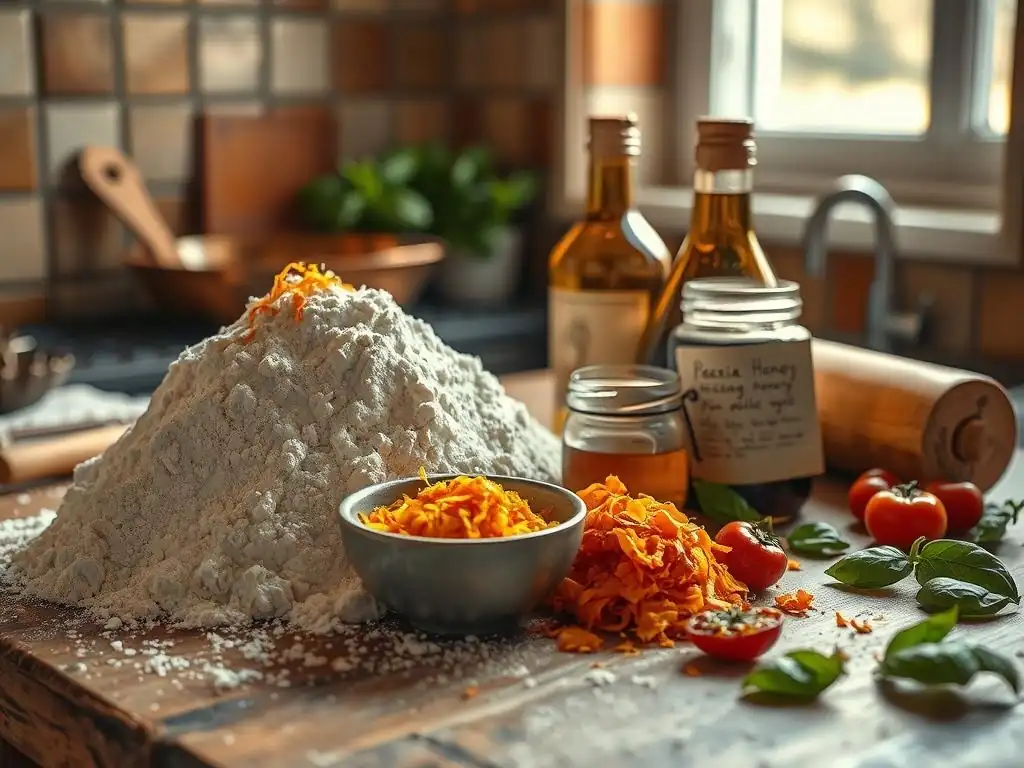
Flour is the backbone of most Italian baking, and understanding the different types is crucial for achieving authentic results in easy Italian baking recipes. Italian flour is typically classified by the milling process, from '00' (finely milled, low ash) to '0', '1', and '2' (progressively coarser and higher in bran and germ). '00' flour, often referred to as doppio zero, is particularly popular for pasta and delicate pastries due to its fine texture and relatively low protein content (around 10-12%), which results in a tender crumb.
However, not all easy Italian baking recipes call for '00'. For bread, pizza, and some rustic cakes, a '0' or even '1' flour might be preferred. These flours have slightly higher protein content (around 11-13% for '0') and more structure, yielding chewier crusts and heartier textures. While you can often substitute all-purpose flour (which is roughly equivalent to a '0' or blend of '0' and '00'), using authentic Italian flour types when specified can make a noticeable difference in the final product, especially for traditional bakes where texture is paramount.
Olive Oil and Butter: Their Roles in Italian Baking
Fats play a critical role in adding richness, tenderness, and flavor to easy Italian baking recipes. Olive oil, particularly extra virgin olive oil, is a staple in savory Italian baking, used extensively in focaccia, pizza dough, and rustic breads. Its distinct fruity and sometimes peppery notes contribute significantly to the flavor profile. In these applications, olive oil helps create a tender crumb and a crisp crust, and its liquid nature is often preferred over solid fats like butter.
Butter is also widely used, especially in Northern Italian baking and in many popular desserts. Think of flaky crostate (tarts), rich cakes like torta caprese, or delicate cookies. Butter provides a creamy richness and helps create flaky layers or tender, melt-in-your-mouth textures. The choice between olive oil and butter often depends on the regional tradition and the desired outcome – olive oil for rustic, savory bakes, and butter for sweeter, more delicate pastries and cakes within the realm of easy Italian baking recipes.
Sweeteners: Sugar, Honey, and More in Italian Desserts
Italian desserts utilize various sweeteners, each contributing unique characteristics to the final dish. Granulated sugar is the most common sweetener, providing sweetness and aiding in browning and structure in cakes, cookies, and pastries. Powdered sugar is often used for dusting or in icings, providing a smooth finish. Brown sugar, while less traditional than white sugar in many classic easy Italian baking recipes, is used in some regional variations and adds a molasses depth of flavor.
Honey is another important traditional sweetener, particularly in older recipes and regional specialties. It adds moisture, a distinct floral or earthy flavor depending on its origin, and helps keep baked goods moist. Examples include struffoli (honey balls) or torrone (nougat). Using honey can subtly alter the texture and flavor compared to sugar, offering a different dimension to your easy Italian baking recipes and connecting you to ancient Italian culinary practices.
Easy Italian Baking Recipes: Step-by-Step Guides
Mastering Basic Doughs: Pizza and Bread
One of the most rewarding aspects of exploring easy Italian baking recipes is mastering simple doughs. Pizza and focaccia are perfect starting points, requiring minimal ingredients but teaching fundamental techniques like mixing, kneading, and proofing. These doughs form the basis for countless delicious meals and are surprisingly simple to make at home with a little practice.
Simple Rosemary Focaccia Recipe
This recipe yields a soft, airy focaccia with a crisp bottom, perfect for snacking, dipping, or slicing for sandwiches. It's a quintessential easy Italian baking recipe.
- Ingredients:
300g strong bread flour (or Tipo '0')250ml lukewarm water7g active dry yeast1 tsp sugar1 tsp salt4-6 tbsp extra virgin olive oilFresh rosemary sprigsFlaky sea salt
- Steps:
- In a large bowl, whisk together the lukewarm water, yeast, and sugar. Let stand for 5-10 minutes until foamy.
- Stir in the flour and salt with a wooden spoon or spatula until a shaggy dough forms.
- Turn the dough out onto a lightly floured surface and knead for about 8-10 minutes until smooth and elastic. Alternatively, use a stand mixer with a dough hook for 5-7 minutes.
- Lightly oil a clean bowl with olive oil. Place the dough in the bowl, turning to coat. Cover with plastic wrap and let rise in a warm place for 1.5 to 2 hours, or until doubled in size.
- Generously oil a 9x13 inch baking pan with about 2-3 tablespoons of olive oil.
- Gently transfer the risen dough to the pan. Pour another 1-2 tablespoons of olive oil over the dough. Using oiled fingertips, gently dimple the dough, pushing down without deflating it completely.
- Tuck small sprigs of rosemary into the dimples. Drizzle with a little more olive oil if needed and sprinkle generously with flaky sea salt.
- Let the dough rest in the pan for another 20-30 minutes while you preheat your oven to
220°C (425°F). - Bake for 20-25 minutes, or until golden brown and cooked through.
- Let cool slightly in the pan before transferring to a wire rack. Drizzle with a final touch of olive oil if desired before serving warm.
Classic Neapolitan Pizza Dough Recipe
Achieve a delicious, chewy pizza crust at home with this straightforward recipe. This is a foundational easy Italian baking recipe for savory lovers.
- Ingredients:
500g '00' flour (or strong bread flour)300ml lukewarm water10g fresh yeast (or 3g active dry yeast)10g salt1 tbsp olive oil (optional, for easier handling)
- Steps:
- If using active dry yeast, dissolve it in the lukewarm water and let stand for 5-10 minutes until foamy. If using fresh yeast, crumble it directly into the water and stir to dissolve.
- In a large bowl, combine the flour and salt. Make a well in the center.
- Pour the yeast mixture into the well. If using olive oil, add it now.
- Mix with a fork, then your hands, until a rough dough forms.
- Turn the dough out onto a lightly floured surface and knead for 10-15 minutes until smooth and elastic. The dough should be soft but not overly sticky.
- Place the dough in a lightly oiled bowl, cover with plastic wrap, and let rise in a warm place for at least 2 hours, or until doubled. For a richer flavor, you can refrigerate it for 8-24 hours for a slow proof.
- Gently punch down the dough and divide it into 2-3 equal portions. Shape each portion into a ball.
- Let the dough balls rest, covered with a clean towel, for 20-30 minutes before shaping. This makes them easier to stretch.
- Preheat your oven as high as it will go (ideally
250-260°C / 480-500°For more) with a pizza stone or steel inside if you have one. - On a lightly floured surface, gently stretch or pat out one dough ball from the center outwards to form a disk, leaving a slightly thicker edge for the crust.
- Top the pizza as desired.
- Carefully transfer the pizza to the preheated stone/steel using a pizza peel or parchment paper.
- Bake for 5-12 minutes, depending on your oven temperature, until the crust is puffed and golden and the cheese is melted and bubbly.
Italian cookies and biscuits, known as biscotti or paste, are delightful small treats perfect with coffee or tea. Many are based on simple doughs, making them excellent easy Italian baking recipes for beginners.
Traditional Almond Biscotti Recipe
These twice-baked cookies are famously crunchy, ideal for dunking. This recipe is a classic example of easy Italian baking recipes that deliver big on flavor.
- Ingredients:
250g all-purpose flour150g granulated sugar2 large eggs1 tsp baking powderpinch of salt150g whole almonds (untoasted)1 tsp almond extract (optional)Zest of 1 lemon or orange (optional)
- Steps:
- Preheat your oven to
180°C (350°F). Line a baking sheet with parchment paper. - In a large bowl, whisk together the flour, sugar, baking powder, and salt.
- In a separate bowl, whisk the eggs. Add the almond extract and citrus zest if using.
- Pour the wet ingredients into the dry ingredients. Mix until a stiff dough forms.
- Stir in the whole almonds.
- On a lightly floured surface, divide the dough in half. Shape each half into a log about 8-10 inches long and 1.5-2 inches wide. Place the logs on the prepared baking sheet, leaving space between them as they will spread slightly.
- Bake for the first bake for 25-30 minutes, or until lightly golden and firm to the touch.
- Remove the logs from the oven and let them cool on the baking sheet for about 10-15 minutes. Reduce the oven temperature to
160°C (325°F). - Carefully transfer the logs to a cutting board. Using a serrated knife, slice the logs diagonally into 1/2-inch thick slices.
- Lay the slices cut-side down back on the baking sheet.
- Bake for the second bake for another 15-20 minutes, flipping halfway through, until the biscotti are dry and golden brown on both sides.
- Let cool completely on a wire rack before storing in an airtight container.
- Preheat your oven to
Crunchy Hazelnut Cantucci Recipe
Similar to biscotti but traditionally from Tuscany and often made with hazelnuts. Another fantastic easy Italian baking recipe for dunking.
- Ingredients:
250g all-purpose flour150g granulated sugar2 large eggs1 tsp baking powderpinch of salt150g whole toasted hazelnuts1 tsp vanilla extract (optional)
- Steps:
- Preheat oven to
180°C (350°F). Line a baking sheet with parchment paper. - Toast hazelnuts if not already toasted: spread on a baking sheet and bake for 8-10 minutes until fragrant and skins loosen. Rub in a towel to remove skins (some skins are fine). Let cool.
- In a large bowl, whisk together flour, sugar, baking powder, and salt.
- In a separate bowl, whisk eggs with vanilla extract if using.
- Combine wet and dry ingredients and mix until a stiff dough forms.
- Stir in the toasted hazelnuts.
- Shape the dough into two logs (8-10 inches long, 1.5-2 inches wide) and place on the prepared baking sheet.
- Bake for the first bake for 25-30 minutes, or until golden and firm.
- Remove from oven, let cool for 10-15 minutes. Reduce oven to
160°C (325°F). - Slice diagonally into 1/2-inch slices with a serrated knife.
- Place slices cut-side down on the baking sheet.
- Bake for the second bake for 15-20 minutes, flipping halfway, until dry and crunchy.
- Cool completely on a wire rack.
- Preheat oven to
Sweet Endings: Creamy Desserts
Beyond baked goods, Italy is famous for its exquisite creamy desserts. These often require no oven, making them incredibly easy Italian baking recipes (or rather, easy Italian dessert recipes) that are perfect for warm weather or when you just want something simple yet elegant.
Authentic Tiramisu Recipe: A Coffee-Lover's Dream
A classic no-bake dessert layering coffee-soaked ladyfingers with a rich mascarpone cream. This is a beloved easy Italian baking recipe alternative.
- Ingredients:
250g mascarpone cheese, at room temperature2 large eggs, separated75g granulated sugar150ml strong brewed coffee, cooled50ml coffee liqueur or dark rum (optional)20-24 savoiardi (ladyfinger) biscuitsUnsweetened cocoa powder, for dusting
- Steps:
- In a medium bowl, whisk the egg yolks and sugar together until pale and creamy.
- Add the mascarpone cheese to the yolk mixture. Gently whisk until smooth and combined. Be careful not to overmix, or the mascarpone can curdle.
- In a clean bowl, whisk the egg whites until stiff peaks form.
- Gently fold the whisked egg whites into the mascarpone mixture in two additions, being careful not to deflate the mixture.
- In a shallow dish, combine the cooled coffee and liqueur/rum (if using).
- Quickly dip each ladyfinger into the coffee mixture, one at a time. Do not let them soak for too long, or they will become soggy.
- Arrange a single layer of soaked ladyfingers in the bottom of a serving dish (about 8x8 inches or similar).
- Spread half of the mascarpone cream evenly over the ladyfingers.
- Repeat with another layer of dipped ladyfingers and the remaining mascarpone cream.
- Cover the dish with plastic wrap and refrigerate for at least 4 hours, preferably overnight, to allow the flavors to meld and the dessert to set.
- Just before serving, dust the top generously with unsweetened cocoa powder using a sieve.
Vanilla Bean Panna Cotta: A Smooth Italian Delight
This silky, set cream dessert is incredibly elegant and surprisingly easy to make, fitting perfectly into the category of easy Italian baking recipes (or no-bake desserts).
- Ingredients:
400ml heavy cream100ml milk50-75g granulated sugar (adjust to taste)1 vanilla bean, split lengthwise, seeds scraped out (or 1 tsp vanilla extract)2 tsp gelatin powder30ml cold water
- Steps:
- In a small bowl, sprinkle the gelatin powder over the cold water. Let it sit for 5-10 minutes to bloom (thicken).
- In a saucepan, combine the heavy cream, milk, sugar, and vanilla bean pod and seeds (or vanilla extract).
- Heat the mixture over medium heat, stirring occasionally, until the sugar dissolves and the cream is warm but not boiling.
- Remove the vanilla bean pod if used.
- Add the bloomed gelatin to the warm cream mixture. Stir continuously until the gelatin is completely dissolved and no granules remain. Do not boil the mixture once gelatin is added.
- Pour the mixture through a fine-mesh sieve into individual ramekins or serving glasses.
- Let the ramekins cool to room temperature, then cover them with plastic wrap and refrigerate for at least 4 hours, or until completely set.
- Serve chilled, perhaps with fresh berries, a fruit sauce, or a drizzle of caramel.
Tips and Tricks for Perfect Italian Bakes
Oven Temperature: Achieving Optimal Baking Conditions
Accurate oven temperature is paramount for success in easy Italian baking recipes. While many recipes provide a specific temperature, home ovens can vary by as much as 15-25°C (30-50°F). Using an oven thermometer placed inside your oven is highly recommended to ensure you're baking at the correct temperature. If your oven runs hot or cold, you can adjust the dial accordingly. For instance, if a recipe calls for 180°C but your oven thermometer reads 195°C, set your oven's dial lower.
Furthermore, preheating your oven properly is non-negotiable. Allow at least 15-20 minutes after the oven light indicates it's reached temperature, especially for bakes like pizza or bread that require high heat and a good oven spring. This ensures the oven cavity, and any baking stones or trays inside, are uniformly heated, leading to better crust development and even baking across your easy Italian baking recipes.
Resting and Proofing: Developing Flavor and Texture
Resting and proofing are fundamental steps, particularly in easy Italian baking recipes involving yeast doughs like bread and pizza. Resting dough, even for just 10-15 minutes after kneading, allows the gluten to relax, making the dough easier to shape without fighting it. This is especially true for pizza dough; a short rest before stretching makes a world of difference.
Proofing is the process where yeast produces carbon dioxide, causing the dough to rise. This not only increases volume but also develops flavor and texture. The duration varies based on yeast type, room temperature, and recipe, but typically takes 1-2 hours for a first rise at room temperature. For deeper flavor in certain easy Italian baking recipes, a slow, cold proof in the refrigerator for 8-24 hours can yield exceptional results, enhancing the complexity of the dough.
Storing Your Bakes: Maintaining Freshness and Flavor
Proper storage is key to keeping your easy Italian baking recipes tasting their best. Most baked goods should be stored at room temperature in an airtight container once completely cooled. Bread and focaccia can be wrapped in a clean linen towel once cooled to maintain a slightly softer crust, then placed in a paper bag or bread bin for a day or two. For longer storage, sliced bread can be frozen.
Cookies and biscuits like biscotti and cantucci benefit from being stored in an airtight container at room temperature, where they will keep their crunch for several weeks. Creamy desserts like tiramisu and panna cotta must be kept refrigerated and are best consumed within 2-3 days. Always ensure baked goods are fully cooled before storing to prevent condensation, which can lead to sogginess or spoilage.
Troubleshooting Common Italian Baking Issues
Sticky Dough Solutions: Achieving Perfect Consistency
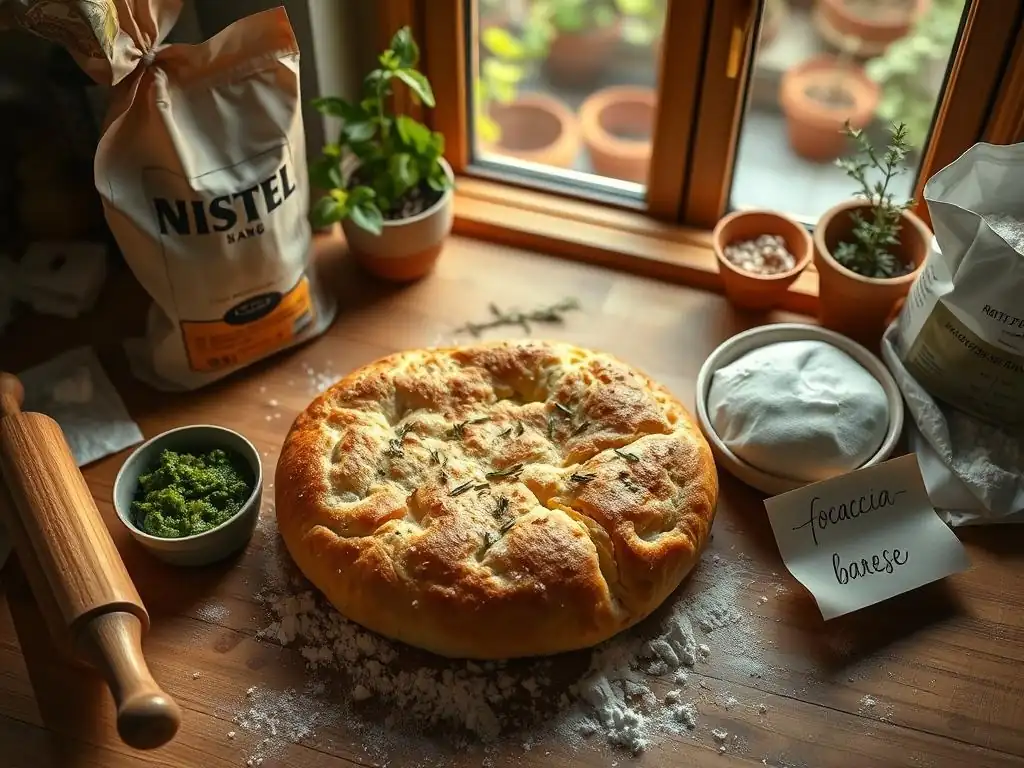
Encountering sticky dough is a common challenge when working with easy Italian baking recipes, especially those high in hydration like focaccia or ciabatta. While some stickiness is normal, excessively sticky dough that's impossible to handle usually means too much water or not enough gluten development. First, resist the urge to add large amounts of flour immediately. Try kneading for a few more minutes; gluten development can make a wet dough less sticky over time.
If it remains overly sticky after ample kneading (say, 10-15 minutes), add flour one tablespoon at a time, incorporating it fully before adding more. This allows you to adjust gradually without making the dough too stiff. Ensure you're using the correct type of flour specified in the recipe; using a lower protein flour than recommended for a high-hydration dough can also contribute to stickiness. Lightly oiling your hands and work surface can also help manage sticky dough during kneading and shaping.
Hard Biscotti Correction: Achieving the Ideal Texture
Biscotti are meant to be firm and crunchy, perfect for dunking, but sometimes they can turn out excessively hard, almost like rocks. This can happen for a few reasons when making this popular easy Italian baking recipe. Overmixing the dough can develop too much gluten, leading to a tougher cookie. Baking at too high a temperature or for too long during either the first or second bake are also common culprits.
To avoid rock-hard biscotti, ensure you mix the dough just until the ingredients are combined, not until it's perfectly smooth like bread dough. Pay close attention to the baking times and temperatures specified in the recipe. For the second bake, which dries out the cookies, bake until they are golden and dry but not overly browned or brittle. If your biscotti consistently turn out too hard, try reducing the temperature for the second bake slightly or shortening the baking time by a few minutes, checking for doneness by tapping them – they should sound hollow.
Panna Cotta Setting Issues: Troubleshooting Guide
A runny panna cotta is a disappointing outcome for this otherwise simple easy Italian baking recipe alternative. The most common reason for panna cotta failing to set is issues with the gelatin. Ensure your gelatin is fresh and hasn't expired. It's crucial to "bloom" powdered gelatin by sprinkling it over cold water and letting it sit for several minutes before adding it to the warm cream mixture; this allows it to absorb liquid evenly.
When adding the bloomed gelatin to the warm cream, stir thoroughly until it is completely dissolved. If the cream mixture is too hot (boiling), it can degrade the gelatin's setting power. Conversely, if the cream is not warm enough, the gelatin won't dissolve properly.
After adding gelatin, strain the mixture to catch any undissolved bits. Finally, allow sufficient chilling time – at least 4 hours, but preferably overnight – in the refrigerator for the panna cotta to firm up properly. If it still doesn't set after adequate chilling, you can sometimes salvage it by gently reheating it (don't boil), dissolving a bit more bloomed gelatin, straining, and re-chilling.
Embrace the Flavors: Authentic Italian Baking Awaits!
Frequently Asked Questions
What defines "Easy Italian Baking" according to BakeWithEase.com?
Easy Italian baking focuses on simple recipes and easy-to-find ingredients, making it accessible for bakers of all skill levels. It emphasizes techniques that are manageable for home bakers.
What types of Italian baked goods can I expect to find recipes for on BakeWithEase.com?
You can find recipes for a wide variety of Italian baked goods, including pastries, breads, cakes, and cookies, all with a focus on being easy to make.
Does BakeWithEase.com offer guidance for beginner bakers interested in Italian recipes?
Yes, BakeWithEase.com provides step-by-step guides and tips specifically designed to help beginners successfully navigate Italian baking recipes.
Are the Italian baking recipes on BakeWithEase.com authentic, or are they adapted for ease of preparation?
While inspired by authentic Italian flavors, the recipes are often adapted for simplicity and use ingredients readily available in most home kitchens.
How can BakeWithEase.com help me improve my sourdough baking skills within the context of Italian baking?
BakeWithEase.com offers resources for perfecting sourdough techniques, which can then be applied to various Italian sourdough bread recipes.
Final Reflection: The Sweet Simplicity of Italian Baking
The enduring appeal of Italian baking lies not in its complexity, but in its inherent simplicity; a testament to the power of fresh, quality ingredients transformed through time-honored techniques. This article has explored accessible recipes, demystifying the process and proving that creating authentic Italian baked goods is achievable for everyone, regardless of experience. The joy of sharing these treats, whether a rustic loaf of bread or delicate biscotti, is a powerful connection to a rich culinary heritage.
The influence of Italian baking extends far beyond the kitchen; it's woven into the fabric of family gatherings, celebrations, and everyday moments. It's a tradition passed down through generations, a source of comfort and connection. Food is symbolic of love when words are inadequate.
- Alan D. Wolfelt. This quote perfectly encapsulates the emotional resonance of sharing homemade Italian baked goods, transforming simple ingredients into expressions of care and affection. The recipes shared here are not just instructions, but opportunities to create these meaningful connections.
Now, I invite you to roll up your sleeves, gather your ingredients, and embark on your own Italian baking adventure. Don't be intimidated by the seemingly complex techniques; embrace the simplicity, the joy of the process, and the satisfaction of creating something delicious and meaningful. Let the aroma of freshly baked bread or the satisfying crunch of biscotti fill your home, creating memories that will last a lifetime. The secrets to easy Italian baking are unlocked – now it's your turn to create your own sweet story.
Unlock Your Inner Italian Baker!
Thanks for joining us on this delicious journey into the world of easy Italian baking! We hope you've discovered some simple yet impressive recipes to add to your repertoire. Ready to roll up your sleeves and get baking?
- Try out your favorite recipe from the article today! Even a small step towards mastering Italian baking can be incredibly rewarding.
- Share your baking creations with us on social media using #BakeWithEaseItalian – we'd love to see your masterpieces!
- Explore our other Italian-inspired recipes on BakeWithEase.com for even more culinary adventures.
What Italian treat will you be baking first? Let us know in the comments below!