
Baguette Crust Issues: Cracking, Toughness, or Lack of Crisp

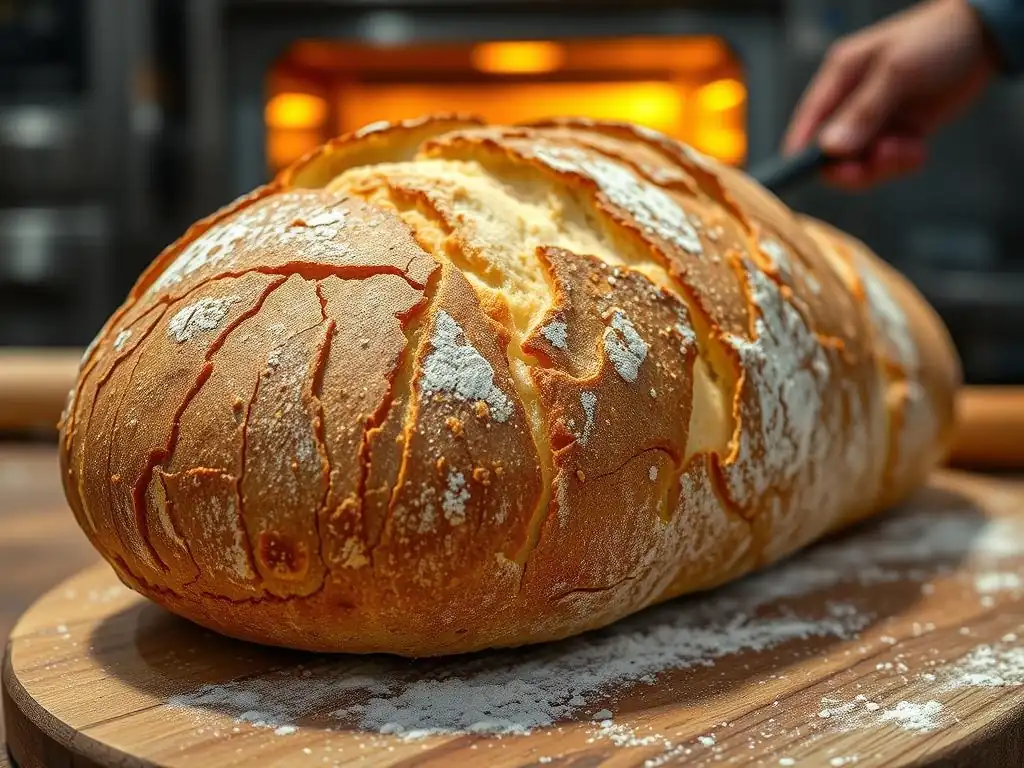
Welcome to BakeWithEase, your trusted guide for all things baking! Ever dreamt of that perfect, crackling baguette crust? Many bakers face similar challenges, and in this article, we'll dive deep into the frustrating world of baguette crust cracking problems. Discover the secrets to achieving that coveted crispness, avoiding toughness, and understanding why your baguettes might be misbehaving. Ready to unlock the mysteries of the perfect baguette? Let's get started!
- Understanding Baguette Crust Problems: An Introduction for BakeWithEase Bakers
- Common Baguette Crust Cracking Problems and Solutions
- Troubleshooting Tough Baguette Crust: Achieving the Perfect Texture
- Addressing Lack of Crispness in Baguette Crust: Getting that Desirable Crunch
- BakeWithEase Tips for a Perfect Baguette Crust Every Time
- Preventing Future Baguette Crust Problems: A Proactive Approach
- Achieving Baguette Crust Perfection: A BakeWithEase Summary
- Frequently Asked Questions
- Final Reflection: The Pursuit of the Perfect Baguette Crust
- Unleash Your Inner Baker: Master the Perfect Baguette Crust!
Understanding Baguette Crust Problems: An Introduction for BakeWithEase Bakers
Achieving that perfect baguette crust – thin, golden, shatteringly crisp, and full of flavor – is a hallmark of successful bread baking. However, many home bakers encounter frustrating issues like the baguette crust cracking, becoming tough and leathery, or simply lacking that desirable crunch. These problems are common hurdles in the journey to mastering artisan bread, but they are far from insurmountable. By understanding the science behind crust formation and identifying the specific causes of these defects, you can learn to troubleshoot and consistently produce beautiful, delicious baguettes right in your own kitchen.
On BakeWithEase, we aim to simplify complex baking techniques, and tackling baguette crust challenges is a perfect example. Whether you're facing baguette crust cracking problems that split your beautiful loaves, dealing with a chewiness you didn't intend, or mourning a lack of crispness, this guide will walk you through the potential culprits and provide actionable steps to improve your results. We'll delve into factors like hydration, fermentation, oven environment, and cooling, equipping you with the knowledge to bake baguettes that look and taste like they came from a Parisian boulangerie.
Common Baguette Crust Cracking Problems and Solutions
Why is My Baguette Crust Cracking? Identifying the Causes
Baguette crust cracking problems often manifest as unsightly splits or blowouts in areas other than your intended score marks. This is typically a sign that the dough's surface set too quickly in the oven before the interior had finished expanding. As the gases inside the loaf continued to push outwards, the already-hardened crust couldn't stretch, forcing it to crack along the path of least resistance – which wasn't necessarily where you scored. Several factors contribute to this premature hardening of the crust, including insufficient steam in the oven, dough that is too dry, or improper scoring.
Another frequent cause of baguette crust cracking problems is related to the dough's development and handling. If the dough surface dries out during fermentation or proofing, it forms a skin that lacks elasticity. When this stiff skin is subjected to the rapid oven spring, it's unable to accommodate the expansion and ruptures. Furthermore, under-proofing can lead to excessive, uncontrolled oven spring, putting too much stress on the nascent crust. Understanding these underlying reasons is the first step to preventing those frustrating cracks.
Dough Hydration and Cracking: Finding the Right Balance
Dough hydration, the ratio of water to flour, plays a significant role in preventing baguette crust cracking problems. A dough that is too low in hydration (e.g., below 65%) can develop a drier, less extensible surface more prone to cracking. Lower hydration doughs also tend to have less vigorous oven spring, but the surface can still set too quickly if not managed properly, leading to splits. Conversely, very high hydration doughs (75%+) are naturally more extensible, but they require careful handling to maintain surface tension and can still crack if steam is insufficient or scoring is inadequate.
Finding the right hydration level, often between 70% and 80% for artisan baguettes, provides a good balance of extensibility for expansion and structure. However, simply having high hydration isn't enough. The water needs to be properly integrated into the flour during mixing, and the dough surface must be kept moist during bulk fermentation and proofing. Covering your dough with plastic wrap or placing it in a sealed container prevents the surface from drying out and developing that crack-prone skin.
Scoring Techniques to Prevent Baguette Crust Cracks
Proper scoring is arguably the most critical technique for controlling where a baguette crust cracks. Scores act as vents, intentionally weakening the surface layer so that the expanding dough is directed to burst open along these lines, rather than unpredictably elsewhere. Shallow or insufficient scores are a common reason for baguette crust cracking problems outside the desired pattern. The cuts need to be deep enough (typically about 1/2 inch) to allow for significant expansion.
The angle of your score also matters. For classic baguettes, long, overlapping diagonal cuts made with a sharp blade (like a lame) at about a 30-degree angle to the loaf provide structure and guide expansion beautifully. The goal is to slice just under the surface tension without tearing the dough. Practicing with your lame and finding the right depth and angle for your specific dough hydration and proofing level is key to preventing random baguette crust cracking problems and achieving those iconic "ears."
Oven Temperature and Steam: Crucial Factors for Avoiding Cracks
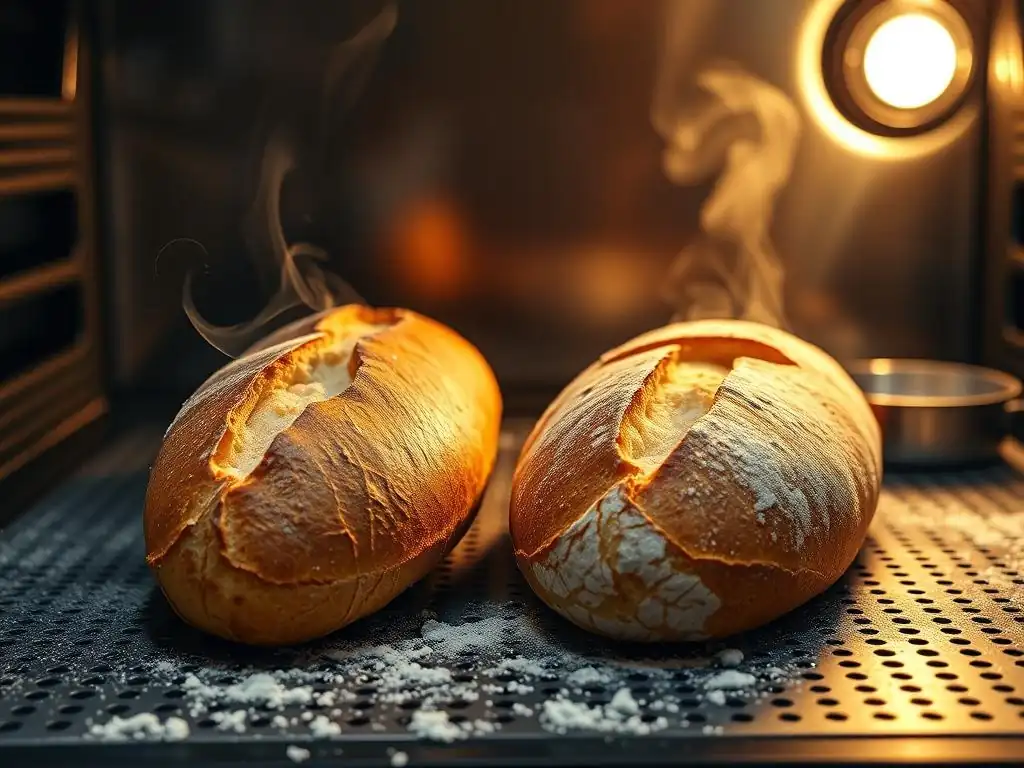
The oven environment during the initial phase of baking is paramount for preventing baguette crust cracking problems. High heat (often starting around 450-475°F or 230-245°C) provides the necessary energy for rapid oven spring. Simultaneously, a high-steam environment keeps the surface of the dough moist and pliable. This prevents the crust from setting prematurely, allowing the loaf to expand fully and gracefully along the score marks. Without sufficient steam, the crust hardens too quickly, leading to uncontrolled cracking as the interior expands.
Generating adequate steam at home can be done in several ways: placing a tray of hot water or ice cubes at the bottom of the oven, using a Dutch oven or cloche to trap the dough's own steam, or spraying the oven walls with water (use caution!). Maintaining this humid environment for the first 10-15 minutes of baking is crucial. After this initial period, the steam is vented, allowing the crust to dry out and crisp up, but by then, the structure is set, and baguette crust cracking problems are significantly reduced.
Cooling Process: How it Affects Baguette Crust Integrity
While most focus is on baking, the cooling process also plays a role in the final structure and potential for baguette crust cracking problems, albeit indirectly. Rapid temperature changes can sometimes cause stress on a very thin, crisp crust, though this is less common than issues originating during baking. More importantly, improper cooling can trap moisture. If a hot baguette cools on a flat surface, steam from the loaf will condense underneath, leading to a soggy bottom crust, which compromises the overall desired texture and can indirectly affect how the crust holds up.
Always cool baguettes completely on a wire rack. This allows air to circulate freely around the entire loaf, ensuring that moisture escapes evenly and the crust remains crisp. Cutting into a baguette before it has fully cooled (which can take at least 30-60 minutes) also allows steam to escape from the interior, potentially leading to a slightly less airy crumb and affecting the crust's final set. Patience during cooling is key to enjoying the fruits of your labor without introducing last-minute issues.
Troubleshooting Tough Baguette Crust: Achieving the Perfect Texture
Over-Kneading and Gluten Development: Understanding the Impact on Crust Toughness
A tough, leathery baguette crust can often be traced back to the dough mixing and kneading process. While proper gluten development is essential for the structure of the loaf and crumb, over-kneading can create an overly strong, tight gluten network. This results in a dough that is difficult to shape and proof correctly, and ultimately bakes into a loaf with a dense crumb and a thick, tough crust. The goal is to develop enough gluten for structure and elasticity, but not so much that the dough becomes resistant and hard.
For baguettes, especially those with higher hydration, a gentler approach to gluten development is often preferred. Techniques like the autolyse (mixing flour and water and letting it rest before adding salt and starter/yeast) and stretch-and-folds performed during bulk fermentation build strength progressively without the harshness of intensive kneading. Aim for a dough that is extensible but holds its shape, passing the windowpane test without being overly tight. This balanced approach helps prevent a tough baguette crust.
Insufficient Fermentation: How it Leads to a Hard Baguette Crust
Fermentation is a critical step in developing both flavor and texture in bread. Insufficient fermentation, either during bulk fermentation or proofing, can contribute to a tough baguette crust. When dough is under-fermented, it hasn't developed enough gas or acidity. This results in less oven spring, a denser crumb, and a crust that tends to be thicker and harder because the dough didn't expand sufficiently to stretch the surface thinly. The starches and proteins haven't been properly broken down, leading to a less tender structure overall.
Proper fermentation allows enzymes to work, breaking down complex carbohydrates and proteins, which contributes to a more extensible dough and a lighter texture. An adequately fermented dough will be bubbly, increased in volume (though not necessarily doubled for baguettes), and feel alive and airy. It will also hold its shape better after shaping compared to an under-fermented dough which might seem dense and lifeless. Ensuring your dough goes through sufficient, but not excessive, fermentation is key to avoiding a hard baguette crust.
Oven Temperature Too Low: Resulting in a Leathery Crust
While insufficient steam causes cracking, an oven temperature that is too low throughout the bake can result in a thick, leathery baguette crust. Baguettes require a high initial temperature to achieve rapid oven spring and set the crust quickly but pliably in the steam. If the temperature is too low from the start, the dough expands more slowly, and the crust takes longer to form. This extended drying time at a lower temperature can lead to a thicker, less delicate crust that feels tough and chewy rather than thin and crisp.
Furthermore, if the oven temperature drops too much after the initial high-heat, steam phase, the crust might not develop the necessary color and crispness, instead becoming hard and pale. Maintaining a consistent, high temperature (adjusted downwards slightly after steam is released, perhaps to 425-450°F or 220-230°C) for the majority of the bake is essential for developing a thin, crisp crust rather than a tough one. An oven thermometer can be invaluable for verifying your oven's actual temperature.
Correcting Tough Crust Issues: Tips and Adjustments
If you're consistently getting a tough baguette crust, review your process starting from mixing. Consider reducing your kneading time or switching to a stretch-and-fold method. Pay close attention to your bulk fermentation and proofing times – are they sufficient for your ambient temperature and starter/yeast activity? An under-proofed dough is a common culprit. Try letting the dough ferment a little longer, looking for signs of readiness like increased volume and aeration.
Also, verify your oven temperature. Use an oven thermometer to ensure your oven is reaching and maintaining the correct high temperatures required for baguettes. Ensure you are generating sufficient steam in the oven's initial phase; inadequate steam is a major contributor to crust problems, including both cracking and toughness. Finally, ensure you are not overbaking; while color indicates doneness, baking too long can also dry out the crust excessively, making it tough.
Addressing Lack of Crispness in Baguette Crust: Getting that Desirable Crunch
Steam Injection: The Key to a Crispy Baguette Crust
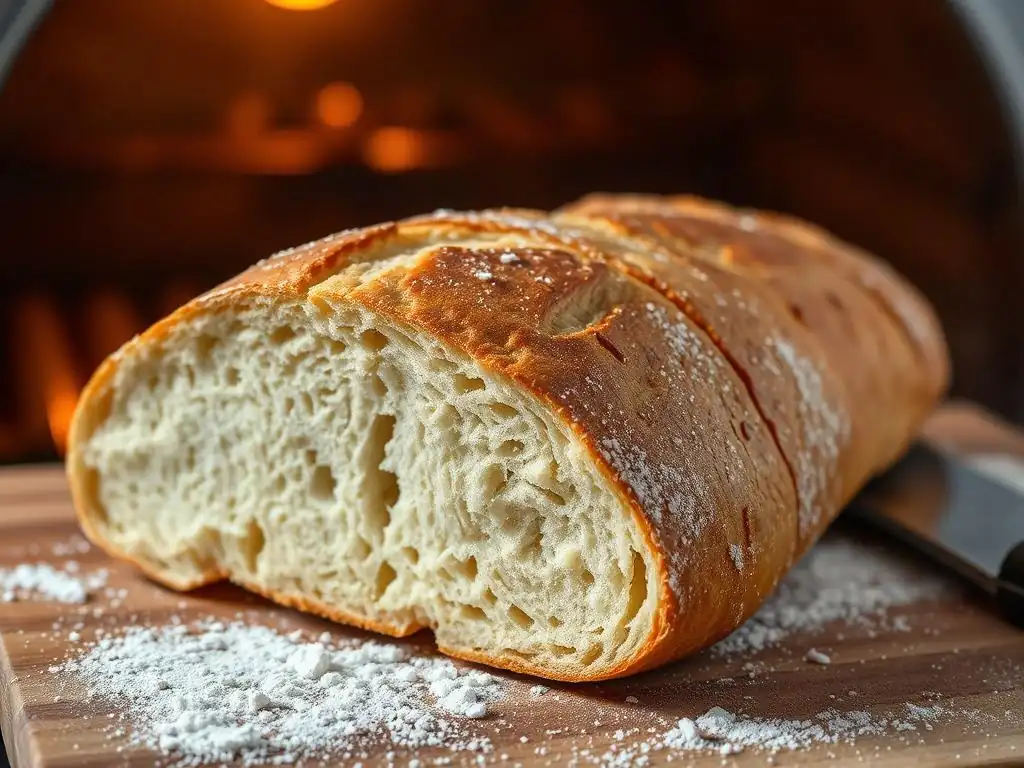
As discussed regarding cracking, steam is vital in the initial phase of baking to keep the crust extensible during oven spring. However, it's equally important for achieving that signature crispy baguette crust. The moist environment gelatinizes the starches on the surface of the dough. Once the steam is released (typically after 10-15 minutes), the high heat of the oven causes these gelatinized starches to dehydrate rapidly, forming a thin, glass-like layer that shatters when you bite into it. Without this initial steam, the starches don't gelatinize properly, and the crust won't develop that characteristic crispness.
Effective steam generation is paramount. Whether using a Dutch oven, a baking stone with a steam pan, or directly injecting steam (for those with specialized ovens), ensuring a humid environment for the crucial first part of the bake is non-negotiable for a crispy baguette crust. Insufficient steam is perhaps the most common reason home bakers struggle to get a truly crisp crust.
Oven Environment: Optimizing for Crispness
Beyond steam, the overall oven environment significantly impacts crust crispness. After the initial steam period, the oven needs to be dry and hot to finish baking and crisp the crust. If your oven retains too much moisture or the temperature is too low in the latter part of the bake, the crust can remain leathery or soft instead of becoming crisp. Ensuring proper ventilation after releasing the steam (e.g., opening the oven door briefly to let steam escape) is important.
Baking on a preheated baking stone or steel is highly recommended. These surfaces store and radiate heat efficiently, providing excellent heat transfer to the bottom of the loaf, which contributes significantly to overall crust development and crispness, including the bottom crust. A well-heated stone helps achieve a rapid bake and promotes even browning and crisping.
Flour Selection: Choosing the Right Flour for a Crunchy Crust
The type of flour used can influence the final baguette crust texture. While all-purpose flour can work, many artisan bakers prefer bread flour or specific French-style flours (like T55 or T65). Bread flour typically has a higher protein content (around 12-14%) compared to all-purpose (around 10-12%). This higher protein contributes to a stronger gluten network, which helps the loaf hold its shape during baking and expand properly, leading to a thinner, crispier crust rather than a thick, tough one.
Some flours also have different starch characteristics that can affect crust development. Experimenting with flours milled from different wheat varieties can yield varying results in terms of crust color, thickness, and crispness. Using a blend of bread flour and a small percentage of whole wheat or rye can also add flavor and complexity, though it might slightly alter crust characteristics compared to a pure white flour baguette.
Baking Time: Achieving the Ideal Color and Crispness
The duration of baking directly impacts the crispness and color of the baguette crust. Baking for too short a time, even with sufficient steam, will result in a pale, soft crust because it hasn't had enough time to fully dehydrate and brown. The Maillard reaction and caramelization, which contribute to both color and flavor, require sufficient time and temperature.
Baguettes are typically baked until deeply golden brown, sometimes even verging on dark brown, which indicates the crust has fully developed and is likely to be crisp. This often takes around 20-30 minutes, depending on the oven and loaf size. If your baguettes are pale after this time, they likely need longer. Don't be afraid of color; it equals flavor and crispness!
Cooling Rack Importance: Preventing a Soggy Crust
As mentioned before, cooling properly on a wire rack is essential for maintaining crispness. Placing a hot baguette directly on a solid surface traps steam released from the cooling loaf, causing the bottom crust to become soft and soggy. This ruins the overall crisp texture you worked hard to achieve.
A cooling rack allows air circulation around the entire loaf, allowing the steam to dissipate evenly. This ensures that the crust dries and sets properly as it cools, preserving that wonderful crunch. Always wait until the baguettes are fully cooled before storing them or slicing into them for the best texture.
BakeWithEase Tips for a Perfect Baguette Crust Every Time
Precise Measurements: The Foundation of Consistent Results
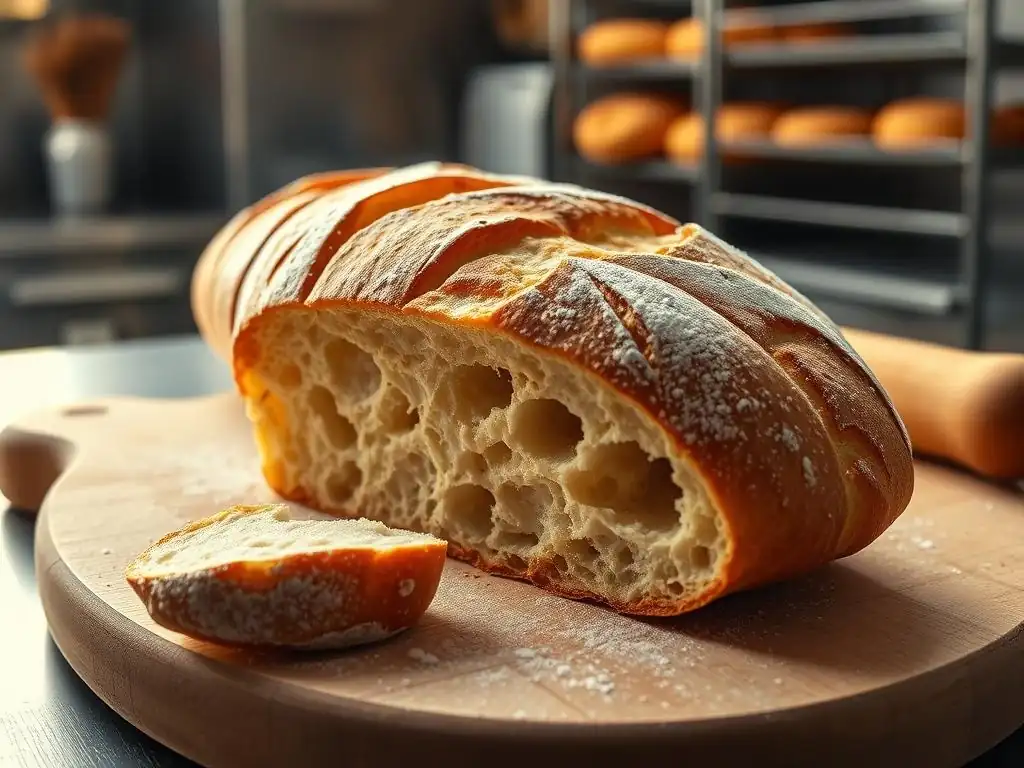
Baking is a science, and precision is key. Using a digital scale to weigh your ingredients, especially flour and water, is crucial for consistent results. Slight variations in hydration can significantly impact dough handling, fermentation, and ultimately, the baguette crust cracking problems you might face or the crispness you achieve. Measuring by volume (cups) is inherently inaccurate due to variations in how flour settles. Aim for accuracy in your formula. For example, if a recipe calls for 500g of flour and 375g of water, your hydration is exactly 75%.
Maintaining accurate measurements allows you to replicate successful bakes and troubleshoot effectively when things go wrong. If you know your hydration was precisely 72% but you still experienced baguette crust cracking problems, you can start looking at other variables like steam or scoring, rather than wondering if your water measurement was off.
Controlled Fermentation: Ensuring Optimal Dough Development
Understanding and controlling fermentation is vital. Pay attention to the temperature of your kitchen and the activity of your starter or yeast, as these factors dictate fermentation speed. Learn to read your dough: feel its texture, observe its volume increase, and look for signs of aeration. Bulk fermentation often lasts several hours (e.g., 2-4 hours at room temperature, or longer in the fridge), followed by a shorter proofing period after shaping (e.g., 30-60 minutes).
Over-fermentation can lead to dough that collapses in the oven and a pale, less appealing crust. Under-fermentation, as discussed, contributes to toughness and potential baguette crust cracking problems due to uncontrolled expansion. Finding the sweet spot for your specific conditions is a skill that develops with practice.
Effective Steam Generation: Mastering the Technique
Experiment with different steam methods to find one that works best in your oven setup. A preheated Dutch oven or cloche is highly effective at trapping the dough's own steam, creating a perfect microenvironment. If using a baking stone, a dedicated steam pan with lava rocks or crumpled foil placed on a rack below the stone, into which you pour hot water or ice cubes just before loading the bread, can generate significant steam.
Be cautious when creating steam – hot water and steam can cause burns. Always use oven mitts and avoid getting water on the oven light or element. Maintain the steam for the critical initial baking phase (typically 10-15 minutes) before venting the oven to allow the crust to dry and crisp up.
Proper Cooling: Maintaining Crispness After Baking
This step is simple but non-negotiable for a crisp baguette crust. As soon as your beautiful baguettes come out of the oven, transfer them immediately to a wire cooling rack. Ensure there is airflow all around the loaves. Resist the urge to slice into them while they are still piping hot; they continue to cook internally and release steam as they cool.
Allowing the baguettes to cool completely on the rack ensures that the crust remains crisp and the interior crumb structure sets properly. This typically takes at least 30-60 minutes, depending on the size of the loaf and ambient temperature. Patience is a virtue in achieving baguette crust perfection.
Preventing Future Baguette Crust Problems: A Proactive Approach
Documenting Your Baking Process: Learning from Each Batch
To systematically improve and prevent recurring baguette crust cracking problems or other issues, start keeping a baking journal. Note down key details for each bake: the recipe used (including hydration percentage), flour type, fermentation times and temperatures, proofing time, oven temperature settings, steam method, and baking duration.
Crucially, record the results: describe the crust (crisp, tough, cracked, pale), the crumb (open, dense), and the flavor. When you encounter a problem, like baguette crust cracking problems, you can look back at your notes for previous successful or unsuccessful bakes to identify variables that may have changed. This data-driven approach helps you learn from every loaf and fine-tune your process.
Adjusting Recipes Based on Your Oven: Fine-Tuning for Optimal Results
Every oven is different. They have hot spots, vary in how accurately they hold temperature, and differ in how well they retain or vent moisture. A recipe written for one oven might need adjustments for yours. If your baguettes are consistently browning too quickly or not getting enough spring, you might need to adjust the temperature up or down. If you're battling baguette crust cracking problems despite good scoring, you might need more steam or need to adjust your proofing time slightly to influence oven spring.
Use your baking journal and an oven thermometer to understand your specific oven's behavior. Don't be afraid to make small adjustments to recipes – maybe increase the initial temperature slightly, add a few more minutes of steam, or bake a bit longer for color. These small tweaks, based on your observations, are key to mastering baking in your unique environment.
Experimenting with Different Techniques: Expanding Your Baguette Baking Skills
The world of baguette baking offers many variations. Don't be afraid to experiment! Try different hydration levels to see how they affect handling and crust. Experiment with different shaping methods (e.g., shaping tighter vs. looser). Test different scoring patterns or angles. Try an overnight cold proof in the refrigerator, which can develop flavor and sometimes influence crust development.
Experimenting helps you understand the impact of each variable and build your intuition as a baker. By trying different approaches, you'll discover what works best for you and your equipment, ultimately leading to fewer baguette crust cracking problems, less toughness, and consistent crispness.
Achieving Baguette Crust Perfection: A BakeWithEase Summary
Mastering the baguette crust, whether avoiding baguette crust cracking problems, eliminating toughness, or ensuring perfect crispness, involves understanding the interplay of several factors: precise hydration, proper gluten development, controlled fermentation, effective scoring, a high-heat, high-steam oven environment, and correct cooling. Each step in the process contributes to the final texture and appearance.
By paying attention to the details, learning from each bake through documentation, adjusting techniques to suit your specific oven, and being willing to experiment, you can overcome common baguette crust issues. With practice and patience, you'll consistently bake baguettes with that coveted thin, crisp crust that makes them truly special. Keep baking, keep learning, and enjoy the journey to baguette crust perfection!
Frequently Asked Questions
What are the most common reasons for a baguette crust cracking excessively?
Excessive cracking is often due to insufficient scoring of the dough before baking or uneven oven spring. The dough expands too quickly and uncontrollably.
My baguette crust is too tough. What could be causing this?
A tough crust often indicates over-baking or too much gluten development. Try shortening the baking time or using a lower protein flour.
What can I do to achieve a crispier baguette crust?
Achieving a crispy crust requires adequate steam during the initial baking phase and proper cooling. Consider using a Dutch oven or adding water to the oven.
Why isn't my baguette crust cracking at all?
Lack of cracking can stem from under-proofing the dough or insufficient steam. The dough needs to be properly fermented and have enough moisture.
What type of flour is best for achieving the ideal baguette crust?
Using high-protein bread flour specifically designed for baguettes is crucial. This provides the necessary gluten structure for a crisp and airy crust.
Final Reflection: The Pursuit of the Perfect Baguette Crust
The quest for the ideal baguette crust—crisp, golden, and flawlessly textured—is more than just a culinary pursuit; it's a reflection of our dedication to mastering the art of baking. The seemingly simple act of crafting a baguette reveals a complex interplay of factors, from hydration levels and fermentation times to oven temperature and even the type of flour used. Understanding these nuances, as explored throughout this article, is crucial to achieving consistent success and avoiding common pitfalls like cracking, toughness, or a lack of that coveted crispness.
The pursuit of the perfect crust mirrors our own lives, in a way. We strive for perfection, for that ideal outcome, but often face setbacks and unexpected challenges along the way. The most beautiful things are the most fragile,
a sentiment that rings true whether we're talking about a delicate baguette crust or the delicate balance of life itself. The journey of learning to bake the perfect baguette, with its inherent imperfections and lessons learned, is a powerful metaphor for the resilience and adaptability required to navigate life's own "baking" process.
Consider the lessons learned in this article—the importance of precise measurements, the delicate balance of hydration, the understanding of fermentation—and apply them to your own endeavors. Don't be discouraged by cracked crusts or tough interiors; view them as opportunities for growth and refinement. Each failed attempt brings you closer to understanding the subtle art of baguette baking, just as each challenge in life brings you closer to understanding yourself and your capabilities. Embrace the process, learn from your mistakes, and savor the reward of that perfectly crisp, golden crust—a testament to your patience, perseverance, and dedication.
Unleash Your Inner Baker: Master the Perfect Baguette Crust!
Thanks for taking the time to explore the world of baguette baking with us! We hope you gained valuable insights into tackling those pesky crust issues. Ready to put your new knowledge into practice?
- Bake your perfect baguette today! Use the techniques we discussed to create a crisp, golden-brown crust you’ll be proud of. Experiment with different flours or hydration levels to fine-tune your results.
- Share your baking triumphs (and challenges!) with our community on social media using #BakeWithEaseBaguette. We love seeing your creations!
- Dive deeper into our comprehensive baking guide (available on the BakeWithEase website) for even more tips and tricks on achieving perfect bread.
What unique ingredient or technique are you most excited to try in your next baguette attempt?