
Adding Seeds and Flavors to Your Sourdough Rye

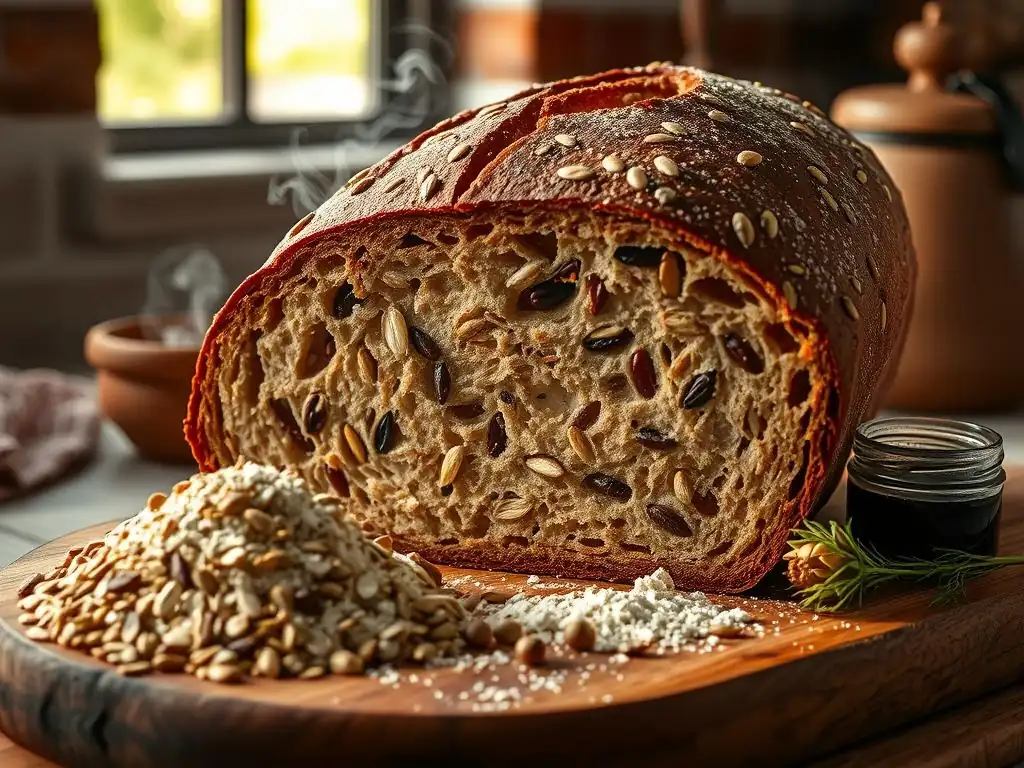
Welcome to BakeWithEase, your trusted companion on your baking journey!
Intrigued by the thought of taking your sourdough rye to the next level? Discover the secrets to crafting sourdough rye seed flavors that will tantalize your taste buds and impress even the most discerning palates. Unlock a world of aromatic possibilities and learn how to perfectly incorporate seeds and flavors into your next loaf. Ready to transform your bread baking? Let's get started!
- Adding Seeds and Flavors to Your Sourdough Rye: BakeWithEase Guide
- Elevate Your Sourdough Rye with Seeds and Flavor Infusions
- Understanding Sourdough Rye Flavor Profiles
- Selecting the Right Seeds for Your Sourdough Rye
- Incorporating Seeds into Your Sourdough Rye Dough
- Beyond Seeds: Exploring Other Flavor Additions for Sourdough Rye
- Step-by-Step Guide: Baking Sourdough Rye with Seeds and Molasses
- Storing Your Seeded and Flavored Sourdough Rye Bread
- Enjoying Your Homemade Sourdough Rye
-
Frequently Asked Questions
- How do seeds enhance the flavor of sourdough rye bread?
- What are some popular seed choices for sourdough rye?
- When is the best time to add seeds to my sourdough rye dough?
- Can other flavors, besides seeds, be added to sourdough rye?
- How much of each flavor (seeds, spices, etc.) should I add to my sourdough rye?
- Final Reflection: Sowing the Seeds of Flavor in Your Sourdough Rye
- Unleash Your Inner Rye Baker!
Adding Seeds and Flavors to Your Sourdough Rye: BakeWithEase Guide
Elevate Your Sourdough Rye with Seeds and Flavor Infusions
Sourdough rye bread is celebrated for its distinctive tangy depth and hearty texture. While a classic loaf is wonderful on its own, introducing seeds and other flavor elements can transform it into something truly extraordinary. Exploring different sourdough rye seed flavors and additions allows bakers to customize their loaves, adding complexity, nutritional value, and exciting new dimensions to this beloved bread. This guide will walk you through selecting, incorporating, and baking with various seeds and flavorings to enhance your rye sourdough with seeds and flavors.
Beyond simply mixing ingredients, the art of adding flavors to sourdough rye involves understanding how different components interact with the base dough. Seeds contribute not only texture and flavor but also absorb moisture, which can affect hydration levels. Spices, herbs, and sweeteners like molasses can dramatically alter the aroma, color, and overall taste profile. Mastering these additions is key to creating a loaf that is not just delicious but also a unique expression of your baking skill. Let's dive into the foundational flavors and how to build upon them.
Understanding Sourdough Rye Flavor Profiles
Sourdough rye's characteristic taste is a complex interplay of fermentation acidity, the inherent flavor of rye flour, and the baking process. Understanding this base allows you to select additions that either complement or provide a pleasing contrast to the existing profile. The goal is to create a harmonious blend of sourdough rye seed flavors.
The specific flavor profile can vary significantly depending on the proportion of rye flour used, the hydration level, and the activity of your sourdough starter. A loaf with a higher percentage of dark rye flour will have a stronger, earthier, and slightly bitter note compared to one made primarily with light rye or pumpernickel. The fermentation time and temperature also play a crucial role, with longer, cooler fermentation typically yielding a more pronounced sourness.
The Base Flavor of Sourdough Rye: A Foundation for Experimentation
The fundamental taste of sourdough rye is defined by its tang, derived from lactic and acetic acids produced by the sourdough culture, combined with the earthy, slightly sweet, and sometimes peppery notes of rye flour. Darker rye flours, rich in bran and germ, contribute deeper, more robust flavors than lighter flours. This inherent complexity makes it a versatile canvas for sourdough rye seed flavors.
A typical sourdough rye loaf might contain anywhere from 20% to 100% rye flour, with the remainder being strong bread flour. A common starting point for many recipes is around 30-40% rye, which provides a noticeable rye character without making the dough too dense or difficult to work with. This base offers a sturdy foundation that stands up well to strong flavors like caraway or the richness of molasses, making it ideal for exploring diverse sourdough rye seed flavors.
Exploring Complementary Flavors for Rye Bread
When considering adding flavors to sourdough rye, think about ingredients that naturally pair well with its earthy and tangy profile. Savory elements like caraway, dill, and coriander are classic choices, often found in traditional European rye breads. These spices enhance the bread's savory notes and provide aromatic complexity.
Sweeteners like molasses or honey work wonderfully by adding depth and balancing the tanginess. Molasses, in particular, contributes a dark color and a rich, slightly smoky sweetness that complements the robustness of rye flour. Ingredients like dried fruits (though not covered in detail here) or nuts also offer textural contrast and sweet or nutty undertones that harmonize with the base sourdough rye seed flavors.
Selecting the Right Seeds for Your Sourdough Rye
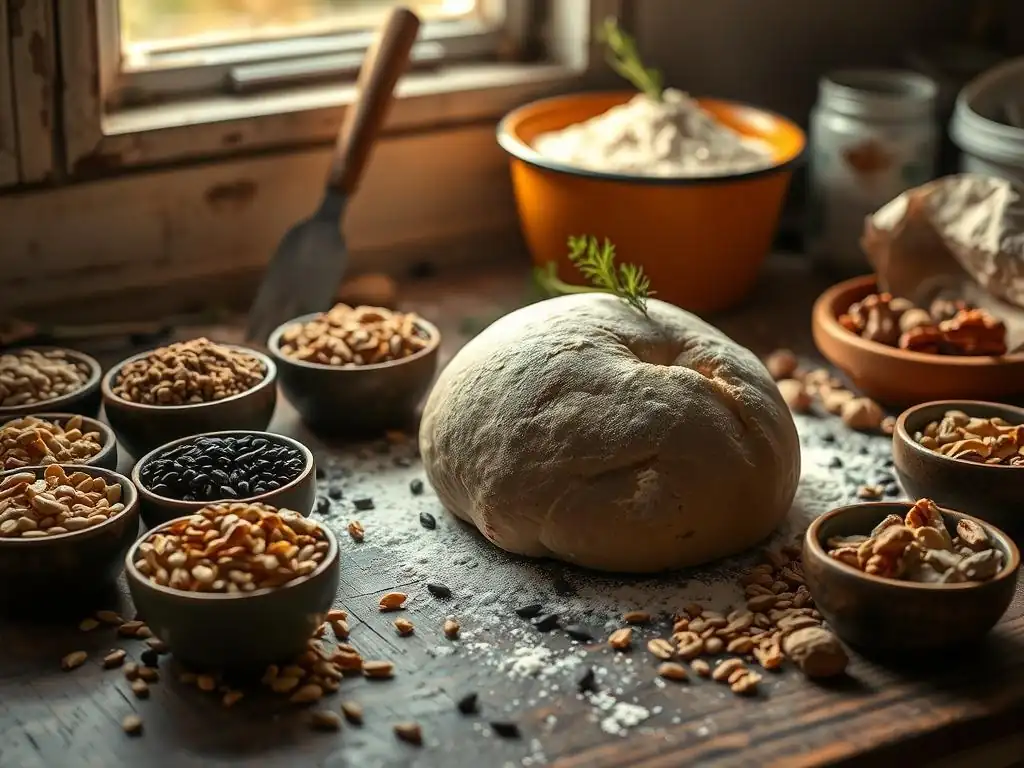
Seeds are perhaps the most popular addition when exploring sourdough rye seed flavors. They offer a delightful crunch, visual appeal, and distinct tastes that can elevate your loaf. Choosing the right seeds depends on the texture and flavor profile you want to achieve.
Incorporating seeds is a fantastic way to add nutritional value, including fiber, healthy fats, and minerals, to your bread. Different seeds offer varying levels of these nutrients. For example, flax seeds are known for their omega-3 fatty acids, while pumpkin seeds are a good source of magnesium and zinc. Beyond nutrition, the unique contribution of each seed to the overall sourdough rye seed flavors is what makes them so appealing.
Popular Seed Choices for Sourdough Rye Bread
Several seeds are commonly used in rye sourdough with seeds and flavors, each bringing its own character. The amount of seeds typically added ranges from 5% to 20% of the total flour weight, depending on how dominant you want the seed presence to be.
Let's look at some favorites:
Caraway Seeds: The Classic Rye Flavor
Caraway seeds are almost synonymous with rye bread, especially in many Eastern European traditions. They have a distinctive warm, slightly anise-like, and subtly bitter flavor that perfectly complements the tang of sourdough rye. Adding around 1-2% caraway seeds (based on flour weight) provides a noticeable but not overwhelming flavor.
These small, crescent-shaped seeds are usually added whole to the dough. Their strong flavor means a little goes a long way, but they are essential for achieving that iconic sourdough rye seed flavors profile often associated with deli-style rye.
Sunflower Seeds: Adding Nutty Texture
Sunflower seeds offer a pleasant nutty flavor and a satisfying crunch. They are larger than caraway seeds and contribute a significant textural element to the bread. They pair well with the earthiness of rye flour and can add a bit of sweetness when roasted.
Using sunflower seeds at about 10-15% of the flour weight provides a generous distribution throughout the loaf. Their size means they are very visible, adding to the bread's rustic appeal and contributing significantly to the sourdough rye seed flavors mix.
Pumpkin Seeds (Pepitas): A Hearty Addition
Pumpkin seeds, or pepitas, are flat, green seeds with a mild, slightly sweet, and nutty taste. They offer a substantial chew and a vibrant color contrast within the darker rye crumb. They are a hearty addition that makes the bread feel more substantial.
Pumpkin seeds work well at around 10-15% of the flour weight. They can be added raw or lightly toasted for enhanced flavor. Their robust texture and subtle sweetness contribute nicely to the overall sourdough rye seed flavors.
Sesame Seeds: Enhancing Aroma and Taste
Sesame seeds, both white and black, offer a delicate nutty flavor and a distinctive aroma when toasted. White sesame seeds are milder, while black sesame seeds have a slightly stronger taste and striking visual appeal. They are smaller than sunflower or pumpkin seeds, resulting in a more even distribution.
Using sesame seeds at about 5-10% of the flour weight is common. They can be incorporated into the dough or used generously to coat the crust, adding a lovely toasted aroma and crunch to the exterior, enhancing the sourdough rye seed flavors from the outside in.
Flax Seeds: Boosting Nutrition and Texture
Flax seeds are tiny powerhouses of nutrition, particularly known for their fiber and omega-3 fatty acids. When added to dough, they absorb moisture and create a slightly gelatinous texture, which can help keep the bread moist. They have a subtle, earthy, and slightly nutty flavor.
Flax seeds are often used at around 5-8% of the flour weight. Due to their moisture-absorbing properties, it's often recommended to soak them before adding to the dough, especially in higher quantities, to prevent them from drying out the loaf and to ensure they soften properly, contributing to the desired sourdough rye seed flavors and texture.
Considerations When Choosing Seeds
Beyond just the type of seed, how you prepare and incorporate them can significantly impact the final texture and sourdough rye seed flavors of your bread. Thinking about seed size, texture, and whether to roast them will help you achieve the best results.
The quality and freshness of the seeds also matter. Stale seeds can impart off-flavors, so ensure you are using fresh, high-quality seeds for the best possible rye sourdough with seeds and flavors.
Seed Size and Texture Impact
The size and hardness of seeds affect the crumb structure and the eating experience. Smaller seeds like caraway or sesame distribute more evenly and provide a subtle crunch, while larger seeds like sunflower or pumpkin offer more distinct pockets of texture and a heartier bite. The goal is to choose seeds that complement the density of the rye crumb.
Using a mix of different seed sizes can create a more dynamic texture profile within the loaf. For example, combining small flax seeds with larger sunflower seeds offers both subtle moisture and pronounced crunch, adding layers to the sourdough rye seed flavors and feel.
Roasting Seeds for Enhanced Flavor
Roasting seeds before adding them to your dough can significantly deepen and enhance their flavor. The heat brings out their natural oils, resulting in a nuttier, more intense taste and a more aromatic quality. This simple step can dramatically improve the sourdough rye seed flavors.
To roast seeds, spread them in a single layer on a baking sheet and bake at around 300-325°F (150-160°C) for 8-15 minutes, watching carefully to prevent burning. Let them cool completely before adding them to the dough. This process is particularly effective for sunflower, pumpkin, and sesame seeds.
Incorporating Seeds into Your Sourdough Rye Dough
Getting the timing and method right when adding seeds is crucial for even distribution and optimal texture. Simply dumping them in at the wrong stage can lead to uneven loaves or issues with hydration. Proper incorporation ensures the sourdough rye seed flavors are spread throughout the bread.
Consider the total weight of seeds you are adding relative to the flour. If adding a large quantity (e.g., over 15% of flour weight), you might need to slightly increase the overall hydration of your dough to compensate for the moisture the seeds will absorb, especially if not pre-soaking them. This attention to detail is key when adding flavors to sourdough rye.
Timing is Key: When to Add Seeds
The best time to incorporate seeds into sourdough rye dough is typically during the initial mixing phase, after the autolyse (if you use one) or after the main ingredients (flour, water, starter, salt) have been roughly combined. Adding them too early, like during autolyse, might interfere with gluten development, while adding them too late can make it difficult to distribute them evenly without overworking the dough.
For seeds that tend to absorb a lot of water, like flax or chia seeds, adding them pre-soaked is often recommended. If adding dry seeds, ensure they are mixed in thoroughly during the initial kneading or folding stages so they are fully integrated before bulk fermentation begins. This ensures the sourdough rye seed flavors are present throughout the crumb.
Methods for Seed Incorporation
There are several ways to get seeds into your sourdough rye, each affecting the final outcome. The method you choose depends on the type of seed, whether you want them inside or outside the loaf, and personal preference.
Experimenting with different methods can help you discover new textures and ways to enjoy your rye sourdough with seeds and flavors.
Adding Seeds Directly to the Dough
This is the most straightforward method. Simply weigh your seeds and add them to the mixing bowl along with the salt, after the starter and water have been combined with the flour. Mix them in during the initial kneading or stretch-and-fold cycles until they are evenly distributed throughout the dough.
When adding dry seeds directly, especially in larger quantities, monitor your dough's hydration. It might feel stiffer than a seed-free dough because the seeds will begin absorbing moisture during bulk fermentation and proofing. This method works well for seeds like caraway, sunflower, and pumpkin seeds, contributing to the internal sourdough rye seed flavors.
Soaking Seeds Before Adding
Soaking seeds, particularly small, hard seeds like flax or chia, or larger quantities of any seed, can prevent them from drawing moisture out of your dough and result in a softer seed texture in the final bread. To soak, combine the seeds with a measured amount of hot or boiling water (often equal parts water to seeds by weight) and let them sit for 30 minutes to a few hours until the water is absorbed and they form a gel-like consistency (for flax/chia) or soften.
This soaked mixture (often called a 'soaker' or 'porridge') is then added to the dough during the mixing stage. This method helps maintain the dough's intended hydration and ensures the seeds are tender, contributing a different textural element compared to dry seeds, while still providing the desired sourdough rye seed flavors.
Coating the Crust with Seeds
Coating the exterior of your proofed loaf with seeds is a fantastic way to add visual appeal and a crunchy, aromatic crust. Sesame seeds, poppy seeds, sunflower seeds, or a mix are excellent for this. After shaping and just before placing the loaf in the proofing basket, you can mist the surface with water or roll the dough in a shallow dish of seeds.
Another method is to brush the shaped loaf with water or an egg wash just before baking and then sprinkle seeds generously over the top. As the crust bakes, the seeds toast, releasing their aroma and adding a delightful crunch that complements the soft interior crumb, enhancing the overall sourdough rye seed flavors experience.
Beyond Seeds: Exploring Other Flavor Additions for Sourdough Rye
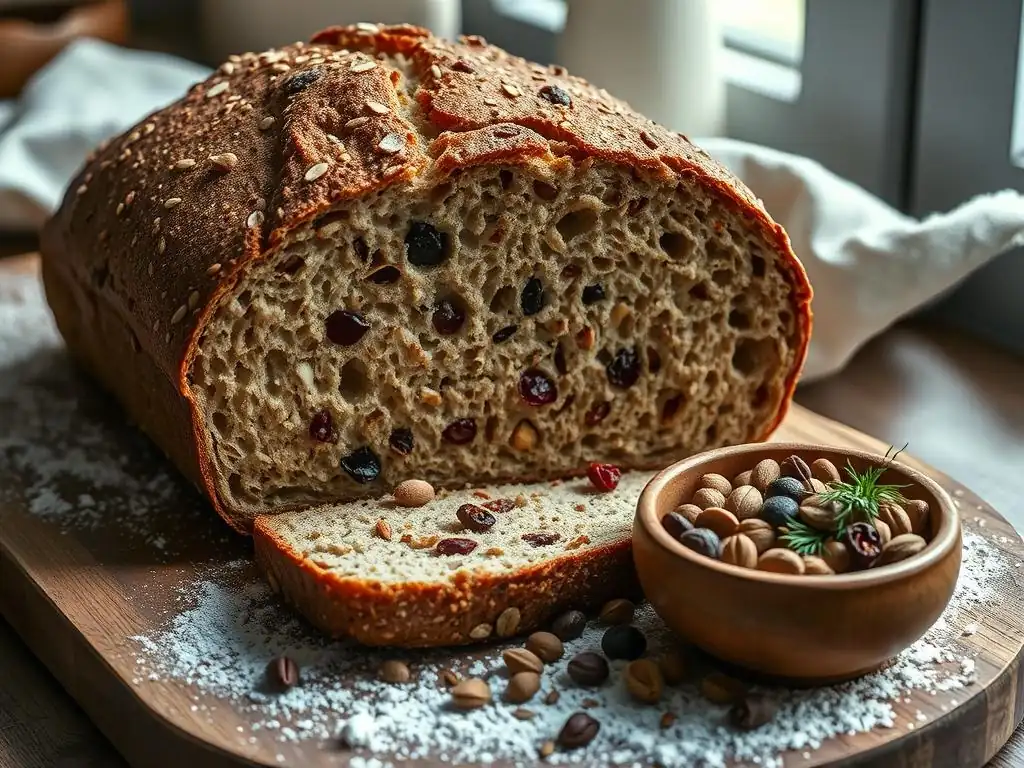
While seeds are popular, the world of adding flavors to sourdough rye extends much further. Spices, herbs, and sweeteners can introduce complex layers of taste and aroma, creating loaves with unique character.
These additions interact differently with the dough and the sourdough process. Spices and herbs release volatile oils, while sweeteners affect fermentation speed and crust color. Understanding these interactions helps you create balanced and flavorful rye sourdough with seeds and flavors.
Spice Up Your Rye: Incorporating Spices
Spices are a natural fit for rye bread, often enhancing its earthy and savory notes. They can be added whole or ground, though whole spices often retain their flavor longer during baking.
Common spices used in sourdough rye include caraway (already discussed as a seed), fennel, and coriander. The total amount of spices added is usually much smaller than seeds, typically ranging from 0.5% to 2% of the flour weight, as their flavors are quite potent.
Fennel Seeds: A Subtle Anise Note
Fennel seeds have a mild licorice or anise-like flavor, similar to caraway but often sweeter and less pungent. They pair beautifully with rye, adding a subtle aromatic warmth. Like caraway, they are usually added whole to the dough.
Using fennel seeds at around 0.5-1% of flour weight provides a pleasant background note that complements the sourdough rye seed flavors and the rye itself without overpowering other elements.
Coriander Seeds: Adding Citrusy Undertones
Coriander seeds have a unique flavor profile that is warm, nutty, and slightly citrusy. When crushed or lightly toasted and added to rye bread, they provide a bright, aromatic counterpoint to the rye's earthiness.
Adding crushed coriander seeds (about 0.5-1% of flour weight) can introduce an unexpected layer of complexity. Their citrus notes work surprisingly well with the tang of sourdough, adding another dimension to the sourdough rye seed flavors.
Dried Orange Peel: A Zesty Twist
Dried orange peel adds a vibrant, zesty, and slightly bitter citrus note. It provides a lovely contrast to the deep, earthy flavors of rye and can brighten the overall profile of the bread. It works particularly well when paired with spices like coriander or caraway.
Finely chopped dried orange peel can be added at around 0.5-1% of flour weight. Ensure it's dried, not candied, for the best result. This addition is a great way to add a surprising burst of flavor to your rye sourdough with seeds and flavors.
Adding Herbs for a Fresh Flavor Boost
While less common than spices, certain herbs can add a fresh or earthy dimension to sourdough rye, particularly those with strong, robust flavors that can stand up to the sourdough tang and rye flavor.
Fresh herbs should be used sparingly, as their flavors can be quite intense and they can introduce extra moisture. Dried herbs are easier to incorporate and measure consistently.
Dill: A Classic Pairing with Rye
Dill is a classic pairing with rye bread, especially in Scandinavian and Eastern European cuisines. It has a distinctive fresh, slightly tangy, and grassy flavor that harmonizes well with the sourness of the bread. Dried dill is usually preferred for baking.
Add dried dill at around 0.5-1% of flour weight. It contributes a fresh, savory note that enhances the overall sourdough rye seed flavors, particularly if you're using seeds like caraway or fennel.
Rosemary: An Earthy Herbaceous Note
Rosemary offers a strong, piney, and slightly peppery flavor. While not a traditional pairing, a small amount of finely chopped fresh or dried rosemary can add an earthy, herbaceous depth to a rye loaf, particularly one without many other competing flavors.
Use rosemary very sparingly, perhaps 0.3-0.5% of flour weight, as its flavor is potent. It can add a sophisticated, savory twist to your rye sourdough with seeds and flavors.
Other Flavor Enhancements for Sourdough Rye
Beyond seeds, spices, and herbs, other ingredients can contribute significantly to the color, texture, and sourdough rye seed flavors of your loaf. These often add sweetness or depth that complements the rye's inherent character.
Consider the impact these additions have on dough consistency and fermentation. Ingredients like molasses are liquid and can affect hydration, while coffee is acidic and can influence starter activity slightly.
Molasses: Adding Depth and Sweetness
Molasses is a traditional addition to many rye bread recipes, especially darker ones like pumpernickel. It adds a rich, dark color, a subtle sweetness, and a deep, slightly smoky or caramel-like flavor that enhances the earthiness of the rye. It also helps create a softer crumb and a darker crust.
Add molasses at around 2-5% of flour weight (e.g., 15-40 grams per 500g flour loaf). It should be mixed in with the wet ingredients. This addition is fantastic for developing complex sourdough rye seed flavors, particularly when paired with caraway or coriander.
Coffee: Enhancing the Dark Flavor Profile
Strong brewed coffee or instant coffee granules can deepen the color of the crumb and add a subtle bitter note that complements the dark flavors of rye and molasses. It's an unexpected but effective way to add complexity.
Replace some of the water in your recipe with strong brewed coffee or add 1-2 teaspoons of instant coffee granules per loaf (around 500g flour). Coffee enhances the dark, roasted notes and pairs well with nutty sourdough rye seed flavors like sunflower or pumpkin.
Step-by-Step Guide: Baking Sourdough Rye with Seeds and Molasses
Let's put some of these ideas into practice with a simple recipe incorporating classic sourdough rye seed flavors and a touch of molasses for depth. This recipe is designed to be educational and approachable for those looking to experiment with adding flavors to sourdough rye.
This guide assumes you have an active sourdough starter ready for baking. Adjust timings based on your starter's activity and ambient temperature.
Recipe: Sourdough Rye with Caraway Seeds and Molasses
This recipe uses a moderate amount of rye flour for a manageable dough, plus caraway seeds for classic flavor and molasses for color and depth.
Ingredients List and Measurements
- Active Sourdough Starter: 100g
- Warm Water (around 90-95°F / 32-35°C): 320g
- Dark Rye Flour: 150g
- Strong Bread Flour: 350g
- Fine Sea Salt: 10g
- Molasses: 15g (approx. 1 tablespoon)
- Caraway Seeds: 8g (approx. 1.5 tablespoons)
This gives a total flour weight of 500g, with 30% rye. The hydration is around 64% (water + molasses weight / flour weight), not including the starter hydration. The seeds are about 1.6% of the flour weight.
Detailed Baking Instructions
Here is a step-by-step process for baking your rye sourdough with seeds and flavors:
Preparing the Dough
- [ ] In a large mixing bowl, whisk together the warm water and molasses. Add the active sourdough starter and stir until mostly dissolved.
- [ ] Add both the dark rye flour and strong bread flour to the bowl. Mix with a spoon or your hands until no dry flour remains and a shaggy dough forms.
- [ ] Cover the bowl and let it rest for 30 minutes (autolyse).
- [ ] After the rest, add the salt and caraway seeds to the dough.
- [ ] Incorporate the salt and seeds by gently squeezing and folding the dough in the bowl for a few minutes until they are evenly distributed.
Bulk Fermentation with Seeds
- [ ] Cover the bowl again and let the dough bulk ferment at room temperature (around 70-75°F / 21-24°C) for 3-4 hours, or until it has increased in volume by about 30-50%.
- [ ] Perform 2-3 sets of stretch and folds during the first 1.5 to 2 hours of bulk fermentation, spaced about 30-45 minutes apart. This helps develop gluten and further distribute the seeds. The seeds might make the dough feel slightly less extensible than a plain loaf.
Shaping and Proofing
- [ ] After bulk fermentation, gently turn the dough out onto a lightly floured surface.
- [ ] Shape the dough into your desired shape (banneton is recommended for a rustic loaf). Try to create some tension on the surface.
- [ ] If desired, lightly mist the surface of the dough and roll it in extra caraway seeds or a mix of seeds for an external crust coating, adding more sourdough rye seed flavors and texture.
- [ ] Place the shaped dough seam-side up into a floured banneton or proofing basket.
- [ ] Cover the banneton and retard the dough in the refrigerator for 10-14 hours (or up to 24 hours) for a slower, more flavorful proof and easier handling. Alternatively, proof at room temperature for 1-2 hours if baking the same day.
Baking the Sourdough Rye Loaf
- [ ] Preheat your oven with a Dutch oven or baking stone inside to 450°F (230°C) for at least 45-60 minutes.
- [ ] Carefully turn the cold dough out of the banneton onto parchment paper or directly onto your hot baking surface.
- [ ] Score the top of the loaf with a sharp razor blade or knife.
- [ ] If using a Dutch oven, carefully lower the loaf on parchment paper into the hot pot and cover with the lid. If using a stone, create steam by placing a tray of hot water on the rack below or using lava rocks.
- [ ] Bake covered (or with steam) for 20 minutes.
- [ ] Remove the lid (or steam source) and reduce the oven temperature to 425°F (220°C).
- [ ] Continue baking for another 25-30 minutes, or until the crust is deep golden brown and the internal temperature reaches 200-210°F (93-99°C).
- [ ] Carefully remove the loaf from the oven and transfer it to a wire rack to cool completely for at least 2-3 hours before slicing. This is crucial for the crumb structure and flavor development of rye bread, allowing the sourdough rye seed flavors to meld.
Tips for Perfecting Your Sourdough Rye with Seeds and Flavors
Baking with rye and additions presents unique challenges and opportunities. Here are a few tips to help you achieve the best possible rye sourdough with seeds and flavors.
Paying attention to these details will improve not only the taste and texture but also the overall appearance of your loaf, enhancing the enjoyment of your homemade sourdough rye seed flavors.
Achieving the Ideal Crust
Rye doughs can sometimes develop a softer crust than wheat-only loaves. To achieve a robust crust on your seeded rye, ensure adequate steam during the initial baking phase. This keeps the surface pliable, allowing for maximum oven spring. Once the steam is removed, the higher temperature finishes developing the crust.
For an extra crispy and flavorful crust, consider adding seeds to the exterior as described earlier. The direct heat helps them toast beautifully, adding another layer to the sourdough rye seed flavors and providing a satisfying crunch. Baking directly on a hot stone or in a preheated Dutch oven also contributes to a better crust.
Troubleshooting Common Issues
One common issue when adding flavors to sourdough rye is a dense or gummy crumb. This can happen if the dough is overworked after adding seeds (especially if they are dry and sharp) or if the bread is sliced before it has cooled completely. Rye flour has less gluten than wheat, so gentle handling is key. Always allow rye bread to cool fully.
Another potential issue is uneven seed distribution. Ensure you mix the seeds in thoroughly during the initial stages. If using large quantities of seeds, especially dry ones, you might need to slightly increase the water in your recipe to compensate for absorption and prevent a dry dough, which can lead to a dense crumb and less vibrant sourdough rye seed flavors.
Storing Your Seeded and Flavored Sourdough Rye Bread
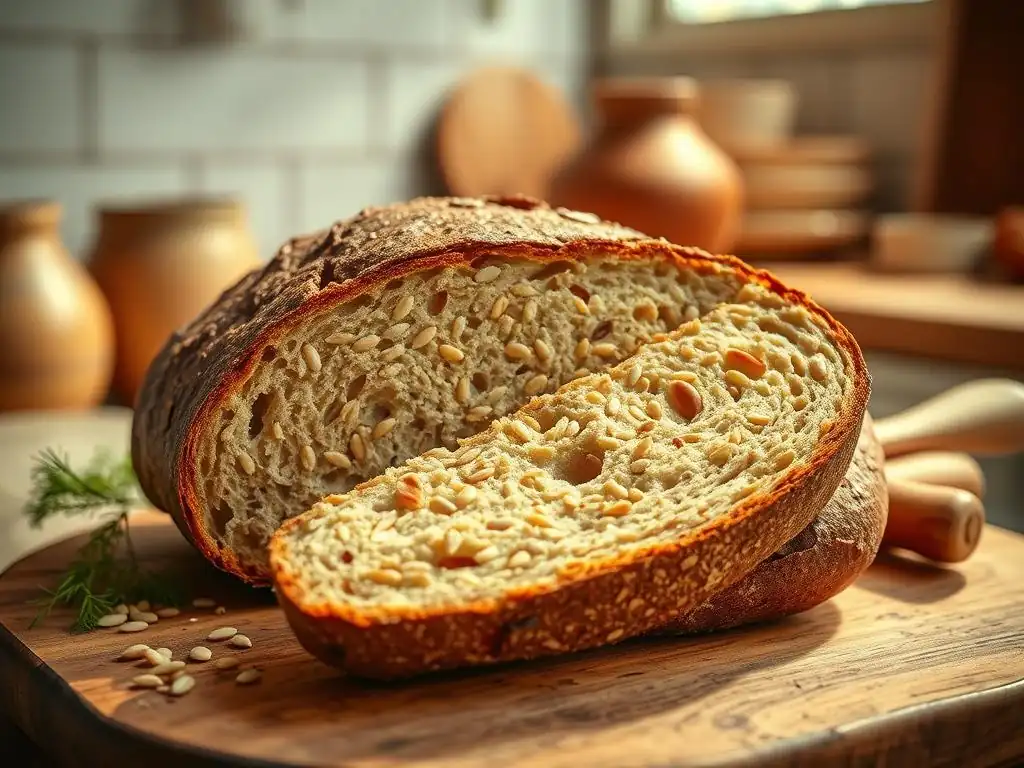
Proper storage is essential to maintain the freshness, texture, and sourdough rye seed flavors of your homemade loaf. Unlike commercial breads with preservatives, sourdough relies on its natural acidity and dense crumb to stay fresh.
Storing bread correctly prolongs its enjoyment and prevents it from becoming stale or developing mold too quickly.
Best Practices for Maintaining Freshness
Once completely cool, store your sourdough rye bread at room temperature. The best method is often to wrap it in a linen bread bag or a clean tea towel, which allows it to breathe while preventing it from drying out too quickly. Avoid plastic bags unless the bread is very fresh and you plan to eat it within a day or two, as plastic can trap moisture and promote mold growth, negatively impacting the sourdough rye seed flavors.
For longer storage, sliced bread freezes exceptionally well. Slice the cooled loaf, place the slices in a freezer-safe bag or container, and freeze for up to a few months. You can then toast slices directly from frozen, enjoying the sourdough rye seed flavors whenever you like.
Enjoying Your Homemade Sourdough Rye
You've put in the effort to create a beautiful loaf filled with wonderful sourdough rye seed flavors and textures. Now it's time to enjoy the fruits of your labor! Sourdough rye, especially with added seeds and flavors, is incredibly versatile.
Take the time to appreciate the aroma, the texture, and the complex sourdough rye seed flavors you've created. Baking is a journey, and each loaf is a delicious step along the way.
Serving Suggestions and Pairings
Seeded and flavored sourdough rye is fantastic simply sliced and spread with butter. The warmth of the bread melts the butter, releasing the aromas of the seeds and spices. It's also a perfect base for open-faced sandwiches.
Pair your loaf with classic companions like smoked salmon, cured meats, strong cheeses (like aged cheddar or Gouda), or pickled vegetables. A slice of rye sourdough with seeds and flavors alongside a hearty soup or stew is also incredibly satisfying. The robust sourdough rye seed flavors stand up well to rich, savory dishes.
Frequently Asked Questions
How do seeds enhance the flavor of sourdough rye bread?
Seeds contribute nutty and earthy flavors, complementing the tangy taste of sourdough and the robustness of rye. They also add texture to the crust and crumb.
What are some popular seed choices for sourdough rye?
Common choices include caraway seeds (a classic pairing), sunflower seeds, pumpkin seeds (pepitas), and sesame seeds. Experiment to find your favorite combination!
When is the best time to add seeds to my sourdough rye dough?
Seeds can be added during the bulk fermentation stage or kneaded into the dough. Some bakers prefer to coat the exterior before baking for a visually appealing crust.
Can other flavors, besides seeds, be added to sourdough rye?
Yes! Consider adding dried fruits like raisins or cranberries, spices such as fennel or coriander, or even roasted garlic for a savory twist.
How much of each flavor (seeds, spices, etc.) should I add to my sourdough rye?
Start with a small amount, around 1-2% of the total flour weight, and adjust to your taste. It's always better to underestimate initially and add more next time.
Final Reflection: Sowing the Seeds of Flavor in Your Sourdough Rye
The art of sourdough rye baking, once a niche pursuit, is experiencing a vibrant resurgence, fueled by a growing appreciation for handcrafted foods and the unique complexities of this ancient bread. The journey from simple flour and water to a deeply flavorful, textured loaf is a testament to patience, precision, and the power of natural fermentation. This exploration into adding seeds and flavors to your sourdough rye highlights the incredible potential for customization and the rewarding experience of creating truly unique breads.
The impact of sourdough, in general, and specifically the exploration of diverse flavor profiles, reflects a broader cultural shift towards mindful consumption and a deeper connection with our food. We are moving away from mass-produced uniformity and embracing the artisanal, the handcrafted, the unique. This resonates deeply with me, as I find immense satisfaction in the transformative process of baking, and the joy of sharing the results. Bread is the staff of life,
they say, and I believe that this staff should be richly flavored, thoughtfully crafted, and a source of both nourishment and pleasure.
Now, it's your turn. Consider the seeds and flavors you've already explored, and the countless possibilities that remain. Don't be afraid to experiment! Each addition, each subtle variation in technique, is an opportunity to deepen your understanding of sourdough rye and to create a loaf that perfectly reflects your personal taste. Embrace the journey, savor the process, and let the aroma of freshly baked bread fill your kitchen with the promise of deliciousness and the satisfaction of a job well done.
Unleash Your Inner Rye Baker!
Thanks for taking the time to explore the wonderful world of flavored sourdough rye with us! We hope you now feel confident in experimenting with different seeds and spices to create truly unique loaves. Ready to take your baking to the next level?
- Bake your own masterpiece! Try one of the flavor combinations discussed in the article – or invent your own! The possibilities are endless.
- Share your creations! Post a picture of your sourdough rye on social media and tag #BakeWithEaseRye – we'd love to see what you bake!
- Dive deeper into sourdough: Explore other articles on our site for even more baking tips and tricks!
What unexpected flavor combination will you try in your next sourdough rye loaf?