
Top 7 NutBased DairyFree Cream Cheese Alternatives for Bagels and Cakes

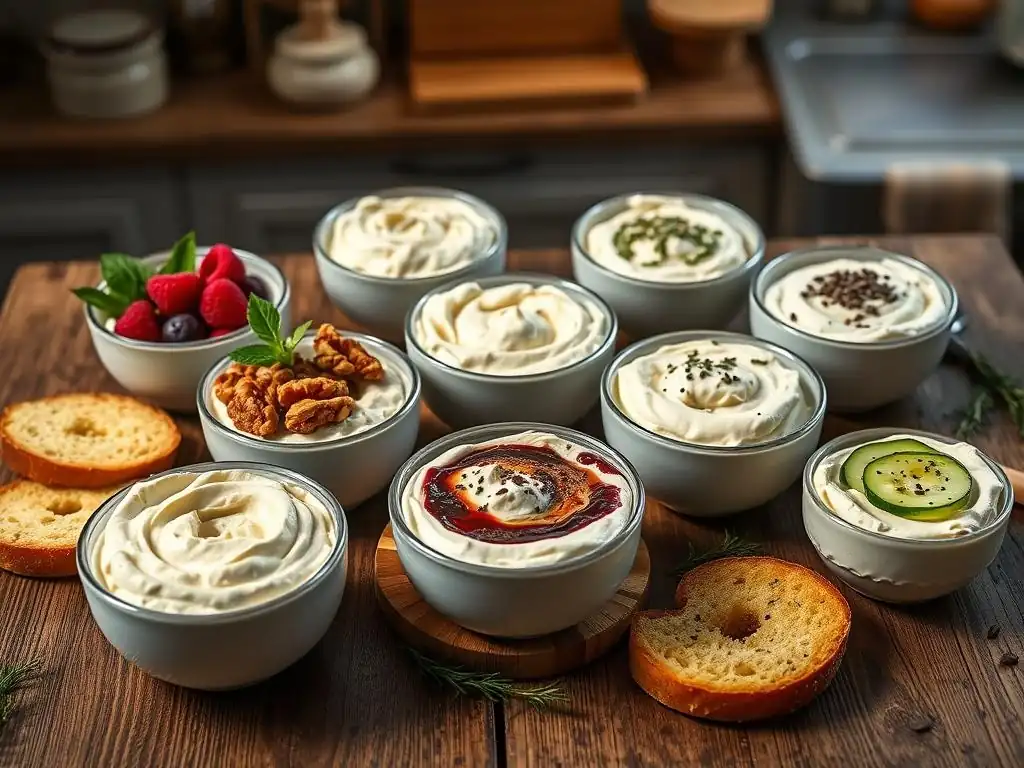
Welcome to BakeWithEase, your guide to effortless and delicious baking! Are you searching for a creamy, tangy topping without the dairy? Discover our top 7 NutBased DairyFree Cream Cheese alternatives, perfect for slathering on bagels or creating decadent, allergy-friendly cakes. Intrigued? Let's explore the world of plant-based creaminess and unlock a whole new realm of baking possibilities!
- Top 7 Dairy-Free Cream Cheese Alternatives for Bagels and Cakes
- Introduction: Discovering Delicious Dairy-Free Cream Cheese Options
- Exploring Dairy-Free Cream Cheese Alternatives
- The Definitive List: Top 7 Dairy-Free Cream Cheese Brands & Recipes
- Dairy-Free Cream Cheese Baking Guide: Tips and Tricks
- Conclusion: Enjoying Delicious Dairy-Free Baking
-
Frequently Asked Questions
- What makes nut-based cream cheese a good dairy-free alternative?
- Are all nut-based cream cheese alternatives suitable for baking?
- What are the most common nuts used to make dairy-free cream cheese?
- Where can I find nut-based dairy-free cream cheese alternatives?
- How does the taste and texture of nut-based cream cheese compare to traditional cream cheese?
- Final Reflection: The Deliciously Diverse World of Nut-Based Dairy-Free Cream Cheese
- Unleash Your Inner Baker: Creamy Dairy-Free Deliciousness Awaits!
Top 7 Dairy-Free Cream Cheese Alternatives for Bagels and Cakes
Introduction: Discovering Delicious Dairy-Free Cream Cheese Options
Why Choose Dairy-Free Cream Cheese?
Choosing dairy-free cream cheese opens up a world of possibilities for individuals with lactose intolerance, dairy allergies, or those following a vegan lifestyle. Approximately 65% of the global population has a reduced ability to digest lactose after infancy, according to some estimates, making traditional dairy products problematic for many.
Furthermore, dairy allergies, though less common than lactose intolerance, can cause severe reactions. Opting for a plant-based alternative, including a good nutbased dairyfree cream cheese, allows everyone to enjoy classic treats like cream cheese frosting on a red velvet cake or a smear on a morning bagel without discomfort or health risks.
Beyond dietary needs, many choose dairy-free options for environmental or ethical reasons. Plant-based foods generally have a lower environmental footprint compared to dairy production, requiring less land, water, and emitting fewer greenhouse gases. The market for dairy alternatives has seen significant growth, reflecting this increasing consumer interest. Finding a reliable and tasty dairy-free cream cheese alternative is key to unlocking baking freedom and enjoying beloved recipes universally.
Dairy-Free Baking: A Growing Trend
Dairy-free baking is no longer a niche practice; it's a rapidly expanding trend embraced by home bakers and professional patisseries alike. The demand for high-quality plant-based ingredients, including substitutes for staples like milk, butter, and cream cheese, has spurred innovation in the food industry. Data suggests the global dairy alternatives market is projected to reach tens of billions of dollars in the coming years, highlighting this shift. This growth means dairy-free bakers now have access to a wider variety of ingredients that perform similarly to their dairy counterparts, making it easier than ever to convert traditional recipes.
Successfully navigating dairy-free baking requires understanding how different substitutes behave. While dairy milk can often be swapped one-to-one with plant milks, butter and cream cheese alternatives require more careful consideration regarding fat content, moisture, and how they react to heat and cold. A well-formulated nutbased dairyfree cream cheese, for instance, needs to have enough fat for richness and stability in frostings, while also possessing the tang and texture needed for cheesecakes. The increased availability of specialized dairy-free baking products simplifies this process significantly, empowering bakers to create delicious results that are indistinguishable from their dairy-laden versions.
Exploring Dairy-Free Cream Cheese Alternatives
What to Look for in a Good Dairy-Free Cream Cheese
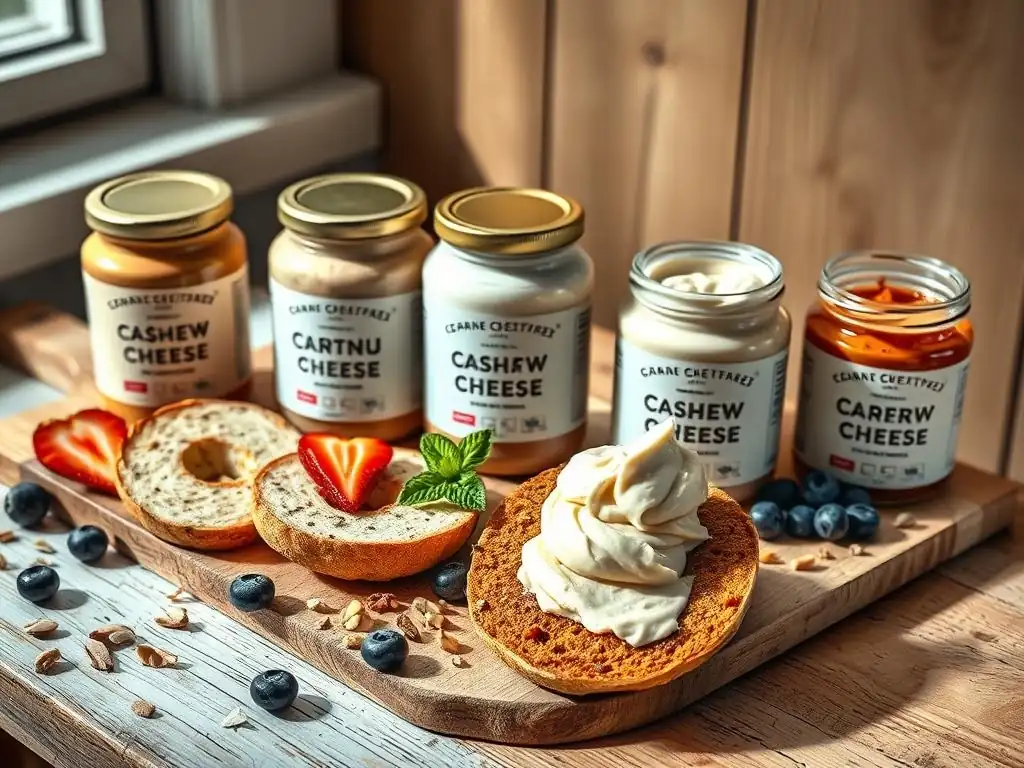
When selecting a dairy-free cream cheese alternative, especially if you're seeking a nutbased dairyfree cream cheese or another variety for baking, several factors are crucial. First, consider the base ingredient. Common bases include cashews, almonds, soy, oats, and coconut. Each base imparts a slightly different flavor profile and texture.
Cashew and almond bases often yield a rich, creamy texture and a neutral-to-slightly-nutty flavor that works well in many applications. Soy-based options are typically smooth and tangy. Oat and coconut bases can offer varying levels of creaminess and distinct flavors. For baking, especially cheesecakes or dense frostings, a higher fat content (often achieved with added oils like coconut or palm) is desirable for structure and richness, similar to traditional cream cheese which contains around 30-35% fat.
Second, evaluate the texture and tang. A good dairy-free cream cheese should be spreadable when chilled but firm enough to hold its shape in frosting or cheesecake. The desired tanginess, characteristic of traditional cream cheese due to fermentation, is often achieved through the addition of cultures or lactic acid.
Some brands are tangier than others; consider if you prefer a mild or pronounced flavor. Also, check the ingredient list for stabilizers and thickeners like gums or starches, which can affect texture and how the product performs under heat. For nutbased dairyfree cream cheese, ensure the nuts are a primary ingredient, not just a flavoring, if you're seeking that specific richness.
The Definitive List: Top 7 Dairy-Free Cream Cheese Brands & Recipes
1. Kite Hill Cream Cheese
Kite Hill is a popular brand known for its almond-based dairy-free products, including a highly regarded cream cheese alternative. Their cream cheese is made from cultured almonds, giving it a subtle tang and a smooth, spreadable texture that closely mimics traditional cream cheese. It's consistently praised for its clean flavor profile, which isn't overly sweet or distinctly "nutty," making it a versatile option for both sweet and savory applications.
Typically found in 8-ounce tubs, Kite Hill's plain almond-based cream cheese alternative contains ingredients like almond milk (almonds, water), salt, enzymes, and cultures. It usually contains around 4.5 grams of fat and 1 gram of protein per 1-ounce serving. While the exact price varies, it generally falls into the mid-to-high range for dairy-free cream cheeses, often priced between $6 and $8 per tub, reflecting the quality of the ingredients and the culturing process.
Best Uses for Kite Hill Cream Cheese
Kite Hill's almond-based cream cheese is excellent for simple spreading applications, like on bagels, toast, or crackers. Its smooth texture makes it easy to spread right out of the refrigerator. Many users find it a reliable substitute for a classic bagel schmear, providing that familiar creamy mouthfeel and a pleasant, slightly tangy finish without any dairy.
In baking, Kite Hill performs well in frostings. When whipped with powdered sugar and a touch of vanilla, it creates a light and fluffy dairy-free cream cheese frosting. Due to its almond base, it might be slightly less dense than some soy or cashew options, so chilling the finished frosting is crucial for stability, especially for piping onto cakes or cupcakes. It can also be used in no-bake cheesecake recipes where its texture and flavor shine without needing structural stability from baking.
2. Tofutti Better Than Cream Cheese
Tofutti's "Better Than Cream Cheese" is one of the longest-standing and most widely available dairy-free cream cheese alternatives, primarily made from soy. It has been a staple for dairy-free consumers for decades and is known for its classic tangy flavor and smooth consistency. Its longevity in the market speaks to its reliability and acceptance among those seeking a dairy-free option.
This soy-based spread typically lists water, expeller blend palm oil, maltodextrin, and soy protein as key ingredients, along with stabilizers and natural flavors. It generally contains around 4.5 grams of fat per 1-ounce serving and minimal protein. Tofutti is often one of the more budget-friendly dairy-free cream cheese options available, frequently priced between $4 and $6 per 8-ounce tub, making it an accessible choice for many.
Baking with Tofutti
Tofutti's Better Than Cream Cheese is a versatile option for dairy-free baking, particularly known for performing well in baked goods like cheesecakes. Its texture holds up relatively well under heat, allowing it to set properly in a baked cheesecake recipe, though results can vary slightly compared to dairy versions. Many classic vegan cheesecake recipes were developed using Tofutti due to its early availability.
For frostings, Tofutti whips up smoothly with powdered sugar. The resulting frosting is tangy and creamy, suitable for cakes, cupcakes, and cookies. It's important to note that, like most dairy-free frostings, chilling is recommended to achieve optimal firmness, especially in warmer conditions. While not a nutbased dairyfree cream cheese, its soy base provides a neutral flavor profile that doesn't compete with other ingredients in sweet recipes.
3. Violife Cream Cheese
Violife offers a range of dairy-free products, including a cream cheese alternative that is coconut oil-based. This makes it a good option for those avoiding nuts and soy, providing a different base compared to a nutbased dairyfree cream cheese. Violife's cream cheese is known for its very smooth texture and mild, slightly sweet flavor, with less tang than some other brands.
The primary ingredients in Violife's cream cheese include water, coconut oil, and starch, often with added vitamin B12. It typically contains a higher fat content compared to some other alternatives, often ranging from 6 to 8 grams of fat per 1-ounce serving, contributing to its richness. Violife products are widely available and usually priced in the mid-range, often around $5 to $7 per 8-ounce container.
Violife Cream Cheese for Cakes
Violife's coconut oil-based cream cheese is particularly effective in baking applications where richness and smooth texture are paramount, such as cheesecakes and frostings for cakes. Its higher fat content helps create a creamy, decadent texture in baked cheesecakes, allowing them to set firmly when chilled. While the flavor is milder in tang, it provides a good base for adding lemon zest or other flavorings.
When used in frostings, Violife whips into a very smooth consistency. The resulting frosting is rich and creamy, perfect for layering between cake layers or spreading on cupcakes. Because it's coconut oil-based, it can become quite firm when cold and soften significantly at room temperature, so temperature management is key for optimal frosting consistency and stability. It's a reliable non-nut alternative for achieving classic cream cheese frosting results.
4. Miyoko's Kitchen Cultured Vegan Cream Cheese
Miyoko's Kitchen specializes in artisanal vegan dairy alternatives, and their cultured vegan cream cheese is highly regarded for its sophisticated flavor and texture, often compared favorably to traditional cream cheese. It's a nutbased dairyfree cream cheese, made primarily from organic cashews and coconut oil, and undergoes a culturing process similar to dairy cream cheese, which develops a complex, tangy, and slightly funky flavor profile.
Ingredients typically include organic cashews, organic coconut oil, filtered water, sea salt, and cultures. This cashew-based spread often has a rich texture and a pronounced tanginess that stands out among plant-based options. It tends to be one of the higher-priced options on the market, often retailing for $7 to $10 per 8-ounce tub, reflecting its artisanal production and organic ingredients. It contains around 6 grams of fat per 1-ounce serving.
Miyoko's Kitchen Cream Cheese Recipe Ideas
Miyoko's Kitchen cream cheese is versatile, excelling in both simple spreads and more complex baking. Its rich texture and tangy flavor make it ideal for elevating a simple bagel or using as a base for savory dips and spreads. For a quick appetizer, mix it with herbs and garlic, or use it to make a sophisticated dairy-free lox and cream cheese substitute with smoked carrots or other plant-based alternatives.
In baking, its cultured tang and high-fat content make it a strong contender for cheesecakes and frostings. While it can be pricier, using it in a baked cheesecake results in a dense, creamy dessert with authentic cheesecake flavor. For frostings, whip it with less sugar than you might use for other brands to let its inherent tang shine through. It pairs exceptionally well with red velvet or carrot cake, providing that classic tangy counterpoint to sweet cake flavors.
5. Daiya Cream Cheeze
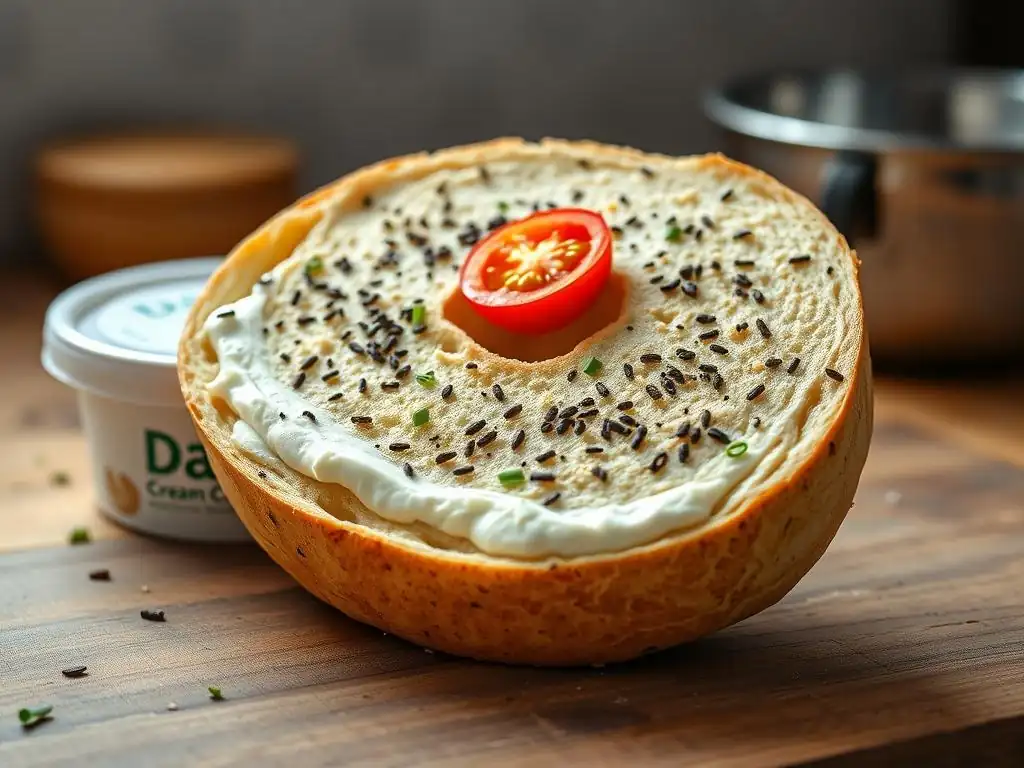
Daiya is well-known for its extensive line of dairy-free products, often using a blend of tapioca starch and oils to achieve meltiness and stretch in cheese alternatives. Their cream cheeze (spelled with a 'z') is no exception, formulated to be a convenient and allergen-friendly option, typically free from soy, nuts (though always check labels for cross-contamination warnings if severe allergy is a concern), and gluten.
Daiya's cream cheeze alternative's main ingredients include filtered water, tapioca starch, coconut oil, and expeller pressed canola oil, along with pea protein and vegan natural flavors. It aims for a smooth, spreadable texture and a mild flavor. It generally contains around 4.5 grams of fat per 1-ounce serving. Daiya products are widely distributed and usually fall into the mid-range price category, often between $5 and $7 per 8-ounce tub.
Why Daiya Cream Cheeze is a Great Option
Daiya Cream Cheeze is a popular choice due to its accessibility and its formulation which avoids common allergens like soy and nuts, making it suitable for a wider range of dietary needs compared to a nutbased dairyfree cream cheese. Its smooth texture makes it easy to spread directly from the container, making it a convenient option for bagels, toast, or sandwiches.
While its baking performance can differ slightly from dairy cream cheese or nut-based alternatives, it can be used in frostings and some baked applications. For frostings, it whips up smoothly with powdered sugar, though the texture might be slightly less firm than options with higher fat or protein content. It's best suited for frostings that will be chilled before serving. For baked goods, it can be used in recipes where its slightly different texture isn't a primary concern, offering a mild, creamy element.
6. Treeline Cream Cheese
Treeline Treenut Cheese offers cultured nut-based dairy-free cheeses, including a cream cheese alternative made from cashews. Similar to Miyoko's, Treeline focuses on traditional cheese-making techniques using plant-based ingredients, resulting in a product with a more complex flavor profile than simpler blends. It's a true nutbased dairyfree cream cheese that emphasizes fermentation.
Treeline's cream cheese alternative is typically made with cashew nuts, filtered water, sea salt, and L. Acidophilus (a probiotic culture). This simple ingredient list highlights its focus on the cultured cashew base. It offers a tangy, rich flavor and a dense, creamy texture. It generally contains around 6 grams of fat and 2 grams of protein per 1-ounce serving. As an artisanal product, it is often priced in the higher range, similar to Miyoko's, typically between $7 and $9 per 8-ounce tub.
Comparing Treeline Dairy-Free Cream Cheese
Compared to other options, Treeline's cashew-based cream cheese alternative is known for its authentic, tangy flavor and firm texture, making it an excellent substitute for traditional cream cheese in many contexts. Its culturing process gives it a depth of flavor that some simpler alternatives lack. While it is a nutbased dairyfree cream cheese, its flavor is primarily tangy and creamy rather than distinctly nutty.
For baking, Treeline performs very well, particularly in applications where texture and flavor are key. Its firmness helps it hold shape in cheesecakes, producing a dense and creamy result when baked. For frostings, it whips into a stable, rich frosting with a pleasant tang. Because it's cultured, its flavor profile complements sweet recipes beautifully, cutting through sweetness with a slight acidity similar to traditional cream cheese frosting.
7. Oatly Cream Cheese
Oatly, a brand synonymous with oat milk, has expanded its dairy-free offerings to include a cream cheese alternative. This provides a nut-free and soy-free option based on oats, adding another dimension to the dairy-free cream cheese market. Oatly's cream cheese aims for a smooth texture and a mild, slightly sweet flavor characteristic of oats.
The primary ingredients in Oatly's cream cheese alternative include oat base (water, oats), palm oil, and rapeseed oil, along with potato starch and acids. It is formulated to be spreadable and creamy. It typically contains around 6 grams of fat per 1-ounce serving. Oatly products are widely available and generally priced in the mid-range, often between $5 and $7 per 8-ounce tub, similar to other popular brands.
Baking with Oatly Cream Cheese
Oatly's oat-based cream cheese alternative can be used in various baking applications, offering a nut-free and soy-free option for those with multiple allergies. Its smooth texture makes it suitable for frostings, whipping up easily with powdered sugar. The resulting frosting has a mild flavor, which can be an advantage if you don't want a strong tang or nutty undertone from a nutbased dairyfree cream cheese.
For baked goods like cheesecakes, Oatly's cream cheese can be used, though its performance might vary depending on the recipe. Its consistency is creamy, which works well in no-bake recipes or baked goods where a slightly softer set is acceptable. As with other dairy-free frostings, chilling is essential for the best texture and stability when using Oatly's cream cheese alternative on cakes or cupcakes.
Dairy-Free Cream Cheese Baking Guide: Tips and Tricks

Adjusting Recipes for Dairy-Free Cream Cheese Substitutes
When swapping traditional cream cheese for a dairy-free alternative, especially a nutbased dairyfree cream cheese or an oat/soy/coconut blend, be prepared to make slight adjustments to your recipes. Dairy-free options can vary significantly in fat content, moisture level, and protein structure compared to dairy cream cheese. For instance, traditional cream cheese is about 30-35% fat and contains dairy proteins that contribute to structure. Plant-based versions might have similar fat levels but use different thickeners and proteins (or lack significant protein), affecting how they set or emulsify.
A common adjustment is managing moisture. Some dairy-free cream cheeses can release more liquid when heated or whipped. If your frosting seems too soft, add a bit more powdered sugar or a teaspoon of cornstarch or tapioca starch to help absorb excess moisture and improve stability.
For cheesecakes, you might need to adjust baking time or temperature slightly, or consider adding a binder like a tablespoon of cornstarch or arrowroot powder per 8 ounces of cream cheese to ensure it sets properly. Always start with a small batch or a single cupcake frosting to test the consistency before committing to a large recipe.
Achieving the Right Texture and Consistency in Dairy-Free Baking
Achieving the perfect texture with dairy-free cream cheese in baking often depends on temperature and technique. For frostings, ensure your dairy-free cream cheese is cold but not rock hard. Letting it sit at room temperature for just 10-15 minutes can make it easier to whip smoothly without incorporating too much air, which can make the frosting unstable. Over-whipping can sometimes cause separation in plant-based alternatives.
- For Frosting:
- Start with cold, but slightly softened, cream cheese.
- Whip on medium speed until smooth, then gradually add powdered sugar.
- Chill the finished frosting for at least 30-60 minutes before using, especially for piping.
- If frosting becomes too soft while working, pop it back in the fridge for a few minutes.
- For Cheesecakes:
- Ensure all ingredients (cream cheese, sugar, flavorings) are well combined and smooth before adding binders or liquids.
- Use a water bath when baking cheesecakes to ensure even heating and prevent cracks.
- Cool baked cheesecakes slowly – leave them in the oven with the door ajar, then cool on a wire rack, and finally chill thoroughly in the refrigerator for several hours, ideally overnight, for the best set.
Common Mistakes to Avoid When Using Dairy-Free Cream Cheese
Using dairy-free cream cheese alternatives, including nutbased dairyfree cream cheese, in baking requires a bit of know-how to avoid common pitfalls. One frequent mistake is expecting it to behave exactly like dairy cream cheese without any recipe modifications. As discussed, variations in fat, protein, and stabilizers mean they might require different whipping times, chilling periods, or the addition of binders.
Another mistake is not properly chilling frostings or cheesecakes. Dairy-free fats, particularly those based on coconut oil or blends, rely heavily on cold temperatures to firm up and maintain structure. Skipping the chilling step often results in runny frostings or cheesecakes that don't hold their shape.
Also, be mindful of flavor profiles; a very tangy nut-based cream cheese might overpower a delicate cake flavor, while a mild oat-based one might need additional flavoring like lemon or vanilla to give the frosting depth. Finally, always check the specific brand's recommendations, as some manufacturers provide tips for baking with their particular product.
Conclusion: Enjoying Delicious Dairy-Free Baking
The Future of Dairy-Free Baking
The landscape of dairy-free baking is constantly evolving, with continuous innovation bringing forth better and more varied ingredients. The focus is increasingly on creating plant-based alternatives that not only function like their dairy counterparts but also offer superior taste and texture. We're seeing advancements in fermentation techniques for nutbased dairyfree cream cheese and other cultured products, leading to more authentic tangy flavors. Similarly, research into plant proteins and fats is improving the structural integrity of baked goods, making dairy-free cheesecakes and pastries more reliable.
This trend is likely to continue, driven by consumer demand for delicious, accessible, and sustainable options. As technology advances, we can expect even more diverse bases for dairy-free cream cheese alternatives, perhaps incorporating legumes or seeds in novel ways. The goal is to make dairy-free baking so effortless and delicious that choosing plant-based becomes a preference rather than just a necessity for dietary restrictions.
Finding the Perfect Dairy-Free Cream Cheese for Your Baking Needs
Choosing the right dairy-free cream cheese alternative depends heavily on your specific needs and the recipe you're making. For a classic tangy flavor and excellent performance in baked cheesecakes and stable frostings, consider cultured nutbased dairyfree cream cheese options like Miyoko's or Treeline. If you need a nut-free or soy-free option, Violife (coconut-based) or Oatly (oat-based) might be ideal. For a versatile, budget-friendly choice, Tofutti (soy-based) has a long history of reliable use in baking.
Consider the application:
- Bagels/Spreading: Most options work well straight from the fridge. Look for smooth texture and desired tang level.
- Frostings: Prioritize options that whip smoothly and firm up well when chilled. Fat content is important.
- Baked Cheesecakes: Choose options known for holding structure under heat. Cultured and higher-fat versions often perform best.
Experimenting with different brands is the best way to discover your personal favorite and understand how each one behaves in your go-to recipes. Happy baking!
Frequently Asked Questions
What makes nut-based cream cheese a good dairy-free alternative?
Nut-based cream cheese provides a creamy texture and tangy flavor similar to traditional cream cheese, but without the dairy. It's often made from cashews, almonds, or macadamia nuts, offering a plant-based option for those with lactose intolerance or dairy allergies.
Are all nut-based cream cheese alternatives suitable for baking?
Not all varieties are created equal. Some are better suited for spreading on bagels, while others hold up better in baking. Look for options specifically labeled as suitable for baking or that have a firmer consistency.
What are the most common nuts used to make dairy-free cream cheese?
The most common nuts used are cashews, almonds, and macadamia nuts. Each nut offers a slightly different flavor profile, impacting the final taste of the cream cheese alternative. Cashew-based options are often considered the creamiest.
Where can I find nut-based dairy-free cream cheese alternatives?
You can typically find these alternatives at health food stores, specialty grocery stores, and some larger supermarkets. Many online retailers also offer a wide selection of dairy-free and vegan products, including nut-based cream cheese.
How does the taste and texture of nut-based cream cheese compare to traditional cream cheese?
While the taste can vary depending on the nuts used, nut-based cream cheese aims to mimic the tangy and slightly sweet flavor of traditional cream cheese. The texture is usually creamy and spreadable, although some brands may be grainier than others.
Final Reflection: The Deliciously Diverse World of Nut-Based Dairy-Free Cream Cheese
The quest for delicious, dairy-free alternatives is more relevant than ever, and the creamy, versatile world of nut-based cream cheese is leading the charge. This isn't just about dietary restrictions; it's about expanding culinary horizons and embracing innovative, plant-powered ingredients that deliver both flavor and satisfaction. The seven options explored in this article represent a significant step forward in the evolution of dairy-free cuisine.
The impact of plant-based alternatives on our food landscape is profound. We're seeing a shift in consumer preferences, driven by health concerns, ethical considerations, and a growing awareness of environmental sustainability. The future of food is plant-based,
a statement increasingly echoed by chefs, entrepreneurs, and consumers alike, reflects this powerful trend. This shift isn't just about finding substitutes; it's about discovering new textures, flavors, and possibilities within the culinary arts. The rise of nut-based cream cheese is a testament to this exciting evolution.
Consider the possibilities: Imagine the countless recipes you can now create, the delightful spreads you can enjoy, and the newfound freedom to indulge without compromise. You, the reader, now hold the power to explore this diverse world of nut-based cream cheese. Experiment with the options presented, discover your personal favorite, and let your creativity flow. Share your culinary adventures, inspire others, and contribute to the ever-growing community of plant-based food enthusiasts. The future of delicious, dairy-free eating is in your hands.
Unleash Your Inner Baker: Creamy Dairy-Free Deliciousness Awaits!
Thanks for exploring the world of delicious dairy-free cream cheese alternatives with us! We hope you discovered some exciting new options to elevate your baking and bagel game. Ready to get creative in the kitchen?
- Whip up your favorite recipe: Try substituting one of our top 7 cream cheese alternatives in your next bagel creation or cake recipe. Let us know how it turns out!
- Share your culinary adventure: Post a picture of your dairy-free masterpiece on social media and tag #BakeWithEaseDairyFree! We love seeing your creations.
- Explore more dairy-free delights: Dive into our other delicious dairy-free recipes on BakeWithEase.com – you might just discover your new favorite treat!
What unique and delicious way will you use your newfound dairy-free cream cheese knowledge?