
Intriguing British Bakes You Need to Master

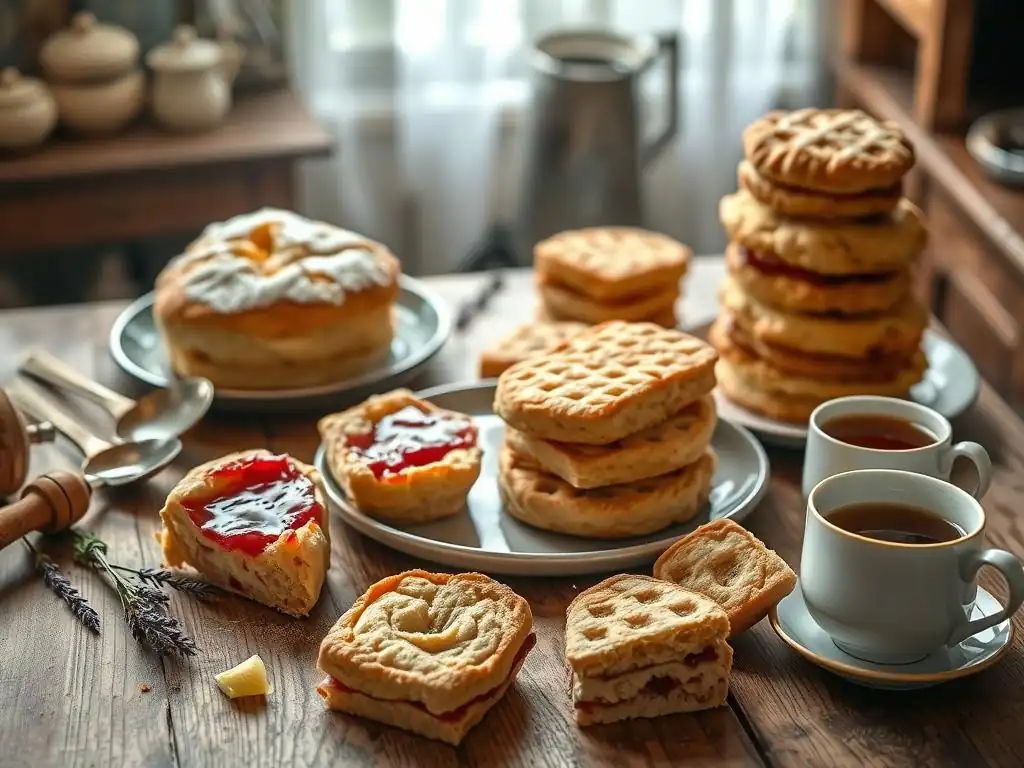
Welcome to BakeWithEase!
Are you ready to unlock the secrets of British baking, even if you're just starting your baking journey? Intriguing British Bakes You Need to Master explores the charming world of regional treats, offering beginner-friendly recipes that will have you creating delightful scones, crumbles, and more in no time. Discover the joy of baking with ease, one delicious recipe at a time! Intrigued? Let's dive into the heart of British baking and uncover some hidden gems...
- Intriguing British Bakes You Need to Master: British Baking Recipes for Beginners
- Discover the Delights of British Baking with BakeWithEase
- Why British Baking is Perfect for Beginners: Easy British Baking Recipes
- Mastering Essential British Baking Recipes: A Beginner's Guide
- Beyond the Basics: Expanding Your British Baking Repertoire
- Tips and Tricks for Successful British Baking: Beginner Edition
- Conclusion: Your Journey into British Baking Begins Now
-
Frequently Asked Questions
- What makes British baking recipes particularly appealing to beginners?
- Where can I find easy-to-follow British baking recipes specifically designed for beginners?
- Are there any essential tools or equipment I should invest in before trying British baking recipes?
- What are some of the most popular and approachable British baking recipes for someone new to baking?
- What if I struggle with a specific technique while following a British baking recipe?
- Final Reflection: The Enduring Allure of British Baking
- Unleash Your Inner Baker: British Baking Awaits!
Intriguing British Bakes You Need to Master: British Baking Recipes for Beginners
Discover the Delights of British Baking with BakeWithEase
Welcome to the wonderful world of British baking! If you've ever dreamt of creating delicious treats like fluffy scones, classic sponges, or rustic rock cakes right in your own kitchen, you're in the right place. British baking offers a rich tradition of comforting, straightforward recipes that are perfect for anyone starting their baking journey. At BakeWithEase, we believe that baking should be accessible and fun, and the array of classic British bakes truly embodies this philosophy. Get ready to explore simple yet satisfying recipes that have been enjoyed across the UK for generations.
Embarking on your baking adventure with British recipes is an excellent choice. These recipes often rely on fundamental techniques and readily available ingredients, making them ideal for building confidence and skills. From the perfect afternoon tea accompaniment to simple everyday treats, mastering a few core British bakes will equip you with a fantastic foundation. We'll walk you through some intriguing British baking recipes for beginners, demystifying the process and showing you just how easy it can be to bake like a Brit.
Why British Baking is Perfect for Beginners: Easy British Baking Recipes
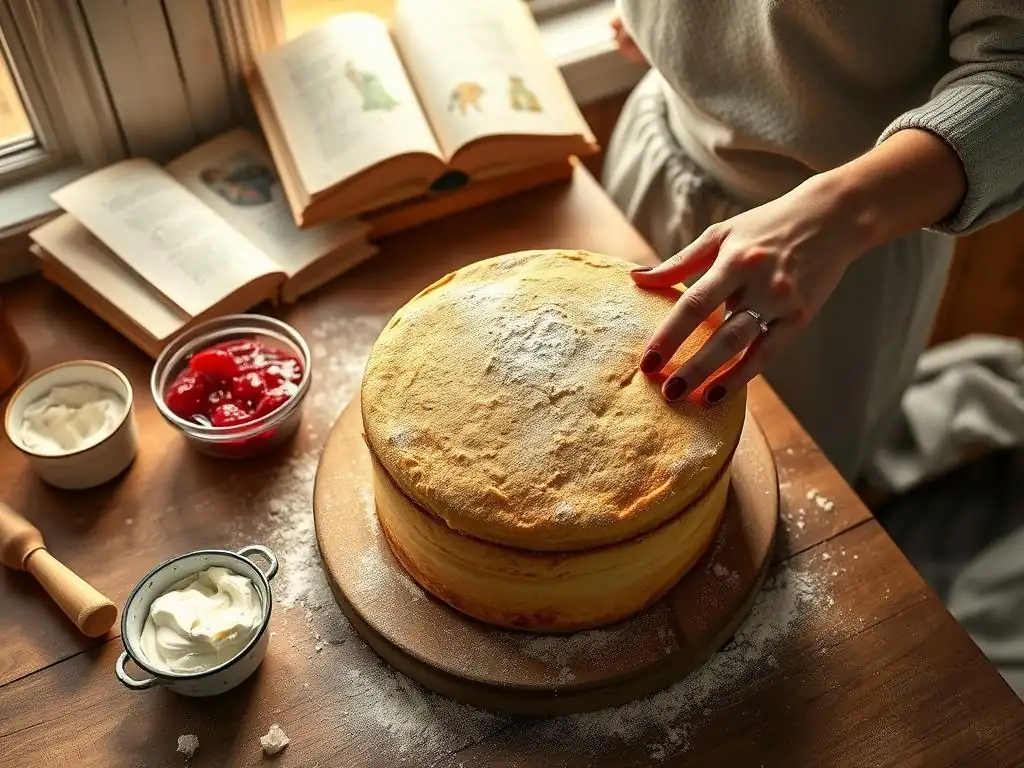
British baking stands out as an ideal starting point for novice bakers for several compelling reasons. Firstly, many traditional British recipes are designed for simplicity and reliability. They often don't require highly specialized equipment or advanced techniques. Think of classic shortbread, which typically uses just three main ingredients and a simple mixing method. This focus on straightforward processes means beginners can achieve successful results quickly, which is incredibly encouraging when you're just learning the ropes. These easy British baking recipes build fundamental skills like creaming butter and sugar, rubbing in flour and fat, and basic dough handling.
Furthermore, the forgiving nature of many British bakes makes them perfect for beginners. For instance, scones are relatively quick to mix and bake, offering a fast turnaround time to see your results. Even if they aren't perfectly shaped, they're still delicious! Rock cakes are another prime example; their rustic appearance is part of their charm, meaning minor imperfections are completely acceptable. This lower pressure environment allows beginners to experiment and learn from any mistakes without feeling like they've wasted a lot of time or expensive ingredients. Exploring British baking recipes for beginners is a low-stakes, high-reward activity.
The Simplicity and Satisfaction of Traditional British Bakes
Traditional British bakes are renowned for their uncomplicated nature and the deep satisfaction they bring, both in the making and the eating. Recipes like the basic scone or a simple sponge cake often follow a predictable pattern: measure ingredients, combine wet and dry elements, bake. There's rarely a need for complex folds, multiple proving stages (unless you venture into bread), or elaborate decorating skills.
The beauty lies in the quality of simple ingredients and fundamental techniques executed well. A perfectly baked batch of shortbread, for example, requires just the right balance of butter, sugar, and flour, and careful baking to achieve that desired crumbly texture.
The satisfaction derived from these bakes comes from their comforting familiarity and delicious results. Imagine pulling a tray of warm, golden scones from the oven, or slicing into a tender Victoria sponge filled with cream and jam. These are simple pleasures, achievable with minimal effort and maximum reward. Unlike some more intricate pastries from other traditions, British bakes are often designed for everyday enjoyment or casual gatherings, reinforcing their accessible and friendly nature. Mastering these simple British baking recipes for beginners provides a direct path to creating beloved comfort foods from scratch.
Accessibility of Ingredients for Classic British Treats
One of the greatest advantages of diving into British baking recipes for beginners is the widespread availability and affordability of the required ingredients. Most classic British bakes rely on pantry staples that are common in kitchens around the world: flour (plain or self-raising), sugar (caster, granulated, or brown), butter, eggs, milk, and basic leavening agents like baking powder or bicarbonate of soda. You don't typically need exotic spices, rare flours, or expensive extracts to create authentic flavours.
Even slightly less common ingredients like golden syrup (essential for things like treacle tart or flapjacks, and a key component in Chelsea bun glaze) are increasingly available internationally or have straightforward approximations. Currants, raisins, and mixed dried fruit, often found in recipes like rock cakes or fruit scones, are standard items in most grocery stores. This ease of sourcing ingredients removes a significant barrier for beginners, making it simple and cost-effective to try out numerous British baking recipes without a special shopping trip. It's this accessibility that makes learning these classic British treats so practical.
Mastering Essential British Baking Recipes: A Beginner's Guide
Ready to start baking? These foundational British baking recipes are perfect for beginners, offering a taste of tradition and a chance to build confidence. We'll walk you through the basics of scones, Victoria sponge, and rock cakes – three absolute classics that are forgiving and delicious.
Scone Perfection: A Beginner-Friendly British Baking Recipe
Scones are arguably one of the most iconic British bakes and a fantastic starting point for beginners. They are quick to make, require minimal ingredients, and teach you the crucial "rubbing in" method. A good scone should be light, airy, and rise well, perfect for splitting and filling with clotted cream and jam. While simple, there are a few tricks to achieving scone perfection, but don't worry, they are easy to learn!
This recipe typically yields about 8-10 scones and takes less than 30 minutes from start to finish. The key is not to overwork the dough, which can result in tough scones. Keeping everything cool is also beneficial. Once you master the basic scone, you can easily experiment with additions like cheese, fruit, or different flours. It's a versatile and essential skill in the repertoire of British baking recipes for beginners.
Simple Scone Recipe: Step-by-Step Instructions
Here’s a straightforward guide to making classic plain scones:
- Ingredients:
- 225g self-raising flour
- 1 tsp baking powder (if using plain flour, double this)
- 50g cold butter, cubed
- 25g caster sugar
- 150ml milk
- Pinch of salt
- Egg wash (1 egg beaten with a splash of milk) or just milk to glaze
- Equipment:
- Large mixing bowl
- Baking tray
- Round cutter (approx. 5-6cm)
- Method:
- Preheat your oven to 220°C (200°C Fan/Gas Mark 7). Lightly grease or line a baking tray.
- In the mixing bowl, sift the flour and baking powder (if using). Add the salt and sugar.
- Add the cold, cubed butter to the bowl. Using your fingertips, rub the butter into the dry ingredients until the mixture resembles coarse breadcrumbs. Lift your hands high to incorporate air.
- Make a well in the centre. Pour in most of the milk, reserving a little. Use a knife to quickly bring the dough together, adding more milk if needed, until you have a soft, slightly sticky dough. Do not overmix.
- Tip the dough onto a lightly floured surface. Gently pat it out to about 2cm thick.
- Dip your cutter in flour before each cut. Press straight down firmly to cut out scones – twisting the cutter can seal the edges and prevent a good rise.
- Place the scones onto the prepared baking tray.
- Lightly brush the tops of the scones with egg wash or milk, being careful not to let it drip down the sides (this can also impede the rise).
- Bake for 10-12 minutes, or until well-risen and golden brown on top.
- Transfer to a wire rack to cool slightly. Serve warm, ideally with clotted cream and jam.
Tips for Light and Fluffy Scones: Avoiding Common Mistakes
Achieving that coveted light and fluffy texture in scones is the goal for any beginner tackling British baking recipes. The key is to handle the dough as little as possible. Overworking the dough develops the gluten in the flour too much, resulting in a tough, heavy scone rather than a light one. Think of it as being gentle and quick – mix just until the ingredients are combined.
Another common pitfall is twisting the cutter. When you press the cutter down, make a clean, straight cut. Twisting can compress the edges of the scone dough, which prevents it from rising evenly and achieving maximum height.
Also, ensure your oven is properly preheated to a hot temperature (around 220°C) as a hot oven helps the scones rise quickly and achieve a good lift. Lastly, don't let the egg wash or milk glaze run down the sides; keep it just on the top surface. Follow these simple tips, and your scones will be wonderfully light and airy, a true triumph for beginner British baking.
Victoria Sponge: A Classic British Cake Recipe for New Bakers
The Victoria Sponge is the quintessential British cake, a teatime staple named after Queen Victoria herself. It's deceptively simple, typically made using the 'creaming method' where butter and sugar are beaten together until light and fluffy, then eggs and flour are added. Its appeal lies in its moist, tender crumb and the classic filling of jam and often whipped or buttercream. It's an excellent recipe for beginners to practice basic cake-making techniques and understand the importance of ingredient ratios and mixing methods.
A standard Victoria Sponge uses equal weights of butter, sugar, and flour, with eggs added to bind. A common starting point is 175g or 200g of each of the dry ingredients, plus 3-4 eggs. This simple ratio makes it easy to scale up or down. The result is two light sponge layers ready for filling. Mastering this cake is a significant step in learning British baking recipes for beginners and opens the door to countless other cake variations.
Creating the Perfect Victoria Sponge: Layering and Filling
Creating a perfect Victoria Sponge is all about achieving light, even sponge layers and a delicious, classic filling. Once your two sponge cakes are baked and cooled, the assembly is straightforward. Place one cake layer bottom-side up on your serving plate. This provides a flat surface for the filling. Spread a generous layer of good quality jam right up to the edges. Traditionally, raspberry jam is favoured for its slight tartness which contrasts nicely with the sweet cake and cream.
Next, if using cream, dollop or spread whipped cream or buttercream over the jam layer. Ensure it's spread evenly but don't press down too hard. Carefully place the second sponge layer on top, top-side up.
The top layer of the cake is usually the one that was facing up in the tin during baking, giving it a smoother finish. A final dusting of icing sugar over the top completes this iconic cake. The combination of soft sponge, sweet jam, and creamy filling is what makes the Victoria Sponge a beloved classic among British baking recipes for beginners and experts alike.
Variations on the Victoria Sponge: Raspberry Jam vs. Strawberry Jam
While the classic Victoria Sponge filling is raspberry jam, exploring variations is part of the fun of British baking recipes for beginners. Strawberry jam is a popular alternative, offering a sweeter, often less tart flavour profile than raspberry. Using strawberry jam results in a cake that is perhaps more universally appealing, especially for those who prefer less sharpness. The vibrant red colour of both jams provides a beautiful contrast against the pale sponge and cream.
Beyond the type of jam, you can also experiment with the cream. While traditionally filled with just jam or jam and whipped cream, many modern recipes use a simple buttercream frosting (butter, icing sugar, and a little milk or vanilla extract). Some bakers even add fresh strawberries or raspberries to the filling for extra texture and flavour. These small variations allow beginners to personalize a classic recipe while still adhering to the fundamental structure of the Victoria Sponge, making it a versatile addition to their growing list of British baking recipes.
Rock Cakes: A Rustic and Easy British Baking Recipe
Rock cakes are a wonderfully simple and rustic British treat, named for their slightly uneven, 'rock-like' appearance. They are essentially a type of scone dough enriched with sugar, egg, and often mixed dried fruit, baked as individual lumps rather than cut out neatly. This lack of required precision in shaping makes them incredibly forgiving and a perfect example of easy British baking recipes for beginners. They require minimal handling and bake relatively quickly.
Historically, rock cakes gained popularity partly due to rationing during WWII, as they required fewer eggs and sugar than traditional cakes. A typical recipe might use around 200g of flour, 75g of butter, 50g sugar, one egg, a little milk, and about 75-100g of mixed dried fruit.
The method is similar to scones – rubbing in the fat, adding sugar and fruit, then mixing with egg and milk – but instead of rolling and cutting, you simply place spoonfuls of the mixture onto a baking tray. Their charm lies in their simplicity and chewiness, making them a delightful addition to your repertoire of British baking recipes for beginners.
The Charm of Rock Cakes: A Simple British Baking Delight
The charm of rock cakes lies in their unpretentious nature and satisfying texture. They aren't meant to be perfectly uniform or elaborately decorated; their slightly craggy, golden-brown exterior is part of their appeal. Inside, they are dense yet tender, studded with sweet dried fruit. They are incredibly easy to mix up – often just a bowl, a fork, and your hands are all you need. This makes them ideal for spontaneous baking or getting children involved.
Baking rock cakes requires very little fuss. Once the dough is mixed, you simply use two spoons (or your hands) to drop rough mounds onto a baking sheet. There's no rolling, no cutting, no scraps to re-roll. This straightforward approach is incredibly appealing for anyone new to baking. They bake in about 15-20 minutes, filling your kitchen with a lovely, spiced aroma if you've added mixed spice. These easy British baking recipes truly highlight how simple ingredients and methods can create comforting and delicious results.
Customizing Your Rock Cakes: Adding Raisins and Mixed Spice
While the basic rock cake recipe is fantastic on its own, customizing them is easy and encourages beginner bakers to experiment. The most common additions are dried fruits like raisins, currants, sultanas, or a mix of all three (often sold as "mixed dried fruit" in the UK). A typical recipe might call for 75g to 100g of mixed dried fruit, but you can adjust this to your preference. Soaking the fruit in a little hot water or tea for 10 minutes before adding can make them plumper and more moist in the baked cake.
Another popular addition that enhances the traditional flavour is mixed spice. British mixed spice is a blend typically containing cinnamon, coriander seed, caraway, nutmeg, ginger, and cloves. Adding a teaspoon or two to the dry ingredients gives the rock cakes a warm, aromatic flavour that is characteristic of many traditional British baked goods. Other possible additions for beginners feeling a bit more adventurous include a little citrus zest (lemon or orange) or chopped nuts. These simple tweaks allow you to put your own spin on these classic British baking recipes.
Beyond the Basics: Expanding Your British Baking Repertoire
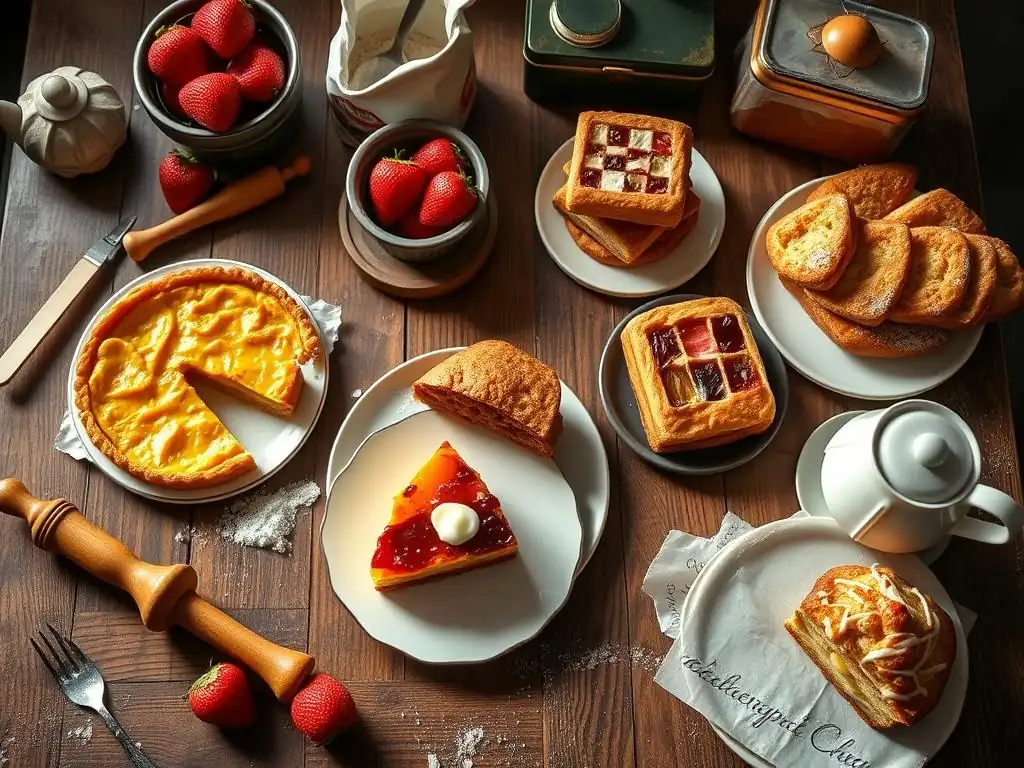
Once you've mastered scones, Victoria sponge, and rock cakes, you might feel ready to tackle a couple more classic British bakes that, while slightly more involved, are still very achievable for beginners. Shortbread and Chelsea buns are excellent next steps, introducing new techniques while remaining firmly within the realm of accessible British baking recipes.
Shortbread: A Buttery British Biscuit Recipe Made Easy
Shortbread is a beloved Scottish biscuit (cookie) that is a staple across the UK. Its charm lies in its simplicity: traditionally made with just flour, butter, and sugar, often in a 3:2:1 ratio by weight (flour:butter:sugar). The high butter content gives it a wonderfully rich, crumbly texture that melts in your mouth. While simple, achieving the perfect shortbread texture requires attention to detail, particularly regarding mixing and baking. It's a great recipe for beginners to practice creaming and understanding the impact of fat content.
A typical batch using 225g flour, 150g butter, and 75g sugar will yield a good-sized tray bake or multiple individual biscuits. The key is to handle the dough minimally after combining the ingredients and baking it slowly at a relatively low temperature to ensure it cooks through without browning too much. Shortbread is a fundamental British baking recipe that, once mastered, is incredibly versatile and satisfying to make.
Achieving the Perfect Shortbread Texture: Resting the Dough
The secret to achieving that signature crumbly, melt-in-your-mouth texture in shortbread often lies in how you handle the dough and whether you allow it to rest. After mixing the flour, sugar, and butter (either by rubbing in or creaming), avoid overworking it into a smooth, elastic dough like you would bread. You want to just bring it together into a cohesive mass. Overworking develops gluten, which will make the shortbread tough rather than crumbly.
Once the dough is formed, pressing it gently into your desired shape (a round, a square, or individual fingers) is important. Before baking, many traditional recipes recommend chilling the dough in the refrigerator for at least 30 minutes, sometimes longer. This resting period allows the butter to firm up, which helps the shortbread hold its shape better during baking and contributes to a more tender, crumbly texture.
Baking at a moderate temperature (around 150-160°C) for a longer time also helps to dry out the biscuit without browning it excessively, further enhancing the crumbly texture. These steps elevate simple British baking recipes like shortbread.
Variations on Shortbread: Petticoat Tails and Fingers
Shortbread comes in several traditional shapes, the most common being 'fingers' and 'petticoat tails'. Shortbread fingers are simply rectangular bars, typically made by pressing the dough into a square or rectangle and cutting it into strips before or after baking. This is arguably the easiest shape for beginners.
Petticoat tails are traditionally made by pressing the dough into a large circle, scoring it into 6, 8, or 12 wedges (like a pie), and often pricking the surface with a fork. The name is said to derive from the shape resembling pieces of fabric used for a petticoat or perhaps from the French petites gatelles, meaning little cakes. While the shape is slightly more decorative, the dough and method remain the same as for fingers, making it an achievable variation for beginners exploring British baking recipes.
Chelsea Buns: A Sweet and Sticky British Baking Challenge (for Beginners)
Chelsea buns are a sweet, sticky, spiced fruit bun, originating from the Chelsea Bun House in London in the 18th century. They are a delightful step up for beginners from simple cakes or biscuits, as they involve working with a simple enriched yeast dough. While yeast can sometimes feel intimidating, the dough for Chelsea buns is quite forgiving, and the process is straightforward: make a sweet dough, roll it out, spread with filling, roll up like a Swiss roll, slice, and bake.
A typical recipe for about 8-12 buns involves a sweet dough made with flour, yeast, milk, sugar, butter, and egg, filled with currants, brown sugar, and spice. The key is patience during the proving (rising) stages. While they require a bit more time than a scone or shortbread, the reward of warm, sticky, spiced buns is well worth it. Tackling Chelsea buns is an excellent way for beginners to gain confidence with yeast dough in the context of delicious British baking recipes.
Demystifying Chelsea Buns: A Simplified Recipe
Working with yeast dough for the first time can seem daunting, but the process for Chelsea buns is quite simple for beginners. You start by activating the yeast (often by mixing it with warm milk and a pinch of sugar until frothy, if using active dry yeast) or adding it directly to the flour (if using instant yeast).
Then, you combine the dry ingredients with the wet ingredients, including melted butter and an egg, to form a soft dough. Kneading develops the gluten, making the dough elastic – this can be done by hand for about 5-10 minutes or in a stand mixer.
After kneading, the dough is left to rise in a warm place until it has doubled in size (this is the first 'prove'). This usually takes 1-2 hours. Once risen, the dough is punched down, rolled into a rectangle, spread with the buttery, sugary, fruity filling, rolled up, and sliced. These slices are then placed onto a baking tray and left for a second, shorter prove (about 30-45 minutes) before baking. Breaking it down into these simple steps makes Chelsea buns a manageable and rewarding project for beginners exploring British baking recipes.
The Secret to a Perfect Chelsea Bun Glaze: Golden Syrup Glaze Recipe
A perfect Chelsea bun isn't complete without its signature sticky glaze, and the secret weapon here is often golden syrup. While some recipes use a simple icing sugar glaze, a glaze made with golden syrup adds a unique depth of flavour and that characteristic stickiness. Golden syrup is a thick, amber-coloured sugar syrup common in British baking, known for its rich, buttery flavour.
A simple golden syrup glaze can be made by gently heating golden syrup with a little butter and sometimes a splash of water or milk until combined and slightly runny. This warm glaze is then brushed generously over the Chelsea buns as soon as they come out of the oven. As the buns cool, the glaze sets to a glossy, sticky finish.
Alternatively, some recipes involve melting golden syrup and butter and pouring it into the bottom of the baking tin before adding the buns, resulting in a deeply caramelised, sticky base. Whichever method you choose, the golden syrup glaze elevates Chelsea buns from good to absolutely irresistible, making them a highlight in your collection of British baking recipes for beginners.
Tips and Tricks for Successful British Baking: Beginner Edition
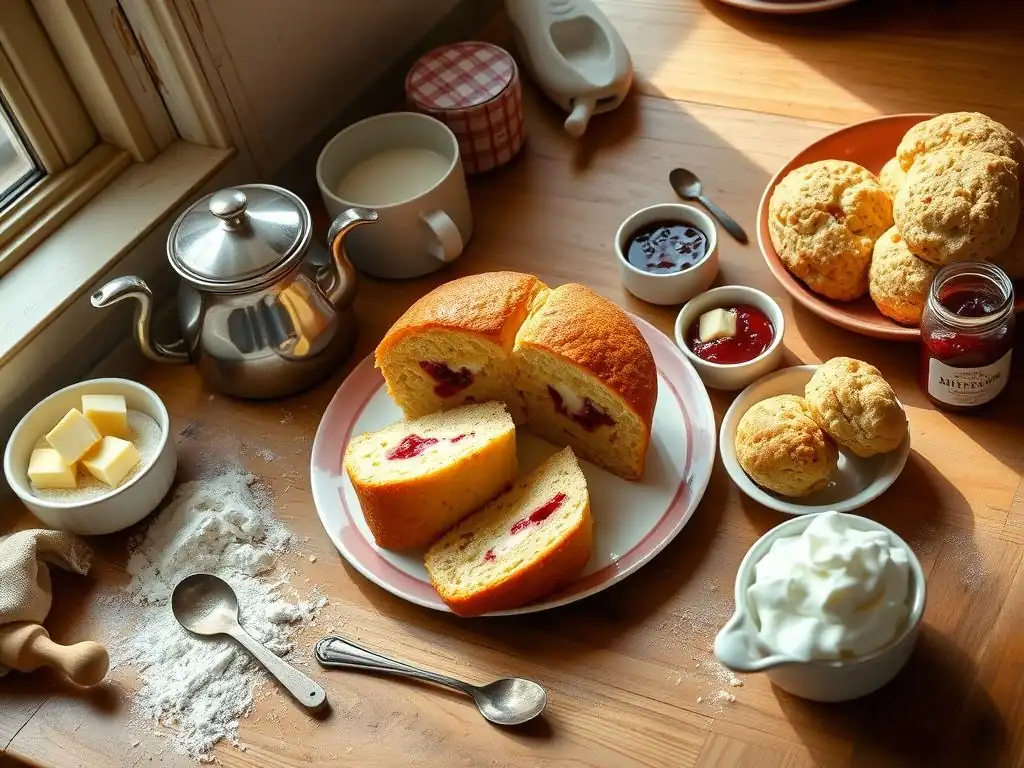
Embarking on your journey through British baking recipes for beginners is exciting, and a few simple tips can make the process even smoother and more successful. Paying attention to basic equipment, avoiding common pitfalls, and understanding simple ingredient substitutions will set you up for delicious results every time.
Essential Equipment for British Baking Beginners
You don't need a professional kitchen to start baking British classics. Many essential British baking recipes require only basic tools likely already in your kitchen.
- Mixing bowls (at least one large)
- Measuring scales (digital are most accurate for baking)
- Measuring spoons
- Whisk (a balloon whisk is useful)
- Wooden spoon or rubber spatula
- Sieve
- Baking trays or sheets
- Cake tins (like 20cm round tins for Victoria Sponge)
- Wire cooling rack
- Optional but useful: Pastry blender or food processor (for rubbing in fat), rolling pin, cookie cutters.
Having these basic items will allow you to tackle most beginner British baking recipes with ease. Accuracy in measuring ingredients, particularly flour and leavening agents, is crucial for success, so reliable scales are highly recommended.
Common Mistakes to Avoid in British Baking: Overmixing and Overbaking
Two of the most frequent mistakes beginners make when following British baking recipes are overmixing doughs and batters and overbaking the finished goods. As we discussed with scones and shortbread, overmixing develops gluten, leading to tough textures in cakes, biscuits, and scones. For most recipes, mix wet and dry ingredients just until combined – a few lumps in cake batter are often preferable to a smooth, overworked mixture.
Overbaking is equally detrimental. Cakes and muffins can become dry, while biscuits and scones can turn hard. Always check for doneness using the method appropriate for the bake (e.g., a skewer inserted into a cake should come out clean). Ovens can vary, so it's better to check a minute or two early than bake too long. British baking recipes often specify visual cues like 'golden brown' or 'well-risen'; pay attention to these cues as much as the timing. Avoiding these simple errors will significantly improve your results with British baking recipes for beginners.
Ingredient Substitutions for British Baking Recipes: Using Margarine Instead of Butter
While butter is often preferred for its flavour and richness in many British baking recipes, understanding simple ingredient substitutions can be helpful, especially for beginners or those with dietary considerations. One common question is about substituting margarine for butter. In many recipes, particularly cakes, muffins, and some biscuits, block margarine or a baking spread can be used instead of butter with reasonable success.
However, it's important to note that not all margarines are created equal, and they behave differently to butter due to their water content and fat composition. For recipes where the fat is "rubbed in" (like scones or crumble topping), cold, firm block margarine works best. For creaming (like in a Victoria Sponge), a softer baking spread can be easier to work with than cold butter.
The result might be slightly different in flavour or texture compared to using pure butter, but it's often a viable substitute for many beginner British baking recipes. Avoid soft tub margarines for most baking as their high water content can negatively impact texture.
Conclusion: Your Journey into British Baking Begins Now
You've taken the first step towards mastering some truly delightful and comforting bakes. From the simple elegance of a scone to the rustic charm of a rock cake and the classic comfort of a Victoria sponge, British baking offers a welcoming and achievable entry point for anyone new to the kitchen. These recipes are designed for ease and rely on readily available ingredients, making them perfect British baking recipes for beginners.
Armed with basic equipment, a few simple techniques, and a willingness to learn, you are well-equipped to create delicious British treats. Don't be afraid to start simple, follow the steps carefully, and remember that baking is a journey of practice and discovery. Every bake, successful or not quite perfect, teaches you something new.
Embrace the Simplicity and Flavor of British Baking Traditions
British baking traditions are steeped in creating comforting, flavourful food without unnecessary complexity. They celebrate the quality of simple ingredients transformed through straightforward methods. As you explore these British baking recipes for beginners, you'll find yourself connecting with centuries of culinary history and providing delicious moments for yourself, friends, and family.
Embracing this simplicity is key. Focus on understanding the basic techniques – rubbing in, creaming, gentle mixing. Appreciate the humble ingredients like flour, butter, and sugar, and how they combine to create magic. Whether you're making your first batch of scones or attempting your first Chelsea buns, the process itself is rewarding. So, preheat your oven, measure your ingredients, and enjoy the satisfying experience of bringing these intriguing British bakes to life. Your journey into the heart of British baking starts now, and BakeWithEase is here to guide you every step of the way.
Frequently Asked Questions
What makes British baking recipes particularly appealing to beginners?
British baking often emphasizes simple ingredients and straightforward techniques, making them accessible. Many recipes also offer a rich history and cultural significance, adding to their charm.
Where can I find easy-to-follow British baking recipes specifically designed for beginners?
BakeWithEase.com is a great resource, offering step-by-step guides and beginner-friendly versions of classic British bakes. Look for recipes tagged with "beginner" or "easy".
Are there any essential tools or equipment I should invest in before trying British baking recipes?
A good set of measuring cups and spoons is crucial for accurate baking. A reliable oven and basic mixing bowls are also essential for consistent results.
What are some of the most popular and approachable British baking recipes for someone new to baking?
Scones and Victoria Sponge cakes are excellent starting points due to their simplicity. Shortbread is another classic option that requires minimal ingredients and effort.
What if I struggle with a specific technique while following a British baking recipe?
Don't be afraid to search online for tutorials demonstrating the technique. BakeWithEase.com often provides detailed explanations and visual aids to help troubleshoot common issues.
Final Reflection: The Enduring Allure of British Baking
The simple joy of a perfectly risen scone or a melt-in-your-mouth Victoria sponge is more than just a recipe; it's a connection to history, tradition, and the comforting warmth of home. These classic British bakes, often perceived as intimidating, are surprisingly accessible, as we've explored throughout this article. Mastering even one of these recipes unlocks a world of culinary satisfaction and a deeper appreciation for British food culture.
The influence of British baking extends far beyond the kitchen table. It's woven into the fabric of social gatherings, celebrations, and everyday life. From the humble afternoon tea to the grand occasion of a wedding cake, these recipes represent shared experiences and cherished memories. As the great British chef, Mary Berry, once said: Baking is about love. It's about sharing. It's about making people happy.
This sentiment perfectly encapsulates the heart and soul of British baking, and its enduring appeal across generations.
Now, it's your turn. Don't be intimidated by the seemingly complex techniques or long ingredient lists. Choose a recipe that sparks your interest, gather your ingredients, and embrace the process. The journey of learning to bake these iconic treats is as rewarding as the delicious results. Let the aroma of freshly baked goods fill your kitchen, and share the joy of your creations with loved ones. You might just discover a newfound passion, a treasured skill, and a deeper connection to the rich heritage of British baking.
Unleash Your Inner Baker: British Baking Awaits!
Thanks for joining us on this delicious journey through the world of British baking! We hope you’ve discovered some new treats to tantalize your taste buds and inspire your next kitchen adventure. Ready to roll up your sleeves and get baking?
- Bake your favorite recipe from the article: Choose your favorite British bake and get started! Let us know how it goes in the comments below.
- Explore our recipe library: Discover even more amazing British recipes on BakeWithEase.com. You might just find your new signature dish!
- Share your baking creations with us and the community on social media using #BakeWithEase – we can't wait to see what you whip up!
What unique British twist will you add to your next baking masterpiece?