
Using Multiple Sourdough Starters: Exploring Different Flavors

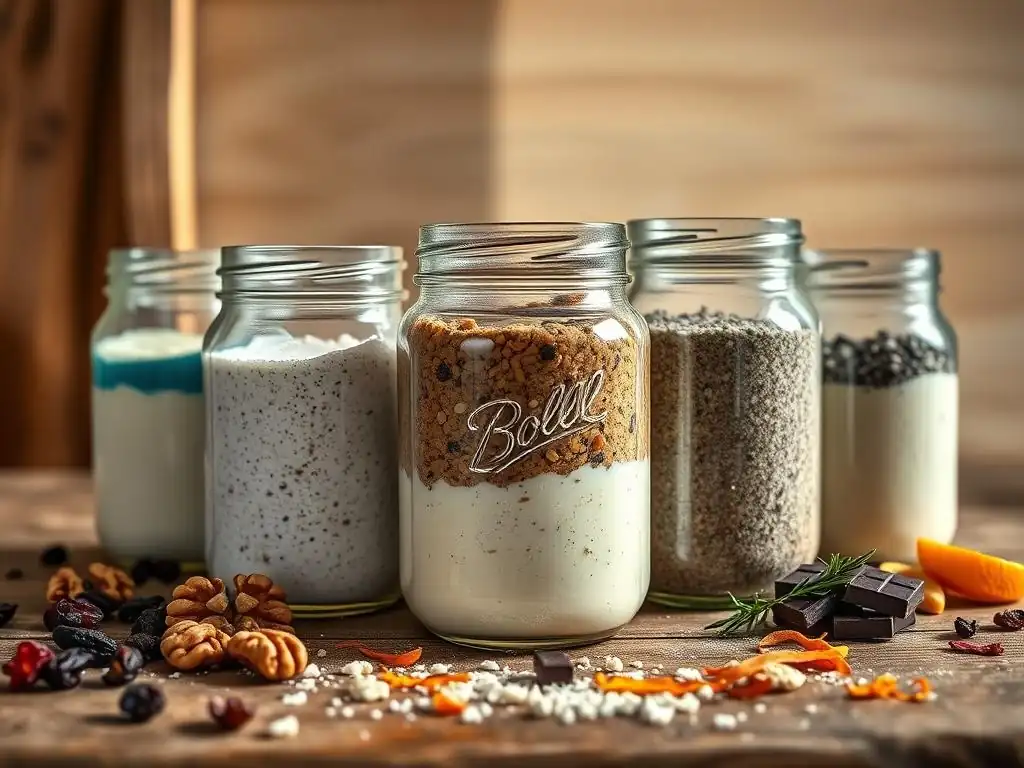
Welcome to BakeWithEase, your trusted guide to the delightful world of baking! Ever wondered how to unlock a symphony of unique tastes in your sourdough creations? This article dives deep into the fascinating realm of using multiple sourdough starters, each offering a distinct flavor profile. Prepare to elevate your baking game as we explore exciting sourdough starter flavor combinations that will tantalize your taste buds and leave you craving more. Ready to embark on this delicious journey? Let's get started!
- Introduction to Sourdough Starter Flavor Combinations
- Creating and Maintaining Multiple Sourdough Starters for Unique Flavors
- Exploring Sourdough Starter Flavor Combinations: A Guide to Unique Breads
- Sourdough Starter Flavor Combinations: Recipe Ideas and Applications
- Troubleshooting Sourdough Starter Flavor Imbalances
- Advanced Sourdough Techniques: Beyond Basic Starters
- Conclusion: Mastering Sourdough Starter Flavor Combinations for Exceptional Bread
-
Frequently Asked Questions
- How does using multiple sourdough starters affect the final product's flavor?
- Can I maintain multiple sourdough starters with different flours?
- Is it difficult to manage multiple sourdough starters simultaneously?
- What are some popular sourdough starter flavor combinations I can try?
- How do I adjust my recipe when using a blend of sourdough starters?
- Final Reflection: The Symphony of Sourdough Starters
- Unleash Your Inner Baker: Experiment with Sourdough!
Introduction to Sourdough Starter Flavor Combinations
Venturing beyond a single, trusty sourdough starter opens up a world of intricate flavors and textures in your baking. While a single starter can produce wonderful loaves, employing multiple starters, each nurtured with different flours or maintained under varying conditions, allows for a deliberate exploration of the vast spectrum of sourdough starter flavor combinations. This approach is not just about making bread; it's about becoming an artisan, understanding how microbial activity, flour type, and environmental factors converge to create truly unique taste profiles.
Mastering sourdough starter flavor combinations involves understanding the nuances of fermentation and how different microbial populations thrive. Just as a winemaker selects specific yeast strains and grape varietals, a baker can cultivate distinct starters to influence the final product's aroma, tanginess, and crumb structure. This guide delves into the fascinating possibilities that arise when you move from maintaining one starter to curating a collection, each contributing a unique note to your diverse repertoire of baked goods.
Why Experiment with Multiple Sourdough Starters?
Experimenting with multiple sourdough starters is a journey towards unlocking a wider palette of tastes and aromas in your bread. Each starter, depending on its feeding regimen, flour type, and age, develops a unique community of wild yeasts and lactic acid bacteria, the microorganisms responsible for both leavening and flavor.
By maintaining separate starters, you gain the ability to select the specific flavor profile needed for a particular bake, rather than being limited to the characteristics of a single culture. This allows for precision in crafting sourdough starter flavor combinations that can range from mildly sweet and nutty to intensely sour and complex.
Furthermore, having multiple starters provides flexibility and resilience. If one starter is sluggish or develops an undesirable characteristic, you have others ready to go. It also enables you to bake a variety of bread types simultaneously, perhaps using a robust rye starter for a dense, flavorful loaf and a lighter, white flour starter for an airy baguette. This strategic use of different starters empowers you to tailor your baking to specific culinary goals, enriching both the process and the delicious outcomes.
Understanding Sourdough Starter Flavor Profiles
The flavor profile of a sourdough starter is primarily determined by the balance between lactic acid and acetic acid produced by the bacteria, and the various metabolic byproducts of the yeasts. Lactic acid contributes a milder, yogurt-like tang, while acetic acid lends a sharper, vinegar-like bite. The ratio of these acids is heavily influenced by temperature and feeding frequency.
For instance, a starter maintained at lower temperatures (around 18-20°C) and fed less frequently tends to develop more acetic acid, resulting in a tangier starter. Conversely, warmer temperatures (25-28°C) and more frequent feedings favor lactic acid production, leading to a milder, often sweeter aroma.
Beyond acidity, the type of flour used to feed the starter plays a crucial role in its flavor development. Whole grain flours like rye or whole wheat introduce more complex carbohydrates and minerals, providing a richer food source for the microbes. This often leads to starters with deeper, more complex flavors, sometimes described as earthy, nutty, or even slightly spicy.
White flour starters, while still capable of developing significant tang, tend to have a cleaner, less dominant flavor profile, allowing the characteristics of the final dough's flour to shine through more clearly. Understanding these fundamental influences is key to intentionally developing specific sourdough starter flavor combinations.
Creating and Maintaining Multiple Sourdough Starters for Unique Flavors
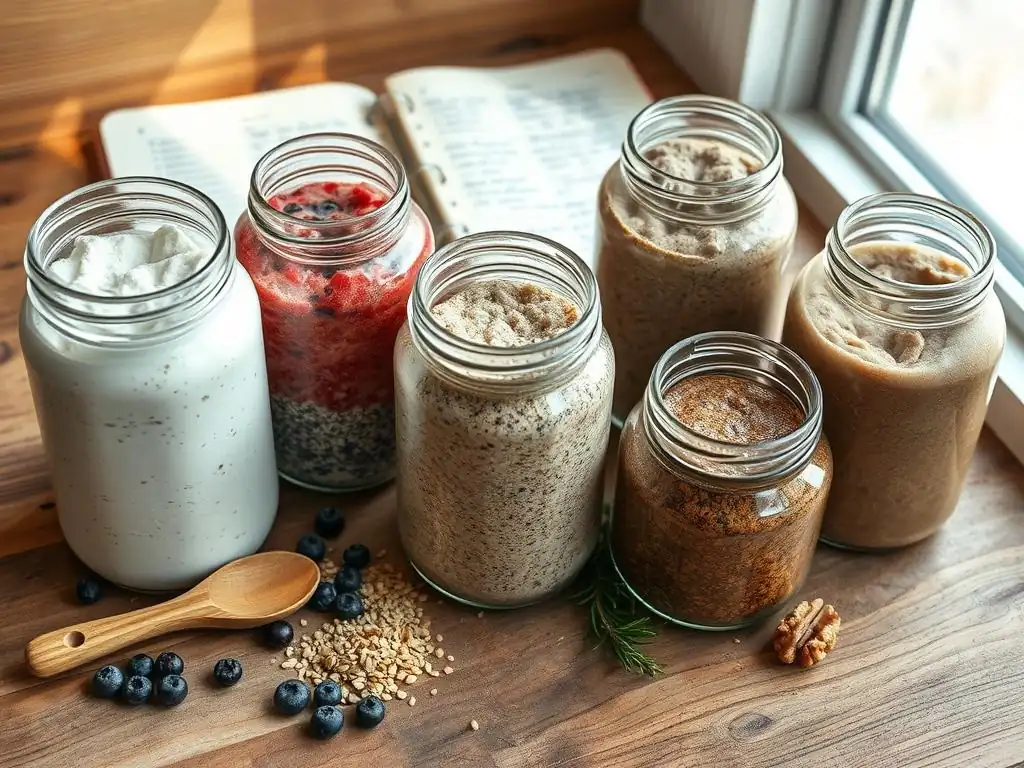
Managing multiple sourdough starters requires organization and attention, but the rewards in terms of flavor diversity are immense. The process begins much like creating a single starter: mixing flour and water and allowing the wild yeasts and bacteria present to colonize and ferment.
However, to cultivate distinct flavor profiles, you must differentiate them from the outset, primarily through the type of flour used for feeding and the environmental conditions under which they are maintained. Keeping them in separate jars, clearly labeled with their flour type (e.g., "Rye Starter," "White Wheat Starter," "Spelt Starter"), is essential to prevent cross-contamination and track their individual characteristics.
Consistency in care is paramount for each individual starter, but the differences in their care are what cultivate unique flavors. Decide on the specific flour blend for each starter (e.g., 100% rye, 50% whole wheat/50% white, 100% spelt) and stick to it.
Also, determine a feeding schedule and hydration level for each that aligns with the desired flavor outcome, as discussed earlier. For example, a starter you want to be very active and mildly tangy might be kept at 100% hydration and fed daily at room temperature (around 24°C), while one intended for a sharper tang might be kept at a slightly lower hydration (say, 80%) and fed less frequently or stored in a cooler location.
Establishing Separate Sourdough Cultures
Establishing separate sourdough cultures begins with the initial mix and subsequent feeding regimen. To create a rye starter, for instance, combine rye flour and water. For a white wheat starter, use bread flour or all-purpose flour.
While it's possible to split an existing, mature starter and begin feeding the halves with different flours, starting from scratch with distinct flour types can sometimes lead to slightly different microbial communities from the very beginning, influencing the eventual sourdough starter flavor combinations you can achieve. The initial phase involves discarding a portion and feeding regularly until the culture is consistently active and doubles in size within a predictable timeframe, typically 4-12 hours depending on temperature and hydration.
Once established, the key to maintaining distinct cultures lies in rigorous separation and consistent feeding with the chosen flour. Always use clean jars and utensils for each starter to avoid accidentally introducing one culture's microbes into another.
Labeling is crucial – a simple piece of tape with the starter's name (like "Winston - White Wheat" or "Boris - Rye") and the date of the last feeding can prevent mix-ups. Aim for a feeding ratio (starter:flour:water) that keeps the starter active for the desired period between feedings, such as 1:2:2 or 1:3:3, ensuring the microbes have plenty of food to develop their characteristic flavors.
Feeding Schedules and Their Impact on Flavor
The frequency and ratio of feeding significantly impact a sourdough starter's microbial balance and, consequently, its flavor. A starter fed frequently (e.g., every 12 hours at room temperature) with a high ratio of fresh flour and water (e.g., 1:3:3) will consume its food quickly and maintain a less acidic environment.
This promotes the growth of lactic acid bacteria that produce milder flavors and helps keep acetic acid production lower, resulting in a less tangy starter. Such a starter is often very active and rises reliably, ideal for light, airy breads where extreme tang is not desired in the sourdough starter flavor combinations.
Conversely, a starter fed less often (e.g., every 24 hours or less frequently if refrigerated) or with a lower feeding ratio (e.g., 1:1:1) will spend more time in an acidic state as the food is depleted. This environment favors acetic acid bacteria, leading to a more pronounced, vinegary tang.
A starter stored in the refrigerator and fed weekly or bi-weekly will develop significant acidity and a strong flavor profile, perfect for adding a punchy tang to rustic loaves. Experimenting with different feeding schedules for your distinct starters allows you to cultivate a range of tanginess levels for various sourdough starter flavor combinations.
Maintaining Starter Consistency for Flavor Control
Maintaining consistency in hydration, temperature, and feeding ratio for each specific starter is vital for predictable flavor development. A starter's hydration level (the ratio of water to flour by weight) affects its texture and the type of acids produced. Higher hydration starters (e.g., 100% or more) tend to favor lactic acid, while stiffer starters (e.g., 60-80% hydration) can encourage more acetic acid. Keeping each starter at its intended hydration level ensures its microbial community continues to produce the desired balance of acids and other flavor compounds.
Temperature is perhaps the most influential factor in controlling the speed of fermentation and the resulting flavor profile. As mentioned, warmer temperatures (25-28°C) promote lactic acid, while cooler temperatures (18-20°C) favor acetic acid. Maintaining a consistent temperature for each starter, whether it's kept at room temperature, in a proofing box, or in the refrigerator, is crucial for achieving repeatable sourdough starter flavor combinations. Sudden temperature swings can stress the culture and lead to unpredictable results. By controlling these variables, you can reliably replicate the conditions that yield the specific flavor profile you desire from each starter.
Exploring Sourdough Starter Flavor Combinations: A Guide to Unique Breads
Delving into sourdough starter flavor combinations is where the art of baking truly shines. By understanding how different starters contribute distinct notes, you can design breads with complex and layered tastes. This involves not just using a single starter with a specific flour, but potentially blending starters or using a starter made with one flour type to leaven a dough made with a different flour type. The possibilities are vast, allowing bakers to move beyond the basic sourdough taste to create signature loaves.
The exploration of sourdough starter flavor combinations is rooted in the interaction between the starter's microbial activity and the components of the final dough. A starter provides both leavening power and a significant portion of the flavor compounds. When you introduce a starter with a pronounced rye tang to a dough made predominantly with strong white bread flour, the resulting bread will have characteristics from both – the open crumb structure facilitated by the white flour and the deep, earthy tang from the rye starter. This intentional mixing and matching is key to developing unique and delicious bread profiles.
The Science Behind Sourdough Flavor Development
Sourdough flavor development is a complex biochemical process driven by the metabolic activities of wild yeasts and lactic acid bacteria (LAB). Yeasts primarily produce carbon dioxide for leavening and ethanol, which evaporates during baking but contributes subtle aromatic compounds. LAB, which are usually present in much higher numbers than yeasts, are the main architects of sourdough flavor. The two predominant types are Lactobacillus and Pediococcus.
These bacteria ferment sugars in the flour, producing lactic acid and acetic acid. The ratio of these acids, as discussed earlier, is heavily influenced by temperature, hydration, and feeding frequency. Lactobacillus sanfranciscensis, a common species found in many starters, is heterofermentative, meaning it produces both lactic acid and acetic acid, along with CO2 (though less than yeast).
Other bacteria are homofermentative, producing primarily lactic acid. The specific mix of LAB species in your starter, along with their environmental conditions, dictates the balance of acids and other flavor compounds like diacetyl (buttery notes) and various aldehydes and ketones, creating the unique signature of your sourdough starter flavor combinations.
Impact of Flour Type on Sourdough Starter Flavor
The type of flour used to feed a sourdough starter profoundly impacts its flavor profile. Different flours contain varying levels of sugars, starches, minerals, and enzymes, all of which influence the microbial activity and the resulting metabolic byproducts. Whole grain flours, such as whole wheat, rye, spelt, or kamut, contain the bran and germ in addition to the endosperm. These components are rich in nutrients that support a diverse microbial population and contain enzymes that break down complex carbohydrates into simpler sugars, providing more food for fermentation.
Rye flour, in particular, is known for producing very active starters with a characteristic deep, earthy, and sometimes pungent flavor. Its high enzyme activity makes sugars readily available. Whole wheat flour also yields robust starters with nutty and tangy notes.
Specialty flours like spelt or kamut contribute their own unique nuances – spelt often results in a milder, slightly sweet tang, while kamut can lend buttery or nutty undertones. White flours, being primarily endosperm, provide a cleaner substrate, resulting in starters whose flavor is more directly tied to the acid balance and less to the inherent flour taste, allowing for different sourdough starter flavor combinations in the final dough.
Temperature and its Effect on Sourdough Starter Taste
Temperature is a critical dial for manipulating the taste of your sourdough starter. The optimal temperature range for sourdough fermentation typically falls between 20°C and 28°C (68°F to 82°F). Within this range, relatively small differences can significantly shift the balance between lactic and acetic acid production, directly influencing the starter's tanginess.
Warmer temperatures, specifically in the upper part of the range (25-28°C or 77-82°F), favor the growth and activity of homofermentative LAB, which produce primarily lactic acid. This results in a milder, more rounded acidity often described as yogurt-like. Conversely, cooler temperatures (20-24°C or 68-75°F) tend to promote heterofermentative LAB and acetic acid production, leading to a sharper, more pronounced, and sometimes vinegary tang.
By maintaining your different starters at slightly varied temperatures, you can cultivate distinct levels of acidity and flavor profiles, expanding the range of sourdough starter flavor combinations you can introduce into your baking. Refrigeration (around 4°C or 40°F) drastically slows fermentation, allowing acids to accumulate over time between feedings, resulting in very tangy starters.
Sourdough Starter Flavor Combinations: Recipe Ideas and Applications
Applying different sourdough starters to specific recipes is where the exploration of sourdough starter flavor combinations truly comes to life. Instead of using a generic starter, you can choose one or even combine them to achieve a desired taste profile in your final loaf. The examples below illustrate how different starters can be utilized to create distinct types of bread, highlighting the impact of the starter choice on the final flavor.
These recipe concepts demonstrate the power of selecting the right starter for the job. Using a robust rye starter can anchor a dense, hearty loaf, while a mild white starter allows the subtle sweetness of enriched doughs to shine. Combining starters can create layers of flavor complexity not achievable with a single culture. Exploring these sourdough starter flavor combinations allows for creative control over your baking results.
Recipe 1: San Francisco Sourdough - Combining a Rye Starter and a White Wheat Starter
A classic San Francisco-style sourdough is renowned for its pronounced tang. While often achieved with a single, well-maintained starter, combining a small amount of a very active, sharp rye starter with a larger portion of a mature, tangy white wheat starter can provide a unique depth to the characteristic sourness and contribute to a robust rise. The rye starter brings earthy, pungent notes and acetic acid, while the white wheat starter provides the bulk of the leavening power and a clean, lactic tang. This intentional sourdough starter flavor combination aims for complexity.
The process would involve building a levain (the portion of starter used in the final dough) using a specific ratio of the mature white wheat starter, a small amount of the rye starter, and fresh white bread flour and water. Allowing this levain to ferment until ripe (typically 6-10 hours) integrates the two cultures before they are added to the final dough mix of high-protein white bread flour, water, and salt.
The relatively long fermentation time and proofing stages characteristic of this style of bread allow the combined microbial populations to develop significant acidity and flavor compounds, resulting in the desired pronounced tanginess and complex sourdough starter flavor combination.
Ingredients and Instructions
(Note: Specific quantities and detailed step-by-step instructions are omitted as per instructions, focusing on the role of the starters.)
- Ingredients: Mature White Wheat Starter, Mature Rye Starter, High-protein White Bread Flour, Water, Salt.
- Instructions:
- Create a levain by combining a specific ratio of the two mature starters with fresh flour and water. Let it ferment until active and bubbly.
- Mix the ripe levain with the remaining flour, water, and salt to form the main dough.
- Perform a series of folds during the bulk fermentation phase (e.g., 3-4 sets over 2-4 hours) to build structure.
- Allow the dough to bulk ferment until sufficiently risen (e.g., 30-50% increase in volume, depending on temperature).
- Shape the dough and proof it, potentially for an extended period in the refrigerator (e.g., 12-24 hours) to enhance tanginess.
- Bake in a hot oven, ideally with steam.
Flavor Profile and Pairing Suggestions
This combination of starters yields a bread with a distinctly tangy flavor profile, characteristic of San Francisco sourdough. The initial taste is a clean, bright sourness from the white wheat starter, followed by deeper, earthy, and slightly sharp notes contributed by the rye starter. The crumb is typically open and airy, while the crust is crisp.
- Flavor Profile: Pronounced tangy acidity with earthy undertones. Clean finish.
- Pairing Suggestions: Excellent with seafood (like smoked salmon), sharp cheeses (cheddar, Gruyère), or used for classic avocado toast. Its robust flavor stands up well to strong accompaniments.
Recipe 2: Rustic Country Loaf - Utilizing a Whole Wheat Starter for a Tangy Flavor
A Rustic Country Loaf often benefits from the earthy depth and robust tang that a whole wheat starter provides. Unlike the potentially sharper tang of a white starter or the distinct flavor of rye, a whole wheat starter tends to impart a more rounded, nutty tanginess that complements the blend of flours typically used in this style of bread (often a mix of white and whole wheat).
Using a starter fed solely with whole wheat flour ensures that these complex whole grain flavors are integrated into the dough from the very beginning of the fermentation process, creating a cohesive sourdough starter flavor combination.
The whole wheat starter, ideally maintained at 100% hydration and fed regularly to keep it active, is used to build a levain, often with a mix of whole wheat and white flour. This levain is then incorporated into the final dough, which might be composed of 70-90% white bread flour and 10-30% whole wheat flour. The whole wheat starter not only provides leavening power but also introduces beneficial enzymes and compounds from the bran and germ, contributing to the dough's fermentation characteristics and the final bread's texture and flavor complexity.
Ingredients and Instructions
(Note: Specific quantities and detailed step-by-step instructions are omitted as per instructions, focusing on the role of the starter.)
- Ingredients: Mature Whole Wheat Starter, White Bread Flour, Whole Wheat Flour, Water, Salt.
- Instructions:
- Build a levain using the whole wheat starter, white flour, and water. Let it ferment until ripe.
- Mix the ripe levain with the main dough flours, water, and salt.
- Perform stretching and folding during bulk fermentation.
- Allow bulk fermentation to proceed until the dough is airy and increased in volume.
- Shape the loaf and proof it, potentially with a cold retardation period to enhance flavor.
- Bake in a hot oven.
Flavor Profile and Pairing Suggestions
Using a whole wheat starter results in a Country Loaf with a pleasant, medium tanginess and noticeable earthy, nutty undertones derived from the whole grain components of the starter. The crumb is usually fairly open, and the crust is chewy.
- Flavor Profile: Earthy, nutty tang with balanced acidity.
- Pairing Suggestions: Versatile bread, pairs well with soups, stews, sandwiches, or simply enjoyed with butter and jam. Its rustic flavor complements hearty meals.
Recipe 3: Seeded Spelt Bread - A Blend of a Spelt Starter and a Kamut Starter for a Complex Taste
For a truly unique and nuanced flavor profile, consider combining starters made from ancient grains like spelt and kamut. A spelt starter tends to be milder and slightly sweeter than a wheat or rye starter, while a kamut starter can contribute buttery, nutty, or even slightly floral notes. Blending these two starters in a seeded spelt bread creates a multi-layered sourdough starter flavor combination that is both complex and appealing, moving beyond the typical sourdough taste.
To execute this, maintain separate spelt and kamut starters. When ready to bake, build a levain using a specific ratio (e.g., 50/50 or 70/30 spelt to kamut) of the ripe starters, fresh spelt or a mix of spelt and white flour, and water.
This levain is then incorporated into a dough made primarily with spelt flour, water, salt, and a generous mix of seeds (such as sunflower, pumpkin, flax, and sesame). The fermentation from the blended ancient grain starters interacts with the spelt flour and seeds, developing a bread with a distinct aroma and a rich, complex flavor that highlights the unique characteristics of these grains.
Ingredients and Instructions
(Note: Specific quantities and detailed step-by-step instructions are omitted as per instructions, focusing on the role of the starters.)
- Ingredients: Mature Spelt Starter, Mature Kamut Starter, Spelt Flour, White Flour (optional), Water, Salt, Mixed Seeds (soaked or dry).
- Instructions:
- Create a blended levain using portions of the spelt and kamut starters, fresh flour (spelt or mixed), and water. Let it ferment.
- Mix the ripe blended levain with the main dough flour(s), water, salt, and seeds.
- Develop the dough structure through gentle folds (spelt can be delicate).
- Allow bulk fermentation until the dough shows signs of activity.
- Shape and proof the loaf.
- Bake until golden brown and cooked through.
Flavor Profile and Pairing Suggestions
This seeded spelt bread, leavened with a blend of spelt and kamut starters, offers a complex and aromatic flavor. It features the inherent sweetness and mild tang of spelt, complemented by the rich, nutty, and sometimes buttery notes from the kamut starter. The seeds add texture and their own distinct flavors, creating a harmonious and deeply satisfying bread.
- Flavor Profile: Mildly tangy, sweet, nutty, buttery, with aromatic seed notes.
- Pairing Suggestions: Excellent toasted with butter, alongside cheese boards, or used for sandwiches where its unique flavor can be appreciated.
Troubleshooting Sourdough Starter Flavor Imbalances
Even with careful maintenance, sourdough starters can occasionally develop off-flavors or lose their desired characteristics. Identifying the root cause of these issues is the first step in correcting them and restoring the intended sourdough starter flavor combinations. Common problems include excessive acidity, yeasty or alcoholic smells, or even mold (though mold means starting over). Understanding the typical signs of an unhappy starter is crucial for intervention.
Troubleshooting often involves adjusting the starter's environment or feeding routine. Remember that temperature, feeding ratio, and feeding frequency are the main levers you have to influence the microbial balance. A starter that smells strongly of acetone or nail polish remover, for example, is usually hungry and producing too much alcohol. This indicates it needs more frequent feedings or a higher ratio of fresh flour and water. By observing your starters and making targeted adjustments, you can guide them back to their optimal flavor profiles and ensure they contribute positively to your desired sourdough starter flavor combinations.
Identifying Off-Flavors in Your Sourdough Starter
Identifying off-flavors in a sourdough starter requires paying close attention to its aroma and sometimes its appearance. A healthy, active starter should have a pleasant, slightly tangy or yogurty smell, perhaps with hints of ripe fruit or fermentation. An overly strong, pungent, or vinegary smell might indicate excessive acetic acid production, often due to infrequent feeding or a cool environment. A smell resembling nail polish remover or acetone is a sign of alcohol production due to starvation – the yeast have consumed all the simple sugars and are now producing ethanol.
Other undesirable aromas can include cheesy, putrid, or moldy smells. A cheesy or foot-like odor can sometimes occur in young starters or those with an imbalance of certain bacteria; often, more frequent feedings can help resolve this. Any sign of colorful mold (green, black, orange, pink) means the starter is contaminated and should be discarded, and you should start a new culture. Paying attention to these olfactory cues is your primary tool for diagnosing issues affecting your sourdough starter flavor combinations.
Adjusting Feeding Ratios to Correct Flavor Issues
Adjusting the feeding ratio (starter:flour:water by weight) is a powerful way to influence a starter's flavor and activity. A high feeding ratio, such as 1:3:3 (1 part starter, 3 parts flour, 3 parts water), provides the microbes with a large amount of fresh food relative to the starter volume. This dilutes the existing acids and keeps the starter from becoming overly acidic quickly. Using a high ratio can help temper excessive tanginess and reduce the production of acetic acid or alcohol. It encourages a faster, more lactic-focused fermentation if kept warm.
Conversely, a low feeding ratio, like 1:1:1 or 1:2:2, means the microbes consume their food relatively quickly, leading to a shorter peak activity window and more time spent in an acidic state. This can intensify tanginess and encourage acetic acid production, especially if the starter is allowed to ferment for extended periods between feedings or is kept cooler.
If your starter is too mild, gradually lowering the feeding ratio or extending the time between feedings slightly might help develop more tang. Experimenting with these ratios for each of your distinct starters allows you to fine-tune their specific sourdough starter flavor combinations.
Reviving a Dormant Sourdough Starter with Unique Flavor
Reviving a dormant sourdough starter, typically one stored in the refrigerator for an extended period, requires patience and consistent feeding. Refrigeration slows down microbial activity dramatically, causing the starter to become sluggish and accumulate a significant amount of acidic waste products, often resulting in a very strong, sometimes unpleasant, tangy or alcoholic smell. While this tang can contribute interesting notes to sourdough starter flavor combinations, the starter needs to be active and healthy to leaven bread effectively.
To revive a refrigerated starter, take a small amount (e.g., 20-50g) and feed it with fresh flour and water using a ratio like 1:1:1 or 1:2:2. Discard the rest of the old starter. Leave it at room temperature and feed it again when it shows signs of activity, even if minimal (small bubbles, slight rise).
Repeat this feeding process every 12-24 hours, discarding a large portion each time, until the starter consistently doubles or triples in size within 4-8 hours and smells pleasantly fermented. This process typically takes 2-4 days. Once consistently active, you can return to your regular feeding schedule for that specific starter's desired flavor profile.
Advanced Sourdough Techniques: Beyond Basic Starters
Mastering sourdough starter flavor combinations is just one piece of the puzzle in achieving exceptional bread. Several advanced dough handling techniques also play a significant role in developing the final flavor profile of your loaf. These techniques interact with the fermentation products created by your chosen starter(s), influencing the breakdown of starches and proteins, the development of gluten, and the production of aromatic compounds.
Techniques such as autolyse, controlled bulk fermentation, and specific shaping methods don't directly change the starter's flavor, but they allow the starter's characteristics to be expressed optimally within the dough matrix. They provide the necessary time and conditions for enzymes to work, for acids to mellow or intensify, and for complex flavors to build. Integrating these advanced methods with your understanding of sourdough starter flavor combinations elevates your baking to a higher level.
Autolyse and its effect on Sourdough Flavor
Autolyse is a technique where you mix just the flour and water for the final dough and let it rest for a period (typically 20 minutes to a few hours) before adding the salt and the starter/levain. This resting period allows the flour to fully hydrate and activates enzymes (protease and amylase) naturally present in the flour. Protease begins to break down proteins, making the dough more extensible, while amylase starts converting complex starches into simpler sugars.
While autolyse doesn't directly add flavor compounds, the increased availability of simple sugars resulting from amylase activity provides more readily accessible food for the yeast and bacteria in your sourdough starter once it's added. This can lead to a more vigorous and potentially slightly different fermentation pathway, subtly influencing the production of acids and other flavor compounds.
It also makes the dough easier to handle and can contribute to a better crumb structure, which in turn affects how the bread's flavors are perceived. Using autolyse can help ensure the unique characteristics of your sourdough starter flavor combinations are fully realized.
Bulk Fermentation and its Role in Flavor Development
Bulk fermentation, the first rise of the dough after mixing in the starter and salt, is a critical period for flavor development. During this phase, the yeast produce CO2 and alcohol, while the lactic acid bacteria produce lactic and acetic acids, along with numerous other aromatic compounds. The duration and temperature of bulk fermentation are key variables controlled by the baker. A longer bulk fermentation, especially at cooler room temperatures (e.g., 20-22°C), allows more time for acids and complex flavors to develop, resulting in a tangier and more flavorful bread.
Conversely, a shorter bulk fermentation at warmer temperatures (e.g., 25-28°C) will lead to faster leavening but less flavor development. The choice of bulk fermentation strategy should align with the desired outcome from your sourdough starter flavor combinations. If you've used a mild starter but want more tang, a longer, cooler bulk fermentation can help. If your starter is already very tangy, a slightly warmer, shorter bulk might be preferable to avoid excessive sourness. Careful observation of the dough's activity and volume increase, rather than strict adherence to time, is essential during this phase.
Shaping Techniques to Enhance Flavor
While shaping primarily focuses on giving the dough its final form and building tension for a good oven spring, the handling of the dough during shaping can indirectly influence flavor perception. Gentle handling preserves the delicate network of gluten and the bubbles formed during fermentation, leading to a more open and airy crumb. An open crumb allows the volatile aromatic compounds developed during fermentation and baking to be released and appreciated more fully when the bread is consumed.
Over-handling or degassing the dough too much during shaping can result in a dense crumb, trapping some of these aromas. Furthermore, proper shaping techniques contribute to a good crust development, and the Maillard reaction and caramelization that occur in the crust during baking produce a wealth of flavor compounds that complement the interior crumb's flavors. Thus, skilled shaping helps present the results of your carefully cultivated sourdough starter flavor combinations in the best possible way.
Conclusion: Mastering Sourdough Starter Flavor Combinations for Exceptional Bread
Exploring and mastering sourdough starter flavor combinations is a rewarding endeavor that transforms your baking from following recipes to truly crafting bread with intention. By cultivating and maintaining multiple starters, each with its own unique characteristics shaped by flour type, hydration, temperature, and feeding schedule, you gain an expanded palette of flavors to work with. This allows you to move beyond a single sourdough profile and design breads that are perfectly suited to different tastes and culinary applications.
The journey involves understanding the science behind fermentation, recognizing how different flours and conditions influence microbial activity, and learning to identify and correct flavor imbalances in your cultures. Applying this knowledge by selecting or blending starters for specific recipes, combined with advanced dough techniques like autolyse and controlled fermentation, enables you to unlock the full potential of sourdough starter flavor combinations.
The result is not just bread, but exceptional loaves with complex aromas, nuanced tanginess, and satisfying textures that reflect your skill and creativity as a baker. Embrace the diversity of your starters, and enjoy the delicious possibilities they bring to your kitchen.
Frequently Asked Questions
How does using multiple sourdough starters affect the final product's flavor?
Using multiple starters allows you to experiment with different flavor profiles. Each starter, due to its unique microbial composition, contributes distinctive notes like tanginess, nuttiness, or even sweetness to your bread.
Can I maintain multiple sourdough starters with different flours?
Yes, you can! Using different flours to feed your starters will significantly impact their flavor and texture. For example, a rye flour starter might impart a distinctly earthy flavor.
Is it difficult to manage multiple sourdough starters simultaneously?
It requires a bit more organization, but it's manageable. The key is consistent feeding and discard schedules for each starter. Labeling them clearly with their unique flour type helps.
What are some popular sourdough starter flavor combinations I can try?
Consider pairing a whole wheat starter with a rye starter for a complex, earthy loaf. Alternatively, a white flour starter alongside a fruit-fed starter can create a sweeter, tangier bread.
How do I adjust my recipe when using a blend of sourdough starters?
Start by experimenting with small adjustments to the ratio of starters. Monitor the dough's rise and adjust baking time accordingly. The hydration level might also require tweaking.
Final Reflection: The Symphony of Sourdough Starters
The pursuit of the perfect sourdough loaf is a journey of flavor discovery, and the key lies not just in the flour and water, but in the unique character of your starter. The exploration of multiple sourdough starters, each with its distinct personality, unlocks a world of possibilities, far beyond the limitations of a single, singular culture. This isn't just about baking bread; it's about cultivating a deeper understanding of fermentation and its impact on taste.
The subtle nuances in flavor profiles – from the bright tang of a rye starter to the earthy notes of a whole wheat starter – have profoundly impacted my own baking journey. It's a testament to the living nature of sourdough, a constant evolution shaped by environment and ingredients. The bread is the mirror of the baker's soul,
a phrase often attributed to various bakers, truly resonates here. The diversity of starters reflects the baker's curiosity and dedication to crafting unique and memorable loaves. Each new starter is a new adventure, a chance to learn and grow alongside the microorganisms.
Now, it's your turn to embark on this exciting culinary adventure. Don't be afraid to experiment! Cultivate different starters, explore various flour blends, and observe the subtle shifts in flavor. Each loaf you bake will be a testament to your exploration, a reflection of your personal journey into the fascinating world of sourdough. The possibilities are endless, and the rewards – both in taste and in the satisfaction of creating something truly unique – are immeasurable.
Unleash Your Inner Baker: Experiment with Sourdough!
Thanks for taking the time to explore the fascinating world of multiple sourdough starters! You've now unlocked the potential for truly unique bread flavors. Ready to put your newfound knowledge into practice?
- Start your own starter experiment today! Choose a new flour or environment and document the flavor differences. This is your chance to become a sourdough flavor alchemist!
- Share your starter journey! Let us know on our forums or social media which starter is your favorite and why. We'd love to hear about your baking adventures!
- Consider creating a "starter library" – a collection of various starters, each with its own distinct character. This might be the start of an amazing baking project!
So, what exciting sourdough experiment will you embark on first?