
Simple German Butterkuchen (Butter Cake) Recipe for Comfort

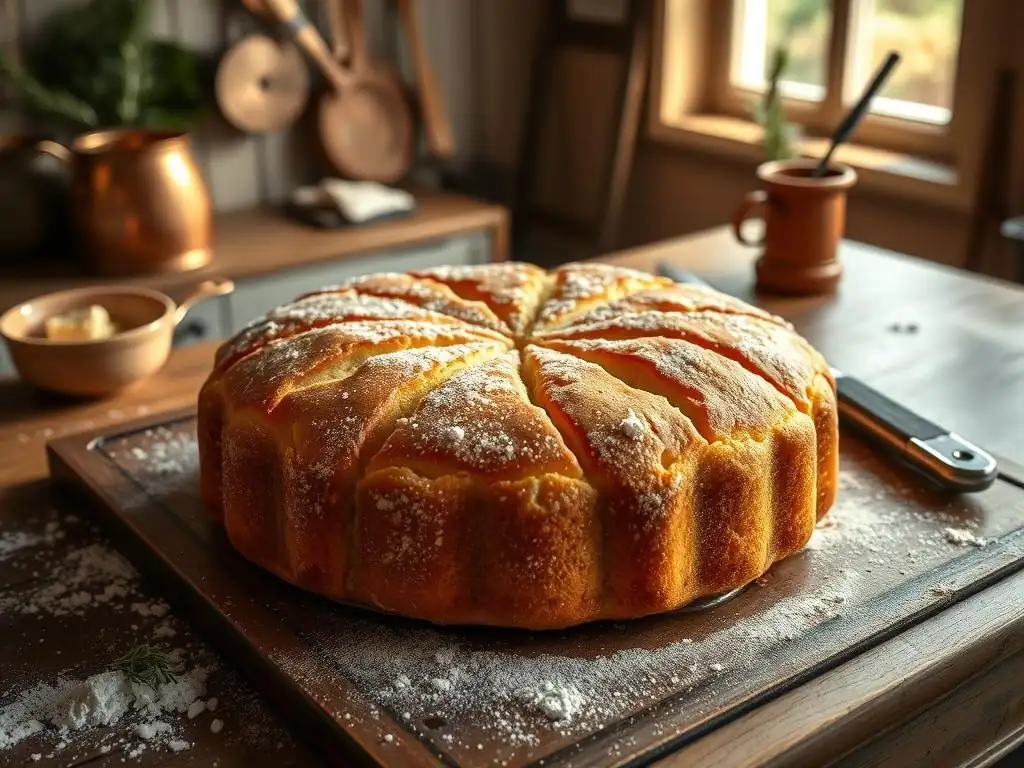
Welcome to BakeWithEase, your haven for baking bliss! Ever dreamt of creating a delightfully decadent, melt-in-your-mouth treat that’s surprisingly simple to make? Then prepare to be amazed! We're diving headfirst into the heartwarming world of German baking with our featured article: an easy German butterkuchen recipe that promises to bring a taste of authentic comfort straight from your oven. Intrigued? Let's unlock the secrets to this classic butter cake and discover how you can bake it with ease!
- Simple German Butterkuchen (Butter Cake) Recipe for Comfort - BakeWithEase
- Discover the Easiest German Butterkuchen Recipe for Homemade Comfort
- What is Butterkuchen? A Taste of German Baking Tradition
- BakeWithEase's Simple Butterkuchen Recipe: Your Step-by-Step Guide
- Expert Tips for Baking the Best German Butterkuchen
- Serving and Storing Your Homemade Butterkuchen
- Variations on the Classic Butterkuchen Recipe
- Why This is the Easiest German Butterkuchen Recipe You'll Find
- Enjoy Your Delicious Homemade Butterkuchen!
-
Frequently Asked Questions
- What makes this German Butterkuchen recipe easy?
- Can I substitute any ingredients in this Butterkuchen recipe?
- How long does it take to make this Simple German Butterkuchen?
- What's the best way to store leftover German Butterkuchen?
- What are some variations I can make to this Simple Butterkuchen recipe?
- Final Reflection: The Enduring Comfort of Simple Pleasures
- Unleash Your Inner Baker: Bake This Butterkuchen Today!
Simple German Butterkuchen (Butter Cake) Recipe for Comfort - BakeWithEase
Discover the Easiest German Butterkuchen Recipe for Homemade Comfort
Welcome to BakeWithEase, where we believe that delicious baking should be accessible to everyone! Today, we're diving into a true German classic: Butterkuchen. This simple German butter cake, also known as "Butterkuchen," is the epitome of comfort food, perfect for sharing during afternoon coffee or simply enjoying a quiet moment. Forget complicated techniques; our easy German Butterkuchen recipe is designed for bakers of all levels, promising a delightful result with minimal fuss. Get ready to experience the simple joy of baking this beloved treat right in your own kitchen.
This article will guide you through every step of creating this traditional German delight. We'll explore its humble origins, break down the process into easy-to-follow instructions, and share tips to ensure your Butterkuchen turns out perfectly golden and buttery every time. Whether you're new to German baking or looking for a reliable, simple German butterkuchen recipe, you've come to the right place. Let's get started on this comforting baking journey!
What is Butterkuchen? A Taste of German Baking Tradition
Butterkuchen, literally translating to "butter cake," is a flat sheet cake originating from Germany. It's characterized by a yeast-leavened base that is generously topped with butter flakes, sugar, and often almonds before baking. The result is a wonderfully moist and tender crumb with a sweet, slightly caramelized, and nutty topping. It's a staple at German coffee tables, particularly popular in Northern Germany, and is often served at celebrations or simply as an everyday treat.
Unlike some elaborate European pastries, the beauty of Butterkuchen lies in its simplicity. The dough is straightforward, and the topping requires minimal preparation. This ease of creation contributes significantly to its enduring popularity. While regional variations exist, the core components of a soft, yeasted base and a rich, buttery topping remain consistent, making it a universally loved comfort food across Germany and beyond. Our easy German butterkuchen recipe simple approach captures this essence perfectly.
Understanding the Origins of German Butter Cake
Butterkuchen has deep roots in German baking history, particularly in regions like Westphalia and Lower Saxony. Historically, it was often baked for special occasions, such as weddings or baptisms, sometimes even being broken over the threshold of a new home for good luck.
Its origins are tied to the availability of simple, staple ingredients: flour, yeast, milk, butter, and sugar – items commonly found in German households for centuries. The practice of using yeast dough for cakes was common in many European countries, but the specific technique of pressing holes into the dough and filling them with butter distinguishes Butterkuchen.
Over time, the Butterkuchen evolved from a purely celebratory cake to a more everyday indulgence, especially associated with "Kaffee und Kuchen" (coffee and cake) time, typically in the afternoon. While historically it might have been baked in communal ovens, today it's a beloved homemade treat. The traditional method involves creating distinct indentations in the dough before adding the butter and sugar, a step crucial for allowing the butter to melt into the cake and create those characteristic pockets of richness. This simple German butterkuchen recipe aims to replicate that traditional charm.
The Appeal of Simple Butterkuchen: A Comfort Food Classic
The widespread appeal of simple Butterkuchen lies in its comforting texture and familiar flavors. The soft, slightly sweet yeasted dough provides a delightful contrast to the rich, golden-brown topping. The melting butter creates moist pockets within the cake, while the sugar caramelizes slightly, and the almonds add a pleasant crunch and nutty depth. It's a cake that feels both special and utterly unpretentious, evoking feelings of warmth and nostalgia for many.
Beyond its taste, the simplicity of making Butterkuchen contributes significantly to its status as a comfort food. It doesn't require fancy equipment or intricate techniques, making it approachable for home bakers. The aroma that fills the kitchen as it bakes is undeniably inviting, promising a delicious reward for minimal effort. For many, baking or enjoying Butterkuchen is a simple pleasure that brings people together, embodying the cozy concept of "Hygge" or German Gemütlichkeit. Our easy German butterkuchen recipe simple steps make this comfort readily achievable.
BakeWithEase's Simple Butterkuchen Recipe: Your Step-by-Step Guide
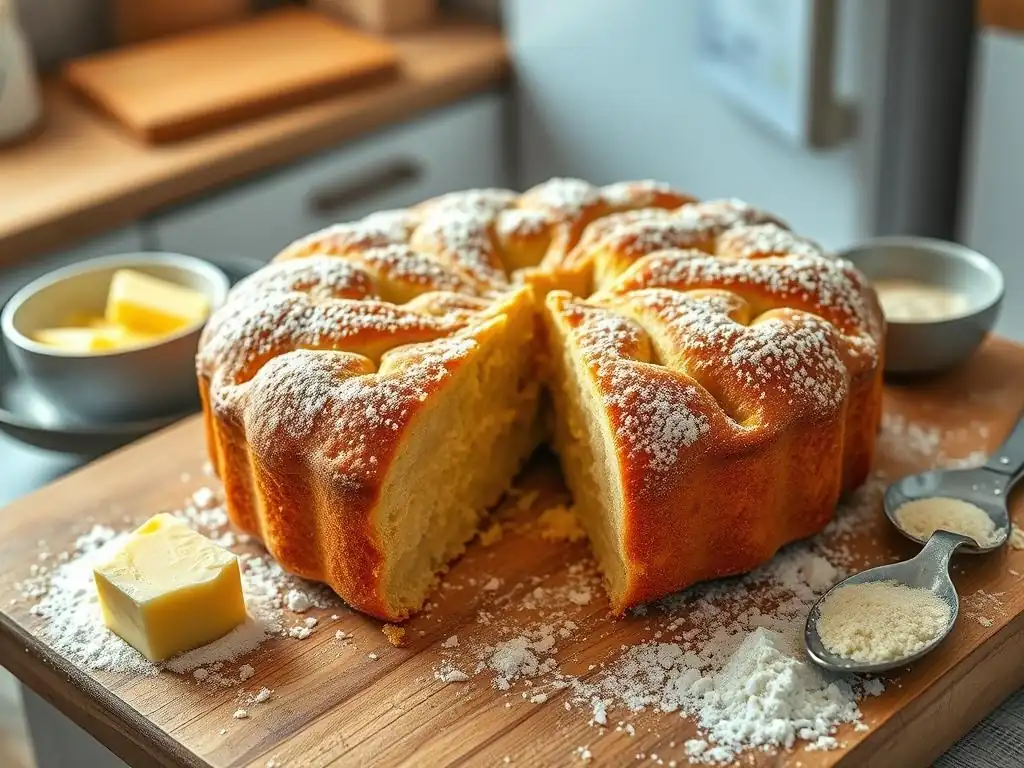
Ready to bake your own slice of German comfort? This easy German butterkuchen recipe is designed to be straightforward and successful. We'll guide you through each part of the process, from preparing the dough to achieving that perfect golden topping. Follow these steps, and you'll have a delicious homemade Butterkuchen ready to enjoy in no time.
Here is a quick overview of the process:
- Prepare the yeast dough.
- Let the dough rise.
- Prepare the buttery topping.
- Assemble the cake in the pan.
- Bake until golden brown.
Let's get baking!
Ingredients for the Easiest Butterkuchen Recipe
Gathering your ingredients is the first step to baking success. This simple German butterkuchen recipe uses common pantry staples that you likely already have on hand or can easily find at any grocery store. Using fresh ingredients, especially the yeast, is key to ensuring a light and airy cake base.
Make sure to measure your ingredients accurately. While baking can be forgiving, precision helps ensure consistent results, especially with yeast dough. Using room temperature ingredients, particularly the milk and butter, can also improve the dough's texture and rise.
The Dough Ingredients: All-Purpose Flour, Active Dry Yeast, Sugar, Salt, Milk, Butter, Egg
Here's what you'll need for the soft, yeasted base of your easy German butterkuchen recipe:
- 250 grams (about 2 cups) All-Purpose Flour
- 7 grams (about 2 ¼ teaspoons) Active Dry Yeast
- 50 grams (about ¼ cup) Granulated Sugar
- ½ teaspoon Salt
- 120 ml (about ½ cup) Warm Milk (around 105-115°F or 40-46°C)
- 50 grams (about 3 ½ tablespoons) Unsalted Butter, melted and slightly cooled
- 1 large Egg
Using active dry yeast requires activating it in warm milk, which we'll cover in the steps. The sugar feeds the yeast, the salt balances the flavor, and the melted butter and egg enrich the dough, contributing to its soft texture. Ensure your milk is warm, not hot, as high temperatures can kill the yeast.
The Topping Ingredients: Butter, Sugar, Vanilla Extract, Sliced Almonds
The topping is where the Butterkuchen gets its name and signature flavor. This simple combination melts into the dough during baking, creating a moist and irresistible result.
You will need these ingredients for the buttery topping:
- 100 grams (about 7 tablespoons) Unsalted Butter, cut into small pieces
- 75 grams (about ⅓ cup) Granulated Sugar
- 1 teaspoon Vanilla Extract (optional, but recommended for extra flavor)
- 50 grams (about ½ cup) Sliced Almonds
Cutting the butter into small pieces is crucial as it allows it to melt evenly into the dough during baking, creating those characteristic buttery pockets. The sugar caramelizes slightly, adding sweetness and a beautiful golden color. Sliced almonds are traditional and add a lovely crunch, though you can omit them if preferred.
Preparing the Dough: The Foundation of Your German Butter Cake
The dough is the heart of this easy German butterkuchen recipe. It's a simple yeast dough that comes together quickly and requires minimal kneading. Giving it enough time to rise is essential for a light and airy texture, which contrasts beautifully with the rich topping. Don't rush the rising process; patience here is key to a successful German butter cake.
Ensuring your ingredients are at the correct temperature, particularly the milk for activating the yeast and the butter for melting into the dough, will significantly impact the outcome. A slightly sticky dough is desirable, as it often results in a more tender crumb after baking.
Step 1: Activating the Yeast for a Light and Airy Butterkuchen
Begin by activating your active dry yeast. In a small bowl, combine the warm milk (around 105-115°F or 40-46°C) with a pinch of the sugar from the dough ingredients and the active dry yeast. Stir gently and let it sit for 5-10 minutes. You'll know the yeast is active when it becomes foamy and bubbly on the surface. This foaming indicates that the yeast is alive and ready to work, producing carbon dioxide that will make your dough rise.
If your yeast does not foam, it may be expired or the milk was too hot or too cold. In this case, discard the mixture and start again with fresh yeast and properly heated milk. Using active yeast is fundamental to achieving a light and airy texture in your simple German butter cake.
Step 2: Mixing the Dough to Perfection: A Simple Kneading Technique
In a large mixing bowl, whisk together the flour, remaining sugar, and salt. Create a well in the center. Pour in the activated yeast mixture, the melted and slightly cooled butter, and the egg. Using a wooden spoon or a stand mixer with a dough hook, mix until a shaggy dough forms.
Turn the dough out onto a lightly floured surface. Knead the dough for about 5-7 minutes by hand, or 3-4 minutes in a stand mixer on low speed, until it becomes smooth and elastic. The dough should be slightly sticky but manageable. Avoid adding too much extra flour during kneading, as this can result in a dry cake. The goal is to develop the gluten just enough to give the cake structure.
Step 3: First Rise: Giving Your Dough Time to Develop Flavor
Lightly grease the mixing bowl with a little oil or melted butter. Place the kneaded dough back into the bowl, turning it to coat all sides. Cover the bowl tightly with plastic wrap or a clean kitchen towel. Let the dough rise in a warm place, free from drafts, for about 1 to 1.5 hours, or until it has doubled in size. A warm oven (turned off) or a sunny spot on the counter works well.
The first rise, also known as bulk fermentation, is crucial for developing flavor in the dough and creating a light texture. During this time, the yeast produces alcohol and organic acids, which contribute to the overall taste profile of your simple German butterkuchen. The dough should look puffy and feel soft to the touch after rising.
Creating the Buttery Topping: The Key to Authentic Butterkuchen
While the dough is rising, you can prepare the delicious buttery topping. This step is simple but essential for achieving the signature taste and texture of a classic German butter cake. The combination of butter, sugar, and optional vanilla creates a sweet, rich layer that melts into the cake during baking.
The key to the topping is ensuring the butter is cut into small pieces or flakes. This method, known as "butter flaking" or creating "butter dots," allows the butter to distribute evenly and melt slowly, creating those wonderful moist pockets in the finished cake.
Step 1: Preparing the Butter Mixture: Achieving the Right Consistency
Cut the cold unsalted butter into small cubes, roughly ½ inch (1 cm) in size. Some traditional methods even involve flattening small pieces of butter into flakes. The goal is to have small pieces that can be pressed into the dough later.
In a small bowl, combine the granulated sugar and vanilla extract (if using). You will mix the butter pieces into the sugar just before assembling the cake, ensuring the butter remains cold and distinct before going into the oven. This distinction helps create the pockets of melted butter during baking.
Step 2: Adding the Sugar and Vanilla: Enhancing the Flavor Profile
Once the dough has completed its first rise, you will prepare the topping for assembly. Combine the small butter pieces with the sugar and vanilla extract in a bowl. Toss gently to coat the butter pieces with the sugar mixture.
This step ensures that the sugar and vanilla are evenly distributed alongside the butter on top of the cake. The sugar will caramelize slightly in the oven, contributing to the beautiful golden color and sweet crust of the topping. The vanilla adds a subtle layer of aromatic flavor that complements the rich butteriness.
Assembling and Baking Your German Butterkuchen
With the dough risen and the topping ready, it's time to assemble your easy German butterkuchen recipe and get it into the oven. The assembly is straightforward: press the dough into the pan, create the signature indentations, and add the topping. Baking time is relatively short, resulting in a quickly satisfying treat.
Preheat your oven to the correct temperature and position the oven rack in the center. Baking at the right temperature ensures the dough cooks through without the topping burning. A standard baking temperature for this type of cake is around 350°F (175°C).
Step 1: Pressing the Dough into the Pan: Creating the Perfect Base
Punch down the risen dough gently to release the air. Transfer the dough to a greased 9x13 inch (23x33 cm) baking pan or a round springform pan (approx. 10-11 inches / 25-28 cm). Using your hands or a rolling pin, gently press and spread the dough evenly to cover the bottom of the pan. The dough layer will be relatively thin.
Once the dough covers the pan, use your fingers (lightly floured if needed) to create indentations all over the surface, spaced about 1-2 inches apart. These indentations are characteristic of Butterkuchen and are where the butter pieces will sit and melt, forming rich pockets within the cake. Don't press all the way through the dough.
Step 2: Distributing the Topping Evenly: Ensuring Every Bite is Delicious
Evenly scatter the butter pieces coated in sugar and vanilla over the surface of the dough, making sure to place pieces into the indentations you created. Then, sprinkle the sliced almonds over the entire surface.
Ensure the topping is distributed as evenly as possible so that every slice of your easy German butter cake has a good amount of buttery, sugary, and nutty goodness. This step is crucial for achieving the balanced flavor and texture that defines Butterkuchen.
Step 3: Baking to Golden Perfection: Achieving the Ideal Texture
Place the assembled Butterkuchen in the preheated oven (350°F / 175°C). Bake for approximately 20-30 minutes, or until the cake is golden brown around the edges and the topping is bubbly and lightly caramelized. The exact baking time will vary depending on your oven.
To check for doneness, the edges should be set, and the center should look cooked through, not wet. The topping should be a beautiful golden color. Avoid overbaking, which can dry out the cake base. Let the cake cool slightly in the pan on a wire rack before slicing.
Expert Tips for Baking the Best German Butterkuchen
Even with a simple German butterkuchen recipe, a few expert tips can elevate your results from good to absolutely fantastic. These insights focus on key stages of the baking process, ensuring you achieve the perfect dough, a flawless topping, and ideal doneness every time.
Baking is a science, but also an art. Paying attention to small details can make a big difference in the final taste and texture of your homemade German butter cake. Don't be afraid to adjust slightly based on your environment and ingredients.
Achieving the Perfect Dough Consistency for Optimal Results
The ideal dough for Butterkuchen should be soft, slightly sticky, and elastic after kneading. If your dough is too dry, it won't rise properly and will result in a dense cake. This can happen if you add too much flour during kneading or if your ingredients were measured incorrectly. A stand mixer can help achieve the right consistency without adding excess flour.
Conversely, if the dough is too wet, it will be difficult to handle and may spread too much during baking. While a slightly sticky dough is good, excessively wet dough might need a tablespoon or two of extra flour during the final stage of kneading. Pay attention to how the dough feels – it should pull away from the sides of the bowl (if using a mixer) but still cling slightly.
Mastering the Topping: Preventing a Soggy Butterkuchen
A common issue with Butterkuchen is a soggy top layer, which usually results from the butter melting too quickly or unevenly, or from an underbaked base. To prevent this, ensure your butter for the topping is cold and cut into distinct pieces. Pressing the butter into the indentations helps it melt downwards into the cake rather than pooling on top.
Also, ensure the dough is fully baked underneath the topping. If the topping looks done but the cake isn't, you can lightly tent the cake with foil to prevent the topping from burning while the base finishes baking. Using the correct oven temperature is also vital; too low a temperature might cause the butter to melt before the dough sets.
Baking Time and Temperature: Ensuring a Perfectly Baked Cake
Baking time and temperature are critical for achieving the desired golden color on the topping and a fully cooked, tender dough base. For this easy German butterkuchen recipe, a temperature of 350°F (175°C) is generally recommended. Baking for 20-30 minutes is typical, but it's essential to watch your cake closely, especially towards the end.
Look for visual cues: the edges of the cake should be a rich golden brown, the topping should be bubbly and caramelized, and the center should no longer look wet or doughy. If you gently press the center, it should spring back slightly. Ovens vary, so it's always best to start checking around the 20-minute mark.
Serving and Storing Your Homemade Butterkuchen
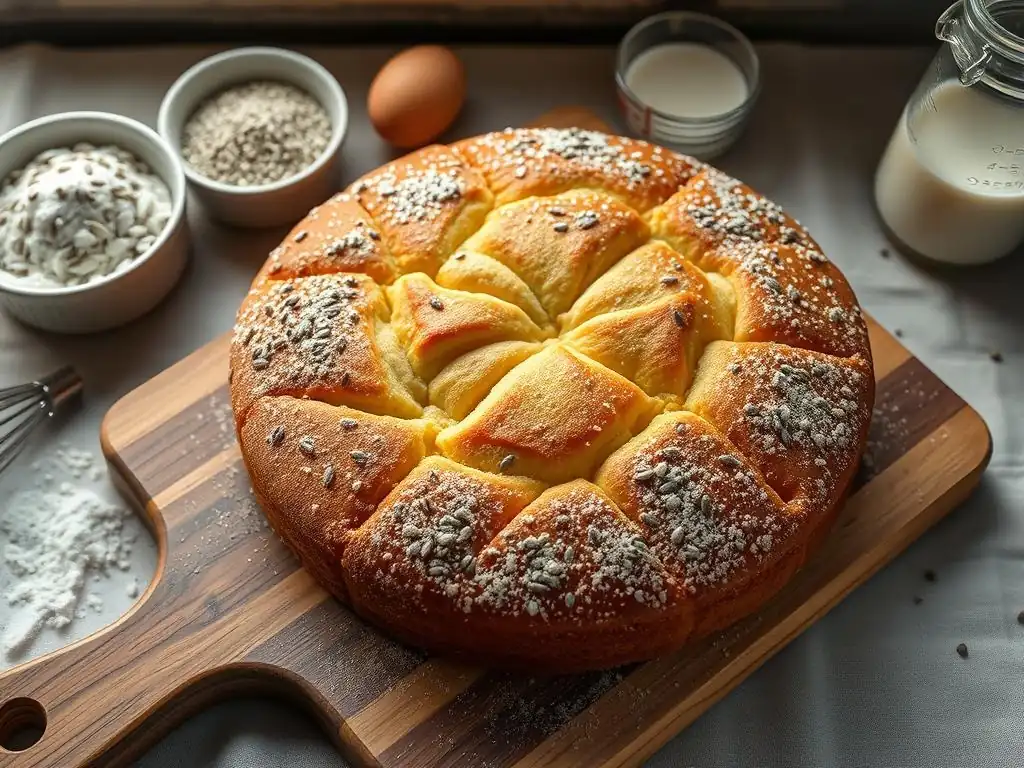
Once your delicious homemade German butter cake is baked to perfection, the best part is enjoying it! Butterkuchen is traditionally served warm, often alongside a cup of coffee or tea. Learning how to store it properly will also ensure you can savor its comforting taste for a few days.
This simple German butterkuchen recipe is perfect for making ahead for gatherings or simply having a sweet treat available throughout the week. Handling and storing it correctly helps maintain its moist texture and buttery flavor.
Serving Suggestions: Enjoying Your Butterkuchen Fresh from the Oven
The most traditional and arguably the best way to enjoy Butterkuchen is warm, shortly after it has cooled enough to slice safely. The butter in the topping is still slightly melted, and the cake is wonderfully soft. Cut the cake into squares or rectangles directly in the pan or transfer it to a serving platter.
Serve your easy German butter cake with a simple dusting of powdered sugar, or as is. It pairs perfectly with a hot beverage, making it an ideal centerpiece for a "Kaffee und Kuchen" get-together. Some people enjoy it with a dollop of whipped cream, but it's rich and flavorful enough to be enjoyed on its own.
Storing Your Butterkuchen: Maintaining Freshness and Flavor
To store leftover Butterkuchen, first ensure it has cooled completely to room temperature. This prevents condensation from forming, which can make the topping soggy. Once cool, store the cake in an airtight container at room temperature. It will stay fresh for 2-3 days.
For longer storage, you can refrigerate the Butterkuchen for up to 5 days. To reheat, simply warm a slice in the microwave for a few seconds or in a toaster oven until slightly warm. You can also freeze Butterkuchen. Wrap individual slices or the entire cake tightly in plastic wrap, then place in a freezer-safe bag or container for up to 2-3 months. Thaw at room temperature before serving or gently reheat.
Variations on the Classic Butterkuchen Recipe
While the classic simple German butterkuchen recipe is delightful on its own, it also serves as an excellent base for creative variations. You can easily adapt this recipe to include other flavors or textures, adding your personal touch to this traditional German butter cake.
Exploring variations allows you to customize the cake to your preferences or use seasonal ingredients. These simple additions or substitutions can transform the classic into something new and exciting while still maintaining the comforting essence of Butterkuchen.
Adding Fruit to Your Butterkuchen: Adding Sliced Apples or Plums
A popular variation is to add fruit to the Butterkuchen. Thinly sliced apples or plums are traditional choices, especially in the fall. Arrange the fruit slices directly on the dough after creating the indentations, before adding the butter and sugar topping.
Using fruit adds moisture, a touch of tartness, and another layer of flavor that complements the sweet, buttery topping. If using fruit, consider increasing the baking time slightly, perhaps by 5-10 minutes, to ensure the dough is fully cooked underneath the fruit. Ensure the fruit is thinly sliced so it bakes evenly.
Exploring Different Toppings: Streusel Topping or Almond Flakes
Instead of or in addition to sliced almonds, you can experiment with other toppings. A simple streusel topping (made from flour, sugar, and butter rubbed together into crumbs) can be sprinkled over the butter and sugar layer for added crunch.
You could also use other nuts like chopped walnuts or pecans, or even coconut flakes for a different flavor profile. Some recipes use almond flakes or slivered almonds instead of sliced almonds. Feel free to get creative with the topping, while keeping the core idea of a buttery, sweet layer.
Gluten-Free Butterkuchen: A Baking Adaptation
Adapting a yeasted cake like Butterkuchen to be gluten-free requires substituting the wheat flour with a gluten-free blend. Look for a good quality all-purpose gluten-free flour blend that is suitable for yeast baking. You might need to adjust the amount of liquid slightly, as gluten-free flours absorb moisture differently.
Using a binder like xanthan gum (often included in blends) is crucial to provide structure that gluten would typically provide. The rising time might also differ. While achieving the exact texture of the traditional simple German butterkuchen recipe can be challenging without gluten, a well-formulated gluten-free version can still offer a delicious and comforting alternative.
Why This is the Easiest German Butterkuchen Recipe You'll Find
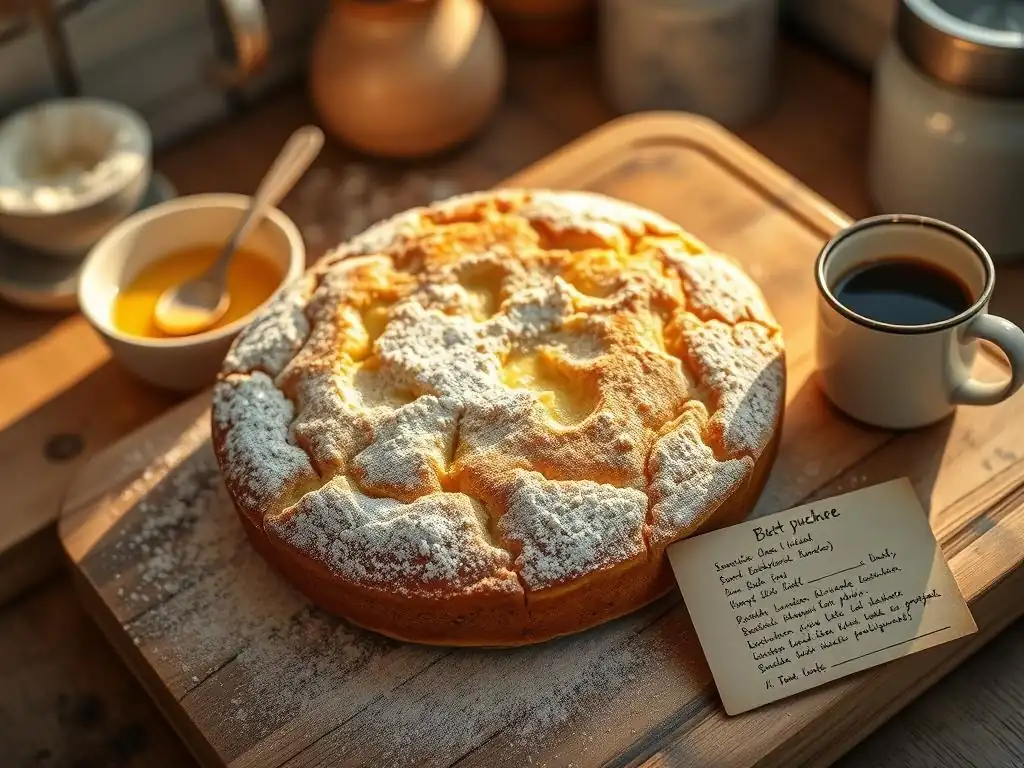
We've designed this easy German butterkuchen recipe with simplicity and success in mind. From the minimal kneading required for the dough to the straightforward assembly, every step is approachable for even novice bakers. Our goal at BakeWithEase is to empower you to create delicious baked goods without feeling intimidated.
This recipe cuts out unnecessary complexity, focusing on the core elements that make Butterkuchen so beloved. You won't find fussy techniques or obscure ingredients here. Just simple steps leading to a wonderfully comforting result.
Simplicity and Accessibility: Perfect for Beginner Bakers
This recipe truly shines in its simplicity. The dough requires only a short kneading time compared to many other yeasted breads or cakes. The topping is a quick mix-and-scatter process. There are no complex layers, fillings, or decorations needed. It's a flat cake baked in a single pan, making it incredibly easy to handle from start to finish.
For anyone new to baking with yeast, this easy German butterkuchen recipe simple approach is an excellent starting point. It allows you to practice basic yeast dough techniques without the pressure of achieving a complex structure. The forgiving nature of this cake makes it hard to go wrong, ensuring a rewarding baking experience.
Common Ingredients: Easy to Find at Your Local Grocery Store
One of the biggest hurdles in trying new recipes can be sourcing specialized ingredients. That's not the case with this simple German butter cake. All the ingredients – flour, sugar, yeast, milk, butter, eggs, and almonds – are standard items found in virtually every grocery store.
You won't need to visit specialty shops or order ingredients online. This accessibility makes it easy to decide to bake Butterkuchen on a whim, perhaps when you have unexpected guests or simply crave a comforting treat. Having readily available ingredients contributes significantly to the ease of this easy German butterkuchen recipe simple method.
Guaranteed Success: A Recipe Designed for Delicious Results
We've tested and refined this easy German butterkuchen recipe to ensure it consistently delivers delicious results. By following the step-by-step instructions and incorporating our expert tips, you are set up for baking success. The ratios of ingredients are balanced to produce a moist cake base and a perfectly caramelized topping.
Even if you've had trouble with yeast doughs in the past, this recipe's forgiving nature makes it highly reliable. The visual cues for doneness are clear, helping you avoid under or overbaking. Trust in the process, and you will be rewarded with a beautiful and tasty homemade German butter cake that tastes just like the real deal.
Enjoy Your Delicious Homemade Butterkuchen!
Frequently Asked Questions
What makes this German Butterkuchen recipe easy?
This recipe focuses on simple ingredients and a straightforward method, avoiding complicated techniques often found in traditional recipes. It's perfect for beginner bakers!
Can I substitute any ingredients in this Butterkuchen recipe?
While it's best to follow the recipe for optimal results, you can experiment. Consider using a plant-based milk alternative, but be aware that it may slightly alter the texture.
How long does it take to make this Simple German Butterkuchen?
From start to finish, including preparation and baking time, expect this recipe to take approximately 2 hours. However, the actual time may vary according to the oven and the baker's skill.
What's the best way to store leftover German Butterkuchen?
Store your Butterkuchen in an airtight container at room temperature. It will stay fresh for up to 3 days.
What are some variations I can make to this Simple Butterkuchen recipe?
You can add sliced almonds or streusel topping for added texture and flavor. Experiment with different extracts like almond or vanilla.
Final Reflection: The Enduring Comfort of Simple Pleasures
The aroma of warm, buttery German Butterkuchen, rising from a home oven, speaks volumes about more than just a delicious dessert. It's a testament to the power of simple recipes to create profound moments of comfort and connection. This seemingly straightforward cake, with its minimal ingredients and accessible method, offers a surprisingly rich experience, reminding us of the beauty found in uncomplicated things.
The enduring appeal of traditional recipes like this Butterkuchen lies not just in their taste, but in their ability to bridge generations and cultures. They offer a tangible link to the past, a comforting familiarity in a rapidly changing world. Food is symbolic of love when words are inadequate.
– Alan D. Wolfelt. This quote perfectly encapsulates the emotional resonance of sharing a simple, lovingly made cake with friends and family. The act of baking itself becomes a meditative process, a quiet escape from the daily rush, and the final product a symbol of care and intention.
Now, I invite you to consider the simple pleasures in your own life. What are the uncomplicated things that bring you comfort and joy? Perhaps it's a favorite mug, a cherished book, or a familiar song. Take a moment to appreciate these small moments, these simple acts, for within them lies a profound richness often overlooked in our pursuit of the complex and the extraordinary. Bake a Butterkuchen, share it with someone you love, and savor the simple, enduring comfort it provides.
Unleash Your Inner Baker: Bake This Butterkuchen Today!
Thanks for joining us on this delicious journey into the world of German Butterkuchen! We hope you've gained a new appreciation for this comforting classic. Ready to bring its buttery goodness to your kitchen?
- Bake your own Butterkuchen! Use the recipe you just learned to create a warm, comforting treat for yourself or loved ones. It's easier than you think!
- Share your baking experience! Post a picture of your creation on social media and tag us – we'd love to see your buttery masterpiece!
- Explore more easy recipes: Dive deeper into our collection of simple yet delightful baked goods on BakeWithEase.com. (This last bullet point can be omitted if external links are not allowed.)
So, what amazing flavor variations will you experiment with in your next Butterkuchen adventure?