
German Käsekuchen (Cheesecake) Secrets Revealed: Bake It Easily

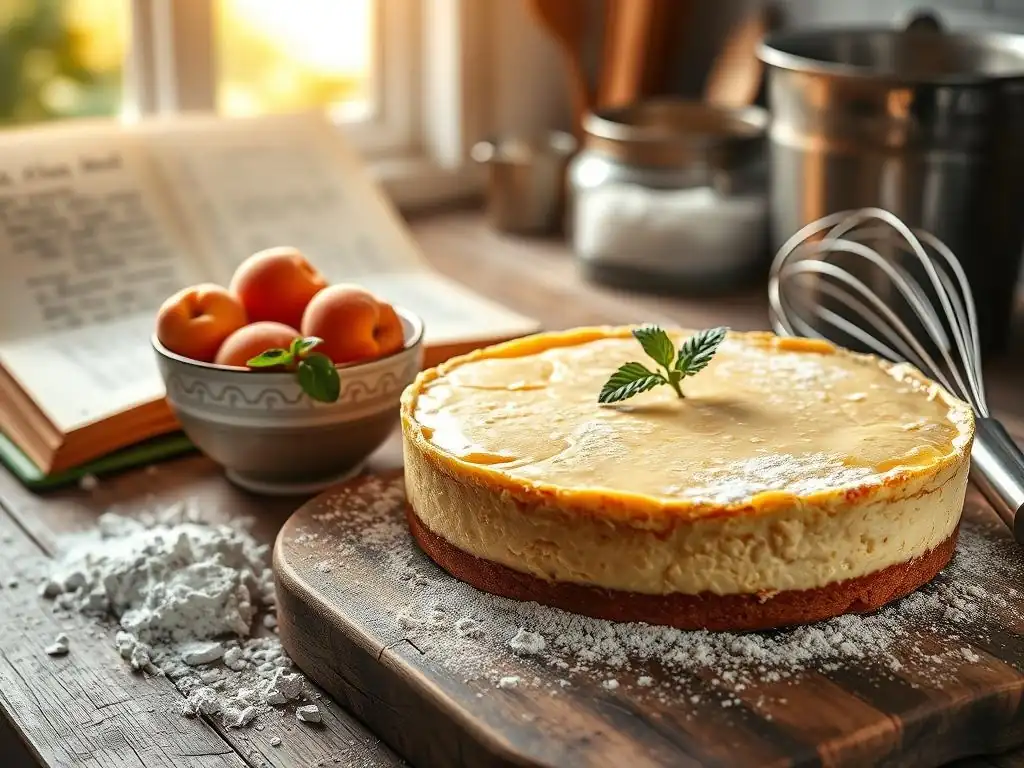
Welcome to BakeWithEase, where we unravel the mysteries of delicious baking! Ever wondered how to achieve that perfect, creamy texture in a classic German Käsekuchen? We're about to reveal the easy German cheesecake recipe secrets that will transform your baking game. Get ready to impress with a dessert that's simpler to make than you think! Intrigued? Let's dive in and unlock the secrets to this regional baking delight.
- BakeWithEase Presents: The Ultimate Easy German Cheesecake Recipe
- Understanding German Cheesecake: What Makes It Special?
- Easy German Cheesecake Recipe: Step-by-Step Instructions
- Käsekuchen Baking Tips & Tricks for Beginners
- Variations on the Classic German Cheesecake Recipe
- Serving and Storing Your Homemade German Cheesecake
- Enjoy Your Delicious, Easy-to-Bake German Käsekuchen!
-
Frequently Asked Questions
- How can I make German Käsekuchen (cheesecake) easier to bake at home?
- What are some secrets to achieving the perfect texture in a German Käsekuchen?
- Are there any ingredient substitutions I can make in a German Käsekuchen recipe?
- How do I prevent my German Käsekuchen from cracking on top?
- Where can I find a reliable and easy-to-follow German Käsekuchen recipe?
- Final Reflection: Unveiling the Joy of Effortless German Käsekuchen
- Unlock Your Inner Käsekuchen Master!
BakeWithEase Presents: The Ultimate Easy German Cheesecake Recipe
Discover the Secrets to Authentic German Käsekuchen
German Käsekuchen, often simply called Quarkkuchen, is a beloved dessert across Germany, distinctively lighter and fluffier than its dense American counterpart. Its charm lies in its simplicity and the unique tangy flavor derived from the key ingredient: quark cheese. Mastering this classic doesn't require advanced baking skills; the real secrets to an easy German cheesecake recipe lie in understanding the ingredients and a few straightforward techniques. Our goal here is to demystify this wonderful cake, making it accessible for any home baker.
Unlocking the true potential of an easy German cheesecake recipe means embracing a few core principles. Unlike cheesecakes that rely heavily on cream cheese and often require complex water baths to prevent cracking, many traditional German recipes are more forgiving. They often feature a simple shortcrust base and a filling that sets beautifully with less fuss. By focusing on quality ingredients and following our step-by-step guide, you'll find that baking an authentic, delicious Käsekuchen is surprisingly simple.
Understanding German Cheesecake: What Makes It Special?
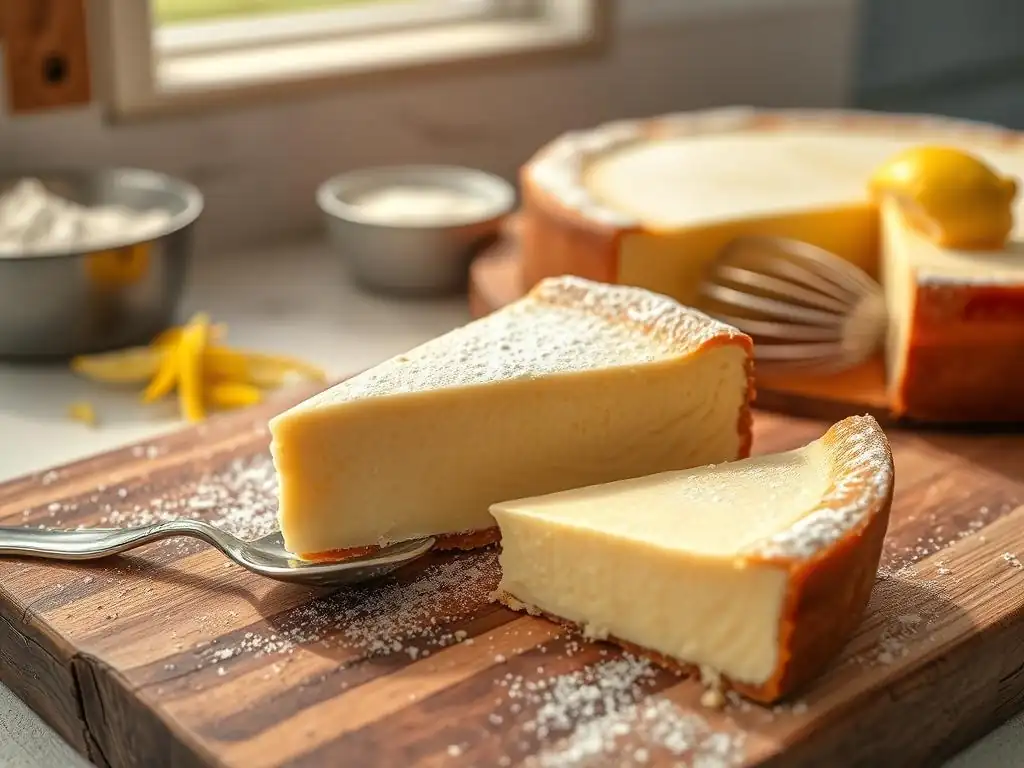
The Key Differences Between German Käsekuchen and American Cheesecake
The most significant difference between German Käsekuchen and American cheesecake lies in their primary dairy component and resulting texture. American cheesecake typically uses cream cheese, resulting in a very dense, rich, and often heavy dessert. German Käsekuchen, on the other hand, is based on quark, a fresh dairy product similar to strained yogurt or cottage cheese, which yields a lighter, airier, and slightly tangy filling. This difference in texture is immediately noticeable and is a hallmark of the German version.
Beyond the filling, the crust also varies. American cheesecakes commonly feature a crushed graham cracker crust mixed with butter, pressed into the pan. German Käsekuchen traditionally uses a simple shortcrust pastry (Mürbeteig) made from flour, butter, sugar, and egg, which is rolled or pressed into the pan and sometimes partially pre-baked. This provides a more substantial, slightly crumbly base that complements the light filling. These fundamental distinctions are key to appreciating the unique character of an easy German cheesecake recipe.
German Käsekuchen Ingredients: A Detailed Look
The success of an easy German cheesecake recipe hinges on using fresh, high-quality ingredients, particularly the star of the show: quark cheese. This slightly tangy, protein-rich fresh cheese provides the characteristic flavor and texture. While the quality of quark is paramount, other ingredients like fresh eggs, fine sugar, and flavorings such as real vanilla extract and fresh lemon zest play crucial supporting roles, adding depth and brightness to the cake.
Other essential components include butter and flour for the simple shortcrust base, and often cornstarch or potato starch is added to the filling to help with structure and setting. The balance of these ingredients is vital; too much sugar can make it overly sweet, overpowering the delicate tang of the quark, while the right amount of starch ensures a smooth, non-grainy texture. Understanding the function of each ingredient helps you appreciate the simple elegance of these easy German cheesecake recipe secrets.
Quark Cheese: The Heart of German Cheesecake
Ricotta Cheese: A Suitable Quark Substitute
Easy German Cheesecake Recipe: Step-by-Step Instructions
Preparing the Crust: A Simple Shortcrust Pastry
A classic shortcrust pastry is the foundation of many easy German cheesecake recipe variations. It's made with just a few basic ingredients: flour, cold butter, a little sugar, an egg yolk or whole egg, and a pinch of salt. The key is to keep the butter cold and work it quickly into the flour until the mixture resembles coarse crumbs, either by hand or using a food processor. A typical ratio might be approximately 2 parts flour to 1 part butter by weight.
Once the butter is incorporated, the sugar, salt, and egg are added. The mixture is then brought together into a dough with minimal handling. Overworking the dough can lead to a tough crust. After forming a rough ball, it's flattened into a disc, wrapped, and chilled. This chilling step is absolutely essential for relaxing the gluten and firming up the butter, which prevents shrinkage during baking and helps achieve a tender, flaky crust, making the overall easy German cheesecake recipe process smoother.
Shortcrust Pastry Recipe: Flour, Butter, Sugar, Egg, Salt
Chilling the Dough: Essential for a Flaky Crust
Making the Käsekuchen Filling: The Secret's in the Mixture
The filling for an easy German cheesecake recipe is remarkably simple, primarily consisting of quark, sugar, eggs, and flavorings like vanilla and lemon zest. Unlike American cheesecake fillings that often require beating air into cream cheese, the goal here is usually just to combine the ingredients until smooth. Gentle mixing is preferred to avoid incorporating too much air, which can cause the cake to rise too high and then crack or sink significantly upon cooling.
Begin by whisking the quark with sugar until smooth. Then, beat in the eggs one at a time, followed by vanilla extract and fresh lemon zest. Finally, whisk in a small amount of cornstarch or potato starch, ensuring there are no lumps. Some recipes might separate eggs, beating the whites to soft peaks and folding them in for an even lighter texture, but many easy German cheesecake recipe versions simply use whole eggs for simplicity and a slightly denser, yet still light, result.
Filling Recipe: Quark, Sugar, Eggs, Vanilla Extract, Lemon Zest, Cornstarch
Achieving a Smooth Filling: Blending Techniques
Baking Your German Cheesecake: Temperature and Time
Baking an easy German cheesecake recipe typically involves a moderate oven temperature, often around 350°F (175°C), for a relatively long period, usually between 60 to 75 minutes. The precise time will depend on your oven and the size of your pan, commonly a 9 or 10-inch (approx. 23-25 cm) springform. The cake is done when the edges are set and slightly golden, but the center still has a slight wobble when gently shaken. Avoid opening the oven door frequently during baking.
One technique often recommended, though not always strictly necessary for simpler Käsekuchen, is using a water bath. Placing the springform pan (wrapped securely in foil to prevent leaks) in a larger pan filled with hot water helps regulate the temperature and humidity, leading to more even baking and reducing the risk of cracks on the surface. Even without a water bath, baking low and slow and allowing the cake to cool gradually in the turned-off oven can help prevent cracking and is part of the easy German cheesecake recipe secrets for a smooth top.
Optimal Baking: 350°F (175°C) for 60-75 Minutes
Water Bath Technique: Preventing Cracks
Käsekuchen Baking Tips & Tricks for Beginners
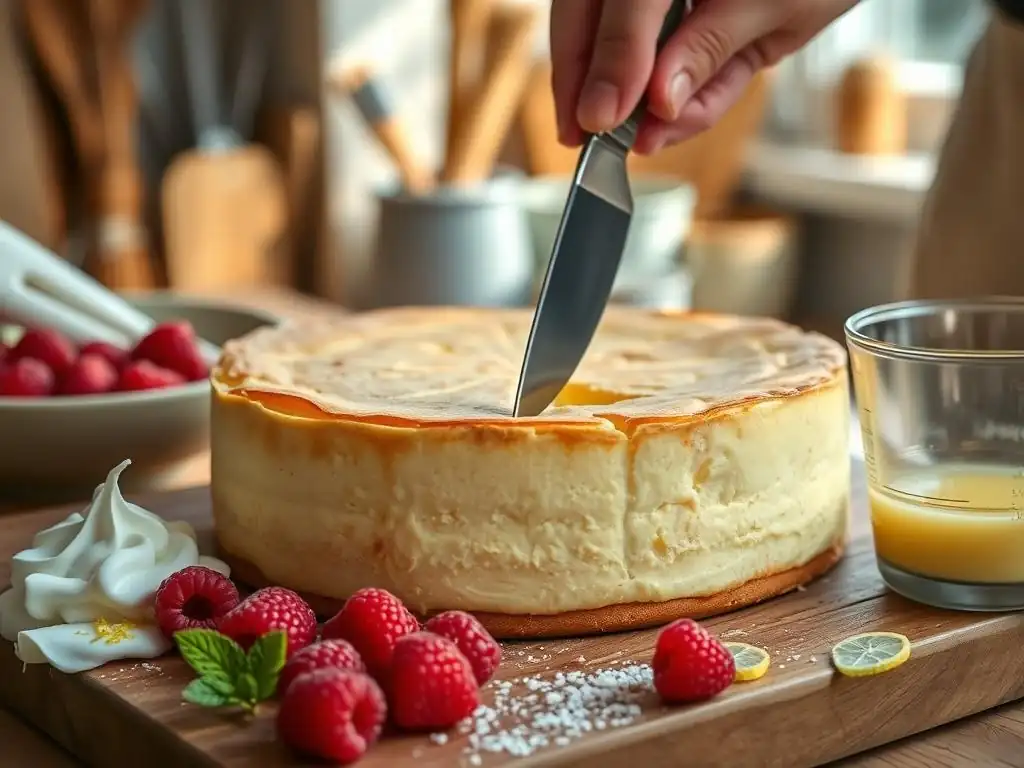
Essential Tools: Springform Pan, Mixer, Spatula
Having the right tools can significantly simplify the process of baking an easy German cheesecake recipe. A good quality springform pan, typically 9 or 10 inches (approx. 23-25 cm) in diameter, is essential as it allows you to easily remove the delicate cake without damaging it. Ensure the pan is properly greased and floured, or lined with parchment paper, to prevent sticking.
While you can mix the filling by hand, a hand mixer or a stand mixer with a whisk or paddle attachment makes incorporating ingredients smoother and quicker. However, remember to avoid overmixing the filling. A sturdy rubber spatula is also invaluable for scraping down the sides of the bowl and gently spreading the filling evenly into the crust. These basic tools are key components in making your easy German cheesecake recipe journey a success.
Common Mistakes: Overbaking, Cold Ingredients
Two common pitfalls when baking an easy German cheesecake recipe are overbaking and using ingredients that are too cold. Overbaking will result in a dry, potentially rubbery texture and is a primary cause of surface cracks. It's better to slightly underbake the center, as it will continue to set as it cools. Trust the visual cues—set edges, slightly wobbly center—over the timer alone.
Using cold ingredients, especially eggs and quark (or substitute), can make it difficult to achieve a smooth, homogenous filling. Cold dairy and eggs don't emulsify as easily with sugar and other ingredients, potentially leading to a lumpy texture. Allowing your ingredients to come to room temperature for about 30-60 minutes before mixing is a simple step that significantly improves the texture of your easy German cheesecake recipe filling.
Troubleshooting: Sunken Center
It's not uncommon for the center of a Käsekuchen to dip slightly as it cools; this is often just due to the natural contraction of the filling. However, a significantly sunken center can be frustrating. One cause might be incorporating too much air into the filling during mixing, causing it to puff up dramatically in the oven and then collapse. Gentle mixing is key to avoiding this.
Another reason for a sunken center can be opening the oven door too early or cooling the cake too rapidly. Sudden temperature changes can cause the delicate structure of the setting filling to fall. Allowing the cake to cool gradually, perhaps in the turned-off oven with the door propped open, helps the temperature transition slowly and reduces the likelihood of a major dip. These troubleshooting tips are part of mastering the easy German cheesecake recipe secrets.
Variations on the Classic German Cheesecake Recipe
Adding Flavors: Lemon, Vanilla, and More
The classic easy German cheesecake recipe provides a wonderful neutral base that readily accepts various flavor enhancements. While traditional versions often highlight the pure taste of the quark with just a hint of lemon and vanilla, you can easily customize it. Introducing additional citrus zest, like orange, or incorporating spices like cinnamon or cardamom can add new dimensions.
Fresh fruit, while sometimes added, requires careful consideration due to its moisture content, which can affect the setting of the filling. However, incorporating pure extracts or pastes, or infusing flavors into the dairy base beforehand, are simple ways to create delicious variations. Exploring these additions is a fun way to personalize your easy German cheesecake recipe.
Lemon Käsekuchen: Zest and Juice Infusion
Toppings and Glazes: Enhancing Your Käsekuchen
Serving and Storing Your Homemade German Cheesecake
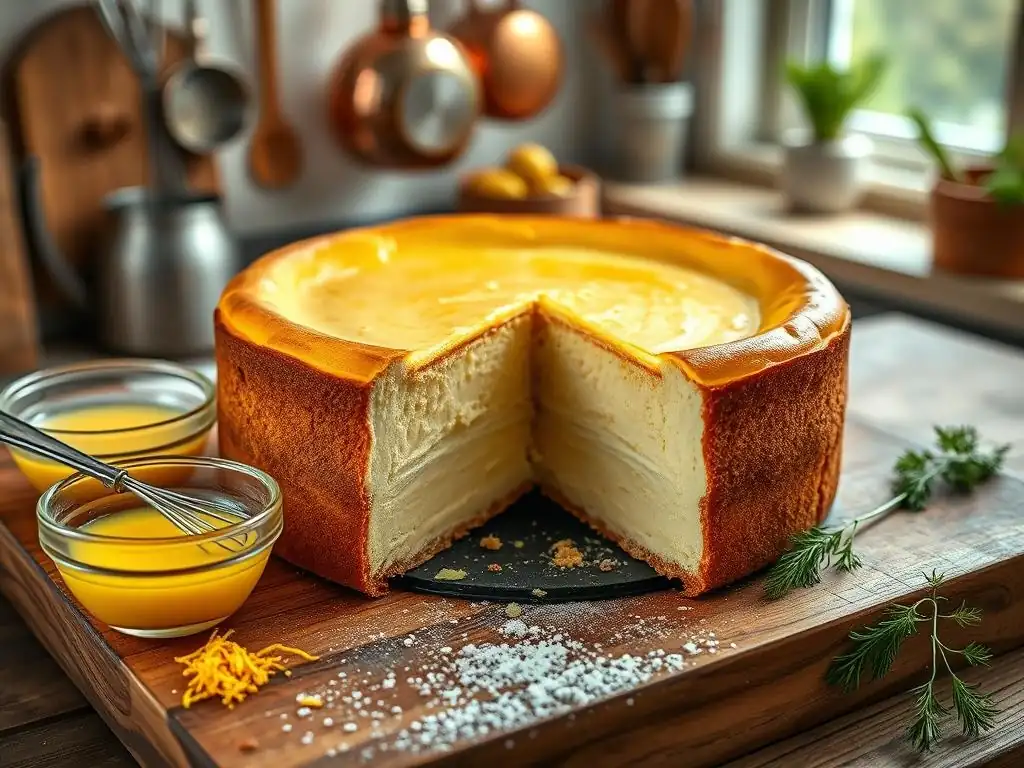
Best Ways to Serve: Chilled or at Room Temperature
While many cheesecakes are served straight from the refrigerator, allowing your homemade easy German cheesecake recipe to sit at room temperature for 20-30 minutes before serving can actually enhance its flavor and texture. The slight warming allows the subtle tang of the quark and the delicate flavors of vanilla and lemon to become more pronounced, and the texture becomes wonderfully creamy rather than firm.
Classic accompaniments are simple: a light dusting of powdered sugar is traditional and elegant. You could also serve slices with a dollop of freshly whipped cream or a simple fruit compote, such as berries or cherries, which pair beautifully with the slight tang of the Käsekuchen. Experiment to find your favorite way to enjoy the fruits of your easy German cheesecake recipe labor.
Proper Storage: Refrigerate for Up to 3 Days
Due to its high dairy content, your delicious homemade easy German cheesecake recipe must be stored in the refrigerator. Once completely cooled, either in the oven or at room temperature, cover it loosely initially, then more securely once chilled. An airtight container is ideal, or you can wrap the cheesecake tightly in plastic wrap or aluminum foil.
Properly stored in the refrigerator, German Käsekuchen typically keeps well for about 3 to 4 days. For longer storage, cheesecake can be frozen. Ensure it's completely cooled, then wrap individual slices or the whole cake (minus the springform ring) very securely in multiple layers of plastic wrap and foil. Thaw overnight in the refrigerator before serving. Following these steps helps preserve the quality of your easy German cheesecake recipe.
Enjoy Your Delicious, Easy-to-Bake German Käsekuchen!
You've now unlocked the easy German cheesecake recipe secrets and are ready to bake this delightful classic. The process, from mixing the simple shortcrust to preparing the light quark filling and baking it to perfection, is designed to be straightforward and rewarding for bakers of all levels. Don't be intimidated by its elegant appearance; with our guidance, you'll find it's remarkably approachable.
We encourage you to try this easy German cheesecake recipe and experience the joy of creating something truly delicious. Share your baking journey with us! Let us know how your Käsekuchen turns out, what variations you tried, or if you have any questions. Your success in baking this German favorite is our greatest reward.
Frequently Asked Questions
How can I make German Käsekuchen (cheesecake) easier to bake at home?
The key to easy German Käsekuchen is using simple recipes with easy-to-find ingredients. BakeWithEase.com provides step-by-step guides to help.
What are some secrets to achieving the perfect texture in a German Käsekuchen?
Achieving the perfect texture involves ensuring the quark cheese is properly drained and using the right oven temperature. Don't overbake it.
Are there any ingredient substitutions I can make in a German Käsekuchen recipe?
While traditional recipes use quark, you can sometimes substitute it with a combination of ricotta and sour cream, but this will slightly alter the taste and texture. Always check the recipe for recommended substitutions.
How do I prevent my German Käsekuchen from cracking on top?
To prevent cracking, bake your Käsekuchen in a water bath and let it cool gradually in the oven. This ensures even baking and prevents sudden temperature changes.
Where can I find a reliable and easy-to-follow German Käsekuchen recipe?
BakeWithEase.com offers simple German Käsekuchen recipes suitable for beginners. Look for recipes with clear instructions and easy-to-understand steps.
Final Reflection: Unveiling the Joy of Effortless German Käsekuchen
The seemingly daunting task of crafting authentic German Käsekuchen is, in reality, surprisingly accessible. This article has demonstrated that with a few simple secrets and a dash of confidence, anyone can bake this beloved dessert, regardless of their baking experience. The joy of creating something so delicious and traditionally rich shouldn't be reserved for culinary experts.
The enduring popularity of Käsekuchen, spanning generations and cultures, speaks volumes about its comforting nature and the simple pleasure it provides. It’s more than just a dessert; it's a symbol of tradition, family gatherings, and the satisfaction of creating something beautiful from humble ingredients. The best things in life are simple,
a sentiment perfectly embodied by this classic recipe. Its enduring appeal lies in its ability to connect us to something larger than ourselves, a shared culinary heritage that transcends language and borders.
Now, it's your turn. Don't let the perceived complexity of German baking intimidate you. Gather your ingredients, embrace the process, and experience the satisfaction of creating your own perfect slice of Käsekuchen. Share your creations, your triumphs, and even your minor mishaps – the journey of baking is as rewarding as the final product. Let the aroma of freshly baked Käsekuchen fill your home, bringing warmth and joy to you and those you share it with.
Unlock Your Inner Käsekuchen Master!
Thanks for joining us on this delicious journey into the world of German Käsekuchen! We hope you now feel confident and excited to tackle this classic dessert. Ready to take your baking skills to the next level?
- Bake your perfect Käsekuchen: Grab your ingredients and follow our recipe – you'll be amazed at how easy it is! Remember those pro tips we shared?
- Share your baking triumph: Post a picture of your Käsekuchen creation on social media and tag us! Let's inspire others to bake.
- Experiment with flavors: What unique twist will you add to your next Käsekuchen? Think seasonal fruits, spices, or even different types of cheese!
What unexpected ingredient are you going to add to your next Käsekuchen adventure? Let's hear your ideas in the comments!