
Lebkuchen (German Gingerbread) Made Easy for Everyone

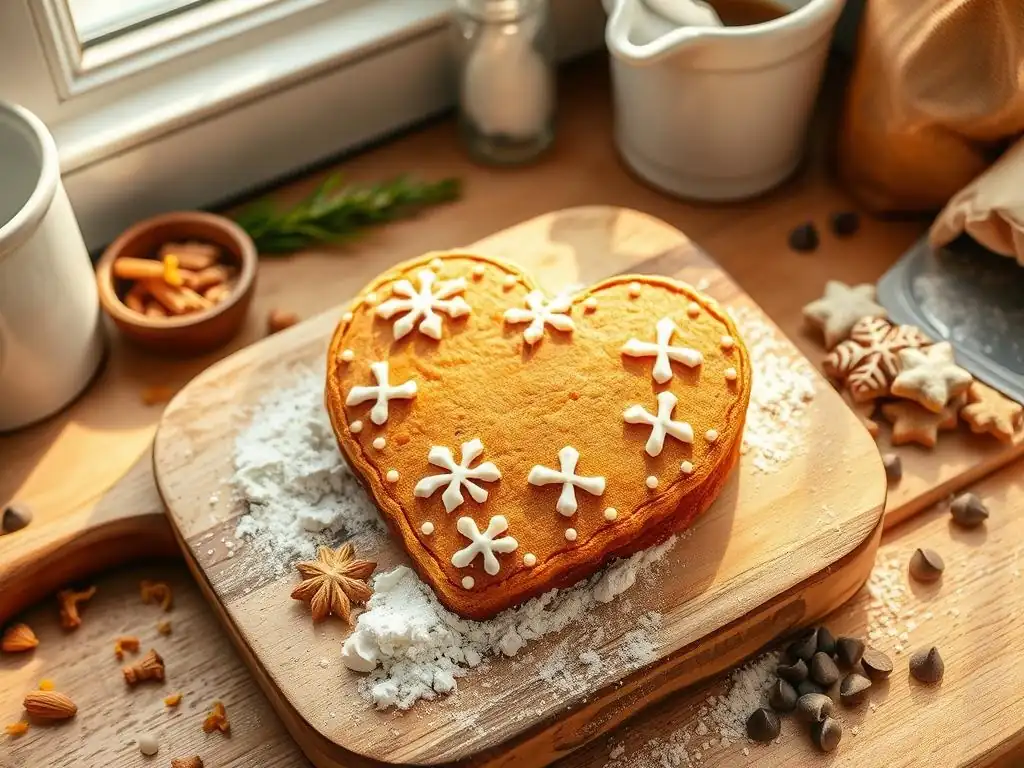
Welcome to BakeWithEase, your ultimate baking companion!
Craving the warm, spiced flavors of the holiday season? Discover the secrets to our Easy German Lebkuchen recipe and unlock a world of delicious possibilities. This isn't just about gingerbread; it's about embracing a rich baking tradition. Ready to create authentic Lebkuchen that will impress everyone? Let's get baking!
- Lebkuchen (German Gingerbread) Made Easy for Everyone - BakeWithEase.com
- Discover the Magic of Lebkuchen: An Easy German Gingerbread Recipe
- Bake Delicious Lebkuchen: Step-by-Step Guide for Home Bakers
- Icing and Decorating Your Lebkuchen: Creative Ideas
- Storing Your Lebkuchen: Keeping Your Gingerbread Fresh
- Troubleshooting Your Lebkuchen: Common Mistakes and Solutions
- Variations on the Classic Lebkuchen Recipe
- Serving and Enjoying Your Homemade Lebkuchen
- The History of Lebkuchen: A Brief Journey Through Time
- More German Baking Delights from BakeWithEase
- Frequently Asked Questions
- Final Reflection: The Sweet Legacy of Lebkuchen, Baked with Love
- Unleash Your Inner Bäcker: Bake Amazing Lebkuchen Today!
Lebkuchen (German Gingerbread) Made Easy for Everyone - BakeWithEase.com
Discover the Magic of Lebkuchen: An Easy German Gingerbread Recipe
What is Lebkuchen? A Taste of German Christmas Tradition
Lebkuchen is a traditional German baked good, often described as a type of gingerbread. It's particularly famous during the Christmas season, filling markets and homes across Germany with its distinctive aroma. Unlike some crisp gingerbread cookies, Lebkuchen is known for its soft, chewy texture and rich, complex spice blend. The base ingredients typically include a significant amount of honey, nuts (like almonds or hazelnuts), candied citrus peel, and a unique mix of warm spices.
Historically, Lebkuchen production was a specialized craft, often associated with monasteries where monks had access to valuable spices and the knowledge to preserve honey. The city of Nuremberg became a renowned center for Lebkuchen, particularly the high-quality Elisenlebkuchen, which contains a minimum of 25% nuts and very little or no flour, often baked on a thin wafer called an Oblate. This rich history has cemented Lebkuchen's place as a beloved symbol of German holiday baking, enjoyed by millions annually.
Why This Easy Lebkuchen Recipe is Perfect for Beginner Bakers
Many traditional Lebkuchen recipes can seem daunting with specific leavening agents like Pottasche (potassium carbonate) or Hirschhornsalz (ammonium bicarbonate), and often involve resting the dough for days or even weeks. Our easy Lebkuchen recipe simplifies the process significantly, making it accessible even if you've never baked German gingerbread before. We focus on readily available ingredients and straightforward techniques that yield delicious, authentic-tasting Lebkuchen without the fuss.
This easy German Lebkuchen recipe eliminates complex steps like long dough maturation periods, allowing you to mix, shape, and bake your gingerbread relatively quickly. The ingredient list is kept manageable, focusing on common pantry staples like all-purpose flour, honey, and standard baking spices. By following our clear, step-by-step instructions, beginners can confidently create beautiful and tasty homemade Lebkuchen to share during the holidays or enjoy any time they crave a taste of Germany.
Bake Delicious Lebkuchen: Step-by-Step Guide for Home Bakers
Gathering Your Ingredients: The Lebkuchen Recipe Essentials
Successfully baking an easy Lebkuchen recipe starts with having the right ingredients on hand. While variations exist, the core components provide the signature flavor and texture. You'll need a good quality honey, which acts as both a sweetener and contributes to the gingerbread's soft texture. A blend of spices is crucial, as are nuts and often candied citrus peels for that authentic German taste.
- Honey (liquid or creamed)
- Brown sugar or molasses (optional, for color and depth)
- Eggs (often one or two, depending on the batch size)
- Flour (typically all-purpose, though some recipes use a small amount of rye)
- Leavening (baking powder or soda, simplified from traditional agents)
- Spices (see list below)
- Ground nuts (almonds, hazelnuts, walnuts)
- Candied orange peel and lemon peel (optional but highly recommended)
- A pinch of salt
Spices for Authentic German Lebkuchen Flavor
The unique taste of Lebkuchen comes from its specific blend of warm spices. While cinnamon is often the most prominent, a true Lebkuchen spice mix includes a variety of others that contribute layers of flavor. A typical blend might feature cinnamon, cloves, ginger, cardamom, star anise, coriander, mace, and nutmeg.
For a standard batch using approximately 250-300g of flour, you might use a total spice quantity ranging from 1 to 2 tablespoons. A common ratio involves significantly more cinnamon (perhaps 1 tablespoon) compared to smaller amounts (1/4 to 1/2 teaspoon each) of ground cloves, ginger, cardamom, and a pinch of nutmeg or mace. Using pre-ground spices is perfectly fine for an easy Lebkuchen recipe, just ensure they are fresh for the best aroma and flavor.
Choosing the Right Flour and Sweeteners
For an easy German Lebkuchen recipe aimed at home bakers, all-purpose flour is the most common and reliable choice. Its moderate protein content provides enough structure without making the cookies tough. Some traditional recipes incorporate a small percentage of rye flour (maybe 10-20% of the total flour weight) which can add a slightly different texture and depth of flavor, but it's not essential for a delicious easy version.
Honey is the primary sweetener in Lebkuchen, contributing significantly to its moist and chewy texture. Using a good quality, flavorful honey will enhance the overall taste. While honey is the star, some recipes might include a small amount of brown sugar or molasses. For example, a recipe using 200g of honey might add 50g of brown sugar for extra moisture and a richer color. Avoid substituting honey entirely with granulated sugar, as this will drastically change the texture.
Preparing the Lebkuchen Dough: A Simple Mixing Process
Making Lebkuchen dough is generally quite straightforward. The process typically involves gently heating the honey (and possibly sugar or molasses) with the spices to help the flavors meld and dissolve the sugar. This warm mixture is then combined with the dry ingredients – flour, ground nuts, candied peel (if using), and leavening. Eggs are usually added to bind everything together.
The mixing process is often done by hand or with a stand mixer fitted with a paddle attachment. The goal is to combine everything until a cohesive, slightly sticky dough forms. Unlike some cookie doughs, overmixing is less of a concern here, but you still want to mix only until the ingredients are just incorporated. Once mixed, the dough is often soft and pliable, ready for the next steps.
Tips for Working with Sticky Lebkuchen Dough
Due to the high honey content, Lebkuchen dough is naturally sticky. This is normal and contributes to the final soft texture of the gingerbread. Trying to handle overly sticky dough can be frustrating, but a few simple techniques can make it much easier.
Chilling the dough is one of the most effective methods. After mixing, wrap the dough tightly in plastic wrap and refrigerate it for at least 30 minutes, or even a few hours. This firms up the honey and fats, making the dough less sticky and easier to handle for shaping or rolling. When shaping, lightly flour your hands and the work surface, or work on parchment paper to prevent sticking. Avoid adding excessive flour to the dough itself, as this can result in dry Lebkuchen.
Shaping and Baking Your Homemade Lebkuchen
Once your dough is prepared and rested if needed, it's time to shape your Lebkuchen. The most common shapes are simple rounds, often pressed slightly flat. Heart shapes are also very traditional, especially those sold at German Christmas markets. Cookie cutters can be used for various festive shapes like stars, trees, or angels, making the process fun, especially if baking with family.
- Roll dough to about 1/2 inch thickness.
- Cut shapes using a knife or cookie cutters.
- Place shapes on baking sheets lined with parchment paper.
- Optionally, press nuts or candied fruit onto the surface before baking.
Different Lebkuchen Shapes and Decorations
Traditional Lebkuchen comes in various forms. Simple round cookies are standard for home baking. Larger heart shapes, often decorated with icing and messages, are iconic features of German Christmas markets. Elisenlebkuchen are typically round and quite thick, baked on a thin wafer (Oblate), and often heavily studded with nuts and candied fruit, sometimes dipped in chocolate or glazed.
For home bakers making an easy Lebkuchen recipe, simple rounds are easiest. Before baking, you can decorate them by gently pressing whole or slivered almonds, walnut halves, or pieces of candied citrus peel onto the surface. These decorations not only look appealing but also add texture and flavor. After baking and cooling, you can apply a glaze or icing, which offers further decoration possibilities.
Baking Time and Temperature for Perfect Lebkuchen
Baking Lebkuchen requires attention to temperature and time to achieve that desirable soft, chewy texture. A typical baking temperature for Lebkuchen is around 160-180°C (325-350°F). The exact temperature might vary slightly depending on your oven and the recipe.
The baking time is relatively short, usually between 10 and 15 minutes, depending on the size and thickness of your cookies. You want to bake them just until they are set around the edges and the surface looks slightly dry, but they should still feel soft in the center when gently pressed. Over-baking is the most common culprit for dry, hard Lebkuchen, so it's better to slightly under-bake than over-bake. The cookies will firm up as they cool on the baking sheet.
Icing and Decorating Your Lebkuchen: Creative Ideas

Decorating Lebkuchen is a fun way to add visual appeal and extra flavor. While some are left plain or simply adorned with nuts before baking, a classic finish involves a simple glaze or icing. This step can be done once the cookies have cooled completely.
The type of icing you choose depends on the desired look and complexity. A basic sugar glaze is quick and easy, while royal icing allows for more intricate piping and detailed designs. Candied fruits and nuts can also be added after baking, stuck onto the wet icing for extra festive flair.
Making Simple Lebkuchen Icing: A Quick and Easy Recipe
A simple glaze is the easiest way to finish your homemade Lebkuchen. It adds a touch of sweetness and helps keep the cookies moist. This glaze typically consists of just two ingredients: powdered sugar and a liquid.
To make a simple Lebkuchen icing, whisk together about 1 cup (approximately 120g) of powdered sugar with 1 to 2 tablespoons of liquid. The liquid can be water, milk, or lemon juice. Lemon juice adds a pleasant tang that complements the spices. Start with 1 tablespoon of liquid and add more gradually until you reach a thick but pourable consistency. Dip the tops of the cooled Lebkuchen into the glaze or spread it on with a knife or spatula. Let the glaze set before storing.
Decorating Lebkuchen with Candied Fruits and Nuts
Beyond pressing them into the dough before baking, candied fruits and nuts can be used to decorate Lebkuchen after baking. This is particularly effective when applied to a wet glaze or icing, as they will stick as the icing dries.
Common decorations include pieces of candied orange peel, candied lemon peel, glacé cherries, slivered almonds, or chopped walnuts. For example, you could dip a heart-shaped Lebkuchen in white glaze and then arrange glacé cherry halves and slivered almonds on top to resemble a traditional German Christmas market heart design. These additions provide bursts of flavor and contrasting textures against the soft gingerbread.
Royal Icing for Intricate Lebkuchen Designs
For those who enjoy more detailed cookie decoration, royal icing is an excellent choice for Lebkuchen. Royal icing is made from powdered sugar, egg whites (or meringue powder), and water. It dries hard and smooth, making it perfect for piping fine lines, dots, and other intricate patterns.
Using royal icing allows you to create elaborate designs, write messages (like "Frohe Weihnachten" - Merry Christmas), or outline areas to be filled with flood consistency icing. While slightly more involved than a simple glaze, learning to use royal icing opens up many possibilities for transforming your easy Lebkuchen recipe into edible works of art, similar to professionally decorated gingerbread cookies.
Storing Your Lebkuchen: Keeping Your Gingerbread Fresh
Proper storage is key to maintaining the soft, chewy texture that Lebkuchen is known for. Unlike crispy cookies, Lebkuchen benefits from being stored in a way that preserves its moisture. When stored correctly, homemade Lebkuchen can stay fresh and delicious for a significant period.
The ideal storage method involves placing the cooled Lebkuchen in an airtight container. Avoid mixing different types of cookies in the same container, as flavors and moisture levels can transfer. A plastic container with a tight-fitting lid or a cookie tin with a good seal works well.
How to Store Lebkuchen to Maintain its Softness
To keep your easy Lebkuchen recipe results wonderfully soft, storing them in an airtight container is essential. However, there's a classic baker's trick that many Germans use: add a slice of apple or a piece of bread to the container with the cookies.
The apple slice or bread piece will release moisture into the container, which is then absorbed by the Lebkuchen, helping them stay soft. Remember to replace the apple slice or bread every few days (or when it becomes dry or hard) to prevent mold growth. This simple technique can make a noticeable difference in the texture of your stored gingerbread.
Lebkuchen Shelf Life: How Long Does it Last?
When stored correctly in an airtight container, homemade Lebkuchen has a surprisingly long shelf life. While they are delicious immediately after baking, their flavors often deepen and improve over the first few days.
Generally, homemade Lebkuchen will stay fresh and enjoyable for several weeks, typically ranging from 2 to 4 weeks while maintaining optimal texture. Some sources even suggest they can last for a couple of months if stored perfectly. The high honey content acts as a natural preservative. Keep them in a cool, dry place, away from direct sunlight or heat sources, for the best results.
Troubleshooting Your Lebkuchen: Common Mistakes and Solutions

Even with an easy Lebkuchen recipe, baking can sometimes present challenges. Understanding common issues and how to fix them can help you achieve perfect results every time. Don't be discouraged if your first batch isn't exactly as planned; baking is a learning process!
Some typical problems home bakers encounter with Lebkuchen include the cookies turning out too dry, spreading too much during baking, or not rising as expected. Each issue usually has a specific cause related to ingredients, mixing, or baking technique.
Dry Lebkuchen: Causes and Prevention
Dry Lebkuchen is a common disappointment, resulting in a hard rather than soft and chewy cookie. The primary cause is often over-baking. Baking for too long or at too high a temperature evaporates too much moisture from the dough.
To prevent dry Lebkuchen, carefully monitor the baking time and temperature. Bake only until the edges are set and the center looks just done (around 10-15 minutes at 160-180°C or 325-350°F). Ensure you measure your flour accurately, preferably by weight (e.g., 250g per batch), as adding too much flour makes the dough dry. Using the specified amount of honey is also crucial, as it provides essential moisture. If your baked Lebkuchen does turn out a bit dry, storing them with an apple slice (as mentioned earlier) can help soften them over a couple of days.
Lebkuchen Spreading Too Much During Baking: Fixes and Tips
If your Lebkuchen shapes lose their definition and spread excessively during baking, several factors could be at play. Too much leavening agent (like baking powder or soda) can cause excessive spread, especially in recipes that use them instead of traditional German leaveners. Dough that is too warm or soft when it goes into the oven is another frequent culprit.
To fix or prevent spreading, first, ensure you are using the correct amount of leavening agent specified in your easy Lebkuchen recipe. Secondly, make sure your dough is sufficiently chilled before shaping and baking. Refrigerating the dough for at least 30 minutes helps the fats solidify, which reduces spread in the oven. Finally, ensure your oven is preheated to the correct temperature; a too-cool oven can also contribute to spreading.
Lebkuchen Not Rising Properly: Troubleshooting Guide
While Lebkuchen doesn't typically "rise" dramatically like a cake or bread, it should puff up slightly and develop a light, somewhat airy texture internally (though still dense and chewy). If your Lebkuchen is dense and flat, it might not be rising properly.
This issue could stem from inactive leavening if your recipe uses baking powder or soda. Check the expiration date of your leavening agents. Ensure your oven temperature is accurate, as baking at too low a temperature might hinder proper leavening activation. Some traditional Lebkuchen recipes rely on chemical reactions from ingredients like potassium carbonate (Pottasche); if using such a recipe, ensure you have the correct, fresh ingredients. For an easy Lebkuchen recipe using standard baking powder, simply checking its freshness is usually sufficient.
Variations on the Classic Lebkuchen Recipe
The classic easy German Lebkuchen recipe provides a fantastic base, but there's plenty of room for creativity. Once you've mastered the basic technique, you can explore variations by adding different flavors or adapting the recipe for specific dietary needs.
Popular twists include incorporating chocolate for a richer flavor, creating gluten-free versions for those with sensitivities, or adapting the recipe to be entirely plant-based for vegan bakers. These variations allow you to personalize your homemade Lebkuchen while keeping the spirit of this traditional treat alive.
Chocolate Lebkuchen: Adding a Rich Twist
Adding chocolate is a delicious way to put a new spin on your easy Lebkuchen recipe. You can incorporate chocolate in a few ways. One method is to add cocoa powder directly to the dough along with the dry ingredients. For a batch using 250g flour, adding 20-30g of unsweetened cocoa powder can give the gingerbread a lovely chocolate undertone.
Alternatively, you can dip the cooled, baked Lebkuchen in melted chocolate. Dark chocolate complements the spices particularly well. Simply melt 100-150g of your favorite dark chocolate (using a double boiler or microwave) and dip half or the entire surface of each cookie. Let the chocolate set on parchment paper. This adds a rich, decadent layer to the traditional spice flavors.
Gluten-Free Lebkuchen: A Recipe for Dietary Needs
Adapting an easy Lebkuchen recipe to be gluten-free is quite feasible, especially considering that traditional versions often contain a high proportion of nuts and less flour compared to other cookies. You can substitute the all-purpose flour with a good quality gluten-free all-purpose flour blend.
When using a GF blend, you might need to add a binder like xanthan gum (typically 1/2 to 1 teaspoon per cup of flour blend) to help with structure, as gluten-free flours lack the binding properties of wheat. Recipes based on Elisenlebkuchen, which are primarily made from ground nuts (like 50% ground almonds, 50% ground hazelnuts) with minimal or no flour, are naturally or easily adaptable to be gluten-free by ensuring any small amount of flour used is a GF substitute.
Vegan Lebkuchen: An Easy Plant-Based Adaptation
Creating a vegan version of an easy Lebkuchen recipe involves substituting any animal-derived ingredients, primarily eggs and potentially honey if you avoid it. Eggs, if used in the recipe (some traditional ones don't use them), can be replaced with plant-based binders.
Suitable vegan egg substitutes include a flax egg (1 tablespoon ground flaxseed mixed with 3 tablespoons water, let sit for 5-10 minutes), applesauce (about 1/4 cup per egg), or commercial egg replacers. If you avoid honey, you can substitute it with other liquid sweeteners like maple syrup, agave nectar, or a vegan honey alternative. Ensure your icing is also vegan by using powdered sugar (check for bone char, though rare) and liquid like plant-based milk or lemon juice instead of egg white-based royal icing.
Serving and Enjoying Your Homemade Lebkuchen
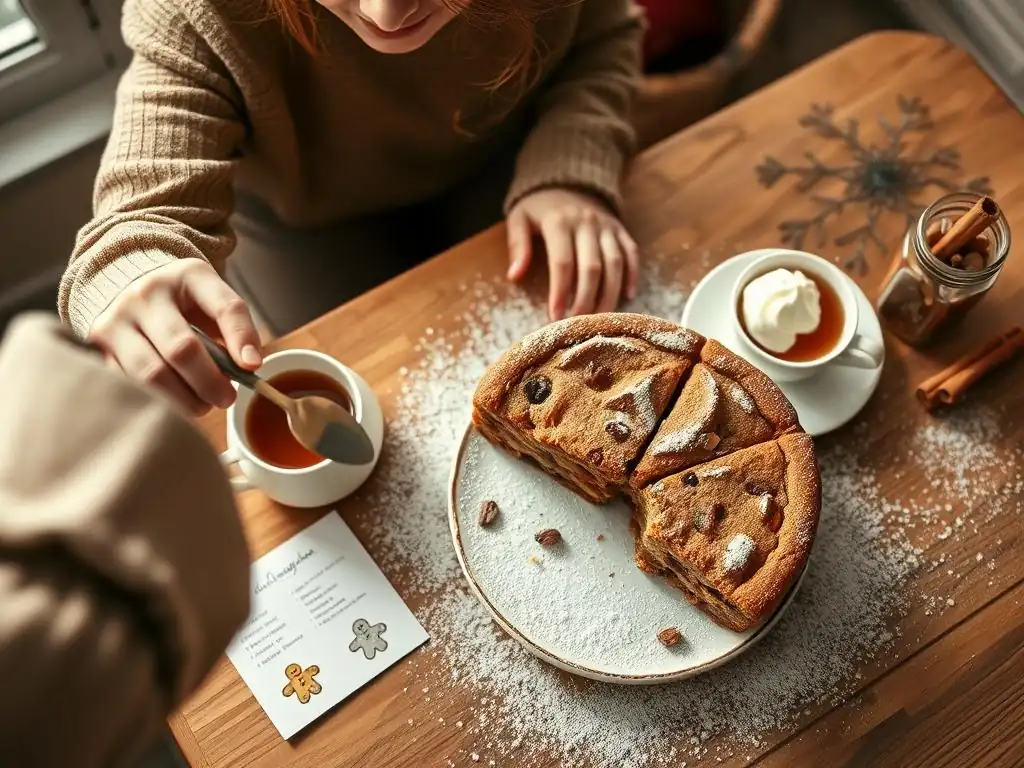
Baking a batch of Easy German Lebkuchen is a rewarding experience, and the best part is sharing and enjoying the fruits of your labor. Lebkuchen is perfect for savoring during the holiday season, accompanying warm drinks, or presenting as thoughtful homemade gifts.
The rich, spicy flavor and soft texture make Lebkuchen a delightful treat on its own, but pairing it with the right beverage can enhance the experience. They also make excellent edible gifts, showcasing your baking skills and holiday spirit.
Pairing Lebkuchen with Beverages: Coffee, Tea, and Wine
Lebkuchen's warm, spicy profile makes it an excellent companion to various beverages. A classic pairing in Germany is with a mug of coffee or tea, especially during the afternoon Kaffee und Kuchen (coffee and cake) tradition. The robust flavors of black tea or the soothing warmth of herbal teas like chamomile or spiced blends complement the gingerbread beautifully.
During the Christmas season, Lebkuchen is famously enjoyed with Glühwein (German mulled wine). The similar spice notes in both the wine and the gingerbread create a harmonious and festive flavor combination. Some people also enjoy pairing Lebkuchen with a sweet dessert wine or even a rich dark beer, which can stand up to the intense spices.
Lebkuchen as a Holiday Gift: Presentation Ideas
Homemade Lebkuchen makes a wonderful, personal holiday gift for friends, family, and neighbors. Presenting your easy German Lebkuchen recipe creations attractively enhances their appeal. Once the cookies are completely cooled and any icing has set, they are ready for packaging.
Consider stacking them neatly in decorative holiday tins or boxes, perhaps layering them with parchment paper to prevent sticking. Alternatively, you can place a few cookies in cellophane bags tied with festive ribbons. For a simple yet elegant presentation, arrange a selection of different shapes and decorations on a small plate or board, wrapped in cellophane. Adding a handwritten tag with "Homemade Lebkuchen" adds a personal touch.
The History of Lebkuchen: A Brief Journey Through Time
The story of Lebkuchen is a fascinating journey that spans centuries, connecting modern German Christmas traditions to ancient baking practices. Its evolution reflects the changing availability of ingredients, particularly spices, and the development of baking techniques.
From simple honey cakes of antiquity to the complex, spiced gingerbread we know today, Lebkuchen has held a special place in European culinary history, evolving from a monastic treat to a widely celebrated holiday confection.
From Ancient Honey Cakes to Modern German Gingerbread
The origins of Lebkuchen can be traced back to ancient civilizations like the Egyptians and Romans, who made honey cakes used in rituals and as food. The use of honey was practical as a sweetener and preservative before sugar became widely available. During the Middle Ages, the tradition of baking honey cakes spread through Europe, often associated with monasteries that cultivated bees and had access to imported spices via trade routes.
Monks in Franken (Franconia), a region in modern-day Bavaria, are credited with developing early forms of Lebkuchen around the 13th century. Nuremberg, located in Franken, grew into a major trading hub, facilitating access to exotic spices like cinnamon, cloves, and ginger. This access allowed Lebkuchen bakers in Nuremberg to refine their recipes, leading to the city's enduring fame as the capital of Lebkuchen production, with official records of Lebkuchen bakers dating back to 1370.
Lebkuchen and Christmas Traditions in Germany
Lebkuchen is inextricably linked with Christmas in Germany. It is one of the most iconic Weihnachtsplätzchen (Christmas cookies) enjoyed during the Advent season and Christmas holidays. Lebkuchen hearts, often quite large and decorated with icing messages, are a ubiquitous sight at German Christmas markets ( Weihnachtsmärkte) across the country, serving as both a treat and a souvenir.
At home, platters of assorted Christmas cookies, known as Plätzchenteller, are a festive centerpiece, and Lebkuchen is always a prominent feature alongside other favorites like Spekulatius and Zimtsterne. Baking Lebkuchen is a cherished pre-Christmas activity for many families, filling homes with the comforting scent of spices and creating edible symbols of holiday warmth and tradition.
More German Baking Delights from BakeWithEase
If you've enjoyed making our easy German Lebkuchen recipe and want to explore more classic German baked goods, BakeWithEase.com has plenty to offer. German baking is renowned for its variety, precision, and delicious results, from festive Christmas breads to decadent cakes.
Expanding your German baking repertoire is a rewarding way to experience the country's rich culinary heritage. Here are two other popular German delights you might enjoy trying, with recipes available on our site to guide you.
Stollen: Classic German Christmas Bread
Stollen is a traditional German Christmas bread, rich with dried fruits, candied citrus peel, nuts, and often a log of marzipan running through the center. After baking, it is generously coated in melted butter and dusted with a thick layer of powdered sugar.
Originating in Dresden, Stollen has a history dating back to the 15th century. Its shape is said to represent the infant Jesus wrapped in swaddling clothes. Baking a Stollen requires working with a yeast dough enriched with butter and eggs, then incorporating the fruits and nuts. While perhaps slightly more involved than an easy Lebkuchen recipe, our guides make Stollen baking accessible for home bakers wanting to master this festive bread.
Black Forest Cake: A Decadent Chocolate Cherry Treat.
Schwarzwälder Kirschtorte, or Black Forest Gateau/Cake, is one of Germany's most internationally famous cakes. It's a layered cake featuring chocolate sponge cake, whipped cream, cherries, and Kirschwasser (a clear cherry brandy). The cake is typically decorated with whipped cream, chocolate shavings, and fresh or preserved cherries.
Named after the Black Forest region in southwestern Germany, this cake is a celebration of cherries and cream. Our recipes break down the process of making the sponge, stabilizing whipped cream, and assembling the layers, allowing you to recreate this iconic, decadent German dessert in your own kitchen.
Frequently Asked Questions
How easy is this Lebkuchen recipe for beginner bakers?
This Lebkuchen recipe is designed to be beginner-friendly. It uses simple instructions and readily available ingredients, making it a great entry point into German baking. The focus is on easy techniques and clear guidance.
What are the key ingredients that make Lebkuchen unique?
The unique flavor of Lebkuchen comes from a blend of spices, including gingerbread spice mix, often containing cinnamon, cloves, nutmeg, and allspice. Other key ingredients include honey or molasses, and often nuts and candied citrus peel.
Can I adapt this recipe to be gluten-free?
Yes, you can adapt this Lebkuchen recipe to be gluten-free by substituting the all-purpose flour with a gluten-free flour blend. Ensure the blend contains xanthan gum for proper binding.
How long does Lebkuchen typically last and how should it be stored?
Lebkuchen can last for several weeks if stored properly. The best storage method is in an airtight container at room temperature. This helps maintain their soft texture.
What are some variations I can make to this Lebkuchen recipe?
You can add different types of nuts, like almonds or walnuts, or experiment with various glazes, such as chocolate or sugar glaze. Consider adding candied ginger or citrus peel for enhanced flavor.
Final Reflection: The Sweet Legacy of Lebkuchen, Baked with Love
The enduring appeal of Lebkuchen transcends mere culinary enjoyment; it's a connection to tradition, a celebration of warmth, and a testament to the simple joy of baking. This recipe, designed for accessibility, aims to bring the magic of this beloved German treat to kitchens worldwide, regardless of baking experience. The ease of the recipe shouldn't diminish the profound satisfaction of creating something so rich in history and flavor.
The scent of Lebkuchen baking evokes powerful memories for many, a nostalgic link to childhoods spent in cozy kitchens or festive markets. It's a sensory experience that transcends generations, a cultural touchstone that speaks to the heart. As I researched and developed this recipe, I was struck by the sheer diversity of Lebkuchen variations across Germany, each a unique reflection of regional traditions and family recipes. Baking is at once child's play and adult joy. And love, of course.
- This sentiment perfectly encapsulates the essence of Lebkuchen and the spirit behind sharing this recipe.
Now, I invite you to embrace the simplicity of this recipe and embark on your own Lebkuchen journey. Don't be afraid to experiment, to add your own personal touch, and to share the warmth and joy of this delicious treat with loved ones. The true magic of Lebkuchen lies not just in its exquisite taste, but in the act of creating it, the memories it fosters, and the connections it strengthens. So, preheat your oven, gather your ingredients, and let the sweet aroma of Lebkuchen fill your home with festive cheer.
Unleash Your Inner Bäcker: Bake Amazing Lebkuchen Today!
Thanks for joining us on this delicious journey into the world of Lebkuchen! We hope you’ve gained the confidence to tackle this seemingly complex treat. Now it's time to put your newfound knowledge to the test.
- Bake a batch of Lebkuchen! Use our recipe as a springboard – experiment with spices, glazes, and decorations to make it your own.
- Share your Lebkuchen creations! Show us your baking prowess on social media using #BakeWithEaseLebkuchen. We'd love to see your masterpieces!
- Try a new variation! Explore different types of Lebkuchen – perhaps a thinner, crispier version, or one with a unique filling.
Ready to transform your kitchen into a Lebkuchen wonderland? What unique twist will you add to your first batch?