
Simple German Crêpes (Pfannkuchen) Recipe: Thin & Delicious

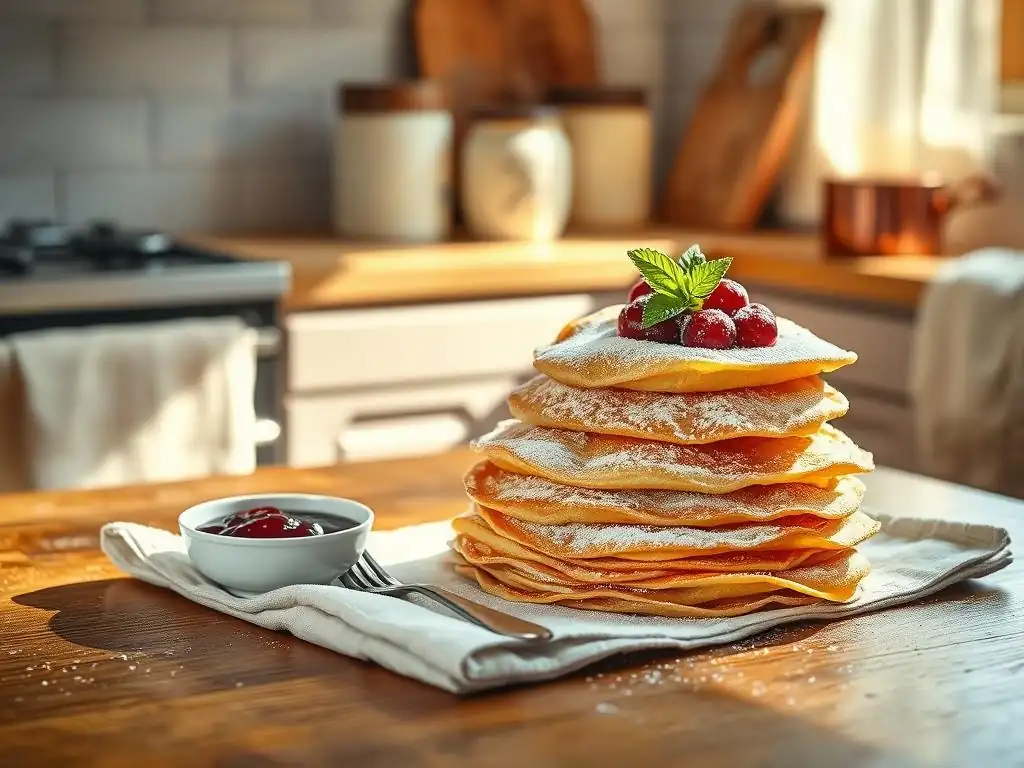
Welcome to BakeWithEase, your guide to unlocking the joy of baking! Ever dreamt of effortlessly whipping up a taste of Germany? Our collection of simple recipes and techniques is designed for bakers of all levels. Dive into our Easy German Crêpe Recipe and discover how to create thin, delicious Pfannkuchen in your own kitchen. But that's just the beginning... what other regional baking treasures await? Explore further and satisfy your curiosity!
- Introduction to German Pfannkuchen
- What are Pfannkuchen?
- Ingredients for Authentic German Pfannkuchen
- Step-by-Step Guide: Making Delicious Pfannkuchen
- How to Serve Your German Crêpes: Topping & Filling Ideas
- Tips and Tricks for Perfect German Crêpes
- Variations on the German Crêpe Recipe
- Enjoy Your Homemade German Pfannkuchen!
- Frequently Asked Questions
- Final Reflection: The Enduring Charm of Simple Pleasures
- Unleash Your Inner Bäcker: Make Perfect Pfannkuchen Today!
Introduction to German Pfannkuchen
Discover the Delight of German Crêpes (Pfannkuchen)
German Pfannkuchen, often compared to French crêpes, are a beloved staple in German cuisine, enjoyed for breakfast, dessert, or even a light supper. These thin, delicate pancakes are incredibly versatile, serving as a perfect canvas for both sweet and savory fillings. Unlike their fluffier North American counterparts, Pfannkuchen are characterized by their flatness and often generous size, cooked in a pan until golden brown and slightly crispy around the edges. Mastering the art of making these simple German crêpes opens up a world of culinary possibilities, from a quick weeknight treat to a festive brunch centerpiece.
The tradition of Pfannkuchen dates back centuries in Germany, evolving with regional variations and preferred serving styles. Across different states like Bavaria, Saxony, or North Rhine-Westphalia, you might find slight differences in batter consistency or common toppings, reflecting local produce and tastes. Despite these variations, the core concept remains: a thin, eggy pancake fried in a pan. This easy German crêpe recipe focuses on the classic, versatile version, providing a foundation upon which you can build, exploring different flavors and presentations to suit any occasion or craving.
Why This Easy Pfannkuchen Recipe is Perfect
This easy German crêpe recipe stands out because it simplifies the process without sacrificing authenticity or flavor. We focus on minimal ingredients, typically just flour, eggs, milk, a pinch of salt, and a touch of sugar, which are common pantry staples. The mixing process is straightforward, often requiring just a whisk or a blender, making it accessible even for novice bakers or those new to making thin pancakes. The goal is a smooth batter, free of lumps, which is crucial for achieving that signature thinness.
Furthermore, this recipe is designed for success in a standard home kitchen. You don't need specialized equipment beyond a good non-stick pan and a spatula. The cooking technique, while requiring a little practice to get the flip just right, is explained step-by-step, breaking down how to pour, swirl, and cook the batter evenly. By following this simple German crêpe recipe, you'll quickly gain confidence in making perfect Pfannkuchen every time, paving the way for more adventurous baking projects and expanding your repertoire of German baking delights.
Mastering Pfannkuchen: Tips and Techniques
Achieving the perfect Pfannkuchen is less about complex techniques and more about attention to detail. One crucial tip is allowing the batter to rest. After mixing, letting the batter sit for 15-30 minutes allows the gluten to relax, resulting in more tender crêpes and reducing the chance of tearing during cooking. This resting period also gives any small lumps time to dissolve, contributing to a smoother finished product. Aim for a consistency similar to heavy cream – thin enough to swirl easily in the pan, but thick enough to coat the back of a spoon.
Another key to mastering this easy German crêpe recipe is managing your pan temperature. A medium heat is generally ideal. If the pan is too hot, the crêpes will burn before they cook through; if it's too cool, they will be pale and rubbery. A good test is to drop a small amount of batter into the hot, greased pan; it should sizzle gently and set around the edges within a few seconds. Using a small amount of butter or oil for each crêpe is also essential to prevent sticking and ensure a beautiful golden-brown color.
What are Pfannkuchen?
Pfannkuchen vs. French Crêpes
While often used interchangeably, Pfannkuchen and French crêpes have subtle differences rooted in culinary tradition. Both are thin pancakes made from a simple batter primarily consisting of flour, eggs, and liquid (milk or water).
However, German Pfannkuchen often have a slightly richer, eggier batter compared to the standard French crêpe, sometimes containing a touch more sugar or even a splash of rum, particularly in southern regions. The texture can also vary; while French crêpes are consistently delicate and pliable, some German Pfannkuchen recipes result in a slightly more robust or even a touch thicker pancake, though still far thinner than American pancakes.
Historically, the preparation and serving methods also differ. French crêpes are typically cooked on specialized crêpe pans or griddles and often folded or rolled with a filling. German Pfannkuchen, while also cooked in a pan, are frequently served flat, sometimes stacked, and topped or rolled. Think of Kaiserschmarrn (Emperor's Mess), a famous Austrian dish derived from Pfannkuchen, where the pancake is torn into pieces and served with fruit compote. While both are delicious members of the thin pancake family, appreciating these nuances adds depth to understanding this easy German crêpe recipe.
Regional Variations of Pfannkuchen
Germany's diverse culinary landscape means Pfannkuchen aren't a one-size-fits-all dish. Regional variations abound, often influencing the name, ingredients, and typical accompaniments. In some parts of Bavaria, they might be called Palatschinken, a name borrowed from Austrian cuisine, and often served with fruit fillings or jams. In the Rhineland, a hearty version might incorporate potato, creating something closer to a potato pancake ( Kartoffelpuffer), but still referred to as a type of Pfannkuchen. Further north, they might be simpler, served primarily with powdered sugar or apple sauce.
A notable variation is the Eierkuchen found in parts of Central and Eastern Germany. While very similar to Pfannkuchen, the name "Eierkuchen" literally translates to "egg cake," emphasizing the eggy nature of the batter.
These regional names and slight recipe tweaks highlight how a basic concept like an easy German crêpe recipe can evolve to reflect local ingredients and cultural preferences. This particular recipe provides a versatile base that can be adapted to mimic many of these regional styles simply by changing the toppings or adding a specific ingredient like a bit of lemon zest or rum to the batter.
Ingredients for Authentic German Pfannkuchen
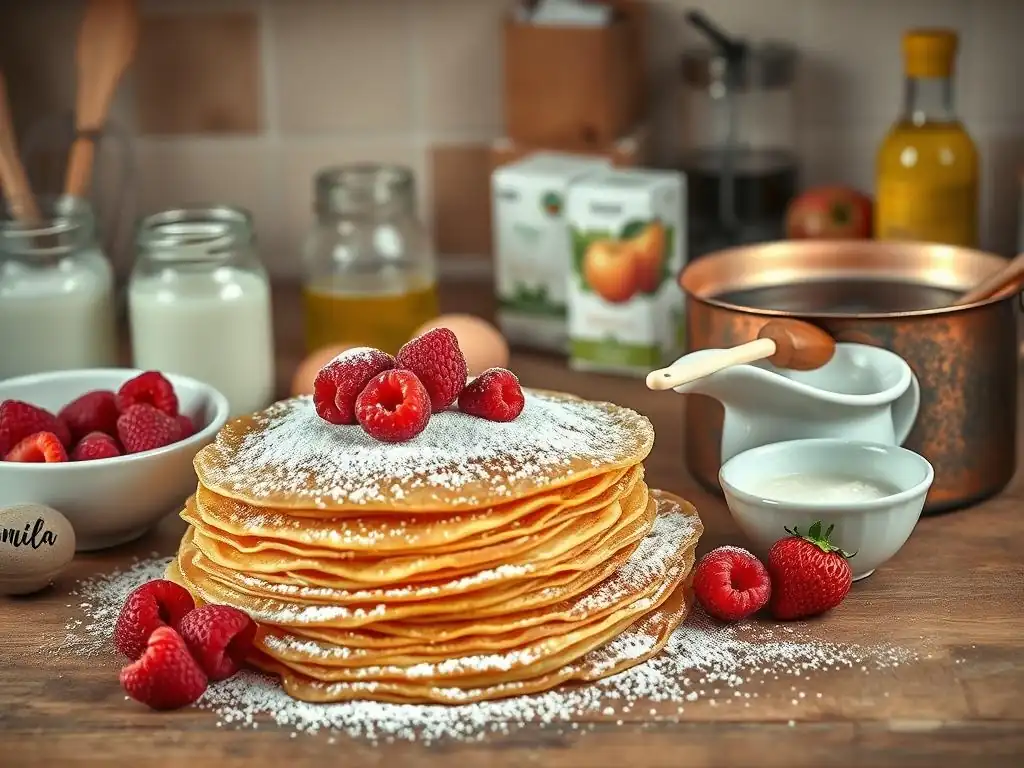
Ingredient List for Perfect Crêpes
Crafting delicious German Pfannkuchen starts with a few simple, high-quality ingredients. This easy German crêpe recipe relies on pantry staples to create a versatile batter.
Here is a basic ingredient list:
- 150g All-purpose flour (
Type 405in Germany, similar to cake flour) - 2 large eggs
- 300-350ml Milk (whole milk recommended for richness)
- 1 tablespoon Granulated sugar (optional, for sweet crêpes)
- Pinch of salt
- Butter or oil for cooking
This ratio typically yields about 8-10 medium-sized (approx. 20-24 cm diameter) Pfannkuchen, enough for 2-3 people as a main dish or 4-5 as a dessert. The exact amount of milk can be adjusted slightly to achieve your desired batter consistency – use less for a slightly thicker crêpe, more for very thin ones.
Understanding Key Ingredients
Each ingredient in this easy German crêpe recipe plays a vital role in achieving the perfect texture and flavor. The flour provides the structure; using a finer flour like German Type 405 or a standard all-purpose flour works well, contributing to the thinness. The eggs are crucial for richness, binding the batter, and contributing to the golden color and slight elasticity that prevents tearing. Using large, fresh eggs makes a noticeable difference in the final product's quality.
Milk is the primary liquid, hydrating the flour and creating a smooth, pourable batter. Whole milk adds a lovely richness, but 2% or even plant-based milk can be used, though the texture might vary slightly. The small amount of sugar is optional but enhances the flavor, especially if serving with sweet toppings.
The pinch of salt is essential, even for sweet crêpes, as it balances the flavors and prevents the crêpes from tasting flat. Finally, using butter or a neutral oil like canola or sunflower oil in the pan is key for cooking, adding flavor (if using butter) and preventing sticking.
Step-by-Step Guide: Making Delicious Pfannkuchen
Preparing the Crêpe Batter
Making the batter for this easy German crêpe recipe is straightforward. Start by whisking the eggs in a medium bowl until lightly frothy. Add the sugar (if using) and salt and whisk until combined. Gradually add about half of the milk, whisking continuously to incorporate. Next, add the flour, a little at a time, whisking until a thick, smooth paste forms. This method helps prevent lumps. Once the flour is incorporated into a smooth paste, gradually whisk in the remaining milk until the batter is smooth and has the consistency of heavy cream.
For an even smoother batter, you can use a blender. Add all ingredients to the blender and process until completely smooth, about 30 seconds. Regardless of the method, it's highly recommended to let the batter rest. Cover the bowl or blender pitcher and refrigerate for at least 15 minutes, or up to an hour. This resting period allows the flour to fully hydrate and the gluten to relax, making the crêpes more tender and easier to cook without tearing.
Cooking the Pfannkuchen: Achieving Thin & Golden Crêpes
Cooking Pfannkuchen requires a bit of rhythm. Heat a non-stick frying pan over medium heat. Lightly grease the pan with butter or oil; you only need a small amount for each crêpe, just enough to coat the surface thinly. A piece of butter or a paper towel dipped in oil works well. Pour about 60-80 ml (approximately 1/4 cup) of batter into the hot pan. Immediately tilt and swirl the pan quickly to spread the batter thinly and evenly across the entire bottom surface.
Cook for about 1-2 minutes, or until the edges start to look dry and lift slightly, and the bottom is golden brown. The surface should appear mostly set. Carefully slide a thin spatula under the crêpe and flip it over. Cook for another 30-60 seconds on the second side until golden brown spots appear. Slide the finished crêpe onto a plate. Repeat the greasing and cooking process for the remaining batter, stacking the cooked crêpes on the plate. Keeping them covered loosely with foil can help keep them warm and pliable.
Expert Tips for Preventing Tears
Tearing is a common issue when making thin crêpes, but it's easily preventable with a few simple techniques. First, ensure your batter has rested; this significantly improves elasticity. Second, make sure your pan is properly heated to medium heat. If it's too cool, the crêpe won't set fast enough and will be prone to tearing when you try to flip it. If it's too hot, it might become too brittle.
Third, use enough fat in the pan, but not too much. Just a thin layer is sufficient to prevent sticking. If the pan is dry or has sticky spots, the crêpe will inevitably tear. Finally, use a thin, flexible spatula that can easily slide under the entire crêpe without catching on the edges. Practice makes perfect; your first crêpe is often the "test" one, helping you adjust the pan temperature and cooking time. Be patient and gentle when flipping.
How to Serve Your German Crêpes: Topping & Filling Ideas
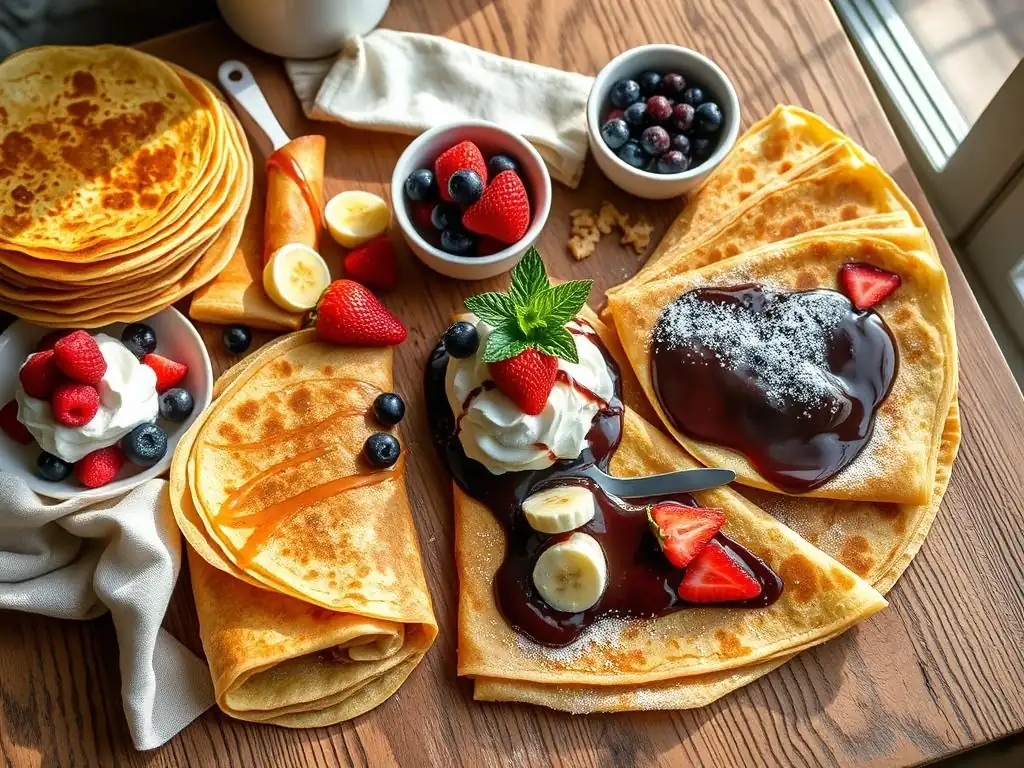
Classic Toppings for Pfannkuchen
The beauty of this easy German crêpe recipe lies in its versatility when it comes to serving. One of the most classic and simplest ways to enjoy Pfannkuchen in Germany is dusted generously with powdered sugar ( Puderzucker). This highlights the delicate flavor of the crêpe itself. Another beloved classic is serving them with apple sauce ( Apfelmus). The slight tartness of the apple sauce provides a wonderful contrast to the mild sweetness of the Pfannkuchen.
Many Germans also enjoy their Pfannkuchen with fruit preserves or jam ( Marmelade or Konfitüre), particularly plum ( Pflaumenmus) or berry jams. A dollop of whipped cream ( Schlagsahne) is a frequent addition to any sweet topping. For a slightly richer classic, serve them with a sprinkle of cinnamon sugar, often combined with apple slices that are cooked briefly in the pan before the batter is added, creating Apfelpfannkuchen.
Sweet Filling Suggestions
Beyond simple toppings, Pfannkuchen are excellent vehicles for sweet fillings. A popular choice is a simple spread of hazelnut chocolate spread, rolled up or folded into quarters. Fresh fruits like sliced bananas, berries (strawberries, blueberries, raspberries), or sautéed apple slices with cinnamon are also fantastic options. You can roll the crêêpe with the filling inside or simply fold it over.
For a more decadent dessert, consider filling your easy German crêpe recipe with sweetened quark (a type of German dairy product similar to cream cheese or thick yogurt) mixed with vanilla sugar and raisins. This creates a creamy, slightly tangy filling similar to what you might find in German cheesecakes. Another idea is a warm cherry filling, often made with sour cherries simmered with a bit of sugar and cornstarch to thicken, a common pairing in German desserts.
Savory Filling Options
While often associated with sweet dishes, Pfannkuchen can be equally delicious with savory fillings, making them suitable for a light lunch or dinner. A simple and popular savory option is to serve them with cheese and ham. You can sprinkle grated cheese (like Emmental or Gouda) and chopped ham over the crêpe while the second side is cooking, allowing the cheese to melt before folding or rolling.
Other savory ideas include sautéed mushrooms and onions, a spinach and feta mixture (as detailed in the variations section), or even leftover roasted vegetables. Some regional variations in Germany might include ingredients like bacon or sausage directly in the batter before cooking. This easy German crêpe recipe provides a neutral base that pairs well with a wide range of savory ingredients, limited only by your imagination.
Tips and Tricks for Perfect German Crêpes
Troubleshooting Common Crêpe Problems
Even with an easy German crêpe recipe, you might encounter minor issues. If your crêpes are sticking, the pan is likely not hot enough, or you need more fat. Ensure the pan is heated to medium and add a small amount of butter or oil before each crêpe. If they are tearing, the batter might be too thin (add a little more flour) or hasn't rested long enough. Also, check your pan temperature and spatula technique.
If your crêpes are too thick, you're either using too much batter or not swirling the pan quickly and effectively enough to spread it thinly. Try using slightly less batter (start with about 1/4 cup) and practice the swirling motion right after pouring. If they are unevenly cooked, your pan might have hot spots, or you're not swirling the batter evenly. Ensure your pan is properly heated before starting, and try to distribute the heat evenly if possible.
Making Crêpes Ahead of Time: Storage and Reheating
Pfannkuchen made from this easy German crêpe recipe can be made ahead of time, making them convenient for meal prep or entertaining. Allow the cooked crêpes to cool completely in a single layer on a wire rack before stacking. Once cooled, you can stack them with parchment paper in between to prevent sticking, although if they are completely cool, they usually don't stick much.
Store cooled crêpes in an airtight container or wrapped tightly in plastic wrap in the refrigerator for up to 2-3 days. To reheat, you can gently warm them in a non-stick pan over low heat for about 30 seconds per side until pliable, or microwave them briefly (about 15-30 seconds per crêpe, depending on your microwave). They can also be frozen for up to 1-2 months, again, stacked with parchment paper in between and wrapped well. Thaw them in the refrigerator overnight before reheating.
Achieving the Perfect Crêpe Flip
The flip is arguably the most satisfying part of making crêpes! While you can certainly use a spatula, mastering the pan flip is a fun skill. Ensure the first side is fully cooked and the edges have pulled away slightly from the pan. Gently shake the pan to ensure the crêpe isn't sticking. Hold the pan handle firmly and, with a confident upward flick of the wrist, toss the crêpe into the air, aiming to have it land back in the pan flipped over.
Task List for a Confident Flip:
- [x] Ensure the first side is fully cooked.
- [x] Check that the crêpe is not sticking to the pan.
- [x] Hold the pan handle firmly.
- [x] Use a quick, confident upward flick of the wrist.
- [ ] Practice over a clean surface first (optional, but recommended!).
If you're not ready for the aerial maneuver, a thin, wide spatula is your best friend. Slide it carefully under the entire crêpe, lift it gently, and quickly turn your wrist to flip it onto the uncooked side. Don't worry if your first few flips aren't perfect; it takes a little practice!
Variations on the German Crêpe Recipe
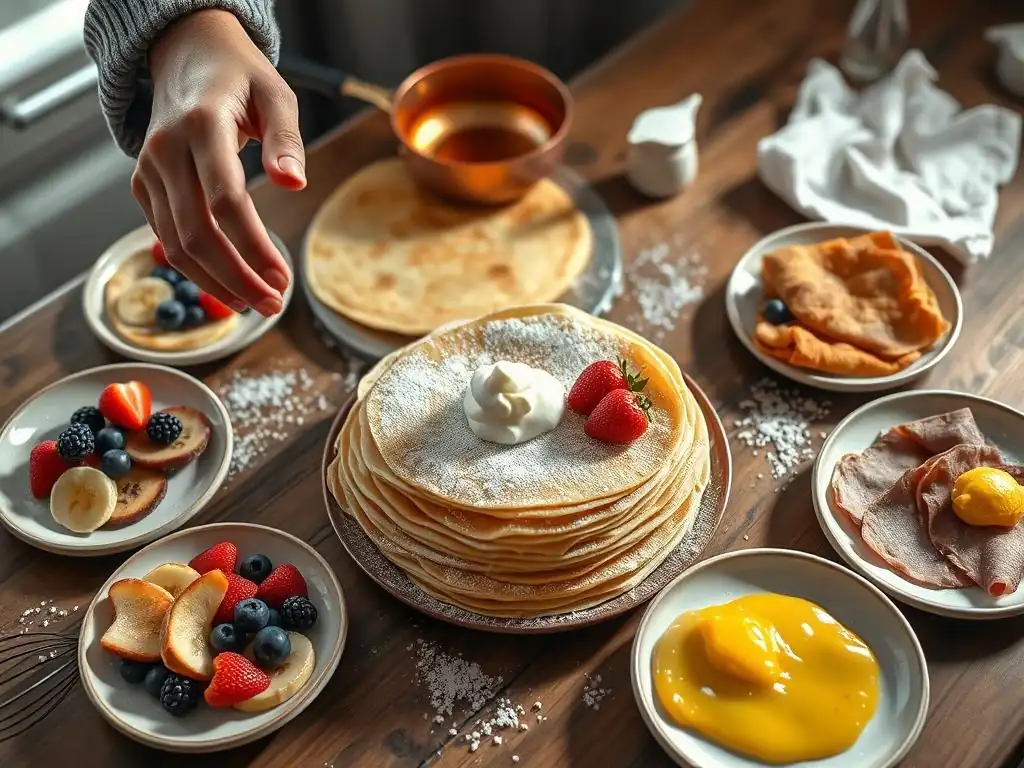
Sweet Pfannkuchen Variations: Apple Cinnamon Pfannkuchen
Transform your easy German crêpe recipe into a classic Apfelpfannkuchen by incorporating apples and cinnamon. Before pouring the batter, melt a little butter in the hot pan and arrange thinly sliced apples (about 1/4 to 1/2 an apple per crêpe) in a single layer on the bottom of the pan. Sprinkle the apples with a pinch of cinnamon and sugar. Let them cook for about a minute until slightly softened.
Pour the standard Pfannkuchen batter over the apples, swirling to cover them completely. Cook as usual, about 2-3 minutes on the first side (until the batter is set and the edges are golden), then carefully flip. The apples will now be on top. Cook for another 1-2 minutes until the second side is golden. Serve immediately, often dusted with powdered sugar or with a side of vanilla sauce ( Vanillesauce). This addition turns a simple crêpe into a satisfying and flavorful dish.
Savory Pfannkuchen Variations: Spinach and Feta Pfannkuchen
This easy German crêpe recipe also adapts beautifully to savory fillings. A delicious variation is a Spinach and Feta Pfannkuchen. Prepare your standard savory batter (omit the sugar). While the crêpes are cooking on the first side, quickly sauté some fresh spinach with a little garlic until wilted. Crumble some feta cheese.
Once the crêpe is ready to be flipped, sprinkle half of the crêpe surface with the wilted spinach and crumbled feta. Flip the empty half of the crêpe over the filling, creating a half-moon shape. Cook for another minute or so until the cheese is warm and slightly melted. Serve immediately, perhaps with a sprinkle of fresh black pepper or a dollop of sour cream. This variation is substantial enough for a light lunch or dinner.
Gluten-Free Pfannkuchen Recipe Option
Adapting this easy German crêpe recipe for gluten-free diets is quite feasible. Replace the all-purpose flour with a good quality gluten-free flour blend. Look for a blend that is designed for baking and ideally contains a mix of flours and starches (like rice flour, potato starch, tapioca starch). The amount of liquid might need slight adjustment as gluten-free flours absorb liquid differently. Start with the recommended amount of milk and add a little more if the batter seems too thick, aiming for the same heavy cream consistency.
Allowing the gluten-free batter to rest is even more crucial, ideally for 30 minutes or longer, to allow the alternative flours to fully hydrate and prevent a gritty texture. You might find gluten-free crêpes are slightly more delicate, so be extra gentle when flipping, perhaps relying on a spatula rather than a pan flip initially. The cooking time should be similar, aiming for golden brown edges and a set center. Serve with your favorite sweet or savory toppings as usual.
Enjoy Your Homemade German Pfannkuchen!
You've now mastered the art of making simple German crêpes, or Pfannkuchen! This easy German crêpe recipe provides a flexible and delicious foundation for countless meals and snacks. Whether you prefer them dusted with powdered sugar, rolled with jam, or filled with savory delights, homemade Pfannkuchen are sure to become a favorite in your home. Remember, practice makes perfect, and even imperfect crêpes are usually still delicious!
More German Baking Delights to Explore
If you've enjoyed making Pfannkuchen, the world of German baking offers many more delightful treats to explore. From the rich, yeasted dough of Hefezopf (braided sweet bread) to the crumbly goodness of Streuselkuchen (crumb cake) topped with various fruits, there's a vast array of traditional recipes waiting for you. Consider trying your hand at classic German cookies like Lebkuchen or Spekulatius during the holidays, or perhaps a hearty rye bread ( Roggenbrot). Each recipe offers a glimpse into Germany's rich culinary heritage and provides new techniques to expand your baking skills beyond this easy German crêpe recipe.
Frequently Asked Questions
What makes this German crêpe recipe "easy"?
This recipe focuses on simple ingredients and a straightforward preparation method, making it accessible even for beginner bakers. No complicated techniques are required.
What is the German name for crêpes, and how is it pronounced?
The German name for crêpes is Pfannkuchen. A common pronunciation is "fahn-koo-ken."
Can I customize the toppings for these crêpes?
Absolutely! While traditionally served with sugar or fruit, you can add savory toppings like ham and cheese, or sweet toppings like Nutella and whipped cream.
What is the key to getting the crêpes thin and delicate?
Using a thin batter and a hot, lightly greased pan are crucial for achieving thin and delicate crêpes. Pour a small amount of batter and swirl the pan quickly.
What kind of pan is best for making these German crêpes?
A non-stick skillet or a crêpe pan works best. The pan should be relatively flat and easy to maneuver for even cooking.
Final Reflection: The Enduring Charm of Simple Pleasures
The seemingly simple act of making German Pfannkuchen, as detailed in this recipe, transcends mere culinary instruction; it's a gateway to connection, tradition, and the joy of creating something delicious from humble ingredients. This recipe, designed for ease and accessibility, offers a tangible link to a rich culinary heritage, proving that sometimes the most satisfying experiences are the simplest.
The enduring appeal of Pfannkuchen lies not just in their delicate texture and versatility, but in their ability to evoke feelings of warmth and nostalgia. They are a comfort food, a shared experience, a taste of home for many. The best things in life are simple,
a sentiment often repeated, rings especially true when considering the effortless joy derived from a perfectly cooked crêpe, shared with loved ones. This recipe, I hope, has helped to unlock that joy for you.
Now, I invite you to go beyond the recipe itself. Consider the power of simple acts, the beauty found in tradition, and the profound connection we forge through shared meals. Try this recipe, adapt it to your own tastes, and share the experience with someone you care about. Let the simple pleasure of a German Pfannkuchen be a reminder to savor the small moments and appreciate the richness of everyday life.
Unleash Your Inner Bäcker: Make Perfect Pfannkuchen Today!
Thanks for taking the time to explore the world of delicious German crêpes with us! We hope you now feel confident in tackling this classic recipe. Ready to take your crêpe game to the next level?
- Master the Art of the Flip: Try making your own Pfannkuchen today – the perfect first step to crêpe mastery! See how light and airy you can get them.
- Share Your Success (or Struggles!): Post a picture of your crêpes on social media and tag us – we’d love to see your creations!
- Get Creative with Toppings: Experiment with different fillings and toppings beyond the traditional options – what unique combinations will you discover?
So, what amazing flavor combination will you create with your first batch of homemade Pfannkuchen?