
Easy German Waffles (Waffeln) Recipe for a Perfect Breakfast

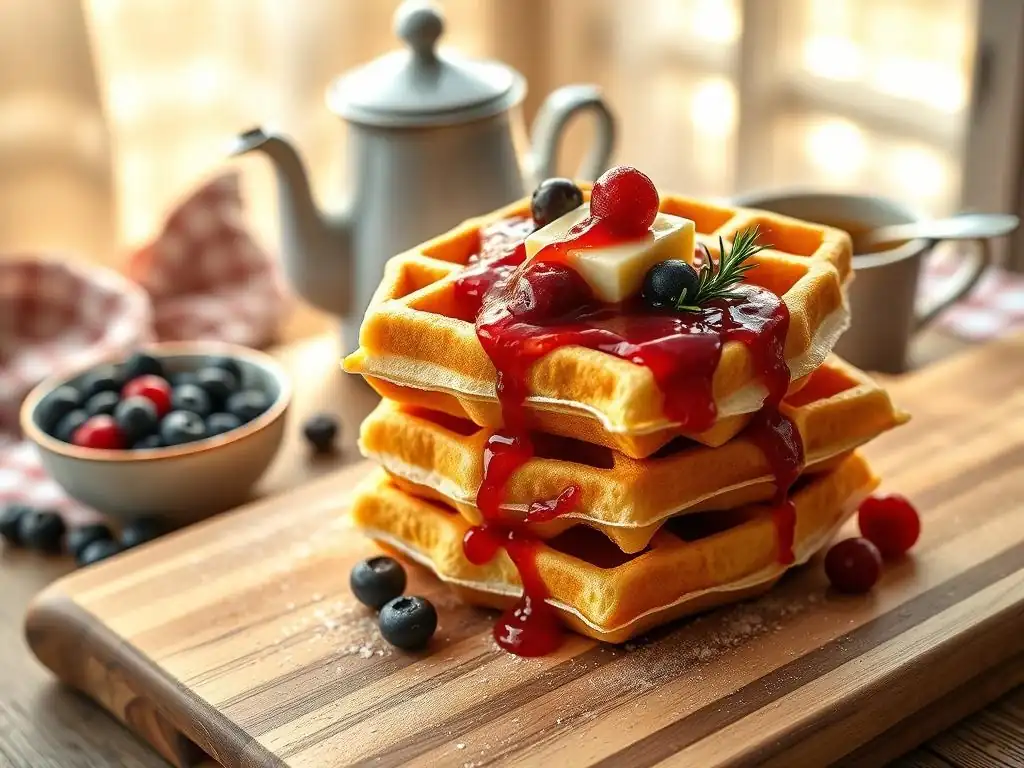
Welcome to BakeWithEase, your passport to a world of delightful baking adventures! Ever dreamt of creating a truly unforgettable breakfast? Prepare to be captivated by our Easy German Waffles (Waffeln) recipe. This isn't just another waffle recipe; it's a journey into the heart of German culinary tradition, simplified for your kitchen. Curious about the secret to achieving that perfect golden crisp and airy texture? Let's unlock the secrets together...
- Introduction to Belgian Waffles: A Fluffy and Crispy Delight
- Belgian Waffle Recipe: Step-by-Step Guide for Success
- Preparing the Waffle Batter: Achieving the Right Consistency
- Cooking Your Belgian Waffles: Achieving Golden Brown Perfection
- Serving Suggestions and Toppings for Belgian Waffles
- Storing and Reheating Belgian Waffles
- Troubleshooting Common Waffle Baking Issues
- Variations on the Classic Belgian Waffle Recipe
- Explore More Brunch Recipes
- Conclusion: Enjoy Your Homemade Belgian Waffles!
- Frequently Asked Questions
- Final Reflection: The Simple Joy of German Waffeln
- Unleash Your Inner Waffel Wizard!
Introduction to Belgian Waffles: A Fluffy and Crispy Delight
Welcome to the delightful world of German baking, where simple ingredients transform into comforting treats. Today, we're focusing on a beloved classic perfect for starting your day: the Easy German waffle recipe breakfast, known locally as Waffeln. Unlike some of their thicker, yeasted cousins from other regions, traditional German Waffeln are often characterized by a lighter, slightly crisp exterior and a wonderfully tender interior, frequently baked in distinctive heart shapes. This recipe is designed to be straightforward, making it accessible for bakers of all skill levels looking to enjoy authentic German flavors right at home.
These Waffeln are a staple in German cafes and homes, especially for a relaxed weekend breakfast or afternoon Kaffee und Kuchen (coffee and cake). They are incredibly versatile, delicious served simply with a dusting of powdered sugar, or adorned with a variety of toppings from fresh fruits to cream. Our aim with this easy German waffle recipe breakfast guide is to equip you with the knowledge and steps needed to create these charming treats with minimal fuss and maximum flavor, ensuring your breakfast spread is both impressive and delicious.
Discover the Difference of Authentic Belgian Waffles
While the header mentions Belgian waffles, let's focus on the unique characteristics that define German Waffeln, or Waffeln, distinguishing them from their international counterparts. German Waffeln typically feature a batter leavened primarily with baking powder, resulting in a texture that is less dense than yeast-leavened waffles. They are often thinner than Belgian waffles and traditionally baked in a round iron that produces five heart-shaped segments, perfect for sharing or breaking apart. This specific texture – a delicate crispness giving way to a soft, airy crumb – is a hallmark of a great Waffel.
The ingredients in a classic German Waffel batter are simple and readily available: butter, sugar, eggs, flour, milk, and baking powder, often with a touch of vanilla or lemon zest for fragrance. The simplicity of the batter allows the quality of the ingredients and the baking technique to truly shine. Achieving the perfect balance between a slightly crisp edge and a tender center is the goal, making this easy German waffle recipe breakfast a satisfying project for any home baker. The charm of the heart shape also adds a special touch, making them visually appealing for any breakfast table.
Why This Recipe Guarantees Light and Airy Waffles
The secret to achieving a light and airy texture in this easy German waffle recipe breakfast lies in a few key techniques and ingredient ratios. Firstly, the careful balance of baking powder provides reliable lift throughout the batter as it heats. Secondly, creaming the butter and sugar together incorporates air early in the process, contributing to the overall lightness. However, perhaps the most crucial step involves the eggs.
Separating the eggs and whipping the egg whites to stiff peaks before gently folding them into the batter introduces a significant amount of air. This trapped air expands during baking, giving the waffles their characteristic lift and delicate structure. Combining this aerating technique with a proper resting time for the batter allows the gluten to relax, preventing a tough texture and ensuring that the final waffle is wonderfully tender and fluffy on the inside, perfectly complementing its lightly crisp exterior. This meticulous, yet easy, process is what makes this German waffle recipe stand out for its delightful texture.
Belgian Waffle Recipe: Step-by-Step Guide for Success
Creating delicious German Waffeln for your perfect breakfast involves following a few simple, yet crucial, steps. This guide breaks down the process, ensuring that even if you're new to making waffles, you can achieve fantastic results. From preparing the batter to cooking them to golden perfection, each stage contributes to the final outcome. Getting the details right, like proper mixing and iron temperature, makes all the difference in transforming basic ingredients into a memorable breakfast treat.
This easy German waffle recipe breakfast guide walks you through the essential steps, providing clear instructions to help you navigate the process smoothly. We'll cover everything from gathering your ingredients and equipment to the nuances of mixing and cooking. Paying attention to these details will not only help you avoid common pitfalls but also empower you to consistently bake delightful Waffeln that are just right – tender on the inside and lightly crisp on the outside, ready to be enjoyed with your favorite toppings.
Ingredients for Perfectly Crisp Belgian Waffles
To make a batch of approximately 8-10 heart-shaped German Waffeln (depending on your iron size), you will need a specific list of ingredients, ensuring the right balance for that classic texture. You'll start with 250 grams of all-purpose flour, the base of our batter. For sweetness and tenderness, you'll need 100 grams of granulated sugar. Three large eggs are essential for structure and richness, and you'll separate them later.
Butter is key for flavor and crispness; use 125 grams of unsalted butter, melted and slightly cooled. For the liquid component, 300 milliliters of milk (whole milk works best for richness) will be used. Leavening comes from 2 teaspoons of baking powder, providing the lift. A pinch of salt enhances all the flavors, and 1 teaspoon of vanilla extract adds a warm, inviting aroma. These specific quantities are designed to create a reliable and delicious easy German waffle recipe breakfast batter.
Essential Equipment for Making Belgian Waffles
Having the right tools on hand makes the process of baking this easy German waffle recipe breakfast much smoother and more efficient. The most critical piece of equipment is, of course, a waffle iron. While a traditional heart-shaped German waffle iron is lovely for authenticity, any standard waffle iron will work perfectly well to produce delicious Waffeln. Ensure your iron is clean and in good working order.
You will also need a few basic kitchen items: two medium-sized mixing bowls (one for dry ingredients, one for wet/batter, plus one for whipping egg whites), a whisk (an electric mixer is highly recommended for whipping egg whites effectively), measuring cups and spoons for accurate ingredient portions, a rubber spatula or wooden spoon for mixing and folding, and a non-metal utensil (like a fork or tongs) for carefully removing the waffles from the hot iron. Having these items ready before you begin will streamline your baking process.
Preparing the Waffle Batter: Achieving the Right Consistency
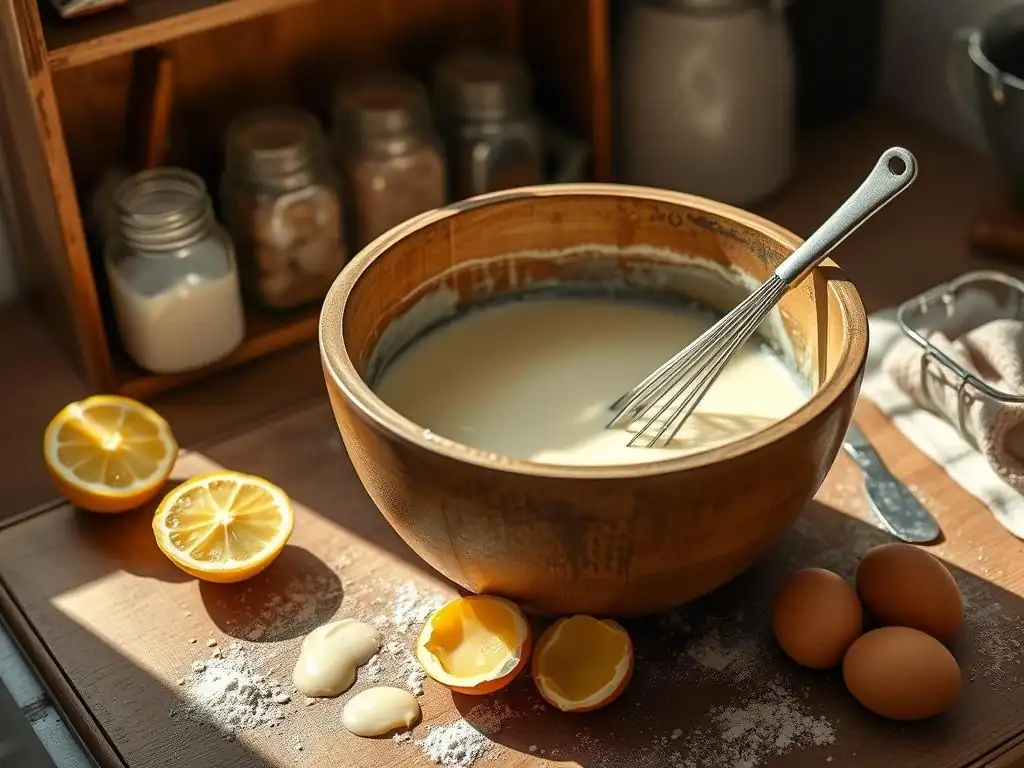
Creating the perfect batter is fundamental to baking delicious German Waffeln. The consistency of the batter directly impacts the final texture, aiming for something that is pourable but not too thin, capable of producing both a tender interior and a light crispness. This section details the steps involved in mixing your ingredients correctly, focusing on techniques that build structure and incorporate air for that desirable light texture characteristic of a great easy German waffle recipe breakfast.
The process involves combining wet and dry ingredients separately before bringing them together, and then carefully incorporating the whipped egg whites. Paying attention to the order and method of mixing helps prevent common issues like tough waffles or uneven cooking. It's about building the batter's structure while preserving the aeration achieved in earlier steps, ensuring that when it hits the hot waffle iron, it expands beautifully and cooks evenly.
Separating Eggs and Whipping Egg Whites for Fluffiness
A crucial step in achieving wonderfully light and airy German Waffeln for your easy German waffle recipe breakfast is the proper handling of the eggs. Begin by carefully separating the three large eggs. Ensure no yolk contaminates the egg whites, as even a small amount of fat can prevent the whites from whipping properly. Place the egg whites in a clean, dry mixing bowl.
Using an electric mixer on medium-high speed, whip the egg whites until stiff peaks form. This means that when you lift the whisk, the peaks stand straight up without drooping. This process typically takes about 3-5 minutes with an electric mixer. The whipped egg whites are essentially stable foam that will provide significant lift and tenderness to the waffle batter, contributing greatly to the final light texture of your homemade Waffeln.
Gently Folding in the Wet and Dry Ingredients
Once your dry ingredients (flour, sugar, baking powder, salt) are whisked together and your wet ingredients (melted butter, milk, vanilla) are combined, it's time to bring them together. Pour the wet ingredients into the bowl with the dry ingredients. Using a rubber spatula or wooden spoon, mix just until the dry ingredients are incorporated. It's okay if there are a few small lumps; overmixing develops gluten, which can lead to tough waffles, so stop as soon as the flour is mostly combined.
After the main batter is mixed, gently fold in the whipped egg whites. Add about a third of the whipped whites to the batter and fold gently to lighten it. Then, add the remaining egg whites and fold with a light hand using an up-and-over motion, rotating the bowl, until no streaks of white remain. The goal is to incorporate the whites without deflating them, preserving the air bubbles that will make your easy German waffle recipe breakfast waffles so light and fluffy.
Resting the Batter for Optimal Texture
Allowing the waffle batter to rest for a short period before cooking is a step often overlooked but beneficial for achieving the best possible texture in your German Waffeln. After gently folding in the egg whites, cover the bowl with a clean cloth or plastic wrap. Let the batter sit at room temperature for about 10-15 minutes.
This resting period allows the flour to fully hydrate, meaning it absorbs the liquid evenly. This process helps to relax the gluten that might have developed during mixing, even gentle mixing. A well-rested batter results in more tender waffles. While not strictly necessary if you're in a hurry, this simple step contributes to a slightly better texture, ensuring your easy German waffle recipe breakfast is as delicious as possible.
Cooking Your Belgian Waffles: Achieving Golden Brown Perfection
Cooking the batter into perfectly formed, golden-brown Waffeln is the exciting final step before enjoying your easy German waffle recipe breakfast. The key here is managing the heat and timing correctly to ensure the waffles cook through, develop a pleasant exterior crispness, and release easily from the iron. A properly preheated iron is your best friend in this process.
Attention to detail during the cooking phase prevents common issues like sticking or pale, undercooked waffles. You want that inviting golden hue and a texture that holds its shape when removed from the iron. Follow these steps to successfully transform your batter into delicious, ready-to-eat German Waffeln, perfect for stacking and topping for your breakfast feast.
Preheating Your Waffle Iron for Consistent Results
Before you even think about pouring batter, ensure your waffle iron is thoroughly preheated. A hot iron is essential for achieving that desirable slightly crispy exterior and preventing the batter from sticking. Most waffle irons have an indicator light that signals when the correct temperature is reached, usually after about 5-10 minutes of being plugged in.
Even if your iron has a non-stick surface, it's a good practice to lightly brush or spray the grids with a little oil or melted butter before cooking the first waffle. This extra step provides insurance against sticking, especially with a batter rich in butter and sugar like this easy German waffle recipe breakfast. A properly preheated and lightly greased iron ensures even cooking and easy release every time.
Using the Right Amount of Batter for Each Waffle
Determining the correct amount of batter for your specific waffle iron is crucial to avoid overflows or underfilled grids. For a standard heart-shaped German waffle iron with five sections, approximately 1/2 cup (about 120ml) of batter per waffle is a good starting point, though this can vary slightly based on the depth of your iron. For larger or different shaped irons, you might need more or less.
Pour the batter into the center of the iron and quickly spread it slightly towards the edges using a spatula if needed, though many batters will spread on their own as the iron closes. The goal is to fill the grid pattern without letting batter spill out the sides when the lid is closed. You might need to experiment with the first waffle or two to find the perfect amount for your easy German waffle recipe breakfast iron.
Monitoring Baking Time and Achieving a Golden Crust
The baking time for your German Waffeln will depend on your waffle iron's wattage, the desired level of crispness, and the specific model. Generally, waffles take anywhere from 3 to 6 minutes to cook. Most modern waffle irons have indicator lights that signal when the waffle is ready, often changing from red to green.
Another good indicator is the amount of steam escaping from the sides of the iron. When the steam significantly reduces or stops, the waffle is typically cooked through. For a nice golden crust, you might need to bake them for the longer end of the time range. Lift the lid carefully to check the color; you're looking for a uniform golden brown across the surface. Achieving this color ensures your easy German waffle recipe breakfast waffles are perfectly cooked and visually appealing.
Removing Waffles Carefully to Maintain Their Shape
Once your German Waffeln are cooked to a beautiful golden brown, removing them carefully from the hot iron is essential to keep their shape intact. Avoid using metal utensils, as these can scratch and damage the non-stick coating of your waffle iron over time.
Instead, use a non-metal fork, spatula, or tongs to gently lift the edges of the waffle and transfer it to a wire rack. Placing the cooked waffles on a wire rack allows air to circulate around them, which helps prevent them from becoming soggy and keeps that desirable slight crispness achieved during baking. This simple step ensures your easy German waffle recipe breakfast waffles maintain their structure and texture until they are ready to be served and enjoyed.
Serving Suggestions and Toppings for Belgian Waffles
While the header mentions Belgian waffles, the beauty of German Waffeln, especially this easy German waffle recipe breakfast, is their versatility when it comes to toppings. Whether you prefer classic, traditional pairings or want to get creative with your flavor combinations, the simple, comforting base of the waffle provides the perfect canvas. Presentation also plays a role in making your breakfast feel special.
Think about the balance of textures and flavors. The tender, slightly crisp waffle pairs wonderfully with soft fruits, creamy toppings, or sweet sauces. Consider what's seasonal or what you have on hand. These suggestions are designed to inspire you to create a truly memorable breakfast experience, showcasing how simple Waffeln can be elevated with the right accompaniments.
Classic Toppings for Authentic Belgian Waffles
For an authentic German breakfast experience with your homemade Waffeln, a few classic toppings immediately come to mind. The most traditional and arguably essential topping is a generous dusting of powdered sugar ( Puderzucker). Its fine texture melts slightly on the warm waffle, providing just the right amount of sweetness without overpowering the delicate flavor of the waffle itself.
Another beloved classic is fruit, particularly fresh berries like strawberries or raspberries, or a warm fruit compote, such as cherry compote ( Kirschkompott) or apple sauce ( Apfelmus). These add a lovely tartness and moisture that complements the waffle's texture. Finally, a dollop of freshly whipped cream ( Schlagsahne) is a decadent yet classic addition, adding a creamy richness that makes this easy German waffle recipe breakfast feel truly special.
Creative and Delicious Waffle Topping Combinations
Beyond the classics, your easy German waffle recipe breakfast opens the door to a world of creative topping possibilities. Consider pairing the warm Waffeln with a drizzle of chocolate sauce or melted Nutella for a richer treat. A scoop of vanilla ice cream makes them perfect for a dessert-like breakfast or brunch.
For something slightly different, try warm spiced apples or pears, a sprinkle of cinnamon sugar, or even a dollop of speculoos spread for a touch of European spice. Fresh fruit salads, toasted nuts, or a drizzle of honey or maple syrup (though less traditional in Germany than powdered sugar) are also fantastic options. Don't be afraid to experiment and find your own favorite combinations to elevate your homemade German waffles.
Plating and Garnishing for an Elegant Presentation
Even for a casual breakfast, taking a moment to plate your easy German waffle recipe breakfast nicely can enhance the dining experience. Stack two or three heart segments on a plate, slightly overlapping, to create height and visual interest. A simple dusting of powdered sugar over the stack is always elegant.
Add a dollop of whipped cream or a scoop of compote neatly to the side or on top of the stack. Garnish with a few fresh berries or a sprig of mint for a pop of color. If using chocolate sauce, a simple drizzle over the top works well. An appealing presentation makes your delicious homemade German Waffeln even more inviting, turning a simple breakfast into a little celebration.
Storing and Reheating Belgian Waffles
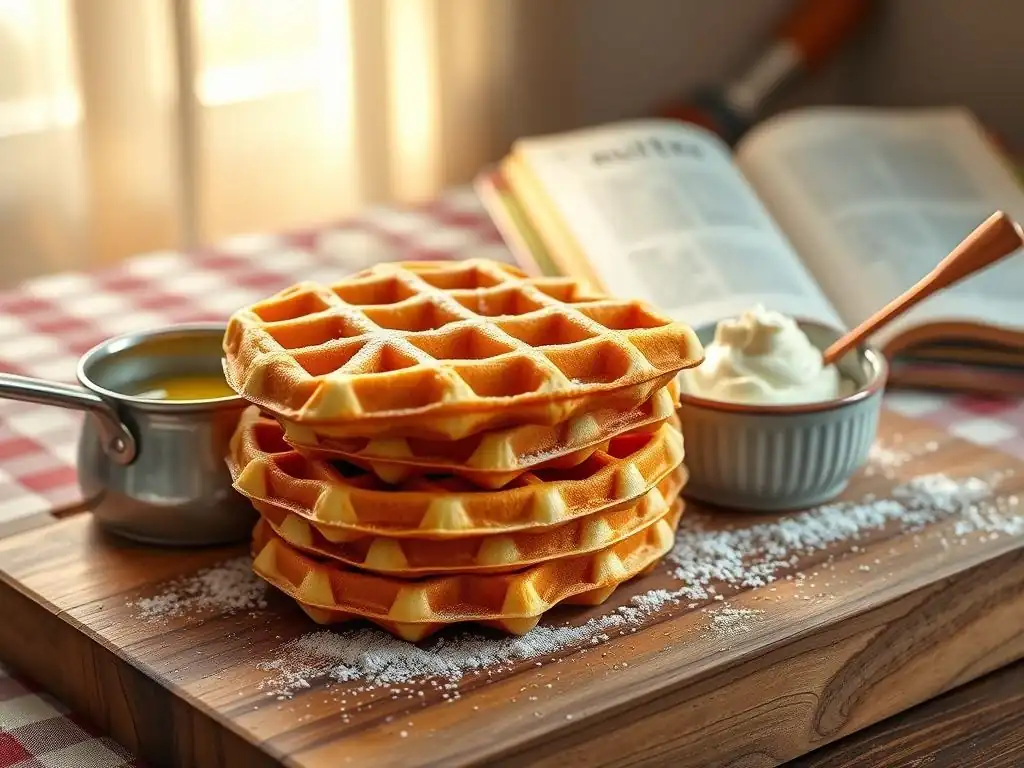
It's possible you might have leftover German Waffeln from your easy German waffle recipe breakfast batch, or perhaps you want to make a larger quantity ahead of time for quick breakfasts during the week. Properly storing and reheating your homemade waffles is key to maintaining their delicious texture and flavor. Simply leaving them out will cause them to lose their crispness and become stale quickly.
Thankfully, Waffeln store quite well and can be easily reheated to bring back some of their freshly baked appeal. The methods you choose for storage and reheating will determine how close you get to that initial tender-crisp texture. Planning ahead for storage means you can enjoy these delightful treats with minimal effort on busy mornings.
Best Practices for Storing Leftover Waffles
To store leftover German Waffeln from your easy German waffle recipe breakfast, first ensure they have cooled completely on a wire rack. Storing warm waffles will create condensation, making them soggy. Once cool, they can be stored in the refrigerator for a short period or frozen for longer storage.
For refrigeration, place the cooled waffles in an airtight container or a zip-top bag. They will keep well in the fridge for 1-2 days. For freezing, which is excellent for meal prep, layer the cooled waffles between sheets of parchment paper before placing them in a freezer-safe bag or container. This prevents them from sticking together. Frozen waffles will maintain their quality for up to 2-3 months.
Reheating Methods for Maintaining Crispness
The best way to reheat your stored German Waffeln and bring back some of their original crispness is by using dry heat. Avoid the microwave, as this method tends to make waffles soft and rubbery rather than crisp. A toaster or toaster oven is ideal for single waffles, quickly heating them and re-crisping the exterior in just a couple of minutes.
For reheating multiple waffles, the oven is a great option. Preheat your oven or toaster oven to around 180°C (350°F). Place the waffles directly on the oven rack (or on a baking sheet if you prefer) and heat for approximately 5-7 minutes, or until they are heated through and feel crisp to the touch. This method works for both refrigerated and frozen waffles, though frozen ones might require a minute or two longer. Enjoying reheated easy German waffle recipe breakfast waffles is almost as good as eating them fresh!
Troubleshooting Common Waffle Baking Issues
Even with a straightforward recipe like this easy German waffle recipe breakfast, you might occasionally encounter small challenges in the kitchen. Knowing how to troubleshoot common issues, such as waffles sticking to the iron, cooking unevenly, or not achieving the desired texture, can save your batch and improve your future baking success. Most problems have simple solutions related to technique or equipment.
Addressing these issues often involves reviewing the steps of the recipe, checking your equipment, and understanding how the ingredients interact. Don't be discouraged if your first few waffles aren't perfect; practice makes perfect! By understanding the potential causes of these common problems, you can quickly identify and fix them to ensure every waffle from your easy German waffle recipe breakfast is a success.
Preventing Batter from Sticking to the Waffle Iron
Waffles sticking to the iron is a frustrating issue that can ruin the shape of your beautiful German Waffeln. The most common culprits are an iron that isn't hot enough or insufficient greasing. Ensure your waffle iron is fully preheated before adding any batter; most irons take 5-10 minutes to reach the correct temperature, indicated by a light.
Even if your iron is non-stick, applying a light coating of oil or melted butter to the grids before cooking the first waffle, and occasionally between batches, provides extra insurance. Use a pastry brush or cooking spray to ensure even coverage. Also, avoid opening the iron too early; wait until the steam subsides and the cooking indicator light signals the waffle is ready before attempting to lift the lid. This allows the waffle to set and release naturally.
Ensuring Waffles Cook Evenly
Unevenly cooked waffles can result in some parts being too pale and soft while others are perfectly golden. This can happen if the batter isn't distributed evenly or if the waffle iron has hot spots. When pouring the batter for your easy German waffle recipe breakfast, try to pour it into the center and allow it to spread naturally, or gently nudge it towards the edges with a spatula to ensure the grid is evenly covered.
If your waffle iron consistently cooks unevenly, it might have inherent hot spots. With some older or basic models, you might try rotating the iron halfway through the cooking time, though this is less necessary with modern irons that have more uniform heating elements. Ensure you are using the correct amount of batter – too little might not cover the entire grid evenly, while too much can overflow and cook messily.
Achieving the Ideal Crispy Exterior and Fluffy Interior
The hallmark of a great German Waffel from an easy German waffle recipe breakfast is the delightful contrast between a slightly crisp exterior and a tender, fluffy interior. If your waffles are too soft or too tough, several factors could be at play. For softness, ensure you are baking them long enough; waiting until the steam significantly reduces and the color is golden brown is key to developing crispness. Also, make sure they cool on a wire rack, not a solid surface.
If your waffles are tough, the most likely cause is overmixing the batter. Overmixing develops gluten, which results in a chewy texture. Remember to mix the wet and dry ingredients just until combined and gently fold in the whipped egg whites without deflating them. Using ingredients at room temperature (especially eggs and milk) can also help create a smoother batter and better texture.
Variations on the Classic Belgian Waffle Recipe
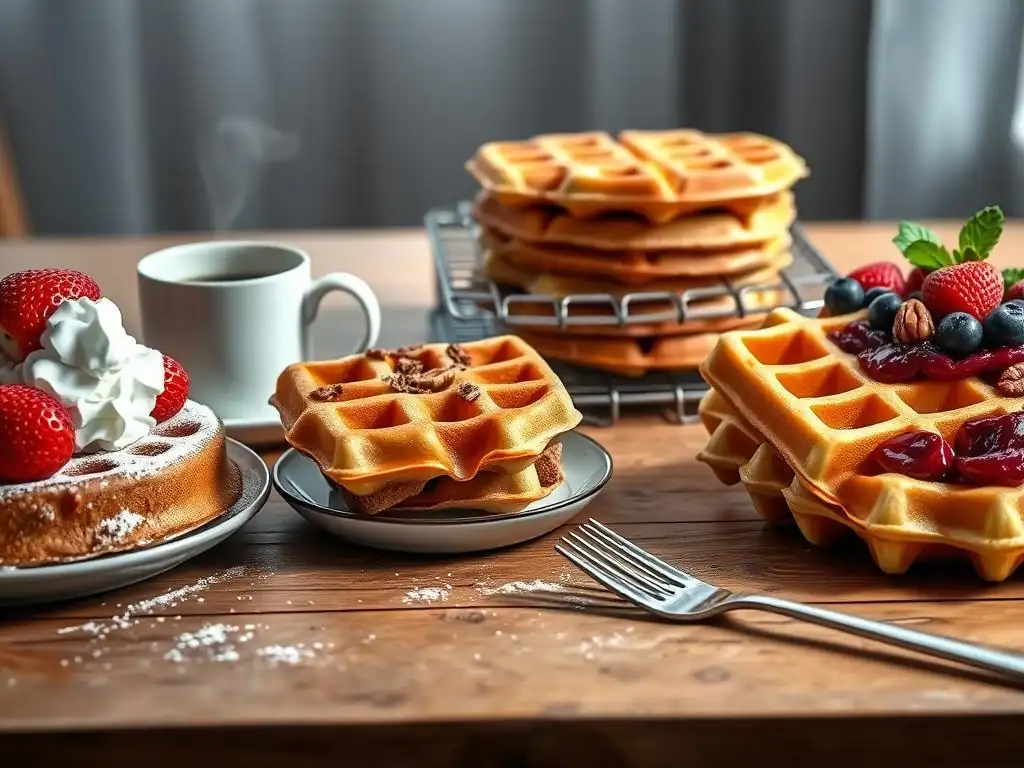
While the traditional easy German waffle recipe breakfast is wonderful on its own, the basic batter provides a fantastic base for creative variations. Introducing different flavors or adapting the recipe for dietary needs allows you to customize your Waffeln and explore new taste experiences. These simple modifications can transform the classic into something new and exciting, perfect for changing up your breakfast routine.
Experimenting with add-ins or ingredient substitutions offers a fun way to personalize your baking. Whether you're craving chocolate, need a dairy-free option, or are looking for a gluten-free alternative, the core technique of making Waffeln can often be adapted. Here are a few popular variations to try with your easy German waffle recipe breakfast batter.
Adding Chocolate Chips or Berries for Flavor
A simple way to add bursts of flavor to your easy German waffle recipe breakfast is by folding in some delicious additions to the batter just before cooking. Chocolate chips are a popular choice; about 1/2 cup (around 85 grams) of mini or regular chocolate chips can be gently folded into the finished batter. The chocolate melts slightly as the waffles cook, creating pockets of gooey goodness.
Fresh or frozen berries, such as blueberries or raspberries, also work wonderfully. Gently fold in about 1/2 to 1 cup (around 100-150 grams) of berries. If using frozen berries, don't thaw them first; fold them in frozen to prevent them from bleeding color into the batter. These additions bring extra sweetness and moisture, making your German Waffeln even more delightful.
Buttermilk Belgian Waffle Variation
For a slightly tangy flavor and potentially even more tender waffles, you can adapt this easy German waffle recipe breakfast to use buttermilk. Substitute the 300ml of regular milk with 300ml of buttermilk. Buttermilk is more acidic than regular milk, and this acidity reacts with the baking powder, providing an extra lift and contributing to a softer crumb.
When using buttermilk, you might notice the batter is slightly thicker. The process for mixing remains largely the same: combine dry ingredients, combine wet ingredients (including buttermilk and melted butter), mix wet into dry gently, then fold in the whipped egg whites. This buttermilk variation offers a subtle but noticeable difference in flavor and texture, adding another dimension to your homemade German Waffeln.
Gluten-Free Belgian Waffle Adaptation
Adapting this easy German waffle recipe breakfast to be gluten-free is possible with the right flour blend. Replace the 250 grams of all-purpose flour with an equal amount (250 grams) of a high-quality gluten-free all-purpose flour blend. Look for blends that are designed for baking and contain a mix of different flours and starches.
Gluten-free flours sometimes benefit from a binder to provide structure that gluten normally would. Consider adding about 1/2 teaspoon of xanthan gum per cup of gluten-free flour blend used (so around 1 to 1.5 teaspoons for this recipe, depending on the blend). Mix the xanthan gum with the dry ingredients. Follow the rest of the recipe steps as written. Results can vary slightly depending on the specific GF blend used, but this adaptation allows those with gluten sensitivities to enjoy delicious homemade German Waffeln.
Explore More Brunch Recipes
While this easy German waffle recipe breakfast is a star on its own, it's just one delightful option for a relaxed morning meal. The world of breakfast and brunch baking is vast and full of possibilities, offering everything from sweet pastries to savory bakes. Expanding your repertoire beyond waffles can make your weekend meals even more exciting and varied.
Discovering new recipes provides opportunities to learn different techniques and work with a wider range of ingredients. Whether you're looking for something quick and simple or a project to spend more time on, there are countless delicious dishes that fit the breakfast or brunch theme. Let's explore some other ideas that complement or stand alongside your perfect German Waffeln.
Discover Other Delicious Brunch Options
Beyond making an easy German waffle recipe breakfast, there are many other delightful options to explore for your morning meal. Consider classic American-style pancakes, which offer a different fluffy texture and cook up quickly on a griddle. Muffins and scones are fantastic grab-and-go options that can be made ahead of time and feature endless flavor combinations, from blueberry to cheese and herb.
Quick breads, like banana bread or zucchini bread, are also wonderful for slicing and serving alongside coffee. For something a bit more involved but incredibly rewarding, try making cinnamon rolls or other sweet yeasted pastries. Each of these offers a unique baking experience and a delicious outcome, perfect for adding variety to your breakfast table alongside or instead of your German Waffeln.
A truly spectacular breakfast or brunch often features a mix of both sweet and savory items, creating a balanced and satisfying spread. While this easy German waffle recipe breakfast covers the sweet side beautifully, incorporating savory dishes provides a wonderful contrast. Think about adding egg dishes like a simple scramble, a frittata loaded with vegetables and cheese, or even a quiche.
Savory baked goods like cheese scones, herb biscuits, or even small individual savory tarts can also be excellent additions. Pairing a savory item with your sweet Waffeln allows guests (or yourself!) to enjoy a fuller range of flavors. Exploring both sweet and savory recipes ensures your breakfast or brunch menu is diverse and appealing to all tastes.
Conclusion: Enjoy Your Homemade Belgian Waffles!
You've now mastered the steps to creating a delicious easy German waffle recipe breakfast right in your own kitchen. From mixing the simple batter to achieving that perfect golden-brown finish, you have the skills to bake these delightful Waffeln whenever the craving strikes. Enjoy the process, the wonderful aroma filling your home, and most importantly, the taste of freshly made German waffles.
Whether you're serving them simply with powdered sugar or loading them up with your favorite toppings, these homemade Waffeln are sure to be a hit. They are perfect for a leisurely weekend breakfast, a special occasion, or even a fun weeknight treat. Take pride in your baking accomplishment and savor every tender, slightly crisp bite of your easy German waffle recipe breakfast creation.
We love seeing what our baking community creates! Once you've made this easy German waffle recipe breakfast, consider sharing photos of your beautiful Waffeln and how you served them. Did you stick to classic toppings, or did you get creative with unique combinations?
Sharing your experiences and ideas can inspire other bakers in the community. Tell us about your favorite toppings, any variations you tried, or tips you discovered along the way. Your success with this German waffle recipe can encourage others to try making Waffeln too. Let's celebrate the joy of homemade breakfast treats together!
Frequently Asked Questions
What makes this German waffle recipe "easy"?
This recipe is easy because it uses simple ingredients and provides clear, step-by-step instructions.
What are "Waffeln" and how are they different from regular waffles?
"Waffeln" is the German word for waffles. They often have a lighter, crispier texture than some American-style waffles due to the specific batter composition.
Can I customize this German waffle recipe with different toppings?
Absolutely! While traditionally served with powdered sugar, you can customize with fresh fruit, whipped cream, chocolate sauce, or even savory toppings like bacon and eggs.
What kind of waffle iron is best for making these German waffles?
A standard waffle iron will work fine. However, a waffle iron with deeper pockets can help achieve that characteristic German waffle shape and texture.
How can I store leftover German waffles?
Leftover waffles can be stored in an airtight container in the refrigerator for up to 2 days. Reheat them in a toaster or oven for the best results.
Final Reflection: The Simple Joy of German Waffeln
The aroma of freshly baked German waffles, crisp on the outside and fluffy within, is a testament to the enduring power of simple pleasures. This recipe, designed for ease and accessibility, proves that creating delicious, authentic German breakfasts doesn't require hours in the kitchen or specialized equipment. It's a testament to the fact that sometimes, the most satisfying experiences come from the simplest of things.
The impact of a shared meal, particularly one as comforting as waffles, transcends mere sustenance. It's a connection to heritage, a celebration of tradition, and a moment of shared joy. Food is symbolic of love when words are inadequate.
– Alan D. Wolfelt. This simple waffle recipe, therefore, becomes more than just a set of instructions; it's a pathway to creating meaningful connections and savoring the beauty of everyday moments. The ease of the recipe allows for spontaneity, encouraging impromptu breakfasts with loved ones, fostering a sense of togetherness and warmth.
Now, I invite you to go beyond the recipe itself. Consider the power of simple pleasures in your own life. What seemingly small acts bring you joy and connection? Perhaps it's the shared cup of coffee, the quiet moment with a book, or the simple act of baking something delicious. Embrace these moments, for they are the building blocks of a rich and fulfilling life. Try this recipe, and let the aroma and taste of these easy German waffles transport you to a place of warmth, comfort, and connection.
Unleash Your Inner Waffel Wizard!
Thanks for joining us on this delicious waffle journey! We hope you've gained the confidence to whip up amazing German Waffeln at home. Now it's time to put your newfound skills to the test!
- Bake a batch of these incredible waffles: Don't just read about it – make them! The recipe is waiting for you (link implied, not written). The smell alone is worth it!
- Share your waffle creations: Show off your fluffy masterpieces on social media using #BakeWithEaseWaffles. We'd love to see them!
- Experiment with toppings: What delicious additions will you try? Think beyond the usual – get creative!
Ready to make your breakfast the best part of your day? What's your secret waffle topping ingredient?