
Mastering German YeastRaised Pastries (Hefeteiggebäck) Simply


Welcome to BakeWithEase, your kitchen companion for unlocking baking brilliance! Ever dreamed of effortlessly creating authentic German pastries? Our easy German yeast pastry recipe awaits, revealing the secrets to Hefeteiggebäck that will impress your family and friends. Curious to discover how simple it can be? Dive in and let's begin this delicious journey together!
- Mastering German Yeast-Raised Pastries (Hefeteiggebäck) Simply: An Easy BakeWithEase Guide
- Introduction to Easy German Yeast Pastry (Hefeteig) Baking
- Understanding Hefeteig: The Foundation of German Pastries
- Easy German Yeast Pastry Recipe: A Step-by-Step Guide
- Variations on the Easy German Yeast Pastry Recipe
- Troubleshooting Your German Yeast Pastry: Common Issues and Solutions
- Tips and Tricks for Perfect German Yeast Pastries Every Time
- Conclusion: Enjoying the Simplicity of German Yeast Baking
-
Frequently Asked Questions
- What makes a German yeast-raised pastry (Hefeteiggebäck) recipe "easy"?
- How does BakeWithEase.com help me master German yeast pastries?
- What types of German yeast pastries can I expect to find recipes for?
- Are the ingredients for German yeast pastries easily accessible?
- What if my yeast dough doesn't rise properly?
- Final Reflection: The Sweet Simplicity of German Yeast Pastries
- Unlock Your Inner Bäcker: Bake Amazing German Pastries!
Mastering German Yeast-Raised Pastries (Hefeteiggebäck) Simply: An Easy BakeWithEase Guide
Introduction to Easy German Yeast Pastry (Hefeteig) Baking
German baking is renowned for its precision and delicious results, and yeast-raised pastries, known as Hefeteiggebäck, are a cornerstone of this culinary tradition. While the idea of working with yeast might seem daunting to some, mastering a basic Hefeteig dough is surprisingly achievable for home bakers. This guide from BakeWithEase is designed to simplify the process, providing an easy German yeast pastry recipe that anyone can follow to create delightful treats right in their own kitchen. Get ready to discover the joy of baking fluffy, tender pastries that are perfect for coffee time (Kaffee und Kuchen) or any occasion.
BakeWithEase Presents: Demystifying Hefeteiggebäck
Many people associate yeast baking with complex techniques and unpredictable outcomes. However, Hefeteiggebäck, or German yeast pastries, are built upon a fundamental dough that is quite forgiving once you understand its basic principles. Our goal at BakeWithEase is to break down the steps, explaining the 'why' behind each action, so you can approach this traditional baking with confidence. We'll show you how simple ingredients, time, and a little warmth transform into pastries ranging from simple buns to intricate braided breads, all starting with an easy German yeast pastry recipe.
Creating delicious Hefeteiggebäck doesn't require professional equipment or years of experience. With our simplified approach, you'll learn how to handle the dough, recognize when it's properly risen, and bake it to perfection. We'll walk you through a straightforward process that minimizes complexity while maximizing flavor and texture. Think of this as your friendly introduction to a delightful world of German baking, made accessible and enjoyable for every level of baker.
Why German Yeast Pastries are Perfect for Home Bakers
German yeast pastries are incredibly versatile and rewarding to bake at home. The basic Hefeteig dough serves as a foundation for a wide variety of sweet and savory creations, meaning you can learn one simple technique and unlock dozens of different recipes. From light and fluffy Hefekuchen (yeast cake) topped with fruit or streusel to soft, sweet buns perfect for spreading with butter and jam, the possibilities are extensive. This adaptability makes learning an easy German yeast pastry recipe a valuable skill for any home baker looking to expand their repertoire.
Furthermore, the process of making Hefeteiggebäck is a deeply satisfying one. Working the dough, watching it rise, and finally pulling warm, golden pastries from the oven is a truly rewarding experience. Unlike some more delicate bakes, Hefeteig is quite robust and resilient, making it less prone to common beginner mistakes. With patience and attention to a few key details, you can consistently achieve wonderful results. It's a perfect way to practice your yeast-handling skills and bring the comforting taste of traditional German baking into your home.
Understanding Hefeteig: The Foundation of German Pastries
At the heart of most German yeast-raised pastries lies Hefeteig, the versatile and essential yeast dough. Understanding the composition and behavior of this dough is key to successful baking. It's a relatively simple combination of basic ingredients, but the magic happens through the action of yeast and proper technique. This section will guide you through the fundamentals, setting the stage for our easy German yeast pastry recipe.
What is Hefeteig? Exploring the Basics
Hefeteig is a dough leavened primarily by yeast, which consumes sugars and produces carbon dioxide gas, causing the dough to rise and become light and airy. It typically consists of flour, liquid (milk or water), yeast, a little sugar, and often some fat (butter or oil) and egg. Unlike sourdough, which relies on wild yeast and bacteria, Hefeteig uses commercial yeast for a more predictable and often faster rise. The process involves mixing the ingredients, kneading to develop gluten, allowing the dough to rise (proof) one or more times, shaping, and finally baking.
A good Hefeteig should be soft, elastic, and slightly sticky before the first rise. After rising, it should be significantly increased in volume, often doubling or even tripling in size, depending on the temperature and time. The kneading process is crucial for developing the gluten network, which provides structure and allows the dough to trap the gases produced by the yeast, resulting in a light crumb. While traditionally kneaded by hand, dough mixers make this step much easier, ensuring proper development for a perfect easy German yeast pastry recipe.
Key Ingredients for Authentic German Yeast Dough
Using the right ingredients is fundamental to achieving authentic texture and flavor in your Hefeteig. While the ingredient list is short and simple, the quality and type of each component can significantly impact the final pastry. For a truly traditional result, opting for fresh ingredients is often preferred, particularly when it comes to the yeast.
The core ingredients include wheat flour, fresh or dry yeast, milk, sugar, butter, and sometimes an egg or a pinch of salt. Each plays a vital role: flour provides the structure; yeast is the leavening agent; milk adds richness and helps activate the yeast; sugar feeds the yeast and adds sweetness; butter contributes tenderness and flavor; and egg enriches the dough. Using these components correctly is the first step towards a successful and easy German yeast pastry recipe.
Flour Selection for Hefeteig: Achieving the Right Texture
In Germany, Type 405 wheat flour is commonly used for fine pastries like Hefeteiggebäck. This flour is similar to American cake or pastry flour, having a lower protein content (around 9-10%) compared to all-purpose flour. Using a lower-protein flour results in a tender, soft crumb, which is characteristic of traditional German yeast pastries. If Type 405 is unavailable, a good quality all-purpose flour (around 10.5-11.5% protein) can be used, although it might result in a slightly chewier texture.
When selecting flour for your easy German yeast pastry recipe, ensure it is fresh. Stale flour can affect the dough's hydration and gluten development. Weighing your flour rather than measuring by volume is highly recommended for accuracy, as even slight variations can impact the dough's consistency. Typically, a standard recipe might call for around 500 grams of flour, which, when combined with other ingredients, yields enough dough for a medium cake or several dozen small buns.
The Importance of Fresh Yeast in German Baking
While instant or active dry yeast can certainly be used and work well for an easy German yeast pastry recipe, fresh yeast (also called compressed yeast) is often preferred in traditional German baking. Fresh yeast has a distinct aroma and is believed by many bakers to produce a slightly better flavor and texture in Hefeteig. It is sold in small blocks, typically around 42 grams in Germany or 20 grams in other regions.
To use fresh yeast, it must be crumbled into a warm liquid (usually milk) with a pinch of sugar and left for 5-10 minutes until it becomes foamy. This process, called "proofing" or creating a "Vorteig" (pre-dough), confirms the yeast is active. A common ratio is 20-25 grams of fresh yeast per 500 grams of flour. If using active dry yeast, you'll need about half the amount (around 7-10 grams per 500g flour), and for instant dry yeast, about a quarter (around 5-7 grams per 500g flour), and these often don't require pre-proofing.
Sweeteners and Fats: Enhancing Flavor and Texture
Sugar in Hefeteig serves multiple purposes: it feeds the yeast, aids in browning during baking, and adds sweetness to the final pastry. Granulated sugar is most common, but some recipes might use powdered sugar for a finer texture or brown sugar for a different flavor profile. The amount of sugar can vary, but a typical easy German yeast pastry recipe for sweet goods might use 50-80 grams of sugar per 500 grams of flour. For savory variations, the sugar amount is significantly reduced, often to just a teaspoon or two to help activate the yeast.
Fat, usually unsalted butter, is crucial for creating a tender and rich Hefeteig. Butter inhibits gluten development slightly, resulting in a softer crumb. It also adds flavor and moisture. Melted or softened butter is incorporated into the dough after the initial mixing. The amount of butter can range from 50 to 100 grams per 500 grams of flour, depending on how rich the desired pastry is. Using good quality butter will significantly enhance the taste of your finished Hefeteiggebäck.
Easy German Yeast Pastry Recipe: A Step-by-Step Guide
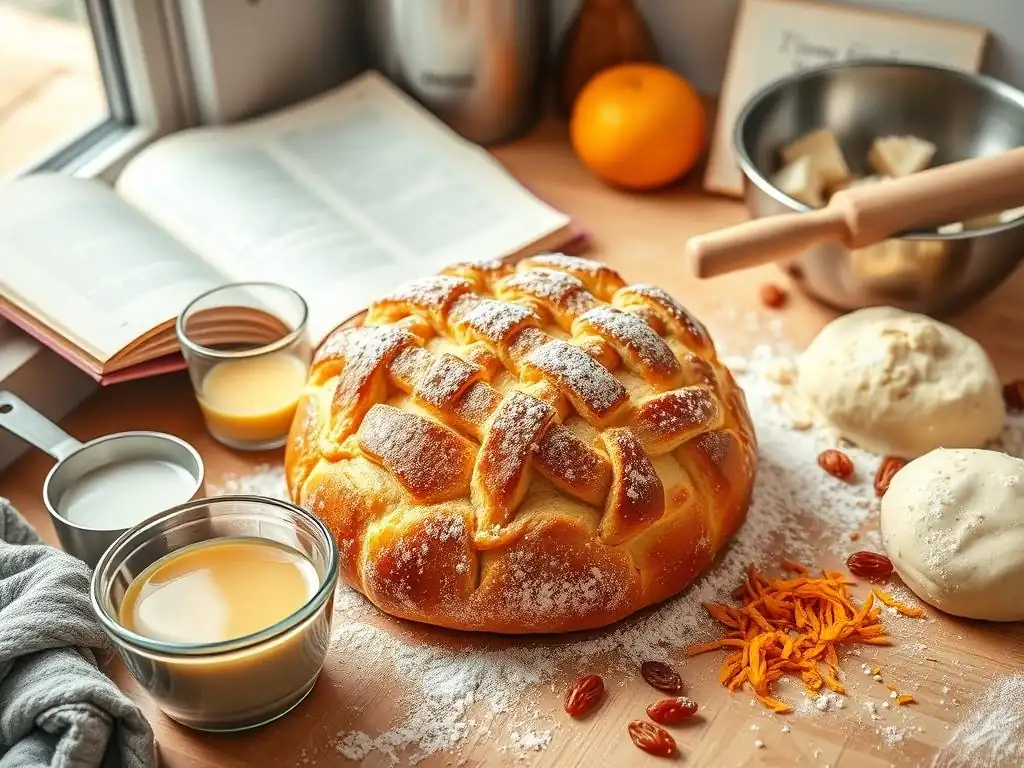
Ready to bake? This easy German yeast pastry recipe simplifies the process of making classic Hefeteig. We'll guide you through each stage, from mixing the dough to baking your finished pastries. Follow these steps carefully, and you'll be enjoying warm, homemade Hefeteiggebäck in no time. This recipe is designed to be beginner-friendly, ensuring a high chance of success even if you're new to yeast baking.
Preparing the Hefeteig Dough: A Beginner-Friendly Approach
To begin your easy German yeast pastry recipe, gather all your ingredients and ensure they are at room temperature, especially the milk, butter, and egg if using. This helps the yeast activate properly and makes the dough easier to work with. Start by warming the milk slightly (lukewarm, around 35-40°C / 95-105°F – not hot!). If using fresh yeast, crumble it into the warm milk with a teaspoon of sugar and let it sit until foamy, about 5-10 minutes. If using dry yeast, you can often mix it directly with the flour, but checking the package instructions is best.
In a large mixing bowl, combine the flour, remaining sugar, and a pinch of salt. Add the proofed yeast mixture (or warm milk if using dry yeast mixed with flour), melted butter, and egg (if the recipe calls for it). Mix with a wooden spoon or dough hook until a shaggy dough forms.
Turn the dough out onto a lightly floured surface and knead for about 8-10 minutes by hand, or use a stand mixer with a dough hook for 5-7 minutes on medium speed. Knead until the dough is smooth, elastic, and no longer sticky, passing the windowpane test (you can stretch a small piece thin enough to see light through).
First Rise: Creating a Light and Airy Dough
The first rise, also known as bulk fermentation, is crucial for developing flavor and texture in your Hefeteig. After kneading, shape the dough into a ball and place it in a clean, lightly oiled bowl. Turn the dough to coat it in oil, then cover the bowl tightly with plastic wrap or a clean kitchen towel. Place the bowl in a warm, draft-free place. An oven with just the light on is often ideal, creating a temperature around 25-30°C (77-86°F).
Allow the dough to rise until it has at least doubled in size. This typically takes between 60 to 90 minutes, but the exact time can vary depending on the temperature of your kitchen and the activity of the yeast. Don't rush this step; a slow, steady rise results in better flavor and texture. You can gently press two fingers into the dough; if the indent remains, it's ready. This first rise is a fundamental part of any easy German yeast pastry recipe.
Shaping Your Hefeteig: Classic German Pastry Forms
Once your Hefeteig has completed its first rise, gently punch it down to release the air. Turn the dough out onto a lightly floured surface. Now comes the fun part: shaping! The basic Hefeteig can be formed into countless different pastries. Here are instructions for a few classic German forms, demonstrating the versatility of your easy German yeast pastry recipe base.
Before shaping, it's often helpful to briefly knead the dough again for about 30 seconds to ensure an even texture. Divide the dough according to the specific pastry you plan to make. For example, for Buchteln, you'll divide it into small pieces; for a Streuselkuchen base, you'll roll it out; and for a Hefezopf, you'll divide it into strands for braiding.
Buchteln: Shaping Traditional German Yeast Buns
Buchteln are sweet, fluffy yeast buns traditionally baked close together in a dish, often with a filling like jam or quark. To shape Buchteln from your easy German yeast pastry recipe dough, divide the dough into small, equal-sized pieces, typically weighing around 50-60 grams each. Flatten each piece into a circle. If adding a filling (about a teaspoon per bun), place it in the center, then gather the edges of the dough to enclose the filling, pinching firmly to seal.
Roll the sealed dough into a smooth ball. Melt about 50-75 grams of butter and pour a little into the bottom of a baking dish. Dip each dough ball briefly in the melted butter before arranging them snugly but not too tightly in the dish. The butter helps prevent them from sticking together during baking and contributes to a soft crust. Cover the dish and let them rise again.
Streuselkuchen: Preparing a Simple German Crumb Cake
Streuselkuchen is a flat yeast cake base topped with delicious streusel (crumb topping). To make this from your easy German yeast pastry recipe dough, after the first rise, punch down the dough and roll or press it evenly into a greased baking pan (a square pan around 24x24 cm or a round pan around 26-28 cm diameter works well). Aim for a thickness of about 1-1.5 cm. Cover the pan and let the base rise for its second rise.
While the base is rising, prepare the streusel. A simple streusel is made by rubbing together flour, sugar, and cold butter until coarse crumbs form. A typical ratio is 150g flour, 100g sugar, and 100g cold butter. Once the base has risen, evenly scatter the streusel over the top before baking. You can add cinnamon or vanilla sugar to the streusel for extra flavor.
Hefezopf: Braiding a Festive German Yeast Bread
Hefezopf (or Hefekranz if shaped into a ring) is a sweet, braided yeast bread, often made for holidays or special occasions. Using your easy German yeast pastry recipe dough, divide it into three equal pieces (or more for a fancier braid). Roll each piece into a long strand of even thickness, typically around 40-50 cm long. Lay the strands side-by-side and pinch them together firmly at one end.
Braid the strands together, keeping the braid relatively loose to allow for expansion during the second rise and baking. Pinch the other end firmly to seal. You can leave it as a straight loaf or form it into a circle to make a Kranz. Carefully transfer the braided loaf to a baking sheet lined with parchment paper. Brush the top with an egg wash (one egg beaten with a tablespoon of milk or water) for a golden shine, and optionally sprinkle with pearl sugar or sliced almonds.
Second Rise: Maximizing Volume and Softness
The second rise, or proofing, is just as important as the first. After shaping your Hefeteiggebäck (Buchteln, Streuselkuchen base, Hefezopf, etc. ), cover them loosely with plastic wrap or a light kitchen towel. Place them back in a warm, draft-free spot. This rise is usually shorter than the first, often taking 30-45 minutes, or until the pastries look visibly puffy and increased in size.
This second proof allows the yeast to produce more gas within the shaped dough, ensuring the final baked goods are light and tender. Over-proofing can cause the pastries to collapse in the oven, while under-proofing will result in dense, heavy results. You'll know they are ready when they look airy and feel delicate to the touch. This step is vital for the perfect texture from your easy German yeast pastry recipe.
Baking Your German Yeast Pastry to Perfection
Baking is the final step where your well-prepared Hefeteiggebäck transforms from dough into delicious pastries. Proper oven temperature and timing are key to achieving a beautiful golden crust and a fully cooked, tender interior. Preheat your oven well in advance to ensure a consistent temperature throughout the baking process.
The specific temperature and time will depend on the size and type of pastry you are baking. Smaller items like Buchteln or individual buns will bake faster than a large Hefezopf or a Streuselkuchen. Keep a close eye on your pastries, especially during the last few minutes of baking, as they can go from golden to burnt quickly.
Oven Temperature and Baking Time Guidelines
For most sweet Hefeteiggebäck made from an easy German yeast pastry recipe, a moderate oven temperature is recommended. A temperature range of 180°C to 200°C (350°F to 390°F) is typical. Streuselkuchen often bakes well at around 180°C (350°F) for 25-35 minutes. Buchteln, depending on their size and how many are in the dish, might bake at 190°C (375°F) for 20-30 minutes. A larger Hefezopf might require a slightly lower temperature, say 180°C (350°F), for a longer time, perhaps 30-40 minutes, to ensure the center is fully cooked without the outside burning.
It's always a good idea to start checking for doneness a few minutes before the estimated time. The pastries should be golden brown on top and sound hollow when tapped on the bottom. If they are browning too quickly, you can loosely tent them with aluminum foil.
Achieving a Golden-Brown Crust: Tips and Tricks
A beautiful golden-brown crust is a hallmark of well-baked Hefeteiggebäck. The sugar in the dough contributes to this through caramelization, but an egg wash is often used to enhance the color and give the pastries a lovely sheen. Brushing the shaped pastries with a beaten egg (or just the yolk) mixed with a little milk or water before the second rise or just before baking helps achieve that desirable golden finish.
For some pastries, like Hefezopf, sprinkling with pearl sugar or sliced almonds after the egg wash adds texture and visual appeal while also contributing to the crust. Ensure your oven is fully preheated, as placing dough into a cold oven can negatively impact both rise and crust development. Some bakers also like to bake yeast pastries on the bottom rack initially or use a baking stone to ensure the bottom crust is also well-baked and golden.
Variations on the Easy German Yeast Pastry Recipe
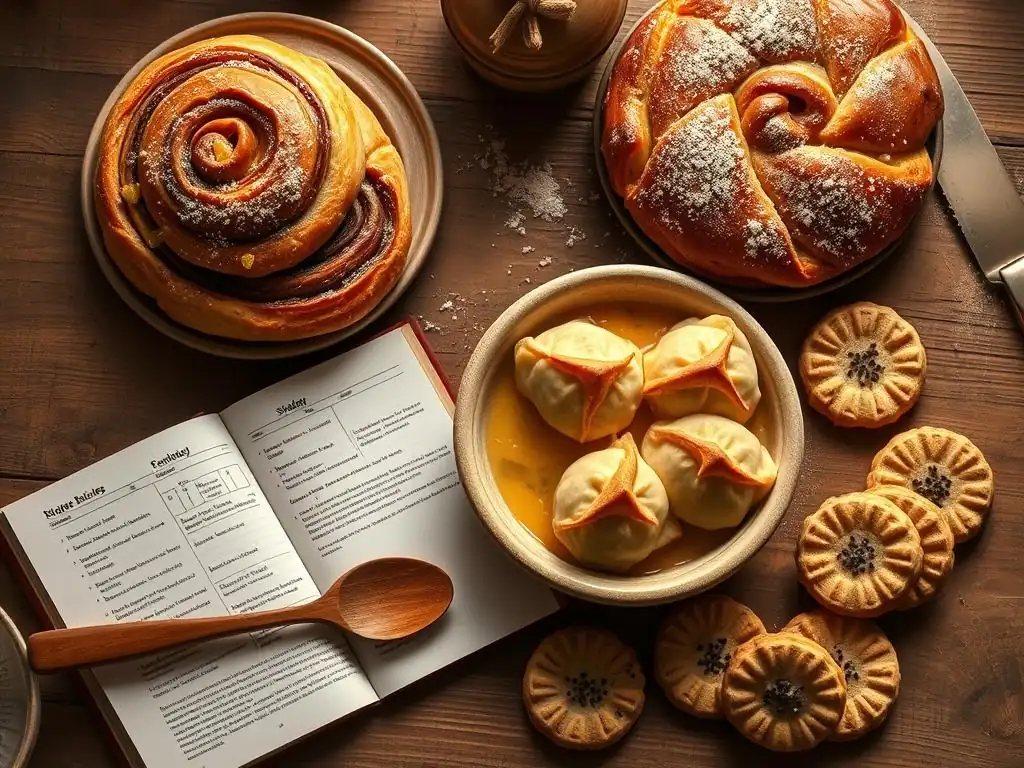
The beauty of mastering a basic easy German yeast pastry recipe is the incredible array of variations you can create from that single dough. Hefeteig serves as a fantastic base for both sweet and savory fillings and toppings, allowing you to explore the diverse world of German baking.
Sweet Hefeteig Variations: Poppy Seed, Quark, or Apple Filling
Sweet variations are perhaps the most iconic forms of Hefeteiggebäck. Once you have your basic dough ready, you can fill or top it with traditional German sweet fillings. A popular choice is Mohnfüllung (poppy seed filling), a rich paste made from ground poppy seeds, sugar, milk, and often spices like cinnamon and vanilla. This is frequently used in Hefeschnecken (yeast snails) or as a filling for loaves.
Another classic is Quarkfüllung (quark filling), similar to a sweetened cream cheese filling, often enriched with egg, sugar, and sometimes raisins or lemon zest. This is the heart of many Hefekuchen and pastries like Quarktaschen (quark pockets). Apple filling ( Apfelfüllung), made from cooked or grated apples spiced with cinnamon, is also a beloved option, particularly for Streuselkuchen or filled buns. These fillings transform a simple dough into a delightful dessert or coffee-time treat.
Savory Hefeteig Variations: Cheese, Ham, or Onion Filling
While sweet variations are more common, Hefeteig can also be adapted for savory purposes by reducing the sugar significantly and sometimes increasing the salt slightly. This savory dough is the base for items like Zwiebelkuchen (onion cake), a popular autumn dish, or small savory buns filled with cheese ( Käsebrötchen) or ham ( Schinkenbrötchen).
For a savory easy German yeast pastry recipe base, use just 1-2 teaspoons of sugar per 500g of flour. Fillings can include sautéed onions and bacon (for Zwiebelkuchen), various cheeses (like Emmental or Gouda), or small pieces of cooked ham. These savory variations make excellent snacks or accompaniments to soups and stews, showcasing the versatility of the basic Hefeteig dough beyond just sweet treats.
Regional Hefeteig Specialties: Exploring German Baking Diversity
Germany has a rich tapestry of regional baking traditions, and many unique Hefeteiggebäck specialties are found across the country. Exploring these regional delights offers a deeper dive into German culinary heritage. While some are simple variations, others involve distinct techniques.
Learning to make these regional pastries from an easy German yeast pastry recipe base allows you to experience the breadth of German baking. From steamed dumplings in the south to fried pastries in the north, Hefeteig is a national staple with local twists.
Berliner/Krapfen: Making German Doughnuts with Ease
Berliner (known as Krapfen in Southern Germany and Austria) are classic German doughnuts made from a rich Hefeteig dough, traditionally filled with jam and dusted with powdered sugar. The dough is slightly sweeter and often contains more fat and egg than a basic Hefeteig. After the second rise, the shaped dough rounds are carefully fried in hot oil (around 170-180°C / 340-350°F) until golden brown on both sides.
Frying gives them their characteristic soft, airy interior and slightly crisp exterior. Once cooled, they are typically injected with red jam (like raspberry or strawberry) using a pastry bag and nozzle, then generously dusted with powdered sugar. Making Berliners at home from an easy German yeast pastry recipe specifically adapted for frying is a rewarding project, perfect for Fasching (Carnival) season.
Dampfnudeln: Steaming German Yeast Dumplings
Dampfnudeln are a unique type of Hefeteiggebäck from Southern Germany and Austria that are steamed rather than baked or fried. Small balls of sweet Hefeteig dough are placed in a pot with milk and butter (and sometimes sugar) and cooked with the lid on. The bottom of the dumpling fries slightly in the butter/milk mixture, forming a golden crust, while the top steams, becoming soft and fluffy.
The key to perfect Dampfnudeln is not lifting the lid during the steaming process, which typically takes about 20-25 minutes. They are traditionally served as a main course with savory dishes like potato soup or lentils, or as a dessert with vanilla sauce or fruit compote. This method transforms an easy German yeast pastry recipe dough into a completely different texture and experience.
Troubleshooting Your German Yeast Pastry: Common Issues and Solutions
Working with yeast can sometimes present challenges, but most common issues with Hefeteiggebäck have simple solutions. Don't be discouraged if your first attempt isn't perfect; baking is a learning process. Understanding potential problems will help you adjust your technique for future success with your easy German yeast pastry recipe.
Dough Not Rising? Identifying Potential Problems
If your Hefeteig dough isn't rising, several factors could be the cause. The most common issue is inactive yeast. Ensure your yeast is fresh (check the expiry date!) and that your liquid (milk or water) is warm enough to activate it but not too hot, which can kill the yeast. The ideal temperature is lukewarm, around 35-40°C (95-105°F). Temperatures above 55°C (130°F) are lethal to yeast.
Another factor is the environment. Yeast needs warmth to be active. Ensure the dough is in a warm, draft-free spot, ideally around 25-30°C (77-86°F). Cold temperatures will significantly slow down or halt the rising process. Too much salt or sugar directly touching the yeast initially can also inhibit its activity. Make sure to mix the yeast with the liquid and sugar before adding it to the flour and salt, or keep salt and yeast separate until combined with other ingredients if using instant yeast.
Pastry Too Dry? Adjusting the Recipe and Baking Time
Dry, dense Hefeteiggebäck is often a result of too much flour, insufficient fat, or over-baking. When measuring flour, it's easy to add too much, especially when measuring by volume. Weighing your flour is the most accurate method. If the dough feels stiff and dry during kneading, you may need to add a tablespoon or two of extra milk or water.
Ensure you're using the amount of butter specified in your easy German yeast pastry recipe, as fat contributes significantly to tenderness and moisture. Over-baking is also a frequent culprit. Keep an eye on the pastries towards the end of the baking time and remove them as soon as they are golden brown and cooked through, according to the temperature and time guidelines provided.
Filling Leaking? Sealing Techniques for Perfect Results
When making filled Hefeteiggebäck like Buchteln or pockets, leaking filling is a common frustration. This usually happens because the dough isn't sealed properly around the filling, or the filling itself is too wet. To prevent leaks, ensure you firmly pinch the edges of the dough together after placing the filling inside. Kneading the dough slightly before shaping can also help create a stronger seal.
If your filling is very moist (like some fruit fillings), you can try thickening it slightly with a teaspoon of cornstarch or flour before using it. Also, avoid overfilling the pastries. A small amount of filling (around 1-2 teaspoons for a small bun) is usually sufficient. Letting the shaped, filled pastries rise correctly allows the dough to strengthen around the filling before baking.
Tips and Tricks for Perfect German Yeast Pastries Every Time
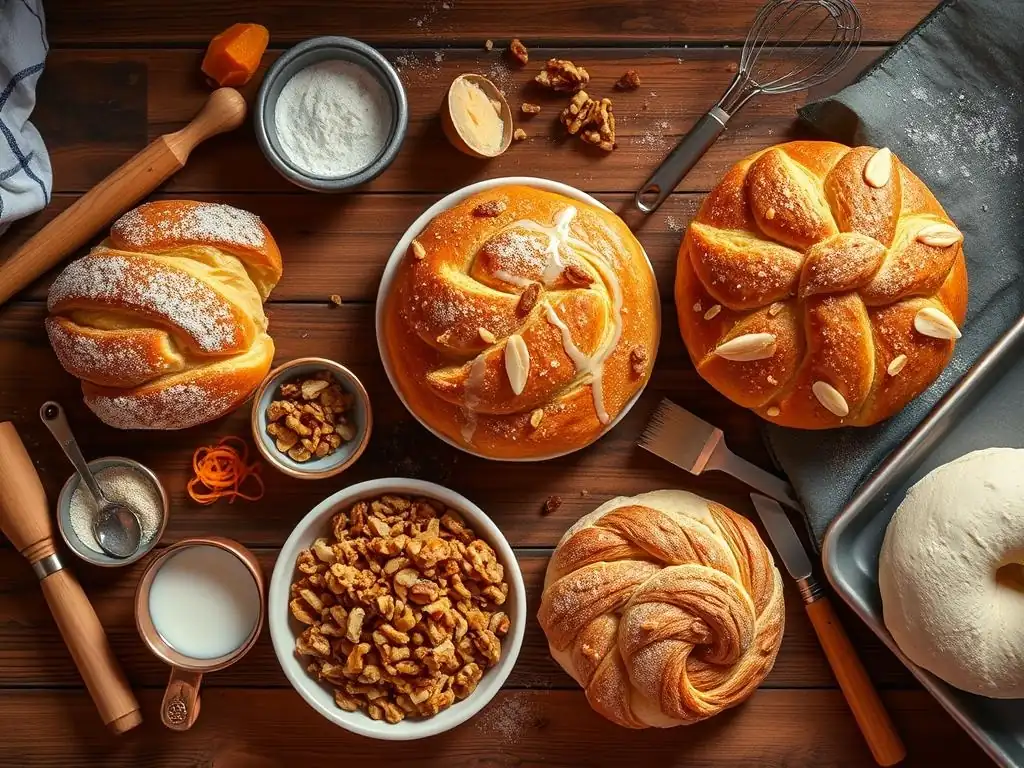
Beyond the basic steps, a few insider tips can elevate your easy German yeast pastry recipe results from good to great. These techniques and considerations, often passed down through generations of German bakers, help ensure consistent success and delicious flavor.
Proving Techniques for Consistent Results
Consistent warmth is essential for reliable rising. As mentioned, a slightly warm, draft-free oven with the light on is an excellent proving spot, maintaining a steady temperature around 25-30°C (77-86°F). Alternatively, you can place the covered bowl or shaped pastries in a warm room, near a radiator (but not touching! ), or even in a microwave (turned off) with a cup of hot water placed alongside to create a warm, humid environment.
Another technique is slow fermentation in the refrigerator. After the initial kneading, you can place the dough in an oiled bowl, cover it tightly, and refrigerate it for 8-12 hours (or even up to 24 hours). This slow, cold rise develops deeper flavors in the dough. You can then punch it down, shape it cold, and let the shaped pastries rise at room temperature (this might take longer than usual, perhaps 60-90 minutes) before baking. This method is great for preparing ahead.
Enhancing Flavor with Traditional German Spices
While basic Hefeteig is delicious on its own, traditional German recipes often incorporate spices to add depth and warmth. Ground cardamom is a classic addition, lending a subtle aromatic note to sweet yeast pastries like Hefezopf or Buchteln. A pinch of ground mace or a scrape of fresh nutmeg can also enhance the flavor profile.
Vanilla sugar or vanilla extract is frequently used, especially in recipes with quark or fruit fillings. For apple variations, cinnamon is a must. These spices are typically added to the dry ingredients or mixed into the fillings. Experimenting with small amounts of these traditional spices can give your easy German yeast pastry recipe an authentic German touch.
Storage and Reheating Tips for Hefeteiggebäck
Hefeteiggebäck is best enjoyed fresh, ideally still slightly warm from the oven. However, leftovers can be stored. Most pastries can be kept at room temperature for 1-2 days in an airtight container or wrapped well in plastic wrap and aluminum foil. For longer storage, they can be frozen. Wrap individual pastries or loaves tightly in plastic wrap, then place them in a freezer bag or airtight container. Frozen Hefeteiggebäck can last for up to 2-3 months.
To reheat, thaw frozen pastries overnight in the refrigerator or at room temperature. Warm them gently in a microwave for a few seconds, or for a crispier crust, reheat in a preheated oven at 150°C (300°F) for 5-10 minutes. Larger loaves like Hefezopf can be sliced and toasted. Properly stored and reheated, your easy German yeast pastry recipe creations can be enjoyed long after they are baked.
Conclusion: Enjoying the Simplicity of German Yeast Baking
Mastering German yeast-raised pastries, or Hefeteiggebäck, is a truly rewarding endeavor for any home baker. By starting with a simple, reliable Hefeteig dough, you unlock the door to a vast array of delicious traditional German treats, from fluffy Buchteln to classic Streuselkuchen and festive Hefezopf. We've walked you through the essential ingredients, the step-by-step process of an easy German yeast pastry recipe, shaping techniques, and troubleshooting common issues.
Remember that baking is a journey of practice and patience. Don't be afraid to get your hands a little sticky and experiment with different fillings and shapes. The warmth and aroma of freshly baked Hefeteiggebäck filling your home are well worth the effort. You now have the foundation to create your own German baking delights with confidence and ease.
BakeWithEase: Your Partner in Mastering German Baking Delights
At BakeWithEase, we are passionate about making baking accessible and enjoyable for everyone. We hope this guide has demystified Hefeteiggebäck and inspired you to try your hand at this wonderful part of German culinary tradition. Our aim is to provide clear, easy-to-follow instructions and helpful tips to support you on your baking adventures.
Whether you're a complete beginner or looking to perfect your technique, our resources are designed to help you achieve delicious results. Keep exploring our website for more easy-to-follow recipes, baking tips, and guides on regional and cultural baking. We're here to help you bake with ease and confidence.
We love seeing what our community bakes! If you've used this easy German yeast pastry recipe to create your own Hefeteiggebäck, we encourage you to share your results. Baking is a joy best shared, and seeing your successful pastries is incredibly rewarding for us.
Whether you baked Buchteln, Streuselkuchen, a braided Hefezopf, or another variation, let us know how it went. Celebrate your baking wins, and if you encountered any challenges, feel free to revisit this guide or look for more tips on BakeWithEase. Happy baking, and enjoy your delicious homemade German yeast pastries!
Frequently Asked Questions
What makes a German yeast-raised pastry (Hefeteiggebäck) recipe "easy"?
An easy recipe typically focuses on simplified techniques, readily available ingredients, and clear, step-by-step instructions to minimize complexity.
How does BakeWithEase.com help me master German yeast pastries?
BakeWithEase.com provides beginner-friendly recipes, detailed guides on yeast handling, and troubleshooting tips for common issues.
What types of German yeast pastries can I expect to find recipes for?
Expect recipes for a variety of Hefeteiggebäck, including Buchteln (sweet rolls), Streuselkuchen (crumb cake), and simpler versions of Berliner (doughnuts).
Are the ingredients for German yeast pastries easily accessible?
Yes, most recipes feature common baking ingredients such as flour, yeast, sugar, butter, and milk, which are easily found in most grocery stores.
What if my yeast dough doesn't rise properly?
Ensure your yeast is fresh and active, the liquid used is at the correct temperature, and the dough is proofed in a warm, draft-free location.
Final Reflection: The Sweet Simplicity of German Yeast Pastries
Mastering German yeast-raised pastries isn't about achieving unattainable perfection; it's about embracing the joy of the process and the delicious reward. This article aimed to demystify the seemingly complex world of Hefeteiggebäck, proving that creating these delightful treats can be accessible to everyone, regardless of baking experience. The simplicity of the recipes presented, combined with clear instructions, empowers home bakers to confidently tackle these classic pastries.
The enduring appeal of German yeast pastries lies not just in their taste, but in their ability to connect us to tradition and family. These pastries are often associated with celebrations and cherished moments, passed down through generations. The act of baking them becomes a ritual, a way to share a piece of culture and create lasting memories. Baking is at once child's play and adult joy. And love, of course.
- This sentiment perfectly captures the essence of this baking journey, transforming a simple recipe into a meaningful experience.
Now, I invite you to roll up your sleeves, gather your ingredients, and embark on your own Hefeteiggebäck adventure. Don't be intimidated by the process; embrace the kneading, the rising, the baking – each step is a part of the magic. The satisfaction of creating something delicious and beautiful with your own hands is a reward in itself. Let the aroma of warm, freshly baked pastries fill your home, and share the joy with those you love. The journey to mastering German yeast pastries is a delicious one, and I hope this article has been your guide.
Unlock Your Inner Bäcker: Bake Amazing German Pastries!
Thanks for joining us on this delicious journey into the world of German yeast-raised pastries! We hope you’ve gained the confidence and knowledge to create truly amazing Hefeteiggebäck. Ready to put your newfound skills to the test?
- Bake your first masterpiece! Try one of the recipes mentioned in the article – the results will be oh-so-satisfying.
- Share your baking journey! Post a picture of your creations on social media and tag us – we'd love to see them! Use #BakeWithEaseGermanPastries.
- Explore other German baking traditions! Discover new recipes and techniques on our website (bakewithease.com).
What delicious German pastry will you bake first? Let us know in the comments!