
Simple German Apple Strudel (Apfelstrudel) Recipe Made Easy

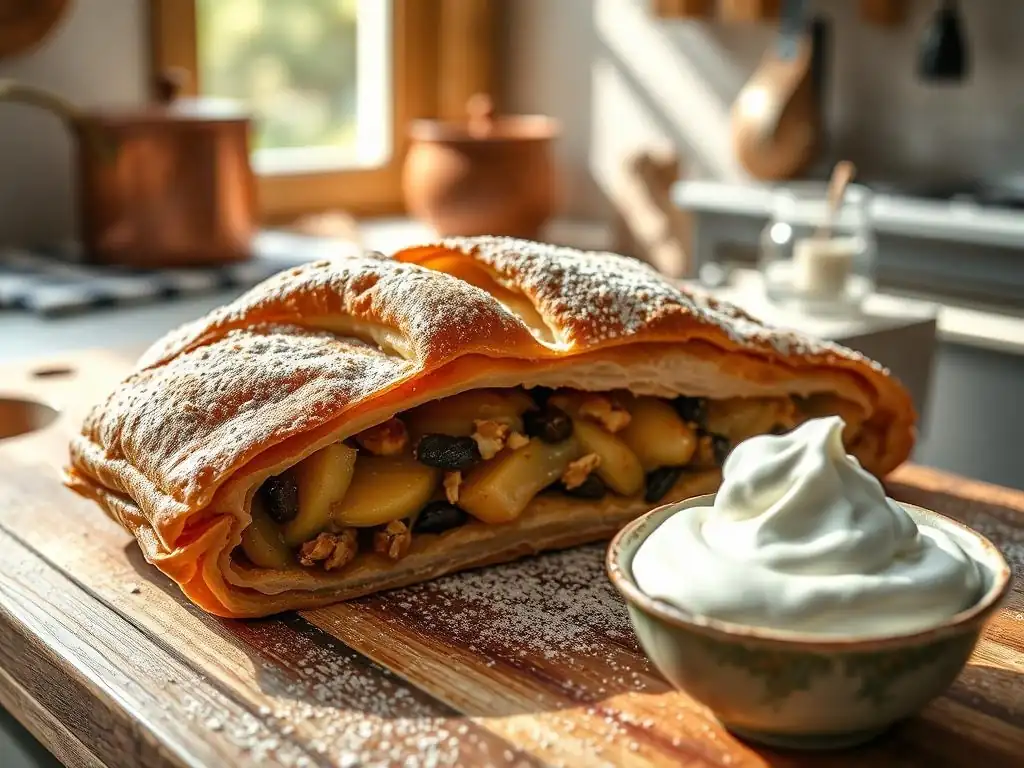
Welcome to BakeWithEase, your kitchen companion for unlocking delicious possibilities! Ever dreamed of creating authentic, mouthwatering desserts without the fuss? Then you're in the right place. Dive into our Easy German Apple Strudel Recipe and discover how to effortlessly bake this classic treat. Intrigued? Keep reading to uncover the secrets to a perfectly flaky crust and irresistibly spiced apple filling!
- Classic Apple Strudel (Apfelstrudel) Recipe
- Bake Authentic Apfelstrudel at Home: A Detailed Guide
- Understanding Apple Strudel (Apfelstrudel)
- Apple Strudel Recipe: Step-by-Step Guide
- Tips for a Perfect Homemade Apfelstrudel
- Serving and Storing Your Homemade Apfelstrudel
- Variations and Adaptations of the Classic Apfelstrudel Recipe
- Enjoy Your Homemade Apple Strudel!
-
Frequently Asked Questions
- What makes this German apple strudel recipe "easy"?
- Can I use different types of apples for this strudel recipe?
- What are the key ingredients for achieving the authentic German apple strudel taste?
- How do I prevent the phyllo dough from drying out while assembling the strudel?
- What's the best way to serve this simple German apple strudel?
- Final Reflection: The Enduring Allure of a Simple Apfelstrudel
- Unlock Your Inner Bäcker: Bake Your Own Apfelstrudel Today!
Classic Apple Strudel (Apfelstrudel) Recipe
Bake Authentic Apfelstrudel at Home: A Detailed Guide
Welcome to the delightful world of German baking! If you've ever dreamt of recreating the magic of a Viennese coffee house in your own kitchen, mastering the classic Apple Strudel, or Apfelstrudel as it's known in its native tongue, is a fantastic goal. This pastry, famous for its incredibly thin dough and flavorful apple filling, might seem intimidating, but with this guide, you'll find that making a delicious easy German apple strudel recipe at home is entirely achievable, even for beginners. We'll walk you through each step, from mixing the simple dough to achieving that perfect golden crust.
This article breaks down the traditional Apfelstrudel process into manageable steps, focusing on clarity and ease. We'll discuss the history, the essential components that make it so special, provide a detailed easy German apple strudel recipe, and offer tips to ensure your success. By the end, you'll be ready to bake a strudel that impresses friends and family, bringing a taste of authentic German baking right to your table. Get ready to fill your home with the irresistible aroma of cinnamon-spiced apples and buttery pastry!
Understanding Apple Strudel (Apfelstrudel)
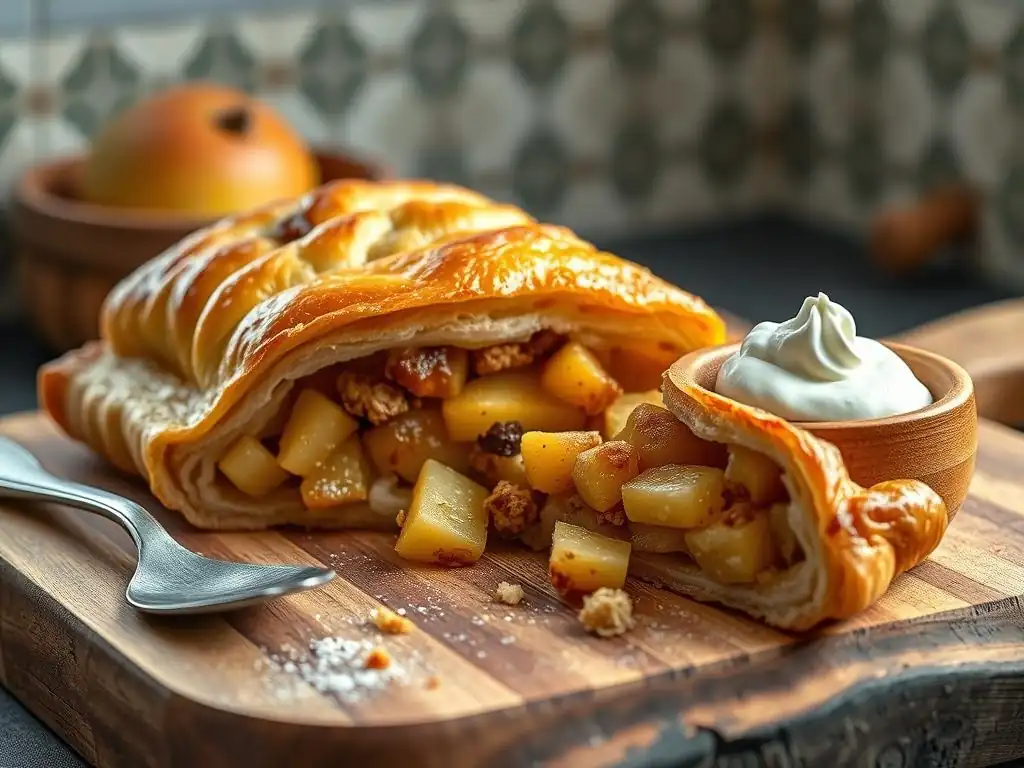
What is Apfelstrudel? Origins and Popularity
Apfelstrudel is a traditional Viennese pastry, though its roots are believed to trace back to the Ottoman Empire, specifically to the Turkish Baklava. The concept of layering very thin dough with a filling spread through the Austro-Hungarian Empire, eventually evolving into the strudel we know and love today. While often associated with Germany and Austria, it has become a beloved dessert across Central Europe and beyond. Its popularity is undeniable; it's a staple in cafes and bakeries from Vienna to Bavaria, often served warm with a dusting of powdered sugar or a dollop of cream.
The earliest known strudel recipe dates back to 1696, found in a handwritten cookbook in the Vienna Town Hall Library. This historical depth speaks to the enduring appeal of Apfelstrudel. Unlike pies or cobblers, the hallmark of a great strudel is its paper-thin dough, stretched so fine you could reportedly read a newspaper through it. This delicate wrapper provides a wonderful textural contrast to the soft, spiced apple filling within, creating a harmonious balance of flavors and textures that has captivated dessert lovers for centuries. It's more than just a dessert; it's a piece of culinary history.
Key Characteristics of a Delicious Apfelstrudel
A truly exceptional Apfelstrudel boasts several defining characteristics. Firstly, the dough must be incredibly thin, almost transparent after stretching. This is achieved through a specific dough preparation method involving kneading and resting, allowing the gluten to relax enough for extreme stretching. When baked, this thin dough becomes wonderfully crispy and flaky, providing a delicate shell for the filling. A common pitfall for a beginner easy German apple strudel recipe is dough that is too thick or tough.
Secondly, the filling is paramount. It traditionally consists of thinly sliced or grated apples, often a mix of tart and sweet varieties like Granny Smith and Honeycrisp. These are combined with sugar, cinnamon, breadcrumbs (to absorb excess moisture), and sometimes raisins, nuts, or a splash of rum. The balance of sweetness, spice, and the slight tartness of the apples is crucial. The breadcrumbs play a vital role in preventing a soggy bottom, absorbing the juices released by the apples as they cook. A perfect filling is flavourful, tender, and not overly wet.
Apple Strudel Recipe: Step-by-Step Guide
Ready to make your own easy German apple strudel recipe? Let's gather our ingredients and get started. This recipe focuses on the traditional stretched dough method for the most authentic result.
Ingredients for Homemade Apfelstrudel
Gathering the right ingredients is the first step to success. Quality counts, especially when aiming for that classic flavour profile.
For the Strudel Dough:
- 250 grams (about 2 cups) all-purpose flour, plus more for dusting
- 1 large egg
- 1 tablespoon vegetable oil (or melted butter)
- 1/2 teaspoon salt
- About 120-150 ml (about 1/2 to 2/3 cup) lukewarm water
- 1 tablespoon white vinegar (optional, helps with stretching)
- About 50-75 grams (about 1/4 to 1/3 cup) melted butter, for brushing
For the Apple Filling:
- 1.5 kg (about 3.3 lbs) apples (a mix of tart and sweet, e.g., Granny Smith and Honeycrisp)
- 100 grams (about 1/2 cup) granulated sugar (adjust to apple sweetness)
- 1 teaspoon ground cinnamon
- 1/4 teaspoon ground cloves (optional)
- 1/4 teaspoon ground nutmeg (optional)
- Zest of 1 lemon (optional)
- 50 grams (about 1/2 cup) dry breadcrumbs (preferably from stale white bread)
- 50 grams (about 1/3 cup) raisins (optional)
- 2 tablespoons rum (optional)
- 30 grams (about 2 tablespoons) unsalted butter, melted
For the Topping:
- Powdered sugar, for dusting
Preparing the Strudel Dough: A Detailed Process
The dough is the soul of the strudel. Taking your time here will pay off immensely when it comes to stretching.
Step 1: Mixing the Dough
In a large bowl, whisk together the flour and salt. In a separate bowl, whisk the egg, oil (or melted butter), and vinegar (if using). Gradually add the wet ingredients to the dry ingredients, mixing with a fork or your hands until a shaggy dough forms. Begin adding the lukewarm water, a little at a time, mixing until the dough just comes together. You might not need all the water; the dough should be slightly sticky but not wet. A typical dough hydration for strudel is around 50-60%, meaning the water is 50-60% of the flour weight.
Turn the dough out onto a lightly floured surface. The dough should feel pliable. If it's too dry, add a tiny bit more water; if too wet, add a tiny bit more flour. The goal is a dough that is firm but elastic. Don't worry about kneading perfectly at this stage; just get it together.
Step 2: Kneading the Dough
Knead the dough vigorously for about 8-10 minutes. This is crucial for developing the gluten, which is what allows the dough to be stretched so thin without tearing. Use the heel of your hand to push the dough away from you, then fold it back over, rotating the dough as you go. The dough will initially be rough, but as you knead, it will become smooth, elastic, and slightly shiny. It should spring back slowly when you gently press it. This physical manipulation aligns the gluten strands, much like how kneading bread dough develops its structure.
Proper kneading ensures that when you stretch the dough later, it behaves like a strong, elastic membrane rather than tearing easily. Aim for a dough that is smooth and no longer sticky to the touch after kneading. If it still feels a bit sticky, knead for another minute or two, using minimal flour on your surface.
Step 3: Resting the Dough - Essential for Gluten Development
Once kneaded, the dough needs to rest. This is perhaps the most critical step in achieving a stretchable dough for an easy German apple strudel recipe. Lightly brush the dough ball with a little oil or melted butter to prevent a skin from forming. Place it back in the bowl, cover tightly with plastic wrap, and let it rest at room temperature for at least 30 minutes, but preferably 60-90 minutes. Some traditional recipes even suggest resting it for several hours.
During this resting period, the gluten relaxes completely. This relaxation is essential because it makes the dough pliable and easy to stretch into that characteristic paper-thin sheet. Attempting to stretch the dough before it has fully rested will result in it snapping back and tearing. Think of it like a muscle needing to relax after a workout before it can perform a delicate stretch. While the dough rests, you can prepare the delicious apple filling.
Making the Apple Filling: The Heart of the Strudel
While the dough rests, prepare the star of the show: the apple filling.
Step 1: Preparing the Apples (Granny Smith & Honeycrisp)
Wash, peel, core, and thinly slice or grate the apples. Thin slices (about 1/8 inch thick) or a coarse grate work best, as they cook down nicely without becoming mushy. A mix of apples, like tart Granny Smith (known for holding their shape and providing necessary acidity) and sweeter varieties like Honeycrisp or Gala, offers the best balance of flavour and texture. For 1.5 kg of apples, you might use approximately 1 kg of Granny Smith and 500g of Honeycrisp, depending on your preference for tartness.
Place the prepared apples in a large bowl. If you're not combining them immediately, toss them with a little lemon juice to prevent browning. The acidity of the lemon zest, if using, also brightens the overall flavour of the filling.
Step 2: Combining the Filling Ingredients (Cinnamon, Raisins, Rum)
Add the sugar, cinnamon, optional cloves, nutmeg, and lemon zest to the bowl with the apples. Stir gently to coat all the apple slices evenly. If using, add the raisins and rum now and mix them in. The rum adds a lovely depth of flavour, though it's entirely optional.
In a small pan, melt the 30 grams of butter over medium heat. Add the breadcrumbs and toast them gently, stirring constantly, until they are lightly golden brown and fragrant. This takes about 2-3 minutes. Toasted breadcrumbs add a nice nutty flavour and, more importantly, are crucial for absorbing the excess moisture released by the apples during baking.
Without enough breadcrumbs, your strudel bottom will be soggy. Some recipes suggest using around 50-60 grams of breadcrumbs for this quantity of apples, ensuring good absorption. Set the toasted breadcrumbs aside to cool slightly before adding them to the apple mixture. Once slightly cooled, add the toasted breadcrumbs to the apple mixture and stir to combine.
Assembling and Baking Your Apfelstrudel
Now comes the fun part – assembling your masterpiece and baking it to golden perfection.
Step 1: Stretching the Dough - Achieving Paper-Thin Perfection
Cover a large table (or counter space) with a clean tablecloth or tea towel, about 1x1.5 meters in size. Lightly flour the tablecloth generously. Place the rested dough ball in the center and gently flatten it with your hands. Using a rolling pin, roll the dough out into a rectangle as thin as possible, about 18x24 inches. Now, the stretching begins. This is the signature technique of an authentic easy German apple strudel recipe.
Slide your hands, palms down, under the dough, knuckles facing up. Gently and slowly stretch the dough outwards from the center, moving your hands around the edges. The dough should be so thin that you can see the pattern of the tablecloth through it. Aim for a rectangle of approximately 30x40 inches or even larger, depending on how thin you can get it without tearing. Patch any small tears by gently pressing the edges together. Don't worry if it's not perfectly rectangular; rustic is fine!
Step 2: Layering the Apple Filling
Once the dough is stretched, trim away any very thick edges. Brush the entire surface of the dough generously with about half of the melted butter (about 30-40 grams). This adds flavour and helps create flaky layers. Sprinkle the toasted breadcrumbs evenly over the bottom two-thirds of the dough rectangle, leaving the top third (the end furthest from you) bare. The breadcrumbs act as a barrier against moisture.
Now, spread the apple filling evenly over the breadcrumb layer, leaving a border of about 1-2 inches on the sides and the bottom edge (the edge closest to you). Keep the top third of the dough completely free of filling. This empty space will be used for sealing the strudel. Ensure the apple layer is relatively even for consistent baking.
Step 3: Rolling the Strudel
Starting from the bottom edge (the one with the filling and closest to you), use the tablecloth to help you lift and roll the strudel tightly upwards. As you roll, the tablecloth acts as a conveyor belt, guiding the delicate dough over the filling. Roll it up like a jelly roll. Once rolled, gently tuck in the ends to seal the filling inside. You can fold them under or pinch them closed.
Carefully transfer the rolled strudel onto a baking sheet lined with parchment paper. The tablecloth can help you lift and guide it. Place the strudel seam-side down on the baking sheet. It should be a long, somewhat fragile log. Gently curve it into a horseshoe shape if your baking sheet isn't long enough.
Step 4: Baking to Golden Perfection (375°F/190°C for 45-50 Minutes)
Preheat your oven to 375°F (190°C). Brush the top and sides of the rolled strudel generously with the remaining melted butter. This promotes browning and helps create that lovely crispy crust. Place the baking sheet in the preheated oven.
Bake for 45-50 minutes, or until the strudel is deeply golden brown and the filling is bubbling slightly at the ends. The baking time can vary depending on your oven and the thickness of your strudel. Around the 30-minute mark, you might want to give it another quick brush with any remaining melted butter or some additional melted butter if needed for extra richness and colour. A perfectly baked strudel will be firm to the touch and have a beautiful, inviting aroma filling your kitchen.
Tips for a Perfect Homemade Apfelstrudel
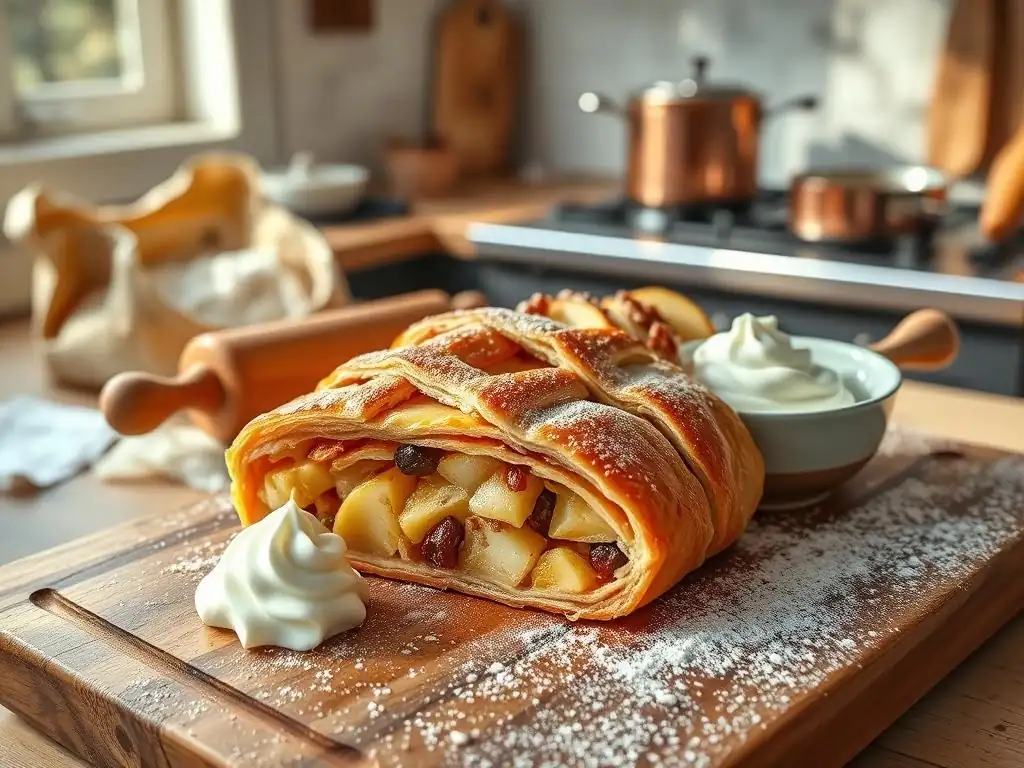
Making an easy German apple strudel recipe is within reach, and these tips will help you achieve outstanding results.
Achieving the Perfect Dough Texture
The dough is the most challenging part for many, but with practice and attention to detail, you can master it. The key is proper kneading and sufficient resting time. Kneading for the full 8-10 minutes develops the necessary gluten structure, making the dough strong and elastic. Think of it as building the framework that will support the thin sheet. If your dough tears excessively when stretching, it likely hasn't been kneaded or rested enough.
Equally important is the resting period. Allowing the dough to rest for 60-90 minutes at room temperature lets the gluten strands relax. This relaxation is what enables you to stretch the dough incredibly thin without it snapping back or tearing. If the dough resists stretching, cover it and let it rest for another 15-20 minutes. Patience is your best friend here. Using a warm, draft-free spot for resting can also help.
Preventing a Soggy Strudel
A common disappointment with homemade strudel is a soggy bottom crust. This is usually caused by the apple filling releasing too much moisture that the dough cannot handle. The hero ingredient here is the breadcrumbs. Toasting the breadcrumbs first improves their flavour and enhances their ability to absorb excess apple juices.
Sprinkling a generous layer of toasted breadcrumbs over the buttered dough before adding the apples is crucial. Ensure the layer is even and covers the area where the apples will sit. Using a mix of apple varieties, including some that hold their shape better, can also help. Finally, ensuring the strudel is baked thoroughly until golden brown means the dough has had sufficient time to cook and crisp up, preventing sogginess. Baking at the correct temperature for the specified time ensures the dough cooks through.
Enhancing the Apple Filling Flavor
While apples, cinnamon, and sugar are the core of the filling, a few additions can elevate the flavour profile of your easy German apple strudel recipe. Adding a pinch of ground cloves and nutmeg alongside the cinnamon provides a more complex spice blend, reminiscent of traditional German baking. Lemon zest adds a bright, fresh note that cuts through the sweetness and richness.
Soaking the raisins (if using) in rum, warm water, or apple juice for 10-15 minutes before adding them to the filling plumps them up and infuses them with extra flavour. Using high-quality butter for brushing the dough also contributes significantly to the overall taste and richness of the finished strudel. Don't be shy with the melted butter – it's key to the crispy, golden layers.
Serving and Storing Your Homemade Apfelstrudel
You've done it! Your kitchen smells amazing, and a beautiful homemade Apfelstrudel awaits. Now, how to best enjoy and preserve it?
Serving Suggestions (Warm, with Vanilla Sauce, Whipped Cream)
Apfelstrudel is best served warm. Allowing it to cool for about 15-20 minutes after baking makes it easier to slice, but you want to serve it while it's still warm and the pastry is at its crispiest. A simple dusting of powdered sugar is the classic finishing touch and adds a touch of sweetness and elegance.
For a truly indulgent experience, serve warm slices with a scoop of vanilla ice cream or a dollop of freshly whipped cream. In Austria and Southern Germany, it's also traditionally served with a warm vanilla sauce (Vanillesauce), a rich custard-like sauce that complements the apple filling beautifully. A typical serving size is about 1.5 to 2 inches thick, allowing you to appreciate the layers of pastry and filling.
Storing Leftover Apfelstrudel (Refrigeration and Freezing)
If you have leftovers (a rare occurrence! ), store them properly to maintain their quality. Allow the strudel to cool completely before storing. Wrap leftover slices tightly in plastic wrap or aluminum foil, or place them in an airtight container. Store in the refrigerator for up to 2-3 days.
To reheat, place slices on a baking sheet and warm in a preheated oven at 300°F (150°C) for about 10-15 minutes until heated through and the pastry is crisp again. Microwaving is not recommended as it makes the pastry soggy. For longer storage, you can freeze baked strudel. Wrap individual slices or the entire cooled strudel tightly in plastic wrap, then in aluminum foil. Freeze for up to 2-3 months. Thaw overnight in the refrigerator and reheat in the oven as described above.
Variations and Adaptations of the Classic Apfelstrudel Recipe
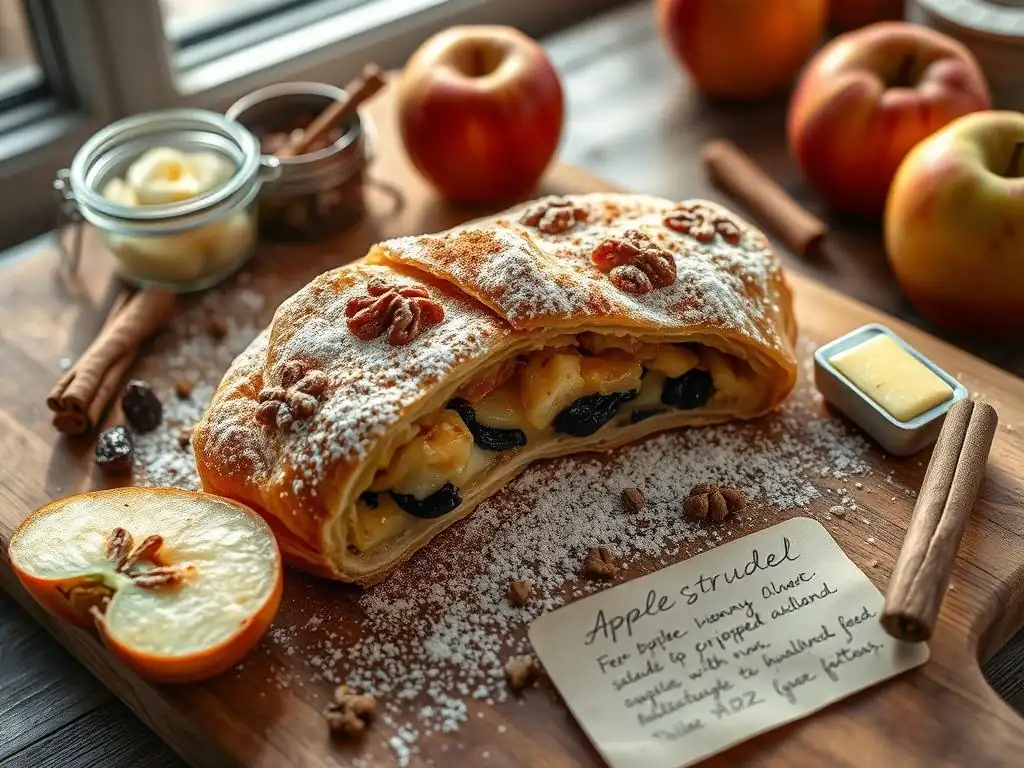
While the classic easy German apple strudel recipe is divine, the strudel concept lends itself well to variations.
Puff Pastry Apfelstrudel Recipe
For those seeking a quicker route or wanting to bypass the stretched dough technique, using store-bought puff pastry is a popular adaptation. While not traditional, it results in a delicious, flaky pastry with minimal effort. You'll typically use one or two sheets of thawed puff pastry, overlapping them slightly if needed to form a rectangle.
Roll the puff pastry slightly thinner, then proceed with layering the filling (ensure the apples are sliced very thinly or grated, as puff pastry bakes faster than stretched dough). Brush the pastry with melted butter or egg wash, fill, roll, and bake according to puff pastry instructions, usually around 400°F (200°C) for 20-30 minutes, until golden brown and puffed. This version provides a satisfying dessert with significantly less preparation time compared to the traditional easy German apple strudel recipe with stretched dough.
Pear and Walnut Strudel Recipe
Beyond apples, strudel is versatile with different fruit fillings. A Pear and Walnut Strudel is a delightful alternative. Use firm pears like Bosc or Anjou, sliced thinly. Combine them with sugar, cinnamon, chopped walnuts, and perhaps a touch of ginger or cardamom.
Prepare the dough (either stretched or puff pastry) as usual. Layer toasted breadcrumbs, then the pear and walnut filling. Roll and bake as you would an apple strudel. The pears become tender and fragrant, and the walnuts add a lovely crunch and nutty flavour. This variation offers a different, yet equally comforting, taste experience.
Caramel Apple Strudel Recipe
Adding caramel takes the classic Apfelstrudel to a new level of decadence. Prepare the apple filling as usual, but consider reducing the sugar slightly depending on the sweetness of your caramel. Before rolling the strudel, drizzle a generous amount of store-bought or homemade caramel sauce over the apple filling layer.
Proceed with rolling and baking. As the strudel bakes, the caramel will melt and mingle with the apple juices, creating a rich, gooey, and incredibly flavourful filling. This variation is perfect for those who love sweeter desserts and the irresistible combination of caramel and apples. It adds a modern twist to the traditional easy German apple strudel recipe.
Enjoy Your Homemade Apple Strudel!
Frequently Asked Questions
What makes this German apple strudel recipe "easy"?
This recipe is considered easy because it uses pre-made phyllo dough, simplifying the traditional dough-making process. It also features clear, step-by-step instructions and readily available ingredients.
Can I use different types of apples for this strudel recipe?
Yes, you can! We recommend using a mix of tart and sweet apples for the best flavor. Popular choices include Granny Smith, Honeycrisp, and Braeburn.
What are the key ingredients for achieving the authentic German apple strudel taste?
The authentic taste comes from using high-quality apples, rum-soaked raisins, and a generous amount of cinnamon and sugar in the filling.
How do I prevent the phyllo dough from drying out while assembling the strudel?
Keep the phyllo dough covered with a damp towel while you're working. This prevents it from drying out and becoming brittle, making it easier to handle.
What's the best way to serve this simple German apple strudel?
Serve the strudel warm, preferably with a scoop of vanilla ice cream or a dollop of whipped cream. A dusting of powdered sugar also adds a nice touch.
Final Reflection: The Enduring Allure of a Simple Apfelstrudel
The seemingly simple act of baking an Apfelstrudel connects us to generations of bakers, transforming a humble recipe into a powerful symbol of tradition and comfort in our increasingly fast-paced world. The ease with which this classic dessert can be made, as detailed in this recipe, belies the rich history and cultural significance it holds. It’s a testament to the enduring power of simple pleasures.
The aroma of warm apples and cinnamon, the delicate crispness of the pastry, the sweet satisfaction of sharing a slice with loved ones – these are experiences that transcend mere culinary enjoyment. They speak to a deeper human need for connection and comfort, a need that resonates across cultures and generations. Food is symbolic of love when words are inadequate.
– Alan D. Wolfelt. This quote perfectly encapsulates the emotional depth woven into the seemingly simple act of baking and sharing this Apfelstrudel.
Now, I invite you to roll up your sleeves, gather your ingredients, and embark on your own Apfelstrudel adventure. Don't be intimidated by the seemingly complex process; embrace the journey, savor the experience, and allow the simple act of baking to connect you to something larger than yourself. Let the warmth of the oven and the delicious aroma fill your home with the comforting spirit of tradition, and share the joy of this simple yet profound creation with those you cherish. The memories you create, like the taste of a perfectly baked Apfelstrudel, will last a lifetime.
Unlock Your Inner Bäcker: Bake Your Own Apfelstrudel Today!
Thanks for joining us on this delicious journey into the world of Apfelstrudel! We hope you've gained the confidence to tackle this seemingly complex pastry. Now it's time to put your newfound skills to the test!
- Roll up your sleeves and bake! Use our recipe as inspiration – feel free to experiment with different fillings or spices to create your own signature Apfelstrudel.
- Share your creation! Post a photo of your Apfelstrudel on social media and tag us – we'd love to see your baking masterpiece!
- Challenge a friend: See who can create the flakiest, most delicious Apfelstrudel – friendly competition always makes baking more fun!
So, what unique twist will you add to your Apfelstrudel? Let's hear your ideas in the comments below!