
The Art of German Cream Fillings Made Simple for Your Cakes

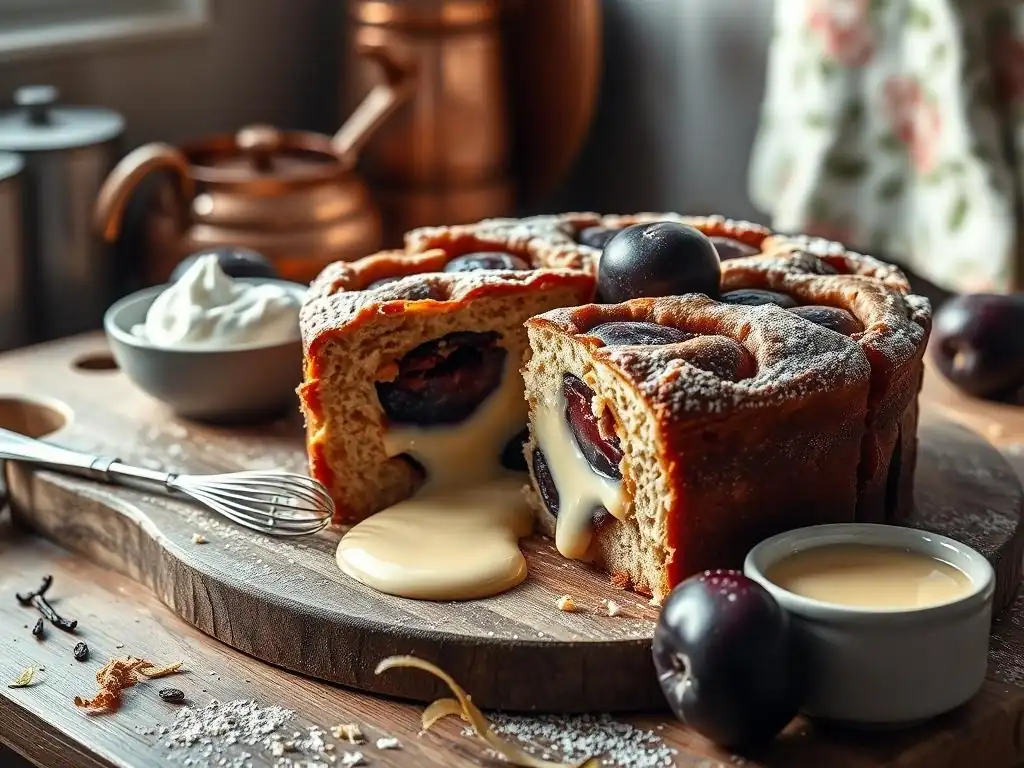
Welcome to BakeWithEase, your trusted companion in the world of baking! Ever wondered how to achieve that perfectly light and creamy texture in traditional German cakes? Dive into our guide and unlock the secrets to creating an easy German cake filling that will elevate your desserts. Discover the simple steps and key ingredients that will transform your baking, and leave your friends and family begging for more. Ready to bake something extraordinary? Let's get started!
- The Art of Fruit-Forward Cake Fillings for Summer Bakes
- BakeItRight Presents: Mastering Easy Summer Cake Fillings
- Introduction to Summer Cake Fillings
- Essential Ingredients for Authentic Summer Cake Fillings
- Easy Summer Cake Filling Recipes: Step-by-Step Guides
- Tips and Tricks for Perfect Summer Cake Filling
- Using Summer Cake Fillings in Your Cakes
- Troubleshooting Common Summer Cake Filling Issues
- Storing and Serving Your Summer Fruit-Filled Cakes
- Elevate Your Baking with Easy Summer Cake Fillings
-
Frequently Asked Questions
- What exactly is a German cream filling, and how does it differ from other cake fillings?
- Is it difficult to make an "Easy German Cake Filling" at home, even for a beginner baker?
- What are the key ingredients needed to create a delicious and "Easy German Cake Filling"?
- How can I prevent my German cream filling from becoming curdled or grainy during the cooking process?
- Can I customize the flavor of my "Easy German Cake Filling" to complement different cake flavors?
- Final Reflection: The Enduring Sweetness of Simple German Cakes
- Unlock Your Inner Pastry Chef: Master German Cream Today!
The Art of Fruit-Forward Cake Fillings for Summer Bakes
BakeItRight Presents: Mastering Easy Summer Cake Fillings
Baking for summer often calls for flavors that are bright, light, and refreshing. While rich buttercreams and dense ganaches have their place, nothing quite captures the essence of a sunny day like a cake filled with vibrant, fruit-forward goodness. These fillings offer a delightful contrast to the cake layers and bring a burst of seasonal flavor to every slice.
Whether you're hosting a garden party or just enjoying a quiet afternoon treat, mastering the art of easy summer cake fillings is a fantastic way to elevate your baking game. They are surprisingly simple to make and offer endless possibilities for customization based on what's fresh and in season.
At BakeWithEase, we believe that delicious baking should also be accessible. That's why we've put together this guide to help you create stunning fruit-forward fillings with minimal fuss. We'll walk you through the essential ingredients, share some simple recipes, and provide tips to ensure your fillings are perfect every time. Get ready to transform your summer bakes with the natural sweetness and tang of fresh fruit, creating cakes that are not only beautiful but also bursting with flavor. Let's dive into the wonderful world of easy summer cake fillings!
Introduction to Summer Cake Fillings
Summer is the season of abundance, especially when it comes to fresh, ripe fruit. Incorporating these seasonal gems into your cake fillings is a natural fit, offering a lighter, more refreshing alternative to heavier options often favored in cooler months. These fillings celebrate the vibrant flavors and colors that the warmer weather brings, making your cakes feel like a true taste of summer. From juicy berries to succulent stone fruits and tropical delights, the possibilities are vast and exciting, promising delightful combinations that are both delicious and visually appealing.
Beyond just flavor, summer cake fillings often contribute a wonderful texture to your bakes. A smooth coulis can add a lovely moistness, while a chunkier compote provides delightful pockets of fruit. Mousse fillings offer a light, airy contrast to denser cake layers. The key is finding the right balance of sweetness and acidity to complement your cake, creating a harmonious dessert experience that is perfect for warm-weather enjoyment.
What Makes Fruit-Forward Fillings Unique?
Fruit-forward fillings stand out due to their inherent freshness and natural acidity. Unlike fillings based solely on dairy or chocolate, fruit brings a bright, sometimes tart, counterpoint to the sweetness of cake. This creates a more balanced flavor profile that is often preferred during warmer months. The high water content in fruit also contributes to a lighter texture compared to buttery or creamy alternatives, making the overall dessert less heavy.
Their uniqueness also lies in their versatility and seasonal nature. You can easily adapt recipes based on the best produce available at any given time – think peak-season strawberries in early summer, juicy peaches in mid-summer, or ripe mangoes as the season transitions. This seasonality ensures that your fillings are always made with the most flavorful ingredients, providing an authentic taste experience that mass-produced options simply cannot replicate. For instance, a filling made with sun-ripened local raspberries bursting with flavor will taste significantly different, and arguably better, than one made with out-of-season fruit.
Why Choose Homemade Fruit-Forward Fillings?
Opting for homemade fruit-forward fillings gives you complete control over the ingredients, ensuring freshness and quality. You can select the ripest fruits, adjust the sugar level to your preference, and avoid artificial flavors or preservatives often found in store-bought versions. This allows you to create a filling that is perfectly tailored to your taste and dietary needs, resulting in a superior product that truly enhances your cake.
Furthermore, making fillings from scratch is often more cost-effective than purchasing pre-made options, especially when fruit is in season and readily available. It also provides a rewarding baking experience. There's a certain satisfaction in transforming fresh fruit into a delicious filling that elevates your dessert. Plus, you can easily scale recipes up or down depending on your needs and experiment with different flavor combinations, like adding a touch of basil to a strawberry filling or a hint of ginger to a peach compote, offering a level of customization impossible with store-bought products.
Essential Ingredients for Authentic Summer Cake Fillings
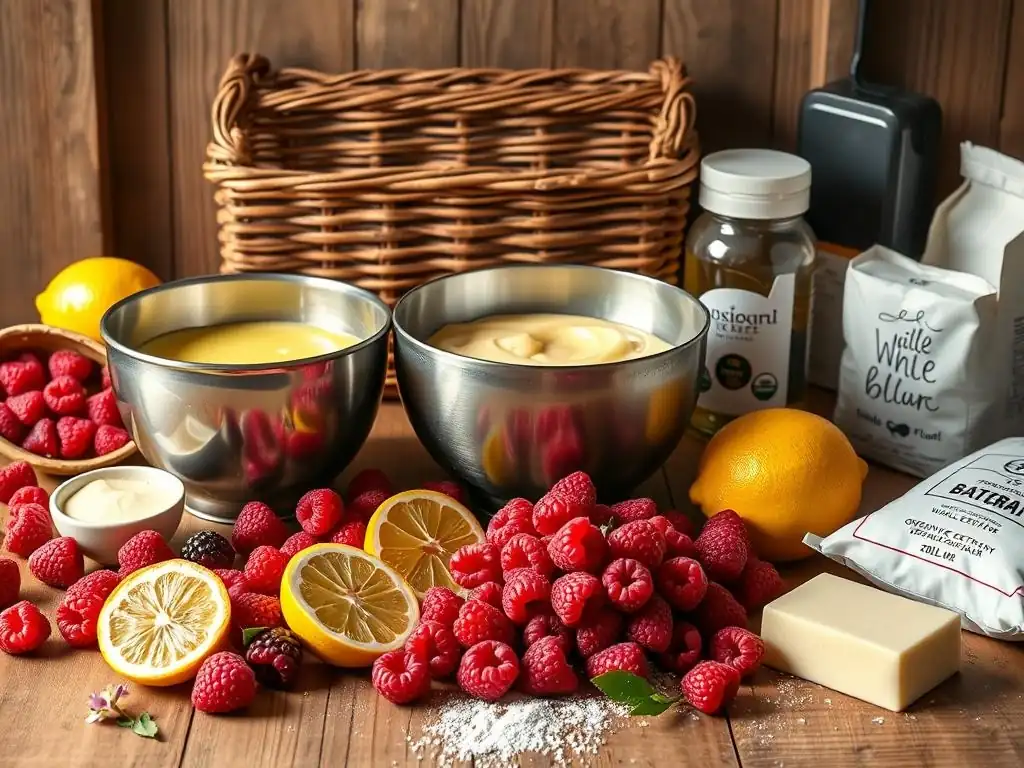
Creating delicious fruit-forward fillings requires just a few key ingredients working in harmony. The foundation is always the fruit itself, providing the primary flavor and often the color. This is then typically combined with a sweetener, usually sugar, to balance the fruit's natural tartness and enhance its flavor. Finally, a stabilizer is often necessary, especially for layered cakes, to give the filling structure and prevent it from running out. Understanding how these elements interact is crucial for achieving the perfect consistency and taste.
Beyond the core components, various flavor enhancers can be added to bring complexity and depth to your fillings. Citrus zest can brighten flavors, fresh herbs like mint or basil can add an unexpected twist, and a splash of liqueur can introduce sophisticated notes. The quality of your ingredients directly impacts the final result, so choosing ripe, flavorful fruit is paramount. Using granulated sugar is standard, but alternatives like honey or maple syrup can also be explored for different flavor profiles.
The Foundation: Fresh Fruit, Sugar, and Stabilizers
Fresh, ripe fruit is the heart of any fruit-forward filling. The type of fruit dictates the primary flavor and texture. Berries like strawberries, raspberries, and blueberries break down easily when cooked, creating sauces or compotes. Stone fruits like peaches, plums, and cherries hold their shape better, offering delightful chunks in fillings. Tropical fruits like mangoes or passion fruit provide intense flavor and often require blending for a smooth consistency. Using fruit at its peak ripeness ensures maximum flavor and natural sweetness, potentially reducing the amount of added sugar needed.
Sugar serves multiple purposes: it sweetens the filling, helps draw out juices from the fruit, and acts as a preservative. The amount of sugar needed depends on the natural sweetness of the fruit and personal preference. Stabilizers like cornstarch, pectin, or gelatin are crucial for creating fillings that are firm enough to hold their shape between cake layers without making the cake soggy.
Cornstarch is commonly used for cooked compotes and sauces, while gelatin is excellent for mousses and firmer gel-like fillings. Pectin, naturally present in some fruits, is often added in powdered form to ensure a good set, especially in jams or thicker fruit preparations. For example, using about 2 tablespoons of cornstarch per cup of fruit purée is a common starting point for a cooked sauce.
Exploring Different Types of Fruit (Berries, Stone Fruits, Tropical Fruits)
Berries are incredibly popular for summer fillings due to their vibrant color and intense flavor. Strawberries are versatile, working well in simple compotes or blended into mousses. Raspberries offer a delightful tartness, perfect for coulis or sauces. Blueberries create a beautiful deep purple filling with a unique earthy sweetness. A simple berry compote might involve simmering 2 cups of mixed berries with 1/4 cup sugar and a tablespoon of lemon juice until thickened, taking about 10-15 minutes.
Stone fruits like peaches, nectarines, and cherries provide a different texture, often used in chunkier fillings or pies. Peaches pair wonderfully with spices like cinnamon or ginger. Cherries offer a rich, slightly tart flavor. Preparing a peach filling might involve dicing 3 ripe peaches, tossing them with 1/3 cup sugar, a teaspoon of lemon juice, and 2 tablespoons of cornstarch, then simmering briefly until slightly thickened.
Tropical fruits, such as mangoes, passion fruit, and pineapple, bring exotic flavors. Mangoes blend beautifully into smooth purées or mousses, offering creamy sweetness. Passion fruit adds intense tartness, often used as a vibrant sauce or mixed into other fillings.
Key Flavor Enhancers & Additions: Citrus Zest, Herbs, Liqueurs
Adding flavor enhancers can significantly elevate your fruit fillings. Citrus zest, particularly from lemons or limes, provides a bright, aromatic lift that cuts through sweetness and enhances the fruit's natural flavor. Just a teaspoon of finely grated lemon zest can transform a simple berry filling. Using the zest from organic, unwaxed fruit is recommended for the best flavor and to avoid pesticides.
Fresh herbs offer surprising and delightful pairings. Mint is a classic partner for strawberries or watermelon, adding a cooling freshness. Basil can complement stone fruits like peaches or apricots, introducing a subtle peppery note. Thyme pairs well with berries or citrus.
Infusing a simple syrup with herbs and using that in your filling is an easy way to incorporate these flavors. Liqueurs like Grand Marnier (orange), Chambord (raspberry), or a fruit-flavored brandy can add depth and sophistication. A tablespoon or two added at the end of cooking or folded into a mousse can provide a lovely background note that enhances the fruit without being overpowering. For example, adding 1 tablespoon of raspberry liqueur to a raspberry coulis just after it's removed from the heat introduces a subtle, grown-up flavor dimension.
Easy Summer Cake Filling Recipes: Step-by-Step Guides
Now that we've covered the essentials, let's get to the fun part: making the fillings! These recipes are designed to be straightforward and achievable for bakers of all levels, focusing on fresh, seasonal fruits. We'll provide clear ingredient lists and detailed instructions to guide you through each process. Remember, the key to success is using ripe, flavorful fruit and paying attention to the consistency as you cook or mix.
These recipes represent different styles of fruit-forward fillings – a classic cream-based one, a vibrant sauce, and a light mousse – offering versatility for various cake types and preferences. Don't be afraid to adjust sweetness levels or add your own flavor twists once you've mastered the basic technique. Baking should be an enjoyable and creative process, and these easy summer cake filling recipes are a perfect starting point for experimentation.
Classic Strawberry Cream Filling Recipe
This filling is a delightful combination of fresh strawberries and a lightened cream base, perfect for vanilla or lemon cakes. It's creamy yet still feels light and refreshing. The fresh strawberry flavor shines through, making it a summer favorite.
Ingredients for Strawberry Cream Filling
- 2 cups fresh strawberries, hulled and diced
- 1/4 cup granulated sugar (adjust to sweetness of strawberries)
- 1 tablespoon fresh lemon juice
- 1 tablespoon cornstarch
- 1/4 cup cold water
- 1 cup heavy whipping cream
- 2 tablespoons powdered sugar
- 1 teaspoon vanilla extract
Detailed Instructions for Making Strawberry Cream Filling
- Combine the diced strawberries, granulated sugar, and lemon juice in a medium saucepan. Let stand for about 10-15 minutes to allow the strawberries to release some juice.
- Heat the strawberry mixture over medium heat, stirring occasionally, until it comes to a gentle simmer. Cook for 5-7 minutes, or until the strawberries are slightly softened and the juices have thickened slightly.
- In a small bowl, whisk together the cornstarch and cold water until smooth. Pour this slurry into the simmering strawberry mixture, stirring constantly.
- Continue to cook and stir for another 1-2 minutes until the mixture thickens considerably. It should coat the back of a spoon. Remove from heat and let cool completely to room temperature. Allowing it to cool fully is crucial before combining with the cream.
- In a separate large bowl, whip the heavy whipping cream, powdered sugar, and vanilla extract until stiff peaks form. Be careful not to over-whip.
- Gently fold the cooled strawberry mixture into the whipped cream using a spatula. Fold until just combined, being careful not to deflate the cream.
- Use immediately or refrigerate for up to 2 days. The filling will firm up slightly when chilled. This recipe makes enough filling for a single layer of an 8 or 9-inch cake.
Raspberry Coulis Filling Recipe
A coulis is a simple fruit sauce that adds intense flavor and beautiful color. This raspberry version is slightly tart and wonderfully vibrant, pairing well with chocolate or lemon cakes. It's one of the easiest fruit fillings to make.
Ingredients for Raspberry Coulis Filling
- 2 cups fresh or frozen raspberries
- 1/4 cup granulated sugar (or more, to taste)
- 1 tablespoon fresh lemon juice
- 1 tablespoon water (optional, if using fresh berries)
Step-by-Step Guide to Raspberry Coulis Filling
- Combine the raspberries, sugar, and lemon juice in a saucepan. If using fresh raspberries, you might add 1 tablespoon of water to help get things started.
- Heat the mixture over medium heat, stirring occasionally. Bring to a simmer and cook for 5-10 minutes, or until the raspberries have broken down and the sugar is dissolved.
- Remove the saucepan from the heat. For a smooth coulis, press the mixture through a fine-mesh sieve to remove the seeds. This step is optional but highly recommended for a refined texture. Use the back of a spoon or a rubber spatula to help push the pulp through.
- Taste the coulis and add more sugar if desired. Remember that chilling can mellow sweetness slightly.
- Let the coulis cool completely before using. It will thicken slightly as it cools. Store in an airtight container in the refrigerator for up to 5 days. This recipe yields about 1 cup of coulis, perfect for drizzling or as a thin cake layer filling.
Mango Mousse Filling Recipe
Light, airy, and tropical, this mango mousse filling is like sunshine in a cake. It's perfect for sponge cakes or coconut-flavored layers. Its smooth texture and sweet, fragrant flavor are truly delightful.
Ingredients for Mango Mousse Filling
- 1.5 cups ripe mango purée (from about 2-3 large mangoes)
- 1/4 cup granulated sugar (adjust based on mango sweetness)
- 1 tablespoon fresh lime juice
- 1 teaspoon powdered gelatin
- 2 tablespoons cold water
- 1 cup heavy whipping cream
Easy Mango Mousse Filling Instructions
- Prepare the mango purée by peeling and dicing ripe mangoes, then blending them in a food processor or blender until completely smooth. Measure out 1.5 cups.
- In a small bowl, sprinkle the gelatin powder over the cold water. Let it sit for 5-10 minutes to bloom (it will become spongy).
- Gently heat the bloomed gelatin mixture in the microwave for 10-15 seconds, or in a small saucepan over low heat, just until it is liquid and clear. Do not boil.
- In a medium bowl, whisk together the mango purée, granulated sugar, and lime juice. Gradually whisk the dissolved gelatin into the mango mixture until well combined.
- In a separate large bowl, whip the heavy whipping cream until soft peaks form.
- Gently fold the mango mixture into the whipped cream using a spatula. Fold until no streaks of cream or mango are visible, creating a uniform, airy mousse.
- Pour the mousse into a bowl, cover with plastic wrap pressed directly onto the surface to prevent a skin from forming, and refrigerate for at least 2-3 hours, or until set. The mousse should be firm enough to spread but still light. This makes enough filling for one layer of an 8 or 9-inch cake.
Tips and Tricks for Perfect Summer Cake Filling

Creating beautiful and delicious fruit-forward fillings goes beyond just following a recipe. A few key techniques and considerations can make all the difference in achieving the right texture, flavor, and overall result. Paying attention to details like consistency and ingredient quality will ensure your fillings are not only tasty but also perform well within your cake structure.
Understanding how different ingredients behave and how to troubleshoot common issues will build your confidence and skill in making these delightful summer fillings. From thickening agents to preventing moisture migration into your cake layers, these tips will help you master the art of easy summer cake fillings.
Achieving the Right Consistency: Pectin & Gelatin
The desired consistency of your fruit filling depends on how you plan to use it. A runny coulis is great for drizzling or soaking cake layers, while a firmer compote or mousse is essential for filling between stacked layers. Pectin and gelatin are excellent tools for achieving specific textures. Pectin is a natural thickener found in fruits, often used in jams and jellies.
Adding powdered pectin to fruit cooked with sugar helps create a gel-like consistency. Different types of pectin (like high-methoxyl or low-methoxyl) require different conditions (e.g., sugar or calcium) to set, so follow package instructions carefully. A common ratio for a firm fruit filling might be 1-2 tablespoons of pectin per 4 cups of fruit.
Gelatin, on the other hand, provides a smooth, jiggly set and is ideal for mousses, panna cotta, or fillings that need to hold a specific shape. It requires blooming in cold liquid before being gently heated to dissolve, then mixed into the main ingredients and chilled to set. The amount of gelatin used impacts firmness; typically, 1 teaspoon of powdered gelatin will set about 1 cup of liquid into a soft gel.
Using too little gelatin results in a runny filling, while too much creates a rubbery texture. For a mousse, you need just enough gelatin to stabilize the whipped cream and fruit purée without making it dense.
Preventing Soggy Cake Layers
One common challenge with moist fruit fillings is preventing them from making your cake layers soggy. This is particularly important for fillings that contain a lot of liquid, like coulis or compotes. A simple and effective technique is to create a barrier around the edge of your cake layer using a firmer frosting, like buttercream or ganache. Pipe a dam of frosting around the perimeter of the cake layer, about a half-inch from the edge, before spooning the fruit filling into the center. This dam acts as a seal, preventing the moisture from seeping into the cake.
Another strategy is to slightly dry out the cake layers or use cake types that are less prone to absorbing moisture. Some bakers lightly brush cake layers with melted white chocolate or a thin layer of ganache, especially on the cut side where the filling will sit. This creates a waterproof barrier.
Alternatively, using sturdier cake recipes, such as a pound cake or a slightly denser sponge, can help. If using a very wet filling like a coulis, you might consider using it as a soak for the cake layers before adding a firmer filling, or serving the coulis on the side rather than directly layering it within the cake.
Flavor Variations and Customization Options [Example: Adding Mint]
The beauty of fruit-forward fillings lies in their adaptability. Once you have a basic recipe, you can easily customize it with different fruits, sugar levels, and flavor boosters. For example, a simple strawberry filling can be transformed by adding a few fresh mint leaves. Simply chop 5-6 mint leaves finely and stir them into the warm strawberry mixture just before it cools. The heat will release the mint's aromatic oils, adding a refreshing, cooling note that pairs beautifully with the sweet strawberries.
Other customization ideas include swapping out fruits entirely (e.g., using blueberries instead of raspberries in a coulis), combining different fruits (like strawberry-rhubarb or peach-blueberry), or incorporating spices. A pinch of cinnamon or nutmeg can warm up stone fruit fillings, while a tiny amount of cayenne can add a surprising kick to mango. Extracts like almond or coconut can also introduce new dimensions.
Don't be afraid to experiment with small batches to find your favorite combinations. Adding a tablespoon of orange zest to a cranberry filling or a splash of rum to a pineapple compote can create unique and memorable flavors.
Using Summer Cake Fillings in Your Cakes
Once your delicious fruit-forward fillings are ready, it's time to assemble your cake! The way you use and layer the filling can significantly impact the final presentation and taste experience. Choosing the right pairing of cake and filling, mastering layering techniques, and incorporating the filling into your decoration are all part of creating a stunning summer dessert.
Considering the texture and consistency of both your cake and filling is key to successful assembly. A delicate sponge cake might require a lighter filling, while a sturdier butter cake can handle something more substantial. Thinking about how the flavors complement each other will also help you create harmonious combinations that delight the palate.
Pairing Fillings with Different Cake Types [Example: Vanilla Cake with Raspberry Coulis]
Pairing your fruit filling with the right cake base is essential for a balanced dessert. Lighter cakes, such as sponge cakes, angel food cakes, or chiffon cakes, pair wonderfully with equally light fillings like fruit mousses or delicate coulis. A classic combination is a light vanilla sponge cake filled with vibrant raspberry coulis. The simple, slightly sweet vanilla provides a perfect backdrop for the tart, intense raspberry flavor. The coulis also soaks slightly into the sponge, adding moisture and a beautiful pink hue.
Butter cakes or pound cakes, which are denser and richer, can stand up to slightly heavier or chunkier fruit fillings like compotes or fruit curds. A lemon pound cake filled with a blueberry compote is a delightful pairing, with the bright lemon cutting through the richness of the cake and complementing the sweet blueberries. Chocolate cakes pair surprisingly well with many fruit fillings, especially berries. A rich chocolate cake with a bright raspberry or cherry filling creates a sophisticated and delicious contrast. Coconut cake is a natural partner for tropical fruit fillings like mango or pineapple mousse.
Layering Techniques for Optimal Flavor Distribution
Proper layering ensures that every slice of cake contains a balanced amount of both cake and filling. For stacked cakes, it's crucial to use a filling that is firm enough to support the weight of the layers above it. If using a softer filling like a coulis or a less-set mousse, create a dam of frosting around the edge of the cake layer before spooning the filling into the center, as mentioned earlier. This prevents the filling from squeezing out the sides when the next layer is added.
Spread the filling evenly within the frosting dam, leaving about a half-inch gap from the outer edge. This ensures a clean finish when the cake is frosted. For thicker fillings like compotes, you can simply spoon and spread. For thinner fillings, spoon carefully into the dam. If using multiple layers, ensure each layer of filling is relatively consistent in thickness for a balanced flavor distribution throughout the cake. For a three-layer cake, you'll typically have two layers of filling.
Decorating Your Cake with Summer Cake Filling [Example: Fresh Fruit Arrangement]
Fruit-forward fillings aren't just for the inside of the cake; they can also inspire beautiful decorations. Highlighting the fruit used in the filling on the outside of the cake creates a cohesive and visually appealing dessert. For a cake filled with strawberry cream, decorating the top with a fresh fruit arrangement of sliced strawberries and maybe a few whole berries is a simple yet elegant approach. Arrange the slices in concentric circles, fan them out, or simply scatter them artfully on top of your frosting.
You can also use some of the filling itself in the decoration. A fruit coulis can be drizzled over the top of the cake or plated alongside slices. A firmer compote can be spooned onto the top edge or used as a border. Incorporating fresh herbs used as flavor enhancers, like a sprig of mint or a basil leaf, can add a touch of freshness and sophistication to the decoration. Edible flowers that complement the fruit's color can also enhance the summer theme.
Troubleshooting Common Summer Cake Filling Issues
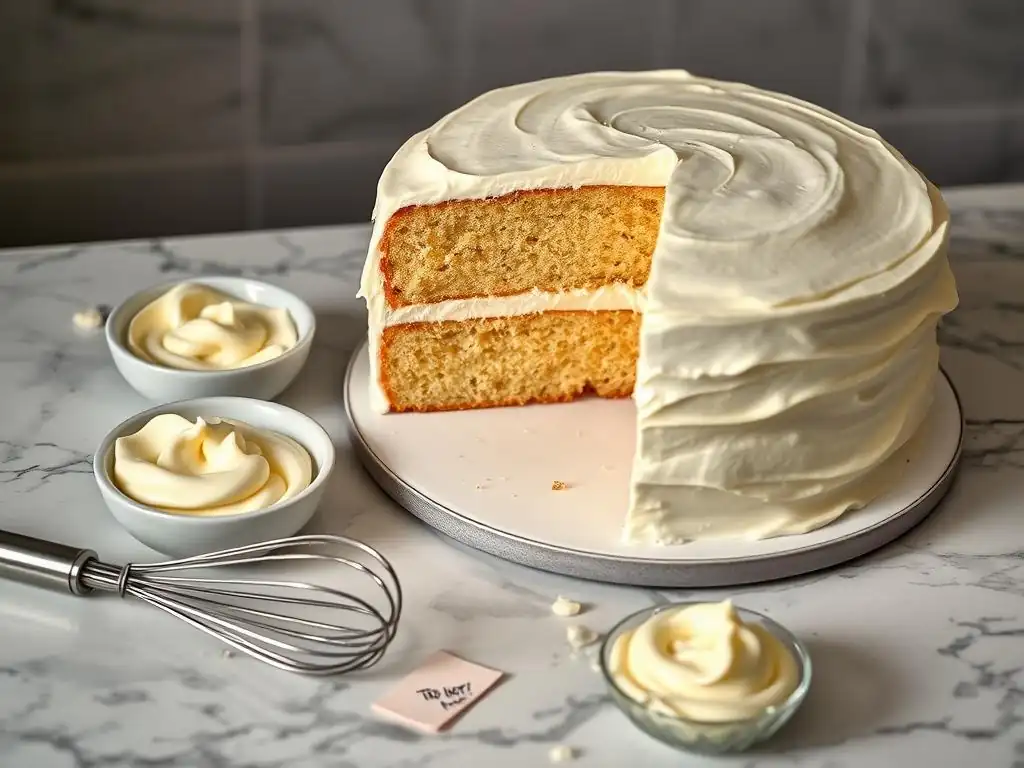
Even with easy recipes, sometimes things don't go exactly as planned. Understanding common issues and how to fix them can save your filling and your cake! Most problems relate to consistency or flavor balance. Don't get discouraged if your first attempt isn't perfect; troubleshooting is a normal part of the baking process.
Having a few simple fixes in your repertoire will allow you to quickly adjust your filling if it's too runny, too tart, or if the fruit isn't looking its best. These quick solutions can rescue your hard work and ensure your cake still turns out beautifully.
Filling is Too Runny: Solutions
If your cooked fruit filling (like a compote or sauce) turns out too runny, there are a couple of easy fixes. The most common solution is to create a slurry of cornstarch or other starch (like tapioca or arrowroot) mixed with a little cold water. For every cup of runny filling, whisk together 1-2 teaspoons of starch with 1-2 tablespoons of cold water until smooth.
Return the runny filling to a saucepan over medium heat, bring it back to a gentle simmer, and slowly whisk in the starch slurry. Cook and stir constantly for 1-2 minutes until the mixture thickens. Be patient; starches need heat to activate.
If your filling relies on gelatin (like a mousse or a set purée) and didn't set properly after chilling, it likely didn't have enough gelatin or the gelatin wasn't properly dissolved or incorporated. You can gently reheat the filling very carefully over low heat or in a microwave safe bowl in 10-second bursts, just until it becomes liquid again (do not boil). While it's warming, dissolve a small amount of additional gelatin (e.g., 1/2 teaspoon bloomed in 1 tablespoon water) and whisk it into the warmed filling.
Chill again until set. This is a delicate process, as overheating gelatin can weaken its setting power.
Filling is Too Tart: Adjusting the Flavor
If your fruit filling is too tart for your liking, the simplest solution is to add more sugar. Start by adding a tablespoon or two at a time, stirring until dissolved, and tasting as you go. Remember that flavors intensify slightly as they cool, so avoid over-sweetening while warm. Granulated sugar is fine, but powdered sugar dissolves more easily into uncooked fillings or mousses.
Alternatively, you can balance tartness with other flavors. A pinch of salt can surprisingly reduce the perception of sourness. Adding a touch of vanilla extract can also round out the flavors and make the filling seem sweeter. If the filling is cooked, simmering it for a few more minutes can sometimes mellow the tartness as some of the fruit's acidity cooks off. If you have a very tart fruit like cranberries or rhubarb, pairing it with a sweeter fruit like apples or pears from the start can help achieve a better balance.
Fruit is Discoloring: How to Prevent It
Some fruits, particularly apples, pears, peaches, and bananas, can brown or discolor when exposed to air. This oxidation doesn't necessarily affect the flavor but can make the filling look less appealing. To prevent this, adding an acidic component like lemon juice or lime juice is highly effective. The acid inhibits the enzymes that cause browning. Tossing sliced or diced fruit with a tablespoon or two of citrus juice before cooking or using it raw in a filling can significantly reduce discoloration.
If you are making a cooked filling like a compote, cooking the fruit quickly and then cooling it rapidly can also help minimize exposure to air and prevent browning. Storing finished fruit fillings in an airtight container with plastic wrap pressed directly onto the surface can also limit air contact and maintain vibrant color. For fillings using fruits prone to browning, preparing them closer to when you plan to assemble the cake is always a good idea.
Storing and Serving Your Summer Fruit-Filled Cakes
Once your beautiful fruit-filled cake is complete, proper storage is key to maintaining its freshness, texture, and flavor, especially in warm summer weather. How you serve the cake can also enhance the overall experience, from the temperature to the accompanying garnishes. A little attention to these final steps ensures that your delicious creation is enjoyed at its best.
Understanding how long your cake will keep and the best way to store it prevents disappointment and potential food safety issues. Serving recommendations can help you present your cake in a way that highlights its flavors and visual appeal, making it a memorable dessert.
Proper Storage Techniques to Maintain Freshness
Fruit-filled cakes, particularly those with fresh fruit or dairy-based fillings (like cream fillings or mousses), are perishable and require refrigeration. Store the cake in an airtight cake carrier or cover loosely with plastic wrap and then tightly with aluminum foil. This prevents the cake from drying out and absorbing odors from the refrigerator. It also protects the delicate filling.
Cakes with cooked fruit fillings (like compotes) that are properly stabilized may last slightly longer than those with fresh fruit or raw cream fillings. Generally, a fruit-filled cake stored in the refrigerator is best enjoyed within 2-3 days. If the filling contains fresh, uncooked fruit, it's often best consumed within 1-2 days for optimal quality and safety. Freezing a cake with a fresh fruit filling is generally not recommended as the fruit's texture can change significantly upon thawing. Cakes with cooked, stabilized fillings might freeze better, but always test with a small portion first.
Serving Suggestions and Garnishing Ideas
Serving your summer fruit-filled cake chilled is often the most refreshing way to enjoy it, especially during warm weather. Remove the cake from the refrigerator about 15-30 minutes before serving to allow the flavors to open up slightly, but not so long that the filling becomes too soft. Use a sharp knife to cut clean slices, wiping the knife between cuts if needed, especially with sticky fillings.
Garnishing the cake or individual slices can enhance the presentation and flavor. Fresh berries, slices of the fruit used in the filling, or a sprig of fresh mint or basil are simple and effective garnishes. A dusting of powdered sugar can add an elegant touch. For a more decadent presentation, serve slices with a dollop of whipped cream, a scoop of vanilla ice cream, or an extra drizzle of the fruit coulis used in the filling. These additions complement the fruit flavors and add another layer of texture and richness.
Elevate Your Baking with Easy Summer Cake Fillings
Mastering easy summer cake fillings opens up a world of possibilities for your warm-weather baking. These vibrant, fresh, and flavorful fillings can transform a simple cake into a showstopper, perfect for any summer occasion. By understanding the basic ingredients, practicing simple techniques, and feeling confident in troubleshooting, you're well on your way to creating stunning fruit-forward desserts that everyone will love.
Remember, the key is to start with ripe, delicious fruit and have fun experimenting with different combinations. Whether you choose a classic strawberry cream, a zesty raspberry coulis, or a tropical mango mousse, these easy summer cake fillings are designed to make your baking experience enjoyable and the results absolutely delicious.
BakeItRight: Your Guide to Summer Baking Delights
At BakeWithEase.com, we are passionate about making baking accessible and enjoyable for everyone. We hope this guide to easy summer cake fillings has inspired you to get into the kitchen and create something wonderful. Our goal is to provide you with the knowledge, tips, and simple recipes you need to bake with confidence and ease, no matter the season.
Explore our website for more recipes, techniques, and tips tailored for bakers of all levels. From mastering the perfect sponge to decorating like a pro, BakeWithEase is your trusted resource for all your baking adventures. Happy baking, and enjoy the sweet taste of summer!
Frequently Asked Questions
What exactly is a German cream filling, and how does it differ from other cake fillings?
German cream fillings, also known as German Buttercream, are known for their rich, custardy flavor and smooth texture. They differ from other fillings due to the use of a cooked custard base, making them less sweet than American buttercream.
Is it difficult to make an "Easy German Cake Filling" at home, even for a beginner baker?
No, it isn't! BakeWithEase.com focuses on simplified recipes and step-by-step guides. Our "Easy German Cake Filling" recipes are designed for bakers of all skill levels, including beginners.
What are the key ingredients needed to create a delicious and "Easy German Cake Filling"?
The essential ingredients typically include milk, sugar, eggs, butter, and vanilla extract. Some variations might call for pudding mix or lemon zest for added flavor.
How can I prevent my German cream filling from becoming curdled or grainy during the cooking process?
The key is to cook the custard base slowly over medium-low heat and stir constantly to prevent the eggs from scrambling. Using a thermometer to monitor the temperature is also helpful.
Can I customize the flavor of my "Easy German Cake Filling" to complement different cake flavors?
Absolutely! You can easily customize the flavor by adding extracts (like almond or coffee), fruit purees, or even melted chocolate. The versatility of the base recipe allows for endless flavor combinations.
Final Reflection: The Enduring Sweetness of Simple German Cakes
The art of creating delicious German cream fillings doesn't need to be a daunting task; mastering a few simple techniques unlocks a world of flavor and elegance. This accessibility, coupled with the enduring popularity of German cakes, makes these recipes more relevant than ever in today's busy world where homemade treats are cherished for their unique quality and personal touch.
The influence of German baking traditions on global pastry is undeniable, a testament to the enduring appeal of rich, creamy fillings and delicate sponge cakes. These recipes aren't just about creating a dessert; they're about connecting with a culinary heritage, sharing a piece of history with each bite. Baking is at once child's play and adult joy. And love, of course.
– This sentiment perfectly captures the heart of these simple yet rewarding recipes, transforming a kitchen task into an act of creation and sharing.
Now, it's your turn. Don't be intimidated by the seemingly complex world of German cake fillings. Take the time to explore these recipes, experiment with flavors, and most importantly, enjoy the process of creating something delicious and beautiful. The satisfaction of crafting a perfect German cream cake, from scratch, is a reward in itself – a sweet testament to your own culinary creativity. So, gather your ingredients, embrace the simplicity, and let the baking begin!
Unlock Your Inner Pastry Chef: Master German Cream Today!
Thanks for taking the time to explore the delightful world of German cream fillings! We hope you now feel confident in creating luscious, light cakes. Ready to take your baking to the next level?
- Whizz up a batch of German cream this weekend: Use our tips and tricks to create the perfect filling for your next masterpiece. It's easier than you think!
- Share your creamy creations: Tag us on social media – we'd love to see your beautiful cakes! Use #BakeWithEaseGermanCream.
- Explore other decadent fillings: Dive into our extensive recipe library for even more inspiration and flavour combinations.
What unique flavour will you infuse into your next German cream creation?