
Bake German Bismarcks (Long Johns) with Easy Cream Filling

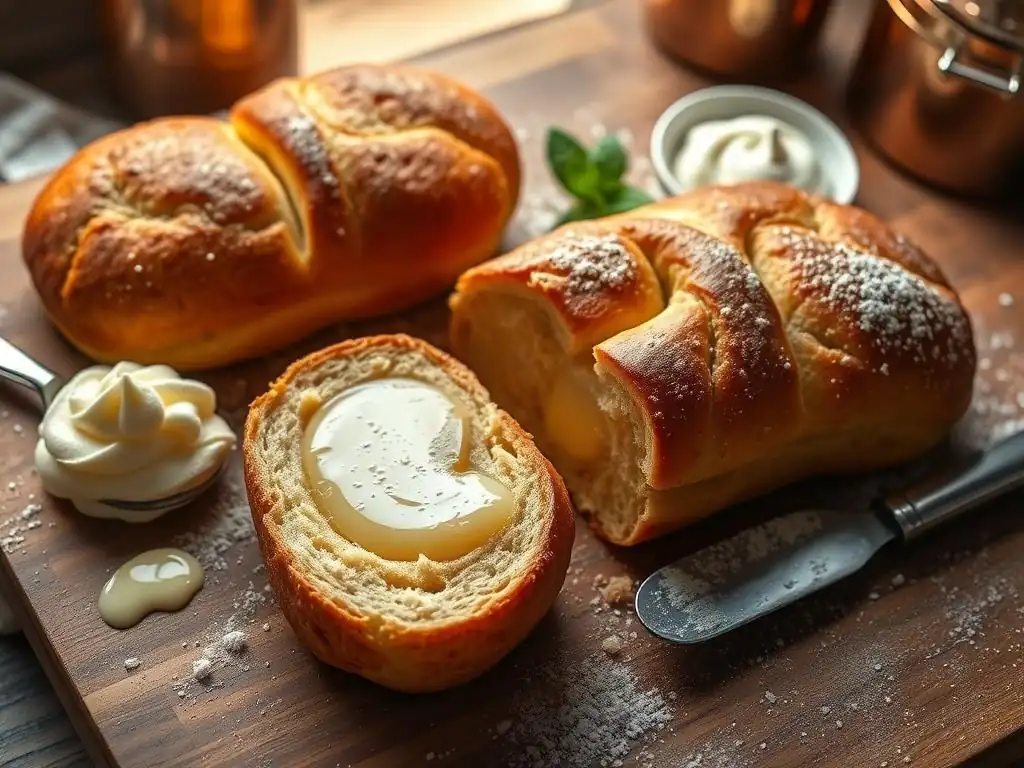
Welcome to BakeWithEase, your haven for effortless baking! Ever dreamt of creating those delectable, pillowy German Bismarcks (Long Johns) filled with a luscious, homemade cream? Dive into our latest guide and discover the secrets to crafting these delightful treats. We'll walk you through every step to achieve that perfect, easy German Bismarcks cream filling and a bakery-worthy result. What makes our recipe different and simpler than the rest? Let's find out...
- Bake Classic Cream-Filled Bismarcks (Long Johns): A Home Baker's Guide
- Introduction to Bismarcks: A Cream-Filled Treat
- Mastering the Dough: Homemade Bismarcks Dough Recipe
- Crafting the Cream Filling: A Simple Pastry Cream Recipe
- Shaping and Frying: Achieving Golden Perfection
- Filling and Finishing: The Final Touches
- Tips and Tricks for Baking the Best Bismarcks
- Expanding Your Baking Repertoire
- Frequently Asked Questions
- Final Reflection: The Sweet Simplicity of Tradition
- Unleash Your Inner Pastry Chef!
Bake Classic Cream-Filled Bismarcks (Long Johns): A Home Baker's Guide
Introduction to Bismarcks: A Cream-Filled Treat
What are Bismarcks (Long Johns)?
Bismarcks, often known in North America as Long Johns, are a type of elongated yeast doughnut. Unlike ring doughnuts, they are typically rectangular and designed specifically to be filled generously after frying. Originating from Germany, these delightful pastries are a staple in bakeries, loved for their soft, pillowy texture and decadent fillings. The name "Bismarck" is said to be derived from Otto von Bismarck, the first Chancellor of Germany, though the exact connection remains debated.
These pastries are typically made from a slightly sweet, enriched yeast dough, similar to brioche but often less rich. After proofing and frying until golden brown, they are cooled and then injected with a variety of fillings, most commonly a smooth pastry cream, jam, or sometimes whipped cream. They are usually finished with a simple glaze, powdered sugar, or chocolate icing. Their substantial size and rich filling make them a satisfying treat, perfect for a special breakfast or dessert.
Why This Bismarcks Recipe is Perfect for Home Baking
Crafting delicious, easy German Bismarcks with cream filling at home might seem daunting, but this recipe breaks down the process into manageable steps. Many home bakers are hesitant to tackle yeasted doughs or frying, but with clear instructions and a focus on simplicity, achieving bakery-quality results is entirely within reach. This guide simplifies the traditional methods, ensuring that even those new to deep-frying or yeast doughs can succeed.
This specific recipe focuses on an easy cream filling, making the overall process less complex. Instead of a fussy, multi-stage filling, we'll use a straightforward pastry cream that comes together quickly and holds its shape well. The dough recipe is also designed for reliability, providing clear visual cues for rising and handling. By following these steps, you can confidently create soft, perfectly fried Bismarcks filled with luscious cream, bringing a taste of authentic German baking right into your kitchen.
Mastering the Dough: Homemade Bismarcks Dough Recipe
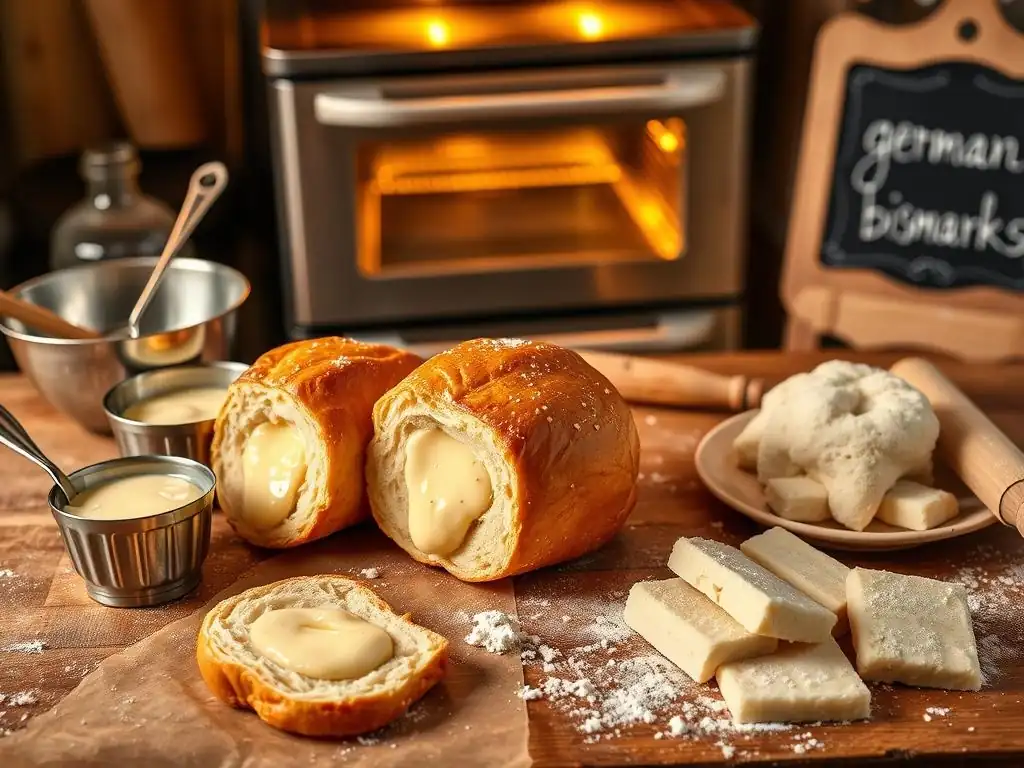
Ingredients for the Perfect Bismarcks Dough
Achieving a light and airy Bismarck requires a specific balance of ingredients. For a batch of approximately 10-12 standard-sized Long Johns, you will typically need:
- 3 cups (about 360g) all-purpose flour
- 1/4 cup (50g) granulated sugar
- 1 teaspoon salt
- 2 1/4 teaspoons active dry yeast (one standard packet)
- 1/2 cup (120ml) warm milk (around 105-115°F or 40-46°C)
- 1/4 cup (60ml) warm water (around 105-115°F or 40-46°C)
- 2 large eggs, lightly beaten
- 1/4 cup (55g) unsalted butter, softened
Using warm liquids is crucial for activating the yeast. The temperature range of 105-115°F is ideal – too hot will kill the yeast, too cool and it won't activate effectively. The eggs and butter enrich the dough, contributing to its tender texture, while the sugar provides food for the yeast and adds a touch of sweetness.
Step-by-Step Guide to Making Bismarcks Dough
Making the dough involves a few key stages to ensure proper development and rise.
- Activate the Yeast: In a large bowl, combine the warm milk, warm water, and granulated sugar. Sprinkle the active dry yeast over the top. Let it sit for 5-10 minutes until it becomes foamy. This indicates the yeast is active and ready to work.
- Combine Wet and Dry: In a separate bowl, whisk together the flour and salt. Add the foamy yeast mixture, beaten eggs, and softened butter to the dry ingredients.
- Mix and Knead: Mix everything together with a spoon or in a stand mixer with a dough hook until a shaggy dough forms. Turn the dough out onto a lightly floured surface and knead for 8-10 minutes, or mix in a stand mixer for 6-8 minutes on medium speed. The dough should become smooth, elastic, and slightly sticky. It should pass the windowpane test, meaning you can stretch a small piece thin enough to see light through it without tearing.
- First Rise: Place the kneaded dough in a lightly oiled bowl, turning to coat all sides. Cover the bowl tightly with plastic wrap or a clean kitchen towel. Let the dough rise in a warm place, free from drafts, for 1 to 1.5 hours, or until it has doubled in size. A slightly warm oven (turned off) or a microwave can provide a good environment.
Pro Tip: Achieving a Light and Airy Dough
The secret to a light and airy Bismarck dough lies in proper kneading and sufficient proofing. Kneading develops the gluten structure, which traps the gases produced by the yeast, creating that desirable airy texture. Don't shortcut the kneading time; it's essential for developing elasticity.
Equally important is allowing the dough to rise fully during the first proofing stage. A dough that hasn't doubled in size won't produce light doughnuts. The dough should look visibly puffy and feel soft and yielding to the touch. If your kitchen is cool, the rise might take longer, potentially up to 2 hours. Patience here pays off immensely in the final texture of your Bismarcks.
First Rise: Proofing the Dough
After kneading, the dough needs time to ferment and expand, a process called proofing or the first rise. This step is critical for developing flavor and achieving the proper texture before shaping.
As mentioned, place the dough in a lightly oiled bowl, cover it, and find a warm, draft-free spot. The ideal temperature for proofing yeast dough is typically between 75°F and 85°F (24°C and 30°C). If your kitchen is cooler, placing the bowl in an oven that has been slightly warmed (then turned off) or even just placing it on a counter in a closed microwave can provide the necessary warmth. Avoid placing it directly in sunlight if it's too hot, as this can cause the dough to rise too quickly and potentially collapse.
During this hour to hour and a half, the yeast consumes the sugars in the dough and produces carbon dioxide gas, causing the dough to double in volume. You can check if the dough is ready by gently pressing two fingers into it; if the indentations remain, the dough is likely sufficiently proofed. This robust first rise sets the stage for perfectly textured, easy German Bismarcks with cream filling.
Crafting the Cream Filling: A Simple Pastry Cream Recipe
Ingredients for the Pastry Cream Filling
An easy cream filling is key to making easy German Bismarcks with cream filling. Pastry cream (crème pâtissière) is a classic choice, offering a smooth, rich texture that complements the fried dough beautifully. For a batch sufficient to generously fill 10-12 Bismarcks, you will need:
- 2 cups (480ml) whole milk
- 1/2 cup (100g) granulated sugar, divided
- 1/4 cup (30g) cornstarch
- 4 large egg yolks
- 2 tablespoons unsalted butter, cold and cubed
- 1 teaspoon pure vanilla extract
Using whole milk provides richness, while the cornstarch and egg yolks act as thickeners, creating a stable cream that won't run out of the doughnuts. Dividing the sugar helps temper the egg yolks and ensures smooth incorporation. Using cold butter whisked in at the end adds a lovely sheen and extra richness.
Preparing the Pastry Cream Filling: A Step-by-Step Guide
Making pastry cream from scratch is simpler than it sounds, especially with this straightforward method.
- Heat the Milk: In a medium saucepan, heat the whole milk over medium heat until it just begins to simmer around the edges. Do not let it boil vigorously.
- Whisk Yolks and Sugar: While the milk heats, whisk the egg yolks with half of the granulated sugar (1/4 cup) in a medium heatproof bowl until pale yellow and slightly thickened.
- Combine Dry Ingredients: In a separate small bowl, whisk together the remaining half of the granulated sugar (1/4 cup) and the cornstarch. Add this mixture to the egg yolk mixture and whisk until smooth and no lumps of cornstarch remain.
- Temper the Yolks: Slowly pour about half of the hot milk into the egg yolk mixture while whisking continuously. This process, called tempering, prevents the yolks from scrambling.
- Return to Pan: Pour the tempered yolk mixture back into the saucepan with the remaining hot milk.
- Thicken the Cream: Cook over medium heat, whisking constantly, until the mixture thickens considerably and comes to a gentle boil. Boil gently for 1 minute, continuing to whisk, to ensure the cornstarch is fully cooked and the cream is stable. The cream should be thick enough to coat the back of a spoon.
- Finish the Cream: Remove the saucepan from the heat. Whisk in the cold butter, one cube at a time, until fully melted and incorporated. Stir in the vanilla extract.
- Chill: Pour the pastry cream into a clean bowl. Press a piece of plastic wrap directly onto the surface of the cream to prevent a skin from forming. Refrigerate for at least 2-3 hours, or until completely cold and firm. This chilling step is crucial for the cream to set properly before filling the Bismarcks.
Variations: Adding Flavor to Your Pastry Cream
While classic vanilla pastry cream is delightful, you can easily adapt this easy cream filling recipe to create flavored variations for your easy German Bismarcks.
- Chocolate Pastry Cream: Whisk 2-3 ounces (about 60-85g) of finely chopped dark or milk chocolate into the hot pastry cream after removing it from the heat but before adding the butter and vanilla. Whisk until the chocolate is completely melted and smooth.
- Coffee Pastry Cream: Dissolve 1-2 teaspoons of instant espresso powder or strong instant coffee granules in the hot milk before heating it. Proceed with the recipe as usual.
- Citrus Pastry Cream: Add the zest of one lemon or orange to the milk while it heats. Strain the milk before tempering the egg yolks to remove the zest pieces. Alternatively, whisk in 1-2 tablespoons of fresh lemon or orange juice along with the vanilla extract at the end.
- Nut Pastry Cream: Whisk in 1-2 tablespoons of a smooth nut butter (like almond or hazelnut) along with the butter and vanilla.
These simple additions allow you to customize the flavor profile of your easy German Bismarcks cream filling, offering a fun way to experiment with different tastes.
Shaping and Frying: Achieving Golden Perfection
How to Shape Bismarcks (Long Johns)
Once the dough has completed its first rise, it's time to shape it into the characteristic elongated Bismarck form.
- Deflate and Rest: Gently punch down the risen dough to release the air. Turn the dough out onto a lightly floured surface and let it rest for 5-10 minutes. This relaxes the gluten, making the dough easier to roll out.
- Roll the Dough: Roll the dough out into a rectangle about 1/2 to 3/4 inch (approximately 1.2-1.8 cm) thick. Aim for an even thickness across the entire sheet of dough to ensure uniform frying.
- Cut the Shapes: Using a sharp knife or a pizza cutter, cut the dough into rectangles. A typical size is about 2-3 inches wide by 4-5 inches long (roughly 5-7.5 cm by 10-12.5 cm). Try to make them as uniform as possible for even cooking. Avoid twisting or stretching the dough as you cut.
- Prepare for Second Rise: Carefully transfer the cut rectangles to baking sheets lined with parchment paper or lightly floured. Leave ample space between each dough piece, as they will expand during the second rise. You might need two baking sheets.
- Second Rise: Cover the baking sheets loosely with plastic wrap or a clean kitchen towel. Let the Bismarcks rise in a warm, draft-free place for another 30-45 minutes, or until they look puffy and have increased in size by about 50%. They should look noticeably lighter and airy. This second rise is crucial for achieving a soft interior after frying.
Frying Bismarcks: Temperature and Technique
Frying is the traditional method for cooking Bismarcks and gives them their signature texture. It's important to manage the oil temperature carefully.
- Heat the Oil: Pour about 2-3 inches of neutral frying oil (like vegetable, canola, or peanut oil) into a heavy-bottomed pot or Dutch oven. Heat the oil over medium heat until it reaches 350°F (175°C). Use a deep-fry thermometer to monitor the temperature accurately. Maintaining the correct temperature is vital – too hot and the outside will burn before the inside cooks; too cool and the doughnuts will absorb too much oil and become greasy.
- Fry the Bismarcks: Carefully lift the proofed dough rectangles from the parchment paper (you can trim the parchment around each piece to make transferring easier, then peel it off in the hot oil). Gently slide 2-3 Bismarcks into the hot oil, being careful not to overcrowd the pot. Overcrowding will lower the oil temperature.
- Cook Time: Fry for 2-3 minutes per side, or until deeply golden brown. Use a slotted spoon or spider to flip the Bismarcks gently halfway through the frying time.
- Drain: Once golden on both sides, remove the Bismarcks from the oil using the slotted spoon, allowing excess oil to drain back into the pot. Transfer them to a wire rack set over a baking sheet lined with paper towels to drain further and cool.
Avoiding Common Frying Mistakes
Frying can be tricky, but being aware of common pitfalls helps ensure perfectly cooked Bismarcks.
- Incorrect Oil Temperature: This is arguably the most frequent mistake. If the oil is too hot (above 375°F or 190°C), the exterior will brown too quickly, leaving the inside raw. If it's too cool (below 325°F or 160°C), the Bismarcks will absorb excessive oil, resulting in greasy, heavy doughnuts. Always use a thermometer and adjust the heat as needed.
- Overcrowding the Pot: Frying too many doughnuts at once dramatically lowers the oil temperature, leading to uneven cooking and greasy results. Fry in small batches, leaving plenty of space between each piece.
- Not Proofing Enough (Second Rise): If the dough hasn't risen sufficiently before frying, the Bismarcks will be dense and heavy instead of light and airy. Ensure they look visibly puffy before they hit the oil.
- Flipping Too Early: Wait until the first side is golden brown before flipping. Flipping too soon can deflate the Bismarcks and prevent even browning.
- Not Draining Properly: Allow the fried doughnuts to drain on a wire rack set over paper towels. This helps excess oil drip away, preventing a greasy finish.
By paying attention to these details, you'll significantly improve your chances of frying beautiful, golden Bismarcks ready for their easy cream filling.
Filling and Finishing: The Final Touches
Filling the Bismarcks with Pastry Cream Filling
Once your fried Bismarcks have cooled completely on the wire rack (they should be cool enough to handle comfortably, at least 30 minutes), it's time to add the luscious easy cream filling.
- Prepare the Cream: Remove the chilled pastry cream from the refrigerator. Give it a good whisk to loosen it up and make it smooth and pipeable. If it's very stiff, you can beat it briefly with an electric mixer on low speed.
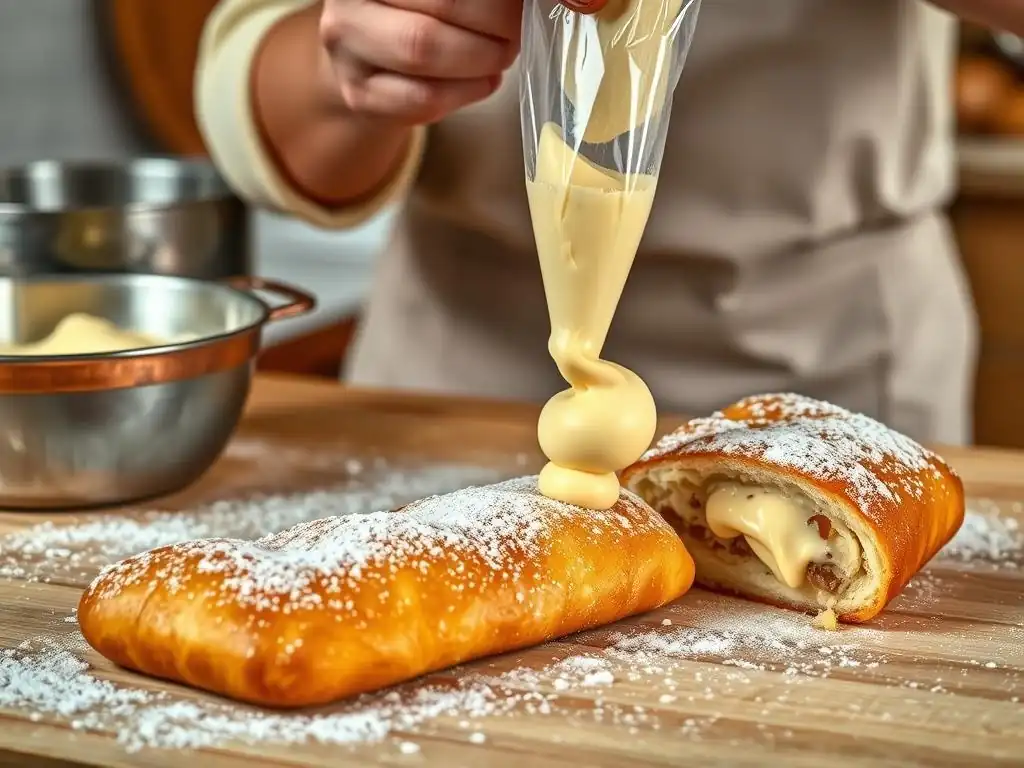
- Prepare for Filling: You have a couple of options for getting the cream inside. The easiest method is to use a piping bag fitted with a long, narrow tip (like a Bismark tip or a plain tip around 1/4 inch or 0.6 cm). Alternatively, you can use a sharp paring knife to make a small slit or hole in the end or side of each Bismarck, then use a spoon to push the cream inside, though this is messier and less efficient.
- Inject the Cream: Insert the tip of the piping bag into one end of the Bismarck, pushing it gently towards the center. Squeeze the bag steadily, filling the interior until you feel the Bismarck become heavy and slightly expand, or you see the cream starting to peek out from the insertion point. Withdraw the tip slowly as you finish. Repeat with the other end if needed for a generous filling. Aim for about 2-3 tablespoons of cream per Bismarck.
Glazing and Decorating: Adding the Sweet Touch
A simple glaze adds the perfect sweet finish to your homemade Bismarcks with easy cream filling. This step is quick and adds visual appeal and extra flavor.
- Prepare the Glaze: While the Bismarcks cool and the cream is prepared, make your chosen glaze. A simple vanilla glaze is classic.
- Dip or Drizzle: Once the Bismarcks are filled, dip the top surface of each Bismarck into the glaze, allowing excess to drip off. Alternatively, you can drizzle the glaze over the tops using a spoon or a piping bag with a fine tip.
- Set: Place the glazed Bismarcks back on the wire rack to allow the glaze to set. This usually takes about 15-20 minutes. For a quick set, you can place them in the refrigerator for a few minutes.
Glaze Options: Vanilla Glaze, Chocolate Ganache
Here are a couple of popular glaze options to finish your easy German Bismarcks:
- Simple Vanilla Glaze: Whisk together 2 cups (about 240g) powdered sugar, 3-4 tablespoons milk or water, and 1/2 teaspoon vanilla extract until smooth and pourable. Add more liquid a teaspoon at a time if it's too thick, or more powdered sugar if it's too thin.
- Chocolate Ganache: Heat 1/2 cup (120ml) heavy cream in a small saucepan or microwave until hot but not boiling. Pour the hot cream over 4 ounces (about 115g) finely chopped semi-sweet or dark chocolate in a bowl. Let it sit for 5 minutes, then whisk until smooth and glossy. Use while still warm and pourable. If it thickens too much, gently warm it slightly.
These glazes provide a lovely complement to the rich, easy cream filling inside the Bismarcks.
Tips and Tricks for Baking the Best Bismarcks
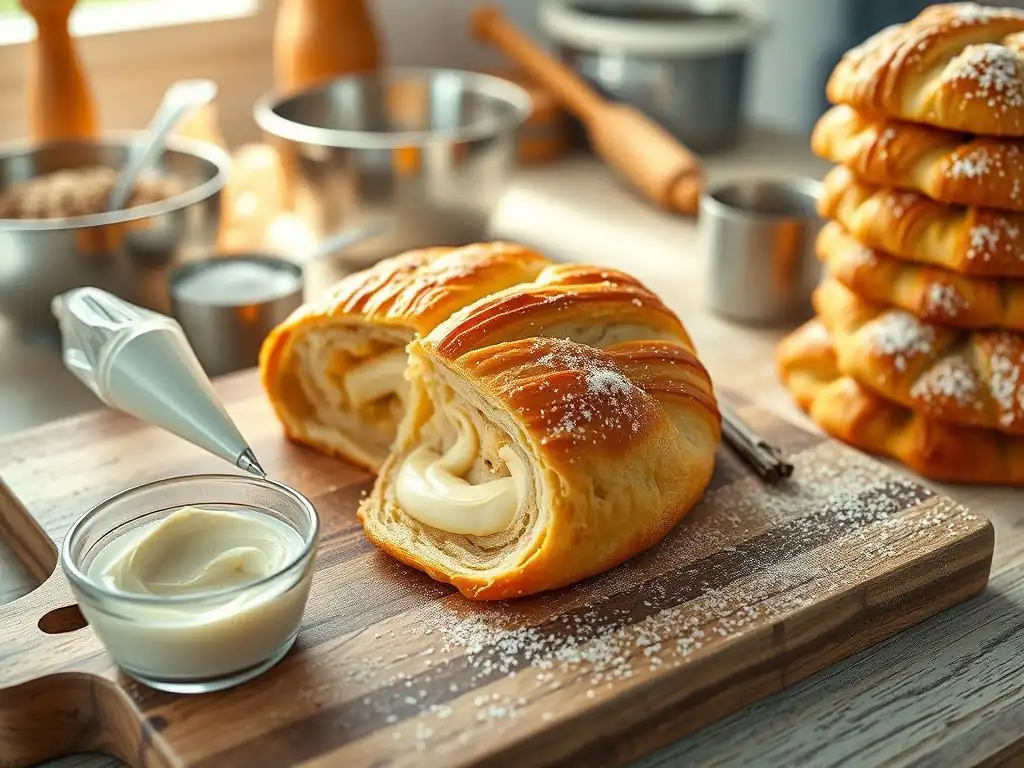
Troubleshooting Common Bismarcks Baking Problems
Even experienced bakers encounter issues. Here are solutions to common Bismarcks problems:
- Greasy Doughnuts: This is usually due to the oil temperature being too low. Ensure your oil is consistently at 350°F (175°C) while frying. Also, don't overcrowd the pot, as this lowers the temperature.
- Doughnuts are Dense/Heavy: This is often a result of insufficient proofing (either the first or second rise). Make sure your yeast is active and allow the dough ample time to rise until it looks significantly expanded and airy. Not kneading the dough enough can also result in a poor texture.
- Doughnuts Burn Quickly: The oil is too hot (above 375°F or 190°C). Lower the heat and wait for the temperature to stabilize before adding more Bismarcks.
- Filling Leaks Out: Ensure your pastry cream is properly chilled and firm before filling. If the cream is too loose, it will ooze out. Also, avoid overfilling the Bismarcks. If using a piping tip, use a tip that creates a small, clean entry point.
- Unevenly Cooked: This can happen if the oil temperature fluctuates, the doughnuts are different thicknesses, or the pot is overcrowded. Use a thermometer and fry in small, even batches.
Storing Your Homemade Bismarcks
Homemade Bismarcks with easy cream filling are best enjoyed fresh on the day they are made. The dough is most tender, and the cream is perfectly set.
If you have leftovers, they can be stored in an airtight container in the refrigerator for 1-2 days due to the dairy-based cream filling. Place them in a single layer if possible, or separate layers with parchment paper to prevent them from sticking together and potentially squishing the filling. Reheating is generally not recommended as it can alter the texture of both the dough and the cream, but you can allow them to come to room temperature for about 15-20 minutes before serving. Freezing filled Bismarcks is not ideal as the texture of the cream can change upon thawing.
Serving Suggestions: Enjoying Your Freshly Baked Bismarcks
Serve your homemade Easy German Bismarcks with cream filling as a special breakfast treat, a delightful afternoon snack, or a decadent dessert.
They are perfect on their own, showcasing the contrast between the soft fried dough and the cool, smooth cream. For an extra touch, you can dust them with powdered sugar just before serving, especially if you opted for a less sweet glaze or no glaze at all. Pairing them with a cup of coffee or tea is a classic combination that enhances the rich flavors. Consider serving them alongside fresh berries or a simple fruit compote to add a touch of freshness and cut through the richness of the cream filling.
Expanding Your Baking Repertoire
Exploring Other Doughnut and Pastry Recipes
Mastering easy German Bismarcks with cream filling is a fantastic achievement and opens the door to exploring a world of other delicious fried and baked pastries.
If you enjoyed working with yeasted dough, consider trying your hand at classic ring doughnuts, jelly-filled doughnuts (Berliner Pfannkuchen), or even savory options like pretzels. The techniques learned for frying and handling enriched dough are transferable.
You could also explore other German baking delights like Bee Sting Cake (Bienenstich) or Black Forest Cake (Schwarzwälder Kirschtorte), or venture into French pastries like éclairs (which also use a cream filling, albeit a different type of dough) or choux puffs. Each recipe offers unique challenges and rewards, further building your baking skills and expanding the range of treats you can create at home.
Frequently Asked Questions
What exactly is a German Bismarck (or Long John)?
A German Bismarck, also known as a Long John, is a type of yeast-raised donut that is typically oblong in shape and filled with cream or custard. It's often topped with chocolate or a simple glaze.
What makes this Bismarck recipe "easy"?
This recipe emphasizes simple ingredients and step-by-step instructions, making it approachable for bakers of all skill levels. We focus on techniques that simplify the process of making both the dough and the cream filling.
Can I use a different filling besides cream for these Bismarcks?
Absolutely! While this recipe focuses on an easy cream filling, you can easily substitute it with custard, fruit jam, or even a chocolate ganache to personalize your Bismarcks.
What if I don't have time to make the cream filling from scratch?
You can use a high-quality store-bought pastry cream as a shortcut. Just ensure it's thick enough to hold its shape inside the donut.
How do I store leftover Bismarcks to keep them fresh?
Store leftover Bismarcks in an airtight container at room temperature. For best results, consume them within 1-2 days as the cream filling can make them soggy over time.
Final Reflection: The Sweet Simplicity of Tradition
The enduring appeal of classic recipes like German Bismarcks lies not just in their deliciousness, but in their ability to connect us to history and heritage, offering a comforting familiarity in an ever-changing world. Mastering the seemingly simple art of creating a light and airy cream filling elevates this beloved pastry to a new level, proving that sometimes, the most rewarding experiences come from embracing time-honored techniques.
The process of making these Bismarcks, from the careful kneading of the dough to the delicate piping of the cream, felt deeply meditative. It's a reminder that slowing down and appreciating the small details can yield extraordinary results. The best things in life are simple.
This sentiment rings especially true when considering the joy found in sharing these delightful treats with loved ones, creating memories as sweet as the filling itself. The recipe's simplicity allows for personal expression; each baker can add their own unique touch, making every Bismarck a testament to individual creativity within a shared tradition.
Now, I invite you to roll up your sleeves and embark on your own Bismarck-baking adventure. Don't be intimidated by the seemingly intricate process; embrace the challenge, savor the experience, and relish the satisfaction of creating something beautiful and delicious from scratch. The journey of making these pastries is as rewarding as the final taste, offering a chance to connect with culinary history and, perhaps more importantly, to connect with yourself. The sweet aroma filling your kitchen will be a testament to your efforts, a reminder of the simple pleasures life offers.
Unleash Your Inner Pastry Chef!
Thanks for joining us on this delicious journey into the world of German Bismarcks! We hope you've gained the confidence to tackle this seemingly complex treat. Now it's time to put your newfound skills to the test.
- Bake a batch of your own Bismarcks! Use our recipe as a starting point, and don't be afraid to experiment with different fillings and glazes.
- Share your baking triumphs (or even your funny failures!) with us on social media using #BakeWithEaseBismarcks. Let's build a community of passionate bakers!
- Consider trying a variation - perhaps a mini version or a different flavor profile for the cream filling. What exciting flavor combinations can you create?
Ready to transform your kitchen into a delightful pastry paradise? What unique twist will you add to your own perfect German Bismarck?