
German Baking Glossary: Key Terms for Easy Understanding and Baking

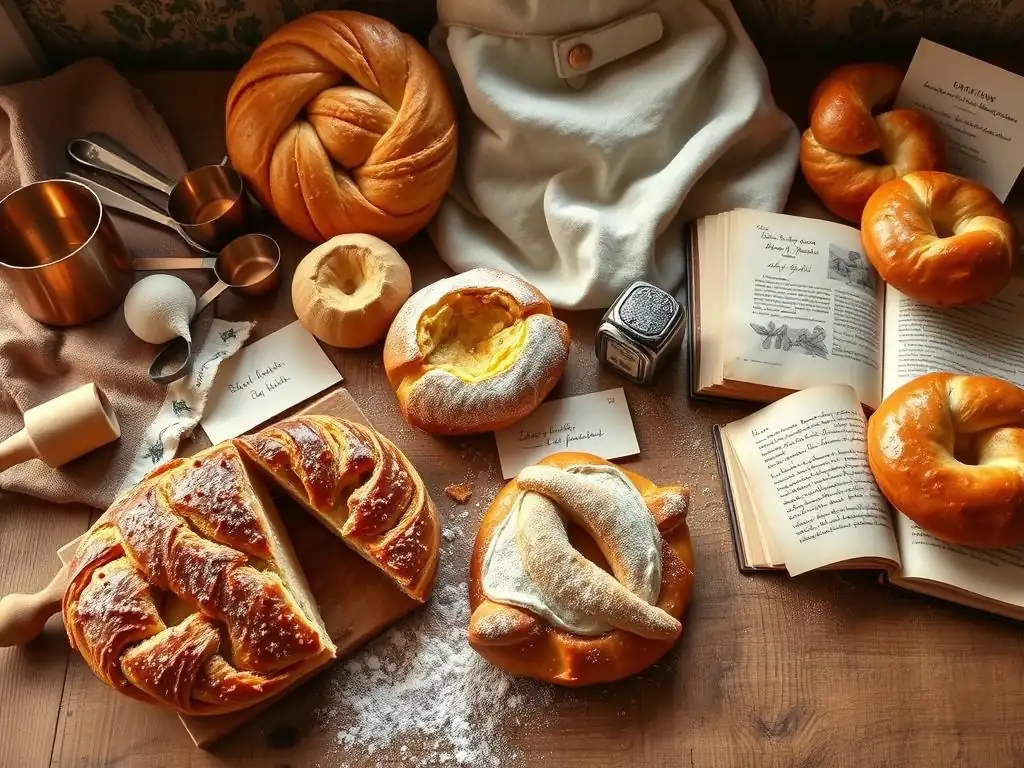
Welcome to BakeWithEase, your passport to a world of delicious baking adventures! Ever felt lost in translation when a recipe calls for Streusel or Hefeteig? This week, we're unlocking the secrets of German baking terminology explained in our comprehensive glossary. Prepare to demystify those delightful German treats and confidently expand your baking repertoire! Intrigued? Keep reading to explore the essential terms and bake like a Konditor in no time!
Why Understanding German Baking Terms is Crucial for Baking Success
Embarking on the journey into German baking delights is incredibly rewarding, but it often introduces a unique set of terms that can initially seem daunting. Understanding this specific German baking terminology is not just about translation; it's about grasping the nuances of techniques, ingredients, and traditional preparations that define German baked goods. Without a clear understanding of terms like Hefe (yeast) or Mürbeteig (shortcrust pastry), a recipe that seems straightforward can quickly lead to confusion or, worse, a failed bake.
For instance, a German recipe might specify Zucker without differentiating between granulated or powdered, or call for Mehl without specifying the type, relying on context or regional norms that differ from what you might be used to. This glossary aims to bridge that gap, making German baking accessible and enjoyable.
Navigating German recipes requires familiarity with terms that describe everything from basic ingredients and measurements to complex pastries and specific baking methods. For example, knowing that Dampf (steam) is often crucial for achieving a perfect crust on certain breads or that Quark (a type of soft cheese) is a staple ingredient in many cheesecakes ( Käsekuchen) and pastries is fundamental. This understanding helps you anticipate textures, flavors, and required techniques, leading to more authentic and successful results.
By learning this essential German baking terminology, you gain the confidence to tackle recipes for classics like Schwarzwälder Kirschtorte (Black Forest Cake) or Lebkuchen (gingerbread) with precision, ensuring your creations taste just like they would in a traditional German bakery. Mastering these terms truly unlocks the secrets to successful German baking.
- A is for Apfelstrudel (Apple Strudel)
- B is for Biskuitboden (Sponge Cake Base)
- C is for Christstollen (Christmas Stollen)
- D is for Dampf (Steam)
- E is for Eierlikör (Egg Liqueur)
- F is for Frankfurter Kranz (Frankfurt Crown Cake)
- G is for Gugelhupf (Bundt Cake)
- H is for Hefe (Yeast)
- I is for Ingwer (Ginger)
- J is for Johannisbeerkuchen (Red Currant Cake)
- K is for Kaffee Kuchen (Coffee Cake)
- L is for Lebkuchen (Gingerbread)
- M is for Mürbeteig (Shortcrust Pastry)
- N is for Nuss (Nut)
- O is for Oblaten (Wafer Paper)
- P is for Pumpernickel (Rye Bread)
- Q is for Quark (Soft Cheese)
- R is for Rührkuchen (Pound Cake)
- S is for Streusel (Crumble Topping)
- T is for Torte (Layered Cake)
- U is for Überziehen (To Coat or Cover)
- V is for Vanille (Vanilla)
- W is for Weihnachtsplätzchen (Christmas Cookies)
- Z is for Zucker (Sugar)
- What is the Zucker in German baking, and how is it used?
- What does Hefe refer to, and why is it important for German breads?
- Can you explain the difference between Mehl types in German baking?
- What is Quark, and what kind of baked goods is it often used in?
- What does Backpulver mean, and when should I use it?
Key German Baking Terms Explained: A Comprehensive A-Z Guide
A is for Apfelstrudel (Apple Strudel)
Apfelstrudel is a classic Austrian pastry that is also incredibly popular throughout Germany. It consists of a thin, elastic dough, often called Strudelteig, which is stretched until it's nearly transparent, then filled with thinly sliced apples, sugar, cinnamon, and sometimes raisins, breadcrumbs, or nuts. The dough is carefully rolled up with the filling inside, creating multiple layers, and then baked until golden brown and crispy.
Authentic Apfelstrudel dough is famously difficult to master, traditionally requiring the dough to be stretched over an entire table. While modern recipes often use phyllo dough for simplicity, the traditional Strudelteig provides a unique texture. The apple filling typically uses firm, tart apples like Bramley or Granny Smith, mixed with spices. A standard filling for a large strudel might use 1.5-2 kg of apples, mixed with 150-200g sugar and a few tablespoons of cinnamon. The baked strudel is often dusted with powdered sugar and served warm, sometimes with vanilla sauce or whipped cream, making it a beloved dessert.
B is for Biskuitboden (Sponge Cake Base)
Biskuitboden refers to a light and airy sponge cake that serves as the base for many German tortes and layered cakes. Unlike cakes leavened with baking powder or soda, Biskuit relies solely on whipped eggs for its rise. Eggs are beaten with sugar until very light and fluffy, sometimes for 10-15 minutes, incorporating a significant amount of air. Flour is then gently folded in to avoid deflating the mixture.
This type of cake base is favored for its delicate texture and ability to absorb moisture from fruit fillings, creams, or syrups without becoming heavy. A typical Biskuitboden recipe might use 4-6 eggs, 100-150g sugar, and 100-150g flour for a standard 24cm cake pan. The resulting cake is usually baked relatively quickly at a moderate temperature (around 170-180°C or 340-350°F) until lightly golden and springy to the touch. Once cooled, it is often sliced horizontally into two or three layers to build a torte.
C is for Christstollen (Christmas Stollen)
Christstollen, or simply Stollen, is a traditional German fruitcake typically enjoyed during the Christmas season. Originating in Dresden, it is a rich, heavy bread made with yeast, butter, dried fruit (such as raisins, candied orange and lemon peel), nuts, and often marzipan in the center. After baking, it is generously coated with melted butter and dusted with powdered sugar, giving it its characteristic snow-covered appearance.
The shape of Stollen is said to represent the swaddled infant Jesus. Making Stollen is a time-consuming process, often started weeks before Christmas to allow the flavors to mature. A typical large Stollen might weigh around 1 kg and contain upwards of 250g of butter and 300-400g of dried fruit and nuts. The high fat content from the butter helps preserve the cake, allowing it to keep for several weeks when stored properly, making it a festive treat that can be enjoyed throughout the Advent period.
D is for Dampf (Steam)
Dampf means steam, and it is a critical element in achieving the correct texture and crust for many German baked goods, particularly breads. In professional ovens, steam is injected at the beginning of the baking process. This keeps the surface of the dough moist, allowing it to expand fully before a crust forms. Without sufficient steam, the crust forms too quickly, restricting the loaf's rise and resulting in a denser crumb and a harder crust.
For home bakers, creating Dampf can be achieved by placing a pan of hot water in the oven while it preheats, or by adding ice cubes to a hot pan placed on the bottom rack just as the bread goes in. This initial burst of steam is crucial for developing a thin, crisp crust and a light, open interior crumb in yeast-leavened breads like Bauernbrot (farmer's bread) or Brötchen (rolls). Understanding the role of Dampf is key to mastering traditional German bread baking techniques.
E is for Eierlikör (Egg Liqueur)
Eierlikör is a creamy, sweet liqueur made primarily from egg yolks, sugar, vanilla, and high-proof alcohol, often rum or brandy. While primarily a drink, it is also a very popular ingredient in German baking, adding richness and a distinctive flavor to cakes, tortes, and desserts. Its thick, custard-like consistency makes it perfect for drizzling, layering, or incorporating directly into batters and creams.
You'll frequently find Eierlikör used in cakes like Eierlikörkuchen (Egg Liqueur Cake) or as a filling or topping for Gugelhupf or sponge cakes. A typical Eierlikörkuchen recipe might call for 150-200ml of the liqueur mixed into a simple batter. Its use adds moisture and a subtle, boozy warmth without being overpowering. It's a staple in many German kitchens, especially around holidays like Easter and Christmas, and understanding its role is part of grasping German baking terminology.
F is for Frankfurter Kranz (Frankfurt Crown Cake)
The Frankfurter Kranz is an iconic German layer cake originating from Frankfurt am Main. It is traditionally baked in a ring shape, symbolizing a crown, and is characterized by its rich buttercream filling, often flavored with vanilla or praline, and a coating of Krokant (caramelized nut brittle), usually hazelnuts or almonds. Cherries are often used as decoration to represent jewels on the crown.
The cake base is typically a rich butter cake or sponge cake baked in a large ring mold. After baking and cooling, it is sliced horizontally into two or three layers. These layers are then filled generously with German buttercream ( Deutsche Buttercreme), which is made by combining a cooked vanilla custard or pudding with softened butter.
A large Frankfurter Kranz can easily use 500g or more of butter just for the buttercream and coating. The exterior is then completely covered in the crunchy Krokant, providing a delightful textural contrast to the smooth cream and soft cake. This elaborate cake is a true celebration of German baking.
G is for Gugelhupf (Bundt Cake)
Gugelhupf is a distinctive ring-shaped cake, often referred to internationally as a Bundt cake (named after the pan type). It is a yeasted cake or a rich butter cake, traditionally baked in a special fluted ring mold. While yeast versions exist, the most common Gugelhupf in German home baking is a dense, moist cake made with butter, eggs, sugar, and flour, often containing raisins, almonds, or candied fruit.
The specific shape of the Gugelhupf pan, with its central hole, ensures even heat distribution, allowing the dense batter to bake through properly. Common variations include Marmor-Gugelhupf (marble cake) or Schoko-Gugelhupf (chocolate Gugelhupf). A typical recipe for a large pan might use 250g butter, 250g sugar, 4-5 eggs, and 300g flour, along with additions. This classic cake, often served with coffee ( Kaffee), is a staple of German Kaffee und Kuchen (coffee and cake) culture.
H is for Hefe (Yeast)
Hefe is the German term for yeast, a fundamental ingredient in many German breads, rolls ( Brötchen), and some cakes like Gugelhupf or Streuselkuchen (crumble cake). German recipes commonly specify fresh yeast ( frische Hefe), which is sold in small blocks, rather than active dry or instant yeast. Fresh yeast has a shorter shelf life but is favored by many bakers for its consistent performance and subtle flavor.
Working with Hefe requires specific techniques, such as proofing it in warm liquid with a pinch of sugar to activate it, especially if using fresh yeast. A typical recipe for a loaf of bread might call for a 42g cube of fresh yeast for 500g of flour. Understanding the difference between fresh and dry yeast and how to properly activate Hefe is essential when following traditional German baking terminology and recipes, as the success of yeasted goods depends entirely on the yeast's activity.
I is for Ingwer (Ginger)
Ingwer means ginger. While not as universally prevalent as in some Asian cuisines, ginger is used in German baking, particularly in spiced cookies and cakes, most notably Lebkuchen (gingerbread). Dried, ground ginger is a common spice, but fresh ginger can also be used in some contemporary recipes.
In Lebkuchen, Ingwer is part of the traditional spice blend, contributing warmth and a slightly peppery note alongside cinnamon, cloves, and cardamom. The amount varies by recipe, but a typical Lebkuchen spice mix might contain ginger as 10-20% of the blend. Understanding that Ingwer refers to ginger is straightforward, but recognizing its role within specific German spice mixes like those used for Lebkuchen is part of mastering the flavor profiles of traditional German baking.
J is for Johannisbeerkuchen (Red Currant Cake)
Johannisbeerkuchen is a popular German cake featuring red currants ( Johannisbeeren) as the primary fruit. These small, tart berries are abundant in Germany during the summer months and are frequently used in tarts, crumbles, and cakes, providing a bright, slightly acidic contrast to sweet batters and toppings.
The cake base for Johannisbeerkuchen can vary; it might be a simple sponge ( Biskuit), a streusel-topped cake ( Streuselkuchen), or a yeast-leavened cake. The tartness of the currants holds up well during baking and pairs wonderfully with sweet toppings like meringue or Streusel. A standard cake might use 300-500g of fresh or frozen red currants. Recognizing Johannisbeeren as red currants is key to identifying and baking this seasonal German treat.
K is for Kaffee Kuchen (Coffee Cake)
Kaffee Kuchen is a broad term in German baking referring to any cake that is typically served with coffee, usually in the afternoon as part of the traditional Kaffee und Kuchen ritual. This is not necessarily a cake flavored with coffee, but rather a cake eaten with coffee. The term encompasses a vast variety of cakes, from simple sheet cakes with fruit or crumble toppings to elaborate tortes.
Examples of Kaffee Kuchen include Obstkuchen (fruit cake), Streuselkuchen (crumble cake), Bienenstich (bee sting cake), and various loaf cakes ( Rührkuchen). The unifying factor is their role as a social accompaniment to coffee. While a Streuselkuchen might be made with 500g flour and 200g butter for the dough and streusel, a simple Rührkuchen might use 200g butter, 200g sugar, 4 eggs, and 200g flour. Understanding this German baking terminology means recognizing Kaffee Kuchen as a category defined by its serving tradition rather than a specific recipe.
L is for Lebkuchen (Gingerbread)
Lebkuchen is a traditional German baked good, similar to gingerbread, especially associated with Christmas markets and the holiday season. It ranges from soft, chewy cookies to more cake-like forms, often containing honey, molasses, and a specific blend of spices that typically includes cinnamon, cloves, ginger ( Ingwer), cardamom, and anise.
Nürnberger Lebkuchen is perhaps the most famous variety, characterized by being baked on a thin wafer base called an Oblate and containing at least 25% nuts (almonds, hazelnuts, walnuts). Lebkuchen dough is often prepared weeks in advance to allow the flavors to meld. The spice mix is crucial; a common blend for 500g flour might use 1-2 tablespoons of Lebkuchen spice mix. These aromatic treats are often glazed with sugar or chocolate and are a quintessential part of German Christmas baking.
M is for Mürbeteig (Shortcrust Pastry)
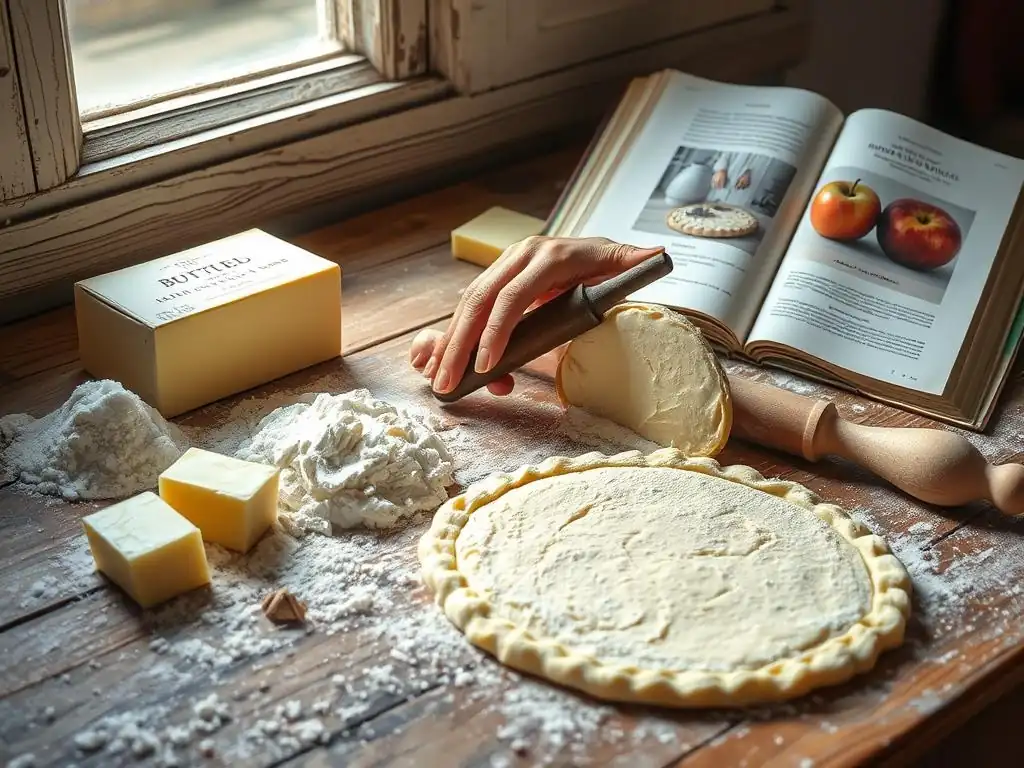
Mürbeteig is the German term for shortcrust pastry, a fundamental dough in German baking used for tarts, cookies ( Plätzchen), and cake bases. It is a simple dough typically made from flour, butter, sugar, and sometimes egg yolk. The key characteristic of Mürbeteig is its crumbly, tender texture, achieved by cutting cold butter into the dry ingredients until the mixture resembles breadcrumbs before bringing it together into a dough.
The basic ratio for Mürbeteig is often cited as 1 part sugar, 2 parts fat (butter), and 3 parts flour by weight (1:2:3). For example, 100g sugar, 200g butter, 300g flour. The dough is usually chilled before rolling and baking to prevent it from shrinking and to maintain its shape. Mürbeteig forms the base for many fruit tarts ( Obstkuchen) and is the dough used for countless varieties of German Christmas cookies ( Weihnachtsplätzchen), making it an essential piece of German baking terminology to understand.
N is for Nuss (Nut)
Nuss means nut, and nuts feature prominently in German baking. Common nuts used include hazelnuts ( Haselnüsse), almonds ( Mandeln), and walnuts ( Walnüsse). They are used in various forms: ground, chopped, sliced, or whole, adding flavor, texture, and richness to cakes, cookies, and fillings.
Many traditional German cakes and pastries incorporate nuts. For instance, Nusstorte (nut cake) is a classic, often featuring layers of cake made with ground nuts and filled with buttercream or cream. Krokant, used in Frankfurter Kranz, is a brittle made from caramelized sugar and chopped nuts. A recipe for a substantial nut cake might use 200-300g of ground hazelnuts or almonds. Understanding the term Nuss and the common types of nuts used is helpful when exploring German baking recipes.
O is for Oblaten (Wafer Paper)
Oblaten refers to thin wafer paper, typically made from flour and water. In German baking, Oblaten are most famously used as the base for Lebkuchen (gingerbread). The dough is placed directly onto the Oblate before baking, preventing the sticky dough from sticking to the baking sheet and providing a neat, edible base.
Oblaten come in various sizes, usually round, specifically for Lebkuchen. While seemingly simple, they are integral to the traditional preparation of certain Lebkuchen varieties, particularly the soft, cake-like ones from Nuremberg. Using Oblaten ensures a clean lift from the baking surface and is a characteristic feature of these specific German baked goods.
P is for Pumpernickel (Rye Bread)
Pumpernickel is a very dark, dense, and slightly sweet rye bread traditionally made in the Westphalia region of Germany. It is made primarily from coarse rye meal, often with whole rye berries, and relies on a long, slow baking process, sometimes steaming for up to 16-24 hours, rather than high heat, to develop its characteristic color and flavor.
Authentic Pumpernickel does not contain wheat flour and uses a sourdough starter or a small amount of yeast and acidic leaven to rise minimally. The dark color comes from a Maillard reaction during the prolonged, low-temperature baking/steaming. A loaf can be quite heavy, easily weighing 500g to 1kg. Pumpernickel is known for its long shelf life and is often sold sliced and vacuum-sealed. While distinct from sweet baking, it is an iconic example of German bread baking and its unique terminology.
Q is for Quark (Soft Cheese)
Quark is a fresh, unaged dairy product, similar to cottage cheese or yogurt but with a smoother, thicker texture than yogurt and a finer consistency than cottage cheese. It is a staple ingredient in German baking, particularly for cheesecakes ( Käsekuchen) and various pastries and fillings.
German Käsekuchen traditionally uses Quark rather than cream cheese, resulting in a lighter, tangier, and often taller cheesecake than American versions. Quark is also used in doughs, such as Quark-Öl-Teig (Quark-oil dough), a yeast-free dough made with Quark, oil, sugar, flour, and baking powder, which is quick to make and versatile. A typical Käsekuchen recipe might call for 500g to 1kg of Quark. Understanding Quark and its properties is essential for authentic German baking, especially for cheesecakes.
R is for Rührkuchen (Pound Cake)
Rührkuchen literally translates to "stirred cake" and refers to simple cakes where the ingredients are mixed together, often using the creaming method (beating butter and sugar together until light and fluffy) or the all-in-one method. These are typically loaf cakes or cakes baked in a ring pan ( Gugelhupf) and are less elaborate than layered tortes. Rührkuchen is the German equivalent of what is often called a pound cake or simple butter cake.
These cakes are known for their moist, dense crumb and are frequently flavored with vanilla, lemon zest, or chocolate, and may contain additions like raisins or nuts. A basic Rührkuchen follows a simple ratio, historically using equal weights of butter, sugar, eggs, and flour, similar to the origins of pound cake (e.g., 200g each). Rührkuchen are classic Kaffee Kuchen, perfect for slicing and serving simply, often dusted with powdered sugar or drizzled with a glaze. They are a fundamental part of German home baking.
S is for Streusel (Crumble Topping)
Streusel is a popular German topping made from a crumbly mixture of butter, sugar, and flour. It is typically sprinkled over cakes ( Streuselkuchen), muffins, or fruit pies before baking, creating a sweet, buttery, and slightly crisp layer on top. The ratio of ingredients can vary, affecting the texture of the crumble.
A common ratio for Streusel is 1 part sugar, 1 part butter, and 2 parts flour by weight (1:1:2), although some recipes use more sugar or butter for a richer crumble. For a standard cake, you might use 100g butter, 100g sugar, and 200g flour for the Streusel. The ingredients are rubbed together by hand or mixed with a pastry blender or mixer until coarse crumbs form. Streusel is a versatile and beloved element in German baking, adding texture and sweetness to many simple cakes, making Streuselkuchen a widely recognized type of Kaffee Kuchen.
T is for Torte (Layered Cake)
Torte in German refers to a rich, often elaborate, layered cake filled with cream, mousse, fruit, or jam. Unlike simpler cakes ( Kuchen), tortes are typically made from sponge cake ( Biskuitboden) or nut-based layers and are characterized by their multiple strata and decorative finishes, often involving buttercream, whipped cream, or chocolate.
Famous examples include Schwarzwälder Kirschtorte (Black Forest Cake), Prinzregententorte (a Bavarian chocolate layer cake), and Sachertorte (Austrian chocolate cake with apricot jam). Building a Torte involves slicing the cake base into layers (often 2-4 layers), moistening them with syrup or liqueur, and carefully spreading fillings between them. The entire structure is then usually covered and decorated. A complex Torte can easily require 500ml or more of cream and several hundred grams of fruit or chocolate for the filling and decoration, representing a more advanced category within German baking.
U is for Überziehen (To Coat or Cover)
Überziehen is a German verb meaning "to coat" or "to cover," and in baking, it refers to applying a glaze, frosting, or chocolate coating to a cake, pastry, or cookie. This is a common finishing technique used for both decoration and sometimes preservation (as with the butter and sugar coating on Stollen).
Examples include Schokolade überziehen (to coat with chocolate), mit Zuckerguss überziehen (to coat with icing/glaze), or mit Butter überziehen (to coat with butter, as is done with hot Christstollen before sugaring). This action is crucial for the final appearance and often the flavor and texture of the finished baked good. Understanding this verb is helpful when reading instructions in German baking recipes.
V is for Vanille (Vanilla)
Vanille means vanilla, a widely used flavoring in German baking. Vanilla is used in various forms, including vanilla extract ( Vanilleextrakt), vanilla sugar ( Vanillezucker), and scraped seeds from vanilla beans ( Vanilleschote). Vanilla sugar, small packets of sugar flavored with vanilla extract or ground vanilla bean, is particularly common in German pantries and recipes.
Many German baked goods, from simple Rührkuchen and Mürbeteig cookies to complex creams and fillings for tortes, are flavored with Vanille. A recipe might call for "1 Päckchen Vanillezucker" (1 packet of vanilla sugar), which is typically about 8g. The use of vanilla adds warmth and sweetness, complementing other flavors like fruit, nuts, or chocolate. Its presence is subtle yet essential in countless traditional German baking recipes.
Weihnachtsplätzchen is the collective term for the wide variety of small cookies baked specifically during the Christmas season in Germany. This is a major baking tradition, with families often baking many different types of cookies over several weeks in Advent. The term Plätzchen itself refers generally to small cookies or biscuits.
The range of Weihnachtsplätzchen is immense and varies by region and family tradition, but common types include Zimtsterne (cinnamon stars), Vanillekipferl (vanilla crescents), Butterplätzchen (simple butter cut-out cookies), and Lebkuchen (gingerbread cookies). Ingredients typically include butter, sugar, flour, eggs, nuts ( Nüsse), and spices like cinnamon, cloves, and cardamom. Baking and decorating Weihnachtsplätzchen is a cherished activity, often resulting in kilograms of cookies baked for gifting and sharing.
Z is for Zucker (Sugar)
Zucker means sugar, a fundamental ingredient in virtually all German baking. German recipes typically use granulated sugar ( Kristallzucker or Zucker) as the standard unless otherwise specified. Other forms include powdered sugar ( Puderzucker or Staubzucker), often used for dusting or icings, and brown sugar ( Brauner Zucker), though less common than in Anglo-American baking.
Sugar provides sweetness, tenderness, and contributes to browning and structure in baked goods. A typical cake recipe might use sugar in a ratio of 1:1 with butter or eggs, depending on the type. For instance, a simple Rührkuchen might use 200g Zucker alongside 200g butter. Vanillezucker (vanilla sugar) is also a very common form of sugar used for flavoring. Understanding the different types of Zucker and their uses is basic to following German baking terminology and recipes accurately.
Mastering German Baking Measurements: A Conversion Guide
Converting German Grams to US Cups and Ounces
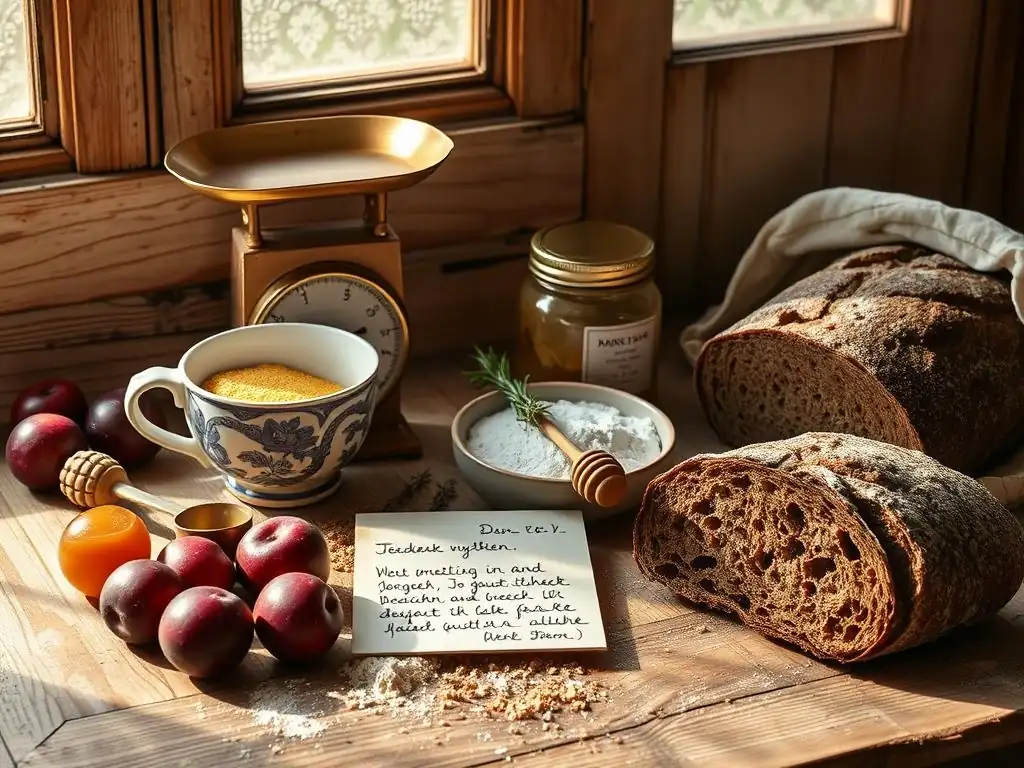
German baking recipes traditionally rely heavily on weight measurements, primarily in grams, for both dry and liquid ingredients. This contrasts with many US recipes that frequently use volume measurements like cups and tablespoons, especially for dry goods like flour and sugar. While using a scale for grams is the most accurate method for German baking, understanding approximate conversions to cups and ounces is helpful if you don't have a scale or are adapting recipes.
Converting from grams to cups can be tricky because it depends entirely on the density of the ingredient. For example, 100 grams of flour is roughly equivalent to 3/4 to 1 cup, depending on how it's scooped and whether it's sifted, whereas 100 grams of granulated sugar is closer to 1/2 cup. Liquids like milk or water are easier, with 100 ml being approximately 3.4 fluid ounces or just under 1/2 cup.
For accuracy in German baking, especially for pastries and cakes where ratios are crucial, investing in a digital kitchen scale is highly recommended. Many successful German baking projects rely on the precision that weighing ingredients provides.
Essential German Baking Equipment: A Quick Overview
Specific Pans and Tools for German Baking
While much German baking can be done with standard kitchen equipment, certain traditional German baking tools and pans are particularly helpful or even necessary for specific recipes. Understanding these can improve your results and help you decode German baking terminology related to bakeware.
The Gugelhupf pan, a fluted ring mold, is iconic and essential for baking Gugelhupf. Springform pans ( Springform) are extremely common for cheesecakes ( Käsekuchen) and tortes ( Torten), allowing easy removal of delicate cakes. Special Stollen molds exist, though many bakers simply shape Stollen by hand. Oblaten (wafer paper) is a specific component for certain Lebkuchen. While you can often substitute (e.g., a standard Bundt pan for Gugelhupf), using the correct pan ensures the traditional shape and sometimes affects baking time and texture. Having a good kitchen scale is arguably the most essential "tool" for accurate German baking.
Advanced German Baking Terminology: Taking Your Skills to the Next Level
Understanding Baking Techniques: Aufschlagen (Whipping)
Aufschlagen is a fundamental German baking technique meaning "to whip" or "to beat," specifically referring to incorporating air into ingredients, most commonly eggs or cream. This is crucial for creating light textures in cakes ( Biskuitboden), mousses, and creams. The term might appear in instructions like "Eier schaumig aufschlagen" (whip eggs until foamy) or "Sahne steif aufschlagen" (whip cream until stiff).
Achieving the correct consistency when aufschlagen is vital. For a Biskuitboden, eggs and sugar are whipped extensively, sometimes for 10-15 minutes using a stand mixer, until they are pale, thick, and tripled in volume – reaching the "ribbon stage." Whipped cream ( geschlagene Sahne) must be whipped just until stiff peaks form to be used as a filling or topping for tortes or served with Kaffee Kuchen. Mastering this technique is key to the airy lightness characteristic of many German baked goods.
Deciphering Recipes: Key Phrases and Instructions
Beyond individual ingredient or item names, understanding common instructional phrases is vital when reading German baking recipes. Phrases like Unterheben (to fold in gently), Gehen lassen (to let rise, used for yeast doughs), Abkühlen lassen (to let cool), and Bestreichen mit (to brush with) are frequently encountered. The order of operations and specific actions described by these verbs are critical for successful execution.
For instance, when making a Biskuit, instructions will emphasize Unterheben the flour into the whipped eggs to avoid deflating the mixture. Yeast doughs ( Hefeteig) will always include steps for Gehen lassen, often specifying a duration or until the dough has doubled in size. Recognizing these key instructional phrases within German baking terminology allows you to follow recipes accurately, ensuring techniques like proper rising or gentle folding are applied correctly for the desired result.
Tips and Tricks for Successfully Baking German Recipes
Where to Find Authentic German Baking Ingredients
Finding authentic ingredients is key to replicating the flavors and textures of traditional German baking. While many basic ingredients like flour, sugar ( Zucker), butter, and eggs are universally available, some specific items can be harder to source outside of Germany or specialized stores.
Look for ingredients like fresh yeast ( frische Hefe), Quark, Vanillezucker (vanilla sugar), specific spice mixes for Lebkuchen, and particular types of flour like Type 405 (equivalent to cake flour) or rye flours (like Type 1150 for darker breads). German or European delis, international supermarkets, and online retailers specializing in European goods are excellent sources. While substitutions are sometimes possible (e.g., using dry yeast for Hefe, or a blend of ricotta and yogurt for Quark), using authentic ingredients whenever possible will bring your German baking closest to tradition, enhancing the overall success and flavor of your baked goods.
Frequently Asked Questions
What is the Zucker in German baking, and how is it used?
Zucker simply means sugar in German. It's a fundamental ingredient in many German baking recipes, used for sweetening and contributing to texture. Different types of Zucker may be specified.
What does Hefe refer to, and why is it important for German breads?
Hefe translates to yeast. It's crucial for leavening many German breads and cakes, allowing them to rise and develop a characteristic flavor. The type of Hefe (fresh or dry) matters.
Can you explain the difference between Mehl types in German baking?
Mehl means flour, but German recipes often specify the type. Different numbers indicate the ash content and gluten level, affecting the final texture of the baked good. Type 405 is most common.
What is Quark, and what kind of baked goods is it often used in?
Quark is a type of fresh dairy product, similar to curd cheese. It's frequently used in German cheesecakes (Käsekuchen) and other desserts to add moisture and a tangy flavor.
What does Backpulver mean, and when should I use it?
Backpulver is the German term for baking powder. It's a chemical leavening agent used in recipes where a quick rise is needed, particularly in cakes and cookies.
Final Reflection: Unlocking the Secrets of German Baking
The meticulous art of German baking, with its rich history and precise techniques, is often shrouded in a veil of unfamiliar terminology. Mastering the language of German baking is not merely about understanding recipes; it's about unlocking a deeper appreciation for the craft itself. This glossary serves as a key, opening doors to a world of delicious possibilities, from the perfectly crisp pretzel to the delicate crumb of a stollen.
The influence of German baking traditions extends far beyond the borders of Germany, shaping culinary landscapes worldwide. Its emphasis on quality ingredients and precise measurements reflects a cultural value placed on craftsmanship and attention to detail. This dedication to excellence is something I deeply admire, and it's a sentiment echoed in the words of renowned pastry chef, Pierre Hermé: Baking is a science, but it's also an art. It's about precision, but it's also about passion.
This pursuit of perfection, evident in every aspect of German baking, continues to inspire bakers and food enthusiasts alike.
Now, armed with a clearer understanding of the key terms, I invite you to embark on your own German baking journey. Don't be afraid to experiment, to embrace the challenges, and to savor the rewards of your efforts. Each perfectly risen loaf, each exquisitely crafted pastry, is a testament to your dedication and a delicious celebration of a rich cultural heritage. The world of German baking awaits – are you ready to explore it?
Unlock Your Inner Bäckermeister!
Thanks for exploring the wonderful world of German baking with us! You've now armed yourself with the key vocabulary to confidently tackle even the most challenging recipes. Ready to put your newfound knowledge to the test?
- Bake your first German masterpiece: Choose a recipe featuring terms you learned today and get baking! Don't be afraid to experiment – that's how you truly master the craft.
- Share your baking journey: Show off your creations and tag us using #BakeWithEaseGerman on social media – we'd love to see what you bake!
- Challenge a friend: Test their knowledge of German baking terms – see who can name the most ingredients from memory!
What delicious German treat will you bake first? Let us know in the comments!