
Easy German Bee Sting Cake Variations to Explore

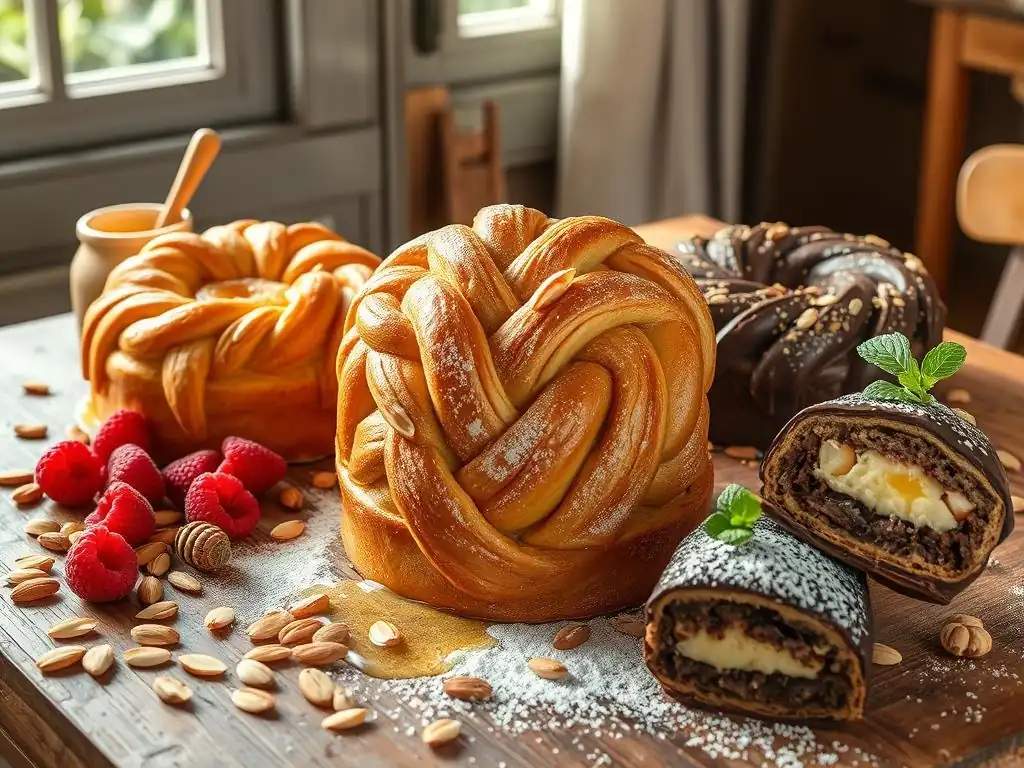
Welcome to BakeWithEase, your haven for all things baking! Ever dreamt of creating a show-stopping dessert without the fuss? You're in the right place. Today, we're diving into the deliciously delightful world of Easy German Bee Sting Cake, but with a twist. Prepare to discover mouthwatering variations on this classic treat, and learn how to bring a taste of authentic German baking right to your kitchen. Intrigued? Let's explore!
- Bee Sting Cake Variations to Explore
- Discovering Bee Sting Cake Variations
- What is Bee Sting Cake (Bienenstich)? A Classic German Treat
- Bee Sting Cake Variations for Home Bakers
- Simplifying the Bee Sting Cake Baking Process
- Bee Sting Cake Baking: Troubleshooting Common Issues
- Serving and Storing Your Bee Sting Cake Creations
- Beyond the Recipe: Embracing German Baking Delights
- Conclusion: Your Journey into Bee Sting Cake Baking
-
Frequently Asked Questions
- What makes a German Bee Sting Cake "easy" according to BakeWithEase?
- What variations of German Bee Sting Cake does BakeWithEase offer?
- Is prior baking experience required to successfully bake a German Bee Sting Cake using BakeWithEase's recipe?
- Where can I find the specific ingredients and tools needed for the Easy German Bee Sting Cake recipe on BakeWithEase?
- Does BakeWithEase offer support or troubleshooting tips for bakers encountering issues while making the Easy German Bee Sting Cake?
- Final Reflection: The Sweet Buzz of Culinary Exploration
- Unleash Your Inner Bäcker: Explore Delicious Bee Sting Cake Twists!
Bee Sting Cake Variations to Explore
Discovering Bee Sting Cake Variations
Bee Sting Cake, known in German as Bienenstich, is a beloved classic renowned for its delightful combination of a soft yeast dough, rich vanilla or cream filling, and a signature caramelized almond topping. While the traditional recipe is a masterpiece in itself, exploring variations can add exciting new dimensions to this timeless treat. Whether you're looking for an easy German Bee Sting Cake recipe to start with or want to experiment with different flavors and textures, there's a variation out there to spark your baking creativity.
Delving into Bee Sting Cake variations allows home bakers to personalize this iconic dessert. From incorporating different fillings like chocolate or fruit to adapting the base for dietary needs such as gluten-free or vegan options, the possibilities are vast. These adaptations not only cater to diverse tastes and requirements but also make the journey of baking an Easy German Bee Sting Cake more accessible and fun for everyone, regardless of their baking skill level.
What is Bee Sting Cake (Bienenstich)? A Classic German Treat
Bee Sting Cake is a traditional German layered cake consisting of a sweet yeast dough base, a creamy filling (typically vanilla pastry cream or a butter-cream mixture), and a topping made of caramelized almonds and honey. The name "Bienenstich" translates literally to "bee sting," which is said to originate either from the cake's sweet, honeyed topping that might attract bees, or from a legend involving bakers using the cake to ward off a bee attack.
This cake holds a special place in German bakeries and homes, often enjoyed during coffee time (Kaffee und Kuchen). Its distinct texture contrast between the fluffy dough, smooth filling, and crunchy topping makes it a uniquely satisfying dessert. Mastering an Easy German Bee Sting Cake recipe allows you to bring a piece of this rich culinary heritage into your own kitchen and share its simple elegance with friends and family.
Understanding the Traditional Bee Sting Cake Recipe
The foundation of a traditional Bee Sting Cake is a sweet yeast dough, similar to brioche but often slightly less rich. This dough requires time to rise, contributing to the cake's light and airy texture. A typical recipe might call for about 300-400 grams of flour, 50-70 grams of sugar, yeast, milk, eggs, and butter. The dough is spread into a baking pan, allowed a second rise, and then topped with the uncooked almond mixture before baking.
The filling, traditionally a rich vanilla pastry cream (Puddingcreme) or a butter-based cream, is prepared separately and generously spread between the two layers of the cooled cake. The caramelized almond topping is made by cooking butter, sugar, honey, and sliced almonds together until golden and bubbly. This mixture is then spread over the risen dough layer before baking. The combination of these distinct components creates the harmonious flavor and texture profile that defines the classic Easy German Bee Sting Cake.
The Allure of Bee Sting Cake: A Flavor Profile
The flavor profile of Bee Sting Cake is a delightful interplay of sweetness and subtle nuttiness. The yeast dough provides a slightly sweet, bread-like base, while the filling offers a creamy, often vanilla-infused richness that balances the texture. The true star, however, is the topping: caramelized almonds with the distinct floral notes of honey and the richness of butter, providing a sweet, crunchy contrast to the soft layers below.
This combination creates a dessert that is comforting yet sophisticated. The warmth of the baked dough, the cool smoothness of the filling, and the crisp snap of the topping make each bite an experience. Exploring variations of an Easy German Bee Sting Cake often involves altering one or more of these components while trying to maintain this essential balance of textures and flavors that makes Bienenstich so universally loved.
Bee Sting Cake Variations for Home Bakers
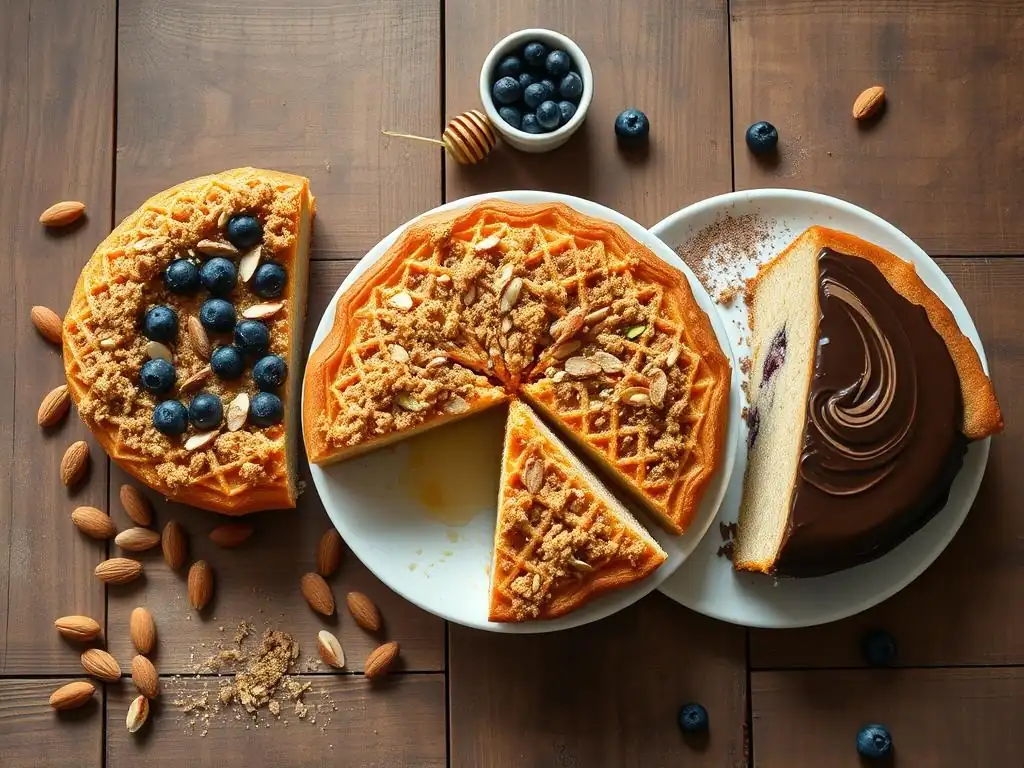
Exploring variations of the Easy German Bee Sting Cake is a fantastic way to tailor this classic dessert to your personal taste or dietary needs. These variations build upon the fundamental structure of the cake – dough, filling, topping – but introduce new ingredients or techniques to create exciting twists on the original. Whether you're a beginner or an experienced baker, trying a variation can reignite your passion for baking.
From simple additions like chocolate chips to more complex adaptations for specific diets, Bee Sting Cake variations demonstrate the versatility of the core recipe. They encourage creativity in the kitchen and allow you to put your unique spin on a traditional favorite. Let's delve into some popular and easy-to-make variations that you can try at home.
Classic Bee Sting Cake with Honey-Almond Topping
The classic version, as described earlier, features the signature caramelized honey-almond topping baked directly onto the yeast dough. This creates a beautiful, golden-brown crust with a satisfying crunch. The topping is typically made by simmering about 100 grams of butter with 100-150 grams of sugar and 2-3 tablespoons of honey, then stirring in about 150-200 grams of sliced almonds. This mixture is spread evenly over the dough before it goes into the oven.
Once baked and cooled, the cake is horizontally sliced, filled generously with vanilla pastry cream, and the top layer (with the almond topping) is carefully placed back on. This method ensures the topping remains crisp and the filling is cool and creamy. An Easy German Bee Sting Cake recipe often focuses on simplifying the yeast dough process or using a readily available pastry cream mix to make this classic accessible to home bakers.
Chocolate Bee Sting Cake
Introducing chocolate adds a decadent twist to the traditional Bee Sting Cake. This variation can be achieved in several ways: by adding cocoa powder to the yeast dough, incorporating chocolate chips into the dough or filling, or making a chocolate-flavored pastry cream or ganache for the filling. A popular approach is to make a chocolate pastry cream using cocoa powder and melted chocolate, replacing the vanilla extract.
Another method involves adding about 20-30 grams of cocoa powder to the dry ingredients of the yeast dough recipe, resulting in a subtly chocolate-flavored cake base. Alternatively, a simple ganache made from melted dark or milk chocolate and cream can be used as the filling, offering a richer, more intense chocolate experience. The honey-almond topping can remain the same, providing a delightful contrast to the chocolate layers, or you could explore adding cocoa nibs or chocolate shavings to the topping itself.
Bee Sting Cake with Fruit
Adding fruit provides a refreshing counterpoint to the richness of the traditional Bee Sting Cake, introducing natural sweetness and sometimes a pleasant tartness. Fruit can be incorporated into the filling or layered directly onto the bottom cake layer before adding the filling. The moisture content of the fruit needs to be considered to prevent a soggy cake base.
Using fruit preserves or a fruit compote can be an easier way to introduce fruit flavor while controlling moisture. For example, a thin layer of cherry or raspberry jam can be spread on the bottom cake layer before adding the cream filling. Alternatively, fresh or lightly cooked fruit can be folded into a stabilized cream filling to ensure the fruit doesn't release too much liquid.
Bee Sting Cake with Berries
Berry variations are particularly popular due to their vibrant flavor and color. Strawberries, raspberries, blueberries, or a mix of forest berries can be used. One method is to gently fold fresh berries into the cooled vanilla pastry cream before assembling the cake. About 200-300 grams of mixed berries would typically be sufficient for one cake.
Another approach involves creating a berry compote by simmering berries with a little sugar and lemon juice until slightly thickened. This compote can then be spread as a layer on the bottom half of the cake before adding the cream filling. The tartness of berries like raspberries or red currants provides a lovely contrast to the sweet almond topping and creamy filling, making for a delightful Easy German Bee Sting Cake variation.
Apple Bee Sting Cake
Apple is another excellent fruit to pair with Bee Sting Cake, especially in autumn. Thinly sliced apples can be lightly sautéed with cinnamon and a little sugar before being added as a layer. Alternatively, stewed apples or a thick apple compote can be used. Ensure the apples are cooked down enough to prevent excess moisture from seeping into the cake.
A common technique is to spread a layer of cooked, spiced apples over the bottom cake half before adding the cream filling. This adds a comforting, autumnal flavor profile. The combination of warm spices like cinnamon and nutmeg with the sweet apple and the classic honey-almond topping creates a harmonious and delicious Easy German Bee Sting Cake variation perfect for cooler weather.
Gluten-Free Bee Sting Cake
Creating a gluten-free Easy German Bee Sting Cake involves substituting the wheat flour in the yeast dough with a suitable gluten-free flour blend. This often requires adjusting the liquid content and potentially adding binders like xanthan gum to achieve a dough-like consistency that can rise and hold its shape. Finding a blend that mimics the texture of traditional yeast dough can take some experimentation.
The filling (pastry cream) and the honey-almond topping are typically naturally gluten-free, assuming no gluten-containing thickeners are used in the cream. Using a standard gluten-free flour blend designed for yeast baking, often containing a mix of rice flour, potato starch, and tapioca starch, is a good starting point. Following a specific gluten-free Bee Sting Cake recipe developed and tested by gluten-free bakers is highly recommended for the best results.
Vegan Bee Sting Cake
Making a vegan Bee Sting Cake requires replacing all animal products: butter, milk, and eggs in the dough and filling, and sometimes butter in the topping. Plant-based milk (like almond or soy milk) and vegan butter substitutes are commonly used in the dough and filling. For the filling, a vegan pastry cream can be made using plant-based milk, sugar, cornstarch or agar-agar as a thickener, and vanilla.
Replacing eggs in the yeast dough can be done using egg substitutes like flax eggs (ground flaxseed mixed with water) or commercial vegan egg replacers, which help with binding and structure. For the topping, vegan butter is used instead of dairy butter. Finding a good vegan honey alternative or using maple syrup or agave nectar can replace the honey in the topping while still achieving a lovely caramelization with the almonds and sugar. A successful vegan Easy German Bee Sting Cake relies on careful substitution and often requires testing to perfect the texture.
Simplifying the Bee Sting Cake Baking Process
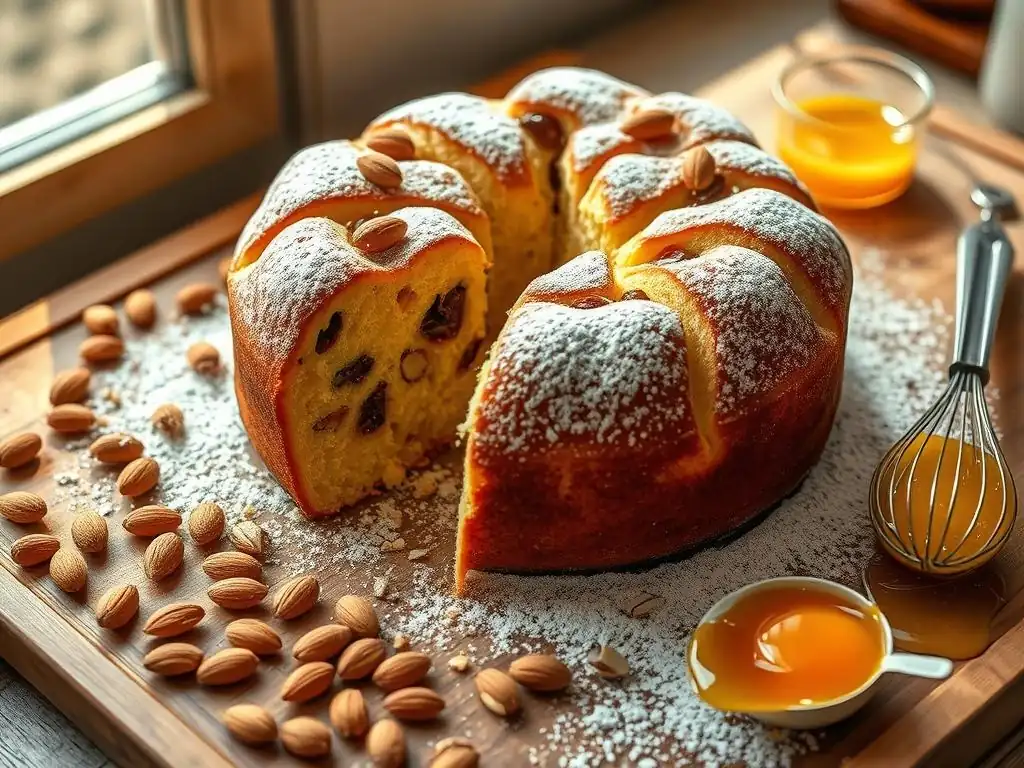
While traditional Bee Sting Cake involves yeast dough, which can seem daunting, several steps can be simplified to make it an Easy German Bee Sting Cake recipe suitable for home bakers. Focusing on manageable techniques and smart shortcuts can reduce complexity without sacrificing the delicious outcome. The process can be broken down into preparing the dough, making the topping and filling, and assembling the cake.
Simplification might involve using rapid-rise yeast for a quicker dough proofing time, preparing the pastry cream ahead of time, or using a slightly adjusted dough recipe that is more forgiving. The goal is to streamline the process, making the journey of baking a Bee Sting Cake less intimidating and more enjoyable for novice bakers.
Tips for a Perfect Honey-Almond Topping
Achieving the ideal honey-almond topping is crucial for the classic Bee Sting Cake experience. The key is to cook the butter, sugar, and honey mixture until it reaches a light caramel stage before adding the almonds. This ensures the sugar caramelizes properly, creating that signature sticky, crunchy texture when baked. Using about equal weights of butter and sugar, slightly less honey (by volume), and a generous amount of sliced or flaked almonds (around 150-200 grams for a standard cake) is a good starting point.
Once the butter/sugar/honey mixture is bubbly and uniform, stir in the almonds quickly and spread the mixture evenly over the risen dough. Bake it immediately after applying the topping. Watch it carefully in the oven as the sugar can burn quickly; it should turn a lovely golden brown. Allowing the topping to cool completely before slicing the cake is also important to maintain its crispness.
Making the Bee Sting Cake Dough Easier
Working with yeast dough can be simplified for an Easy German Bee Sting Cake. One tip is to use instant or rapid-rise yeast, which often requires only one shorter proofing time instead of two longer ones. Ensure your liquid (milk) is lukewarm, not hot, to activate the yeast effectively – around 105-115°F (40-46°C) is ideal.
Using a stand mixer with a dough hook can significantly reduce the effort of kneading. Knead the dough until it is smooth and elastic, typically for 5-8 minutes in a mixer. Allowing the dough to rise in a warm, draft-free place will ensure it doubles in size properly. If time is a factor, some recipes suggest a slower, overnight rise in the refrigerator, which can also deepen the flavor of the dough.
Assembling and Layering Your Bee Sting Cake
Assembling the Bee Sting Cake involves slicing the cooled cake horizontally into two layers. A long serrated knife is best for this task, ensuring an even cut. Once sliced, the bottom layer is typically placed back in the pan or on a serving platter.
The filling, which should be completely cooled and often whisked lightly to make it smooth, is then generously spread over the bottom layer, leaving a small border to prevent it from oozing out too much. The top layer with the baked almond topping is then carefully placed on top of the filling. Gently pressing down slightly can help distribute the filling evenly. Chilling the assembled cake for at least an hour before slicing makes for cleaner cuts.
Bee Sting Cake Baking: Troubleshooting Common Issues
Even with an Easy German Bee Sting Cake recipe, baking can sometimes present challenges. Understanding common issues and how to address them can save you frustration and help you achieve a successful outcome. From dough problems to topping woes, knowing how to troubleshoot is key to mastering this cake.
Common issues include the dough not rising, the topping burning or not caramelizing properly, or the cake base becoming soggy after filling. Identifying the cause of these problems, whether it's ingredient temperature, baking time, or assembly technique, is the first step towards fixing them and improving your Bee Sting Cake baking skills.
Preventing a Soggy Bee Sting Cake Base
A soggy bottom layer is a common complaint with layered cakes that have creamy fillings. For Bee Sting Cake, this can happen if the filling is too wet, the cake is not cooled properly before filling, or if the filling is spread too thick, especially near the edges. Using a pastry cream that is sufficiently thickened and cooled is crucial. A standard pastry cream recipe typically uses about 50-60 grams of cornstarch or flour per 500 ml of milk to achieve the right consistency.
Ensure the baked cake layers are completely cooled before slicing and filling, ideally for at least 1-2 hours, or even longer if they are particularly warm. Some bakers lightly brush the bottom layer with a thin layer of melted white chocolate or a very thin glaze (like a simple mixture of powdered sugar and milk) to create a barrier against moisture, though this is not traditional. Spreading the filling evenly and avoiding excessive amounts, especially around the edges, also helps prevent sogginess.
Achieving the Ideal Honey-Almond Crunch
The perfect honey-almond topping should be crunchy and caramelized, not soft or brittle. The key is the cooking process of the butter, sugar, and honey mixture before adding the almonds. Cook this mixture over medium heat until the sugar is fully dissolved and the mixture bubbles and slightly thickens, reaching a light amber color. This usually takes about 3-5 minutes after it comes to a boil.
Adding the almonds and stirring quickly, then spreading it immediately over the dough and baking, allows the topping to finish caramelizing in the oven. If the topping isn't crunchy, it might be because the initial mixture wasn't cooked long enough, or the cake wasn't baked for sufficient time after the topping was applied. Ensuring the oven temperature is accurate is also important; around 350°F (175°C) is typical for baking the cake with the topping.
Troubleshooting Common Baking Mistakes
If your yeast dough isn't rising, check the temperature of your milk; if it's too hot, it can kill the yeast. Ensure your yeast is fresh and not expired. Cold ingredients can also inhibit yeast activity; let eggs and butter come to room temperature. If the dough is too sticky to handle, add a little more flour, but be careful not to add too much, which can result in a dry cake.
If the almond topping burns, the oven temperature might be too high, or the topping mixture was cooked for too long on the stovetop. Conversely, if it's pale and soft, it wasn't cooked long enough before baking or the baking time was too short. Uneven baking can sometimes be resolved by rotating the cake pan halfway through the baking time. For the filling, if it's lumpy, whisk it vigorously while it's hot or pass it through a sieve after it cools.
Serving and Storing Your Bee Sting Cake Creations
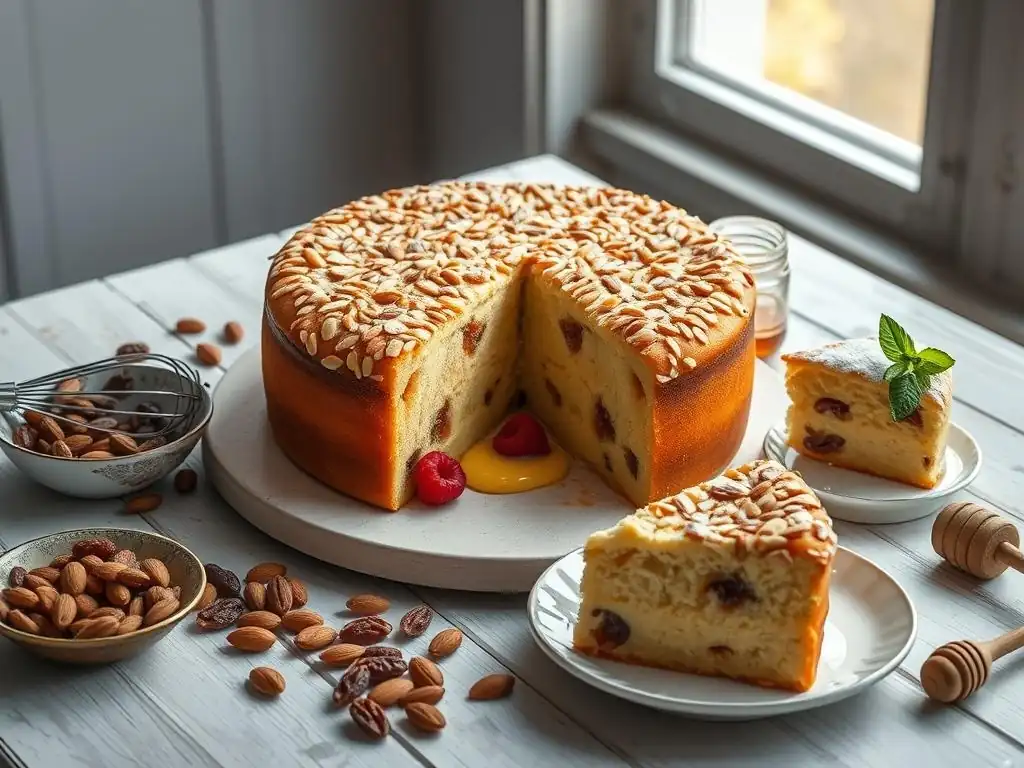
Once your beautiful Easy German Bee Sting Cake is baked, filled, and chilled, serving and storing it properly will ensure you and your guests can enjoy its deliciousness at its best. Presentation matters, and knowing how to keep the cake fresh means you can savor it for a few days.
Bee Sting Cake is best enjoyed chilled, allowing the filling to set and the flavors to meld. Storing it correctly is crucial to maintain the texture of the dough, the creaminess of the filling, and the crunch of the topping.
Best Ways to Serve Bee Sting Cake
Bee Sting Cake is traditionally served chilled, often as part of an afternoon coffee break (Kaffee und Kuchen). Using a sharp knife is essential for slicing through the crunchy almond topping without crushing it. Running the knife under hot water and drying it before each slice can help achieve cleaner cuts.
Serve slices on individual dessert plates. While the cake is rich enough on its own, some people enjoy it with a side of fresh berries or a light dusting of powdered sugar, though this is not traditional. The contrast between the chilled cake and a warm beverage like coffee or tea is particularly delightful. Ensure the cake has been chilled for at least 1-2 hours after assembly before slicing for the best results.
Storing Bee Sting Cake for Maximum Freshness
Due to its creamy filling, Bee Sting Cake must be stored in the refrigerator. Place the cake in an airtight container or cover it loosely with plastic wrap or aluminum foil to prevent it from drying out or absorbing odors from the fridge.
Properly stored, Bee Sting Cake will typically last for 2-3 days in the refrigerator. The almond topping may lose some of its crunch over time due to moisture from the filling, but the flavors will remain delicious. For best texture, consume it within the first day or two. Freezing sliced Bee Sting Cake is possible; wrap individual slices tightly in plastic wrap and then in foil. Thaw slices in the refrigerator.
Beyond the Recipe: Embracing German Baking Delights
Mastering an Easy German Bee Sting Cake is a wonderful entry point into the vast and delicious world of German baking. Germany boasts a rich tradition of cakes, pastries, and breads, each with its own history and regional variations. Exploring these other delights can expand your baking repertoire and introduce you to new flavors and techniques.
From dense, flavorful rye breads to intricate layered cakes and simple fruit tarts, German baking offers something for every palate and skill level. Many recipes share common elements like yeast doughs, fruit fillings, and nut toppings, making the transition from Bee Sting Cake relatively smooth.
Exploring Other German Cake Recipes
If you enjoyed baking Bee Sting Cake, consider trying other classic German cakes. Black Forest Cake (Schwarzwälder Kirschtorte), with its layers of chocolate sponge, cherries, and whipped cream, is world-renowned. Frankfurter Kranz, a ring-shaped cake layered with buttercream and coated in krokant (caramelized nuts), is another impressive option.
For something simpler, Gugelhupf, a bundt-shaped cake often made with yeast dough or a rich batter and studded with raisins and almonds, is a classic coffee cake. Pflaumenkuchen (plum cake) or Apfelkuchen (apple cake) are popular seasonal fruit cakes, often made on a yeast or shortcrust base and topped with streusel. These offer diverse textures and flavors compared to Bee Sting Cake.
Beyond cakes, German baking includes a variety of delicious pastries and breads. Streuselkuchen, a simple sheet cake topped generously with crumbly streusel, is a comforting classic. Käsekuchen (German cheesecake), which is often made with quark cheese and has a lighter, tangier flavor than American cheesecake, is another must-try.
For those interested in bread, German rye breads ( Roggenbrot) and mixed grain breads ( Mischbrot) are staples. Learning to bake these can be a rewarding challenge. Exploring these related recipes builds upon the skills learned while making an Easy German Bee Sting Cake and deepens your appreciation for German culinary traditions.
Conclusion: Your Journey into Bee Sting Cake Baking
Embarking on the journey of baking an Easy German Bee Sting Cake opens the door to a world of delightful flavors and textures. Starting with the classic recipe provides a solid foundation, allowing you to master the essential elements of yeast dough, creamy filling, and the signature honey-almond topping. As you gain confidence, exploring the various exciting variations – from chocolate and fruit additions to gluten-free and vegan adaptations – allows you to personalize this beloved German treat and cater to different tastes and dietary needs.
Whether you stick to the traditional Bienenstich or venture into creative variations, the process is rewarding. With a focus on quality ingredients, careful technique, and a little patience, you can successfully bake a beautiful and delicious Bee Sting Cake in your own kitchen. This experience is not just about following a recipe; it's about connecting with a rich baking heritage and creating something truly special to share. So, gather your ingredients, preheat your oven, and enjoy the sweet success of your Easy German Bee Sting Cake baking adventure!
Frequently Asked Questions
What makes a German Bee Sting Cake "easy" according to BakeWithEase?
BakeWithEase focuses on simplified recipes using easy-to-find ingredients and step-by-step instructions, even for traditionally complex desserts like Bee Sting Cake.
What variations of German Bee Sting Cake does BakeWithEase offer?
The article explores different variations, likely focusing on ingredient substitutions or simplified baking techniques to make the cake more accessible to home bakers.
Is prior baking experience required to successfully bake a German Bee Sting Cake using BakeWithEase's recipe?
No, BakeWithEase caters to all skill levels. Their recipes are designed for both beginners and experienced bakers, ensuring a successful outcome.
Where can I find the specific ingredients and tools needed for the Easy German Bee Sting Cake recipe on BakeWithEase?
The BakeWithEase website provides a detailed ingredient list and a list of necessary baking tools within the recipe itself, usually at the top of the page.
Does BakeWithEase offer support or troubleshooting tips for bakers encountering issues while making the Easy German Bee Sting Cake?
Yes, BakeWithEase often includes troubleshooting tips and advice within their recipes. You can also find support through their comment section or contact information.
Final Reflection: The Sweet Buzz of Culinary Exploration
The enduring appeal of the German Bee Sting Cake lies not just in its deliciousness, but in its adaptability. This deceptively simple dessert, with its contrasting textures and flavors, offers a gateway to culinary creativity, proving that even classic recipes can be endlessly reimagined. The variations explored in this article demonstrate the power of experimentation and the joy of personalizing beloved traditions.
The Bee Sting Cake's journey from a traditional German pastry to a globally enjoyed treat highlights the power of shared culinary experiences. It's a testament to the unifying nature of food, transcending cultural boundaries and bringing people together around a shared love of sweetness and satisfying textures. Food is symbolic of love when words are inadequate.
- Alan D. Wolfelt. This sentiment perfectly encapsulates the emotional connection we forge with recipes, especially those we adapt and share with others.
Now, it's your turn to embrace the sweet buzz of culinary exploration! Don't be afraid to experiment with the recipes presented here, to substitute ingredients, and to let your own creativity guide you. The next Bee Sting Cake you bake might just be your signature masterpiece, a testament to your own unique culinary journey. So, gather your ingredients, preheat your oven, and let the delicious adventure begin!
Unleash Your Inner Bäcker: Explore Delicious Bee Sting Cake Twists!
Thanks for joining us on this delightful journey into the world of German Bee Sting Cake! We hope you've gained a new appreciation for this classic dessert and its incredible versatility. Ready to take your baking to the next level?
- Bake your own masterpiece! Use our recipe as a springboard and experiment with different flavors – think lemon zest, cardamom, or even a hint of lavender. Let your creativity soar!
- Share your creations! Post pictures of your Bee Sting Cake variations on social media and tag us – we'd love to see what delicious twists you come up with!
- Join our baking community! Leave a comment below and share your favorite Bee Sting Cake memory or a unique ingredient you'd like to try.
What unexpected flavor combination will you dare to bake next?