
Bake Authentic German Christmas Cookies with Effortless Guides


Welcome to BakeWithEase, where the magic of baking unfolds! Ever dreamed of filling your kitchen with the warm, comforting aroma of authentic German Christmas cookies? Our Easy German Christmas cookie recipe is your passport to a world of delightful flavors and festive traditions. Discover how to create these cherished treats with simple steps and readily available ingredients – and unlock a world of regional baking secrets that will elevate your skills and impress your loved ones. Ready to begin your baking adventure?
- Discover the Magic of Easy German Christmas Cookie Recipes
- Why Bake German Christmas Cookies This Holiday Season?
- Essential Ingredients for Authentic German Christmas Cookies
- Effortless German Christmas Cookie Recipes: Step-by-Step Guides
- Tips and Tricks for Baking Perfect German Christmas Cookies
- Variations and Adaptations of German Christmas Cookie Recipes
- Enjoy Your Homemade German Christmas Cookies!
-
Frequently Asked Questions
- How can BakeWithEase help me find an easy German Christmas cookie recipe?
- What types of German Christmas cookies can I expect to find on BakeWithEase?
- Are the recipes on BakeWithEase suitable for beginner bakers?
- What if I have trouble finding a specific ingredient for a German Christmas cookie recipe?
- Does BakeWithEase offer tips for perfecting my German Christmas cookie baking techniques?
- Final Reflection: The Sweet Legacy of German Christmas Cookies
- Unleash Your Inner Bäckermeister: Bake Festive German Christmas Cookies!
Welcome to BakeWithEase, your friendly corner for delightful baking adventures! This holiday season, we're whisking you away to Germany to explore the enchanting world of traditional Christmas cookies. Forget complicated steps and daunting ingredient lists; we're focusing on easy German Christmas cookie recipes that bring authentic flavors right into your kitchen. Our aim is to demystify these classics, making them accessible and enjoyable for bakers of all skill levels, whether you're just starting out or looking for a simple festive project.
Throughout this guide, we'll walk you through popular German Christmas cookie types, sharing tips and tricks to ensure your baking success. From the spicy warmth of Lebkuchen to the delicate melt-in-your-mouth texture of Vanillekipferl, these recipes are designed to be straightforward and fun. We'll cover essential ingredients, step-by-step baking instructions, and even ideas for variations, helping you create a festive cookie platter that will impress friends and family. Get ready to fill your home with the irresistible aromas of cinnamon, ginger, vanilla, and almonds!
The Allure of Traditional German Christmas Baking
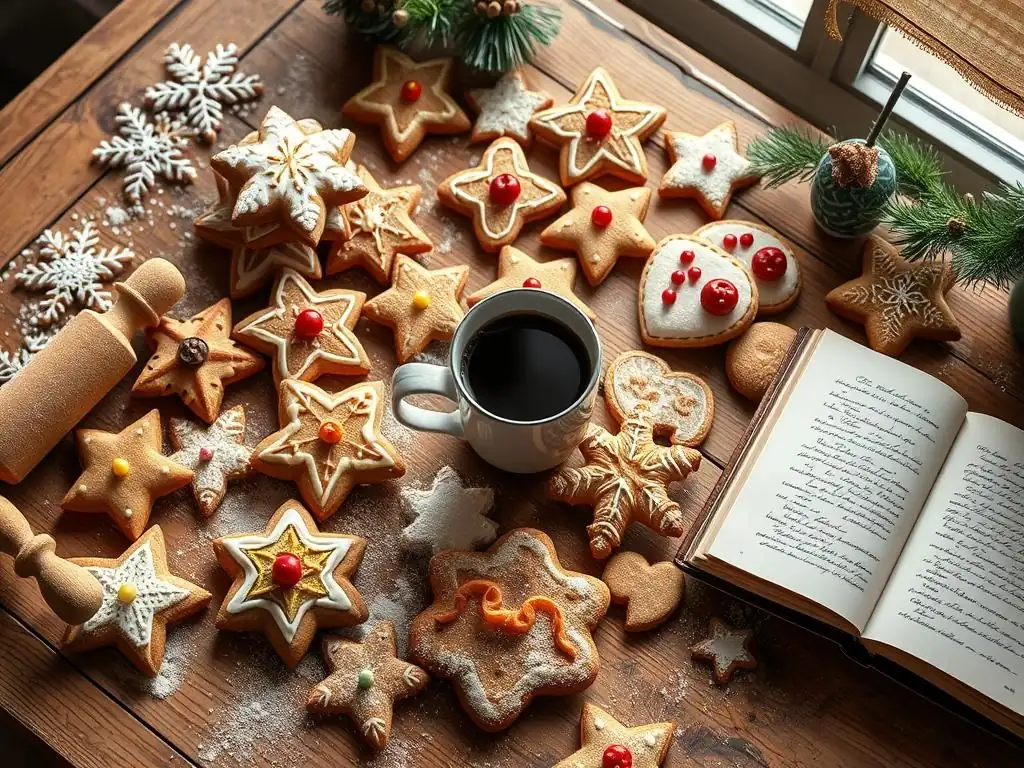
German Christmas baking, known as Weihnachtsbäckerei, is steeped in centuries of tradition and holds a special place in holiday celebrations. These cookies are more than just sweets; they are edible symbols of coziness, family gatherings, and the festive spirit leading up to Christmas Eve. Many recipes have been passed down through generations, each carrying a unique story and connection to the past. Baking these traditional treats allows you to participate in this rich cultural heritage, bringing a piece of German festive charm into your own home.
The appeal lies not only in the history but also in the distinctive flavors and textures. German Christmas cookies often feature warm spices like cinnamon, cloves, nutmeg, and cardamom, combined with nuts such as almonds and hazelnuts, and sometimes candied citrus peel. Unlike some modern cookies, they often have a firmer texture, designed to last and be shared over the weeks of Advent. Exploring these authentic flavors is a delightful way to expand your baking repertoire and experience the true taste of a German Christmas.
Baking together is a wonderful way to create lasting holiday memories, and making easy German Christmas cookie recipes is perfect for involving the whole family. The process, from mixing the dough and cutting out shapes to decorating the baked cookies, provides opportunities for connection and fun. Children can help with simpler tasks like pressing sprinkles or arranging cookies on the baking sheet, while older family members might take on shaping or glazing.
The aroma of baking spices wafting through the house instantly evokes a sense of warmth and holiday cheer. Sharing the finished cookies, whether gifting them to neighbors, bringing them to a holiday party, or simply enjoying them with a cup of tea or coffee, is a central part of the festive experience. These homemade treats carry a personal touch that store-bought cookies simply cannot replicate, making them cherished gifts and delightful additions to any holiday gathering.
Authentic German Christmas cookies owe much of their distinctive taste to a specific blend of warm spices. Cinnamon ( Zimt) is arguably the most prominent, lending its comforting sweetness to many varieties, including Zimtsterne. Cloves ( Nelken) provide a pungent, aromatic counterpoint, often used alongside cinnamon. Nutmeg ( Muskatnuss) adds a subtle warmth and depth, while cardamom ( Kardamom) contributes a unique, slightly floral and citrusy note, particularly important in Lebkuchen and Spekulatius.
Other common spices include ginger ( Ingwer), which gives Lebkuchen its characteristic bite, and sometimes allspice ( Piment) or star anise ( Sternanis). The quality and freshness of your spices significantly impact the final flavor. Using freshly ground spices whenever possible will yield the most vibrant results. A typical spice mix for Lebkuchen might include cinnamon, cloves, ginger, nutmeg, and cardamom in varying proportions, often with cinnamon being the most dominant spice, perhaps making up 40-50% of the total blend.
Like most cookies, flour and sugar form the structural basis of German Christmas cookies. All-purpose wheat flour ( Weizenmehl Type 405 or 550 in Germany) is the most common choice, providing the necessary gluten structure. Some recipes might call for rye flour or a mix of wheat and rye, especially older, more rustic Lebkuchen recipes, which can add a slightly different texture and nutty flavor. The type of flour can affect the cookie's texture, from tender and crumbly to more robust and chewy.
Sugar provides sweetness, aids in browning, and affects texture. Granulated sugar ( Zucker) is standard, but brown sugar ( Brauner Zucker) is often used in darker cookies like Lebkuchen for its molasses notes and moisture. Powdered sugar ( Puderzucker or Staubzucker) is essential for dusting cookies like Vanillekipferl or making glazes. Honey or molasses ( Honig or Zuckerrübensirup) are also traditional sweeteners, especially in Lebkuchen dough, contributing to its unique texture and flavor profile. A classic Lebkuchen dough might use a combination of honey and sugar, perhaps in a 1:1 ratio by weight.
Nuts and Dried Fruits for Added Texture and Flavor
Nuts are integral to many German Christmas cookie recipes, providing richness, texture, and flavor. Almonds ( Mandeln) are perhaps the most popular, used ground in doughs (like Zimtsterne and Vanillekipferl) or sliced/slivered for decoration. Hazelnuts ( Haselnüsse) are also frequently used, either ground or finely chopped, adding a distinct nutty depth.
Walnuts ( Walnüsse) appear in some regional variations. Using finely ground nuts, sometimes referred to as "nut flour," can replace a portion of the wheat flour, resulting in a tender crumb. For example, a traditional Zimtsterne recipe might contain as much as 50% ground almonds relative to the weight of powdered sugar.
Dried fruits and candied peel add bursts of flavor and chewiness. Candied orange peel ( Orangeat) and candied lemon peel ( Zitronat) are classic additions to Lebkuchen, providing a sweet, slightly bitter citrus note. Raisins or currants are less common in the most iconic varieties but can be found in some fruitcake-like cookie bars. Ensuring these additions are finely chopped and evenly distributed throughout the dough is key to achieving the desired texture and flavor balance in your easy German Christmas cookie recipe.
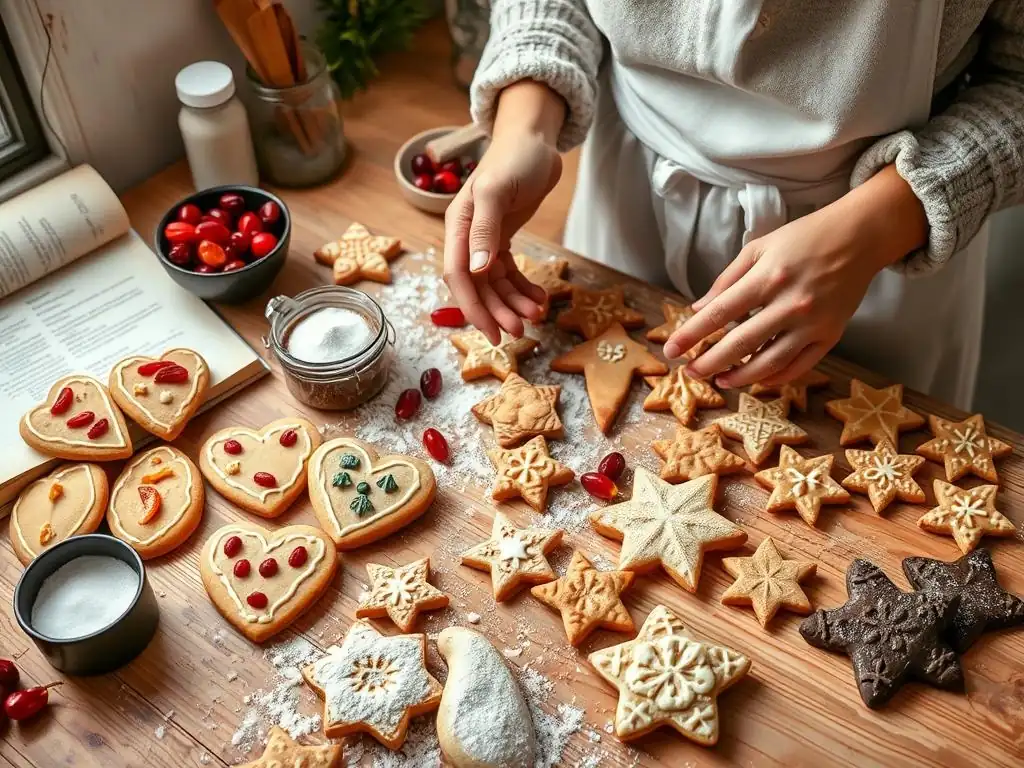
Lebkuchen are the quintessential German gingerbread cookies, known for their soft, chewy texture and rich spice blend. This easy Lebkuchen recipe simplifies the traditional process, making it accessible for home bakers. Unlike some cookies that require immediate baking, Lebkuchen dough often benefits from resting, sometimes for several days, to allow the flavors to meld and the dough to mature. However, our simplified version allows for baking after a shorter chill period.
A typical batch might involve mixing honey, sugar, and spices, then incorporating flour, eggs, and leavening agents like potash or baking soda. The dough is usually soft and slightly sticky. The key to its unique texture lies in the high proportion of liquid sweetener (honey/syrup) and spices compared to flour. A standard ratio might be roughly equal parts honey/syrup and flour by weight, with a significant amount of spice mix, perhaps 2-3% of the total dough weight. Candied citrus peel and ground nuts are often mixed in at this stage.
Preparing the Lebkuchen Dough: A Simple Guide
Start by gently warming honey or golden syrup with sugar and your spice blend in a saucepan until the sugar dissolves; do not boil. Remove from heat and let it cool slightly. In a separate bowl, whisk together your dry ingredients: flour, baking soda or potash (dissolved in a tiny bit of water), and a pinch of salt. Once the honey mixture has cooled to lukewarm, stir in an egg. Gradually add the wet mixture to the dry ingredients, mixing until a soft dough forms. If using, fold in finely chopped candied citrus peel and ground almonds or hazelnuts.
The dough will be soft and potentially sticky. Wrap it tightly in plastic wrap and refrigerate for at least 2-3 hours, or preferably overnight. This chilling period is crucial even for an easy Lebkuchen recipe, as it firms up the dough, making it easier to handle, and allows the spices to infuse more deeply. After chilling, the dough should be firm enough to roll out without excessive stickiness. Lightly flour your surface and rolling pin.
Baking Your Lebkuchen to Perfection
Preheat your oven to a moderate temperature, typically around 170-180°C (340-350°F). Roll the chilled Lebkuchen dough to a thickness of about 5-7mm (about 1/4 inch). Use cookie cutters to cut out shapes, traditionally hearts, stars, or rectangles. Carefully transfer the cutouts to baking sheets lined with parchment paper, leaving some space between them as they will spread slightly. For a classic look, press a whole almond or a piece of candied cherry onto the center of each cookie before baking.
Bake for approximately 10-15 minutes, depending on their size and thickness. Lebkuchen should be firm but still slightly soft to the touch when removed from the oven. They will continue to firm up as they cool. Avoid overbaking, which can make them hard. A batch baked at 175°C for 12 minutes should yield cookies with the desired chewy texture. Let them cool on the baking sheet for a few minutes before transferring them to a wire rack to cool completely.
Glazing and Decorating Your Lebkuchen
Once the Lebkuchen are completely cool, they are ready for glazing. A simple sugar glaze is traditional. Mix powdered sugar with a small amount of lemon juice or water until you achieve a smooth, pourable consistency. A ratio of about 1 cup (approx. 120g) powdered sugar to 2-3 tablespoons of liquid usually works well. For a richer glaze, some recipes use egg white. You can dip the entire cookie in the glaze or use a brush to coat the top surface.
While the glaze is still wet, you can add decorations like slivered almonds, chopped pistachios, or small pieces of candied fruit. Some bakers prefer a simple, opaque white glaze, while others use food coloring to create festive designs. Allow the glaze to set completely before stacking or storing the cookies. This easy German Christmas cookie recipe step adds a beautiful finish and extra sweetness, making your homemade Lebkuchen truly special.
Vanillekipferl are delicate, crescent-shaped cookies made with ground nuts and generously coated in vanilla sugar. Their melt-in-your-mouth texture makes them incredibly popular. This recipe for baking simple Vanilla Kipferl focuses on achieving that signature tenderness. Unlike many cookies, they don't contain eggs, relying on the butter and ground nuts for structure and richness.
The dough is typically a simple mixture of butter, powdered sugar, ground almonds or hazelnuts, flour, and vanilla. The proportion of ground nuts is quite high, often equal to or even exceeding the weight of the flour. For example, a recipe might use 1 part powdered sugar, 2 parts butter, 2.5 parts ground nuts, and 2.5 parts flour by weight. The quality of the vanilla is also crucial – using pure vanilla extract or scraping seeds from a vanilla bean will yield the best flavor.
Making the Delicate Vanillekipferl Dough
Start with softened butter, creamed together with powdered sugar and a pinch of salt until light and fluffy. Beat in the vanilla extract or vanilla bean seeds. In a separate bowl, whisk together the flour and finely ground almonds or hazelnuts. Gradually add the dry ingredients to the butter mixture, mixing on low speed or by hand until just combined. The dough will be soft and may seem crumbly at first, but it should come together when pressed. Avoid overmixing, which can develop the gluten too much and result in tougher cookies.
Gather the dough into a ball, flatten it slightly, wrap tightly in plastic wrap, and refrigerate for at least 1 hour. This chilling step is essential for firming up the dough, making it manageable to shape into the delicate crescent forms required for baking simple Vanilla Kipferl. A well-chilled dough is much easier to roll and shape without it becoming sticky or falling apart.
Shaping and Baking the Vanilla Crescents
Preheat your oven to a moderate temperature, around 160-170°C (320-340°F). Line baking sheets with parchment paper. Take small portions of the chilled dough (about the size of a cherry or a walnut, roughly 10-15g each). Roll each portion between your palms to form a small log, then gently shape it into a crescent moon. Place the crescents onto the prepared baking sheets, leaving about 1-2 cm between them as they don't spread much.
Bake for 12-15 minutes, or until the edges are lightly golden. The cookies should still look quite pale in the center. Baking at a slightly lower temperature than typical cookies helps prevent them from browning too much and keeps them tender. A batch baked at 165°C for 14 minutes should yield perfect, pale crescents. They will be very fragile when hot, so handle them with extreme care.
Coating Your Vanillekipferl in Vanilla Sugar
While the Vanillekipferl are still warm from the oven, but cool enough to handle gently, they need to be coated in vanilla sugar. Prepare the vanilla sugar by combining powdered sugar with the seeds from a vanilla bean or by burying a whole vanilla bean in a jar of granulated or powdered sugar for a week or two to infuse it. A common method is to use a mixture of powdered sugar and vanilla sugar.
Place a generous amount of vanilla sugar in a shallow dish or plate. Gently roll or dust each warm crescent in the vanilla sugar, ensuring it is completely coated. The warmth of the cookies helps the sugar adhere. Be very careful during this step, as the cookies are still delicate. Once coated, transfer them to a wire rack to cool completely. This final coating is what gives Vanillekipferl their signature sweet vanilla flavor and powdery finish, completing this simple Vanilla Kipferl baking process.
Zimtsterne, or Cinnamon Stars, are elegant, chewy cookies made primarily from ground almonds, sugar, cinnamon, and often topped with a crisp meringue glaze. They are naturally gluten-free (if using only ground almonds and no flour) and intensely flavored with cinnamon. This easy Zimtsterne recipe simplifies the process, focusing on achieving the perfect balance of chewiness and crisp meringue.
The base dough is essentially a paste of finely ground almonds, powdered sugar, and a significant amount of cinnamon. Egg whites are used to bind the dough and also to create the traditional meringue topping. A high-quality, finely ground almond flour or meal is essential for the best texture. The ratio of ground almonds to powdered sugar is often close to 1:1 by weight, with cinnamon added generously, perhaps 1-2 tablespoons per 200g of almonds and sugar combined.
Creating the Perfect Zimtsterne Dough
In a bowl, combine finely ground almonds, powdered sugar, and ground cinnamon. Whisk together until well mixed. In a separate clean bowl, whisk one or two egg whites until lightly frothy. Gradually add the egg whites to the dry ingredients, mixing with a spatula or wooden spoon until a stiff, slightly sticky dough forms. The dough should be firm enough to roll out but pliable. If it seems too sticky, you can add a tiny bit more ground almonds; if too dry, a touch more egg white.
Reserve about 2-3 tablespoons of the whisked egg white before adding it to the dough; this will be used for the meringue topping. Wrap the dough tightly and refrigerate for at least 30 minutes. Chilling helps firm the dough, making it easier to roll without sticking. This step is key to an easy Zimtsterne recipe, preventing frustration when cutting the shapes.
Cutting and Baking the Cinnamon Stars
Preheat your oven to a low temperature, around 140-150°C (280-300°F). Line baking sheets with parchment paper. Lightly dust your work surface with powdered sugar (using flour is not traditional for this type of cookie and can affect texture). Roll the chilled Zimtsterne dough to a thickness of about 8-10mm (around 1/3 inch). Use a star-shaped cookie cutter, dipping the cutter in powdered sugar between cuts to prevent sticking.
Carefully transfer the cut out stars to the prepared baking sheets. Leave about 2 cm space between them. The low baking temperature is crucial as it gently dries the cookies and sets the meringue without browning them too much.
Adding a Meringue Topping to Your Zimtsterne
While the stars are on the baking sheets, prepare the meringue topping. Take the reserved egg white and whisk it briefly again. Gradually whisk in powdered sugar, a tablespoon at a time, until you have a thick, glossy glaze consistency. It should be spreadable but not runny. A common ratio is about 1 egg white to 1 cup (approx. 120g) of powdered sugar.
Carefully spread a thin, even layer of this meringue glaze over the top of each cinnamon star using a small spatula or the back of a spoon, making sure to cover the entire top surface right up to the edges. Bake the cookies for 12-18 minutes. They are done when the meringue topping is opaque and set, and the edges of the cookie are slightly firm.
The inside should remain chewy. Let them cool completely on the baking sheet before handling, as they are fragile when warm. This meringue step is what gives Zimtsterne their iconic look and adds a delicate crispness contrasting with the chewy cookie base in this easy Zimtsterne recipe.
The desired texture varies greatly among German Christmas cookies, from the chewy Lebkuchen to the tender Vanillekipferl and the soft-chewy Zimtsterne. Achieving the right texture starts with precise ingredient measurements, especially the flour-to-fat ratio and the moisture content.
For instance, using too much flour can make cookies hard, while too little can make them spread excessively. Chilling the dough, as recommended in our easy German Christmas cookie recipes, is a crucial step for many varieties; it solidifies the fat, which helps the cookies hold their shape and prevents them from spreading too much during baking, contributing to a desirable texture.
Baking time and temperature are equally important. Overbaking is a common culprit for hard or dry cookies. Pay close attention to the visual cues mentioned in each recipe – edges turning lightly golden, centers looking set but perhaps still pale. Using an oven thermometer can help ensure your oven is at the correct temperature, as oven thermostats can be inaccurate, sometimes by as much as 20-30°C. For chewy cookies like Lebkuchen, baking slightly less might be preferable, as they will continue to set as they cool.
Preventing Common Baking Mistakes
Several common pitfalls can be avoided when baking German Christmas cookies. One is not chilling the dough sufficiently, which leads to cookies that spread too much and lose their shape. Ensure the dough is properly chilled according to recipe instructions – often at least 30 minutes to an hour, sometimes longer for specific doughs like Lebkuchen. Another mistake is overworking the dough, especially after adding the flour. This develops gluten unnecessarily, resulting in tough cookies. Mix until just combined.
Using ingredients at the wrong temperature is another issue. Softened butter, for example, should be pliable but not melted, allowing it to cream properly with sugar and create air pockets. Baking at the wrong temperature, as mentioned, can ruin the texture. Also, ensure your leavening agents (baking soda, baking powder, or potash) are fresh; expired leaveners won't provide the necessary lift, resulting in flat, dense cookies. Following the steps in our easy German Christmas cookie recipes carefully minimizes these risks.
Proper storage is key to keeping your German Christmas cookies fresh and flavorful throughout the holiday season. Once completely cooled, store different types of cookies separately in airtight containers. Mixing soft and crisp cookies can make the crisp ones soft. Lebkuchen, in particular, actually improve in texture over a few days as they soften; traditionally, they were stored in tin boxes with a slice of apple (replaced periodically) to maintain moisture, though an airtight container is usually sufficient today.
Store the containers in a cool, dry place, away from direct sunlight or heat sources. Most German Christmas cookies, especially those made with spices and nuts, have a relatively long shelf life when stored correctly, often staying fresh for 2-3 weeks. Vanillekipferl are more delicate and perhaps best enjoyed within 1-2 weeks. Freezing is also an option for longer storage; most baked cookies can be frozen in airtight containers or freezer bags for up to 2-3 months. Thaw them at room temperature before serving.
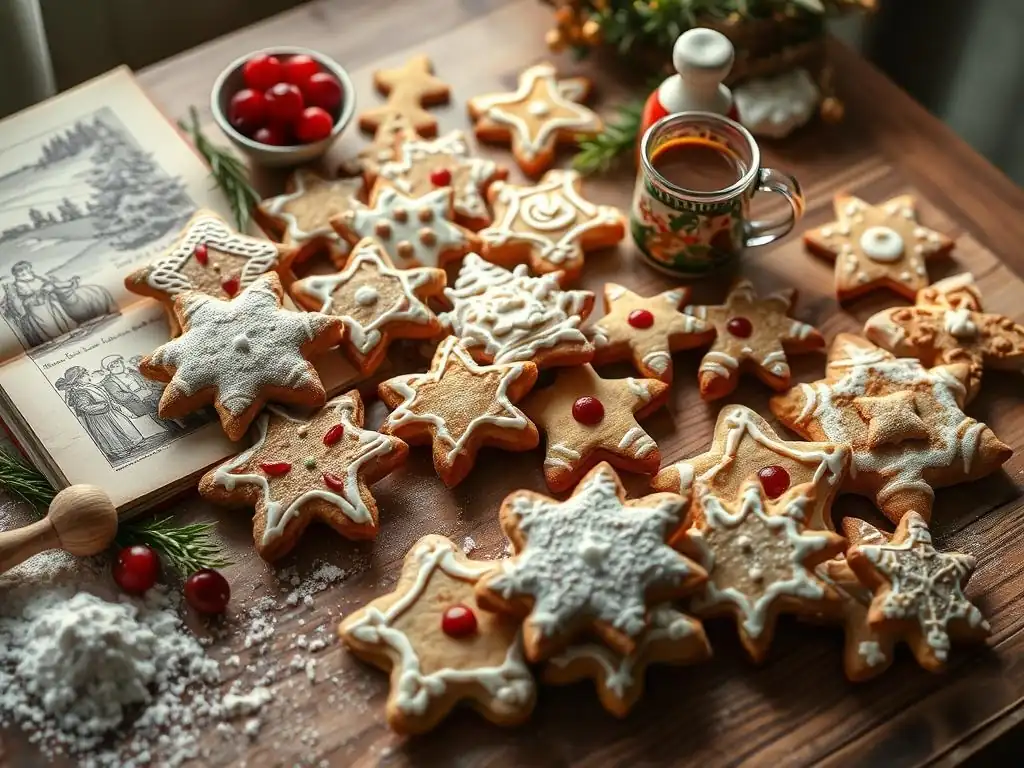
Adapting traditional German Christmas cookie recipes to be gluten-free is possible and allows more people to enjoy these festive treats. Many traditional recipes already rely heavily on ground nuts (almonds, hazelnuts) rather than wheat flour for structure, making them excellent candidates for adaptation. Zimtsterne, for example, are often naturally gluten-free, using only ground almonds, sugar, cinnamon, and egg whites.
For recipes that do use wheat flour, like Lebkuchen or Vanillekipferl, you can often substitute with a gluten-free all-purpose baking mix. Look for blends that contain xanthan gum or guar gum, as these help provide structure that gluten would normally provide. A ratio of 1:1 substitution often works, but you might need slight adjustments to liquid or chilling time depending on the specific blend used. Using a gluten-free easy German Christmas cookie recipe opens up these holiday delights to a wider audience.
Creating vegan versions of German Christmas cookies involves replacing animal-derived ingredients like butter and eggs with plant-based alternatives. Vegan butter or margarine works well as a substitute for dairy butter in most cookie doughs, providing the necessary fat and richness. Look for sticks specifically designed for baking.
Eggs can be replaced with various binders depending on the recipe's function for the egg. In cookies like Vanillekipferl where the egg count is low or zero, replacing butter might be the main change. For recipes using eggs for binding or leavening, options include applesauce, mashed banana, flax eggs (1 tbsp flaxseed meal + 3 tbsp water, let sit), commercial egg replacers, or aquafaba (the liquid from canned chickpeas, especially useful for meringue-like toppings). Experimentation may be needed to find the best substitute for a specific easy German Christmas cookie recipe, but delicious vegan versions are certainly achievable.
Adding Your Own Creative Twist to Traditional Recipes
While the allure of German Christmas cookies lies in their tradition, there's also room for creativity and personalization. Once you've mastered the basic easy German Christmas cookie recipe for varieties like Lebkuchen or Vanillekipferl, feel free to experiment. You could add different nuts (like pistachios to Zimtsterne), swap spices (a hint of ginger in Vanillekipferl? ), or incorporate new flavors like orange zest into Lebkuchen dough.
Decorating offers endless possibilities beyond traditional glazes and nuts. Consider using edible glitter, different colored glazes, or intricate piping designs. You could also create hybrid cookies, perhaps adding candied ginger pieces to Vanillekipferl dough or dipping half of a Lebkuchen in dark chocolate. These personal touches make the baking process even more fun and allow you to put your own stamp on these classic holiday treats, while still honoring their origins.
Baking is often about sharing, and homemade German Christmas cookies are perfect for spreading holiday cheer. Package them beautifully in tins or boxes tied with festive ribbons to give as thoughtful gifts to friends, family, neighbors, or colleagues. A selection of different varieties makes a particularly impressive present. These cookies are also wonderful additions to holiday cookie exchanges or bake sales.
Beyond gifting, simply sharing your easy German Christmas cookie recipe creations with loved ones over a cup of coffee or tea is a simple joy of the season. The act of baking and sharing these traditional treats fosters connection and brings warmth to cold winter days. Encourage others to try baking them too, perhaps sharing your newfound knowledge from this guide.
BakeWithEase: Your Partner for Easy and Delicious Baking
At BakeWithEase, we believe that baking should be a rewarding and enjoyable experience, not a source of stress. Our goal is to provide clear, simple guidance that empowers you to create delicious baked goods, including authentic and easy German Christmas cookie recipes. We hope this guide has inspired you to try your hand at these festive classics and shown you that traditional baking can be accessible and fun.
Whether you're a complete novice or looking to simplify your holiday baking routine, we're here to help. Explore our website for more easy-to-follow recipes, helpful techniques, and baking tips. We're constantly adding new content to support your baking journey. Happy baking, and may your holiday season be filled with the wonderful aroma and taste of homemade German Christmas cookies!
Frequently Asked Questions
BakeWithEase specializes in simple recipes and step-by-step guides, making even traditionally complex cookies like German Christmas cookies accessible to all. We focus on easy-to-find ingredients.
You'll discover a variety of recipes, including classics like Lebkuchen, Vanillekipferl, and Zimtsterne. We provide effortless guides to help you bake them perfectly.
Are the recipes on BakeWithEase suitable for beginner bakers?
Yes! BakeWithEase is designed for bakers of all levels. Our focus is on easy recipes and clear instructions, ensuring success even for beginners trying German Christmas cookies.
BakeWithEase recipes prioritize easy-to-find ingredients. We also offer substitutions and tips to help you adapt recipes based on what's available.
Absolutely! We provide comprehensive tips and techniques alongside our recipes, covering everything from dough handling to baking times, ensuring your cookies are delicious and beautifully presented.
The enduring appeal of German Christmas cookies lies not just in their deliciousness, but in their ability to connect us to tradition, family, and the magic of the holiday season. These aren't simply recipes; they are tangible links to generations past, carrying with them the warmth of family kitchens and the comforting scent of spices and sugar. In a world increasingly fast-paced and disconnected, the simple act of baking these cookies offers a powerful antidote.
The influence of these recipes extends far beyond the kitchen; they represent a cultural heritage passed down through families, a testament to the enduring power of tradition. These cookies are more than just a treat; they are a symbol of belonging, a shared experience that transcends geographical boundaries. As the renowned food writer, Ruth Reichl, once said, Food is symbolic of love when words are inadequate.
These cookies, with their intricate designs and carefully guarded recipes, speak volumes about the love and care invested in their creation and sharing.
Now, as you gather your ingredients and prepare to embark on your own baking journey, remember the deeper meaning behind each carefully measured spoonful of spice and each perfectly formed cookie. Let this experience be more than just a recipe followed; let it be a moment of connection, a celebration of heritage, and a creation of lasting memories. Embrace the process, share the joy with loved ones, and savor the sweet legacy of German Christmas cookies.
Thanks for joining us on this delicious journey into the world of authentic German Christmas cookies! We hope you've gained valuable insights and inspiration for your holiday baking. Now it's time to put your newfound knowledge to the test!
- Dive straight into baking: Choose your favorite recipe from the article and get started! We’ve made it easy to follow, so don't hesitate to experiment with flavors and techniques.
- Share your creations: Post pictures of your finished cookies on social media and tag us – we'd love to see your festive bakes! #BakeWithEase #GermanChristmasCookies
- Explore our other recipes: Discover more holiday baking delights on our website – from gingerbread houses to stollen, we've got something for every festive occasion!
Ready to transform your kitchen into a festive German bakery? What's the first cookie you'll be tackling?